
红旗连锁

Search documents
从始祖鸟到雪王,为什么都在开大店?
3 6 Ke· 2025-12-26 10:55
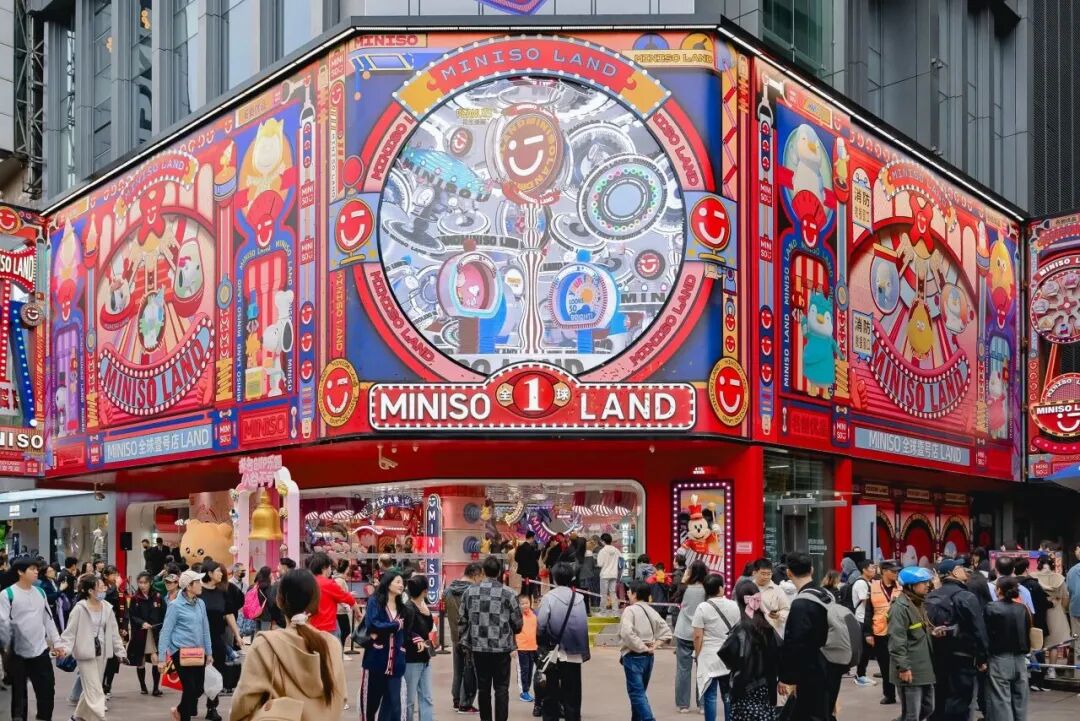
Core Insights - The article discusses the emerging trend of large retail stores that not only expand brand business boundaries but also enhance community engagement and lifestyle leadership. Group 1: Large Store Trends - The new wave of large stores is characterized by their ability to break traditional retail boundaries and expand brand business scope, leading to enhanced community engagement and lifestyle influence [17]. - Miniso has successfully implemented a new model with its large stores, where nearly 80% of sales come from IP products, shifting consumer focus from practical value to emotional value [5][7]. - The trend of opening large stores is not limited to Miniso; other brands like Mixue Ice City and H&M are also adopting this strategy to adapt to market saturation and consumer preferences [8][15]. Group 2: Performance Metrics - Miniso's flagship store in Shanghai achieved sales exceeding 150 million yuan within its first year, demonstrating the potential profitability of large stores [5]. - Mixue Ice City's flagship store in Zhengzhou reported that nearly 50% of its sales came from cultural products, with monthly revenues surpassing 15 million yuan [9]. - The performance of large stores often exceeds expectations, with flagship stores serving as significant traffic drivers and enhancing brand visibility [21][20]. Group 3: Market Context - The current retail environment is challenging, with a national average vacancy rate of 14.2% in shopping centers and a commercial real estate vacancy rate reaching 28.7%, the highest in a decade [19]. - Despite these challenges, certain brands are leveraging large stores to achieve differentiation and high-end positioning, indicating a strategic pivot in response to market conditions [19][18]. Group 4: Design and Experience - The design of contemporary retail spaces has evolved from mere product display to creating strategic experiences that attract and retain customers [25]. - Large stores are increasingly seen as content hubs, where the experience and engagement offered can surpass traditional retail formats, thus enhancing customer loyalty [27][40]. - Successful large stores incorporate unique design elements and exclusive products that create a compelling reason for customers to visit and stay longer [28][29]. Group 5: New Brand Opportunities - New brands are emerging that focus on aesthetic and experiential retail, such as Tagi., which emphasizes unique store designs and local cultural integration to attract consumers [35][37]. - The trend indicates a shift towards brands that can tell compelling stories and create memorable experiences, which are crucial for customer retention in the competitive retail landscape [39][40].


首个AI互动漫画上线,快看漫画携手MiniMax开启"AI+IP合作"新范式
Ge Long Hui· 2025-12-26 07:04
Core Viewpoint - Kuaikan Manhua has launched a new content format called AI Companion Interactive Comics, integrating AI technology with a complete worldview, character interaction, and immersive experiences in the comic industry, continuing to lead content innovation [1] Group 1: Company Innovations - Kuaikan Manhua is committed to innovating comic formats, further exploring AI-driven experiences beyond traditional formats like strip comics and comic dramas [1] - MiniMax Yiyu Technology, a core technology partner, provides video and voice generation model support, enabling comic characters to "move and speak," thus achieving a more natural interactive experience [1] Group 2: Technology and Partnerships - MiniMax Yiyu Technology is a leading global general artificial intelligence company, having developed a series of multimodal general models, including MiniMax M2.1, Hailuo 2.3, Speech 2.6, and Music 2.0, positioning itself among the top four multimodal model companies globally [1] - MiniMax has previously collaborated with well-known IPs and content companies, such as Mixue Ice City and director Lu Chuan, to explore new paradigms of "AI + IP" in content innovation and user co-creation [1]
新茶饮集体去美国开店
第一财经· 2025-12-25 14:40
Core Viewpoint - The new tea beverage industry in China is experiencing two main paths of breakthrough in 2025: expanding internationally towards stronger consumer markets in Europe and America, and innovating product forms by solidifying and sweetening beverages to broaden consumption scenarios [3][5]. Group 1: Market Expansion and Capital Trends - 2025 is marked as the "capital year" for Chinese tea beverages, with four companies going public, including popular brands like Mixue Ice City and Bawang Tea [5]. - The domestic new tea beverage market is expected to exceed 200 billion yuan in 2025, indicating significant growth in consumer demand [5]. - The market is shifting from incremental competition to stock competition, with a saturation of tea shops in urban areas, leading brands to seek differentiation [6]. Group 2: Product Innovation and Consumer Trends - Brands are increasingly introducing differentiated products such as Thai milk tea and solid desserts, responding to the saturated market and changing consumer preferences [6]. - The popularity of solid desserts like "solid mango sago" has surged, with sales exceeding 8 million cups since its launch, indicating a shift towards more visually appealing and substantial products [7]. - The trend of "light health" among younger consumers is driving the popularity of sugar water products, which are perceived as healthier alternatives compared to traditional milk teas [7]. Group 3: International Expansion Strategies - New tea brands are increasingly targeting North America for expansion, moving away from the highly competitive Southeast Asian market [10][11]. - The establishment of a robust overseas supply chain is identified as a significant challenge for brands looking to expand internationally [11]. - Successful internationalization requires understanding and catering to local consumer preferences, with a focus on creating a genuine global brand presence [12].

年终盘点 | 新茶饮“红海”中求生存:抢滩北美市场、产品从“喝”拓展到“吃”
Di Yi Cai Jing· 2025-12-25 11:37
Group 1: Industry Trends - The new tea beverage industry is experiencing a dual path of expansion and internal competition, with brands seeking global presence while innovating product offerings to differentiate themselves in a saturated market [1][2] - The market size for new tea beverages in China is expected to exceed 200 billion yuan in 2025, indicating significant growth potential despite increasing competition [2] - The trend of "solidifying" and "dessertifying" beverages is emerging, with products like solid mango sago and various dessert teas gaining popularity among consumers [3][4] Group 2: Market Dynamics - The competition in the tea beverage market is shifting from incremental growth to a focus on existing market share, leading to a proliferation of similar stores in close proximity [2] - Brands are increasingly introducing differentiated products, such as salty milk tea and dessert-style offerings, to attract consumers and stand out in a crowded market [2][3] - The popularity of solid dessert drinks is linked to a growing consumer preference for visually appealing and ingredient-rich products, reflecting a shift towards "light health" trends [4] Group 3: International Expansion - The North American market is becoming a preferred destination for Chinese tea brands, moving away from the previously favored Southeast Asian markets due to intense competition [7][8] - Companies like Mixue Ice City and Bawang Chaji are establishing their first stores in the U.S., indicating a strategic shift towards markets with higher consumer spending power [6][7] - Successful internationalization requires a comprehensive approach involving the entire supply chain, rather than just individual brands attempting to enter foreign markets [8]
中国新增70位亿万富豪,为什么越来越像“工程师”?
Sou Hu Cai Jing· 2025-12-25 09:58
Group 1 - The core narrative of wealth creation in China has shifted from real estate to technology, with the emergence of new billionaires primarily from tech-related sectors rather than traditional real estate [2][3][4] - By 2025, China is expected to add 70 new billionaires, bringing the total to 470, with a significant portion of this growth driven by technology companies [3][8] - The wealth of billionaires in the global tech industry has increased by 23.8% to reach $3 trillion, with the tech sector leading all industries with a 198% growth since 2015 [7][8] Group 2 - The new generation of billionaires in China is predominantly self-made, with 98% having built their wealth through entrepreneurship rather than inheritance or real estate appreciation [8][12] - In contrast to the U.S., where many billionaires have inherited wealth, China's new billionaires are emerging from competitive market environments, indicating strong economic vitality [12][14] - The financial sector in China, while contributing to wealth creation, does not match the scale and historical depth of the U.S. financial market, suggesting room for growth in financial innovation and support for high-tech industries [16][19] Group 3 - Future wealth creation in China is expected to be driven by technology and innovation across various sectors, including AI, chips, and new manufacturing [17][18] - The transition from asset appreciation to technology and innovation as the primary sources of wealth indicates progress in China's economic development [19]

遭证监会“九连问”的巴奴,再次冲击港股IPO
Sou Hu Cai Jing· 2025-12-25 04:50
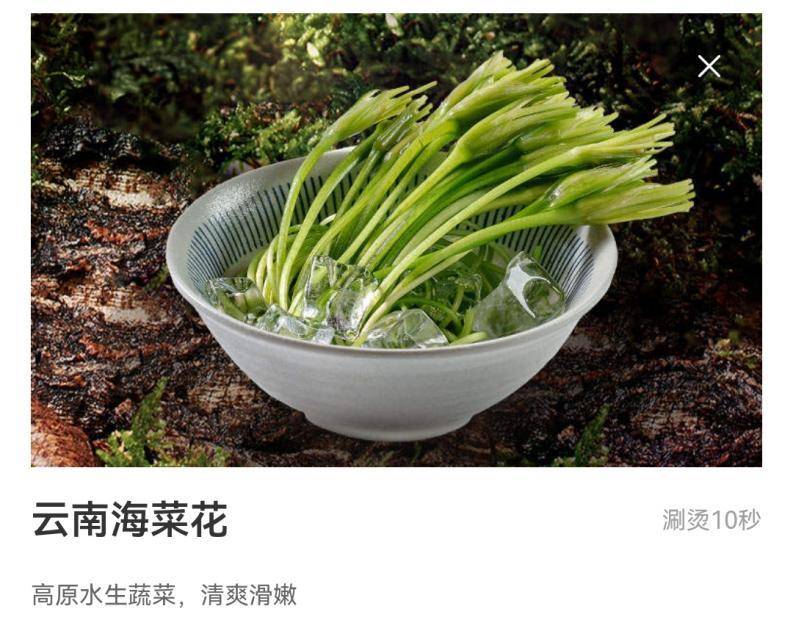
来源:新浪新消费 自带热搜体质的巴奴火锅,近日再次陷入舆论风波中。 12月初,湖北经视《经视直播》栏目微博发文称,有消费者反映,巴奴当月推出的尝鲜菜"水性杨花"有歧义。随后,巴奴将该 菜品改名并下架。有律师指出,该菜名在非云南地区可能涉嫌违反公序良俗。 消息一出,随即引发了热议,也为正在冲击港股IPO的巴奴蒙上了一层阴影。 不过,IPO前大笔分红的合理性,以及员工社保公积金欠缴等备受争议的问题仍然存在。8月时,这些问题已经引发了证监会 的关注,并要求其就股权架构合规性、分红合理性等9个方面的事项作出说明。 2025年以来,餐饮企业掀起了赴港上市潮,蜜雪冰城、绿茶餐厅、遇见小面等餐饮企业相继于港股IPO。不过,它们在资本市 场上的表现却堪称冰火两重天,雪王一飞冲天,绿茶和遇见小面则是跌跌不休。 这一次,巴奴能如愿成功上市吗?又能否获得资本市场的青睐? "水性杨花"菜品引争议,巴奴风波不断 巴奴对于"水性杨花"菜品名的使用,似乎并非刻意为之。而且,该菜品如今已改名为"云南海菜花",26元一份。 (图源:巴奴小程序) 公开资料显示,该菜品又名"波叶海菜花",随水漂动,在云南当地常被称为"水性杨花"。从这一层面来看, ...
红旗连锁:公司与成都市家政协会合作上线家政便民服务,项目包含养老护理
Cai Jing Wang· 2025-12-25 03:17
Group 1 - The core viewpoint of the article highlights that Hongqi Chain has launched a home service project in collaboration with the Chengdu Home Service Association, aiming to enhance community living through convenient services [1] - The project has gathered over 20 brand home service suppliers and offers 10 major service categories, including high-demand areas such as maternal and infant care, elderly care, household services, and home cleaning [1] - For the period from January to September 2025, Hongqi Chain reported a revenue of 7.108 billion yuan, a year-on-year decrease of 8.48%, and a net profit attributable to shareholders of 383 million yuan, down 1.89% year-on-year [1]
现场直击:平安夜,美国人究竟喝不喝蜜雪冰城? | 北美前哨
Xin Lang Cai Jing· 2025-12-25 01:05
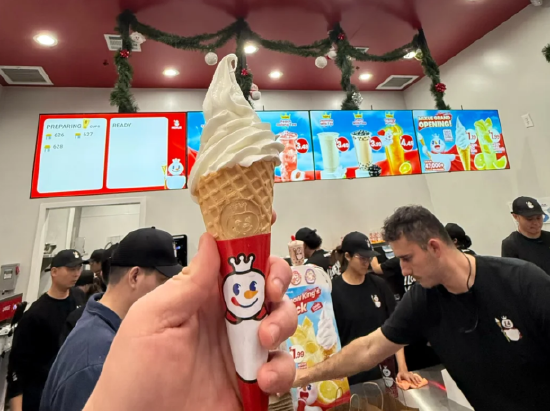
Core Insights - Mixue Ice City has officially opened its first store in New York on Christmas Eve, attracting a significant number of customers, primarily young Asians, with a notable presence of local Americans who are unfamiliar with the brand [2][26] - The brand's strategy focuses on low pricing to quickly acquire customers, similar to its growth path in Southeast Asia, but faces challenges in service quality and operational efficiency [3][32] Group 1: Market Entry and Customer Reception - The store's opening saw long queues, with approximately 80% of customers being Asian and 20% local Americans, indicating a strong initial interest from the Asian demographic [2][37] - Customer feedback on social media platforms like Google Review highlights a mix of positive comments on pricing and negative feedback regarding service issues, such as order errors and inconsistent product quality [22][23] - The pricing strategy includes offering products at significantly lower prices than competitors, with items like milk tea and ice cream priced below $2, which is appealing to price-sensitive consumers [32][34] Group 2: Competitive Landscape - Mixue faces competition not only from other tea shops but also from fast-food chains and dessert shops in Manhattan, which have a dense beverage market [11][34] - The brand's entry is expected to shift price expectations in the local market, where traditional milk tea prices are higher, potentially forcing competitors to justify their pricing strategies [11][35] Group 3: Operational Challenges - The sustainability of Mixue's low pricing model in New York is uncertain due to high fixed costs associated with operating in Manhattan, raising concerns about profitability [13][37] - The brand has signed a 10-year lease for a second location, but the high rent and operational costs may challenge its ability to maintain low prices while ensuring profitability [13][37] - There are significant concerns regarding the brand's ability to respond to customer feedback and manage service quality, which is critical in a competitive market like New York [23][48] Group 4: Brand Localization and Market Education - The brand's mascot and overall concept are not well-known among non-Asian consumers, indicating a need for market education to convert interest into sales [14][38] - The initial customer base is divided between those with prior experience of the brand and local consumers who are attracted by the low prices but may not have brand loyalty [22][46]
阿嬷手作在西湖边卖起了咖啡,我们去看了看
Ge Long Hui· 2025-12-24 23:14
出品/茶咖观察 作者/王晨瑾 编辑/蒙嘉怡 阿嬷手作开始卖咖啡了。 | 自取 外卖 | | Q ... | O | ■ EV 外卖 | | O ... | 0 | 自取 外卖 | | | | --- | --- | --- | --- | --- | --- | --- | --- | --- | --- | --- | | ★ 杭州西湖天地店 > | | | | | ★ 杭州西湖天地店 > | | | ★ 杭州西湖天地店 > | | | | 2 距您14.6km 前方3杯制作中 | | | | | 2 距您14.6km 前方3杯制作中 | | | | ○ 距您14.6km 前方3杯制作中 | | | 门店详细信息 | | | 点击查看 √ | 门店详细信息 | | 点击查看 ソ | | 门店详细信息 | | | | NEW | 茶与咖 | | | NEW | 时间的冰滴 | | | NEW | 三口奶油(茶与咖) | | | 茶与樹 Teel Co | | | | 茶与咖 100 & Collect | | | | 茶与咖 Ten & Carlos | | | | | | | | | | 冰滴·崖壁茶 | ...

铁杆友谊 初心如磐(记者手记)
Ren Min Ri Bao· 2025-12-24 22:32
Group 1 - The visit of President Xi Jinping to Cambodia has strengthened the friendship between China and Cambodia, highlighted by local celebrations and expressions of goodwill from the Cambodian people [1] - Historical ties between China and Cambodia are emphasized, with references to past communications that showcase the long-standing interest in China's development and investment opportunities in Cambodia [1] - China's contributions to Cambodia's infrastructure, including over 4,000 kilometers of roads and more than 10 bridges, have significantly improved local connectivity and supported economic development [1] Group 2 - The growing economic and tourism exchanges between China and Cambodia are enhancing bilateral relations, with Chinese brands and mobile payment systems becoming increasingly prevalent in Cambodia [2] - Cambodian fruits such as bananas, mangoes, and durians are entering the Chinese market, enriching consumer choices and expanding trade cooperation [2] - President Xi Jinping's remarks in Cambodian media highlight the enduring friendship between the two nations, which has been tested by time and challenges, serving as a model for international relations [2]