
欧莱雅

Search documents
商社美护行业周报:中央经济工作会议重点部署促内需,全国零售业创新发展大会召开-20251216
Guoyuan Securities· 2025-12-16 11:10
Investment Rating - The report maintains an "Overweight" rating for the industry, with a focus on new consumption sectors such as beauty care, IP derivatives, and gold jewelry [5][29]. Core Insights - The Central Economic Work Conference prioritized domestic demand, emphasizing the need to build a strong domestic market and implement measures to boost consumption [3][23]. - In November 2025, the Consumer Price Index (CPI) saw a year-on-year increase of 0.7%, with the core CPI rising by 1.2% [3][23]. - The report highlights significant investments in the beauty care sector, including Proya's acquisition of a stake in Beijing Huaguan Biotechnology and L'Oréal increasing its stake in Galderma to 20% [3][23][29]. Market Performance - During the week of December 8-12, 2025, the retail, social services, and beauty care sectors experienced declines of 0.21%, 0.76%, and 1.64% respectively [14][15]. - Notably, the education and general retail sub-sectors saw increases of 1.58% and 1.37% [15][18]. Key Industry Events and News - The National Retail Innovation Development Conference emphasized a shift towards quality-driven and service-driven retail, aiming for high-quality development [4][27]. - The report notes a significant increase in card trading on platforms like Xianyu, with a 21% year-on-year growth in trading volume for the first three quarters of 2025 [4][23]. Investment Recommendations - The report recommends specific companies for investment, including Proya, Giant Bio, Marubi, Runben, Chaohongji, and Furuida, focusing on sectors with growth potential [5][29].
2026-2032年中国美容仪市场全景调查与投资前景预测报告
Sou Hu Cai Jing· 2025-12-16 06:47
Core Insights - The report titled "2026-2032 China Beauty Device Market Panorama Survey and Investment Prospect Forecast" provides a comprehensive analysis of the beauty device industry in China, covering market development, competitive landscape, and investment opportunities [2]. Group 1: Industry Overview - The beauty device industry includes various products aimed at improving skin and body conditions, such as whitening, skin rejuvenation, and hair removal [2]. - The report outlines the current operational status of the beauty device market in China, including major product classifications and the industry's characteristics [3]. Group 2: Market Trends and Predictions - The report forecasts the development trends of the beauty device industry from 2026 to 2032, including market size predictions and application trends [3]. - It emphasizes the importance of understanding the competitive landscape and key players in the beauty device market for potential investors [2]. Group 3: Economic and Policy Environment - The report analyzes the economic development environment, including GDP growth, industrial economic conditions, and consumer spending trends, which are crucial for the beauty device industry's growth [3]. - It also discusses the regulatory framework and policies affecting the beauty device industry, including upstream and downstream industry impacts [3]. Group 4: Supply and Demand Analysis - The report provides insights into the supply and demand situation of the beauty device industry, including production capacity and market demand analysis from 2021 to 2025 [4]. - It predicts the supply-demand balance trends for the beauty device industry from 2026 to 2032 [4]. Group 5: Competitive Landscape - The competitive structure of the beauty device industry is analyzed, including existing competition, potential entrants, and the threat of substitutes [6]. - The report includes a SWOT analysis of the beauty device industry, highlighting strengths, weaknesses, opportunities, and threats [6]. Group 6: Key Players - The report features detailed profiles of major companies in the beauty device industry, including their market positioning, competitive advantages, and product offerings [7][8]. - Companies such as L'Oréal, Philips, and Panasonic are highlighted for their significant roles in the market [7][8]. Group 7: Future Development Strategies - The report outlines strategic recommendations for beauty device companies, focusing on market positioning, technology development, and customer relationship management [10]. - It emphasizes the need for companies to adapt to changing market conditions and consumer preferences to sustain growth [10].


消费供需四象限策略剖析
2025-12-16 03:26
Summary of Conference Call Records Industry Overview - The conference call discusses the **domestic consumption market** in China, focusing on the **"2035 Income Doubling Plan"** aimed at increasing per capita GDP to over $20,000 by enhancing new productivity and achieving common prosperity through sectors like the semiconductor industry and healthcare systems [5][1]. Key Points and Arguments - **Wealth Effect and Consumer Recovery**: The recovery of consumption in the coming year is heavily reliant on the wealth effect, particularly among high-net-worth individuals. However, the purchasing power of the general public is constrained by salary structures and leverage capabilities, necessitating government intervention [1][6]. - **Challenges in the Consumption Market**: The current consumption market faces challenges such as: - **Salary Structure**: Companies are cutting costs and laying off employees to improve profit margins, which hampers salary growth for the middle class [3]. - **Leverage Issues**: Wealth concentration among the affluent increases, while the middle class struggles with mortgage pressures and slow income growth, limiting their borrowing capacity for consumption [3][8]. - **High-End Consumption Recovery**: The high-end consumption market is gradually recovering, with notable performance in high-end hotels, luxury cruises, and the gaming industry, indicating a positive trend in high-end consumer spending [3][22]. Important Insights - **CPI and Transfer Payments**: In 2026, key factors to watch include CPI expectations, transfer payments, and the wealth effect, particularly in high-end consumption sectors like medical aesthetics, which may benefit from stock market performance [9][6]. - **Tax Policy Impact**: Shifting from value-added tax to consumption tax could encourage local governments to stimulate consumption, supporting long-term economic goals despite short-term pressures on consumers [10][11]. - **Global Trade and Domestic Demand**: The uncertain global trade environment has highlighted the importance of domestic demand as a strategy to ensure stable GDP growth, especially in light of poor export data and weakening overseas PMIs [12]. Sector-Specific Developments - **Pet Food Sector**: The pet food sector has shown strong performance, with a three-year compound growth rate reaching two times, although profit margins remain low. The sector is driven by significant marketing efforts on platforms like Douyin and Tmall [14]. - **Hotel Industry**: The chain hotel industry is moving towards a more favorable investment phase, with average prices rising due to the recovery of high-end consumption post-pandemic [15]. - **Duty-Free Industry**: The duty-free sector is expected to improve as foreign cosmetic brands show growth, indicating a recovery in high-end consumption [16]. - **Medical Aesthetics**: The medical aesthetics sector is experiencing a K-shaped recovery, with high-end consumers opting for premium services while lower-tier markets seek affordable options [21]. Future Investment Opportunities - **Timing for Investment**: The best time to invest in the consumption sector will be from the lunar new year until early March 2026, coinciding with high policy expectations and increased consumer spending during holiday periods [23]. - **Emerging Sectors**: Other sectors to watch include luxury cruises, sports events, elder care, and high-quality gaming, all of which show significant long-term growth potential [18][19]. Conclusion - The conference call highlights the complexities of the domestic consumption market in China, emphasizing the need for strategic government policies to address current challenges and stimulate recovery. The focus on high-end consumption and emerging sectors presents potential investment opportunities for the future.
消费供需四象限策略剖析 (1)
2025-12-16 03:26
Summary of Conference Call Records Industry Overview - The focus is on the **domestic consumption market** in China, particularly in the context of the "2035 Income Doubling Plan" aimed at increasing per capita GDP to over $20,000 by enhancing new productivity and achieving common prosperity [1][5]. Key Points and Arguments Consumption Recovery - The recovery of consumption in the coming year is heavily reliant on the **wealth effect**, with high-net-worth individuals showing increased willingness to spend. However, the purchasing power of the general public is constrained by salary structures and leverage capabilities [1][6]. - The disparity between high-net-worth individuals and the general consumer is widening, with the middle class facing pressures from mortgage debts and stagnant wages, necessitating policy interventions to improve leverage capabilities [1][7][8]. Economic Policies and Projections - The **CPI expectations**, transfer payments, and policies like mortgage interest subsidies are critical for achieving a positive cycle of wages, consumption, and employment in 2026 [1][6][9]. - Transitioning from value-added tax to consumption tax could encourage local governments to support consumption stimulus, which may initially pressure consumers but ultimately aid local economic development [1][10][11]. Challenges in the Consumption Market - The current challenges include issues with salary structures and leverage capabilities, as companies are cutting costs and laying off employees to improve profit margins, which hampers wage growth for the middle class [1][3]. - The importance of domestic demand is emphasized due to increasing uncertainties in global trade, particularly in light of poor export data and weakening overseas PMIs [1][3][12]. Sector-Specific Insights - The **high-end consumption market** is gradually recovering, with notable performance in high-end hotels, luxury cruises, and the gambling industry, indicating a trend towards high-end consumer recovery [1][3][22]. - The **pet food sector** has shown strong performance, with a three-year compound growth rate reaching two times, although high valuations are driven more by market speculation than by actual company performance [1][14]. - The **medical beauty industry** is experiencing a K-shaped differentiation, where high spenders opt for premium services while others seek lower-priced options, indicating a need for investors to choose wisely between high-end and budget segments [1][21]. Future Investment Opportunities - The best time to invest in the consumption sector is projected to be from the lunar new year until March, coinciding with high policy expectations and numerous holidays that will boost consumer spending [1][23]. - The **duty-free industry** is expected to improve as foreign cosmetic brands show recovery, indicating a potential for continuous improvement in this sector [1][16]. Additional Important Insights - The **global trade situation** significantly impacts domestic GDP and demand, with a shift towards strengthening internal demand as a strategy to mitigate external trade risks [1][12]. - The **performance of high-end shopping malls** has increased due to data indicating a recovery in high-end consumption, prompting brands to enter the market [1][20]. This summary encapsulates the critical insights from the conference call, highlighting the current state and future outlook of the domestic consumption market in China, along with sector-specific trends and investment opportunities.
在这里,我看见向上的中国
Ren Min Ri Bao Hai Wai Ban· 2025-12-15 23:04
Core Insights - Multinational companies are increasingly choosing to invest in China, with 53,782 new foreign-invested enterprises established from January to October this year, representing a 14.7% year-on-year increase [12] - The investment strategies of these companies include opening new stores, building factories, and establishing R&D centers, reflecting their expanding footprint in the Chinese market [12] Group 1: L'Oréal - L'Oréal's China R&D and Innovation Center recently celebrated its 20th anniversary, highlighting the foresight of establishing beauty research in China [13] - The rapid changes in the Chinese market are driven by increasingly sophisticated consumers and a vibrant tech innovation ecosystem, which challenges and motivates L'Oréal to develop better products [13][14] - L'Oréal creates approximately 300 new formulas annually in China, aiming to leverage local consumer insights for global product innovation [14] Group 2: Blue Star Adisseo - Blue Star Adisseo's internationalization is evident in its management team, which now includes more Chinese members compared to when it was entirely French [15] - The company views China as a core market for growth in the animal nutrition sector, benefiting from a strong demand for animal protein [15][16] - Adisseo collaborates with local universities and businesses to develop customized solutions for the Chinese market, showcasing a successful integration of local expertise [16] Group 3: Ningbo Weinan - Ningbo Weinan specializes in the development and export of electrical products, with a focus on innovative socket designs led by Spanish expert Martínez [17] - The company has established a strong R&D presence in China, resulting in over 40 patents and a significant contribution to product innovation [17][18] - The Chinese market provides a wealth of inspiration for product development, with increasing consumer demand for environmentally friendly solutions [18] Group 4: Bosch Home Appliances - Bosch's market observations indicate a rising demand for "upgrading" home appliances, with consumers shifting from standalone products to integrated home solutions [19][20] - The company plans to upgrade its China R&D center to a global hub, reflecting China's central role in the home appliance industry and its capacity for innovation [20] - Bosch aims to respond to consumer demands for aesthetically pleasing and health-oriented home solutions, with a focus on smart technology [20] Group 5: Kärcher - Kärcher's new experience store in Shanghai exemplifies its commitment to engaging with the Chinese market, emphasizing the importance of product experience [21] - The company recognizes the dynamic nature of Chinese consumers, who prioritize product functionality and are open to new technologies [21][22] - Kärcher has invested in a global R&D center in Suzhou, focusing on cutting-edge technologies, which underscores its confidence in China's long-term growth potential [22]


韩国品牌涌入中国;露露乐蒙CEO被炒了
2 1 Shi Ji Jing Ji Bao Dao· 2025-12-15 07:09
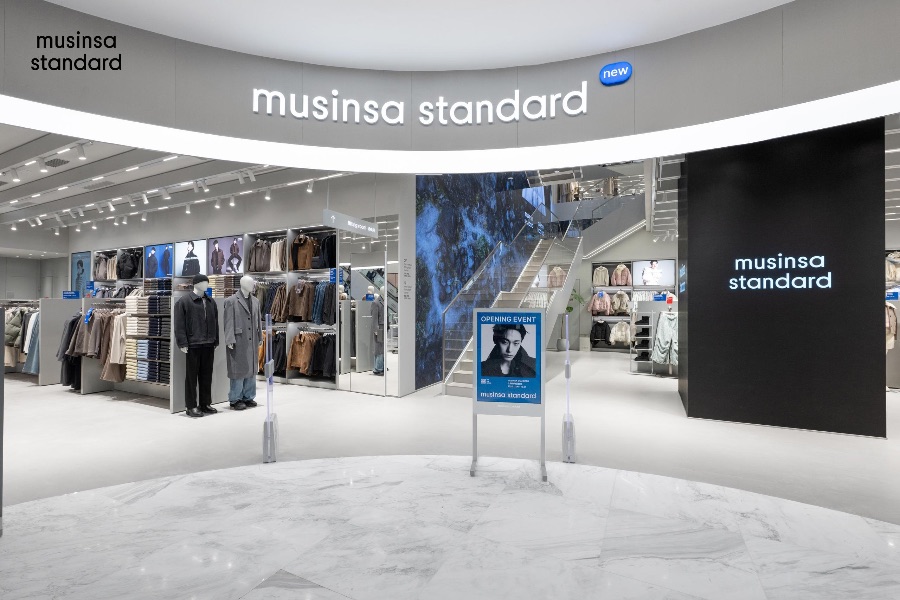
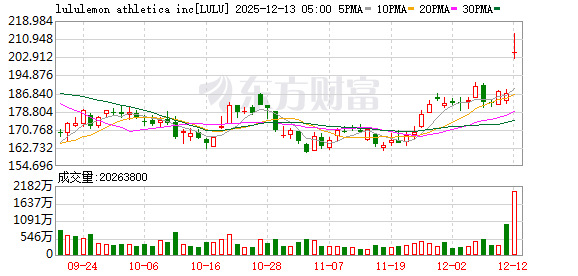
Group 1: Lululemon Financial Performance - Lululemon reported a 7% year-over-year increase in global net revenue to $2.6 billion, but net profit decreased by 12.8% to $307 million [1] - The company experienced a significant 46% year-over-year increase in net revenue from the China market, leading global performance [9] - The CEO Calvin McDonald will step down at the end of January 2026, with interim leadership provided by the CFO and CBO during the search for a new CEO [5] Group 2: Market Developments in Fashion and Retail - Musinsa opened its first overseas flagship store in Shanghai, with plans to expand to over 100 stores in China within five years, targeting a revenue of 1 trillion KRW (approximately 4.78 billion RMB) by 2030 [2] - The opening of the largest Dior store in Beijing signifies a recovery in the luxury market in China, showcasing a blend of retail and art [6] - Marubi plans to list on the Hong Kong Stock Exchange, having shown significant revenue growth in its main brands [10] Group 3: Investment Activities - L'Oréal is increasing its stake in the medical beauty giant Gauderm, raising its total ownership to 20% [14] - Ermenegildo Zegna has made a second investment in the Canadian running brand Norda, indicating a strategic move into the outdoor market [15] - Unilever has spun off its ice cream division into a standalone company, which has successfully listed in Amsterdam, London, and New York, capturing over 20% of the global ice cream market [16]


韩国品牌涌入中国;露露乐蒙CEO被炒了|二姨看时尚
2 1 Shi Ji Jing Ji Bao Dao· 2025-12-15 07:00
Group 1: Lululemon's Financial Performance and Leadership Changes - Lululemon reported a 7% year-over-year increase in global net revenue to $2.6 billion, but net profit decreased by 12.8% to $307 million [2][6] - The CEO Calvin McDonald will step down on January 31, 2026, amid financial pressures, with interim leadership provided by the CFO and CBO [4][6] - The company's performance in the Chinese market was particularly strong, with net revenue surging 46% year-over-year [6] Group 2: Market Developments and New Entrants - Musinsa, a South Korean fashion retail platform, opened its first overseas flagship store in Shanghai and plans to open over 100 stores in China within five years [3] - The largest Dior store in China opened in Beijing, signaling a recovery in the luxury market [5] - The ice cream company "Dream Dragon" was listed independently in Amsterdam, London, and New York, capturing over 20% of the global ice cream market [11] Group 3: Investment Activities - L'Oréal announced an increase in its stake in the medical beauty giant Gaudermé, raising its total ownership to 20% [9] - Zegna made a second investment in the Canadian running brand Norda, indicating a strategic move into the outdoor market [10] - Marumi plans to list on the Hong Kong Stock Exchange, having shown significant revenue growth in its main brands [7]
自然堂赴港上市:4000万中国女人贴出一个IPO
Sou Hu Cai Jing· 2025-12-15 05:33
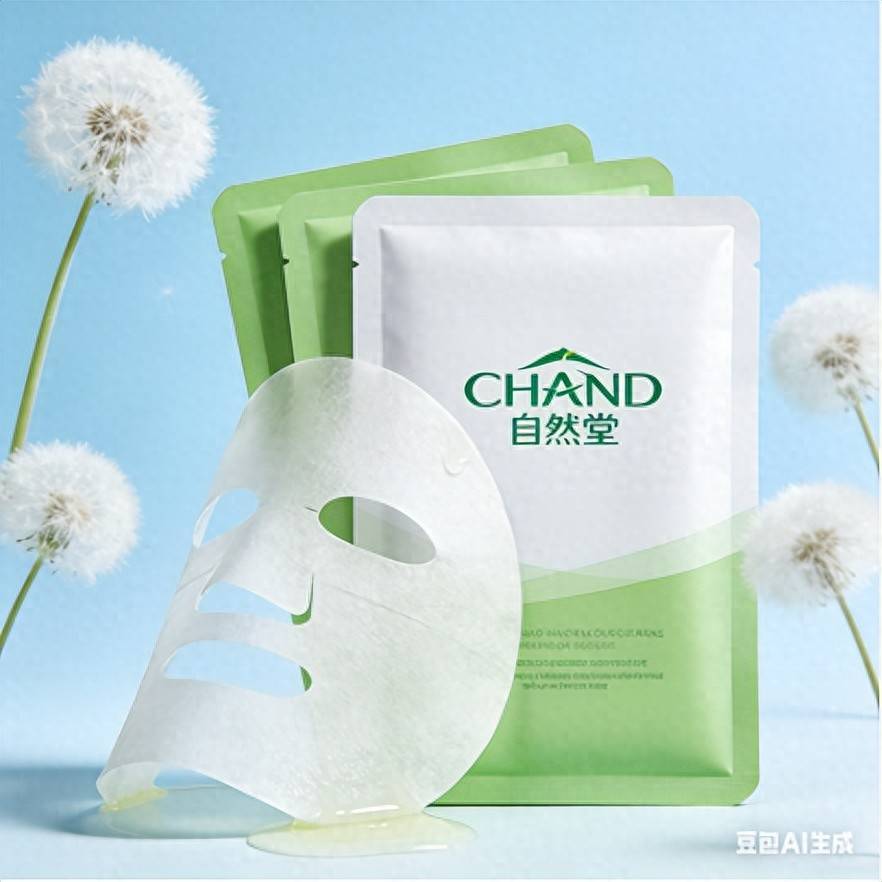
从规模上看,自然堂无疑是资本市场的又一遗珠。 据招股书披露,按照零售额计算,2024 年国产化妆品集团份额 TOP3 分别为珀莱雅、上美股份、以及自然堂,市占率分别为 3.3%、1.9%、以及 1.7%。 文:向善财经 近期,国产化妆品品牌自然堂,正式向港交所递表。 对此不少网友表示心情十分激动,又一个消费大白马要来了,毕竟从财务视角看,这还是一家收入超40亿,毛利率将近70%的企业。 只不过,尽管自然堂的实力非常能打,但遗憾的是外部环境恐生变化。 一方面因为近期赴港上市的公司赚钱效应急剧下滑,首日破发的公司越来越多。据统计,11月以来上市的19只港股新股中,8只首日破发,破发率接近半 数。 比如尚未稳定盈利的小马智行-W与文远知行-W,同日上市双双破发,下跌幅度都接近10%。 对此,港交所则公开表示,政策会收紧,将严格审慎地面对诸多已经递表的企业。 另一方面,从利润端的披露情况来看,虽然占据了一定的市场份额,但是其净利率最低的一年仅仅只有3.2%,最高的一年也不到10%,这和传统认知中,大 白马动辄20%左右的净利率相差甚远,和行业龙头相比也仍有差距。 而且,从此次上市募资的用途来看,与当下的行业趋势似乎也 ...
独家对话前第四范式总裁裴沵思:要用AI解决品牌增长焦虑,已连获大厂认可
IPO早知道· 2025-12-15 03:00
Core Viewpoint - Noumena has developed an AI-native "Growth Intelligence" system aimed at helping brands regain control over their growth in a challenging market environment [3][4][6]. Group 1: Company Overview - Noumena was founded by Pei Nasi after the successful IPO of Fourth Paradigm, focusing on creating a system that allows brands to be more proactive in their growth strategies [6]. - The company has established two main models: one that increasingly understands traffic and another that increasingly understands brands, leveraging unique training data not available to large models [7][43]. Group 2: Business Model - Noumena operates on a "heavy delivery + results-oriented" model, collaborating with clients to set goals and integrating into their operations, charging fees based on delivered results rather than software subscriptions [7][44]. - The company aims to co-create growth intelligence products with leading brands, using feedback to refine their models and potentially opening the system to more brands in the future [7][44]. Group 3: Market Position and Achievements - Noumena has partnered with several leading beauty brands, achieving significant sales growth for clients, such as increasing a national brand's annual sales from 100 million to 150 million in less than a year [7][38]. - The company has gained recognition, winning the L'Oréal BIG BANG innovation award and being selected as one of the top teams in the Baidu Wenshin Cup startup competition, validating its technological capabilities [10][12]. Group 4: Future Outlook - Pei Nasi envisions building a company with a market value exceeding 10 billion, emphasizing the importance of the next two years for rapid growth and market leadership [13][51]. - The company is focused on helping brands navigate growth challenges in the AI era, addressing the increasing anxiety among CEOs regarding growth strategies [25][28].

——化妆品医美行业周报20251214:11月化妆品淘系略承压,胶原医美赛道再添两员-20251214
Shenwan Hongyuan Securities· 2025-12-14 11:20
Investment Rating - The report indicates a weak performance in the cosmetics and medical beauty sector, with the Shenwan Beauty Care Index declining by 1.6% from December 5 to December 12, 2025, underperforming the market [3][4]. Core Insights - The cosmetics sector faced pressure in November, with overall GMV in the Taobao system showing weakness due to the pre-promotion of the Double 11 sales event and the rise of Douyin as a sales channel. Brands like Han Shu and Lin Qingxuan maintained stable GMV, while others like Feicui continued to grow significantly [3][9]. - The collagen medical beauty segment is expanding, with two new animal-derived collagen products approved for market entry, expected to drive growth in this area [3][9]. - The report highlights the leading market share of Minoxidil products from Mandi International in the hair loss treatment market, with a steady revenue growth from 982 million yuan in 2022 to approximately 1.455 billion yuan in 2024, reflecting a CAGR of 21.7% from 2022 to 2024 [10][11]. - L'Oréal's acquisition of an additional 10% stake in Galderma, raising its total ownership to 20%, signifies a strategic shift towards the medical beauty and skin health sectors, aiming to adapt to the slowing growth in the Chinese beauty market [3][18]. Summary by Sections Industry Performance - The Shenwan Beauty Care Index and its sub-indices for cosmetics and personal care products have shown declines of 1.2% and 1.7%, respectively, indicating underperformance compared to the Shenwan A Index [4][6]. Key Market Developments - The overall GMV for cosmetics in November was weak, influenced by earlier sales spikes in October and competition from Douyin [9]. - The approval of new collagen products is expected to enhance the supply side of the medical beauty market, with projections for continued expansion in 2026 [9][22]. Company Highlights - Mandi International has maintained a dominant position in the Minoxidil market, with its products accounting for approximately 57% and 71% of the market share in the hair loss treatment and Minoxidil categories, respectively, as of 2024 [11][13]. - The report notes that the Chinese consumer healthcare market is projected to grow from 931.3 billion yuan in 2018 to 16.42 trillion yuan by 2024, with significant growth in hair health and skin health segments [12][13].