零跑

Search documents
三大锂电项目落地湖州!
起点锂电· 2025-09-10 10:27
Group 1 - The article highlights the rapid development of the lithium battery industry in Huzhou, Zhejiang Province, with significant investments and projects underway [5][6][9] - Three major projects in Huzhou have recently made progress, including a nearly 700 million yuan investment from Likao New Energy and Boqian Electronics, focusing on battery components and systems [5][6] - Huzhou's geographical advantages and historical background in battery production have contributed to its thriving lithium battery industry, with a strong foundation dating back to the 1970s [7][8][9] Group 2 - The article mentions that Huzhou is part of the Yangtze River Delta, a key area for the new energy industry, with surrounding cities also developing related industries [7] - Huzhou has attracted various enterprises, including sodium battery companies, and is expanding its focus to solid-state batteries and energy storage [6][9] - The overall investment in Zhejiang Province's new energy projects has accelerated, with seven lithium battery projects launched recently, totaling over 37 billion yuan [9]


增程换纯电,蔚来们苦等的拐点来了?
Xin Lang Cai Jing· 2025-09-06 10:24
Group 1 - NIO's recent half-year report for 2025 shows a significant recovery with 72,056 vehicle deliveries in Q2, marking a 25.6% year-on-year increase and a 71.2% quarter-on-quarter increase, although the company has not yet achieved profitability [1] - CEO Li Bin highlighted the challenges ahead but noted the arrival of a turning point in the pure electric vehicle market, which could reshape the strategies of various automakers and the industry landscape [1] - The sales data indicates a clear shift in consumer preference towards pure electric vehicles, with cumulative sales of pure electric cars reaching 4.415 million units in the first half of 2025, a 46.24% increase year-on-year, while range-extended vehicles lagged behind with only 538,000 units sold, a 16.5% increase [2][6] Group 2 - The decline in range-extended vehicle sales is evident, with July 2025 sales dropping to 102,000 units, an 11.4% year-on-year decrease, while pure electric vehicle sales saw a 24.5% increase during the same period [2] - Companies like Li Auto are adjusting strategies in response to declining sales, launching new pure electric models and reducing vehicle prices to maintain market share, with average vehicle prices dropping from 331,000 yuan in 2022 to 260,000 yuan in Q2 2025 [3] - Leap Motor has shifted its strategy to focus on pure electric vehicles, achieving 221,664 deliveries in the first half of 2025, while other brands like AITO are also adapting by introducing new models that blur the lines between pure electric and range-extended vehicles [4] Group 3 - The competitive landscape is changing as pure electric vehicles are increasingly seen as more viable, with advancements in battery technology and charging infrastructure alleviating consumer range anxiety [6][8] - The charging infrastructure in China has expanded significantly, with 16.696 million charging points available, allowing for a ratio of approximately two charging points for every five vehicles [8] - As the advantages of range-extended vehicles diminish, manufacturers are exploring new strategies, such as larger batteries and faster charging capabilities, but this raises concerns about increased costs and weight [9][10] Group 4 - Despite the challenges faced by range-extended vehicles, there remains a market for them, as some consumers still value the flexibility of having both electric and fuel options [11] - The future of both pure electric and range-extended vehicles will depend on product quality, supply chain stability, and cost control, rather than solely on technological differentiation [11][12] - Companies must adapt to changing market demands and refine their product strategies to capture opportunities in the evolving automotive landscape [12]


广东茂名首富,又要IPO了
Hua Er Jie Jian Wen· 2025-09-05 11:30
Core Viewpoint - XINWANDA ELECTRONICS CO., LTD. is set to launch an IPO on the Hong Kong Stock Exchange, following the footsteps of other major lithium battery manufacturers like CATL and EVE Energy [2][10]. Company Overview - Founded in 1997 by brothers Wang Mingwang and Wang Wei, XINWANDA started with consumer batteries and has expanded into automotive power batteries and energy storage [3][7]. - The company was listed on the Shenzhen Stock Exchange in 2011 and later on the Swiss Exchange in 2022, marking its third entry into capital markets [4][9]. Financial Performance - XINWANDA reported revenues of 521.62 billion RMB, 478.62 billion RMB, and 560.21 billion RMB for the years 2022 to 2024, with profits of 7.63 billion RMB, 3.31 billion RMB, and 5.34 billion RMB respectively [13]. - The company holds a 34.3% market share in the global mobile phone battery market, ranking first, and a 21.6% share in laptop and tablet batteries, ranking second [12]. Business Segments - The business is divided into three main segments: consumer batteries, power batteries, and energy storage systems [11]. - The revenue from power batteries increased from 126.87 billion RMB in 2022 to 151.39 billion RMB in 2024, while energy storage revenue rose from 4.55 billion RMB to 18.89 billion RMB in the same period [13]. Market Strategy - XINWANDA is facing intense competition in the power battery sector, dominated by CATL and BYD, which together hold over 60% of the market share [14]. - The company is expanding internationally, with significant investments in battery factories in Hungary, Vietnam, and Thailand to support its growth strategy [14][15]. Capital Market Activities - In addition to the upcoming IPO, XINWANDA is also planning to spin off its subsidiary, XINWANDA POWER, for a separate listing on the Shenzhen Stock Exchange [16][17]. - The company has made substantial investments in 73 companies, totaling over 6.5 billion RMB, primarily focusing on battery and energy storage technologies [18][19].

储能概念连续冲高,亿纬锂能涨超8%,新能源汽车ETF(516390)强势涨超5%,连续5日获资金净流入,锂电设备企业订单增长势头强劲
Xin Lang Cai Jing· 2025-09-05 02:29
Core Viewpoint - The news highlights a significant increase in the performance and liquidity of the New Energy Vehicle (NEV) sector, particularly focusing on the New Energy Vehicle ETF and its constituent stocks, driven by positive market sentiment and supportive government policies [1][4][6]. Group 1: Market Performance - The China Securities New Energy Vehicle Industry Index rose by 4.90%, with leading stocks such as QianDao Intelligent up by 18.18% and Hangke Technology up by 15.69% [1]. - The New Energy Vehicle ETF increased by 5.22%, reaching a latest price of 0.85 yuan, with a weekly cumulative increase of 3.74% as of September 4, 2025 [1]. - The ETF experienced a turnover rate of 6.61% during the trading session, with a transaction volume of 23.4 million yuan [1]. Group 2: Fund Growth and Inflows - Over the past year, the New Energy Vehicle ETF's scale grew by 458.84 million yuan, ranking it in the top half among comparable funds [3]. - In the last two weeks, the ETF's shares increased by 18 million, also placing it in the top half of comparable funds [3]. - The ETF saw a continuous net inflow of funds over the past five days, totaling 18.36 million yuan, with a peak single-day inflow of 734.09 million yuan [4]. Group 3: Government Policies and Industry Outlook - The Ministry of Industry and Information Technology and the State Administration for Market Regulation released a plan for stable growth in the electronic information manufacturing industry from 2025 to 2026, emphasizing high-quality development in sectors like photovoltaics and lithium batteries [4]. - The plan anticipates an average growth rate of around 7% for the electronic equipment manufacturing industry, with an overall revenue growth of over 5% when including lithium batteries and related sectors [4]. - Major lithium equipment companies are showing signs of order recovery, indicating a positive shift in the industry [4]. Group 4: Supply Chain Dynamics - Recent disruptions in lithium resource supply, including production halts at significant projects, have led to a notable increase in lithium carbonate prices since July [5]. - The domestic retail sales of passenger vehicles and new energy vehicles have shown a month-on-month increase, with new energy vehicle retail sales reaching 288,000 units, a year-on-year growth of 13.2% [5]. - The penetration rate of new energy vehicles reached 55.5%, with cumulative retail sales for the year at 7.425 million units, reflecting a 24.3% year-on-year increase [5]. Group 5: Competitive Landscape - Companies like XPeng and Leap Motor have gained market traction through high cost-performance ratios and technological innovations, while traditional automakers are also improving their positions in the NEV sector [6]. - The entry of new brands like Xiaomi is introducing additional competition, further optimizing the industry landscape [6]. - The outlook for the NEV sector remains positive, driven by global expansion and technological advancements in smart driving and robotics [6].

美的一天净赚近1.5亿,高管回应:公司估值被低估了;字节通报8人涉刑被移交,有人「造黄谣」被追责;追觅上半年营收远2024年全年
雷峰网· 2025-09-05 00:34
Key Points - Usmile, a leading electric toothbrush brand, has established a subsidiary to explore AI hardware, indicating a strategic shift towards smart technology [4] - Midea Group reported a total revenue of 252.3 billion yuan for the first half of 2025, a year-on-year increase of 15.7%, and a net profit of 26 billion yuan, up 25% [6] - Xiaohongshu's valuation has surged by 19% in three months, reaching 31 billion USD, reflecting strong investor interest [7] - NIO's CEO Li Bin confirmed internal restructuring efforts, including personnel adjustments and organizational optimization [8] - Chasing Technology's revenue for the first half of 2025 has already surpassed its total for the entire year, with over 20 billion yuan in intended orders for home appliances [9] - ByteDance reported the dismissal of 100 employees for violating company policies, with 8 individuals facing criminal charges [10] - Five Chinese new energy vehicle companies are facing potential fines of approximately 47 million yuan for alleged maintenance monopolies [12] - Amazon's strict return-to-office policy has reportedly led to the loss of top tech talent [19] - Hyundai's union in South Korea is planning limited strikes to demand a four-and-a-half-day workweek and wage increases [20] - Nvidia's new chip for China, B30A, is expected to have six times the performance of the H20 model, with a price potentially double that of H20 [21] - Apple is developing an AI-based web search tool to enhance competition with OpenAI and others, integrating it with Siri [22] - Google has been fined 325 million euros by France for inserting ads into Gmail without user consent [23] - Shein has been fined 150 million euros by France for improper use of cookies, and plans to appeal the decision [24][25] - European automotive executives are urging the EU to adopt a more flexible approach to emissions regulations, learning from China's policies [26]
新车冲刺“金九银十” 购车补贴再升级
Bei Jing Shang Bao· 2025-09-04 16:11
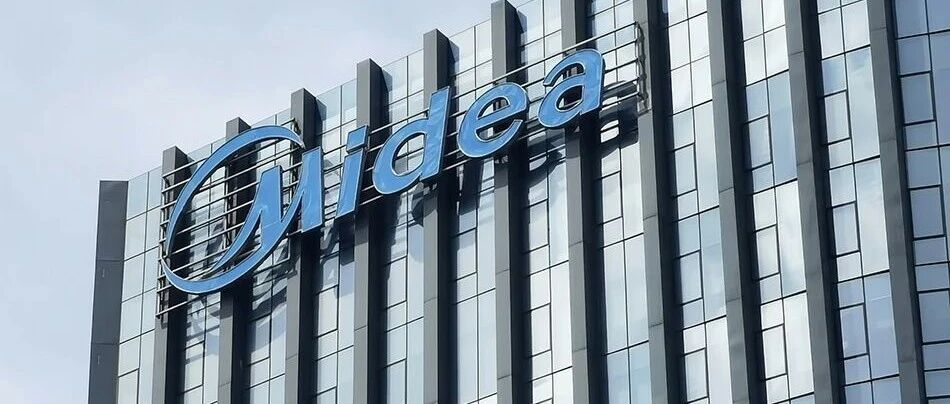
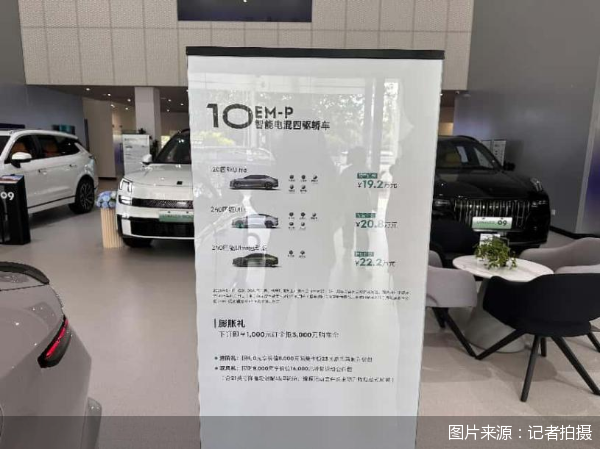
Core Viewpoint - The automotive market is experiencing a consumption surge with the arrival of the traditional sales peak season, "Golden September and Silver October," as various automakers launch new models and offer attractive financial policies to stimulate sales [1][7]. Group 1: New Car Launches - In September, at least 16 new car models were launched or upgraded, with over 70% being new energy vehicles [3]. - Notable upcoming models include the Lynk & Co 10 EM-P, which features advanced technology and has received 12,900 orders within 24 hours of pre-sale [3]. - Audi's new electric vehicle, AUDI E5 Sportback, will be priced at 235,900 yuan, indicating a strategy to attract younger consumers [4]. - BMW's iX3, designed specifically for Chinese consumers, will feature a range of 900 kilometers and is set to launch soon [4]. Group 2: Consumer Incentives - The implementation of a new personal consumption loan subsidy policy allows for a 1% annual subsidy on loans of 50,000 yuan or more for car purchases, effective from September 1 to August 31 of the following year [7]. - Local governments are also offering additional subsidies, such as up to 6,000 yuan for electric vehicle purchases in specific districts [7]. - Automakers are enhancing their financial offerings, with companies like XPeng Motors providing "5 years 0 interest, 0 down payment, 0 fees" financing options [8]. Group 3: Market Dynamics - The competition among new energy vehicle manufacturers is expected to intensify over the next six months, with safety and stability becoming critical competitive factors [1][8]. - The combination of government subsidies and automaker promotions is effectively lowering the purchase threshold for consumers, particularly those sensitive to price [8]. - Industry experts suggest that automakers should focus on differentiated services and explore new scenarios for vehicle usage to enhance consumer engagement and loyalty [8].
“金九银十”看车市|新车扎堆上市,购车补贴再升级
Bei Jing Shang Bao· 2025-09-04 10:29
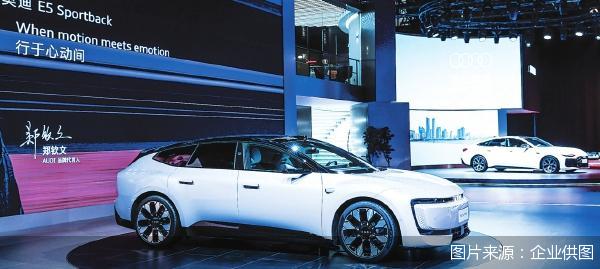
Group 1 - The automotive market is experiencing a consumption surge with the arrival of the traditional sales peak season, "Golden September and Silver October," as various automakers launch new models to capture market share and meet diverse consumer demands [1][10] - New energy vehicle (NEV) companies are expected to face intensified competition in the next six months, with safety and stability becoming critical competitive factors [1][10] - In September alone, at least 16 new car models were launched or upgraded, with over 70% being new energy vehicles, showcasing a vibrant market with diverse offerings [2] Group 2 - Major automakers are introducing new models tailored to the Chinese market, such as Audi's AUDI E5 Sportback and BMW's iX3, both aiming to attract younger consumers with competitive pricing [4][5] - The introduction of advanced technologies in new models, such as the Lynk & Co 10 EM-P and BYD's Fangchengbao, highlights the importance of technological innovation as a selling point [2][5] - Various automakers are targeting different market segments, from luxury to budget-friendly options, to cater to a wide range of consumer preferences [7] Group 3 - Government policies and automaker incentives are significantly driving consumer purchases, with new financial support measures like the personal consumption loan subsidy scheme set to lower economic costs for buyers [8][9] - Local governments are also implementing unique subsidy programs, such as cash incentives for purchasing new energy vehicles, further stimulating market demand [8] - Automakers are enhancing their promotional strategies, with companies like XPeng Motors and Buick offering attractive financing options and trade-in bonuses to boost sales [9] Group 4 - Economic experts express optimism about the automotive market's performance during the sales peak, attributing it to supportive policies and a recovering stock market that boosts consumer confidence [10] - The collaboration of various subsidies is effectively lowering the purchase threshold for consumers, particularly those sensitive to pricing [10] - To sustain sales momentum, automakers are encouraged to offer differentiated services and explore innovative use cases for vehicles, enhancing customer engagement and loyalty [10]


浙江世宝(002703.SZ):公司的电液循环球转向器已被应用在重型无人矿卡
Ge Long Hui· 2025-09-04 01:04
Core Viewpoint - Zhejiang Shibao (002703.SZ) is actively involved in the development of intelligent steering systems applicable to various vehicle types, including light commercial vehicles, medium and heavy commercial vehicles, passenger cars, and new energy vehicles [1] Group 1 - The company is a major supplier of electric steering systems for domestic new energy light trucks [1] - The company's electro-hydraulic steering systems have been applied in heavy-duty unmanned mining trucks [1] - The intelligent electric EPS products used in passenger cars are widely adopted by clients such as Chery, Geely, NIO, Li Auto, and Leap Motor [1]

中国汽车市场,分水岭已至
Hu Xiu· 2025-09-03 00:31
Core Insights - The competition among new energy vehicle manufacturers in China has intensified, with monthly sales data revealing significant shifts in market positions and performance [1][78]. Group 1: Sales Performance - Leap Motor and Xpeng are currently the most likely to achieve their annual sales targets [2]. - NIO and Li Auto have swapped positions in monthly sales, with NIO delivering 31,305 units in August, surpassing Li Auto's 28,529 units for the first time in 34 months [5]. - The sales of Xiaomi vehicles are estimated to be less than half of their annual target, depending on production capacity [3]. - Other brands like Lantu, Avita, and Hongmeng Zhixing have completion rates below 40% [4][11]. Group 2: Market Dynamics - The competition is becoming more intense, with Leap Motor achieving 57,066 units sold, marking its sixth consecutive month at the top, while Xpeng reached a historical high of 37,709 units [10]. - The introduction of new large pure electric SUVs has directly impacted the sales performance of NIO and Li Auto [6]. - The launch of the Lido L90 by NIO, priced under 200,000 yuan, significantly contributed to its sales growth [8]. Group 3: Strategic Insights - The shift in sales positions reflects a broader strategic competition between different technological routes in the Chinese EV industry [17]. - NIO's all-in approach on pure electric vehicles and its investment in battery swap networks is beginning to show returns, as evidenced by the strong demand for the Lido L90 [21][24]. - Li Auto's reliance on range-extended technology is facing challenges as market competition intensifies, indicating a need for diversification in technology strategies [25][27]. Group 4: Supply Chain and Production - The supply chain has become a critical factor in the survival of new energy vehicle companies, with companies like Leap Motor and Xpeng excelling in supply chain management [32][47]. - Leap Motor's focus on in-house development of key technologies has allowed for better cost control and reduced dependency on external suppliers [33][34]. - Xpeng's strategy of collaboration, such as its partnership with Didi for the MONA series, has enabled it to quickly penetrate the market [38][41]. Group 5: Challenges and Future Outlook - The performance of Huawei's HarmonyOS in the automotive sector has declined, highlighting the challenges of relying solely on ecosystem partnerships [51][63]. - Xiaomi's reliance on contract manufacturing has led to production bottlenecks, affecting its ability to meet demand [66][68]. - The industry is transitioning from a focus on volume to a focus on delivery, production capacity, and cost management, with upcoming Q3 financial reports likely to trigger a new round of valuation differentiation [79][80].
谁是“车企一哥”?
Zhong Guo Ji Jin Bao· 2025-09-03 00:15
Core Viewpoint - The competition between BYD and SAIC is intensifying as both companies report their financial results for the first half of 2025, with BYD narrowly maintaining its position as the leading automaker in China, but facing significant challenges from SAIC and emerging new players in the electric vehicle market [4][5][9]. Financial Performance - In the first half of 2025, BYD's automotive business revenue reached 302.51 billion yuan, a year-on-year increase of 32.49%, while SAIC's total revenue was 299.59 billion yuan, growing by 5.23% [6][9]. - The revenue difference between BYD and SAIC is only 2.92 billion yuan, indicating a narrowing lead for BYD compared to the previous year when the gap was 46.16 billion yuan [9]. - BYD's electric vehicle sales grew by 33.04% to 2.15 million units, while SAIC's sales increased by 12.35% to 2.05 million units, with SAIC's electric vehicle sales surging by 40.19% to 646,300 units [10][11][9]. Market Dynamics - The automotive market in China is experiencing fierce competition, prompting BYD to implement promotional strategies to maintain its market position [12][17]. - SAIC is actively collaborating with Huawei to enhance its electric vehicle offerings, launching a new brand "SAIC 尚界" and planning to introduce new models [18][19]. - The new energy vehicle market is witnessing a surge in sales from new entrants like NIO, Xpeng, and Li Auto, which are achieving record delivery numbers [25][27]. Future Outlook - BYD anticipates continued growth in electric vehicle sales in the second half of 2025, despite recent monthly sales declines [24][25]. - The competitive landscape is expected to become even more challenging as traditional automakers and new entrants ramp up their efforts in the electric vehicle sector [24][25].