小红书

Search documents
Kimi账上100亿,杨植麟:我们不着急上市
投资界· 2025-12-31 10:47
Core Viewpoint - The company "月之暗面" (Kimi) has successfully completed a $500 million Series C financing round, significantly exceeding its target, with notable participation from existing investors such as Alibaba and Tencent. The post-financing valuation has reached $4.3 billion (approximately 300 billion RMB) [2][3]. Financing and Valuation - Kimi's recent financing round has attracted substantial investment, with existing shareholders like Alibaba, Tencent, and Wang Huiwen increasing their stakes. The post-money valuation has surged to $4.3 billion [2][3]. - The company currently holds over 10 billion RMB in cash reserves, which is nearly equivalent to the combined cash reserves of its competitors, 智谱 (Zhiyu) and MiniMax [7][8]. Technological Advancements - Kimi's K2 model has gained international recognition, being compared to significant breakthroughs in AI, such as DeepSeek. The K2 series has outperformed OpenAI in key benchmarks [3][4]. - The introduction of the Agent feature, OK Computer, allows users to perform various tasks, marking a critical step in Kimi's commercialization efforts. The number of paid users has seen a month-over-month growth of over 170% from September to November [4]. Strategic Plans for 2026 - Kimi aims to enhance its K3 model through technological improvements, targeting a significant increase in performance metrics. The focus will be on creating a unique user experience that differentiates K3 from other models [5][12]. - The company plans to concentrate on the Agent product line, prioritizing the pursuit of intelligence limits over sheer user numbers, with the goal of achieving substantial revenue growth [5][12]. Market Position and IPO Strategy - Despite the ongoing IPO wave among competitors, Kimi is not in a rush to go public, leveraging its strong cash position to fund growth and development. The company believes it can raise more capital in the primary market than through a secondary market IPO [8][9]. - Kimi's recent financing success indicates strong investor confidence, allowing the company to focus on its long-term goals without immediate pressure to list publicly [8][9].


全球产业链供应链重塑期的中国企业:能力提升!| 跨越山海
Di Yi Cai Jing· 2025-12-31 05:09
Core Insights - The article discusses the evolving landscape of globalization in 2025, highlighting the rise of trade protectionism and the emphasis on national economic policies, which create uncertainties for Chinese enterprises in their global expansion efforts [2][4]. Group 1: Globalization Trends - The global trade environment is increasingly characterized by protectionism, with countries favoring regional trade agreements over multilateral cooperation, leading to a fragmented trade landscape [6]. - Major economies are tightening foreign economic policies under the guise of national security, particularly the U.S. and EU, which are implementing measures aimed at reducing reliance on Chinese technology and supply chains [6][7]. - The EU is establishing new compliance barriers through regulations that impose environmental and labor standards, creating additional challenges for Chinese products entering the European market [7][11]. Group 2: Market-Specific Challenges - In the U.S. market, Chinese companies face stringent export controls and investment scrutiny, particularly in high-tech sectors, which complicates their operational landscape [9][10]. - The EU has introduced a unified foreign direct investment review mechanism, increasing barriers for Chinese investments in critical sectors, alongside new environmental regulations that impose additional costs on Chinese exports [11][12]. - India has adopted a cautious approach towards Chinese enterprises, implementing strict market entry barriers and local compliance requirements, which complicates the operational environment for Chinese firms [14][15]. Group 3: Regional Dynamics - The RCEP agreement offers both opportunities and challenges for Chinese companies, facilitating trade with ASEAN nations while also intensifying competition from regional players [17][18]. - In Latin America, political changes and regional trade agreements introduce uncertainties for Chinese investments, necessitating a flexible approach to navigate the evolving landscape [19][20]. - The Middle East presents a mixed opportunity for Chinese enterprises, with potential for collaboration in infrastructure and technology, but also challenges related to geopolitical tensions and compliance with local regulations [21][22]. Group 4: Case Studies - DHgate has successfully navigated the U.S. market by leveraging a flexible supply chain and innovative marketing strategies, despite facing significant regulatory challenges [28][29]. - Xiaohongshu has capitalized on the migration of users from TikTok, rapidly expanding its user base internationally, but must address content regulation and data security concerns [34][35]. - BYD has adopted a localization strategy in Europe to mitigate the impact of anti-subsidy investigations, while facing significant barriers in the U.S. market due to high tariffs and restrictive policies [39][40][42].



当科技有了 “活人感”:鸿蒙生态里的人间烟火
Sou Hu Cai Jing· 2025-12-30 16:26
Core Insights - The article emphasizes that the best digital world is not a pre-programmed illusion but a living entity shaped by real individuals, highlighting the importance of genuine connections and interactions in the evolving digital landscape [1][18] - By 2025, there is a growing desire for authentic engagement and warmth in technology, contrasting with the pervasive presence of AI and algorithms [1][3] Group 1: Development and Ecosystem - The HarmonyOS ecosystem has evolved through the contributions of millions of developers and users, creating a "cultivation experiment" that responds to real needs and feedback [1][4] - Huawei has invested 1 billion yuan in the "Tiangong Plan" to support AI innovation, providing developers with the resources and confidence to create impactful applications [4][6] - The number of HarmonyOS devices has surpassed 32 million, with a high feedback loop rate of 96% for user suggestions, indicating a strong connection between the ecosystem and its users [4][6] Group 2: User Experience and Innovation - The HarmonyOS ecosystem is characterized by its ability to listen to user needs, resulting in rapid iterations and improvements in applications, such as the quick launch of features based on user requests [6][10] - The integration of AI, particularly through the "Xiao Yi" intelligent assistant, enhances user experience by providing personalized and context-aware services, transforming how users interact with technology [13][15] - Various applications have launched innovative features on HarmonyOS, showcasing a collaborative spirit among developers and a commitment to enhancing user experience [9][17] Group 3: Community and Collaboration - The ecosystem thrives on collaboration, with over 10 million developers and numerous partners contributing to its growth, creating a vibrant community that fosters innovation [3][7] - The narrative of the HarmonyOS journey includes personal stories and shared experiences from developers, emphasizing the human element behind technological advancements [7][9] - The focus on inclusivity ensures that the needs of diverse user groups, including those with disabilities, are addressed, further enhancing the ecosystem's reach and impact [17][18]

百余场活动、六大消费主题!上海跨年迎新季
Guo Ji Jin Rong Bao· 2025-12-30 13:44
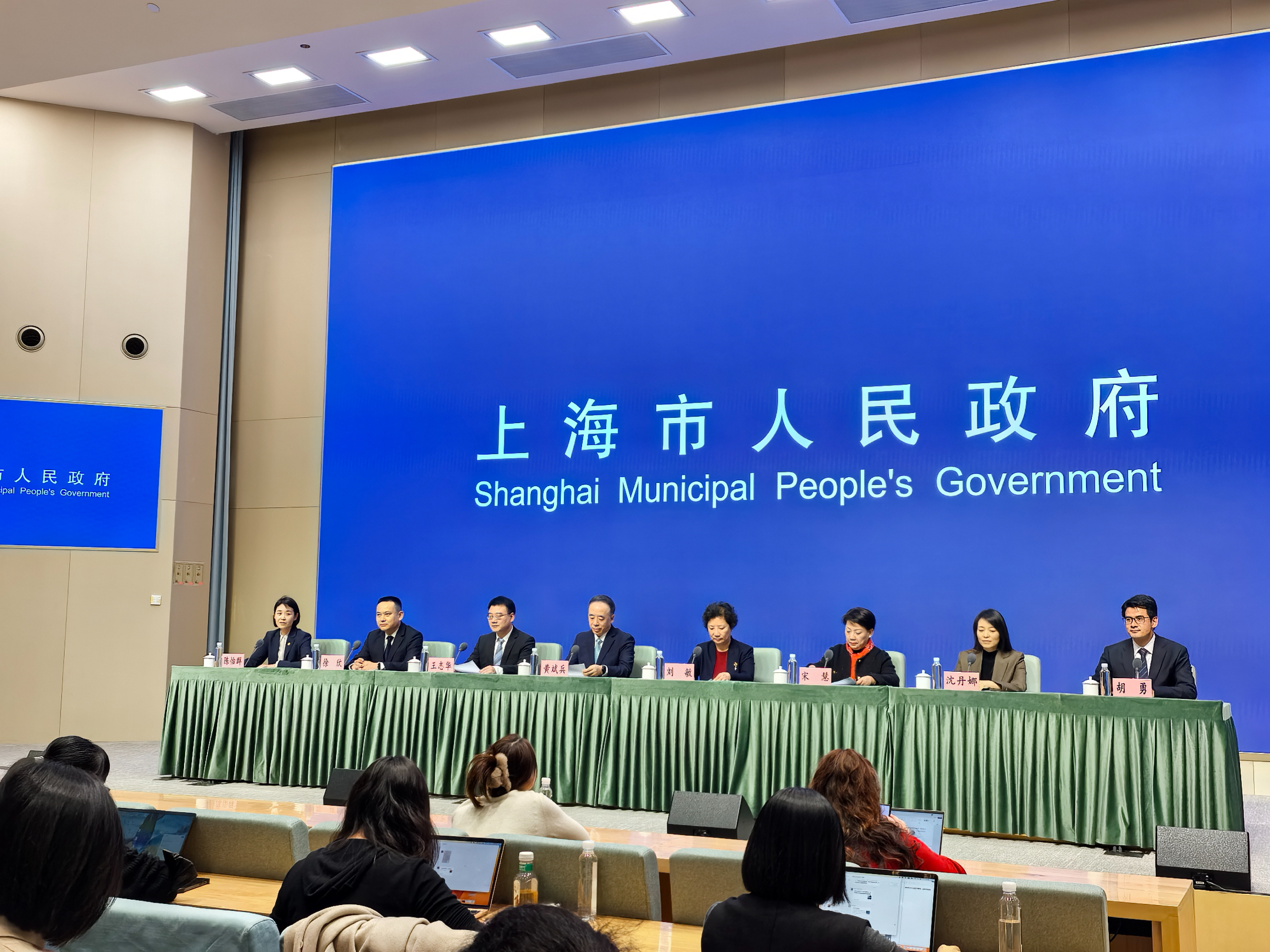
2026年马年即将到来,上海"跨年迎新季"文旅商体展联动已全面启动,从即日起持续至明年3月3日,横跨元旦、春节与元宵三大节点。 12月30日,上海市政府新闻办举行新闻发布会,系统介绍了2026跨年迎新系列主题活动。 潘洁 摄 上海市委宣传部副部长黄斌兵介绍,元旦期间,上海将呈现300余项特色活动,包括文艺演出132场、演唱会13场以及文博美术展134项;春节长假,将 有近400项特色活动,包括文艺演出120余场、多场演唱会和近60场大展。此外,还有19场全国级以上的体育赛事。这些数据背后,是这座城市丰富的文化供 给和涌动的活力魅力。 八大板块,全景式呈现上海节日图景 据介绍,本次跨年迎新季将以"我们的节日"马年迎春为叙事主线,由市区两级部门联手推出数百项特色活动,致力于在"浓郁中国年味、全球好货供 给、优惠促销价格、最美出片场景"四个维度上,与大家共同解锁"过年"的新体验。 上海梳理了八大板块主题攻略,全景式呈现上海的节日图景: 一是"新年第一游",共赏光影盛宴。12月31日跨年夜起,宝山滨江无人机与烟花秀共舞,"双重盛宴"点亮夜空;滴水湖畔360度无遮挡的湖景烟花免费 开放;迪士尼乐园开启"奇幻飞雪时光", ...
疯狂烧钱之后,2026年电商行业打响“全面战争”丨力见
2 1 Shi Ji Jing Ji Bao Dao· 2025-12-30 10:24
Core Insights - The essence of the e-commerce business is "traffic," and the competitive landscape is evolving with significant investments in subsidies and strategic maneuvers by major players like JD.com, Alibaba, and Meituan [1][6] Group 1: Market Dynamics - In 2025, the competition in the e-commerce sector intensified with JD.com launching a major offensive in the food delivery market, disrupting the status quo [1] - The financial data indicates that the increased subsidies for food delivery services have led to significant losses for platforms, with Meituan, Alibaba, and JD.com collectively spending an additional 614 billion yuan on sales and marketing in Q3 2025 [1] - The competition is no longer a zero-sum game; it has transformed into a "full-scale war" involving traditional giants and emerging platforms like Douyin and Xiaohongshu, all seeking differentiated advantages [2] Group 2: Strategic Moves - JD.com and Alibaba's actions are seen as strategic defenses against Meituan's encroachment into the e-commerce space, with both companies aiming to prevent Meituan from gaining a foothold in physical goods transactions [1][3] - Alibaba's recent restructuring, which includes integrating Ele.me into its broader e-commerce strategy, highlights its intent to leverage Ele.me's local supply and delivery capabilities to expand into various consumer goods [3][5] - The rapid expansion of Alibaba's instant retail business, which reported a 60% year-on-year revenue increase to 229.06 billion yuan, underscores the importance of this segment for the company's future growth [5] Group 3: Industry Trends - The industry is witnessing a shift from a focus on scale to efficiency and resilience in supply chains, driven by changing consumer habits and technological advancements [2][8] - The competition is characterized by a blend of opportunities and challenges, with companies needing to adapt to a more refined and localized operational approach [2][8] - The ongoing "delivery war" reflects a complex interplay of market forces, with platforms like Xiaohongshu also attempting to enter the local lifestyle market despite the dominance of established players [7]



疯狂烧钱之后,2026年电商行业打响“全面战争”
2 1 Shi Ji Jing Ji Bao Dao· 2025-12-30 10:12
格局未定。 电商生意的本质是"流量"。 2025年,当人们以为电商巨头的格局已定时,刘强东在2月打响了外卖大战的第一枪,市场的平静彻底被打破。凭借数百亿补贴,从美团的主 营业务"外卖"下手,京东和阿里巴巴撕开了一道流量的口子。 规律总是相似的,从千团大战到社区团购再到生鲜配送到家、特价电商……每一个火起来的电商形态背后,都是阿里巴巴、京东、拼多多、美 团等头部玩家们的身影。随之而来的是熟悉的烧钱补贴、薅羊毛的用户、被"卷"下场的对手以及监管部门发声。 从财务数据来看,外卖业务补贴给平台带来了亏损,公司整体盈利水平下降。2025年三季报显示,仅在第三季度,美团、阿里、京东三家平台 的销售和市场费用就分别增加了163亿元、111亿元和340亿元,一共多花了614亿,而增加的原因多与外卖业务补贴有关。 除了美团属于被动"卷"入之外,京东和阿里巴巴的举动意在战略性防御,他们并不希望美团借闪购杀入到电商实物交易领域。只不过,在经历 了流量红利、直播爆发、价格竞争等多个发展阶段后,2025年的电商版图,正呈现出更加复杂而多维的图景。 技术、消费习惯、供应链、全球化等因素相互交织,构成了行业发展的全新切面。因此,这场竞争不 ...

鸿蒙走向「好用」的背后:是1000万开发者愿意多走一步
Xin Lang Cai Jing· 2025-12-30 09:46
Core Insights - Harmony OS is positioned for significant growth by 2025, emphasizing user engagement and developer collaboration as key to its success [1] - The operating system is evolving from merely executing commands to providing proactive services, driven by technological advancements and community involvement [1][2] Developer Ecosystem - Over 23,000 applications have been developed for Harmony OS, with major partners like WeChat and JD.com launching key features on the platform [2] - Huawei has committed substantial resources to support developers, including a 100 million yuan investment through the "Harmony Star Plan" and an additional 1 billion yuan for AI ecosystem innovation [2] - The developer community is increasingly engaged, with over 2 million user suggestions being implemented into the system, creating a feedback loop that enhances user experience [8][9] User Experience - The value of Harmony OS is now reflected in real-life applications across commuting, work, and entertainment, rather than being limited to mobile or computer systems [5] - Users report improved experiences as the system matures, with common software becoming more functional and user-friendly over time [7][9] Innovation and Collaboration - Developers are transitioning from mere adapters of the system to co-creators, significantly contributing to the ecosystem's evolution [10][12] - The platform has enabled developers to create new functionalities and open-source capabilities, enhancing the overall user experience [10][13] - The integration of AI capabilities has been standardized, making it easier for developers to incorporate intelligent features into their applications [13] Growth Metrics - As of now, Harmony OS has over 36 million terminal devices, with the application market exceeding 350,000 searchable applications and services, and registered developers surpassing 10 million [20] - The ecosystem is characterized by a collaborative environment where every small innovation is amplified, leading to a sustainable development model [21][22]
2025最“陷阱”赛道:成为播客主
投中网· 2025-12-30 09:22
Core Insights - The podcast industry is experiencing a significant boom, with expectations for commercialization to peak around 2025, as evidenced by the rapid growth in user engagement and revenue generation among various podcast creators [5][15][30] - Despite the growth potential, many creators face challenges in monetization, with a significant portion of full-time podcasters unable to sustain themselves financially [7][17][23] Group 1: Market Dynamics - The podcasting landscape is characterized by intense competition, with platforms like Douyin, Bilibili, and Xiaohongshu entering the audio space, leading to a heated battle for audience attention [5][15] - The audience for podcasts is increasingly seen as high-value, with listeners often being well-educated and high-income individuals, similar to early adopters of platforms like Xiaohongshu [10][12] - By the end of 2025, the number of podcast users in China is expected to exceed 170 million, indicating a growing market [15] Group 2: Creator Challenges - Only about 20% of podcast creators are able to make a living from their work, highlighting the financial difficulties faced by many in the industry [7][17] - Many creators struggle with monetization due to a lack of standardized pricing and advertising frameworks, making it difficult to secure consistent revenue [22][23] - The podcasting environment is described as a "gold rush trap," where the initial allure of potential earnings can lead to disillusionment for many creators [8][17] Group 3: Content Trends - There is a notable shift towards video podcasts, which are gaining popularity over traditional audio formats, as they cater to the commuting habits of the audience [29] - Content that focuses on financial advice and personal development tends to perform better in terms of monetization compared to other genres like literature or emotional discussions [30] - The demand for high-quality, engaging content is critical, as audiences are becoming more discerning and expect a high level of professionalism from creators [23][27]

2025最“陷阱”赛道:成为播客主
虎嗅APP· 2025-12-30 09:21
Core Insights - The article discusses the booming podcast industry in China, highlighting both the opportunities and challenges faced by creators in this space as it approaches a commercialization peak by 2025 [4][12]. Group 1: Podcast Market Dynamics - Major luxury brands are investing in advertising on independent podcast platforms, indicating a growing recognition of the medium's potential [4]. - The podcasting landscape is becoming increasingly competitive, with platforms like Douyin, Bilibili, and Xiaohongshu entering the audio space, intensifying the battle for audience attention [4][12]. - By the end of 2025, the number of podcast users in China is expected to exceed 170 million, with a significant increase in the number of podcast creators [12][13]. Group 2: Creator Challenges - Despite the growth, many full-time podcasters struggle financially, with only about 20% able to sustain themselves solely through podcasting [5][19]. - The article highlights the disparity between the top-tier podcasters who can monetize their content effectively and the majority who find it challenging to secure advertising deals [19][28]. - Many creators report low income, with an average of only 4.5 brand deals per year, indicating a tough monetization environment [19][20]. Group 3: Audience Engagement and Content Quality - The audience for podcasts is described as highly educated and affluent, similar to early adopters of platforms like Xiaohongshu, which suggests a potential for high-value content [8][10]. - There is a growing trend of listeners seeking content that enhances their professional knowledge and efficiency, reflecting a shift in consumer behavior towards educational material [10][12]. - The article notes that the quality of content is crucial, as listeners are quick to critique and demand high standards, which can lead to significant pressure on creators [24][25]. Group 4: Future Trends and Opportunities - The article suggests that video podcasts are gaining popularity, with video content accounting for 80-90% of views, indicating a shift in how audiences consume podcast material [28]. - Creators are encouraged to explore direct monetization strategies, such as offering personalized coaching or educational services, rather than relying solely on brand partnerships [29][30]. - The potential for growth in the podcasting industry remains strong, with the right content and engagement strategies likely to yield success for dedicated creators [30].

对科技圈,小红书是个「新绿洲」
量子位· 2025-12-30 03:57
Core Insights - The article discusses the evolving role of Xiaohongshu (Little Red Book) as a platform for technology discussions, shifting from a lifestyle focus to a community-driven space for tech innovation and product exploration [5][7]. Group 1: Changing Consumption Patterns - Traditional tech content is likened to "industrial fast food," leading to information overload and anxiety among consumers [9]. - Xiaohongshu is described as a vibrant "night market," where content consumption is more organic and community-oriented, allowing for a more intuitive understanding of technology [9][10]. - The platform enables decentralized editing and cross-perspective translation of complex tech concepts, making them more accessible to users [10][12]. Group 2: Community Engagement and Feedback - Xiaohongshu fosters a unique "human touch," where users engage in direct conversations with tech leaders through initiatives like AMA (Ask Me Anything) [15][18]. - The platform allows for immediate and granular feedback from users, creating a symbiotic relationship between developers and their audience [30][34]. - This engagement leads to higher user loyalty and a deeper understanding of product needs, as users feel invested in the development process [34][36]. Group 3: Entrepreneurial Shifts - The article highlights a shift in entrepreneurial logic, where developers are encouraged to build in public and validate ideas early through community feedback [26][27]. - Xiaohongshu serves as a "neighborhood" rather than a "public square," emphasizing personal connections and practical problem-solving over grand narratives [21][26]. - The platform supports niche applications and small-scale innovations, allowing developers to cater to specific user needs effectively [35][37]. Group 4: Innovation and Creativity - The essence of innovation is framed as solving specific, meaningful problems rather than chasing large market opportunities [38]. - Xiaohongshu has become a breeding ground for young entrepreneurs who focus on addressing personal challenges or expressing creativity, leading to successful product development [38].