
九毛九

Search documents
连锁餐饮的「中间地带危机」
36氪· 2025-12-17 11:45
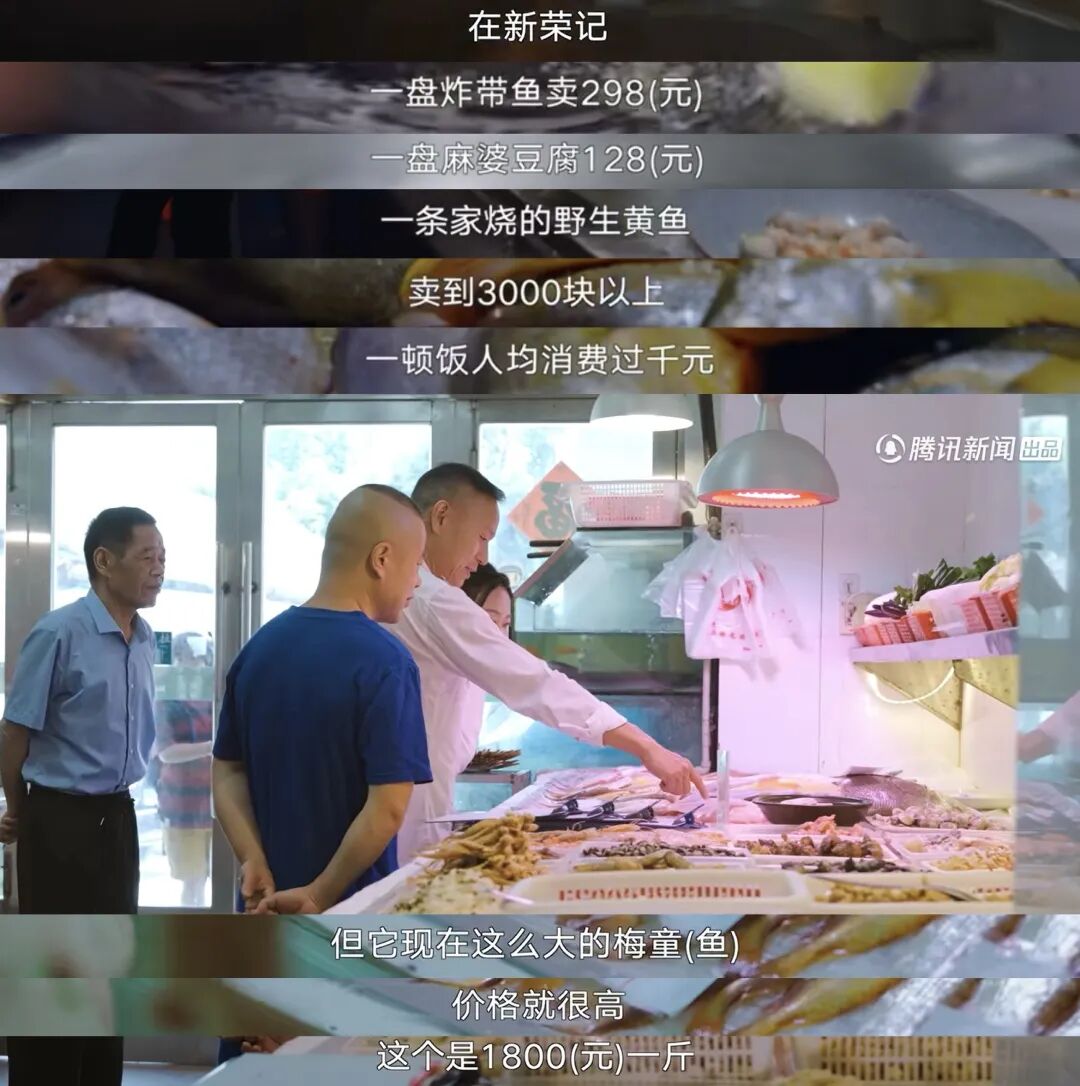
Core Viewpoint - The article discusses the current challenges and dynamics within the Chinese restaurant industry, particularly focusing on the "middle ground" segment of chain restaurants that are facing criticism for their use of pre-prepared dishes while trying to maintain a balance between cost and quality [4][32]. Group 1: Industry Dynamics - The restaurant industry is experiencing a divide, with some brands like Lao Xiang Ji and Da Mi Xian benefiting from their low-cost offerings, while others, similar to Xi Bei, are facing backlash for perceived quality issues related to pre-prepared meals [4][5][6]. - The "middle ground" segment of restaurants typically has a customer price point around 100 yuan and operates approximately 500 locations, which has become a focal point for criticism [8][34]. - The operational model of these middle-ground restaurants often combines elements of both low-cost and high-end dining, attempting to leverage the benefits of both segments [16][17]. Group 2: Business Models - Low-cost restaurants like Lao Xiang Ji focus on standardization and rapid expansion through franchising, with low menu prices and high turnover rates, often exceeding 1,000 locations [9][10]. - High-end restaurants, represented by brands like Xin Rong Ji, maintain a small number of locations with high price points, emphasizing quality and direct control over food preparation [13][15]. - The middle-ground restaurants, such as Hai Di Lao, have successfully integrated supply chain management and standardized processes to achieve significant market valuations while maintaining a balance between quality and cost [16][17]. Group 3: Market Trends - The rapid growth of commercial real estate in 2014 provided a favorable environment for chain restaurants, with the average share of dining in shopping centers surpassing 25% for the first time [26][27]. - The period from 2016 to 2018 saw significant growth for brands like Tai Er, with a compound annual growth rate of 182.3%, highlighting the potential for expansion in the restaurant sector [30]. - However, the industry is now facing challenges, with many middle-ground restaurants experiencing stagnation in customer traffic and pricing power, leading to a decline in average spending per customer [32][44]. Group 4: Consumer Behavior - Consumer expectations for quality and freshness in dining experiences are high, particularly in the context of pre-prepared meals, which can lead to dissatisfaction when prices do not align with perceived value [50][51]. - The psychological price point for mid-range dining appears to be a barrier, as consumers react negatively to perceived overpricing, especially when pre-prepared dishes are involved [46][48].



九毛九20251216
2025-12-17 02:27
Summary of Jiamaojiu Group Conference Call Company Overview - Jiamaojiu Group has closed 132 underperforming direct-operated stores, currently operating a total of 510 stores, including 22 franchise stores and 33 located in Hong Kong, Macau, and overseas, aiming to optimize store structure [2][3] Key Points and Arguments New Store Model Implementation - The company has launched the 5.0 Fresh Model for its Tai Er brand, focusing on family dining options and upgraded environments and services, with over 160 new model stores opened [2][3] - New model stores have seen a 10% year-on-year increase in revenue and over 15% growth in dine-in revenue [2][5] - The average customer spending has increased by 2-3 RMB due to menu adjustments and improved service, attracting more customers [2][6] Cost Management and Profitability - Despite an increase in workforce by 3-4 employees per new model store, the company has effectively controlled labor costs through training and supply chain optimization [7][9] - The company aims for a gross margin of 64%, with labor costs at 20%-21% and rent below 10%, targeting an operating profit margin of over 18% by 2027 [9][10] - The company is optimistic about future profit recovery, expecting to achieve a stable state for new model stores by 2027 [9][10] Sales Performance and Market Outlook - Same-store sales turned positive starting from the last week of November 2025, with expectations for December to show significant recovery [12] - The new model stores have outperformed traditional stores, particularly in first-tier cities like Beijing and Shanghai, with a 15% increase in dine-in sales compared to a 10% decline in traditional models [15] Future Expansion Plans - The company plans to complete the renovation of over 200 stores by mid-2026, with no specific annual opening targets but focusing on locations with a two-year payback period [13][25] - The company is exploring new brand opportunities, including a new barbecue brand "Zhao Zhao Na Bian," with plans to open its first store in Guangzhou [21] Financial Performance Expectations - The company anticipates a more favorable financial report for 2026, with all unprofitable stores closed by the end of 2025 and a significant reduction in impairment losses [23][24] - The dividend payout ratio is expected to remain at a minimum of 40%, with adjustments based on actual performance [27] Additional Important Insights - The company is focusing on using fresh ingredients sourced directly from suppliers to balance procurement costs and enhance product quality [10] - The transition to a fresh model has not negatively impacted store efficiency; instead, it has improved overall store performance [17] - The company has established central kitchens in Guangzhou, Shanghai, and Chongqing, with further expansions planned [19] This summary encapsulates the key insights from Jiamaojiu Group's conference call, highlighting their strategic adjustments, financial expectations, and market outlook.
连锁餐饮的“中间地带危机”
3 6 Ke· 2025-12-16 23:39
Core Insights - The public relations crisis surrounding Xibei has subsided, but consumer backlash against pre-prepared dishes continues, creating a divide in the restaurant industry [1][2] - Restaurants like Laoxiangji and Dami Xiansheng are favored by workers despite using pre-prepared ingredients, while others face scrutiny for charging fresh dish prices for pre-prepared meals [2][3] Group 1: Industry Dynamics - The restaurant industry is experiencing a split, with some brands thriving while others, particularly those similar to Xibei, are under fire for their pricing strategies [2][4] - The "middle ground" restaurants, characterized by moderate pricing and a specific number of outlets, are facing challenges in maintaining customer loyalty and operational efficiency [4][17] Group 2: Business Models - The "middle ground" restaurants typically have a customer price range around 100 yuan and about 500 outlets, with examples including Xibei, Xiaocaiyuan, and Tai Er Suancaiyu [4][24] - The operational model of low-priced fast food relies on standardization and franchise expansion, while high-end dining focuses on high prices and direct management [5][7] Group 3: Market Challenges - The "middle ground" restaurants are encountering a ceiling in growth, struggling with stagnant customer prices and declining turnover rates [17][21] - The expansion strategy that worked in urban areas is facing competition from local brands in lower-tier cities, which offer high-quality, cost-effective options [23][24] Group 4: Consumer Perception - Consumer sentiment towards mid-range dining is shifting, with a growing expectation for value, leading to backlash against perceived overpriced pre-prepared dishes [30][31] - The cultural emphasis on fresh ingredients in China complicates the acceptance of pre-prepared meals, particularly at higher price points [31][32]
连锁餐饮的“中间地带危机”
远川研究所· 2025-12-16 13:10
Core Viewpoint - The public relations crisis surrounding Xibei has subsided, but consumer backlash against pre-made dishes continues, highlighting a divide in the restaurant industry between different types of dining establishments [1] Group 1: Industry Dynamics - The restaurant industry is experiencing a split, with brands like Laoxiangji and Dami Xiansheng being favored by workers despite their use of pre-made dishes, while others similar to Xibei are facing public scrutiny [1] - The "middle ground" in the restaurant sector is characterized by brands with moderate pricing and a specific number of outlets, typically around 500, such as Xibei (470+ stores, average spending of 98 yuan) and Xiaocaiyuan (700+ stores, average spending of 60 yuan) [3][4] - High-end dining establishments like Xinrongji, which focus on quality and exclusivity, contrast sharply with budget-friendly fast food chains like Laoxiangji, which prioritize standardization and rapid expansion [4][7] Group 2: Business Models - The operational model of budget restaurants relies on "standardized pre-made dishes and franchise expansion," allowing for rapid growth while minimizing cooking processes at the store level [5] - In contrast, high-end restaurants like Xinrongji operate on a "high average spending and non-standardized direct management" model, focusing on quality control and customer experience [7][9] - The "middle ground" restaurants attempt to balance the benefits of both models, leveraging standardized expansion while also enjoying higher profit margins associated with direct management [11] Group 3: Market Challenges - The restaurant industry has faced challenges in maintaining customer turnover rates, with many brands in the "middle ground" experiencing a disconnect between store expansion and operational efficiency [23] - The expansion strategy of these mid-tier restaurants, which often mirrors that of Haidilao, has encountered limitations in lower-tier cities where local brands dominate [25] - Despite attempts to increase average spending, many restaurants have seen a decline in customer spending, with brands like Tai Er experiencing a drop from 79 yuan to 70 yuan over four years [29][32]
太二酸菜鱼以精细化管理推动福田“安心餐厅”建设
Zhong Guo Jing Ji Wang· 2025-12-15 08:02
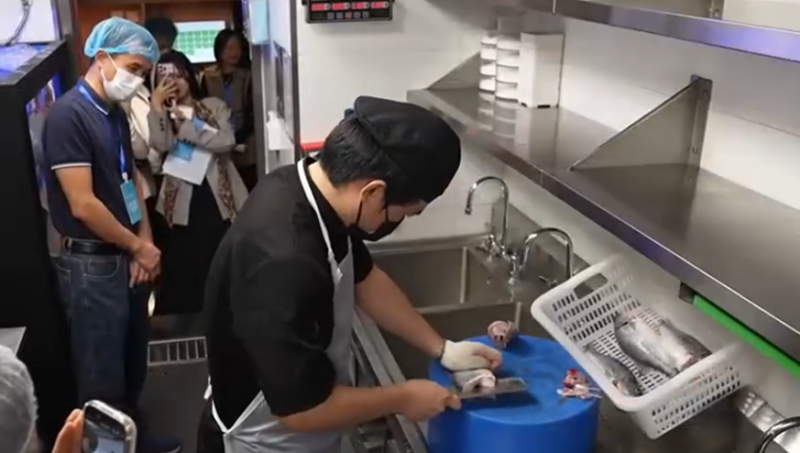
Group 1 - The "Anxin Restaurant" initiative is led by the Shenzhen Consumer Council in collaboration with the Futian District Consumer Council, aiming to enhance brand influence and promote high-quality development in the local catering industry [1] - The initiative includes the release of the first national group standard, the "Anxin Restaurant Guidelines," and plans to upgrade to the "Anxin Restaurant Construction Specifications" by 2025 to further standardize the industry [1] - A recent promotional event titled "Futian Shares Anxin 'Food' Light" was held to showcase the "Anxin Restaurant" concept, inviting various stakeholders to experience the standardized construction process [1] Group 2 - At the Tai Er Sauerkraut Fish restaurant, staff demonstrated the entire process of preparing signature dishes, emphasizing transparency and quality confidence [3] - The restaurant implements a three-tier system of food safety awareness through strict pre-job training, daily self-checks before meals, and weekly store supervision [3] - Currently, there are 206 certified Anxin Restaurants in the district, including 31 five-star, 46 four-star, and 129 three-star establishments, with well-known brands like Tai Er Sauerkraut Fish actively participating [3]
港股收盘(12.12) | 恒指收涨1.75% 电力设备股走势强劲 有色、金融股表现亮眼
Zhi Tong Cai Jing· 2025-12-12 09:04
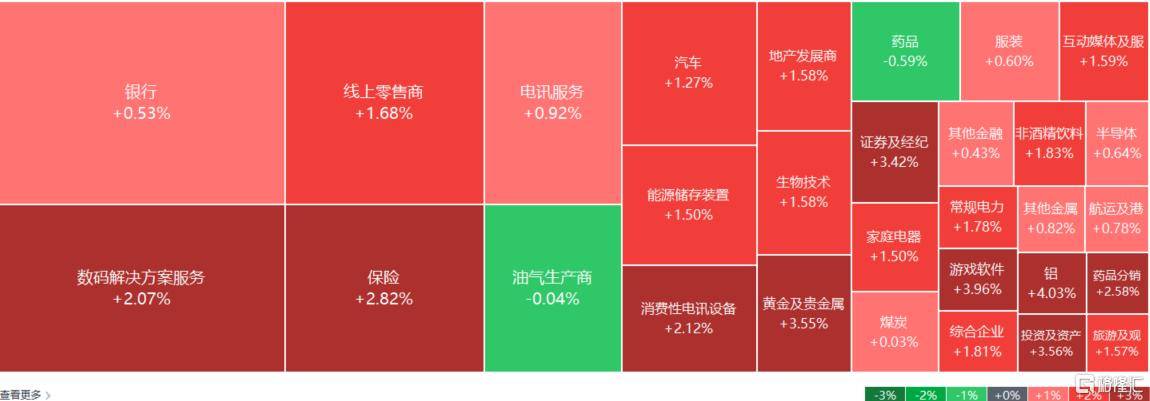
Core Viewpoint - The Central Economic Work Conference has signaled a strong focus on domestic demand and economic growth, leading to a significant rebound in Hong Kong's stock market, with the Hang Seng Index rising 1.75% to 25,976.79 points [1] Group 1: Market Performance - The Hang Seng Index saw a strong rebound, closing up 1.75% or 446.28 points, with a total trading volume of 242.657 billion HKD [1] - The Hang Seng Technology Index increased by 1.87%, while the Hang Seng China Enterprises Index rose by 1.62% [1] - Despite the daily gains, the Hang Seng Index recorded a weekly decline of 0.42% [1] Group 2: Blue-Chip Stocks - China Life (02628) led blue-chip gains, rising 5.52% to 28.3 HKD, contributing 17.61 points to the Hang Seng Index [2] - Other notable blue-chip performers included Cheung Kong Infrastructure (01038) up 4.55% and ZTO Express (02057) up 4.36% [2] - Some blue-chip stocks like Hengrui Medicine (03692) and Budweiser APAC (01876) experienced declines [2] Group 3: Sector Performance - Large technology stocks, including Tencent and Alibaba, rose over 2%, while Baidu increased by 1.78% [3] - Electric equipment stocks performed strongly, with Dongfang Electric rising over 13% [3] - The consumer sector was active, with companies like Tea Baidao (02555) and Haidilao (06862) showing significant gains [4] Group 4: Economic Policies - The Central Economic Work Conference emphasized the importance of domestic demand and outlined policies to boost consumption and urban renewal [5] - Investment strategies are shifting towards survival-type consumption, compensatory consumption, and defensive stocks [5] Group 5: Financial Sector - Brokerages and insurance stocks saw afternoon gains, with China Galaxy (06881) up 6.97% and China Life (02628) up 5.52% [6] - Regulatory changes are expected to allow insurance companies to increase their equity asset allocations [6] Group 6: Notable Stock Movements - Zhaoyan New Drug (06127) surged 19.75% amid supply shortages in the monkey breeding industry [7] - YTO Express (00038) rose 11.39% due to favorable conditions in agricultural modernization [8] - Conant Optical (02276) increased by 10% as production capacity for AI glasses is set to ramp up [9] - QZ Group (00917) rose 8.17% following a share buyback announcement [10] - ZTE Corporation (00763) gained 4% after announcing a share repurchase plan [11]
港股收评:指数集体上扬!大金融股、黄金股走强,药品股低迷


Sou Hu Cai Jing· 2025-12-12 09:01
Market Overview - The market sentiment improved significantly due to favorable news from the Central Economic Work Conference, with the Hang Seng Index rising by 1.75% and returning to 26,000 points [1] - Major technology stocks collectively increased, with NetEase rising over 4%, Tencent and Alibaba up over 2%, and other tech companies like Xiaomi, Baidu, JD.com, and Kuaishou also seeing gains [1][3] Sector Performance - **Electric Power Equipment**: Strong performance with Dongfang Electric up over 13% and other companies like Harbin Electric and Shanghai Electric also showing significant gains [1][5] - **Financial Sector**: All major financial stocks, including China Pacific Insurance and CITIC Securities, saw increases, with HSBC reaching a market value of over HKD 2 trillion [1][8] - **Precious Metals**: Gold and silver prices surged, leading to active trading in gold stocks, with China Silver Group rising nearly 6% [1][6] - **Consumer Sector**: Restaurant stocks were active, with companies like Da Shi and Haidilao seeing notable increases, driven by policies aimed at boosting consumption [10] - **Real Estate**: Property stocks rose, with Longguang Group increasing over 4%, supported by policies to stabilize the real estate market [12] Individual Stock Highlights - **NetEase**: Stock price increased by 4.20% to HKD 218.40 [4] - **Dongfang Electric**: Stock price surged by 13.59% to HKD 24.90 [5] - **China Pacific Insurance**: Stock price rose by 5.68% to HKD 34.60 [9] - **China Silver Group**: Stock price increased by 5.80% to HKD 0.730 [7] - **Xuan Bamboo Bio**: Stock price increased by 25.19% to HKD 96.90, reaching a new high [16][19] Economic Policy Impact - The Central Economic Work Conference emphasized the importance of domestic demand and consumer spending, with plans to implement measures to boost consumption and stabilize the real estate market [10][12]
港股午评 恒生指数早盘涨1.36% 电力设备股走高
Jin Rong Jie· 2025-12-12 04:54
Group 1 - The Hang Seng Index rose by 1.36%, gaining 347 points to close at 25,878 points, while the Hang Seng Tech Index increased by 1.45% [1] - Electric equipment stocks showed strength in early trading, with Harbin Electric rising over 10%, Dongfang Electric up 7.76%, and Shanghai Electric increasing by 7.44% due to optimistic market demand for electricity [1] - Cambridge Technology surged over 8% as it plans to invest approximately $100 million to expand its U.S. subsidiary CIG [1] - Consumer concept stocks also saw gains, with Jiumaojiu up over 4%, Haidilao rising 2.7%, and Chabaidao increasing by 4.5% following favorable signals from the Central Economic Work Conference [1] - Guoquan's stock rose over 3%, driven by long-term expansion in the "at-home meal" market and efforts to penetrate lower-tier markets [1] Group 2 - Xuan Bamboo Bio-B (02575) surged over 21% after its product Xuan Yuen Ning was included in the medical insurance directory, with two tumor products expected to receive approval within the year [2] - Zhaoyan New Drug (06127) increased by over 14% due to rising prices and shortages of experimental monkeys, indicating potential marginal improvements for CROs [3] - Yituo Co., Ltd. (00038) rose over 8%, with a cumulative increase of over 20% in the past three days, indicating significant potential for growth in overseas revenue [4] - Haichang Ocean Park (02255) rebounded over 4%, clarifying that it does not bear any repayment or guarantee obligations related to financial products associated with shareholders [4] - Jinjie Holdings (03918) fell by 0.59%, with the Chinese embassy in Cambodia advising citizens to enhance safety precautions near the Cambodia-Thailand border [4]
餐饮股随大市走强 九毛九(09922)涨4.82% 扩内需政策措施继续显效 11月在外餐饮价格上涨
Xin Lang Cai Jing· 2025-12-12 04:16
Group 1 - The restaurant stocks are performing well, with notable increases: Jiumaojiu (09922) up 4.82%, Haidilao (06862) up 4.14%, Yum China (09987) up 2.63%, Xiaobai (00520) up 2.50%, Xiaocaiyuan (00999) up 2.54%, and Nayuki (02150) up 1.92% [1][2] - The National Bureau of Statistics reported that the Consumer Price Index (CPI) rose by 0.7% year-on-year in November, marking the highest increase since March 2024, with a 0.5 percentage point increase from the previous month [1][2] - The rise in CPI is primarily driven by a turnaround in food prices, with household appliances and clothing prices increasing by 4.9% and 2.0%, respectively, while prices for air tickets, domestic services, and dining out rose by 7.0%, 2.4%, and 1.2% [1][2] Group 2 - Wanlian Securities forecasts that the share of domestic service consumption in total household consumption has recovered to 46%, nearing the critical structural threshold of 50%, indicating a potential rapid growth phase for the industry [1][2] - Service consumption is expected to become a key driver for domestic demand and consumption recovery, offering higher growth elasticity and user stickiness compared to goods consumption due to its personalized interaction and unique experiences [1][2] - The report suggests focusing on chain restaurants and tea beverage companies, highlighting that those with brand advantages and supply chain strengths will have greater development potential, particularly those with scale effects and performance elasticity [1][2]
港股午评|恒生指数早盘涨1.36% 电力设备股走高
Zhi Tong Cai Jing· 2025-12-12 04:12
Market Overview - The Hang Seng Index rose by 1.36%, gaining 347 points to close at 25,878 points, while the Hang Seng Tech Index increased by 1.45%. The early trading volume in Hong Kong reached HKD 106.5 billion [1]. Electric Equipment Sector - Electric equipment stocks showed strength in early trading, with optimism regarding power market demand due to potential benefits from overseas AIDC construction. Harbin Electric (01133) surged over 10%, Dongfang Electric (01072) rose by 7.76%, and Shanghai Electric (02727) increased by 7.44% [1]. Technology and Expansion - Cambridge Technology (06166) saw a rise of over 8% as it plans to invest approximately USD 100 million to expand its U.S. subsidiary CIG [2]. - SUTENG (02498) increased by over 6% ahead of CES 2026, marking its tenth consecutive year of participation [3]. Consumer Sector - Consumer concept stocks experienced gains following favorable signals from the Central Economic Work Conference. Jiumaojiu (09922) rose over 4%, Haidilao (06862) increased by 2.7%, and Chabaidao (02555) gained 4.5% [3]. - Guoquan (02517) rose over 3%, with long-term market expansion in the "home meal" sector being a significant catalyst [4]. Biopharmaceutical Sector - Xuan Bamboo Bio-B (02575) surged over 21%, reaching a new high as its product Xuan Yuening was included in the medical insurance directory, with two tumor products expected to receive approval within the year [5]. - Zhaoyan New Drug (06127) increased by over 14%, benefiting from rising prices and shortages of experimental monkeys, indicating potential marginal improvements for CROs [6]. Agricultural Sector - Yituo Co., Ltd. (00038) rose over 8%, with a cumulative increase of over 20% in the past three days, indicating significant potential for growth in overseas revenue [7]. Entertainment Sector - Ocean Park (02255) rebounded over 4%, clarifying that it does not bear any repayment or guarantee obligations related to financial products associated with shareholders [8]. Other Notable Movements - Jinjie Holdings (03918) declined by 0.59%, with the Chinese embassy in Cambodia advising citizens to enhance safety precautions at the Cambodia-Thailand border [9].