
华润啤酒

Search documents
静水深流,大象无形 - 食品饮料行业2026年度投资策略
2025-12-22 15:47
Summary of the Food and Beverage Industry Conference Call Industry Overview - The food and beverage industry is expected to end its deep adjustment cycle by 2026, with consumer goods having largely completed inventory destocking [1][4] - The liquor sector, particularly baijiu, is projected to reach a new equilibrium by Q2 2026, with CPI stabilizing to alleviate price deflation pressures [1][4] - Companies with innovation or supply chain optimization capabilities are expected to stand out in the recovery phase [1][4] Key Insights and Arguments - The liquor sector is currently in a bottoming process, with mid-term investment value being significant [1][5] - Consumer goods are benefiting from an efficiency revolution and the transition between old and new growth drivers, with emerging channels and cost advantages continuing [1][5] - In 2025, the food and beverage sector showed mixed performance, with yellow wine, soft drinks, dairy products, and meat products leading in growth, while baijiu faced significant downward pressure from high-end price declines [1][6] Market Dynamics - The CPI and PPI differential has been volatile, with weak price increase expectations; however, a future stabilization of CPI could relieve downward price pressures [1][7] - The liquor price average has returned to a high level, indicating limited future downward space, necessitating companies to maintain a balance between volume and price [1][8] Sector-Specific Trends Liquor Industry - The baijiu sector is expected to reach a new balance by Q2 2026, with a characteristic of low-to-high price movement [1][5] - Companies are advised to focus on maintaining volume-price balance during the destocking phase [1][8] Consumer Goods - The industry is currently in a "channel is king" phase, necessitating the exploration of structural opportunities to meet changing consumer demands for health, personalization, convenience, and cost-effectiveness [1][9] - After completing inventory destocking, traditional sectors may rebound, with new emerging segments expected to thrive [1][9] Dairy Industry - The dairy sector is in a stabilization phase, with raw milk supply expected to contract in 2026, leading to a potential improvement cycle [1][11] - Key companies to watch include Yili, Mengniu, and Miaokelando, which are expected to show growth potential [1][11] Beer and Yellow Wine - The beer industry is stable but experiencing changes due to the rise of new channels, suggesting a focus on leading companies like Qingdao Beer and Yanjing Beer [1][12] - The yellow wine sector is seeing a concentration of market share among leading companies, with structural upgrades expected to continue [1][12] Soft Drinks and Snacks - The soft drink market is facing intensified competition, with notable segments like glucose tea and sports drinks showing promise [1][13] - The snack sector is benefiting from new channel transformations, with companies like Weilong and Chacha expected to perform well [1][13] Restaurant Supply Chain and Food Chains - The restaurant supply chain is recovering from regulatory impacts, with companies like Anji Food and Gaoli Co. being highlighted for their growth potential [1][14] - Food chain companies are accelerating their expansion through optimization and innovation, presenting investment opportunities [1][14] Health Products - The health product market shows potential for significant growth, with key products like coenzyme Q10 and probiotics gaining traction [1][15] Conclusion - Each sub-sector within the food and beverage industry presents unique opportunities and challenges, necessitating tailored investment strategies to capture alpha opportunities and achieve stable returns [1][16]
【走在前 挑大梁 非凡“十四五”】擘画蓝图践初心 实干笃行启新程——滨州“十四五”发展改革工作从规划到实景的生动实践
Xin Lang Cai Jing· 2025-12-22 14:11
Core Insights - The "14th Five-Year Plan" period is marked by significant achievements in the development of Binzhou, with a focus on high-quality growth and the implementation of major projects [1] - The city's GDP is projected to grow from 261.43 billion yuan in 2020 to 340.47 billion yuan in 2024, with an average annual growth rate of 6% [1] - Key economic indicators show substantial progress, including industrial revenue exceeding 1 trillion yuan and retail sales surpassing 100 billion yuan [2] Economic Growth and Structural Improvement - Binzhou's GDP per capita is expected to rise from 66,600 yuan in 2020 to 87,500 yuan in 2024, with a forecast of exceeding 90,000 yuan this year [1] - The industrial structure has improved, with the primary, secondary, and tertiary industries adjusting from 9.3:41.8:48.9 in 2020 to 9.2:45.5:45.3 in 2024 [1] - The city has achieved a first-place ranking in fixed asset investment growth and public budget revenue among provinces [2] Project Investment and Development - A total of 3,288 key projects have been implemented with a total investment of 2.3 trillion yuan, significantly boosting fixed asset investment by an average of 10.3% annually from 2021 to 2024 [3] - The city has secured over 100 billion yuan in policy funds benefiting 1,394 projects, demonstrating strong project support [3] Industrial Transformation and Infrastructure - The manufacturing sector has seen an annual investment growth of 23.2%, driven by high-end aluminum and chemical projects totaling 806 billion yuan [4] - Major infrastructure projects, including highways and airports, have been completed, enhancing the city's capacity for industrial development and public service [4] Green and Low-Carbon Development - The city is advancing green development initiatives, with a focus on energy efficiency and carbon reduction, achieving a 36.02% decrease in energy intensity per unit of GDP [6] - Binzhou has been recognized for its efforts in ecological protection and has established several pilot projects for green development [5] Innovation and Emerging Industries - The city is fostering innovation in new materials and renewable energy, with significant investments in strategic emerging industries [7] - The establishment of various industrial parks is supporting the growth of new energy and materials sectors, contributing to the overall economic structure [7] Service Sector Growth - The service sector's value added is projected to grow from 127.68 billion yuan in 2020 to 154.29 billion yuan in 2024, with a contribution rate to economic growth of 50.8% [8] - The number of service sector enterprises has increased significantly, reflecting a robust growth trajectory [8] Renewable Energy Development - The city aims to establish a renewable energy base with a capacity of 10 million kilowatts, with ongoing projects expected to significantly boost the renewable energy sector [10] - By the end of this year, the installed capacity of renewable energy is expected to reach 9.59 million kilowatts, marking a 2.7-fold increase from the end of the 13th Five-Year Plan [10] Economic and Social Welfare - Urban and rural residents' disposable income is projected to reach 47,586 yuan and 24,953 yuan respectively in 2024, reflecting a significant increase [15] - The city has made substantial investments in public services, enhancing healthcare, education, and infrastructure to improve the quality of life for residents [15]
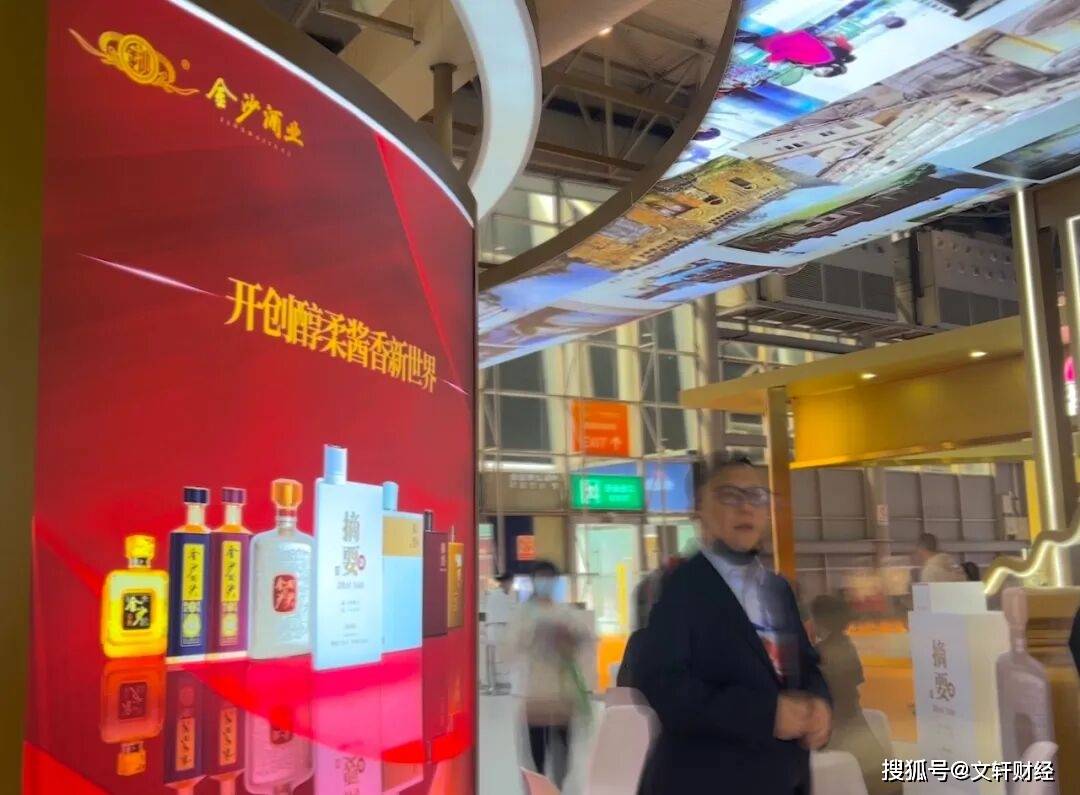
金沙酒业“又”换帅!何解渠道与品牌的双重困局?
Sou Hu Cai Jing· 2025-12-22 09:15
Core Viewpoint - The recent appointment of Han Yuguo as the new Vice General Manager and General Manager of the Marketing Center at Jinsha Liquor Industry is seen as a potential turning point for the company, which is currently facing significant challenges in the white liquor market [3][4][6]. Company Changes - Han Yuguo has been with Jinsha Liquor since 2007, holding various key management positions and significantly increasing sales in different regions, including a rise from 4.18 million to 100 million yuan in the Zunyi market [3][4]. - The previous General Manager of the Marketing Center, Wang Weilong, left the company after less than a year in the role, raising questions about leadership stability [4][15]. Market Challenges - The Chinese white liquor industry is undergoing structural adjustments, with overcapacity and shrinking market demand leading to increased competition and pressure on profits [7][11]. - Jinsha Liquor's revenue has significantly declined from a peak of 3.64 billion yuan in 2021 to 2.067 billion yuan in 2023, indicating a nearly 40% reduction in scale [13]. Strategic Initiatives - Jinsha Liquor is focusing on developing its "Jinsha" brand and light bottle liquor, leveraging the distribution network established by its parent company, China Resources Beer [8][10]. - Strategic partnerships have been formed to enhance sales channels, including agreements with China Resources Living and China Supply and Marketing Group to open new growth avenues [10]. Financial Performance - The financial performance of Jinsha Liquor has deteriorated, with net profit dropping from 1.315 billion yuan in 2021 to approximately 680 million yuan in 2024, nearly halving [13]. - The white liquor segment of China Resources Beer reported a revenue decline of 33% in the first half of 2025, further highlighting the operational pressures faced by Jinsha Liquor [13]. Leadership Transition - The resignation of former chairman Hou Xiaohai, a key figure in the acquisition of Jinsha Liquor, marks a critical transition point for the company, raising concerns about strategic execution and team trust [15].

年度策略报告姊妹篇:2026年食品饮料行业风险排雷手册-20251222
ZHESHANG SECURITIES· 2025-12-22 08:26
Group 1 - The core view of the report indicates that the capital market in 2026 will focus on "structural transformation and confidence restoration, with a complete turnaround in external demand" [4] - The report emphasizes that the risk排雷 is not a bearish outlook but aims to enhance long positions through contrarian thinking [6] - The annual strategy highlights the importance of identifying risks in various industries to better understand market misjudgments and challenges [5] Group 2 - In the liquor industry, the report suggests that the valuation is at a bottom range, making it a good time for allocation, especially with the upcoming Spring Festival sales [10] - The investment logic for the liquor sector is based on the expectation that performance expectations have bottomed out, and the price of Moutai has also reached a low point, signaling a potential rebound [10] - The report recommends focusing on leading brands like Kweichow Moutai and Shanxi Fenjiu, as well as other brands with lower valuations and growth potential [10] Group 3 - The beer industry is expected to see stable volume and rising prices, but the cost advantages are diminishing, presenting seasonal investment opportunities [15] - The investment strategy for the beer sector emphasizes the importance of high-end upgrades driving revenue growth, while cost control will enhance profitability [17] - Recommended stocks include Yanjing Beer and Qingdao Beer, with a focus on companies that can leverage high-end market trends [17] Group 4 - The snack food industry is viewed positively, with ongoing reforms expected to yield results, suggesting active investment [21] - The report highlights that growth opportunities in the snack sector will come from category expansion and new channel penetration, supported by supply chain improvements [23] - Recommended stocks include Weilian Meishi and Yanjin Puzhi, with a focus on companies that are actively adjusting and innovating [23] Group 5 - The soft drink industry is characterized by significant differentiation among segments, with profitability continuing to improve [28] - The investment strategy emphasizes the importance of strong product categories and channel capabilities for sustained growth [31] - Recommended stocks include Dongpeng Beverage, with a focus on companies that can capitalize on high-growth segments and enhance channel operations [31] Group 6 - The dairy industry is expected to focus on profitability during the current downturn in raw milk prices, with leading companies likely to see improved margins [40] - The report suggests that the recovery of raw milk supply is crucial for the industry's performance, with a focus on companies like Yili and New Hope Dairy [40] - The key risk is that the supply recovery may not meet expectations, impacting revenue performance [40]




一场关于阅读的思考:如何自我“更新”与找到“答案”?
2 1 Shi Ji Jing Ji Bao Dao· 2025-12-22 06:45
Group 1 - The event titled "Updating and Answers: My 2025 Reading List" aimed to explore the concept of personal and cognitive renewal through reading and dialogue among business leaders and scholars [2][4] - Notable entrepreneur Ning Gaoning emphasized that true "updating" involves actively breaking cognitive boundaries and reconstructing thought patterns, rather than passively receiving information [2][3] - The event featured discussions on various topics, including management, economics, philosophy, and natural sciences, highlighting the importance of reading the right books and integrating knowledge into personal frameworks [3][4] Group 2 - Participants, including business leaders and scholars, discussed how wisdom and strength necessary for progress are embedded in human civilization's vast literature and practices [4] - The dialogue also focused on how effective reading and practice can trigger genuine "updating" and help individuals dynamically approach their own "answers" [4]
茅台、啤酒、巧克力:千亿“剩宴”变形记
Xin Lang Cai Jing· 2025-12-22 05:17
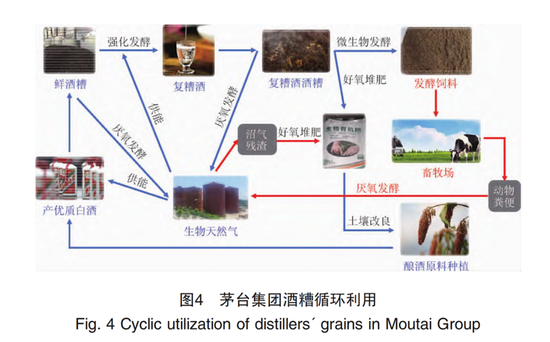
Group 1: Global Market and Technological Drivers - The upcycled food industry is emerging as a significant circular economy pathway, converting food waste into high-value products, addressing the challenge of food waste which accounts for 8%-10% of global greenhouse gas emissions [1][2] - The global upcycled food market is projected to grow at a compound annual growth rate (CAGR) of 5.6%, reaching a market size of $74.8 billion by 2029 according to BCC Research [2][3] - Advanced technologies such as artificial intelligence (AI) and biomanufacturing are driving the rapid development of this industry, with companies like Agrain utilizing AI to optimize the use of brewing waste [2][3][8] Group 2: Diverse Products and Innovative Cases - Upcycled food applications have led to the creation of new product categories, such as upcycled flour from brewing waste by Upcycled Foods and cocoa powder from cocoa fruit pulp [3][10] - Brazilian company Cellva Ingredients has developed "CoffeeCoa," a chocolate ingredient derived from coffee processing waste, providing a unique flavor experience [3][10] - The application of biomanufacturing extends beyond food, as seen in the collaboration between Yiru Biotechnology and China Resources Snow Beer, which produces 100% bio-based leather materials from brewing byproducts [3][10][11] Group 3: Exploration and Practices of Chinese Enterprises - In China, the resource utilization of food byproducts is becoming a key direction for leading companies to implement ESG (Environmental, Social, and Governance) principles [4][11] - Kweichow Moutai's circular investment company has established a complete recycling system for brewing byproducts, processing 300,000 tons annually to produce 120,000 tons of organic fertilizer and 20,000 tons of feed [4][11] - Companies like Shanghai Punotin focus on upgrading byproducts from soybean processing into sustainable food ingredients, while Green Spot Technologies has recently secured €5 million in funding for producing chocolate from fruit waste [5][12] Group 4: Conclusion - The upcycled food industry is building a more efficient and sustainable food supply chain, with potential for greater growth as technology advances and consumer awareness of environmental issues increases [6][14]
食品饮料行业周度更新:从中国快消品数据报告,看食品饮料消费结构-20251222
Changjiang Securities· 2025-12-21 23:30
Investment Rating - The industry investment rating is "Positive" and is maintained [9] Core Insights - In the first three quarters of 2025, the Chinese fast-moving consumer goods (FMCG) market exhibited distinct characteristics of "price reduction, volume increase, structural differentiation, and channel reshaping." The overall market average price decreased by 2.4% year-on-year, but the decline has narrowed, indicating price stabilization. Third to fifth-tier cities have become the main drivers of sales recovery, while competition in first and second-tier cities has intensified. Notably, packaged food sales led with a growth rate of 3.4%, although the momentum is slowing due to price sensitivity. Beverages are the only category to experience a decline, significantly impacted by price wars and competition from freshly brewed tea drinks [2][4][27]. Summary by Sections Market Overview - The FMCG market in China is characterized by a "price reduction, volume increase" trend, with a 2.4% year-on-year decline in average prices, which is stabilizing. Sales growth in lower-tier cities contributed approximately 80% to market growth, with a year-on-year increase of 4-6% [17][21][27]. Category Performance - Packaged food sales grew by 3.4% year-on-year, driven by stable demand for core and snack food categories. However, growth momentum is slowing, with quarterly growth rates of 4.6%, 4.2%, and 2.9%. In contrast, the beverage category saw a 1.1% decline in sales, despite a 3.6% increase in volume, primarily due to a 4.6% drop in average prices [21][25][27]. Channel Dynamics - The channel landscape is evolving, with traditional offline channels continuing to shrink. Emerging formats such as warehouse membership stores and snack collection stores are experiencing rapid growth, with increases of approximately 40%, 51%, and 92% respectively. E-commerce channels also showed resilience with a growth rate of about 7% [22][27]. Subsector Performance - The food and beverage sector has seen a mixed performance, with the overall index down 3.66% since the beginning of the year, lagging behind the CSI 300 index. However, subsectors like snack foods, food composites, and soft drinks have shown relative strength in recent weeks [29][35]. Industry Trends - The liquor industry is undergoing strategic adjustments, with major companies like Kweichow Moutai and Wuliangye implementing market reforms. Fast food and coffee brands are leveraging price adjustments and co-branding initiatives to attract consumers. The soft drink sector is focusing on product innovation and brand exposure, while the dairy sector is investing in capacity expansion and governance changes [35][36][37].



华润啤酒聚力ESG战略升级 着力推进“ESG卓越实践”建设
Zheng Quan Ri Bao Zhi Sheng· 2025-12-21 11:12
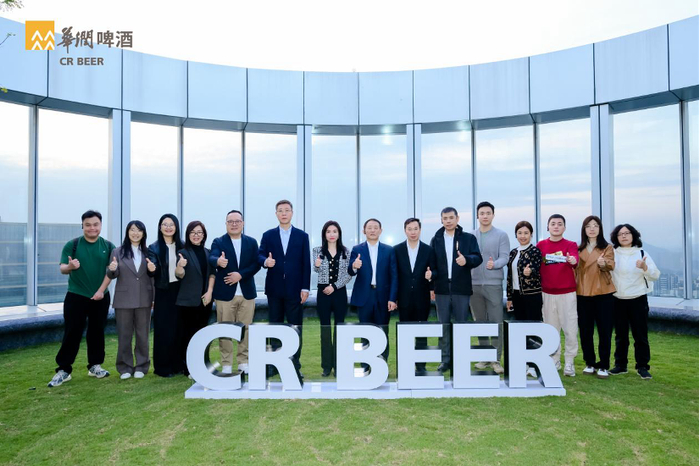
Core Viewpoint - The article emphasizes that ESG (Environmental, Social, and Governance) has transitioned from an optional aspect of corporate sustainability to a critical requirement for long-term competitiveness, particularly in the context of China's dual carbon goals and high-quality development [1]. Group 1: Event Overview - China Resources Beer (Holding) Co., Ltd. held the "ESG Strategic Enhancement Planning Project Launch Meeting and ESG Excellence Practice Construction Promotion Ceremony" in Shenzhen [1][3]. - The event was attended by various leaders and experts, including the President of China Resources Beer, Jin Hanquan, and the Deputy Secretary of the Party Committee, Xu Lin, who discussed the integration of ESG concepts into corporate strategy [3]. Group 2: Strategic Importance of ESG - Xu Lin stated that practicing ESG principles has become a strategic foundation for high-quality corporate development, and China Resources Beer is committed to unifying commercial, social, and environmental values [3]. - Jin Hanquan highlighted that the company aims to fulfill high standards of social responsibility as required by the State-owned Assets Supervision and Administration Commission, focusing on ESG principles and sustainable high-quality industry development [3]. Group 3: Recommendations and Future Directions - Zhang Yangguang suggested that China Resources Beer should focus on five key areas for breakthroughs: developing a "14th Five-Year" sustainable development plan, creating responsible brand projects, compiling reports on rural revitalization and green development, and enhancing supply chain ESG management [4]. - Liu Xing emphasized that a responsible brand is a comprehensive upgrade of traditional brands, with solid ESG practices at its core, which can enhance public reputation and directly empower business operations [4]. Group 4: ESG Action Plan - Yi Huaihai detailed the core framework and implementation path of the "China Resources Beer ESG Three-Year Action Plan," which includes six dimensions: comprehensive disclosure, rating improvement, green operations, concept development, indicator system construction, and a series of ESG actions [6]. - The launch of the "ESG Excellence Practice" signifies recognition of the company's past ESG efforts and sets expectations for its future role in leading industry collaboration and promoting green transformation in the Chinese beverage sector [6][7]. Group 5: Expectations from Leadership - 彭华岗 expressed three expectations for China Resources Beer: to be a "responsible leader" in the beer industry, deepen supply chain ESG management, and continuously enhance its responsible brand image by exploring innovative concepts like "zero-carbon beer" [6].
食品饮料周报(25年第47周):把握成本红利与效率提升主线,关注创新与困境反转机会-20251221
Guoxin Securities· 2025-12-21 08:22
Investment Rating - The report maintains an "Outperform the Market" rating for the food and beverage sector [4][5][69]. Core Views - The food and beverage sector is expected to benefit from cost advantages and efficiency improvements, with a focus on innovation and opportunities for turnaround [3][5]. - The report highlights a positive outlook for 2026, emphasizing four main investment themes: cost benefits, efficiency improvements, innovation-driven growth, and turnaround opportunities in the liquor segment [3][5]. Summary by Relevant Sections Market Performance - The food and beverage sector (A-shares and H-shares) rose by 1.97% this week, with A-shares outperforming the CSI 300 by approximately 2.29 percentage points [1]. - The top five gainers in the food and beverage sector this week were: Huanlejia (44.42%), Zhuangyuan Ranch (35.96%), Huangshi Group (21.16%), Junyao Health (17.02%), and Sunshine Dairy (14.72%) [1]. Subsector Insights - **Liquor**: Demand remains weak, with premium liquor companies focusing on supply-side optimization. Recommended stocks include Luzhou Laojiao, Shanxi Fenjiu, and Kweichow Moutai [2][10]. - **Beverages**: The beverage sector shows continued prosperity, with leading companies outperforming. Recommended stocks include Nongfu Spring and Dongpeng Beverage [2][14]. - **Food**: The snack segment is highlighted for its strong growth potential, particularly in konjac snacks, with key recommendations being Weidong and Yanjinpuzi [2][11]. Key Company Earnings Forecasts - Kweichow Moutai: EPS forecast for 2025E is 72.12, with a PE ratio of 19.6 [4]. - Shanxi Fenjiu: EPS forecast for 2025E is 9.73, with a PE ratio of 18.4 [4]. - Dongpeng Beverage: EPS forecast for 2025E is 8.85, with a PE ratio of 30.8 [4]. - Wuliangye: EPS forecast for 2025E is 6.61, with a PE ratio of 16.7 [4]. - Babi Food: EPS forecast for 2025E is 1.14, with a PE ratio of 25.6 [4]. - Weidong: EPS forecast for 2025E is 0.61, with a PE ratio of 18.4 [4]. Investment Recommendations - The recommended investment portfolio includes Babi Food, Dongpeng Beverage, Weidong, and Shanxi Fenjiu, which have shown an average increase of 3.55%, outperforming the food and beverage sector by 1.54 percentage points [15].


食品饮料周报(25年第47周):手握成本红利与效率提升主线,关注创新与困境反转机会-20251221
Guoxin Securities· 2025-12-21 07:53
Investment Rating - The report maintains an "Outperform the Market" rating for the food and beverage sector [4][5]. Core Views - The food and beverage sector is expected to benefit from cost advantages and efficiency improvements, with a focus on innovation and opportunities for turnaround [3][5]. - The report highlights a positive outlook for 2026, emphasizing four main investment themes: cost benefits from low raw material prices, efficiency improvements through supply chain optimization, innovation-driven growth, and potential recovery in the liquor sector [3][5]. Summary by Sections Market Performance - The food and beverage sector (A-shares and H-shares) rose by 1.97% this week, with A-shares outperforming the CSI 300 by approximately 2.29 percentage points [1]. - The top five gainers in the food and beverage sector this week were: Huanlejia (44.42%), Zhuangyuan Ranch (35.96%), Huangshi Group (21.16%), Junyao Health (17.02%), and Sunshine Dairy (14.72%) [1]. Subsector Analysis - **Liquor**: Demand remains weak, with premium liquor companies focusing on supply-side optimization. Recommended stocks include Luzhou Laojiao, Shanxi Fenjiu, and Kweichow Moutai [2][10]. - **Beverages**: The beverage sector shows continued growth, with strong performance from leading companies like Nongfu Spring and Dongpeng Beverage. The report recommends these companies for their market expansion and innovation capabilities [2][14]. - **Food**: The snack segment is highlighted for its strong growth potential, particularly in konjac snacks, with leading companies like Weidong and Yanjinpuzi recommended for their competitive advantages [2][11]. Key Companies and Earnings Forecasts - **Kweichow Moutai**: Rated "Outperform the Market" with an estimated EPS of 72.12 CNY for 2025 and 75.79 CNY for 2026 [4]. - **Shanxi Fenjiu**: Also rated "Outperform the Market," with an estimated EPS of 9.73 CNY for 2025 and 10.22 CNY for 2026 [4]. - **Dongpeng Beverage**: Rated "Outperform the Market," with an estimated EPS of 8.85 CNY for 2025 and 11.21 CNY for 2026 [4]. - **Weidong**: Rated "Outperform the Market," with an estimated EPS of 0.61 CNY for 2025 and 0.74 CNY for 2026 [4]. Investment Recommendations - The recommended investment portfolio includes Baba Foods, Dongpeng Beverage, Weidong, and Shanxi Fenjiu, which have shown strong performance and growth potential [15].