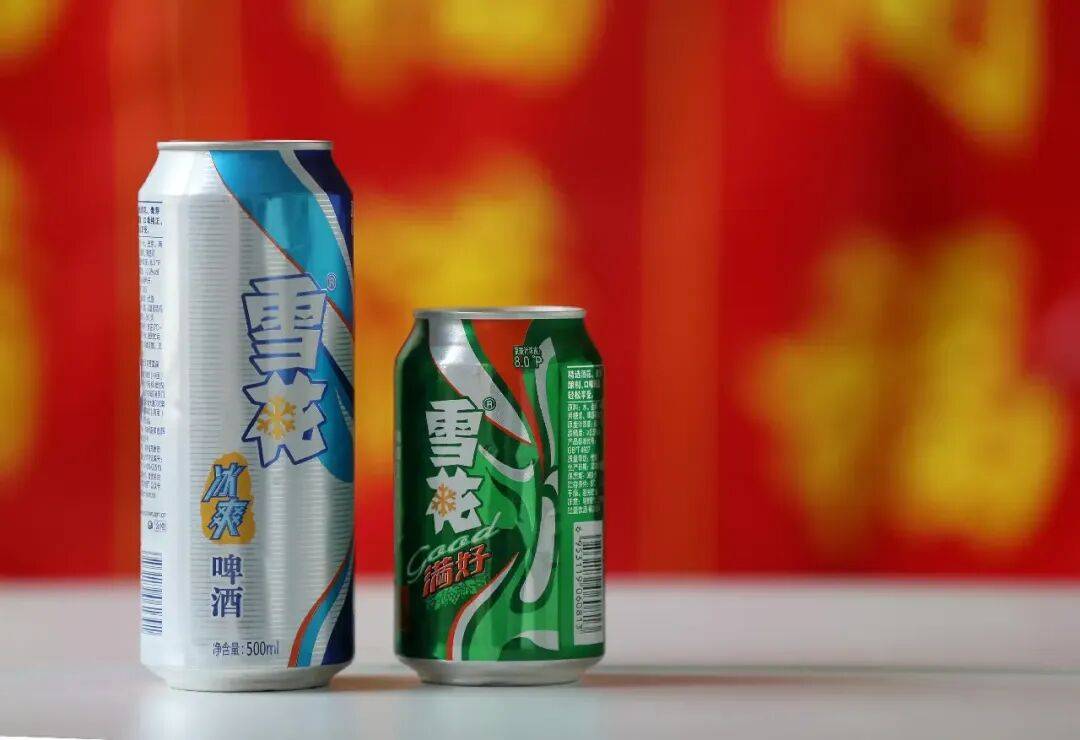
华润啤酒

Search documents
慧谷新材IPO:双轮驱动筑增长,专精特新子公司成产能引擎
Cai Fu Zai Xian· 2025-12-19 14:07
Core Viewpoint - Huigu New Materials Technology Co., Ltd. has successfully passed the listing committee review of the Shenzhen Stock Exchange's Growth Enterprise Market, aiming to become a global leader in functional materials technology innovation through its IPO [1] Financial Performance - Revenue is projected to grow from 664 million yuan in 2022 to 817 million yuan in 2024, with net profit increasing from 26.84 million yuan to 142 million yuan during the same period [1] - In the first half of 2025, the company reported revenue of 4.96 million yuan and net profit attributable to shareholders of 1.70 million yuan, representing year-on-year growth of 30.42% and 48.48% respectively [1] Technological Development - The company has established a dual technology platform focusing on "functional resins + coating materials," addressing industry challenges since its inception in 1999 [2] - As of June 2025, Huigu New Materials holds 84 authorized patents, including 79 invention patents, and has participated in the formulation of multiple national and industry standards [2] - The company has achieved domestic market shares exceeding 60% in heat exchanger energy-saving coating materials and over 30% in metal packaging aluminum cap coating materials [2] Market Expansion - The company has developed a "1+1+N" industrial layout targeting four downstream application scenarios: home appliances, packaging, new energy, and electronics [3] - In the home appliance sector, revenue is expected to reach 309 million yuan in 2024, with a year-on-year increase of 21.5% in the first half of 2025 [3] - The company has established partnerships with well-known enterprises in various sectors, including Gree, Midea, and Haier in home appliances, and has begun supplying Mini LED optical coatings to JD.com and TCL [3] Management and Capacity - The wholly-owned subsidiary, Qingyuan Huigu, has been recognized as a "national specialized and innovative small giant," serving as a key hub for capacity expansion and technology implementation [4] - The company plans to raise 900 million yuan, with 405 million yuan allocated to expand the production capacity of environmentally friendly coatings and resins [4] - The expansion project aims to add 50,000 tons of functional resins and 80,000 tons of coating materials, focusing on high-growth sectors such as new energy and electronics [4] Future Outlook - The fundraising projects are closely aligned with the company's core business and technology, enhancing market competitiveness and core strengths [5] - The industry is supported by national policies, with significant market potential for import substitution, and the company aims to leverage its technological barriers and capacity advantages to increase its global market share [5] - Qingyuan Huigu is expected to continue providing capacity and technical support, facilitating the company's transition from a "domestic champion" to a "global materials benchmark" [5]
智通港股沽空统计|12月19日
智通财经网· 2025-12-19 00:22
Group 1 - The core point of the article highlights the top short-selling ratios and amounts for various companies, indicating significant market interest in these stocks [1][2]. - China Resources Beer (80291), Anta Sports (82020), and Great Wall Motors (82333) have the highest short-selling ratios at 100% [1][2]. - Xiaomi Group (01810), Tencent Holdings (00700), and Alibaba-SW (09988) lead in short-selling amounts, with 1.229 billion, 1.054 billion, and 830 million respectively [1][2]. Group 2 - The top ten short-selling ratios include China Resources Beer (100.00%), Anta Sports (100.00%), and Great Wall Motors (100.00%) [2]. - The top ten short-selling amounts show Xiaomi Group at 1.229 billion, Tencent Holdings at 1.054 billion, and Alibaba-SW at 830 million [2]. - The highest deviation values are led by Bank of China Hong Kong (48.85%), Alibaba-SW (34.26%), and China Resources Beer (32.32%) [1][2].




“百万英才汇南粤”2025年N城联动秋季招聘活动收官 走进19省市覆盖逾百高校
Nan Fang Ri Bao Wang Luo Ban· 2025-12-18 07:44
Core Insights - The "Million Talents Gathering in Nanyue" autumn recruitment event successfully concluded, covering 19 provinces and attracting over 15,000 participating companies and more than 500,000 job positions [1] - The event aims to stabilize employment and upgrade the talent pool in Guangdong, supporting high-quality development [1] Group 1: Recruitment Scope and Duration - The recruitment event expanded from 8 key cities in the spring to over 100 universities across 19 provinces, targeting excellent graduates nationwide [2] - The duration of the recruitment has shifted from a concentrated two-week period to a continuous effort throughout the autumn semester [2] - Various cities in Guangdong initiated recruitment activities in September, October, November, and December, establishing long-term cooperation mechanisms with universities [2] Group 2: Talent Demand and Job Offerings - The recruitment focuses on 20 strategic industrial clusters in Guangdong, aiming to attract key talents for emerging and future industries [3] - A diverse range of participating companies includes state-owned enterprises, leading private firms, and high-level research institutions, ensuring precise matching of supply and demand [3] - Job offerings span cutting-edge fields such as artificial intelligence and new energy, catering to various educational backgrounds and professional specializations [3][4] Group 3: Salary and Job Quality - Over 30% of the job positions offered annual salaries exceeding 200,000 yuan, with more than 27,000 positions offering salaries above 500,000 yuan [4] - The recruitment event provides opportunities for graduates from various levels of universities to find desirable jobs, including positions in both urban and rural areas of Guangdong [4] Group 4: Recruitment Services and Support - The recruitment process is enhanced by the "Yue Employment" app and a public job service platform, creating a streamlined and intelligent recruitment service system [5] - AI recruitment service areas were set up at various university recruitment events, offering resume optimization, interview practice, and job matching services [5] - Cities provided policy packages for graduates, covering multiple aspects of employment and life, while also promoting local culture and attractions [5]



消費股輪動,華潤啤酒成短線焦點
Ge Long Hui· 2025-12-18 06:03
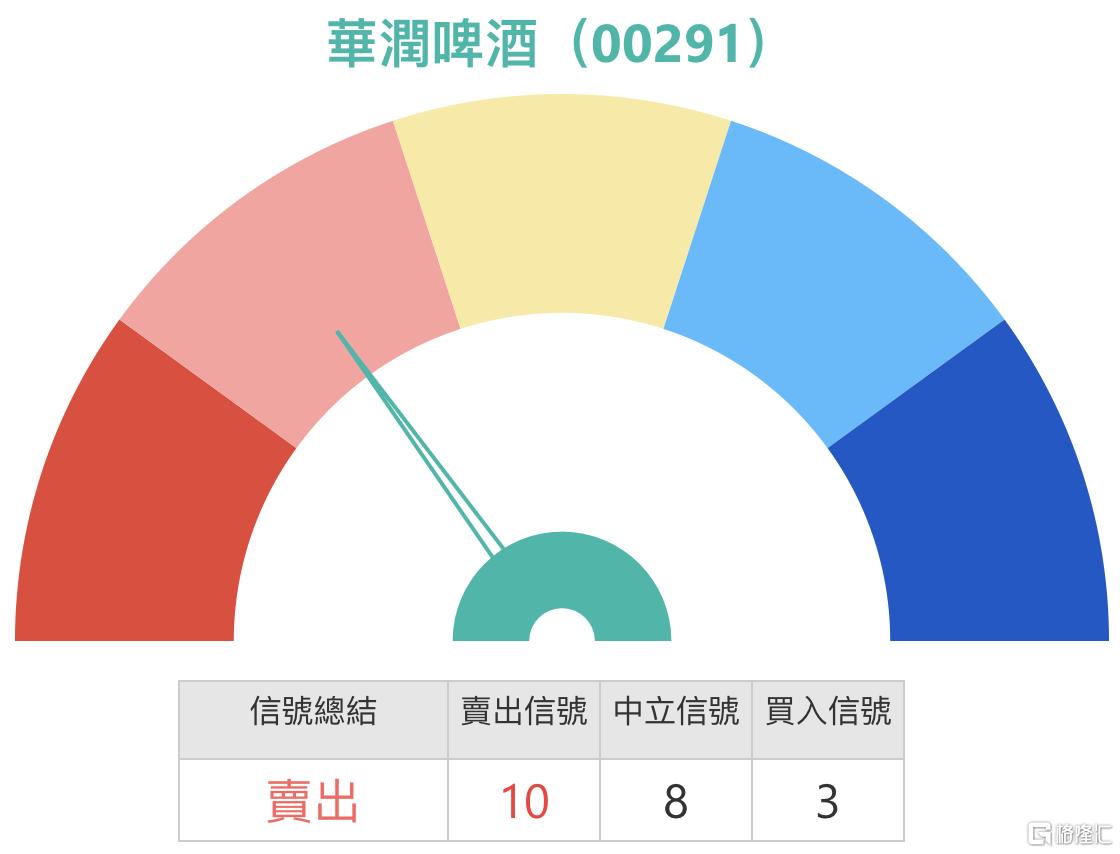
Core Viewpoint - The focus on expanding domestic demand remains a key policy direction for the country, influencing investment strategies in consumer stocks, particularly in sectors like retail and beverages [1]. Group 1: Investment Recommendations - The company suggests investors pay attention to both special consumer sectors and ordinary domestic demand stocks, highlighting China Resources Beer (291) as a strong performer despite a broader market decline [1]. - The company has expanded its coverage of stocks from approximately 40-50 at the beginning of the year to over 110 by the end of 2025, indicating a broadening of investment opportunities [2]. - Specific investment tools such as warrants for China Resources Beer are available, with a notable example being a warrant with a strike price around 39 HKD, expiring in July next year, offering a leverage of approximately 5 times [2]. Group 2: Technical Analysis - As of 15:30, China Resources Beer was trading at 27.22 HKD, near its 10-day moving average of 26.87 HKD, indicating a critical decision point for short-term price direction [2]. - Key support levels are identified at 26.5 HKD and 25.7 HKD, while resistance is noted at 28.1 HKD and 28.9 HKD, with a 55% probability of an upward movement, suggesting a slightly positive short-term outlook [3]. - Various indicators show mixed signals, with some suggesting a "buy" due to potential bottoming out, while others indicate a "sell" trend, reflecting an overall cautious market sentiment [2][3]. Group 3: Leverage Products - Several warrants for China Resources Beer are available, including options with strike prices of 34.88 HKD (leverage of 8.51 times), 36.38 HKD (leverage of 11.28 times), and 36.68 HKD (leverage of 11.59 times) [5]. - The warrants have high premiums exceeding 30%, and their sensitivity to stock price changes may be affected by high implied volatility, making them suitable for high-risk speculative strategies [13].

12月16日【中銀做客】恆指、小米、阿里、阿里、騰訊、華潤啤酒
Ge Long Hui· 2025-12-18 04:34
Market Overview - The Hang Seng Index experienced a significant drop, falling from 25,628 points to a low of 25,086 points, a decline of nearly 600 points [1] - The distribution of Hang Seng Index bull certificates indicates that a substantial amount of capital has been concentrated in the range of 25,100 to 25,200 points, with around 1,400 contracts held [1][2] Investment Strategies - Investors are advised to regularly check the distribution chart of Hang Seng Index bull and bear certificates to understand market sentiment and potential support levels [2] - Following the recent market drop, investors are encouraged to adjust their strategies, opting for bull certificates with a recovery price of at least 24,800 points, reflecting a more cautious approach due to increased volatility [3][4] Stock Analysis - Xiaomi's stock has stabilized around 40 HKD, with recent inflows into bullish positions, indicating investor confidence despite market fluctuations [6] - Alibaba has seen significant inflows into bullish positions, with over 800 million HKD in the last trading day, suggesting continued investor optimism despite recent price declines [7] - Tencent has also attracted substantial capital inflows, with investors advised to adopt a phased investment strategy to mitigate risks during market adjustments [8] Product Recommendations - For Xiaomi, a recommended bull certificate is 15276 with a strike price of 57.88 HKD and a leverage of approximately 8 times [6] - For Alibaba, the recommended bull certificate is 23258 with a strike price of 160.1 HKD and a leverage of about 6 times [7] - For Tencent, the bull certificate 15532 with a strike price of 610 HKD and a leverage of around 6 times is suggested [8] Consumer Sector Insights - China Resources Beer has shown resilience in the market, with a slight increase in stock price despite overall market declines, indicating potential investment opportunities in consumer stocks [9] - The company has related bull certificates available, such as 23124 with a strike price of approximately 39 HKD and a leverage of about 5 times [10]
这个冬天,深圳飘来“雪花”
Sou Hu Cai Jing· 2025-12-18 04:26
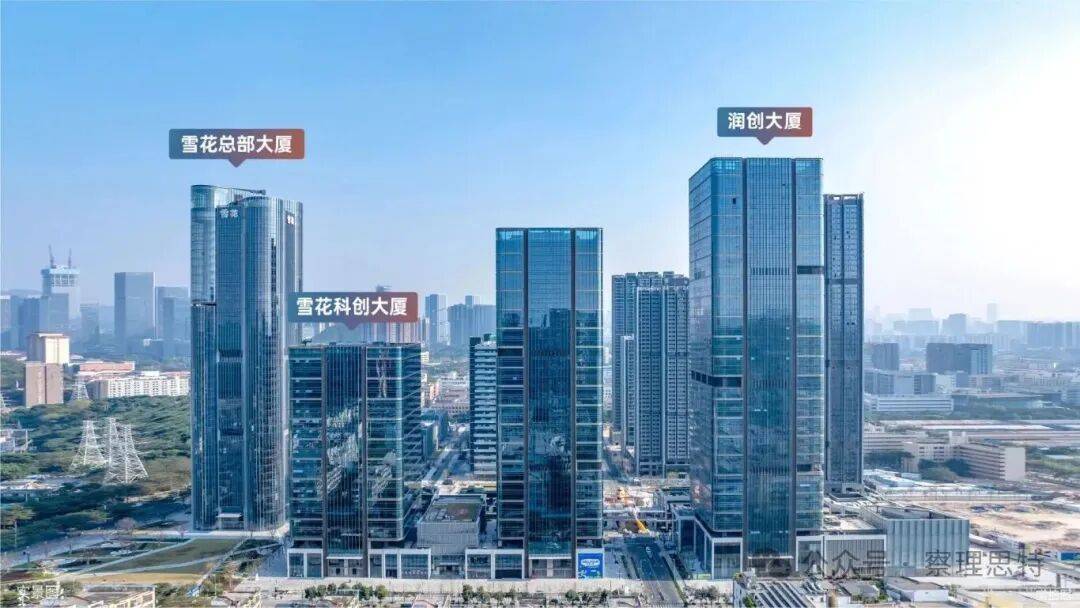
Group 1 - The core viewpoint of the news is that China Resources Beer has officially relocated its headquarters to Shenzhen's Bao'an Snowflake Innovation City, marking a significant milestone in its development and reflecting strategic choices in industrial layout and global competitiveness [1][2]. - The new headquarters and office building signify a deeper commitment to transformation focused on "quality, technology, and globalization" in the new era [1][2]. - China Resources Beer operates 60 breweries nationwide with an annual production capacity of approximately 19.2 million kiloliters, reinforcing its leading position in the industry [2]. Group 2 - In the first half of 2025, the company reported revenue of 23.942 billion yuan, a year-on-year increase of 0.8%, and a net profit attributable to shareholders of 5.789 billion yuan, up 23.04%, achieving a new high [2]. - The beer business generated revenue of 23.161 billion yuan, reflecting a 2.6% year-on-year growth, with a gross margin of 48.3%, driven by premiumization and cost advantages [2]. - The relocation aligns with national strategic regional development, particularly benefiting from the Guangdong-Hong Kong-Macao Greater Bay Area, which is a crucial hub for China's reform and opening-up [2]. Group 3 - The new headquarters building, standing at 188.45 meters with 42 floors above ground and 3 underground, has a total construction area of approximately 178,000 square meters, designed to reflect the aesthetics of beer fermentation tanks [6][10]. - The headquarters will serve as a decision-making center and include a research and testing center, exhibition space, and brand experience area, enhancing internal collaboration and innovation [10]. - The construction of a craft brewery is underway, expected to have an annual production capacity of 100,000 kiloliters upon completion [10]. Group 4 - The strategic rationale behind the relocation includes industrial upgrading and value chain extension, with a focus on high-quality growth and product premiumization [12]. - The headquarters' establishment in Shenzhen is expected to leverage the city's advanced manufacturing and technology industry, enhancing production intelligence, marketing digitization, and supply chain optimization [13]. - Shenzhen's ecosystem supports innovation, with over 1,300 national-level "little giant" enterprises contributing to collaborative industrial and technological advancements [14]. Group 5 - The Snowflake Innovation City aims to integrate Shenzhen Bao'an's strong industrial foundation and urban infrastructure, creating a composite development hub for research, beer production, smart manufacturing, and ecological leisure [15]. - The project is supported by Bao'an's well-established infrastructure, mature industrial ecosystem, and efficient service capabilities, laying a solid foundation for development [15]. - The transformation from traditional manufacturing to integrated urban development highlights the collaborative path of industrial upgrading and urban renewal in Shenzhen [21].
研判2025!中国啤酒花提取物行业产业链、市场规模、进出口、竞争格局和未来趋势分析:精酿啤酒爆发式增长,推动高端啤酒花提取物需求上涨[图]
Chan Ye Xin Xi Wang· 2025-12-18 01:16
Core Insights - The increasing consumer focus on health has led to a growing preference for health foods and natural herbs, with hop extracts gaining popularity as a natural plant extract [1] - The market for hop extracts in China has shown a trend of initial decline followed by recovery, with a projected market size of 360 million yuan by 2024 [1][6] Industry Overview - Hop extracts are derived from hops and contain active compounds such as alpha acids, flavonoids, and polyphenols, which have various health benefits including anti-tumor and antioxidant properties [3] - The extraction methods for hop extracts include solvent extraction, supercritical fluid extraction, and steam distillation, with solvent extraction being the most common [3][4] Market Trends - The hop extract market in China experienced a 23% decline in 2022 due to the pandemic, but is expected to recover as normalcy returns, with a market size of 360 million yuan anticipated by 2024 [1][6] - The planting area for hops in China is projected to reach 2,778 hectares by 2024, an increase of 6.8% year-on-year, with production expected to reach 7,146 tons, up 8.6% [5][6] Import and Export Dynamics - In the first ten months of 2025, China imported 3,234 kg of hop juice and extracts, a 5.1% increase year-on-year, while exports reached 63,602 kg, up 49.5% [8] Competitive Landscape - The hop extract market is characterized by high competition and product homogeneity, with numerous players including companies like Shaanxi Xintianyu Biotechnology Co., Ltd. and Xi'an Ruibo Biotechnology Co., Ltd. [9][10] Future Development Trends - Technological innovation is crucial for the development of the hop extract industry, with advancements in cultivation and processing techniques expected to enhance production efficiency and product quality [10] - The demand for high-end hop extracts is rising, particularly in the craft beer sector, where unique flavor profiles are created through the use of various hop extracts [11] - The application of hop extracts is expanding beyond brewing to health foods and personal care products, driven by their natural antibacterial properties [12]

中金2026年展望 | 食品饮料:筑底接近尾声,聚焦高质量增长
中金点睛· 2025-12-17 23:54
Core Viewpoint - The food and beverage industry is experiencing a new normal with a weak overall consumption environment, emphasizing high quality-price ratios, functionality, health, and emotional consumption trends. The liquor industry continues to face weak demand, while snacks and beverages show better performance. The industry is expected to maintain a weak recovery with strong differentiation, relying on product innovation, fragmented channel layouts, and expanding consumer demographics [2][3][10]. Liquor Industry - The liquor industry is undergoing significant adjustments due to weak demand and new regulations, with expectations for a turning point in the first half of 2026 as the supply-demand balance improves. The impact of policies on demand is expected to weaken, leading to a gradual recovery in consumption [6][7]. - The strategic focus of liquor companies has shifted from inventory pressure to exploring new growth areas, such as targeting younger consumers and embracing new retail channels. This shift is expected to lead to a clearer upward trend in financial reports by 2026 [8][9]. - High-end liquor is anticipated to lead the overall recovery, benefiting from brand loyalty and the resumption of business activities. The mid-range segment may face challenges but is also expected to see some recovery [9]. Snack and Beverage Industry - The overall demand for snacks is stabilizing at a low level, with a focus on quality-price ratios and emotional value. The snack industry is expected to continue expanding, particularly in channels like bulk snacks and membership supermarkets [11][12]. - The beverage industry is benefiting from health trends, with a notable increase in demand for low-sugar and functional drinks. The market for instant retail is also growing, with significant sales increases in snack brands through platforms like Meituan [21][22]. - The competition in the beverage sector is expected to remain intense, but price competition is easing, allowing for improved profit margins for leading companies [22][23]. Dairy and Frozen Food Industry - The dairy industry is experiencing a recovery in operational performance, with expectations for improved profitability as raw milk prices stabilize. The demand for liquid milk is projected to stabilize in 2026, with a potential turning point in the raw milk supply-demand balance [33][34][37]. - The frozen food industry is facing pressure from weak demand but is seeing a stabilization in competition. Companies are focusing on product innovation and new channel development to improve profitability [42][43]. Condiments and Health Products - The condiment industry is expected to see stable demand in 2025, with a focus on product upgrades and innovation from leading companies. The overall competitive landscape is anticipated to become less aggressive as inventory levels normalize [44][48]. - The health product sector is experiencing a shift towards online sales and long-tail brand growth. Leading brands are expected to stabilize their market share through channel expansion and product diversification [55][56].

对话2026年关键词:消费篇
2025-12-17 15:50
对话 2026 年关键词:消费篇 20251217 摘要 扩内需是未来一年的政策关键词,短期重点在于消费补贴扩容至服务业 和相关就业者,中长期政府投资将更多投入社会保障以扩大中产群体, 提升消费率。 食品饮料行业中,白酒预计在 2026 年加速寻底,大众品部分企业已进 入右侧阶段。啤酒和乳业维持低库存,高成长赛道公司面临定价挑战。 推荐安琪酵母、安井食品和东鹏饮料。 医药板块创新药领域基本面强劲,受益于国内市场和美国市场,中国创 新药企性价比优势显著。医保结构调整和商业保险补充支付构成利好, 创新药产业链及医疗器械出海业务值得关注。 家电行业 2026 年主题为"无惧内销压力,外销加业务扩张大有可为", 内销压力可控,海外市场成长性强,关注家电公司多元化成长、子板块 机会及质量红利。 零售及美容护理行业竞争加剧,关注天猫 AI 应用、抖音返佣机制及强薪 资竞争力公司。医美板块关注产品种类丰富或新兴赛道布局领先的公司, 保健品领域关注新品牌及转型公司。 Q&A 食品饮料行业在 2026 年的具体展望如何? 在食品饮料行业方面,我们认为白酒将在 2026 年经历周期加速寻底过程,而 大众品则已经有部分企业进入右侧 ...
东北再无雪花啤酒
Sou Hu Cai Jing· 2025-12-17 03:37
Core Viewpoint - China Resources Beer is undergoing a significant transformation as it exits its long-standing dominance in Northeast China, marked by asset disposals and a strategic shift to Shenzhen, aiming for growth in high-end markets while facing challenges in the beer industry [2][3][9]. Group 1: Asset Disposals and Challenges - The announcement of asset disposals at Dalian Property Exchange highlights the difficulties China Resources Beer faces in Northeast China, with multiple factories being listed for sale, including the Qiqihar factory, which saw its price drop from 6.35 million to 5.08 million yuan, a decrease of over 120,000 yuan, yet remains unsold [2][4]. - By the end of 2025, China Resources Beer had eight factories in Northeast China listed for transfer, reflecting a trend of closures and asset write-downs, as the company struggles with outdated facilities and declining local demand [3][4]. - The closure of the Changchun factory, which had been in operation since 2001, took six years to finalize due to numerous labor disputes and legal issues, illustrating the complexities involved in shutting down operations [4][6]. Group 2: Historical Context and Strategic Shift - China Resources Beer, once a dominant player in Northeast China with a market share of 68% in Liaoning, is now retreating from its historical stronghold, marking the end of an era characterized by aggressive acquisitions and market expansion [5][6]. - The company's aggressive "mushroom strategy" led to the acquisition of many underperforming breweries, which became burdensome as the market shifted to a phase of stagnation, prompting a significant reduction in the number of operational factories from 98 to 62 between 2016 and 2024 [5][6]. - The departure of long-time chairman Hou Xiaohai and the relocation of the headquarters to Shenzhen signify a strategic overhaul aimed at embracing high-end markets and reducing reliance on the Northeast [7][9]. Group 3: Financial Performance and Future Outlook - Despite reporting a net profit of 4.76 billion yuan in 2024, China Resources Beer faces ongoing challenges as the Chinese beer market has reached a saturation point, leading to intense competition in both high-end and craft beer segments [10][11]. - The company incurred 2.41 billion yuan in fixed asset impairments and employee compensation in the first half of 2025, indicating that the repercussions of factory closures are still being felt [11]. - The transition to a new growth strategy, including the integration of its white wine business and the need to adapt to a changing market landscape, presents significant hurdles for the company moving forward [8][11].