BioNTech SE

Search documents
BioNTech收缩CAR-T战线 裁员63人
news flash· 2025-06-20 08:05
Core Viewpoint - BioNTech is scaling back its CAR-T therapy operations in response to underwhelming results from early cancer trials, leading to layoffs at its Maryland facility [1] Group 1 - BioNTech plans to reduce the production scale of its CAR-T therapy at its first U.S. facility due to disappointing trial outcomes [1] - The company will lay off 63 employees, primarily from the cell therapy technical operations team at its Gaithersburg, Maryland site [1] - The layoffs are expected to take place by the end of summer this year [1]

创新药企“卖青苗”:梦想与现实的较量
2 1 Shi Ji Jing Ji Bao Dao· 2025-06-20 00:10
Core Viewpoint - The article discusses the rise of Chinese innovative pharmaceuticals at the ASCO annual meeting, highlighting both the achievements and the underlying challenges faced by the industry, particularly regarding the trend of early-stage pipeline licensing to international firms [1][2]. Group 1: Achievements in Chinese Pharmaceutical Innovation - A record 73 studies from China were presented at the ASCO annual meeting, marking a significant milestone for the country's innovative drug sector [1]. - Morgan Stanley raised target prices for three leading pharmaceutical companies by 20%, citing that Chinese original research has surpassed multinational companies in the number of studies presented in the solid tumor field [1]. - The topic of "China's rise in innovative drugs" garnered over 200 million views on social media, indicating strong public interest and recognition [1]. Group 2: Concerns Over Early-Stage Licensing - There has been a 300% year-on-year increase in the transaction value of early-stage pipeline licensing from Chinese companies, with 60% occurring in the preclinical stage [1][2]. - Some industry insiders express concern that this trend may undermine the future potential of Chinese companies, as it resembles uprooting promising seedlings [1][2]. - The licensing of early-stage projects is viewed as a necessary financial strategy for many biotech firms facing funding shortages, allowing them to generate immediate cash flow [2]. Group 3: Strategic Decisions and Market Dynamics - The debate over whether to sell early-stage assets or retain them for future development reflects a broader discussion about the sustainability of the industry [3][8]. - Companies like Innovent Biologics have faced backlash for perceived undervaluation of their assets, leading to significant stock price drops [5][6]. - The decision to engage in business development (BD) transactions is influenced by a company's clinical development capabilities, cash flow reserves, and market conditions [7][9]. Group 4: Future Outlook and Industry Trends - The article emphasizes the importance of balancing core technology development with strategic partnerships to enhance global competitiveness [17][18]. - The global pharmaceutical market is evolving, with increasing recognition of the value of Chinese innovative drugs, as evidenced by rising valuations in the biotech sector [17]. - Companies are encouraged to leverage BD strategies to navigate the challenges of high R&D costs and market competition, while also focusing on building unique and differentiated assets [13][14].
国产抗癌神药,转手卖了800亿
虎嗅APP· 2025-06-18 23:59
Core Viewpoint - The article discusses the significant investment by Bristol-Myers Squibb in the development of the cancer treatment drug BNT327, highlighting the rapid increase in its valuation and the potential for substantial returns in the innovative drug sector, particularly from Chinese companies [2][10]. Group 1: Drug Development and Valuation - Bristol-Myers Squibb has entered a partnership with BioNTech to develop and sell the dual-specific antibody BNT327, with an initial payment of $1.5 billion and potential total payments reaching $11.1 billion (approximately 800 billion RMB) [2]. - BNT327, originally developed by Chinese company Biotheus, was acquired by BioNTech for $1.055 billion, indicating a tenfold increase in its value within a year and a half [2]. - The dual-specific antibody targets both PD-1 and VEGF, enhancing immune response against tumors while inhibiting their blood supply, representing a significant advancement over traditional single-target therapies [6][8]. Group 2: Market Trends and Investment Opportunities - The innovative drug sector in China is experiencing a boom, with substantial investments and partnerships being formed, as evidenced by multiple large-scale deals in late 2024 [12][14]. - Notable transactions include GSK's $300 million upfront payment for a targeted therapy and other significant licensing agreements, indicating a strong market for innovative drugs [12]. - The Chinese biopharmaceutical industry is becoming increasingly attractive to global pharmaceutical companies, with a reported $45.5 billion in business development transactions in 2024, highlighting the competitive edge of Chinese drug developers [14][15].



浙商证券:看好全球创新药“中国化”估值重塑 重点关注全球大单品潜质等方向
智通财经网· 2025-06-18 08:06
Core Viewpoint - The report from Zheshang Securities highlights the optimistic outlook for the globalization and valuation reshaping of domestic innovative drugs in China, particularly in the fields of dual antibodies and ADCs, as they enter a period of accelerated global expansion [1] Financial Performance - Commercialization is expected to improve profitability, with 32 sample innovative drug companies projected to invest 67.2 billion yuan in R&D in 2024, reflecting a year-on-year increase of 7.23% [1] - The sales and R&D expense ratios for 22 sample innovative drug companies are continuously declining from 2021 to 2024, which is expected to drive improved profitability for companies like BeiGene and Innovent Biologics [1] Commercialization Insights - The sales revenue of 17 commercialized innovative drug companies is projected to reach 91.3 billion yuan in 2024, representing a year-on-year growth of 35%, indicating strong growth momentum despite a high base [2] MNC Strategies - The report notes that while multinational corporations (MNCs) have established strong first-generation IO pipelines, there has been no significant breakthrough in second-generation IOs, with companies like BMS and Pfizer acquiring Chinese pipelines through licensing [3] - MNCs are expected to leverage their ample cash flow and stable net profit contributions to enhance their pipeline strategies in the IO and ADC sectors [3] Domestic Market Dynamics - The competitiveness of domestic companies is strengthening, with significant business development (BD) transactions expected to continue into 2025, such as the licensing agreements involving 3SBio and Hengrui Medicine [4] - The commercialization of potential blockbuster drugs is accelerating, with a rich pipeline of NDA reserves expected to drive revenue and profit growth for domestic innovative drugs [4] - Domestic companies are leading in the development of second-generation IO and ADCs, with a robust pipeline that includes various promising targets [4]

创新药成为基金圈的共识之后
远川投资评论· 2025-06-18 07:00
Core Viewpoint - The focus of investment has shifted from AI to innovative pharmaceuticals, with significant interest and funding directed towards the latter, as evidenced by attendance at recent strategy meetings and substantial capital inflows into the sector [1][4]. Group 1: Market Trends - Innovative pharmaceuticals have seen a surge in investment, with southbound funds increasing their holdings by 55.14 billion, three times more than new consumer sectors [4]. - The healthcare sector's share of Hong Kong stock trading volume has risen from less than 5% a year ago to 15% [4]. - The top ten public funds this year are dominated by innovative pharmaceutical funds, indicating a shift in market sentiment and investment strategies [4][5]. Group 2: Fund Manager Insights - Fund manager Zhou Sicong has noted a correlation between the performance of innovative pharmaceuticals and AI, suggesting that when one sector performs well, the other may not [2][3]. - Zhou has observed that TMT fund managers are increasingly involved in innovative pharmaceuticals, indicating a broader interest in the sector [3]. - The current market dynamics have led to a new generation of fund managers emerging as leaders in the innovative pharmaceutical space, while traditional managers have struggled [5][21]. Group 3: Investment Opportunities - The introduction of ADC (Antibody-Drug Conjugates) has proven the value of innovative pharmaceuticals, leading to significant licensing deals and collaborations with major global pharmaceutical companies [10][11]. - The potential for licensing out agreements is projected to account for nearly 30% of global sales in the coming years, highlighting a key growth area for innovative pharmaceuticals [11]. - The market is increasingly recognizing the strength of Chinese innovative pharmaceuticals, with a shift in how these assets are valued and perceived globally [12][21]. Group 4: Valuation and Market Sentiment - The traditional valuation methods for innovative pharmaceuticals are being challenged, with new metrics emerging that reflect the changing landscape of the industry [17][18]. - The current excitement around innovative pharmaceuticals is contrasted with previous market downturns, suggesting a more optimistic outlook for the sector moving forward [21][22]. - Despite concerns about potential bubbles in the market, there is a growing belief in the long-term potential of Chinese innovative pharmaceuticals to surpass their global counterparts [21][22].

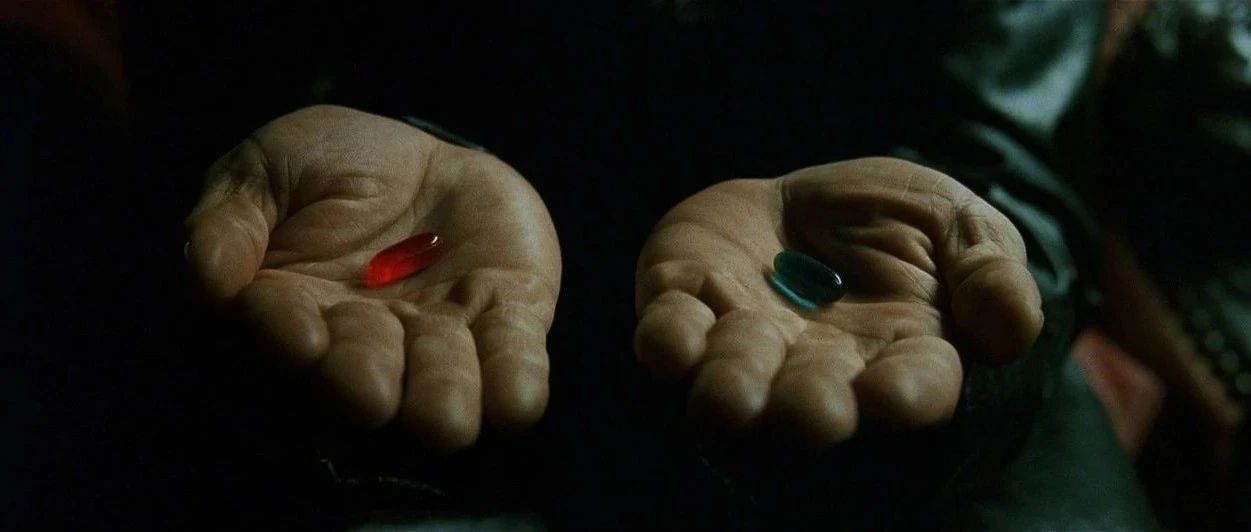
国产抗癌神药,转手卖了800亿
投中网· 2025-06-18 02:21
Core Viewpoint - The article discusses a significant transaction in the pharmaceutical industry involving the acquisition of a promising cancer treatment drug, highlighting the financial implications and the potential for innovation in the Chinese pharmaceutical sector [2][3][9]. Group 1: Transaction Details - Bristol-Myers Squibb (BMS) has entered into a collaboration with BioNTech to develop and sell the cancer drug BNT327, agreeing to pay up to $11.1 billion (approximately 800 million RMB) for the rights [2]. - The initial payment from BMS is $1.5 billion, with an additional $2 billion due by 2028, and potential future payments of $7.6 billion based on sales targets [2]. - BioNTech acquired the overseas rights for BNT327 from Chinese company Biotheus for $1.055 billion, indicating a tenfold increase in the drug's valuation within a year and a half [3]. Group 2: Drug Mechanism and Innovation - BNT327 is a bispecific antibody targeting PD-1 and VEGF, which enhances immune response against tumors while inhibiting blood vessel formation, thus starving tumors of nutrients [6][8]. - The drug's dual-targeting mechanism allows for a synergistic effect, significantly improving binding capabilities in the presence of both targets, with an 18-fold increase in binding to PD-1 when VEGF-A is present [8]. Group 3: Market Trends and Future Prospects - The article notes a surge in interest from global pharmaceutical giants in acquiring innovative cancer therapies, with multiple high-value transactions occurring in the sector [9][12]. - The Chinese pharmaceutical industry is experiencing a renaissance, with significant investments and collaborations, as evidenced by the $45.5 billion in biopharmaceutical deals in 2024 alone [18]. - The article suggests that the Chinese innovation drug sector is poised for growth, with a notable increase in successful funding rounds and partnerships [14][15][16].

Moderna (MRNA) Update / Briefing Transcript
2025-06-16 15:00
Summary of Moderna (MRNA) Update / Briefing June 16, 2025 Company Overview - **Company**: Moderna (MRNA) - **Focus**: Oncology pipeline and commercial strategy Key Points on Oncology Pipeline 1. **Oncology as a Key Focus**: The company emphasizes the importance of oncology in its future development, with a focus on individualized therapies and cancer antigen therapies [3][4] 2. **Lead Program - Intisiran Auto Gene (INT)**: This individualized neoantigen therapy has shown a 49% reduction in the risk of recurrence or death in a Phase 2 study for adjuvant melanoma, with pivotal study data expected in 2026 [7][39] 3. **Expansion of INT**: The company is exploring INT in various cancer settings, including combinations with pembrolizumab and as a monotherapy [7][8] 4. **Off-the-Shelf Cancer Antigen Therapies**: These therapies are designed for broader patient use and are currently in development, with lead programs mRNA-4106 and mRNA-4359 targeting specific tumor antigens and training the immune system [10][11] 5. **T Cell Engagers**: The company is developing multiplexed T cell engagers that can target multiple proteins on cancer cells, enhancing the immune response [16][17] 6. **In Vivo Cell Therapies**: Moderna is pursuing innovative approaches to enhance the efficacy of cell therapies, including engineered T cells that can be modified within the patient's body [20][24] Clinical Development and Data 1. **Phase 2 and Phase 3 Studies**: The company is preparing for Phase 3 trials based on encouraging Phase 2 data, with a focus on event-driven trial designs [34][40] 2. **Control Arm Performance**: The performance of the pembrolizumab control arm in Phase 2 is reported to be in line with historical data, addressing investor concerns about patient allocation [32][36] 3. **Safety and Tolerability**: The safety profile of mRNA-4359 and INT is favorable, with low-grade adverse events and no dose-limiting toxicities reported [15][62] Market and Competitive Landscape 1. **Partnerships and Collaborations**: Moderna is closely monitoring competitive developments, including BioNTech's recent acquisition of CareVac and their oncology programs [78] 2. **Regulatory Environment**: The company is navigating a changing political landscape that affects vaccine development and approval processes, particularly in the context of COVID-19 and RSV vaccines [82][86] Financial Guidance and Market Outlook 1. **Revenue Guidance**: Moderna has provided a broad revenue guidance range of $1.5 billion to $2.5 billion for the year, considering potential declines in vaccination rates and other market factors [96] 2. **Future Approvals**: The company is optimistic about upcoming FDA approvals and the potential for expanded indications for its vaccines, particularly for high-risk populations [85][89] Additional Insights 1. **Combination Therapies**: The company is exploring combination therapies with checkpoint inhibitors and other agents, aiming to enhance overall response rates and progression-free survival (PFS) [65][66] 2. **Clinical Trial Design**: The design of clinical trials is being carefully considered, with a focus on achieving statistically significant outcomes that can support regulatory filings [50][52] This summary captures the essential points discussed during the call, highlighting Moderna's strategic focus on oncology, clinical development progress, market positioning, and financial outlook.

一财社论:中国创新药“DeepSeek”时刻来临了吗
Di Yi Cai Jing· 2025-06-16 13:32
Core Insights - The rise of China's innovative pharmaceutical industry indicates that true innovation comes from companies adapting to market demands, leading to unexpected successes [1][4] - By 2025, China's innovative drugs are expected to enter a period of significant development, with multiple strategic collaborations and transactions recently announced [1][2] Industry Performance - As of June 13, the CSI Innovative Drug Industry Index in A-shares has increased by 17.34% year-to-date, while the Hang Seng Biotechnology Index has surged by 61.96% [1] - In Q1 of this year, the total transaction amount for mergers and acquisitions involving Chinese pharmaceutical companies reached $36.9 billion, accounting for over half of the global total of $67.5 billion [2] Factors Driving Growth - The open access to overseas markets allows Chinese biopharmaceutical companies to effectively participate in the international innovative drug ecosystem, benefiting from better asset valuation and a robust intellectual property protection system [3] - A favorable domestic environment for innovation, including relaxed policies for clinical trials and a talent surplus, has reduced overall costs for Chinese innovative drug companies [3] - The formation of a specialized and collaborative innovation ecosystem in China's biopharmaceutical sector has enhanced focus and significantly lowered innovation costs [3] Challenges and Future Outlook - Despite recent successes, the domestic innovative drug industry still faces challenges, including pricing pressures, insufficient capital market support, and intense competition [4] - To maintain international competitiveness, the industry must enhance domestic market capabilities while ensuring that innovative assets circulate effectively between domestic and international markets [4] - Shanghai's recent initiatives to strengthen intellectual property protection and foster collaboration in the biopharmaceutical sector serve as a model for reducing innovation costs and improving medical outcome conversion rates [5] Sustainability of Innovation - For China to achieve a sustainable "DeepSeek" moment in the innovative drug sector, it is crucial to create and maintain an environment that fosters innovation without excessive intervention [6]

创新药BD热潮之后的一些思考
雪球· 2025-06-14 05:00
Group 1 - The core viewpoint of the article highlights the dual effects of the business development (BD) wave in China's innovative pharmaceutical industry, questioning whether BD is a lifeline or a chronic poison for companies [2][3] - The surge in BD transactions is driven by multiple factors, including the patent cliff crisis faced by multinational pharmaceutical companies and the accumulation of potential first-in-class (FIC) and best-in-class (BIC) pipelines by Chinese firms [2] - The total amount of BD transactions in China's innovative drug sector reached $57.1 billion in 2024, with over $50 billion in transactions occurring from early 2025 to the present [2] Group 2 - The benefits of BD are evident, including rapid cash flow acquisition, leveraging multinational resources for global development, and enhancing international recognition of Chinese innovative drugs [3] - However, there are significant concerns, such as a high return rate of 40% in BD transactions, with 25 out of 62 transactions in 2020 being terminated [3] - Companies that rely heavily on BD, like Kangfang Biotech, may face severe financial challenges if BD revenues decline, as seen with a 95% drop in 2024 [3] Group 3 - Successful companies typically possess differentiated innovation capabilities, such as Kangfang Biotech's PD-1/CTLA-4 bispecific antibody [4] - Internationalization capabilities are crucial, exemplified by BeiGene's successful entry into the U.S. market while maintaining its R&D pace [5] - A reasonable pipeline structure is also important, as demonstrated by Ascentage Pharma's high revenue-sharing ratio of 15% for Olverembatinib, potentially generating $300 million in future revenue [6] Group 4 - Companies that are merely "bare swimming" exhibit characteristics such as product homogeneity and reliance on single BD transactions, which can lead to significant market value loss [6] - The CXO companies, particularly those in contract manufacturing organizations (CMO), are clear beneficiaries of the BD trend, as they provide essential production capabilities for innovative drug projects [7] - WuXi Biologics' "CRDMO+" model allows deep involvement in the entire lifecycle of innovative drugs, ensuring continuous orders and revenue regardless of the success of BD transactions [8] Group 5 - After the BD wave subsides, only companies that can consistently produce high-quality innovative drugs and effectively commercialize them will emerge as true winners [9] - Companies must possess strong R&D capabilities and clear commercialization paths, while those relying solely on BD for funding may struggle when the tide recedes [9] - BD should be viewed as a means rather than an end, with the marathon of innovative drug development just beginning [9]

市场监管总局:3605批次冷冻饮品抽检合格率超99.5%|首席资讯日报
首席商业评论· 2025-06-14 04:26
Group 1: Sports and Events - Sichuan's "Bashu Xiongjing Cup" will draw on the successful development experience of the "Supert League" to enhance the event system and promote fair competition [1] - The competition is scheduled to take place from June 21 to July 6, 2025, with the finals set for September 5 to September 27, featuring both men's and women's teams in an eleven-a-side format [1] Group 2: Automotive Industry - Xiaopeng Motors aims to be among the first companies to introduce advanced intelligent driving assistance in Hong Kong, with plans for vehicle readiness and software development within two months [3] - The company is looking to leverage Hong Kong as a launchpad for global expansion in the smart driving sector [3] Group 3: Financial Technology - Ant Group's Ant Digital has initiated the application for a stablecoin license in Hong Kong, having already engaged in multiple rounds of discussions with regulators [4] - The establishment of "Ant Xinneng" in collaboration with GCL-Poly is part of Ant's strategy to anchor its global financial presence [4] Group 4: Technology and AI - Scale AI has received a significant new investment from Meta, with CEO Wang Tao stepping down to join Meta while remaining on Scale AI's board [5] - The company is actively seeking a new CTO to strengthen its engineering team [5] Group 5: Market Regulation - The State Administration for Market Regulation reported that over 99.5% of 3,605 batches of frozen beverages passed inspection, indicating a stable improvement in food safety [6] Group 6: Robotics and Elderly Care - The Ministry of Industry and Information Technology and the Ministry of Civil Affairs are launching pilot projects for smart elderly care robots in various settings, with preparations already underway in Hunan [7] Group 7: Corporate Earnings - Adobe reported Q2 revenue of $5.87 billion, exceeding analyst expectations of $5.8 billion, with projected digital media revenue for Q3 between $4.37 billion and $4.4 billion [8] Group 8: Mergers and Acquisitions - BioNTech has signed an agreement to acquire CureVac for $1.25 billion, aimed at enhancing its mRNA cancer immunotherapy research and commercialization efforts [9] Group 9: Stock Market Regulation - The Hong Kong Securities and Futures Commission is considering optimizing the Stock Connect program and adjusting the minimum trading lot size to enhance market liquidity [11][12] Group 10: Real Estate Initiatives - The Guangxi government aims to acquire 25,000 units of existing commercial housing by 2025 as part of its consumption promotion strategy [13]