蚂蚁集团

Search documents
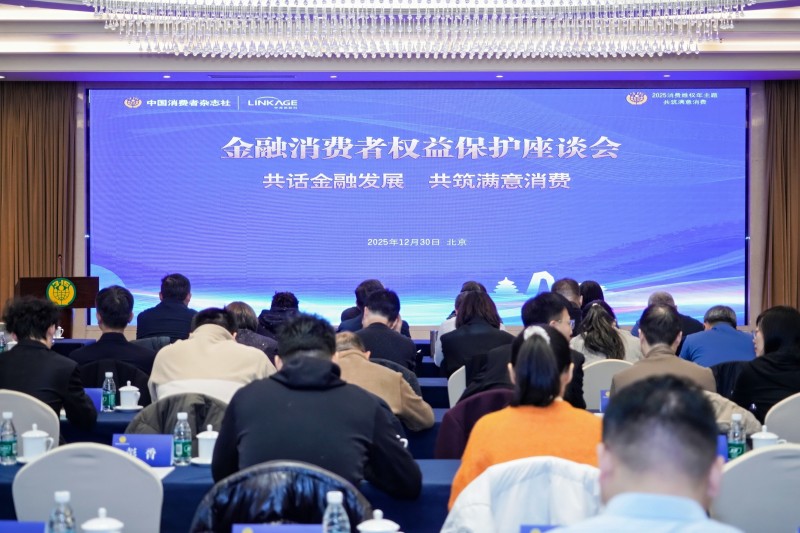
盈美信科(原国美金融)受邀出席中消协金融消保座谈会,共话行业责任
Cai Fu Zai Xian· 2026-01-28 05:25
活动伊始,中国消费者协会副秘书长潘海峰发表致辞,强调培育中国特色金融文化、筑牢消费者权益保 护防线是维护金融稳定、赢得群众信任的关键。随后,国家市场监督管理总局相关领导分别围绕金融消 保法规完善、信用监管优化、广告合规治理等内容作政策解读,为行业规范发展指明方向。中国消费者 杂志社总编辑汪挺发布《金融消费调查报告(2025)》及金融消费者权益保护典型案例,为企业消保工作 提供了重要参考。各企业代表结合自身业务实际,就金融消费者教育、人工智能在消保领域的应用、投 诉高效处置等实践经验展开分享探讨,凝聚行业共识。 作为深耕金融科技领域的企业,盈美信科(原国美金融)始终以金融消费者权益保护视为可持续发展的生 命线,将"以消费者为中心"的理念深度融入公司治理与企业文化。公司成立金融消费者权益保护委员 会,系统性地将消保要求嵌入产品研发、营销宣传、客户服务、数据安全等全业务流程,构建起自上而 下、覆盖全公司的消保治理体系。同时,公司连续两年发布《消费者权益保护年度报告》,全面、透明 地向社会公众披露消保治理举措、资源投入及实践成效,主动接受社会监督,2024年用户满意度达 99.21%,投诉处理率100%。 当前,金融 ...

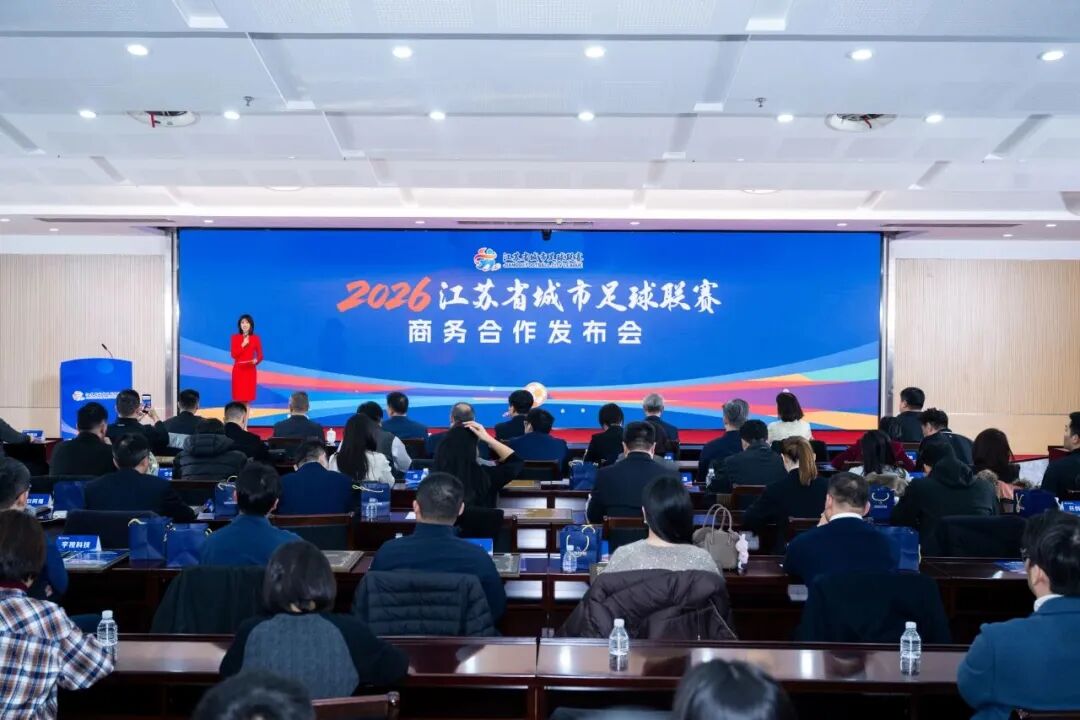
「苏超」没有泡沫
3 6 Ke· 2026-01-28 05:22
Core Insights - The article highlights the growing popularity and commercial viability of the Jiangsu Provincial Urban Football League (Su Super League), especially following the U23 national team's success in the Asian Cup [1][3]. Sponsorship and Financial Aspects - The 2026 season of Su Super League will be co-sponsored by "Jiangsu Bank · Suhao Holdings," with 24 sponsors including Adidas, Ant Financial, and Coca-Cola [3][5]. - Adidas will replace Karamay as the official apparel sponsor, providing 8 million yuan in cash support and 1 million yuan worth of apparel for each participating team, indicating a significant increase in sponsorship expectations for a provincial amateur league [3][5]. - The total sponsorship amount from Adidas for the league is reported to be 21 million yuan, which is comparable to the sponsorship amounts in top-tier leagues like the Chinese Super League [5][9]. Market Dynamics and Growth - The Su Super League has become a competitive platform for brands, with 15 new sponsors added, reflecting its attractiveness to advertisers [5][6]. - The league's sponsorship landscape has evolved, with local enterprises and internet platforms actively seeking exposure, leading to a total sponsorship amount of 15.41 million yuan in the Nanjing division alone [5][6]. - The league has driven significant consumer spending, with over 38 billion yuan generated from various consumption scenarios, including a 26.48% year-on-year increase in tourism-related spending [6][13]. Brand Strategy and Engagement - Adidas' involvement in the Su Super League aligns with its strategy to enhance its presence in grassroots football, focusing on youth training and community engagement [10][12]. - The league's structure allows brands to engage with a larger audience, providing a platform for consistent interaction with fans and consumers [15][19]. - The introduction of a sponsorship scheme for small and micro enterprises aims to integrate local businesses into the league's ecosystem, enhancing community involvement [16][19]. Broader Implications for Chinese Football - The Su Super League represents a shift in the relationship between football and urban development, integrating sports into cultural and economic frameworks [13][22]. - The league's success is indicative of a broader trend where local leagues are becoming essential components of China's football landscape, contributing to social and economic growth [19][22]. - The evolving structure of Chinese football now includes a multi-tiered system, with grassroots leagues playing a crucial role in the overall ecosystem [22][23].
蚂蚁具身智能明牌了:做大脑,和宇树们错位竞争
量子位· 2026-01-28 04:54
金磊 发自 杭州 量子位 | 公众号 QbitAI 从3000小时到 整整20000小时 。 真实世界数据里的 Scaling Law ,直接喂出了个 最强VLA(Vision-Language-Action)基座模型! 这就是蚂蚁灵波今天开源的具身智能基座模型—— LingBot-VLA 。 为什么说它是目前最强?先看数据。 从"20000小时"这个量上来看,LingBot-VLA已经解锁了迄今为止开源的最大规模真实机器人数据之一。 并且性能也是够打,在权威评测中也全面超越了此前公认最强Physical Intelligence的π0.5,以及英伟达GR00T N1.6等一众国际顶尖模 型。 | Platform | | WALL-OSS | GR00T N1.6 | | | 70.5 | | Ours w/o depth | Ours w/ depth | | | --- | --- | --- | --- | --- | --- | --- | --- | --- | --- | --- | | | SR | PS | SR | PS | SR | PS | SR | PS | SR | PS | | ...

深度|蚂蚁灵波上桌,不止“性能超越Pi 0.5”,更是具身智能新分工时代
Z Potentials· 2026-01-28 03:36
Core Viewpoint - The launch of LingBot-VLA by Ant Group's Lingbo Technology represents a significant shift in the field of embodied intelligence, providing a high-performance, open-source intelligent foundation that can alleviate the challenges of full-stack self-research faced by many companies in the industry [2][22]. Group 1: Performance and Capabilities - LingBot-VLA has demonstrated a cross-domain generalization success rate of 15.7% in real-world evaluations, surpassing the Pi0.5 model, and achieving 17.3% with depth information [3][4]. - In the RoboTwin 2.0 simulation benchmark, LingBot-VLA improved the success rate by 9.92% compared to Pi0.5, showcasing its reliability in complex physical environments [4]. - The model's performance is enhanced by its collaboration with the high-precision spatial perception model LingBot-Depth, which provides quality 3D depth information, allowing for better understanding of object positions and shapes [5]. Group 2: Generalization Ability - LingBot-VLA's value is significantly determined by its generalization ability, enabling it to handle diverse scenarios and adapt to various hardware configurations [6]. - The model successfully addresses challenges with non-rigid objects and special materials, demonstrating its capability to operate effectively in real-world tasks [10][11]. Group 3: Training Efficiency - LingBot-VLA achieves high data efficiency, requiring only about 80 demonstration data points for effective task transfer, significantly lowering data collection and annotation barriers [12]. - The training efficiency of LingBot-VLA is optimized, being 1.5 to 2.8 times more efficient than mainstream open-source frameworks, which reduces computational costs and accelerates development cycles [13]. Group 4: Open Source and Collaboration - Lingbo Technology's approach is not just about open-sourcing model weights but also includes a comprehensive toolchain for model training, optimization, and deployment, facilitating easier adaptation for developers [15][16]. - This level of openness may transform existing research collaboration models, enabling cooperative innovation rather than isolated development [16]. Group 5: Industry Impact and Opportunities - The introduction of a usable, open intelligent foundation like LingBot-VLA changes the competitive landscape, allowing companies to focus on their core competencies rather than building foundational models from scratch [17][19]. - Hardware manufacturers and system integrators can now leverage advanced AI capabilities without the need for extensive algorithm teams, significantly shortening the timeline for product upgrades [19][20]. - The emergence of LingBot-VLA may create new value spaces for all players in the industry, fostering a more collaborative and innovative environment [20][22].

蚂蚁GPASS技术落地小米智能眼镜,支持停车缴费、AI健康问答
Quan Jing Wang· 2026-01-28 03:26
Core Insights - Xiaomi has partnered with Ant Group to launch innovative services on Xiaomi's smart glasses using the GPASS technology framework, marking the integration of this technology into daily life for a seamless user experience [1][7] Group 1: Parking Payment Service - The smart glasses feature an "AI Parking Assistant" that allows users to pay for parking without using their phones, enhancing the user experience with a hands-free approach [3][5] - The payment process involves three simple steps: voice notification of billing start time, voice-initiated payment, and confirmation of payment completion, all without manual operation [4][5] Group 2: Health Management Integration - GPASS technology also enables the integration of Ant Group's AI health application "Afu" with Xiaomi's smart glasses, allowing users to sync health data and access health-related queries via voice commands [5][7] Group 3: GPASS Technology Framework - GPASS is built on a unified framework focusing on security, connectivity, and interaction, ensuring a secure and seamless experience for users [7][8] - The technology integrates biometric identification for secure authorization and connects smart glasses with the Alipay digital service ecosystem, covering various parking facilities across major cities [7][8] Group 4: Future Prospects - Since its launch in 2025, GPASS has been evolving AI glasses from basic interaction devices to personal intelligent assistants, with plans for more digital services to be integrated into various scenarios [8] - The development of an open, secure, and interconnected service system is seen as crucial for the industry's advancement, with GPASS lowering the development barriers for hardware manufacturers [8]

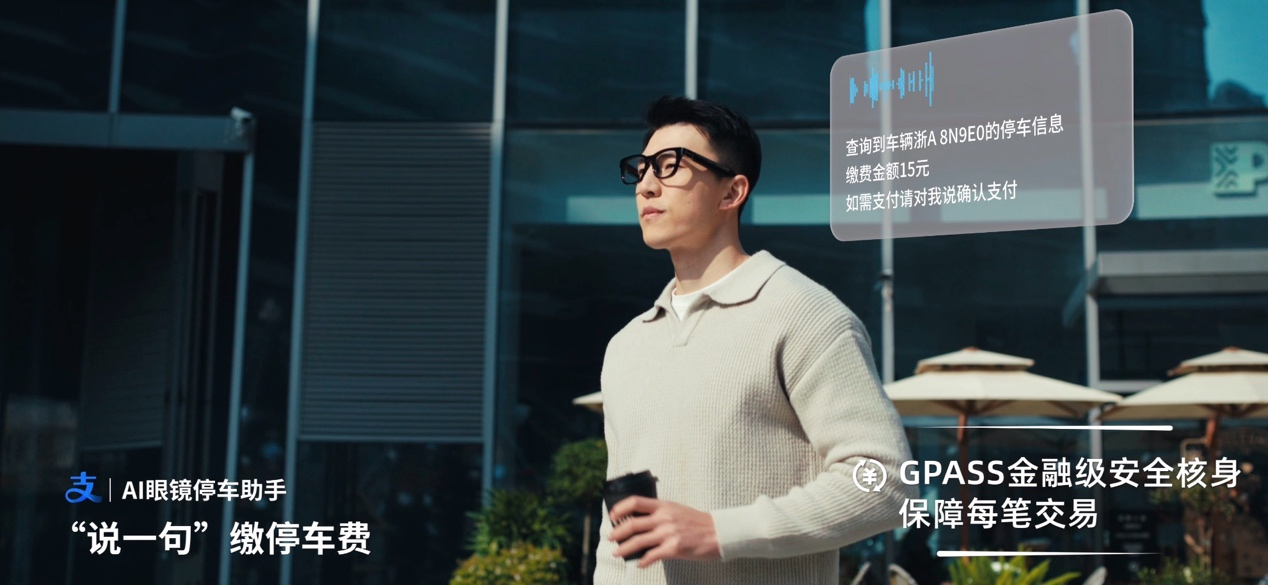
AI眼镜能付停车费了:小米眼镜联合蚂蚁GPASS上线停车缴费功能
Xin Lang Cai Jing· 2026-01-28 02:54
新浪科技讯 1月28日上午消息,近日,小米与蚂蚁集团合作,基于蚂蚁自研的全球首个智能终端可信连 接技术框架GPASS,在小米智能眼镜上推出两项创新服务:停车缴费与AI健康管理。这标志着GPASS 技术正进入多场景的日常生活,为用户提供"服务随行"的智能终端连贯体验。 责任编辑:江钰涵 新浪科技讯 1月28日上午消息,近日,小米与蚂蚁集团合作,基于蚂蚁自研的全球首个智能终端可信连 接技术框架GPASS,在小米智能眼镜上推出两项创新服务:停车缴费与AI健康管理。这标志着GPASS 技术正进入多场景的日常生活,为用户提供"服务随行"的智能终端连贯体验。 据介绍,在停车场景中,用户无需掏出手机,仅需通过眼镜"说一句"唤醒服务或"看一下"停车码,完成 安全确认,即可自动缴费离场,实现了"边走边付、服务找人"的体验升级。 责任编辑:江钰涵 据介绍,在停车场景中,用户无需掏出手机,仅需通过眼镜"说一句"唤醒服务或"看一下"停车码,完成 安全确认,即可自动缴费离场,实现了"边走边付、服务找人"的体验升级。 ...

具身智能:在狂热中沉淀,在落地中破局
3 6 Ke· 2026-01-28 01:54
Core Insights - The competition in the field of embodied intelligence is intensifying, with a shift from financing and technology showcase to practical implementation and profitability [1][19] - The investment landscape is characterized by a stark contrast, with significant capital inflow into leading companies while smaller firms face funding shortages [2][6] Investment Trends - As of December 21, 2025, over 600 investors have participated in more than 304 financing events in the embodied intelligence sector, with total funding reaching 37.9 billion yuan, marking a 2.95 times increase from 2024 and a 7.24 times increase from 2023 [3] - Major companies like Baidu, Lenovo, and Ant Group have collectively made 62 investments, with Baidu leading with 13 investments [4] Company Strategies - JD has rapidly invested in six robotics companies within three months, focusing on a "scene + full chain" approach, with an estimated total investment of nearly 4 billion yuan [5] - The top ten companies in the sector received 40.95% of the total funding, indicating a trend towards capital concentration among leading firms [6] Market Dynamics - The funding environment is becoming increasingly polarized, with mid-tier companies struggling to secure financing, leading to a potential shift in industry dynamics [6][7] - Notable companies like Yunji Technology and Dalu Robotics are facing severe financial crises, highlighting the risks for firms that fail to secure ongoing investment [7][8] Technological Challenges - The transition from technology showcase to practical application is critical, with investors now prioritizing companies that can demonstrate stable operations and profitability [9][10] - The industry faces significant challenges in achieving large-scale deployment of embodied intelligence solutions, particularly in adapting to complex real-world environments [12][13] Standardization Efforts - The establishment of the Embodied Intelligence Standardization Technical Committee aims to address the lack of unified standards, which has been a barrier to collaboration and cost reduction in the industry [17] - Collaborative efforts among companies to standardize components and data formats are expected to lower costs and improve efficiency in the sector [17][18] Future Outlook - The industry is expected to continue evolving, with a focus on long-term investment and iterative development, as companies strive to overcome technological and cost barriers [19] - The competition is set to intensify globally, with companies like Tesla aiming for ambitious production targets, indicating a critical period for the embodied intelligence sector [19]
国产软件关键领域获新突破
Jing Ji Ri Bao· 2026-01-27 22:02
Core Insights - In 2025, domestic software achieved significant breakthroughs in key areas, with notable performance in foundational software, database applications, and industrial software driven by AI integration [1][2][6] Software Industry Performance - The software and information technology service industry in China generated revenue of 139,777 billion yuan, reflecting a year-on-year growth of 13.3% [1] - Profit totaled 16,954 billion yuan, with a growth of 6.6% year-on-year, while software exports reached 56.89 billion USD, marking an 8.1% increase [1] Innovation and Development - The software industry saw continuous innovation, with the Harmony OS installed on nearly 1.2 billion devices, showcasing resilience in a complex environment [2] - AI-driven software development and intelligent solutions significantly contributed to revenue growth, alongside a strong domestic market demand and favorable policy environment [2][3] Revenue Growth Factors - From January to November 2025, software product revenue reached 2.95 trillion yuan, up 11.4% year-on-year, driven by ongoing digital transformation and the integration of new technologies like AI [3] - The dual maturity of demand and supply sides has stabilized revenue growth, with enterprises increasingly investing in software that enhances efficiency and risk management [3] AI as a Growth Driver - AI applications are reshaping software production methods and delivery models, with significant improvements in operational efficiency and product innovation [4][5] - The integration of AI technologies is expected to create new market opportunities, particularly in sectors like finance, manufacturing, and energy [5][6] Future Outlook - The software business is projected to maintain over 10% growth in 2026, driven by AI applications and innovations in information technology [6][7] - Key factors for future growth include the deepening implementation of AI initiatives, ongoing software localization efforts, and continuous investment in system upgrades [7]
腾讯支付宝对垒 巨头打响红包大战
Bei Jing Shang Bao· 2026-01-27 16:58
Core Viewpoint - The major companies are engaged in an early marketing battle for the Chinese New Year, with various promotional activities including cash red envelopes and ticket giveaways, indicating a shift towards more integrated and experiential marketing strategies [1][3][4]. Group 1: Marketing Strategies - Alipay has launched its "Collecting Blessings" campaign for 2026, emphasizing a long-term ecological approach and integrating entertainment elements to enhance user engagement [3][4]. - Tencent is set to distribute 1 billion yuan in cash red envelopes through its Yuanbao app, focusing on AI-driven features and social interactions to attract users [3][6]. - JD.com is targeting the travel needs during the Spring Festival by offering daily draws for free train tickets in collaboration with 12306, enhancing the user experience through payment discounts [3][4]. Group 2: Differentiation in Approaches - Alipay's strategy involves deep partnerships with various entertainment IPs, aiming to create a fun and engaging atmosphere for users [4][6]. - Tencent's approach is more centered on its internal ecosystem, leveraging AI to enhance user experience and engagement through its Yuanbao product [6][8]. - JD.com is embedding its marketing efforts into real-life needs, such as travel, making the promotions more relevant and accessible to users [6][7]. Group 3: Trends in Marketing - The competition is shifting from merely offering large red envelope amounts to focusing on refined operations and understanding user scenarios, indicating a move towards more sustainable marketing practices [6][7]. - The integration of AI in marketing strategies is becoming more prominent, enhancing user experience rather than just showcasing technology [7][8]. - The marketing campaigns are designed to foster long-term user habits and engagement, rather than just short-term financial gains [7][8].



浙江第三座万亿GDP城市来了
21世纪经济报道· 2026-01-27 15:56
Core Viewpoint - The quality of industries is becoming a more significant competitive variable for the trillion GDP cities in the Yangtze River Delta region, moving beyond mere GDP scale to focus on sustainable advantages in industrial ecology, innovation, talent attraction, and modern governance [1][5][12]. Economic Data Summary - In 2025, the number of trillion GDP cities in the Yangtze River Delta will increase to 10, with Shanghai leading at 5.67 trillion yuan and new entrants like Wenzhou reaching 1.02 trillion yuan [2][5]. - Economic growth rates for major cities in 2025 are projected as follows: Shanghai at 5.4%, Suzhou at approximately 5.4%, Hangzhou at 5.2%, and Wenzhou at 6.1% [2][9]. Industrial Development Trends - Shanghai's economy is characterized by a steady growth of 5.4% in 2025, with significant contributions from new industries such as integrated circuits and artificial intelligence, which grew by 15.1% and 13.6% respectively [7][8]. - Hangzhou's GDP reached 2.3 trillion yuan, with a notable 73.8% contribution from the service sector, driven by digital economy leaders like Alibaba and Ant Group [8][9]. - Wenzhou's GDP growth of 6.1% reflects a successful transition to a trillion GDP city, supported by advancements in strategic emerging industries and high-tech sectors [10][12]. Future Industry Planning - Cities in the Yangtze River Delta are focusing on modernizing their industrial systems and nurturing strategic emerging industries, with Shanghai aiming to build a world-class high-end industrial cluster [13][14]. - Suzhou is transitioning from traditional manufacturing to a modern industrial system, emphasizing sectors like biomedicine and advanced manufacturing [14][15]. - Hangzhou plans to strengthen its digital economy while integrating advanced manufacturing with new technologies, targeting future industries such as quantum technology and synthetic biology [15][16]. Competitive Factors - The long-term competitiveness of trillion GDP cities will depend on the originality and resilience of their industrial ecosystems, the efficiency of innovation conversion, and the ability to attract and retain talent [16][17]. - Cities must provide robust industrial platforms, quality public services, and a livable environment to enhance their appeal to talent [16][17].