上汽集团

Search documents
2025年1-12月汽车制造业企业有20572个,同比增长4.06%
Chan Ye Xin Xi Wang· 2026-02-09 03:30
Group 1 - The core viewpoint of the article highlights the growth in the number of automotive manufacturing enterprises in China, which reached 20,572 in 2025, an increase of 803 enterprises compared to the previous year, representing a year-on-year growth of 4.06% [1] - The automotive manufacturing sector accounts for 3.91% of the total industrial enterprises in China [1] - The data referenced is sourced from the National Bureau of Statistics and compiled by Zhiyan Consulting, indicating the reliability of the statistics presented [2] Group 2 - The report titled "2026-2032 China Automotive Manufacturing Industry Market Panorama Survey and Investment Prospects Analysis" by Zhiyan Consulting provides insights into the automotive industry [1] - The threshold for scale industrial enterprises has been raised from an annual main business income of 5 million to 20 million yuan since 2011, which reflects a significant change in the criteria for enterprise classification [1] - Zhiyan Consulting is recognized as a leading industry consulting firm in China, specializing in deep industry research and providing comprehensive industry solutions [2]






雷军压力大:尚界z7盯着小米SU7,贴身肉搏,针锋相对了
Sou Hu Cai Jing· 2026-02-09 03:26
2024年3月份,小米发布了第一款汽车SU7,成为了现象级的产品,创下了一个又一个中国新能源汽车史上的新纪录。 哪怕是到了2025年,小米SU7已经一年多没有换代了,依然拿下了2025年新势力销量冠军,一年卖出25.8万台,排在第一名。 不过,SU7到了2026年,那真的是老了,都推出2年时间没有换代了。 所以2026年新年一开始,小米汽车表示SU7停产停售,为新一代SU7让路,马上要推出SU7新一代车型了。 相比于老款,新一代SU7加量了,但也加价了,就在小米表示换代,期待着大家继续甩过来订单的时候,小米真是遇到了强劲的对手了。 并且这个对手,完全是盯着小米新一代SU7,针锋相对,贴身肉搏的感觉了,这个对手就是华为与上汽合作的尚界z7。 当小米刚预告了新一代SU7后,z7马上就来了,并且其海报的创意还有一点点类似,都有点保时捷的感觉,z7表示自己比新一代更值得期待,那个味道就有 了。 后来小米发布了SU7宣传内容:"从容驾驶,精准稳定",z7马上跟进,内容是"从容是本能,稳定是天赋,比新一代更期待",也是针锋相对的。 后来小米SU7发布冰雪中的漂移视频,z7马上也有了类似的视频,表现的似乎比SU7还稳。 有 ...

一家eVTOL明星企业,又融了近10亿丨投融周报
投中网· 2026-02-09 03:16
Focus Review - The hard technology sector sees robotics becoming the hottest field, with LimX Dynamics completing a $200 million Series B financing round involving multiple renowned domestic and international investors, including Stone Venture, Dongfang Fuhai, and others [4][7] - The health sector is significantly influenced by state-owned enterprises, as Guokai Ion Medical Technology announced an 800 million yuan equity financing round led by the Zhongguancun Social Security Fund [4][24] - In the internet sector, cybersecurity is gaining traction, with ZAST.AI completing a multi-million dollar Pre-A financing round led by GL Ventures [5][34] Hard Technology Sector - LimX Dynamics completed a $200 million Series B financing round with participation from various well-known investors, including Stone Venture and JD.com [4][7] - The Beijing Humanoid Robot Innovation Center secured over 700 million yuan in market-oriented financing, attracting investments from several prominent institutions [4][12] Health Sector - Guokai Ion Medical Technology raised 800 million yuan in its first equity financing round, led by the Zhongguancun Social Security Fund [4][24] - Huaguan Biotechnology announced a multi-billion yuan Series C financing round, with investments from SoftBank and other institutions [4][26] Internet Sector - ZAST.AI, focused on vulnerability detection, completed a multi-million dollar Pre-A financing round led by GL Ventures [5][34] - Zhongzhiwei Technology announced a tens of millions B2 financing round, exclusively funded by Nanjing Yangzi Shenghong Venture Capital [5][35]
国泰海通晨报-20260209
GUOTAI HAITONG SECURITIES· 2026-02-09 02:23
Macro Research - The recent significant drop in gold prices is primarily due to previous irrational surges, high leverage, and crowded trading conditions, which does not alter the long-term bullish trend for gold. Mid to long-term investment opportunities in gold should still be considered [2][3] Social Services Industry Research - The optimization of vacation systems, improvement in cultural tourism supply, and acceleration of local asset securitization are expected to create investment opportunities in the scenic area sector. Three main lines for investment are suggested: focus on transportation improvements, resource integration expectations, and new project launches [3][4] Cosmetics Industry Research - The cosmetics market is expected to continue steady growth in 2026, driven by product innovation and the rise of domestic brands. It is recommended to selectively invest in high-growth companies and those with recovery potential due to product and channel changes. Specific companies to consider include 若羽臣, 倍加洁, 毛戈平, 林清轩, and 上美股份 for strong fundamentals, and 贝泰妮, 珀莱雅, and others for recovery potential [6][7][8]
自由现金流ETF(159201)连续4天合计“吸金”9.31亿元,最新规模达129.58亿元,创成立以来新高
Xin Lang Cai Jing· 2026-02-09 02:11
Group 1 - The core index, the National Certificate Free Cash Flow Index (980092), has seen a strong increase of 1.2% as of February 9, 2026, with notable stock performances including Zhejiang Longsheng up 9.7%, Anfu Technology up 5.5%, and Weichai Power up 5.13% [1] - The Free Cash Flow ETF (159201) has also risen by 1%, with the latest price reported at 1.31 yuan, and has achieved a record high in both share count at 10.019 billion and total scale at 12.958 billion yuan [1] - Over the past four days, the Free Cash Flow ETF has experienced continuous net inflows totaling 931 million yuan, indicating strong investor interest [1] Group 2 - The top ten weighted stocks in the National Certificate Free Cash Flow Index as of January 30, 2026, include China National Offshore Oil Corporation, Gree Electric Appliances, SAIC Motor, and others, collectively accounting for 50.3% of the index [2] - The management fee for the Free Cash Flow ETF is 0.15%, and the custody fee is 0.05%, which are among the lowest in comparable funds [2] - The Free Cash Flow ETF has demonstrated strong performance metrics, with a maximum monthly return of 9.25% since inception and a historical holding period profitability rate of 100% over six months [1]
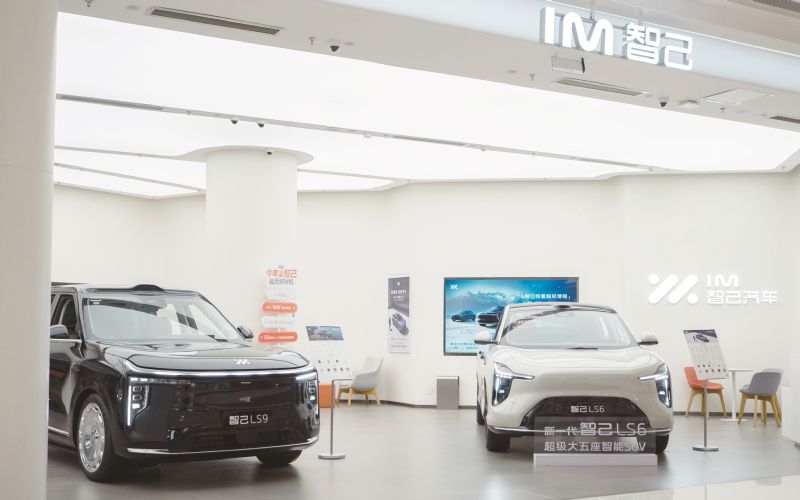
智己2025年卖车8.1万辆连续三年未达标 联席CEO刘涛就断言特斯拉存安全隐患致歉
Chang Jiang Shang Bao· 2026-02-08 23:50
Core Viewpoint - Liu Tao, co-CEO of Zhiji Auto, publicly apologized to Tesla for previous comments regarding a traffic accident, which were later proven incorrect [2][3][6]. Group 1: Apology and Incident Background - On February 4, Liu Tao apologized on social media for his earlier statements suggesting safety issues with Tesla vehicles following a major traffic accident in Chaozhou on November 17, 2022 [2][3]. - Initial claims made by Liu were based on limited information, but subsequent investigations revealed that the accident was not caused by Tesla's brake failure [3][6]. - Liu's apology included a correction of his previous statements and an acknowledgment of the negative impact on Tesla [3]. Group 2: Sales Performance - Zhiji Auto's sales target for 2023 was set at 45,000 units, but the actual sales reached only 38,300 units, reflecting a significant shortfall despite a year-over-year growth of 665.06% [10]. - In 2024, the company achieved sales of 65,500 units, which was only 55% of the minimum target of 120,000 units [11]. - For 2025, Zhiji Auto aimed for a sales volume of 81,000 units, achieving a year-over-year growth of 23.68%, but still falling short of its target [13]. Group 3: Management and Quality Issues - Liu Tao has faced multiple instances of public apology due to misconduct and product quality issues, indicating challenges in the company's marketing strategy and quality control [7]. - Past incidents include traffic violations during a promotional event and significant complaints regarding the vehicle's software system [7]. - The company has been advised to strengthen internal audits and improve product quality to rebuild consumer trust and enhance brand reputation [7]. Group 4: Future Outlook - Zhiji Auto plans to expand its market presence in the Middle East and North Africa, with a focus on the UAE as a central hub for regional growth [14][15]. - The company is optimistic about achieving its sales goals for 2025, despite acknowledging the challenges ahead [12].

启动征集!FINE2026 新材料科技成果与项目路演丨6月10-12日 上海
DT新材料· 2026-02-08 16:04
Core Viewpoint - The 2026 Future Industries New Materials Expo (FINE 2026) aims to showcase innovations in new materials and technologies across various industries, including AI, aerospace, and renewable energy, while facilitating connections between projects and investors [1][12]. Event Organization - The event is organized by DT New Materials and supported by various associations and institutions, including the China Productivity Promotion Center and the Ningbo New Materials Industry Association [2]. - The project submission period is from February 1 to May 31, 2026, allowing teams to submit their results or business plans for evaluation [2]. Project Selection and Roadshow - A professional investment team will assess the submitted projects based on innovation, feasibility, and market potential, providing feedback and suggestions for improvement [3]. - The roadshow will feature 15-minute presentations for each project, including Q&A sessions and networking opportunities [7]. Targeted Project Areas - The expo seeks projects in several key areas, including intelligent components, critical materials for emerging industries, and advanced technologies such as 3D printing and precision processing [5]. Invited Investors - Notable investors and industry leaders, including Sequoia China and Hillhouse Capital, will be invited to participate, enhancing networking and investment opportunities for exhibitors [6]. Event Details - The expo will take place from June 10 to 12, 2026, at the Shanghai New International Expo Center, featuring over 50,000 square meters of exhibition space and more than 300 strategic reports [1][15]. - It is expected to attract over 100,000 professional visitors and 800+ exhibitors, including 200+ research institutions [15][42]. Thematic Focus - FINE 2026 will highlight five common demands in future industries: advanced semiconductors, advanced batteries, lightweight functional materials, low-carbon sustainability, and thermal management [14]. - The event will feature specialized exhibition areas for advanced semiconductors, AI chips, energy materials, and more, showcasing a full chain of innovations from components to cutting-edge technologies [17][21]. Forums and Knowledge Sharing - The expo will host over 30 forums with more than 300 expert speakers, focusing on trends in AI, data centers, and other emerging technologies [28][30]. - Topics will include advanced manufacturing technologies, investment strategies, and project roadshows, fostering collaboration and knowledge exchange [30][36].
首次突破5万亿大关,第二座超大杯城市来了!
Sou Hu Cai Jing· 2026-02-08 14:16
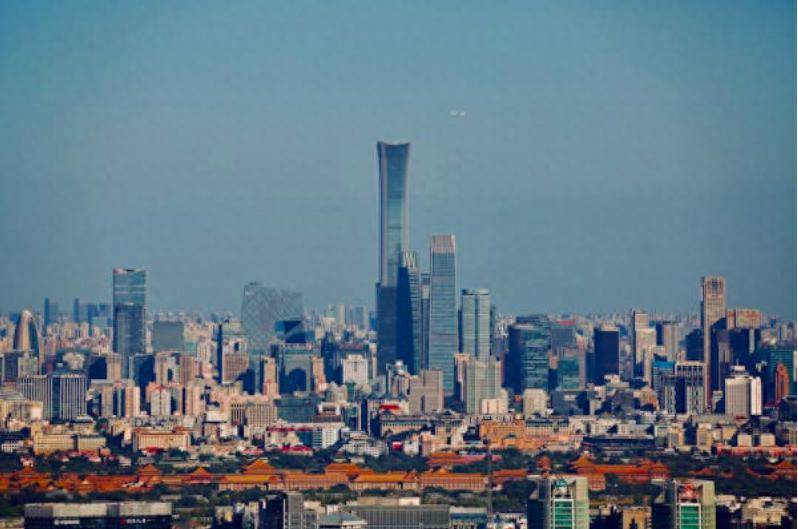
这是国内第二座5万亿城市。 城市发展到底有没有天花板? 从目前的情况来看,还真没有。最近北京统计局发布数据显示,2025年北京实现地区生产总值52073.4亿元,比上年增长了5.4%,自此北京也成为上海之 后,我国第二座经济规模突破5万亿元的城市。 5万亿听起来好像不高,但我们横向对比一下你就知道一座城市5万亿到底有多夸张。以国内来看,5万亿的经济体量已经相当于安徽、河北省了。 如果放眼国际,这5万亿也相当于瑞典、比利时这类发达国家,如果只看GDP,那也完全可以排在全球前25。 另外上海的人工智能也非常知名,虽然没有杭州那般具有代表性,但还是不容小觑。不管是生物医药还是金融贸易,上海的支柱产业几乎都是目前的风口, 这也决定了上海作为全国第一的经济地位。 而北京作为国内第二座5万亿城市,它的经济结构,则并非是工业,而是高端服务业。在北京,第三产业占比超过了85%,同时也是各种总部、大学大院大 所等高端资源的汇聚地。 最早,北京曾经也是工业重地,但随着有意识的去工业化,到今天北京只剩下汽车、生物医药等为数不多的产业。 这些产业起来后,又开始反哺北京的服务业,然后就是北京高端服务业的崛起。 北上广深一直都被誉为国内 ...
汽车行业周报(2026 1 30-2026 2 6):全新理想 L9 Livis 引领线控底盘新阶段
GUOTAI HAITONG SECURITIES· 2026-02-08 13:25
Investment Rating - The report maintains an "Overweight" rating for the automotive industry [4][16]. Core Insights - The new Li Auto L9 Livis is leading a new phase in steer-by-wire chassis technology, which is expected to drive upgrades in related component manufacturers [2][15]. - The report highlights a significant growth in demand for AIDC power generation equipment and recommends Weichai Power for its diversified layout in diesel, gas generator sets, and SOFC [16]. - The report notes that liquid cooling is a promising area for automotive components, recommending Silver Wheel Holdings for its comprehensive efforts in digital power [16]. - The export of passenger vehicles to Europe is anticipated to grow rapidly under carbon reduction policies, with recommendations for XPeng Motors and SAIC Motor [16]. - The intelligent driving supply chain is expected to benefit from advancements in L3 testing, with recommendations for Nexperia and China Automotive Research [16]. - The humanoid robot sector is highlighted, recommending Delta Electronics and Ningbo Huaxiang based on long-term strategic capabilities [16]. Industry Performance Overview - In the week of January 30 to February 6, 2026, the automotive index remained flat, while the new energy vehicle index increased by 2% [2][7]. - Over the past month, the automotive index decreased by 1%, and the new energy vehicle index fell by 2% [8][9]. - The report indicates that the automotive sector has shown mixed performance, with some stocks like Kailong High-Tech and Weichai Power seeing significant gains, while others like Tianpu and Suoling experienced declines [10][12]. Sales Data - For the period of January 1-18, 2026, retail sales of passenger vehicles in China totaled 679,000 units, a year-on-year decrease of 28% [14]. - The new energy vehicle market saw retail sales of 312,000 units during the same period, reflecting a 16% year-on-year decline [14]. Recommendations for Key Companies - The report recommends several companies based on their market positions and growth potential: - Weichai Power [18] - Silver Wheel Holdings [18] - XPeng Motors [18] - SAIC Motor [18] - Nexperia [18] - Delta Electronics [18] - Ningbo Huaxiang [18]






1月自主品牌销量整体呈“同比分化、环比普降”
Mei Ri Jing Ji Xin Wen· 2026-02-08 11:11
Core Viewpoint - The Chinese automotive market is currently experiencing a sales downturn, particularly in January, with a significant drop in retail sales and varying performance among different brands, influenced by changes in tax policies and consumer behavior [1][3][4]. Group 1: Market Performance - In January, nationwide retail sales of passenger cars reached 1.794 million units, a year-on-year decline of 12.1% and a month-on-month decrease of 31.9% [3]. - The sales performance of major automotive brands showed a pattern of "year-on-year differentiation and month-on-month decline," with domestic brands facing pressure due to the recent tax policy changes [3][4]. - The sales pressure in January was less intense compared to December 2025, with promotional efforts being more standard, focusing on tax subsidies and financing options [5]. Group 2: Domestic Brand Performance - Geely Auto topped domestic brands with sales of 270,200 units in January, achieving a year-on-year growth of 1% and a month-on-month increase of 14%, supported by its electric vehicle (EV) business and overseas markets [5]. - SAIC Group's domestic brand sales reached 214,000 units, a year-on-year increase of 39.6%, accounting for 65.3% of total sales [6]. - GAC Group's domestic brands saw explosive growth, with sales of 49,300 units, a year-on-year increase of 87.58% [7]. Group 3: Joint Venture Brand Performance - In January, joint venture brands sold 490,000 units, a year-on-year decline of 27% and a month-on-month decline of 30%, although leading brands like GAC Toyota and SAIC General showed positive growth [8][9]. - GAC Toyota achieved sales of 63,600 units, a year-on-year increase of nearly 10%, driven by strong performance in its core fuel models [9]. - SAIC General's EV segment grew by 89.7% year-on-year, contributing to its overall sales of 51,000 units, a year-on-year increase of 8.2% [9][10]. Group 4: Export Growth - The overseas market has become a crucial growth driver for domestic automakers, with many companies reporting export growth rates exceeding 40% [11]. - Chery Group exported 119,600 units in January, a year-on-year increase of 48.1%, maintaining its position as the top exporter in China [11]. - Geely's overseas sales reached 60,500 units, with a year-on-year growth of 121%, highlighting the importance of international markets for its overall strategy [12]. Group 5: Industry Trends - The automotive export volume in China is expected to reach 7.4 million units in 2026, with EV exports projected to exceed 30% of total exports [13]. - The overseas market has transitioned from a supplementary channel to a core growth driver, with leading companies enhancing their global competitiveness through localization and product adaptation [13].