极氪

Search documents
2025年第四季度全球企业十大并购案:金佰利收购科赴、阿克苏诺贝尔与艾仕得合并
Sou Hu Cai Jing· 2025-12-29 03:45
Group 1: Overview of Mergers and Acquisitions - The fourth quarter of 2025 saw a surge in global mergers and acquisitions, with significant deals exceeding $40 billion in sectors such as media, entertainment, data centers, and consumer goods [1] - A total of ten representative large-scale mergers and acquisitions were highlighted, providing insights into the trends and activities in the market [1] Group 2: Notable Mergers and Acquisitions - A consortium led by BlackRock, Nvidia, and Microsoft is set to acquire Aligned DataCenters for approximately $40 billion, aiming to expand next-generation cloud and AI infrastructure [2] - Airbus, Leonardo, and Thales signed a memorandum to merge their space businesses into a new company expected to generate annual revenues of about €6.5 billion, with a workforce of 25,000 in Europe [4] - Novartis agreed to acquire Avidity Biosciences for around $12 billion to enhance its portfolio for rare muscle diseases [7] - Kimberly-Clark will acquire Kenvue for approximately $48.7 billion, creating a major consumer health products company with projected annual net revenues of about $32 billion by 2025 [9] - Pfizer has successfully acquired Metsera, a weight-loss drug startup, in a deal valued at over $10 billion [10] - AkzoNobel plans to merge with Axalta Coating Systems, resulting in a combined company valued at $25 billion, with expected annual revenues of $17 billion [12] - Abbott Laboratories is acquiring Exact Sciences for $23 billion, marking its largest acquisition in nearly a decade [13] - Netflix agreed to acquire Warner Bros. Discovery's TV and film production and streaming assets for an enterprise value of $82.7 billion [14] - IBM will acquire Confluent for $11 billion to strengthen its cloud computing offerings [17] - ByteDance has established a new joint venture in the U.S. for TikTok, with a consortium of investors holding 50% of the shares [20] Group 3: Completed Mergers and Acquisitions - Lowe's completed its acquisition of Foundation Building Materials, marking its largest acquisition to date [21] - Omnicom Group's acquisition of Interpublic Group was approved by the EU, making it the largest marketing communications group globally with revenues exceeding $25 billion [21] - Mars Incorporated completed its acquisition of Kellanova for a total consideration of $35.9 billion [21] - XRG completed its acquisition of Covestro, marking a significant step in its goal to become one of the top three chemical investment companies globally [22] - Boeing and Airbus completed their acquisition of Spirit AeroSystems' assets, integrating thousands of employees into their operations [22] - Geely Automobile announced its merger with Zeekr, with a total consideration of approximately $2.399 billion [23] Group 4: Failed Mergers and Acquisitions - BHP Group abandoned its acquisition proposal for Anglo American, focusing on its existing asset portfolio [25] - Performance Food and US Foods terminated their merger discussions, which would have created a significant competitor in the food distribution industry [25]

2025车市盘点:蔚来新ES8狂降10万上市,集中爆发的大三排SUV还能火多久?
3 6 Ke· 2025-12-29 03:26
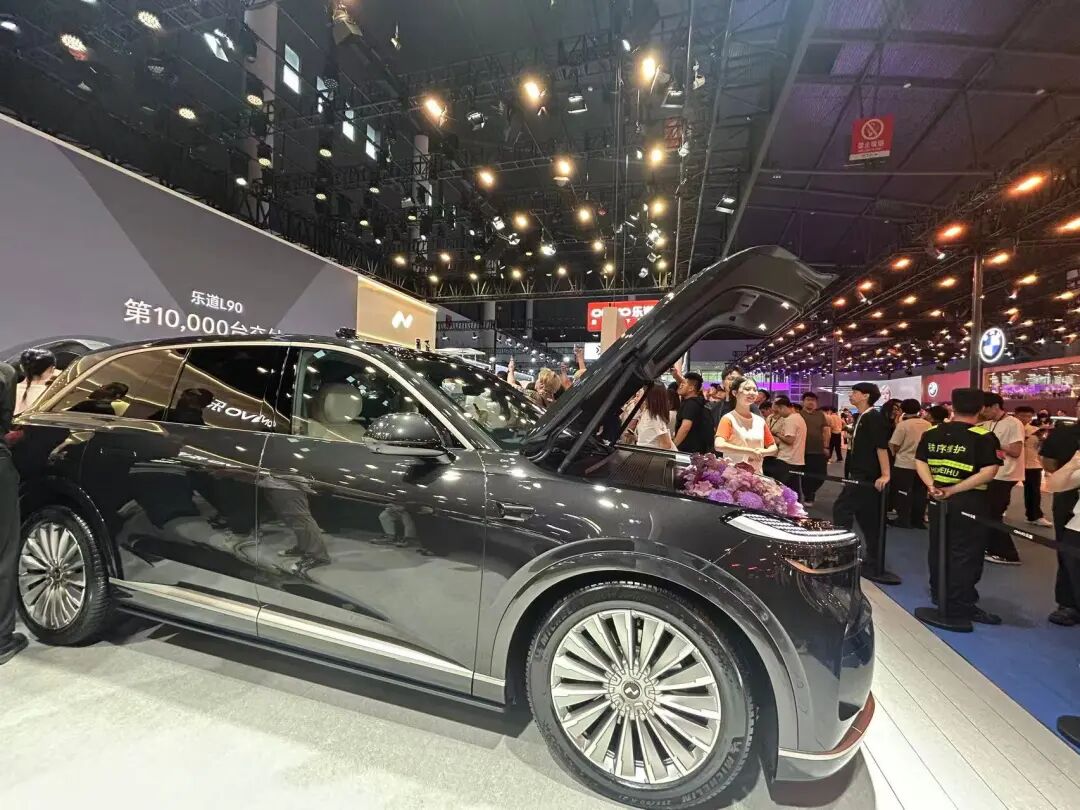
Core Insights - The SUV market is thriving in 2025, with Tesla's Model Y maintaining its position as the top-selling SUV from January to November, while Xiaomi's YU7 set a record by surpassing 200,000 pre-orders within three minutes of its launch [1][2]. SUV Market Performance - From January to November, SUV sales exceeded 10.699 million units, leading among sedans, SUVs, and MPVs, with a year-on-year growth rate of 7.3% [2]. - The market share of six-seat SUVs has increased from 3% in 2021 to 6.5% in the first half of this year, while seven-seat SUVs have maintained a stable share of around 5% [2]. New Model Launches - Numerous new three-row SUV models have been launched this year, including the Aito M8, Lido L90, and NIO ES8, with significant price adjustments and configurations to attract consumers [2][3][7]. - The Aito M8 and M9 have achieved sales of over 100,000 units each from January to November, ranking first and second in large SUV sales [9]. Market Trends and Consumer Demand - The demand for three-row SUVs is driven by the increasing number of multi-child families in China, which is expected to peak by 2035, indicating a long-term growth potential for this segment [4][15]. - The shift in family structure from "one-child" to "multi-child" is pushing consumer preferences from functional vehicles to those offering greater comfort and flexibility [4]. Pricing Strategies - The pricing landscape for three-row SUVs is becoming more competitive, with models like the Lido L90 and Galaxy M9 entering the market at significantly lower price points, making them more accessible [7][9]. - The introduction of aggressive pricing strategies, such as the Lido L90 starting at 26.58 million yuan and the Galaxy M9 at 19.38 million yuan, reflects the intense competition in this segment [8][9]. Future Outlook - Analysts predict that the three-row SUV market will continue to grow, with a focus on electric and hybrid models, as consumer preferences evolve towards more sustainable options [11][12]. - The future of three-row SUVs is expected to be shaped by family demand upgrades, product breakthroughs, and the acceleration of new energy trends, ensuring their position as optimal solutions for family travel [15].


港股异动 吉利汽车(00175)涨超5% 近日完成极氪私有化
Jin Rong Jie· 2025-12-29 03:20
Core Viewpoint - Geely Automobile has seen a stock increase of over 5%, currently at HKD 17.85, following the announcement of the completion of a merger agreement with Zeekr, which will enhance Geely's market position and organizational structure [1]. Group 1: Merger and Acquisition Details - The merger agreement's preconditions have been met, and the transaction is set to be completed by December 22, 2025 [1]. - Following the merger, Geely will acquire all issued and outstanding shares of Zeekr, which will become a wholly-owned subsidiary and will be delisted from the New York Stock Exchange [1]. Group 2: Zeekr's Market Position - Zeekr has focused on the high-end electric vehicle market since its inception, with product offerings including coupes, MPVs, and SUVs [1]. - Zeekr has achieved cumulative deliveries exceeding 600,000 units, with an average vehicle price close to RMB 300,000 [1]. Group 3: Strategic Implications - The merger is expected to strengthen the "One Geely" image and provide a clearer management structure, which may enhance investor confidence in the capital market [1]. - The technologies developed by Zeekr, including the Haohan architecture and related electric hybrid, intelligent chassis, and driver assistance technologies, are anticipated to be gradually applied to more Geely models [1].

吉利汽车涨超5% 近日完成极氪私有化
Zhi Tong Cai Jing· 2025-12-29 02:41
Core Viewpoint - Geely Automobile's stock rose over 5%, reaching HKD 17.85 with a trading volume of HKD 731 million, following the announcement of the completion of a merger agreement involving the privatization and merger of Zeekr, which will now operate as a wholly-owned subsidiary of Geely [1] Group 1 - The merger agreement's prerequisites have been fulfilled, and the transaction is set to be completed by December 22, 2025 [1] - Following the merger, Zeekr has been privatized and delisted from the New York Stock Exchange, becoming a wholly-owned subsidiary of Geely [1] - Zeekr has focused on the high-end electric vehicle market since its inception, with cumulative deliveries exceeding 600,000 units and an average vehicle price close to RMB 300,000 [1] Group 2 - The technologies developed by Zeekr, including the Haohan architecture, hybrid electric, intelligent chassis, and driver assistance technologies, are expected to be gradually applied to more models under Geely [1] - CICC noted that the merger strengthens the "One Geely" image and provides a clearer management structure, which could enhance credibility in the capital markets [1]
港股异动 | 吉利汽车(00175)涨超5% 近日完成极氪私有化
智通财经网· 2025-12-29 02:37
Core Viewpoint - Geely Automobile has seen a stock increase of over 5%, currently at HKD 17.85, following the announcement of the completion of all preconditions for a merger agreement, which includes privatization and merger matters, set to be completed by December 22, 2025 [1] Group 1: Merger and Privatization - The merger agreement includes the acquisition of all issued and outstanding shares of Zeekr and its American Depositary Shares, resulting in Zeekr becoming a wholly-owned subsidiary of Geely and delisting from the New York Stock Exchange [1] - The merger will enhance Geely's brand image as "One Geely" and provide a clearer management structure, which is expected to build trust in the capital markets [1] Group 2: Zeekr's Market Position - Zeekr has focused on the high-end pure electric vehicle market since its establishment, with product offerings across multiple segments including coupe, MPV, and SUV [1] - Zeekr has achieved cumulative deliveries exceeding 600,000 units, with an average vehicle price close to 300,000 RMB [1] Group 3: Technological Advancements - The technologies developed by Zeekr, including the Haohan architecture, hybrid electric, intelligent chassis, and driver assistance systems, are expected to be gradually applied to more models under Geely [1]
一体铸造是画饼还是大趋势?大家吵得不可开交
3 6 Ke· 2025-12-29 01:28
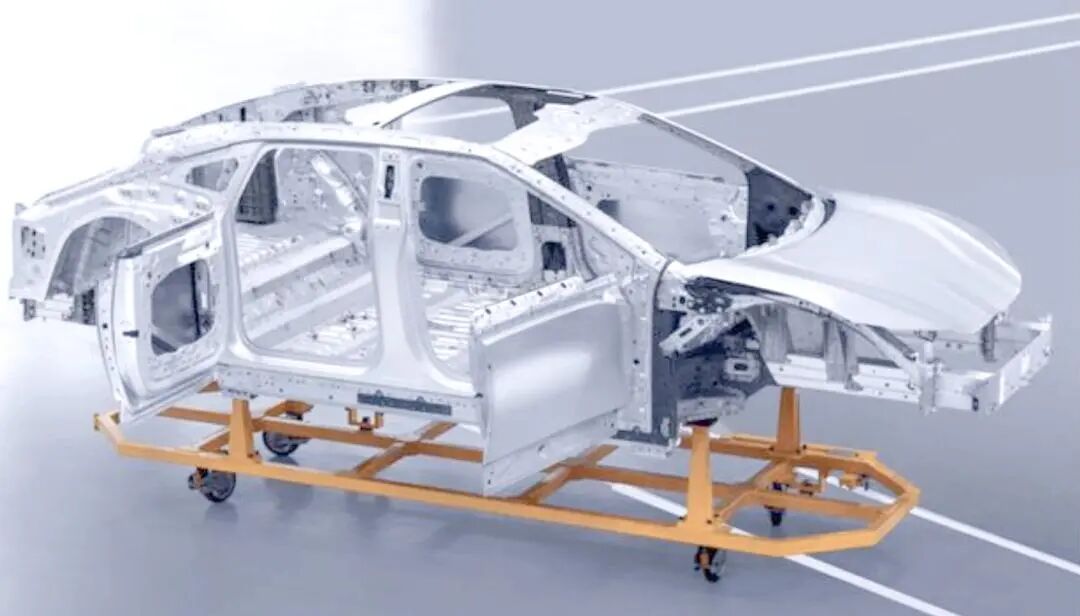
Core Viewpoint - The debate surrounding "integrated die-casting" technology in the automotive industry highlights a divide between traditional automakers focusing on lifecycle costs and new players emphasizing manufacturing efficiency and product performance [3][10]. Group 1: Integrated Die-Casting Technology - Integrated die-casting technology was popularized by Tesla's CEO Elon Musk in September 2020, announcing its use in the Model Y to replace over 370 traditional stamped and welded parts with 2-3 large castings, reducing manufacturing costs by approximately 40% [3][4]. - The technology significantly reduces the number of parts, leading to lower production line requirements and costs, while also simplifying the manufacturing process to just a few minutes [4][6]. - The lightweight nature of aluminum castings allows for a weight reduction of over 10% in the Model Y, directly enhancing electric vehicle range and improving vehicle rigidity and safety [4][6]. Group 2: Industry Response and Adoption - Following Tesla's lead, several Chinese automakers, including Li Auto and Xiaomi, have adopted integrated die-casting, emphasizing its benefits in production efficiency and vehicle performance [6][10]. - Traditional automakers are divided in their approach, with some, like Great Wall Motors, expressing skepticism about the technology's high repair costs and economic viability, while others, including Volvo and Volkswagen, are embracing it for future electric vehicle models [10][11]. Group 3: Challenges and Considerations - The high repair costs associated with aluminum components, which are difficult to repair after significant damage, pose a challenge for consumer acceptance and insurance costs [7][10]. - The initial investment in integrated die-casting technology is substantial, with equipment costs exceeding 50 million to 100 million yuan, making it a significant barrier for automakers with lower production volumes [8][10]. - The debate reflects a broader industry discussion on the balance between technological advancement and market acceptance, with integrated die-casting emerging as a key technology for high-end electric vehicles while other diverse manufacturing approaches remain relevant [11][13].

多家巨头从美国私有化退市,中概股加速回归!
证券时报· 2025-12-28 12:59
Core Viewpoint - The Chinese concept stock market is undergoing significant changes in 2025, characterized by a wave of privatizations and delistings from U.S. exchanges, while a number of small and medium-sized enterprises continue to seek global financing opportunities, particularly through listings in the U.S. and Hong Kong [3][4]. Group 1: Privatization and Delisting - Geely Automobile completed the privatization of Zeekr, which became a wholly-owned subsidiary and delisted from the NYSE. The privatization was marked by a rapid process, with 70.8% of Zeekr shareholders opting for shares and 29.2% for cash, totaling $701 million [6]. - Dada Group, part of the JD ecosystem, was privatized by JD Group at a valuation of $520 million, allowing for more strategic flexibility and deeper collaboration with JD in the instant retail market [7]. - Financial One Account pioneered dual delisting by completing its exit from both the NYSE and Hong Kong Stock Exchange, with a privatization deal valued at approximately HKD 1.69 billion, driven by long-term low stock prices and liquidity issues [7]. Group 2: Trends in U.S. Listings - In 2025, 63 Chinese companies went public in the U.S., raising approximately $1.12 billion, indicating a trend of increasing numbers but decreasing fundraising amounts, with an average fundraising of less than $20 million [9]. - The largest IPOs included Bawang Tea and Ascentage Pharma, raising $411 million and $126 million respectively, highlighting a shift towards smaller enterprises in the U.S. market [9][10]. - The outlook for 2026 is cautious, as new listing requirements from Nasdaq may lead to a decline in the number of Chinese companies able to meet these standards [10]. Group 3: Return to Hong Kong - The trend of Chinese companies returning to Hong Kong is gaining momentum, with companies like Pony.ai and Hesai achieving dual primary listings, which is becoming the mainstream return model [12]. - Hesai's IPO in Hong Kong was the largest in the global lidar industry to date, raising over HKD 4.16 billion (approximately $533 million) [12]. - Other companies, such as Tianjing Biopharma, are also planning to pursue dual listings in Hong Kong, indicating a broader trend of returning to Asian markets [12]. Group 4: Strategic Implications - Some analysts suggest that privatization followed by IPOs in Hong Kong or A-shares may allow companies to escape U.S. regulatory pressures and achieve better valuations in local markets [13].

百万华人涌入,变革中的斯坦国
创业邦· 2025-12-28 10:29
Core Viewpoint - The article highlights the growing trend of Chinese businesses expanding into Central Asia, particularly Kazakhstan, as a new frontier for trade and investment opportunities, driven by increasing consumer demand and digital transformation in the region [5][6][7]. Group 1: Market Trends - In the first eleven months of this year, over 876,000 Chinese tourists visited Kazakhstan, with a significant increase in flight and hotel bookings, indicating a strong interest in the region [5]. - The number of China-Central Asia freight trains has also surged, with 13,089 trains operating and 1,031,695 TEUs shipped, reflecting a 30.6% year-on-year growth [5]. - Kazakhstan is transitioning from a "marginal market" to a "foreign trade growth pole" for Chinese enterprises, with sectors like infrastructure, renewable energy, and cross-border e-commerce leading the charge [6]. Group 2: E-commerce Growth - Kazakhstan has become a leader in e-commerce within Central Asia, with an internet penetration rate of 92.9% and a mobile connection rate of 128%, leading to a stable online shopping habit among consumers [13]. - E-commerce's share of retail has increased from 0.5% in 2013 to 14.1% in 2024, with the market size reaching approximately 3.156 trillion tenge (around $6.5 billion), growing by 33% year-on-year [13]. - Local and international e-commerce platforms, including Kaspi.kz and Alibaba's AliExpress, are thriving, facilitating smooth transactions and product availability for consumers [13][14]. Group 3: Consumer Behavior and Preferences - The influx of Chinese brands, such as new tea beverage companies, is indicative of a broader consumption upgrade in Kazakhstan, where local consumers are increasingly open to foreign products [24][29]. - The demand for electric vehicles is rising, with Chinese brands like BYD and Li Auto becoming more visible on the streets, as Kazakhstan's government plans to promote new car purchases through incentives [30][35]. - Local consumers are showing a preference for products that resonate with their cultural context, emphasizing the need for brands to adapt their marketing strategies to local tastes and preferences [22]. Group 4: Challenges and Considerations - Despite the opportunities, Chinese businesses face challenges in establishing trust and credibility with local consumers, who often prefer to buy from local retailers due to past negative experiences with Chinese companies [36][37]. - The article emphasizes the importance of local partnerships and understanding the market dynamics to navigate the complexities of doing business in Kazakhstan [42]. - The evolving regulatory environment and the need for localized strategies are critical for success in this emerging market [43].

又一电车冬季续航测试发布,小米YU7达成率超Model Y,小鹏P7全场最高
Jin Rong Jie· 2025-12-28 09:29
Core Insights - The latest winter testing results for electric vehicles were released by Auto Home, conducted in Yakeshi, Inner Mongolia, under extreme cold conditions of around -20°C, showcasing unexpected performances from various models [1] Electric Vehicle Performance Rankings - In the "Advanced Family 5-Seater Electric SUVs" category, the 2026 Wanjie M7 Pure Electric Itra Four-Wheel Drive version achieved a 44.4% range completion rate with an actual range of 282 km, ranking first [7] - The 2025 Xiaopeng P7 750 Four-Wheel Drive High-Performance Ultra version led the "Advanced Family Electric Cars" category with a 53.9% range completion rate and an actual range of 366.7 km [10] - The 2025 Nissan N7 625 Max topped the "Mainstream Family Electric Cars" category with a 47.4% range completion rate and an actual range of 296.3 km [16] - In the "Essential Commuter Electric Small Cars" category, the 2025 BYD Seagull Intelligent Driving version achieved a 43.8% range completion rate with an actual range of 177.2 km, ranking first [18] - The 2025 BYD Ti3 501 km Four-Wheel Drive Ultra version led the "Personalized Electric SUVs" category with a 44.9% range completion rate and an actual range of 224.7 km [19] Overall Rankings - The overall testing results indicated that the Xiaopeng P7 had the highest range completion rate among all tested models, while the Ideal i8 2025 Standard version had the lowest at 34.8% with an actual range of 250.3 km [21] - Among joint venture electric vehicles, the Nissan N7 had the highest range completion rate, ranking fifth overall [21]



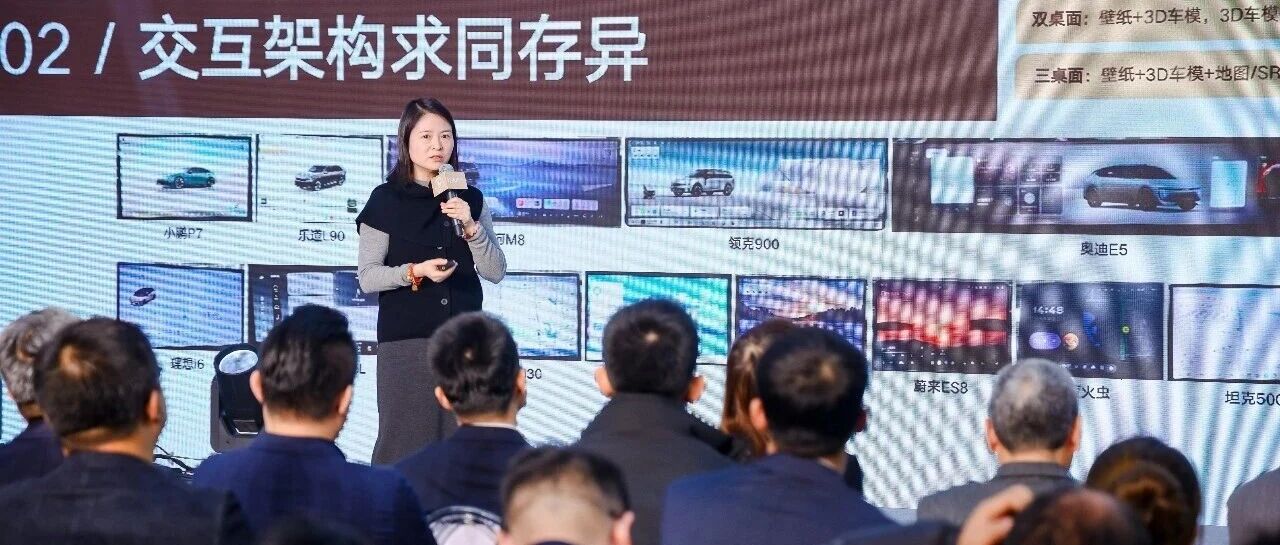
算力够了,为什么大模型体验却没变化?
汽车商业评论· 2025-12-27 23:05
Core Insights - The article discusses the significant advancements in AI models within the automotive industry, particularly focusing on the launch of the lightweight version of the domestic AI model DeepSeek in early 2025, which has rapidly gained traction in both domestic and international markets [3] - The automotive sector is entering a new era of large-scale AI model integration, with major manufacturers like Mercedes-Benz, BYD, NIO, and SAIC accelerating their adoption of AI models since February 2025 [3] - The focus has shifted from initial testing to deeper integration of AI models into vehicle functionalities, particularly in smart cockpit experiences [3][4] AI Model Integration in Automotive - By 2025, the consensus in the industry has shifted towards the deep integration of AI models into cockpit functionalities, moving beyond basic search capabilities to more complex applications [3] - The 2026 Xuanyuan Award evaluation emphasized the importance of AI models in enhancing user experience, with a focus on generative UI, proactive perception, and multimodal interaction [4] - The evaluation revealed that while some manufacturers have made significant strides, many still lag behind in delivering substantial improvements in AI capabilities compared to the previous year [4][5] Challenges in AI Model Implementation - The distribution of computing power and performance constraints pose significant challenges, as many manufacturers allocate substantial resources to autonomous driving, limiting the available computing power for cockpit AI applications [5] - The complexity of testing AI models complicates the assessment of their effectiveness, as it is often difficult to determine whether the intelligence displayed is genuinely derived from AI models [5][42] - The industry is currently focused on enhancing the user experience through AI, but many manufacturers have yet to fully realize the potential of AI in cockpit interactions [5][42] Future Directions for AI in Cockpits - The article suggests that AI will become a native capability of operating systems in vehicles, with a shift towards integrating AI deeply into the OS architecture [6][46] - Future developments will include offline voice AI, edge-based visual language models, and memory capabilities, which are essential for creating a seamless user experience [6][46] - The evolution of AI models will also involve enhancing their analytical and planning capabilities, allowing them to serve as scene engines that can automatically orchestrate interactions and provide optimal solutions [6][47] Trends in Smart Cockpit Design - The evaluation of smart cockpit experiences highlighted several key trends, including platformization, 3D HMI exploration, and spatial interaction design [9][10][23] - Manufacturers are increasingly focusing on optimizing rear seat space and enhancing user interaction through innovative designs, such as movable screens and gesture controls [30][34] - The integration of sound zones and cross-screen interactions is becoming a priority, allowing for a more personalized and immersive user experience [30][31][33] Notable Case Studies - The article presents several innovative case studies, such as NIO's Firefly cockpit, which features unique gesture controls and personalized desktop card generation [48][49] - The use of AI-generated content, such as children's storybooks and interactive features, showcases the potential for AI to enhance user engagement in vehicles [48][57] - The development of dynamic control interfaces that adapt to different applications demonstrates the flexibility and potential of smart cockpit technologies [54]