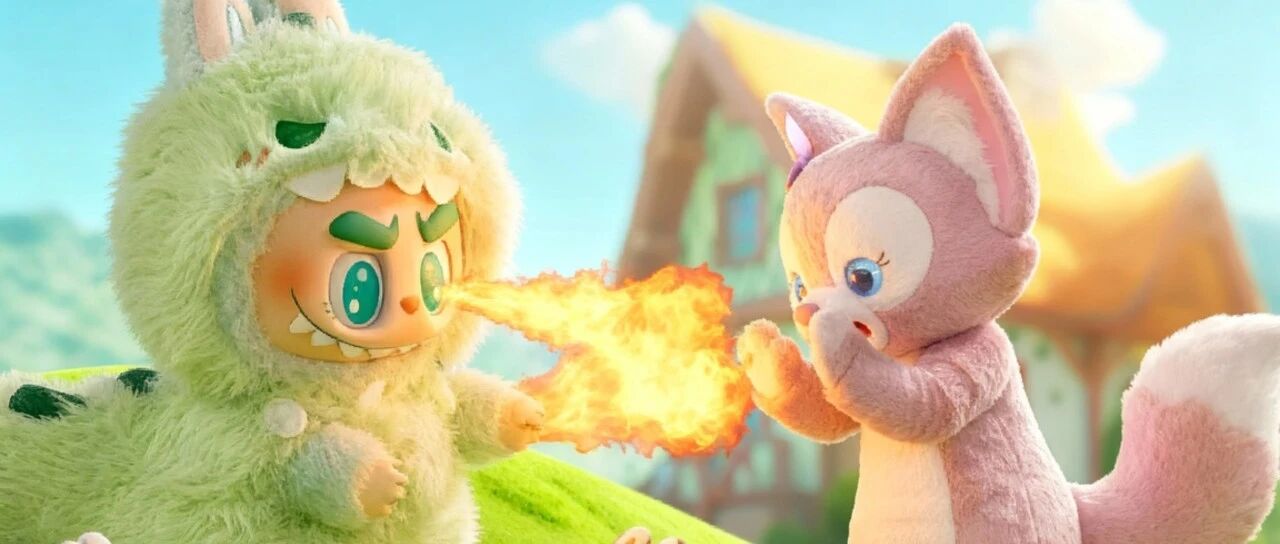
万代南梦宫

Search documents
卡牌行业深度报告:方寸炼金术,卡承万象新
China Post Securities· 2025-10-24 08:53
Investment Rating - The report maintains a strong buy rating for the card industry, indicating a positive outlook for investment opportunities [3]. Core Insights - The card industry is characterized by high growth and significant potential within the broader entertainment sector, with collectible card games (CCGs) experiencing a compound annual growth rate (CAGR) exceeding 50% over the past five years [5]. - The leading company in the collectible card market, Card Game Co., has shown impressive revenue growth, with projected revenues increasing from 4.131 billion yuan in 2022 to 10.057 billion yuan in 2024, reflecting a CAGR of 56.03% [5][6]. - The report highlights the competitive landscape, noting that while Card Game Co. dominates the market, there is increasing competition from brands like Collect Card Society and Flash Soul [5][6]. Industry Analysis - The collectible card market in China is still in its early stages compared to more mature markets like Japan and the United States, suggesting substantial room for growth in per capita spending [39]. - The overall market for collectible cards in China is projected to grow from 2.8 billion yuan in 2019 to 26.3 billion yuan by 2024, with a CAGR of 56.6% [20]. - The report emphasizes the importance of intellectual property (IP) partnerships, as Card Game Co. has secured licenses for popular franchises such as Ultraman and My Little Pony, enhancing its product offerings [43]. Company Overview - Card Game Co. has established itself as a leader in the collectible card market, with a strong focus on expanding its IP and product matrix, currently holding 69 licensed IPs and one proprietary IP [43]. - The company has a concentrated ownership structure, with the founders holding 83.5% of the shares, which allows for strategic decision-making aligned with long-term growth objectives [45]. - Financially, Card Game Co. has demonstrated robust performance, with revenues increasing significantly and adjusted net profits projected to rise from 1.62 billion yuan in 2022 to 4.466 billion yuan in 2024, reflecting a CAGR of 66.05% [51]. Competitive Advantages - The report identifies several competitive advantages for Card Game Co., including a diverse IP portfolio, strong distribution channels, and innovative gameplay design that enhances consumer engagement [6][7]. - The company is well-positioned to capitalize on the growing demand for collectible cards, particularly among younger consumers who favor low-priced, high-frequency purchases [7]. - Card Game Co. is also exploring international markets, aiming to leverage its established brand and product offerings to create a second growth curve [7]. Growth Outlook - The report suggests that the collectible card industry is poised for continued expansion, driven by collaborations with content creators and a focus on enhancing the entertainment and social aspects of competitive trading card games (TCGs) [7]. - The potential for growth in the collectible card segment is further supported by the increasing popularity of mobile gaming, which may help broaden the audience for card games [5][6].
2025年IP潮玩经济研究报告
艾瑞咨询· 2025-10-17 00:03
Core Insights - The article emphasizes the growing significance of IP (Intellectual Property) in the潮玩 (trendy toys) market, highlighting its appeal to adults and the emotional and cultural value it brings to consumers [1][2]. Group 1: Definition and Development of IP潮玩 - IP潮玩 refers to trendy toys with high recognition and independent IP attributes, primarily targeting adults rather than children, focusing on artistic value and collectability [2]. - The潮玩 industry has evolved from its inception in the late 1990s to a mature phase, with significant growth driven by local designers and the rise of blind box formats [3]. Group 2: Industry Chain and Market Size - The IP潮玩 industry chain consists of three main segments: upstream IP sources, midstream IP operation and production, and downstream sales channels, with some companies integrating all aspects for better control [5]. - The Chinese IP潮玩 market is projected to reach approximately 67.8 billion yuan in 2024, with a CAGR of about 13.8% from 2020 to 2024, and is expected to exceed 100 billion yuan by 2027 [6]. Group 3: Key Players and Business Models - 泡泡玛特 has transformed from a retail brand to a leader in IP commercialization, achieving significant growth through innovative product offerings and strategic expansions [9][11]. - 万代南梦宫 has shifted from a toy wholesaler to a global entertainment giant, focusing on maximizing IP value through a multi-media development strategy [14][16]. Group 4: Consumer Behavior and Trends - Over 60% of consumers frequently purchase blind boxes and figurines, with motivations centered around collection and stress relief, indicating a strong emotional connection to specific IPs [30]. - Social media platforms have become the primary source for consumers to obtain information about潮玩, with immersive unboxing videos being the most effective marketing format [33]. Group 5: Global Expansion and Digital潮玩 - The overseas market presents new growth opportunities for Chinese潮玩 brands, with varying challenges in regions like Europe, Japan, and Southeast Asia [36]. - Digital潮玩, supported by blockchain technology and the rise of virtual identities, faces both opportunities and challenges, necessitating a balance between innovation and compliance [38].


2025谷子经济市场前景及供需两端详细梳理分析报告
Sou Hu Cai Jing· 2025-10-16 08:53
Group 1 - The core viewpoint of the report highlights the rapid growth of the "Guzi" economy, driven by a shift from niche subculture to mainstream consumer market, with a market size of 168.9 billion yuan in 2024 and an expected growth to over 300 billion yuan by 2029, reflecting a compound annual growth rate (CAGR) of 17.79% from 2017 to 2024 [1][22][21] - The "Guzi" products, which are affordable and range from 10 to 200 yuan, have gained popularity among younger consumers, with an average single purchase of 102 yuan and an increase in monthly purchase frequency from 2.3 times in 2023 to 2.9 times in 2025, indicating strong user engagement [1][2][3] - The user base for the "Guzi" economy is substantial, with over 500 million individuals in the pan-anime demographic in China as of 2024, and 88.71% of anime enthusiasts expressing willingness to purchase "Guzi" products [2][29] Group 2 - The supply side of the "Guzi" economy is being optimized, with a notable shift from Japanese IP dominance to the rise of domestic IPs such as "Love and Deep Space" and "Identity V," which are now leading in sales, showcasing the improvement in domestic IP creation capabilities [3][4][5] - The IP licensing system in China has seen significant growth, with retail sales of licensed products reaching 155.09 billion yuan in 2024, doubling since 2017, and the licensing fees increasing from 3.82 billion yuan in 2019 to 5.99 billion yuan [4][30] - The diversification of sales channels, including online platforms like Tmall and JD.com, as well as offline stores, has enhanced consumer access to "Guzi" products, with a rapid expansion of retail outlets in the sector [4][5][22] Group 3 - The "Guzi" economy is expected to benefit from the cultural confidence and the ongoing development of domestic IPs, which are becoming increasingly relevant in the context of rising spiritual consumption among younger generations [5][21][22] - The market is currently concentrated in high-tier cities, with over 55.25% of consumers located in first-tier cities, but there is significant potential for growth in lower-tier cities, where GDP growth is projected to be 6.1% annually from 2023 to 2028 [3][4][22] - The social attributes of "Guzi" products amplify their market impact, with over 70% of consumers sharing their purchases on social media, transforming these products into social media tools that attract new users [2][3][4]
2025千亿IP潮玩经济崛起:解码泡泡玛特、万代南梦宫和集卡社的商业密码
Sou Hu Cai Jing· 2025-10-09 09:39
Market Overview - The IP toy market in China is rapidly reshaping the consumer landscape, with a market size projected to reach 67.8 billion yuan in 2024 and expected to exceed 100 billion yuan by 2027, reaching nearly 130 billion yuan by 2029 [2] - IP toys are defined as trend toys with high recognition and independent intellectual property, primarily targeting adult consumers rather than children [2] - The industry has evolved through three key phases: the initial phase from the late 1990s to early 2000s, the exploration phase from 2010 to 2015, and the maturity phase from 2016 to the present [2] Industry Structure - The IP toy industry can be categorized into three main types and ten subcategories based on IP sources: original IP, licensed IP, and public symbol IP [8] - The industry chain consists of upstream IP sources, midstream IP operation and production, and downstream sales channels, with large enterprises often integrating the entire chain [8] Company Case Studies - Pop Mart, established in 2010, transitioned from trend retail to IP commercialization, launching the MOLLY blind box series in 2016, which spurred explosive growth [10] - LABUBU's success is attributed to its unique design inspired by Nordic mythology and effective marketing strategies, including collaborations with celebrities [14] - Bandai Namco's "IP Axis Strategy" focuses on maximizing IP value across various media, achieving significant sales growth through diversified business forms [17] Consumer Insights - The primary consumer demographic for IP toys is young adults aged 21-35, with a significant portion of consumers being middle-class individuals with monthly incomes between 6,000 and 10,000 yuan [26] - Over 60% of consumers frequently purchase blind boxes and figurines, with a strong inclination towards collection and display [26] - Social media platforms are the primary source of information for consumers, with immersive unboxing videos being the most effective marketing format [27] Social Media Trends - The social media presence of IP toys is expected to rise significantly by 2025, driven by key events and new product launches [22] - Different social media platforms have distinct focuses, with Xiaohongshu emphasizing refined sharing and Douyin focusing on entertainment-driven engagement [25] Future Opportunities - The future of the IP toy market is promising, with over 50% of consumers expecting to increase their spending on IP toys [28] - The overseas market presents new growth opportunities, particularly in Europe and the U.S., although challenges such as cultural adaptation and intellectual property protection remain [28] - Digital toys are emerging as a new frontier, leveraging blockchain technology and the metaverse for enhanced consumer engagement [29] Industry Challenges - The industry faces challenges including regulatory uncertainties, technological barriers, and issues related to product quality and homogenization [29] - Companies must balance innovation with compliance to foster long-term value in the digital toy sector [29] Diversification Strategies - Brands are increasingly diversifying their product offerings to break through growth ceilings, with examples including Pop Mart's entry into the luxury jewelry market and Disney's layered licensing ecosystem [30] - Challenges in diversification include brand dilution, supply chain adaptation, and consumer price sensitivity [30]

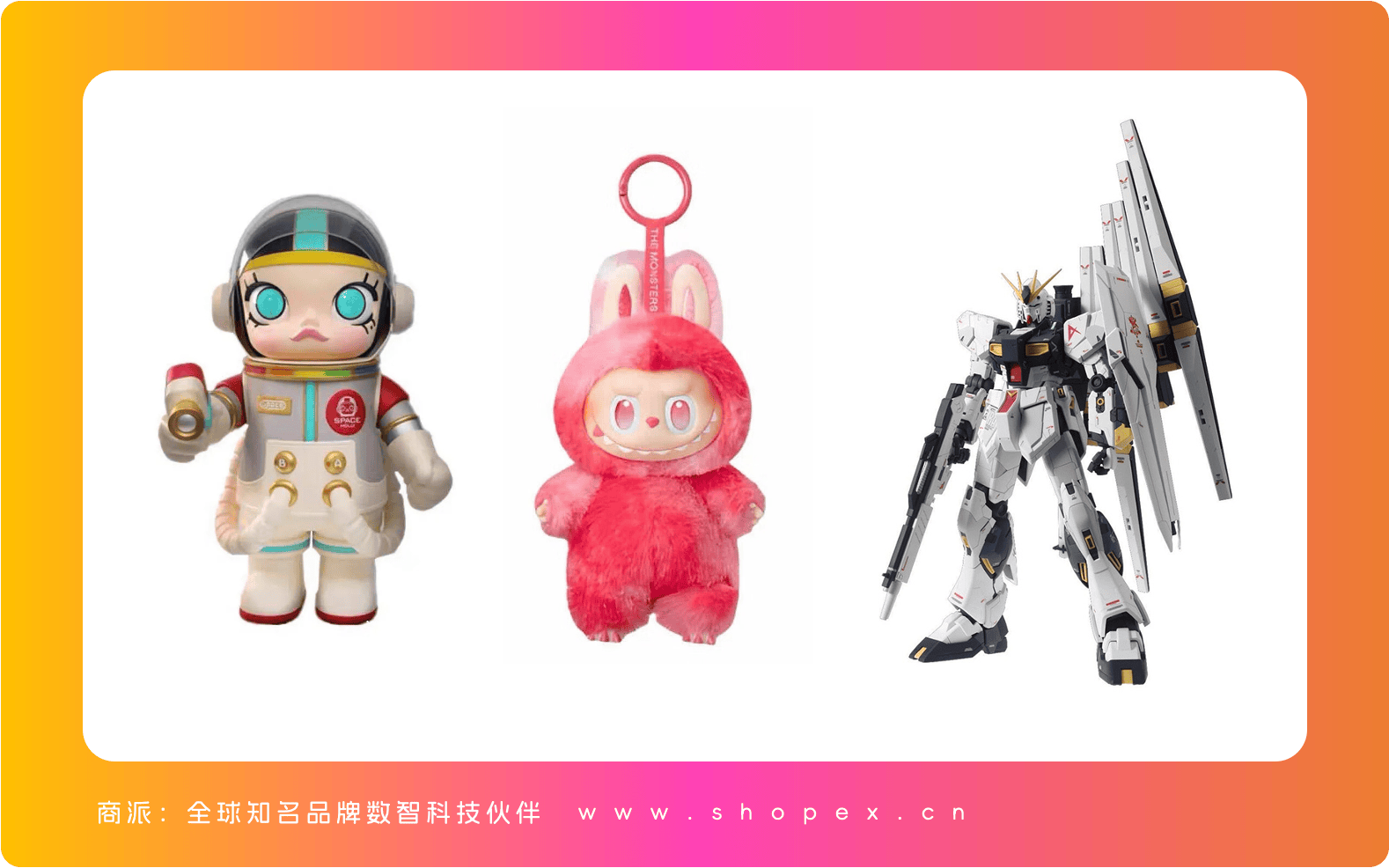
艾瑞咨询:2025年IP潮玩经济研究报告
Sou Hu Cai Jing· 2025-10-05 10:20
Overview of IP Trend Toy Market - The IP trend toy market is defined as high-recognition independent IP toys, distinct from traditional toys, focusing on artistry and collectibility, primarily targeting consumers aged 15-40 with higher price points and some items being resalable [1][8] - The market has evolved through three phases: initiation (late 1990s to early 2000s), exploration (2010-2015), and maturity (2016 to present), with significant growth following the launch of blind boxes by Pop Mart in 2016 [1][10] - The market size is projected to reach 67.8 billion yuan in 2024, with a CAGR of 13.8% from 2020 to 2024, and is expected to exceed 100 billion yuan by 2027 and approach 130 billion yuan by 2029 [1][17] Consumer Insights - The primary consumer demographic consists of young middle-class individuals aged 21-35 from first-tier and new first-tier cities, with a slight male majority; 37% earn between 6,000 to 10,000 yuan monthly [2] - Over 80% of consumers spend more than 200 yuan per purchase, with blind boxes and figurines being common purchases, driven by motivations of collection and stress relief [2] - Social media serves as the main information source, with immersive unboxing videos being the most effective in stimulating purchase intent; major purchasing channels include shelf e-commerce and brand offline stores [2] Popular Case Studies - Pop Mart has transitioned from trend retail to IP commercialization, launching the MOLLY blind box series in 2016, which led to explosive growth and its listing as the first trend toy stock in 2020 [2][21] - LABUBU gained popularity through innovative design and marketing strategies, leveraging celebrity endorsements and user-generated content to create a unique brand identity [2][27] - Bandai Namco has developed an "IP axis strategy" to create a comprehensive ecosystem around its IPs, ensuring long-term value through diverse business forms including games, animation, and merchandise [2][30][32] Future Opportunities and Challenges - Opportunities for growth include international expansion for domestic brands, digital trend toys, and diversification of product categories, though challenges such as cultural adaptation, intellectual property issues, and supply chain management remain [3] - The industry is advised to focus on aligning IP content with consumer needs to promote high-quality development [3]

全球潮玩行业一周要闻(9.25-10.1)
Sou Hu Cai Jing· 2025-10-02 21:23
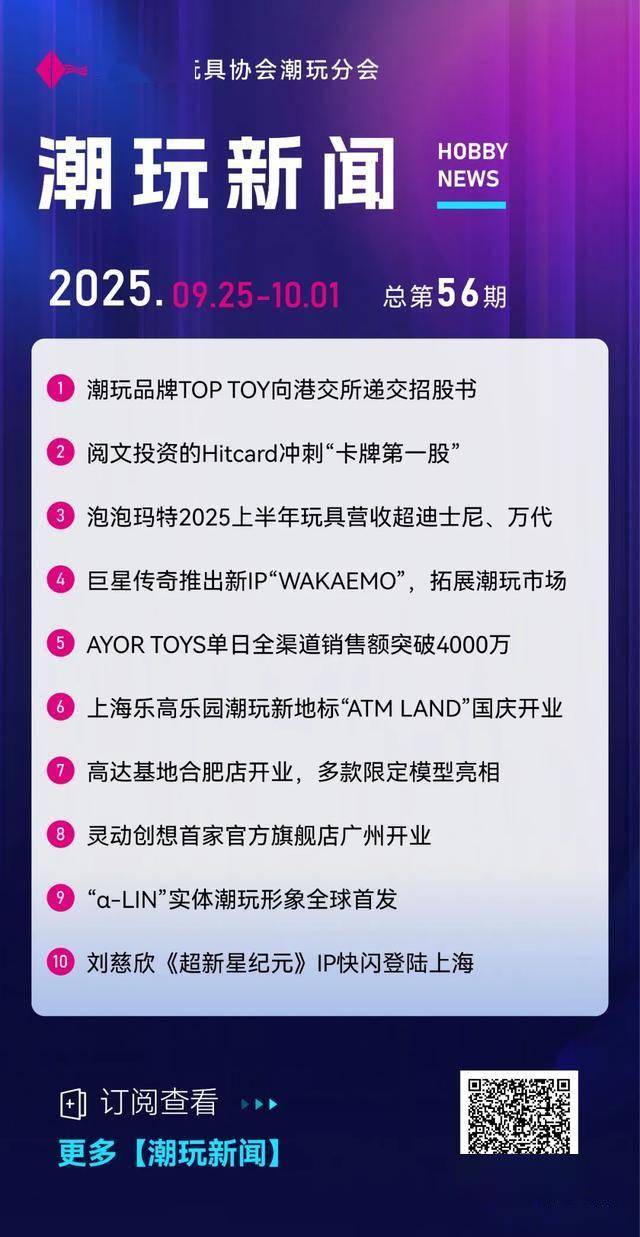
Group 1 - TOP TOY, a潮玩 brand under Miniso, submitted its IPO application to the Hong Kong Stock Exchange, aiming to raise funds for expanding its IP matrix, global market presence, brand marketing, and digital capabilities, with a projected GMV of 2.4 billion yuan in 2024 [3] - Hitcard, a card brand backed by阅文集团, is pushing for an IPO to become the "first card stock," with projected revenue of 400 million yuan in 2024, reflecting a year-on-year increase of over 600% and profitability [3] - Pop Mart achieved toy revenue of 13.876 billion yuan in the first half of 2025, surpassing Disney and Bandai Namco, marking a year-on-year growth of 204.4% [5][6] Group 2 - The new潮玩 IP "WAKAEMO" was launched by 巨星传奇 at a pop-up store in Shanghai, inspired by a three-leaf clover, designed to express emotions and block negative feelings [7] - AYOR TOYS, a new潮玩 brand, reported a sales figure exceeding 40 million yuan on its first day after announcing a celebrity endorsement, topping industry rankings on major platforms [8] - The ATM LAND潮玩 park, part of the POP FRIENDS brand, opened in Shanghai, featuring a wide range of潮玩 products from over 30 leading潮玩 brands [9] Group 3 - The Gundam Base opened a new store in Hefei, showcasing various limited models and providing a beginner-friendly area for new enthusiasts [10] - 灵动创想 launched its first official flagship store in Guangzhou, featuring interactive activities and promotions to attract customers [12] - The character "α-LIN" was globally premiered, combining physical figures with AR technology for interactive experiences, marking a new phase in潮玩 [14] - Liu Cixin's IP "超新星纪元" held an art pop-up in Shanghai, featuring collectible sculptures and interactive installations [16]
2025年IP潮玩经济:解码让“大龄儿童”买单的商业密码
Ai Rui Zi Xun· 2025-09-30 12:13
Investment Rating - The report does not explicitly state an investment rating for the IP toy industry Core Insights - The IP toy market is defined as high-recognition independent intellectual property toys primarily targeting adults, differing from traditional toys aimed at children [6] - The market is expected to grow significantly, with projections indicating that the Chinese IP toy consumption market will exceed 100 billion yuan by 2027, achieving a CAGR of approximately 11.3% from 2024 to 2029 [20][21] - The report highlights the evolution of the IP toy industry, noting its transition from inception in the late 1990s to a mature phase characterized by diverse IP proliferation and commercialization [10][11] Summary by Sections 01 IP Toy Market Overview - The IP toy market is characterized by its focus on adult consumers, emphasizing artistic value and collectibility rather than playability [6] - The market has evolved through various phases, including the initial rise in the late 1990s, exploration from 2010 to 2015, and a mature phase from 2016 onwards [10][11] 02 IP Toy Popular Case Studies - Pop Mart has transformed from a trend retail business to a leading IP commercialization entity, achieving significant growth through strategic partnerships and innovative product offerings [26][27] - The company has successfully navigated challenges, including regulatory changes, by adapting its product lines and expanding its global presence [26] 03 Chinese IP Toy Social Media Research - The social media presence of IP toys has shown a significant resurgence, driven by key events and new product launches, indicating a recovery in consumer interest [74] - The report notes the differentiation in social media strategies between platforms like Xiaohongshu and Douyin, with each catering to different consumer interests and engagement styles [78] 04 IP Toy Consumer Insights - The consumer base for IP toys is primarily young adults aged 15-40, with a focus on unique designs and collectible value [6] - The report emphasizes the importance of understanding consumer preferences and trends to effectively market IP toys [6] 05 Future Opportunities and Challenges for IP Toys - The report identifies potential growth areas within the IP toy market, including the rise of new IPs and innovative marketing strategies [20][21] - Challenges include regulatory scrutiny and market saturation, which require companies to continuously innovate and adapt [26] 06 Voice of Experts - Expert opinions highlight the importance of leveraging social media and influencer marketing to enhance brand visibility and consumer engagement in the IP toy sector [74][78]
「小鼻嘎」胜利,玩具越小越可爱
3 6 Ke· 2025-09-29 00:48
Core Insights - The mini toy market has evolved from a niche collector's segment to a significant consumer category, driven by changing consumption and aesthetic values among young people [1][31] - The trend of miniaturization in toys reflects a broader shift towards lightweight consumption and emotional connection, catering to the desire for personalized and unique products [30][31] Market Trends - The mini toy segment, particularly "萌粒" (mini figures), is projected to reach a market size of 72.7 billion yuan in 2024, with blind box figures being a popular category among manufacturers [2] - Mini toys are characterized by their small size, low price point (5-30 yuan), and strong emotional value, making them appealing to students and working professionals alike [4][9] Consumer Behavior - The rise of social media has popularized terms like "小鼻嘎," which refers to mini toys, indicating a cultural shift towards these products [2][8] - Mini toys serve as personal symbols in social contexts, enhancing individual expression and identity among consumers [4][9] Product Innovation - Leading brands like Pop Mart and others are at the forefront of the miniaturization trend, using it as a strategy to extend IP value and reach a broader audience [9][11] - Mini toys are increasingly integrated into everyday life, with products designed for various scenarios, such as keychains and stress-relief items [4][13] Cultural Impact - The mini toy phenomenon has sparked a unique cultural movement, with UGC (user-generated content) becoming a significant driver of consumer engagement and creativity [26][28] - The DIY aspect of mini toys allows consumers to personalize their products, further enhancing their emotional connection to the items [30][31] Industry Dynamics - The mini toy market is witnessing increased competition, with both established brands and new entrants leveraging IP collaborations and innovative designs to capture consumer interest [11][15] - The success of mini toys is also attributed to their adaptability in various retail environments, including pop-up stores and online platforms, which facilitate consumer interaction and engagement [24][30]
超越迪士尼和万代,泡泡玛特玩具收入跃居全球第二
Guan Cha Zhe Wang· 2025-09-28 10:11
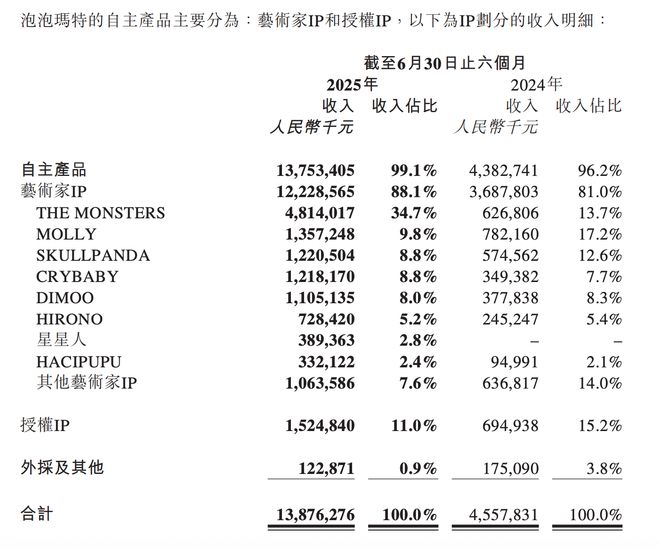
Core Viewpoint - In the first half of 2025, China's Pop Mart has surpassed Disney and Bandai Namco in toy revenue, becoming the second-largest toy company globally, only behind LEGO, with a revenue of 138.76 billion RMB, marking a significant growth in the industry landscape [1][5]. Revenue Performance - Pop Mart achieved a revenue of 138.8 billion RMB in the first half of 2025, representing a year-on-year growth of 204.4%, while adjusted net profit reached 47.1 billion RMB, up 362.8% [1]. - The core IP "THE MONSTERS," represented by Labubu, contributed 48.1 billion RMB in revenue, accounting for 34.7% of total revenue [3]. - The plush toy category saw revenue of 61.4 billion RMB, a staggering increase of 1276.2%, surpassing the figure for figurines for the first time [3]. Comparison with Competitors - Disney's consumer products division reported a revenue of 138.6 billion RMB in the first half of 2025, with a growth of approximately 3.5%, while Bandai Namco's toy revenue is estimated at 134.4 billion RMB [5]. - Pop Mart, Disney, and Bandai Namco are closely matched in toy revenue, with only a few hundred million RMB separating them [5]. IP Strategy and Market Position - Pop Mart's success is attributed to its unique approach, leveraging its own IPs without relying on traditional media narratives, unlike Disney and Bandai Namco, which depend on strong content ecosystems [7][9]. - Pop Mart's IPs, including THE MONSTERS, MOLLY, SKULLPANDA, CRYBABY, and DIMOO, all generated over 10 billion RMB in revenue, indicating a robust portfolio [9]. - The recent opening of Pop Mart's city park in Beijing signifies a strategic move to enhance IP value through physical experiences [10]. Future Outlook - Despite Pop Mart's rapid growth, traditional giants like Disney and Bandai Namco still hold advantages in IP diversity and global reach, leaving the future competitive landscape uncertain [12].
泡泡玛特的玩具收入,超过迪士尼了,成年人才是玩具的最佳消费者
Founder Park· 2025-09-27 02:37
Core Insights - The article discusses the significant changes in the global toy industry, highlighting the revenue rankings of toy companies for the first half of 2025, which reflect evolving consumer trends and business models in the post-pandemic era [5][6]. Group 1: Market Overview - The global toy market showed a notable recovery in the first half of 2025, with an average year-on-year sales growth of 7% across 12 major markets excluding China [6]. - Specific categories such as "games and puzzles" and "collectibles" experienced explosive growth, with increases of 36% and 35% respectively [7]. Group 2: Revenue Rankings - The top toy companies by revenue for the first half of 2025 include: - LEGO Group: 38.45 billion RMB - Pop Mart: 13.88 billion RMB - Disney: 13.86 billion RMB - Bandai Namco: 14.44 billion RMB - Hasbro: 13.34 billion RMB - Mattel: 13.18 billion RMB - Sega Sammy: 6.64 billion RMB - Asmodee: 5.77 billion RMB - Tomy: 5.55 billion RMB - Pokémon: 5.50 billion RMB - Spin Master: 5.21 billion RMB - MGA Entertainment: 3.93 billion RMB - Sanrio: 3.91 billion RMB - Ravensburger: 3.04 billion RMB - VTech: 2.89 billion RMB - Funko: 2.74 billion RMB - Simba Dickie Group: 2.71 billion RMB - Moose Toys: 2.68 billion RMB - JAKKS Pacific: 1.66 billion RMB - Blokees: 1.34 billion RMB - Dream International Limited: 1.21 billion RMB [12][11]. Group 3: Key Trends - The article identifies three major trends driving profitability and growth in the toy industry: 1. The rise of IP collectible toys and trading card games. 2. The increasing importance of adult consumers in the toy market. 3. The necessity for brands to excel in IP development and cross-platform value amplification [15][19]. Group 4: Company Strategies - Disney continues to leverage its strong content ecosystem to drive sales, with its consumer products division generating 13.86 billion RMB in revenue, a 3.5% increase year-on-year [21][26]. - Bandai Namco's toy sales are closely tied to its content, with significant contributions from popular franchises like "One Piece" and "Dragon Ball" [27][30]. - Mattel is transitioning from a traditional toy company to a content-driven entity, establishing Mattel Studios to enhance its IP narrative capabilities [39][42]. - Pop Mart has emerged as a leading player in the global trend toy market, achieving 13.88 billion RMB in revenue, with its core IP "THE MONSTERS" contributing significantly to its success [48][50]. Group 5: Trading Card Games - Trading card games (TCGs) have become one of the fastest-growing and most profitable segments in the toy market, with the global TCG market projected to reach $7.8 billion (approximately 55.5 billion RMB) in 2025 [56][59]. - Hasbro's "Magic: The Gathering: Final Fantasy" set a record for single-day sales, highlighting the potential of TCGs in driving revenue growth [61][66]. Group 6: Distribution and Market Dynamics - Asmodee has established itself as a major distributor in the TCG market, with approximately 64% of its revenue coming from card games [69][76]. - Bandai Namco has also made significant strides in the TCG space, with multiple titles dominating sales charts in Japan [77][80].