
丸美股份

Search documents
618销冠逐本“翻车”背后,国货美妆新锐难逃“红不过三年”魔咒?
3 6 Ke· 2025-07-12 03:03
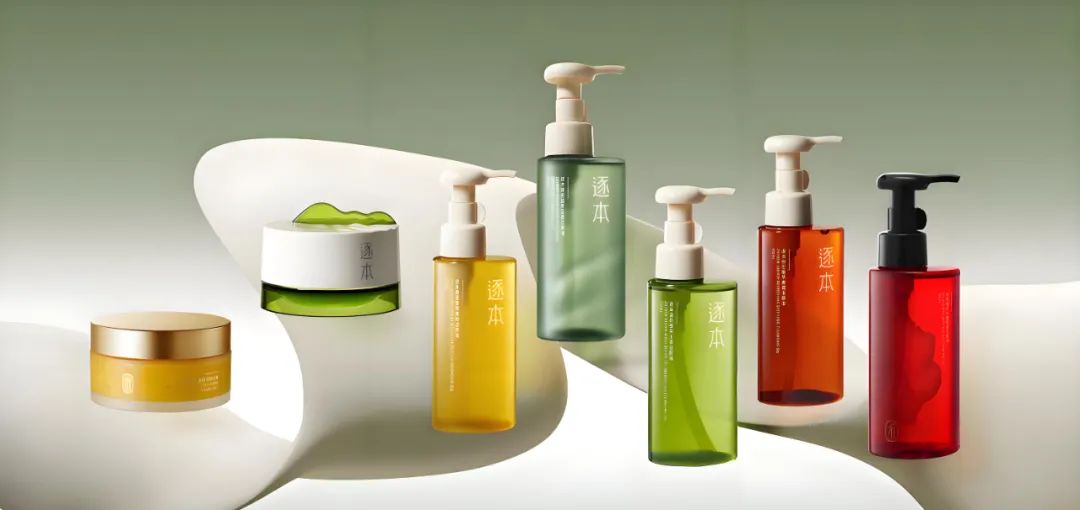
Core Viewpoint - The emerging skincare brand "Zhuben" has faced significant backlash due to discrepancies between product ingredient filings and actual contents, as well as allegations of false advertising by its founder during a live stream. The Zhejiang Provincial Drug Administration has intervened, leading to the urgent withdrawal of the involved products, while the brand denies any quality safety issues [1][3]. Industry Trends - The performance of new domestic beauty brands is declining, with only two brands, Meishi and Tiluowei, making it to the top 20 on Douyin this year, while previously popular brands like Jia Run Quan and Di Shi Ai Pu have disappeared from the rankings. In contrast, established brands such as Kose, Proya, L'Oreal, and Estée Lauder continue to dominate the market, indicating a trend where "the strong get stronger" and new brands struggle to last beyond three years [3][4]. Brand Strategies - New domestic beauty brands are increasingly focusing on creating unique aesthetic positions and establishing differentiated branding. For instance, Lin Qingxuan emphasizes the story of its rare ingredient, red camellia, combined with advanced technology to enhance brand value and justify higher pricing [4][6]. Marketing and Promotion - Many new beauty brands utilize a "template" approach to rapidly create and market products, often focusing on popular concerns like skin whitening and anti-aging. They employ low or high pricing strategies to attract consumers, and leverage celebrity endorsements to enhance brand visibility and credibility [8][10]. Challenges Faced - The beauty industry is witnessing a high rate of penalties for false advertising and ongoing disputes regarding product efficacy. Many new brands are struggling with high customer acquisition costs and declining effectiveness of traffic-driven growth strategies, leading to a "flash in the pan" phenomenon [11][12]. R&D Investments - Established beauty giants like L'Oreal and Unilever invest heavily in research and development, with L'Oreal operating 20 research centers globally and employing over 4,000 scientists. In contrast, newer brands like Lin Qingxuan show significantly lower R&D expenditures, which may hinder their long-term sustainability [14][15]. Conclusion - The current landscape of the beauty industry reflects a scenario where established brands maintain their dominance through substantial R&D investments and effective marketing strategies, while new entrants struggle to establish themselves and often face rapid declines in market presence [16].

总裁们纷纷做“价值功课”,市场地位评价为何引发高度重视?
FBeauty未来迹· 2025-07-10 13:59
Core Viewpoint - The establishment of the market position evaluation system by the China Fragrance and Cosmetic Industry Association marks a significant shift in the Chinese cosmetics industry, emphasizing brand building and long-term value over mere sales figures [2][3][4]. Group 1: Market Position Evaluation System - The new market position evaluation system aims to promote brand building and support companies that adhere to long-term value principles, rather than simply ranking based on sales [4][5]. - The evaluation system is based on a comprehensive data collection process, including online and offline retail channels, and involves multiple verification steps to ensure accuracy [8][11]. - The system's key indicators include total retail sales (weighted at 70%) and brand accumulation (weighted at 30%), with a strict one-vote veto policy for brands with significant quality issues [11][12]. Group 2: Industry Insights and Trends - The Chinese cosmetics market has maintained a scale exceeding 1 trillion yuan, with projected market sizes of 1,044.55 billion yuan for 2023 and 1,073.82 billion yuan for 2024 [4]. - The top 50 brands accounted for 21.74% of the total retail sales in 2024, with 22 Chinese brands making the list, reflecting the rapid rise of local brands due to their adaptability to online channels [30][32]. - Despite the progress, Chinese brands still face challenges in achieving quality upgrades, as they primarily occupy the lower segments of the market structure [32][33]. Group 3: Industry Response and Future Directions - The release of the evaluation results has generated significant media attention and industry response, with many executives recognizing the importance of brand value in a changing market landscape [15][17][19]. - Companies are focusing on enhancing their brand value through technological innovation, quality control, and organizational evolution, as emphasized by industry leaders [34][35]. - The association aims to create a systematic approach to promote high-quality development across the entire cosmetics industry, advocating for a shift from a "tack" structure to an "olive" structure, which would support the growth of mid-tier companies [33][37].


“化妆品连锁第一股”植物医生IPO:以授权专卖行“加盟”之实?
Hua Er Jie Jian Wen· 2025-07-10 08:09
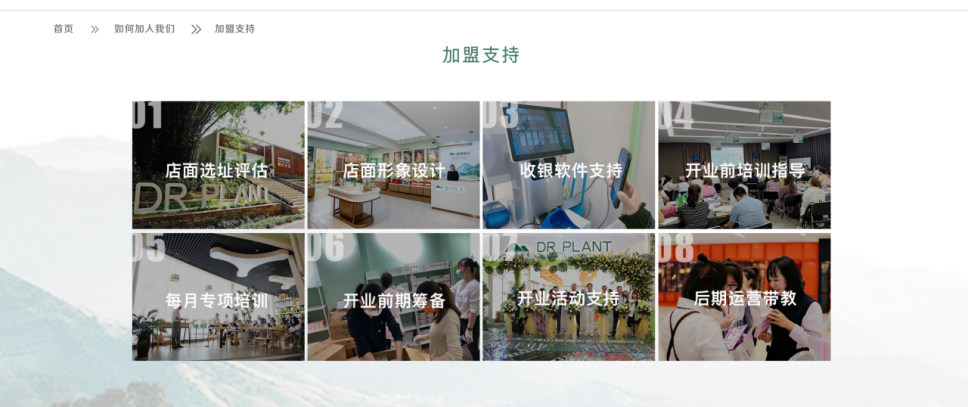
Core Viewpoint - The IPO application of Beijing Plant Doctor Cosmetics Co., Ltd. has been accepted, indicating a growing acceptance of diverse business models in the cosmetics industry [1][3]. Group 1: Company Overview - Plant Doctor focuses on plant extraction and offers a range of cosmetics including lotions, creams, and serums, with projected revenues and net profits of 2.156 billion yuan and 243 million yuan respectively for 2024 [1]. - The company primarily expands its performance through authorized dealers who open offline specialty stores, with a total of 3,830 authorized stores expected by the end of 2024, generating 1.111 billion yuan, accounting for over 50% of total revenue [1][5]. - Plant Doctor's business model includes both direct-operated stores and authorized specialty stores, with direct-operated stores contributing nearly 25% to total revenue in 2024 [3]. Group 2: Financial Performance - By the end of 2024, Plant Doctor plans to have 498 direct-operated stores, generating 527 million yuan, with an average annual revenue of 1.0575 million yuan per store [4]. - The authorized specialty stores are the main revenue drivers, expected to generate 1.111 billion yuan in 2024, which is about 50% of total revenue [5]. - The average annual revenue per authorized store increased from 276,200 yuan in 2022 to 289,700 yuan in 2024, although the revenue per direct-operated store is 3.65 times higher than that of authorized stores [12][13]. Group 3: Market Strategy and Expansion - Plant Doctor's IPO aims to raise 998 million yuan for marketing and the establishment of research and development centers [1]. - The company has been expanding its offline presence rapidly, with a net increase of 170 authorized stores in 2023, pushing the total number of stores past 4,000 [10]. - Despite the rapid expansion, Plant Doctor has begun closing underperforming stores, reducing the number of authorized stores by 294 by the end of 2024 [11]. Group 4: Industry Context and Challenges - The acceptance of Plant Doctor's IPO comes amid a cautious regulatory environment for franchise and chain businesses, which may explain the company's avoidance of the term "franchise" in its prospectus [7][19]. - The company is also exploring the beauty salon business model, offering in-store services to enhance customer experience, which may signal a shift in its business strategy [17][18]. - Plant Doctor is diversifying its sales channels by establishing online platforms and collaborating with e-commerce giants, with online sales projected to reach 519 million yuan in 2024, accounting for nearly 25% of total revenue [18].
001号新原料入列,“中国成分”主场作战ECM抗老
FBeauty未来迹· 2025-07-09 09:31
Core Viewpoint - The article discusses the emerging significance of Extracellular Matrix (ECM) in anti-aging skincare, highlighting the potential of N-acetylneuraminic acid (also known as "Nectar Acid") as a key ingredient in this new approach to skincare [2][3][15]. Group 1: ECM and Anti-Aging - ECM has been identified as the thirteenth hallmark of aging, representing a new pathway for anti-aging technology in the beauty industry [2][8]. - Major beauty companies like L'Oréal, Estée Lauder, Shiseido, and others are actively investing in ECM-related research and development, indicating a competitive landscape [8][11]. Group 2: N-acetylneuraminic Acid (Nectar Acid) - N-acetylneuraminic acid has recently been approved by the National Medical Products Administration in China, marking its transition from experimental to a recognized cosmetic ingredient [3][15]. - This ingredient exhibits multiple biological activities, including anti-wrinkle, brightening, anti-inflammatory properties, and the ability to regulate ECM homeostasis [15][22]. Group 3: Mechanisms and Efficacy - N-acetylneuraminic acid significantly enhances collagen gene promoter activity, leading to a 252% increase in type I collagen synthesis at a concentration of 0.2% [18]. - It acts as a stabilizer for ECM by neutralizing reactive oxygen species (ROS) and inhibiting matrix metalloproteinases (MMP-1, MMP-3, MMP-9), thereby reducing collagen degradation [20][22]. Group 4: Market Potential and Applications - The successful incorporation of N-acetylneuraminic acid into the cosmetic ingredient directory opens up new market opportunities and enhances its commercial value [26][27]. - The ingredient's dual application in both topical and oral beauty products aligns with traditional Asian wellness practices, providing a strong foundation for cross-category integration [26][28]. Group 5: Research and Development - The company has invested over 30 million yuan in the industrialization of N-acetylneuraminic acid, overcoming traditional extraction challenges to achieve high purity and yield [28][29]. - Ongoing research focuses on multi-omics studies to validate the ingredient's efficacy across various biological pathways, enhancing its appeal in the anti-aging market [25][34].

美容护理行业2025年中期投资策略:焕新,变革
Donghai Securities· 2025-07-08 08:35
Investment Rating - The report rates the beauty and personal care industry as "Positive" for investment [3]. Core Insights - The beauty and personal care sector has shown strong performance, with a cumulative increase of 6.90% as of June 2025, outperforming the market by 6.87 percentage points [7]. - The industry is entering a stable development phase, with performance differentiation among companies. Leading firms like Proya and Marubi are achieving steady growth, while emerging material companies like Jinbo Bio and Juzi Bio are experiencing rapid growth [9]. - The cosmetics market is maturing, with a slight decline in market size expected in 2024, projected at 774.645 billion yuan, down 2.83% year-on-year [19]. Summary by Sections Market Review - The beauty and personal care sector has shown a strong performance, with the beauty care segment outperforming the market [7][9]. - The cosmetics market is transitioning to a stable growth phase, with a strong siphoning effect observed during major shopping events like "618" and "Double Eleven" [18]. Cosmetics - The cosmetics market is experiencing a stable growth phase, with a year-on-year increase of 4.1% in the first five months of 2025, compared to a decline of 1.1% in 2024 [18]. - The market size for cosmetics is projected to be 774.645 billion yuan in 2024, reflecting a slight decline from previous years [19]. - Domestic brands are gaining market share, with the market share of domestic products reaching 55.7% in 2024 [45]. Medical Aesthetics - The non-surgical medical aesthetics market is growing rapidly due to its safety and ease of operation, with a projected compound annual growth rate (CAGR) of 15%-20% over the next five years [55]. - The market for collagen products is expected to reach 58.57 billion yuan by 2025, with significant growth anticipated in the coming years [65]. Personal Care - The personal care segment has shown strong growth, driven by new consumer trends and increased awareness of personal health care [91]. - The online penetration rate for personal care products is currently low, indicating significant growth potential in e-commerce [97].
厦门帮美妆“大换血”
Xin Lang Cai Jing· 2025-07-08 02:57
Core Insights - The sales momentum from the 618 mid-year shopping festival appears to have been "overdrawn" in May, leading to a decline in sales for June [1] - Major platforms like Douyin and Kuaishou show a significant drop in sales for beauty and skincare brands compared to May, indicating a potential shift in consumer behavior [1][10] Beauty and Skincare Sales - In June, Douyin's beauty and skincare brands had 36 brands estimated to reach sales of 100 million yuan, a decrease of 26.5% from 49 brands in May [1] - Kuaishou's top 500 beauty and skincare brands had an estimated total sales of 1.335 billion yuan, down 19.77% from May [1] - The top beauty and skincare brands on Tmall saw international brands occupying 13 out of the top 20 spots, with Mistine being a new entrant [4][5] - Notably, the domestic brand Pechoin rose 21 places in the rankings, attributed to the popularity of its collagen water mask [6] Brand Rankings - The top beauty and skincare brands on Douyin in June included KANS, PROYA, and L'OREAL, all estimated to exceed 100 million yuan in sales [8] - Kuaishou's top brand, Guyu, had an estimated sales of approximately 71.34 million yuan, indicating a significant gap between the top brands and others [10] - The Tmall beauty and skincare sales rankings showed a decline in international brands, with some dropping out of the top 20 [4][12] Influencer Marketing - The number of influencers achieving over 100 million yuan in sales dropped by 61% compared to May, indicating a decline in influencer effectiveness [19] - New influencers like Li Baobao emerged, achieving over 100 million yuan in sales with less than 200,000 followers, showcasing a shift in the influencer landscape [21] Consumer Behavior - The overall performance during the 618 shopping festival did not meet expectations, suggesting that consumers' enthusiasm for major promotions may be waning [23] - The extended duration of the 618 event may have contributed to consumer fatigue, impacting sales performance across platforms [23]
商贸零售行业7月投资策略暨二季报前瞻:积极把握兼具业绩确定性及成长性的新消费标的
Guoxin Securities· 2025-07-07 14:40
Core Insights - The report maintains an "outperform" rating for the retail sector, anticipating that easing international conditions and domestic policy stimulus will positively influence the sector's performance [3][42]. - The overall retail sales in May 2025 reached 4.13 trillion, growing by 6.4% year-on-year, with goods retail sales increasing by 6.5% [11][14]. Beauty and Personal Care - In May 2025, the cosmetics retail sales grew by 4.4%, with high online penetration leading to diminishing promotional effects. However, leading domestic brands are expected to outperform the market due to the trend of domestic product substitution [11][12]. - The competitive landscape is intensifying, with rising sales expense ratios expected to pressure profit margins for some brands, although top players with strong product innovation may still achieve robust growth [11][12]. Gold and Jewelry - The gold and jewelry sector saw a significant year-on-year growth of 21.8% in May 2025, benefiting from a low base effect from the previous year. Products that appeal to younger consumers are expected to drive higher growth rates [11][12]. Supermarkets and Department Stores - From January to May 2025, department store sales slightly increased by 1.3%, while supermarket sales grew by 5.7%. Companies that adapt to the current value-for-money consumption trend through supply chain upgrades are expected to perform better [12][14]. Cross-Border E-commerce - The second quarter is expected to face short-term performance pressures due to external environmental challenges. However, leading platform companies are anticipated to demonstrate strong resilience in the medium to long term due to flexible tariff responses and solid product capabilities [12][14]. Investment Recommendations - The report recommends several companies across different sectors, including: - Beauty and Personal Care: Recommended companies include 毛戈平, 丸美生物, and 登康口腔, which are expected to benefit from domestic product substitution and channel optimization [3][42]. - Gold and Jewelry: Companies like 老铺黄金 and 潮宏基 are highlighted for their potential to achieve accelerated growth due to favorable market conditions [3][42]. - Cross-Border E-commerce: Recommended companies include 小商品城 and 安克创新, which are positioned to capitalize on improving trade conditions [3][42]. - Retail: Companies such as 名创优品 and 重庆百货 are suggested for their low valuation and potential for improvement [3][42].


维琪科技冲击北交所,博士后董事长丁文锋隐去了一段履历
Sou Hu Cai Jing· 2025-07-07 13:51
Company Overview - Shenzhen Weiqi Technology Co., Ltd. (Weiqi Technology) has been accepted for IPO on the Beijing Stock Exchange, with Guosen Securities as the sponsor [2] - Established in 2011, the company has a registered capital of 50 million yuan, focusing on the R&D, production, sales, and related services of cosmetic raw materials and finished products [2] Fundraising and Projects - The company aims to raise 366 million yuan through the IPO, which will be allocated to the construction of the Weiqi Health Industry Park project and the Weiqi Technology R&D Center project [2] Product and Innovation - As of the signing date of the prospectus, Weiqi Technology has 16 cosmetic raw materials approved by the National Medical Products Administration, including 7 innovative raw materials, ranking first in both total and innovative raw material approvals [3] - The company has entered the supply chain of well-known domestic and international brands such as Marubi and Procter & Gamble [3] Ownership Structure - Ding Wenfeng and Lai Yanmin are the actual controllers of Weiqi Technology, collectively holding 62.1% of the shares [4] - Ding Wenfeng directly holds 57.28% of the shares and indirectly controls an additional 1.27% through the employee stock ownership platform, Weijukang, totaling 58.55% [4] Management Background - Ding Wenfeng, aged 48, holds a doctoral degree and has extensive experience in drug research and development, having worked in various pharmaceutical companies before leading Weiqi Technology [4][7] Financial Performance - The company's revenue is projected to grow from 135 million yuan in 2022 to 248 million yuan in 2024, with net profits increasing from approximately 35.13 million yuan to 70.64 million yuan during the same period, indicating rapid growth [9]
换个角度,读懂眼部护理“国货标杆”
FBeauty未来迹· 2025-07-07 13:32
Core Viewpoint - Marubi has established itself as a leading brand in the eye care segment, achieving significant sales milestones and cultural relevance through its annual "Eye Cream Festival" and collaborations with artists, thereby redefining the standards for domestic eye care products [6][19][28]. Group 1: Brand Recognition and Achievements - Marubi was awarded the title of "First Brand in Domestic Eye Care" by the China Fragrance and Cosmetic Industry Association, highlighting its market leadership and brand strength [16][18]. - The brand has maintained the highest sales in the eye care category for three consecutive years, with its flagship product, the small red pen eye cream, achieving sales of 5 billion [18][19]. - In 2024, Marubi's GMV exceeded 900 million, with an impressive growth rate of 83.9%, further solidifying its position as the leading domestic eye care brand [18]. Group 2: Marketing and Cultural Integration - The 12th "Eye Cream Festival" featured a collaboration with contemporary artist Song Santu, emphasizing the integration of art and culture into the brand's marketing strategy [7][10]. - Marubi's marketing approach has evolved from emotional marketing to emotional engagement, creating a deeper connection with consumers through artistic collaborations [12][14]. - The festival has transformed from a promotional event into a cultural ceremony, enhancing brand identity and consumer engagement [27][28]. Group 3: Product Development and Innovation - Marubi has focused on continuous product innovation, launching multiple iterations of its small red pen eye cream, with the latest version featuring a 25% custom high-concentration peptide formula [22][24]. - The brand has developed a comprehensive product matrix, including key products like the small purple eye cream and butterfly eye mask, to enhance its online presence and sales performance [24]. - Marubi's research and development capabilities have evolved into a fourth-generation system, integrating advanced technologies to ensure product efficacy and safety [27]. Group 4: Strategic Positioning and Market Insights - Marubi's strategy emphasizes systematic capabilities, combining product development, marketing, and consumer trust to create a robust competitive advantage in the eye care market [26][28]. - The brand's long-term commitment to quality and innovation has allowed it to build a strong reputation and consumer loyalty in a highly competitive landscape [19][28]. - Marubi's success illustrates that a brand can thrive in the beauty industry without relying on anxiety-driven narratives, focusing instead on product quality and cultural depth [28][29].

美护商社行业周报:孩子王小商品城25H1业绩预增,MINISOLAND全球壹号店开业9个月业绩破亿-20250707
Guoyuan Securities· 2025-07-07 11:42
Investment Rating - The report maintains an "Overweight" rating for the industry, with a focus on new consumption sectors such as beauty care, IP derivatives, and gold jewelry [5][32]. Core Insights - The beauty care sector saw significant activity, with Douyin's beauty category GMV exceeding 20 billion yuan in June, where skincare accounted for 66.4% and color cosmetics for 33.6% [3][24]. - Notable companies like MINISO achieved over 100 million yuan in sales within nine months of opening their global flagship store [4][29]. - The report highlights the performance of key companies, with projected net profits for Xiaoshangpin City expected to be between 1.63 billion to 1.7 billion yuan, marking a year-on-year increase of 12.57% to 17.40% [30]. Market Performance - During the week of June 30 to July 4, 2025, the retail trade, social services, and beauty care sectors experienced declines of 0.16%, 0.74%, and 0.55% respectively, ranking 27th, 17th, and 29th among 31 primary industries [14][18]. - The report notes that the education, professional chain, and trade sectors saw the highest gains, with increases of 7.47%, 7.42%, and 5.2% respectively [2][14]. Key Industry Events and News - The report discusses various industry events, including the approval of a topical finasteride spray by NMPA, marking it as the first and only approved product for male androgenetic alopecia [3][24]. - L'Oréal announced the acquisition of the professional hair care brand Color Wow, valued at approximately 10 billion yuan [3][26]. - The report also mentions the performance of companies like Huaxi Biological, which reported significant revenue declines for its brands in 2024 [31]. Investment Recommendations - The report recommends focusing on companies such as Shangmei Co., Juzhi Biological, Marubi Biological, and others within the beauty care sector [5][32].