ZARA

Search documents
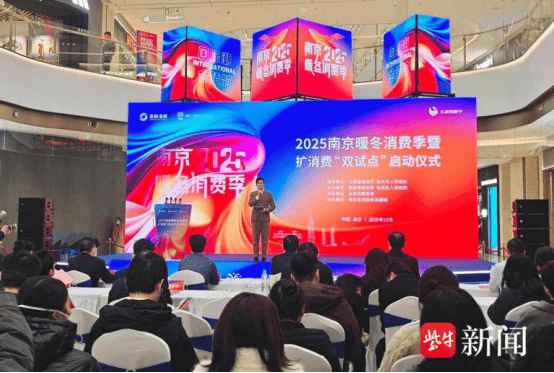
双试点“加冕”!南京三重“魔法”解锁消费升级新次元
Sou Hu Cai Jing· 2025-12-19 11:18
Core Insights - Nanjing has been recognized as a "New Consumption Pilot City" and an "International Consumption Environment Construction Pilot City" due to its strong consumer vitality and innovative capabilities [1][3] Policy and Economic Development - Nanjing's government has implemented policies to support consumption upgrades, including the "Three-Year Action Plan for Creating an International Consumption Center City" initiated in 2021, and measures to promote the first-store economy [3][4] - The city has allocated over 10 million yuan in support funds and has hosted annual conferences to foster the development of first stores, resulting in the introduction of approximately 1,500 first stores with a monthly growth rate exceeding 50% [3][4] High-End Consumption Landscape - Nanjing has attracted over 95% of international first-tier brands, including the world's first stores for LV and Valentino, and has seen significant sales growth in high-end retail spaces like Deji Plaza, which reported sales exceeding 24.5 billion yuan [4][6] - Local brands are also thriving, supported by government policies, creating a dual consumption landscape of international brands and local innovations [4][6] Innovative Consumption Scenarios - The city integrates urban renewal with commercial development, creating diverse consumption spaces that appeal to both international and local consumers [6][7] - New business districts are designed to attract younger consumers with trendy offerings such as esports, themed camping, and immersive experiences, while historical areas are revitalized to enhance cultural consumption [6][7] International Consumer Environment - Nanjing is enhancing its international consumer environment by improving customs services and expanding tax refund points to 155 locations, facilitating a smoother experience for inbound travelers [9][12] - The city has also implemented international payment solutions and multilingual services to cater to foreign consumers, positioning itself as a top destination for international spending in China [12][9] Conclusion - Nanjing is making comprehensive efforts to unlock the potential of consumption upgrades, combining policy support, market dynamics, innovative scenarios, and enhanced services to establish itself as a leading international consumption center [12]

快时尚MANGO重返中国开店,创始人家族司法阴影未除
Nan Fang Du Shi Bao· 2025-12-18 13:26
在收缩业务前,MANGO存在产品创新力不足,同质化严重,上新节奏慢等问题,时尚敏锐度不及 ZARA,品类覆盖力无法与优衣库抗衡,价格竞争力也弱于H&M,处于"上下不靠"的尴尬境地,无法满 足年青一代对快时尚产品的需求。而且这几年,国内兴起了很多高性价比的本土品牌,年轻人有了更多 选择,留给国外快时尚品牌的空间自然也就越来越少。近年来线下门店逐渐收缩,仅有天猫旗舰店作为 与中国消费者进行沟通的主要渠道,缺少线下门店提供的体验感,也是MANGO与其他快时尚品牌的巨 大鸿沟。 与此同时,品牌的数字化节奏也略显滞后。2021年,MANGO宣布暂缓线下门店扩张计划时曾表示,将 更多资源投入到线上电商平台。南都N视频记者对比去年7月与今年12月的数据,MANGO天猫旗舰店目 前粉丝372万,优衣库和ZARA天猫旗舰店的粉丝量则分别达到3300万+和2500万+,差距仍然较大。 MANGO京东旗舰店去年7月仅有108人关注,目前有近30万人关注,不过销量最高的商品也仅有两位数 销量。MANGO小红书官方账号的粉丝从去年的不到2000粉丝,目前有近万粉丝,并且小红书店铺已开 始运营,每周上新约有20件。 MANGO几乎退出中 ...

一边拼命开小店,一边砸钱做旗舰店,品牌到底在谋划什么?
Sou Hu Cai Jing· 2025-12-18 12:16
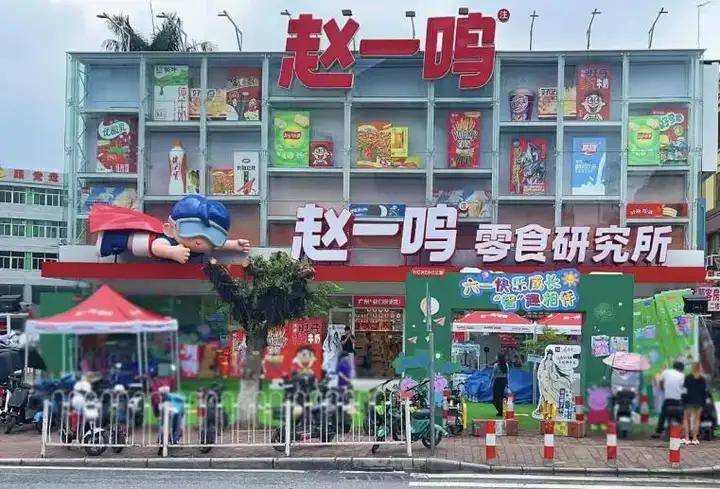
Core Insights - The commercial real estate sector is witnessing a dual strategy where brands are simultaneously opening small community stores and investing heavily in flagship stores in prime locations, indicating a shift in consumer habits and market trends [1][5] Group 1: Coexistence of Small and Large Stores - Small stores and flagship stores are growing together, with brands like Zhao Yiming Snacks utilizing a high-density layout strategy to cater to the convenience needs of urban consumers [2][4] - Flagship stores serve as immersive brand experiences, functioning as advertising platforms while also driving sales [2][5] Group 2: Transformation of Offline Store Functions - The evolution of brand perception has led to a redefined role for physical stores, which are now seen as specialized entities rather than mere sales channels [4][5] - Small stores benefit from lower rent and operational costs, allowing for efficient market penetration and immediate consumer engagement [4][5] Group 3: Consumer Behavior and Market Segmentation - The increasing stratification of consumer demand necessitates different operational models for small and flagship stores, with each fulfilling distinct roles within the brand ecosystem [5][6] - Small stores cater to high-frequency, immediate purchasing needs, while flagship stores provide unique social experiences and quality upgrades [5][6] Group 4: Challenges in the Dual-Store Model - The rise of online shopping has intensified competition for both small and flagship stores, as consumers increasingly prefer the convenience of e-commerce [9][11] - The high costs associated with creating and maintaining flagship stores pose significant challenges for brands, requiring careful management to ensure that enhanced experiences translate into sales [12][13] Group 5: Future Trends in Retail - The focus for small stores will shift towards improving operational quality and integrating into local communities, while flagship stores may evolve into multi-experience platforms that enhance brand identity [13][15] - Strong supply chains and digital capabilities will be essential for both small and flagship stores to meet consumer demands effectively and maintain competitive advantages [15][16]
“在逃刘亦菲”们,已经不逛女装区
3 6 Ke· 2025-12-18 09:54
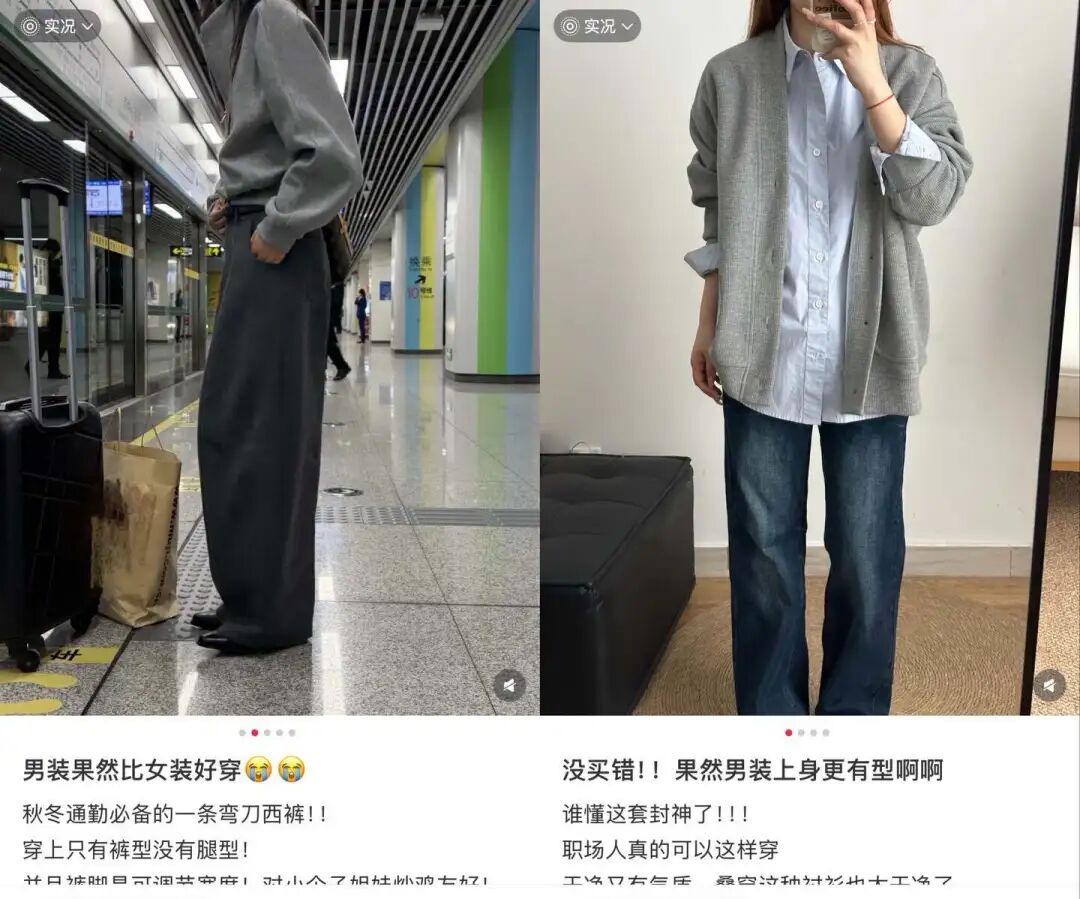
Core Insights - The article discusses a growing trend among female consumers, particularly younger women, who are increasingly purchasing men's and children's clothing instead of traditional women's wear, driven by better quality and lower prices [1][9][12]. Group 1: Consumer Behavior - Female consumers are abandoning women's clothing sections due to dissatisfaction with quality and fit, often finding that men's clothing offers better value for money [2][4]. - Social media platforms are buzzing with discussions around women buying men's and children's clothing, indicating a shift in traditional fashion consumption patterns [1][7]. - The trend reflects a collective awakening among young women who are rejecting the "pink tax," where women's clothing is often priced higher than similar men's items [12][16]. Group 2: Quality and Pricing Discrepancies - Data shows that the average price of fast fashion women's clothing has increased by about 20% over the past decade, while the quality has not improved correspondingly [9]. - Women's clothing often uses thinner materials and has less durable construction compared to men's clothing, which is perceived as more practical and better made [11][12]. - Children's clothing is seen as a price advantage, with items often costing 60-70% less than similar adult women's clothing, while maintaining better quality standards [7][9]. Group 3: Market Implications - The blurring of gender lines in clothing consumption is forcing brands to rethink their product lines and marketing strategies, with some brands already introducing gender-neutral collections [14][16]. - Fast fashion brands like ZARA and Uniqlo are beginning to adapt by offering more unisex styles and adjusting sizing standards to meet changing consumer demands [14][15]. - The trend indicates a need for the fashion industry to address issues such as size inclusivity and fair pricing, moving away from outdated gender stereotypes in clothing design [15][16].
两年门店扩至170家,这个被收购的美国品牌活过来了
3 6 Ke· 2025-12-18 05:10
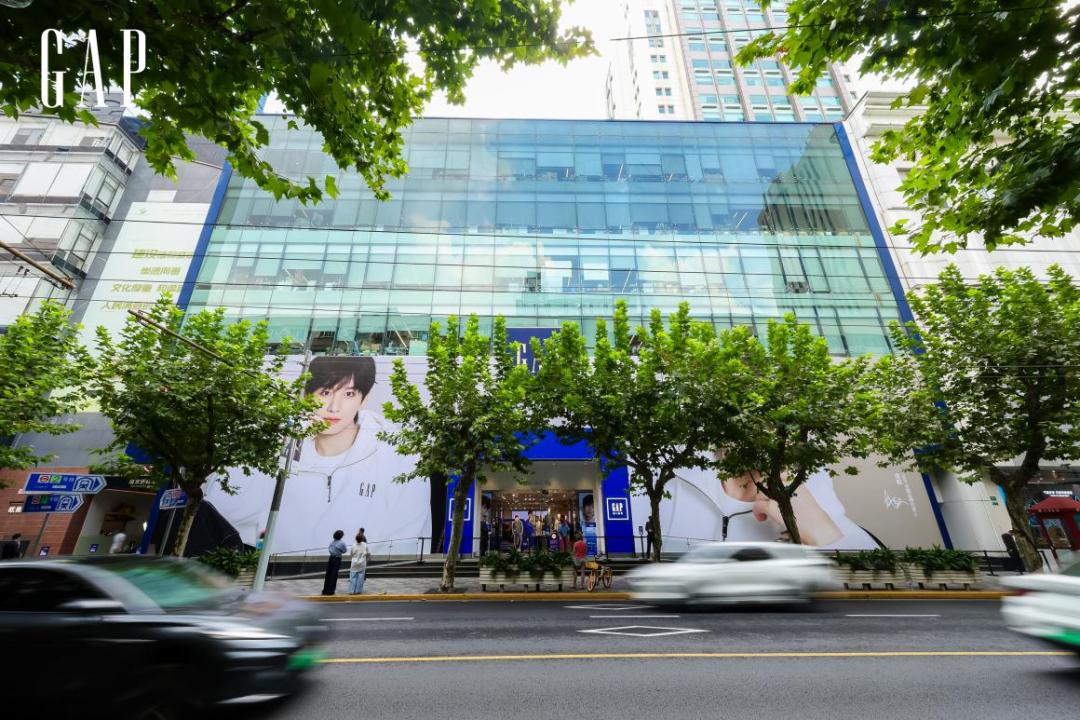
Core Viewpoint - The recent trend of foreign brands selling their Chinese operations highlights the necessity for deep localization to revitalize brand growth in the Chinese market [3][4]. Group 1: Foreign Brand Acquisitions - Starbucks China was sold to Boyu Capital, and Burger King China was acquired by CPE Yuanfeng, indicating a growing trend of foreign brands divesting their Chinese operations [1][2]. - Anta has become an experienced player in acquisitions, and in early 2023, Baozun completed the acquisition of GAP's China business, joining the ranks of local companies reshaping foreign brands [3]. Group 2: Operational Challenges and Solutions - GAP China faced over 40 complex operational systems that were not interconnected, leading to lengthy decision-making processes [4]. - Baozun spent ten months localizing GAP China's systems and streamlined operations, resulting in a 7% year-on-year increase in same-store sales and an increase in store count from over 120 to 170 [5][8]. Group 3: Brand Strategy and Positioning - GAP's core strategy is "Local for Local, China for China," focusing on local operations, supply chains, and consumer perspectives in product development [11]. - The brand's positioning has shifted to emphasize emotional connections with consumers rather than relying on discount-driven sales, aligning with GAP's global brand evolution [12][16]. Group 4: Consumer Engagement and Marketing - GAP aims to create emotional connections through brand narratives centered around music and dance, enhancing in-store experiences and social media engagement [13]. - The brand's marketing efforts have led to increased consumer engagement, as evidenced by a rise in user-generated content following the announcement of a new brand ambassador [14]. Group 5: Supply Chain and Product Development - The local supply chain now accounts for approximately 70% of GAP China's operations, allowing for quicker responses to market demands [27]. - The company is focused on balancing local and global product offerings to meet consumer needs while maintaining brand identity [28]. Group 6: Future Outlook and Challenges - The company acknowledges that achieving greater growth potential will require time for consumers to recognize brand changes [30]. - GAP China's localized marketing strategies have garnered positive responses, providing insights for GAP's global operations [31].


快时尚2025: 更“高”,更“快”,更“强”
3 6 Ke· 2025-12-18 03:26
Core Insights - The fast fashion industry has undergone significant changes over the past year, presenting numerous opportunities for growth and transformation [1][2][4] Group 1: Industry Trends - The fast fashion industry is shifting towards higher-end markets, with brands like Uniqlo and H&M adapting their strategies to capture this growth [2][4] - There is an acceleration in trend adaptation and brand management strategies, driven by rapid changes in consumer preferences [2] - The integration of AI technology is becoming a key driver for industry development, enhancing efficiency in design, marketing, and operations [2][36] Group 2: Company Performance - Major brands like Uniqlo's parent company Fast Retailing reported revenue and profit growth, with a 9.6% increase in total revenue to 3,400.5 billion yen and a 16.4% rise in net profit to 433.009 billion yen for the fiscal year ending August 2026 [4][6] - H&M's operating profit for the third quarter of fiscal year 2025 increased by 40% to 4.914 billion Swedish Krona, while Inditex, the parent company of Zara, also saw slight revenue and profit growth [4][6] Group 3: Market Challenges - Despite the recovery of major brands, the Chinese market presents challenges, with Uniqlo's revenue in the Greater China region declining by 4% to 650.2 billion yen, marking it as the only overseas market with negative growth [6][10] - Brands are actively reforming their strategies in China, focusing on enhancing store experiences and localizing product offerings to better cater to consumer preferences [8][10] Group 4: Competitive Landscape - Foreign brands are adopting a defensive strategy, closing underperforming stores, with Uniqlo closing 24 stores in China and Zara reducing its presence significantly [12][14] - In contrast, local brands are expanding internationally, with companies like UR entering markets in New York and London, and Semir increasing its overseas revenue by 79.19% to 52.08 million yuan [14][16] Group 5: Brand Strategies - Fast fashion brands are focusing on larger, more experiential stores, with new openings featuring advanced technology and enhanced customer experiences [27][29] - Brands are also increasing prices and collaborating with high-profile designers to elevate their market positioning and appeal to higher-end consumers [30][31] Group 6: AI Integration - AI is being integrated across various aspects of fast fashion, from design to logistics, with brands like SHEIN utilizing AI for trend forecasting and product design, significantly reducing time to market [36][38] - The use of AI in marketing is also on the rise, with companies like H&M employing digital models to cut production costs and streamline marketing efforts [36][38]


推动MUSINSA上海开首店,安踏在打什么算盘
Bei Jing Shang Bao· 2025-12-16 13:17
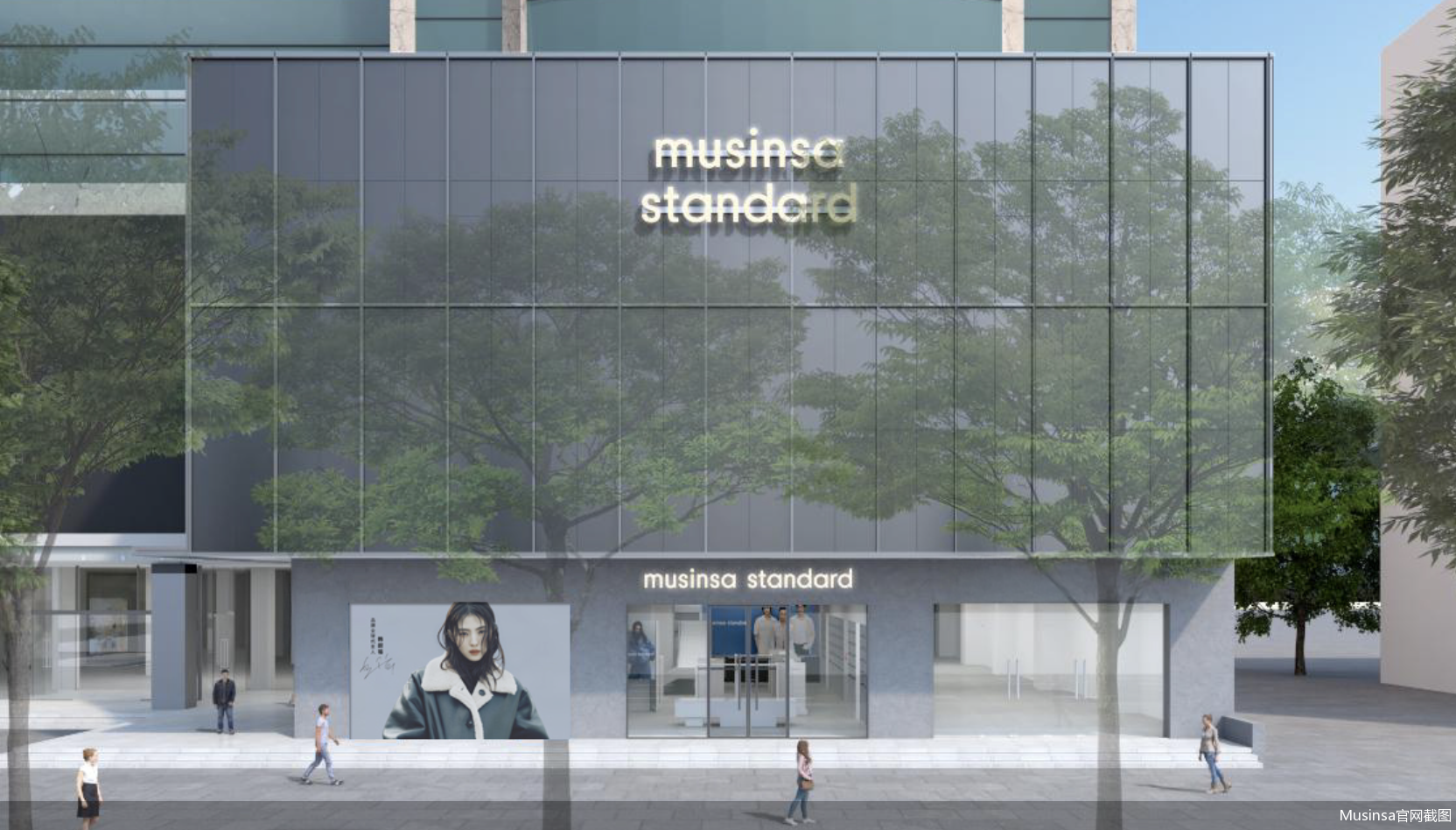
Core Insights - Anta Sports is accelerating its investment in the fashion sector by partnering with the Korean fashion brand MUSINSA, which recently opened its first offline store in China and plans to establish 100 stores in the next five years [1][3][6]. Group 1: Anta Sports and MUSINSA Partnership - Anta Sports acquired a 1.7% stake in MUSINSA for 50 billion KRW and established a joint venture named "MUSINSA China," with Anta holding 40% and MUSINSA 60% [6][7]. - The collaboration aims to leverage Anta's experience in operating foreign brands in China, enhancing MUSINSA's growth in the local market [6][10]. - Anta's investment strategy reflects a shift towards integrating fashion with sports, aiming to expand its brand portfolio and market presence [6][10]. Group 2: MUSINSA's Market Strategy - MUSINSA plans to optimize its business model in China by focusing on logistics, distribution, and store operations, with a goal of reaching 100 stores by 2030 and achieving a global GMV of 3 trillion KRW [3][4]. - The brand's pricing strategy positions its products between 20 to 70 USD, appealing to a younger demographic [3][10]. - MUSINSA's entry into the Chinese market faces significant competition from established brands like Uniqlo, Zara, and H&M, which may pose challenges for its expansion [4][10]. Group 3: Market Context and Challenges - The Chinese fashion market is highly competitive, particularly in the sports and fashion sectors, requiring new entrants to have distinct advantages to succeed [4][10]. - Recent trends indicate a slowdown in growth for established brands like Anta and Fila, necessitating new avenues for expansion and revenue generation [7][8]. - The retail landscape in China is undergoing significant changes, with a shift towards online and integrated retail models, which may impact MUSINSA's traditional store expansion strategy [4][10].
2025秋冬穿什么?优衣库、北面已霸屏!3大风格 + 5大场景,解锁衣橱灵感密码
Sou Hu Cai Jing· 2025-12-03 08:12
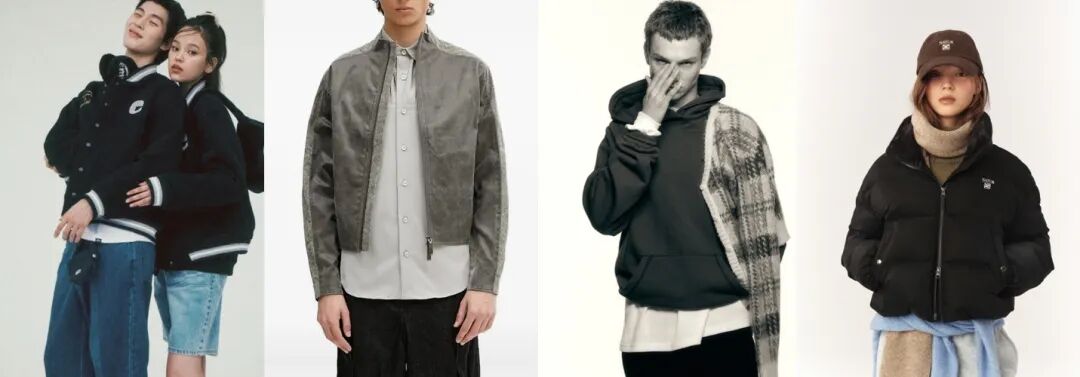
Core Insights - The apparel market is showing resilience in a fluctuating consumer environment, with retail sales of clothing, shoes, and hats increasing by 3.1% year-on-year in the first half of 2025 [2][3] - Social media engagement for autumn/winter apparel has surged, with Douyin's content views exceeding 80 million and Xiaohongshu's related content voice surpassing 12 million, indicating a strong pre-season demand [2][4] - The consumer demand has evolved from basic warmth to a comprehensive expression of style, scene adaptation, and emotional value, driven by a new wardrobe construction logic [2][5] Industry Trends - The clothing price index has remained above 100 since January 2023, indicating a stable and upward trend, with a peak of 103.09 in the first half of 2025 [3] - The dual attributes of clothing as both a necessity and a means of self-expression have led consumers to prioritize high-quality, stylish products even during economic downturns [3][5] - The autumn/winter apparel market is characterized by a clear category structure, with tops being the core pillar, particularly down jackets, sweaters, and hoodies [6][7] User Demand - Female consumers dominate the market, accounting for 62.6%, with the 25-34 age group representing nearly 40% of the core user base [5] - There is a significant shift in consumer focus from basic functionality to emotional value, with 83% still prioritizing warmth, but increased attention on fashion, comfort, and aesthetic quality [5][6] - Users are increasingly seeking high-quality materials and versatile clothing that can adapt to various scenarios, reflecting a demand for "one garment, multiple wears" [6][10] Scene Segmentation - The commuting scene is the primary consumption area, accounting for 36% of the volume, with a 14% growth rate, emphasizing the need for effortless dressing that balances professionalism and comfort [7][8] - Outdoor apparel remains stable in user interest, with a focus on functionality, aesthetics, and adaptability to different scenarios [10][12] - The rise of specific styles such as "Amber Flow," "Safaricore," and "New Retroism" reflects diverse consumer preferences and the blending of vintage elements with modern design [12][15] Brand Strategies - Brands must focus on understanding the core consumer group of high-line city women aged 25-34, balancing cost-effectiveness, functionality, and design [17] - There is a need for tailored products and marketing strategies that cater to specific scenarios like commuting and outdoor activities [17] - Engaging with social media platforms like Douyin and Xiaohongshu is crucial for brands to create trending topics and resonate emotionally with consumers [17][18]

年销691亿,Costco成了全球服装巨头
Xin Lang Cai Jing· 2025-11-28 07:23
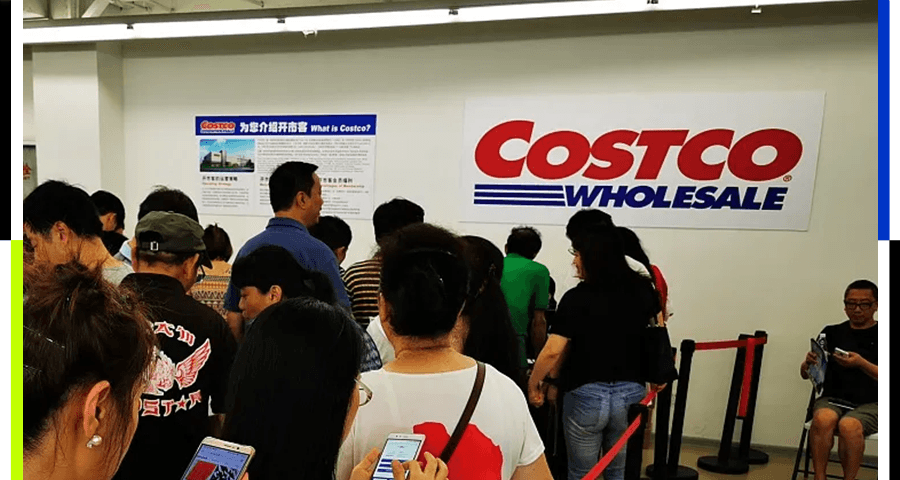
Core Insights - Costco has quietly become a global apparel giant with sales reaching $9.7 billion in fiscal year 2025, surpassing major brands like Prada and Coach [3][4] - The company's apparel sales have grown by 40% from 2019 to 2024, with a compound annual growth rate (CAGR) of nearly 7%, while the overall clothing market in China and the U.S. has slowed down [3][4] - Costco's unique selling proposition lies in its ability to offer both affordable basics and luxury brands, appealing to a younger demographic that is increasingly skeptical of traditional luxury pricing [7][9] Apparel Strategy - Costco's clothing strategy focuses on selling basic items with a limited selection, maintaining only 4000 SKUs in total, which is significantly lower than traditional supermarkets [12] - The company employs a bundling sales approach to increase turnover and reduce costs, allowing for lower prices while still maintaining profitability [12][13] - Despite a lower gross margin of 14-15% in its apparel segment, Costco's massive sales volume allows it to outperform many fashion brands [13][14] Membership Model - Membership fees are the primary profit driver for Costco, contributing $5.32 billion in fiscal year 2025, which accounts for 65.7% of net profit [17][18] - The company has a high membership renewal rate of nearly 90%, indicating strong customer loyalty and satisfaction [20] - Costco's strategy of placing luxury items prominently and offering exclusive member benefits is designed to enhance customer retention and encourage repeat visits [18][22] Market Position - Costco's overall revenue for fiscal year 2025 reached $275.24 billion, positioning it among the top five global retailers [16] - The company's apparel business, while significant, is still considered a secondary operation compared to its core fast-moving consumer goods (FMCG) offerings [16][21] - The success of Costco's apparel segment in markets like China demonstrates the effectiveness of its business model in diverse regions [21][22]

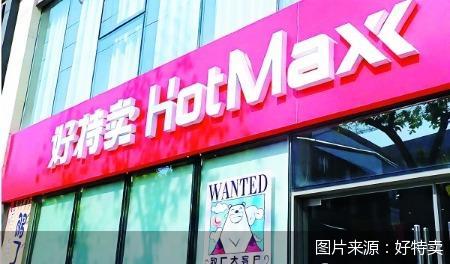
3.9元一杯美式 好特卖开卷低价咖啡
Bei Jing Shang Bao· 2025-11-20 16:30
Core Insights - The company "好特卖" is expanding its business by introducing coffee counters in select stores, maintaining its low-price strategy with prices starting at 3.9 yuan for American coffee [1][3] - The move into the coffee sector is seen as a way to enhance brand image rather than a primary revenue source, as the company lacks experience in fresh food products [1][6] - The coffee market is becoming increasingly competitive, with many brands entering the space, making it challenging for "好特卖" to capture market share [7][8] Company Strategy - "好特卖" has recently launched coffee products in its stores, offering a variety of options including three types of American coffee and four types of lattes, with prices ranging from 3.9 yuan to 6.9 yuan [3][4] - The company aims to create a multi-category retail environment, having already opened three "超级仓" stores in Beijing that feature various product zones [5] - The introduction of coffee is part of a broader strategy to diversify offerings and improve brand perception, moving beyond just low-priced goods [6][8] Market Context - The ready-to-drink coffee market is projected to grow, with an expected market size of nearly 130 billion yuan by 2025, indicating a favorable environment for new entrants [7] - Competitors in the coffee market include established brands and new entrants from various sectors, making the landscape highly competitive [6][7] - The trend shows that coffee is transitioning from a niche product to a mainstream necessity, which aligns with "好特卖's" strategy to attract cost-conscious consumers [6][7] Operational Considerations - The coffee counters currently only allow in-store ordering, with plans for potential expansion to more locations in the future [3][4] - The company faces challenges in maintaining quality control and food safety standards, as it has primarily dealt with packaged foods in the past [8] - The operational costs associated with coffee production, including fluctuating coffee bean prices, may limit profit margins and require high sales volumes to break even [8]