沃尔玛

Search documents
宏观策略周报:全球关税升级风险加大,全球风险偏好整体降温
Dong Hai Qi Huo· 2025-03-18 04:57
Domestic Economic Outlook - China's February PMI data exceeded expectations, indicating a strong economic start and continued recovery[3] - Despite the short-term impact of increased US tariffs on Chinese exports, government spending has significantly increased during the Two Sessions, and the central bank has indicated potential interest rate cuts, supporting a bullish outlook for the stock market[3] - The weakening US dollar has alleviated pressure on the RMB exchange rate, enhancing domestic demand and market policy support, leading to an overall increase in domestic risk appetite[3] International Economic Risks - The US has imposed a 25% tariff on global steel and aluminum products, prompting retaliatory measures from Canada and the EU, escalating global trade tensions[3] - Morgan Stanley and Goldman Sachs have downgraded US GDP growth forecasts for 2025 from 1.9% to 1.5% and from 2.2% to 1.7%, respectively, indicating a deteriorating economic outlook[4] - US February CPI slowed to 2.8% year-on-year, with core CPI at 3.1%, both below market expectations, increasing bets on at least two interest rate cuts by the Federal Reserve this year[5] Market Strategy Recommendations - Maintain a cautious bullish stance on A-share index futures (IH/IF/IC/IM) in the short term; commodities should be observed cautiously, and government bonds should also be viewed with caution[3] - The ranking of asset classes is: stock indices > commodities > government bonds[3] - In commodities, precious metals are prioritized, followed by non-ferrous metals, black metals, and energy[3] Risk Factors - Potential for unexpected tightening of Federal Reserve monetary policy[3] - Geopolitical risks and intensifying US-China tensions pose significant threats to market stability[3]
深夜,中国资产大涨!特朗普,最新宣布
21世纪经济报道· 2025-03-17 23:49
Core Viewpoint - The article discusses the current state of the U.S. economy, highlighting concerns over retail sales, inflation, and the impact of new tariff policies on economic growth and consumer behavior. Group 1: Stock Market Performance - On March 17, U.S. stock indices collectively rose, with the Dow Jones up 0.85%, S&P 500 up 0.64%, and Nasdaq up 0.31% [1] - Popular tech stocks showed mixed results, with Intel rising nearly 7% due to CEO's plans for reform, while Tesla fell over 4%, losing approximately $39 billion in market value [2] Group 2: Retail Sales and Economic Concerns - The U.S. Commerce Department reported a 0.2% increase in retail sales for February, below the expected 0.6%, raising concerns about the economic growth outlook [5] - Retail giants like Walmart and Target have issued warnings about changing market sentiments and stagnant consumer spending [16] Group 3: Tariff Policies and Economic Impact - The article discusses the historical trade deficit of $1.2 trillion in 2024, attributing it to the decline of U.S. manufacturing and the challenges of reshoring production [12] - New tariff policies are expected to harm economic growth, with predictions of a potential recession as consumer spending declines due to increased prices [16][18] - The automotive sector is particularly vulnerable, with analyses suggesting that increased tariffs could reduce North American auto production by one-third [13] Group 4: Consumer Behavior and Inflation - Inflation has persisted for four years, leading to a significant decrease in consumer purchasing power, with personal savings returning to pre-pandemic levels while prices have doubled [17] - The Consumer Price Index (CPI) report indicated a 0.2% month-over-month increase in inflation for February, with a year-over-year increase of 3.1% [15] Group 5: AI Investment Landscape - The article notes that the current AI investment climate is undergoing a "big reshuffle," with only companies with real capabilities likely to survive amidst economic uncertainties [19]


1.5万中国老板“硬扛”沃尔玛
创业邦· 2025-03-16 03:11
Core Viewpoint - Walmart's demand for a 10% price reduction from Chinese suppliers in response to increased tariffs has sparked significant backlash, as many suppliers operate on razor-thin profit margins, making such reductions unsustainable [1][12][19]. Group 1: Walmart's Business Strategy - Walmart has three main business segments: Walmart U.S., Walmart International, and Sam's Club, with the price reduction request primarily affecting Walmart U.S. operations [1]. - The company has a long history of leveraging its bargaining power to negotiate lower prices from suppliers, previously demanding a 15% reduction in 2015 to compete with Amazon [3][10]. - As of 2023, over 60% of Walmart's global procurement comes from China, with procurement amounts exceeding $30 billion annually [8][16]. Group 2: Impact on Suppliers - Many Chinese suppliers are facing severe financial strain, with net profit margins often below 5%, and some as low as 1.5% [2][11]. - The 10% price cut demanded by Walmart is seen as a critical threat to the survival of many suppliers, particularly smaller ones who rely heavily on Walmart for their business [12][13]. - Suppliers have previously adapted to price pressures through digital reforms and cost-cutting measures, but the current demands are pushing them to the brink of unsustainability [12][19]. Group 3: Market Dynamics - The ongoing trade tensions and tariff increases have created a volatile environment for retail, with suppliers struggling to maintain profitability while meeting Walmart's demands [10][19]. - Walmart's ability to maintain its low-price strategy is supported by its efficient supply chain management, which includes advanced logistics and technology [8][9]. - The potential for a significant supply chain disruption exists if Chinese suppliers collectively halt shipments, which could lead to a 30% vacancy rate on U.S. supermarket shelves within 45 days [18]. Group 4: Future Outlook - Despite the current challenges, Walmart's sales continue to grow, with a reported 5.3% increase in the third quarter of the previous year, indicating a strong demand for lower-priced goods among consumers [19]. - The long-term outlook for Chinese suppliers may hinge on their ability to diversify markets and upgrade technology to reduce dependency on low pricing strategies [19][20].


特朗普的“关税经济学”错在哪里?
吴晓波频道· 2025-03-15 15:25
图源:X 但沃尔玛满满的求生欲并没能换来太久的安全,近日,特朗普又将大棒砸到了沃尔玛头上,尽管他本意并非如此。 点击图片▲立即收听 " 特朗普的努力正在落入 ' 俄狄浦斯式的命运悖论 ' :一个人知晓了宿命,接着努力躲避宿命,然而正是这种努力,导致了他最终落入宿命。 " 文 / 巴九灵(微信公众号:吴晓波频道) 说到风险规避,可能没有几个企业比沃尔玛更注重。 去年,特朗普确认胜选当月月底,沃尔玛就顶着汹汹舆情,对"多元化、公平与包容"(DEI)战略进行了重大调整,宣布将逐步关闭"种族平等中 心",并对LGBTQ主题商品进行更严格地管理。 这次"投诚",得到了新总统"从龙之臣"伊隆·马斯克的高度赞扬。 马斯克说"这是一个分水岭" 事情的起因是特朗普早前宣布,从3月4日起对中国输美产品加征10%关税,累计加征关税率达到20%。据媒体报道,沃尔玛的应对方法是要求它的 供应商们每轮关税降价10%,基本等同于要求其承担特朗普关税的全部成本,引发中国供应商强烈不满。 于是,在3月11日,中国商务部等部门约谈美国零售巨头沃尔玛,了解情况。对此,央视旗下新媒体"玉渊谭天"的点评一阵见血:美国单边加征关 税伤害中美企业,中美企 ...
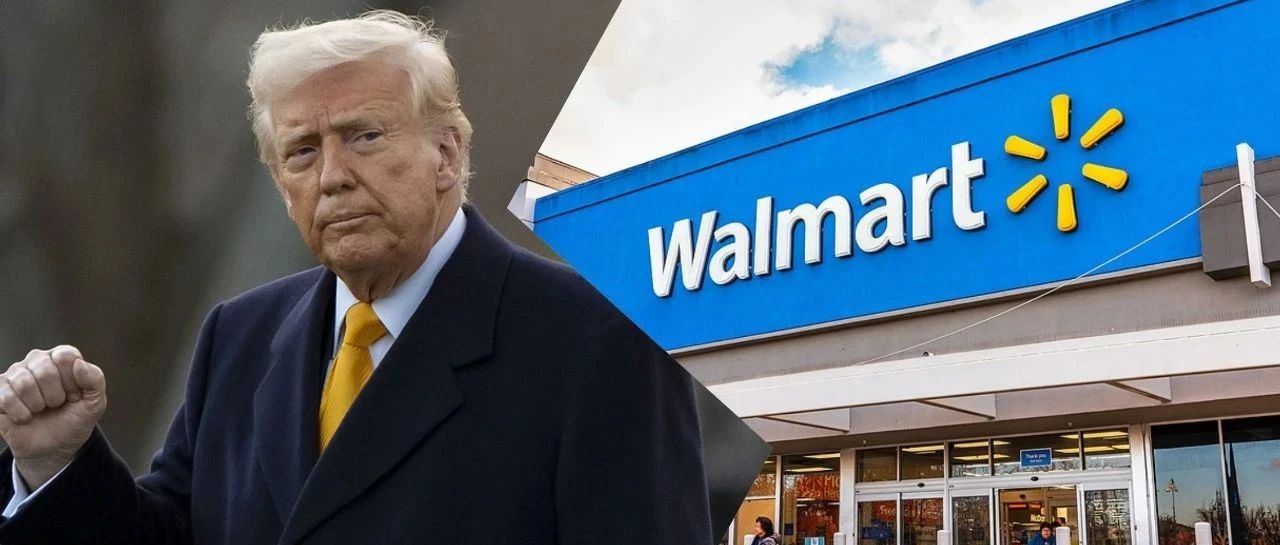
在山姆,大牌奢侈品都开始搓堆卖了
创业邦· 2025-03-15 10:02
Core Viewpoint - The article discusses the changing consumption behavior of urban middle-class consumers at Sam's Club, highlighting their shift towards purchasing luxury goods at discounted prices, reflecting a broader trend of consumption downgrade in the current economic climate [2][3][16]. Group 1: Consumer Behavior - Urban middle-class consumers are increasingly targeting luxury items at Sam's Club, demonstrating a shift from traditional luxury shopping venues to warehouse membership stores [3][4]. - The article illustrates how these consumers meticulously compare prices across platforms, seeking value in their purchases, which has become a new norm in their shopping habits [4][5]. - The perception of luxury has evolved, with consumers now prioritizing discounts and value over brand prestige, as evidenced by their willingness to shop at a warehouse store for high-end brands [5][14]. Group 2: Pricing Strategy - Sam's Club employs a pricing strategy that significantly reduces the brand premium on luxury goods, allowing middle-class consumers to access high-quality products at lower prices [13][14]. - The article notes that Sam's Club benefits from Walmart's extensive global supply chain, enabling it to offer competitive pricing on luxury items while maintaining quality [13][14]. - The presence of luxury goods at Sam's Club is not merely a marketing gimmick but a strategic move to attract consumers who are looking for value in their purchases [14][16]. Group 3: Market Positioning - Sam's Club has positioned itself as a one-stop shopping destination for middle-class consumers, offering a wide range of products that cater to various lifestyle needs, including luxury items [8][14]. - The article emphasizes that the integration of luxury goods into Sam's Club's offerings has created a unique shopping experience that blends everyday practicality with aspirational consumption [14][16]. - This positioning allows Sam's Club to tap into the growing trend of consumption downgrade, where consumers seek to balance quality and affordability in their purchasing decisions [14][16].
速递|美团Keeta香港卷趴竞争对手,补贴之下香港外卖市场份额已占43%
Z Finance· 2025-03-14 11:39
Core Viewpoint - Deliveroo announced its exit from the Hong Kong market after ten years of operation, primarily due to losses incurred from aggressive pricing strategies employed by its competitor Keeta, which is subsidized by its parent company Meituan [1][5]. Group 1: Market Dynamics - Keeta is expanding into new markets, including Saudi Arabia, and is employing similar aggressive pricing strategies to capture market share [2][4]. - Keeta's active user base reached 1 million in January, matching that of Delivery Hero's Hungerstation [2]. - Keeta's market share in Hong Kong's food delivery sector grew to 43% by the end of Q4 2024, making it the largest player by total sales in the food and grocery delivery space [6][7]. Group 2: Competitive Landscape - Meituan, established in 2010, has grown to become the world's largest food delivery platform, with a total transaction volume of €1360 billion (approximately $1480 billion) last year, nearly double that of Uber Eats and DoorDash [5]. - The food delivery industry is facing challenges as investors demand profitability after a period of aggressive expansion during the pandemic [5]. - Delivery Hero's CEO indicated that the IPO of its Middle Eastern subsidiary Talabat generated $2 billion in cash, positioning the company favorably against competitors like Meituan [9]. Group 3: Consumer Behavior - Hong Kong resident Simon Miao canceled his Deliveroo subscription due to high costs and switched to Keeta, which offers better restaurant choices, discounts, and free delivery [2]. - Part-time delivery riders in Hong Kong are attracted to Keeta due to higher earnings per order compared to other platforms [7].

山姆食品又出事
盐财经· 2025-03-14 09:23
Core Viewpoint - Recent consumer complaints about "Sam's Organic High Calcium Fresh Milk" suggest potential spoilage within the shelf life, with reports of clumping and sour taste [1][2]. Group 1: Product Quality Issues - Multiple batches of the affected milk have been reported, leading to the product being removed from various purchasing channels [2] - Sam's customer service stated that the clumping and separation could be due to protein reactions from temperature changes or transportation, advising customers not to use the product and to contact for after-sales support [3] Group 2: Food Safety Concerns - Sam's Club has faced multiple food safety incidents, with five reports of issues within ten days in 2024, including moldy organic bananas [5][6][7] - Recent complaints on the Black Cat complaint platform indicate nearly 10,000 entries related to Sam's [13] Group 3: Financial Performance - Walmart's Q4 fiscal performance for 2025 shows overall revenue growth of 4.1% to $180.6 billion, with operating profit increasing by 8.3% to $7.9 billion [15] - In the U.S. market, Walmart's net sales grew by 5% to $123.5 billion, while Sam's net sales increased by 5.7% to $23.1 billion [16] - The Chinese market has been a highlight, with Walmart's net sales growing by 27.7% to $5.1 billion and same-store sales increasing by 23.1% [17] - Sam's Club in China reportedly contributed approximately 70% of Walmart's revenue in the region, with membership income growth exceeding 35% [18]
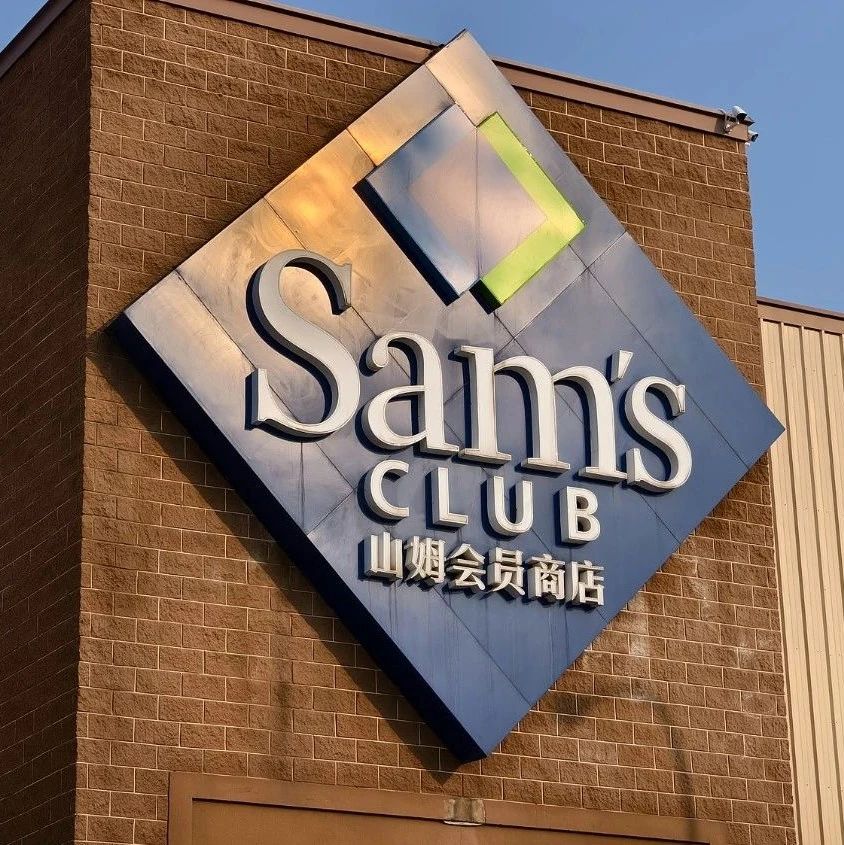
商务部回应沃尔玛被约谈!
证券时报· 2025-03-13 09:21
商务部:相关司局已向沃尔玛公司了解有关情况。 近日,有报道称商务部等部门约谈沃尔玛。沃尔玛被约谈的原因,是其要求一些中国供应商大幅降价,企图将 美对华加征关税的负担转嫁给中国供应商和中国消费者。 对此,商务部新闻发言人在今天(3月13日)下午召开的例行新闻发布会上作出了回应。发言人何咏前表示, 我们注意到了媒体有关报道,也陆续收到了部分企业的反映。为此商务部相关司局向沃尔玛公司了解了有关情 况,沃尔玛公司对相关情况进行了说明。 据玉渊谭天3月12日消息,知情人士透露,3月11日,商务部等有关部门约谈沃尔玛。这次约谈有以下几个值得 关注的信息点: 1. 沃尔玛单方面要求中国企业降价,可能造成供应链断裂的风险,损害中美企业和美国消费者的利益。 2. 沃尔玛临时要求中国供应商降价,有违反商业合同的可能。这样会扰乱正常的市场交易秩序。 校对: 王朝全 版权声明 3. 美单边加征关税伤害中美企业,中美企业应该携手共同应对。 4. 如果沃尔玛执意如此,那等待沃尔玛的,就不只是约谈了。 守护消费者权益 共建透明消金环境 消费金融满意度调 长按识别二维码参与调查 诚邀您参与, 一起护航财富之路! 另据中国纺织品进出口商会(简 ...

策略日报(2025.03.12)-2025-03-12
Tai Ping Yang Zheng Quan· 2025-03-12 15:44
Group 1: Bond Market - The bond market has stabilized and rebounded as expected, with all maturities of interest rate bonds rising, particularly the long end outperforming the short end. The market has fully priced in the interest rate cut expectations, and the 10-year government bond futures have stabilized after reaching a technical support level [3][16][18] - The 1-year government bond yield has fully priced in the expected interest rate cut for this year, and the yield curve is currently flat, indicating a lower probability of making significant bets [18][16] Group 2: Stock Market - The A-share market has shown a mixed performance, with sectors that performed well yesterday declining today, indicating a fragmented market. The small-cap index has performed well, while the tech and North Star indices have lagged [4][21] - The technology sector's long-term bull market remains intact, but short-term trading is crowded, leading to potential volatility. Investors are advised to take profits and focus on low-position stocks in consumer, medical, and dividend sectors [4][21][22] Group 3: US Stock Market - The US stock market indices have continued to decline, with the Dow Jones index experiencing a significant drop. The market is expected to undergo a monthly-level adjustment, with investors advised to wait for long-term buying opportunities [4][23] - Recent economic data from the US has underperformed expectations, leading to rising inflation expectations and signs of stagflation. The market's perception of the "Trump Put" has shifted towards a "Trump Recession" narrative [23][26] Group 4: Foreign Exchange Market - The onshore RMB against the USD was reported at 7.2425, up 147 basis points from the previous close. The market is betting on a European recovery narrative, leading to a significant depreciation of the USD index [5][29] - The CNY/USD has strong support around 7.1, and it is expected to remain stable in the range of 7.1-7.4 in the short term. However, there is potential for depreciation due to ongoing trade war pressures [29][5] Group 5: Commodity Market - The Wenhua Commodity Index has slightly declined by 0.04%, with the non-ferrous sector leading gains. However, the overall market is expected to experience downward risks after a short-term fluctuation, and a cautious approach is recommended [5][32]
刚刚,大涨!什么情况?
21世纪经济报道· 2025-03-12 14:14
Group 1 - The U.S. stock market opened higher on March 12, with the Nasdaq rising over 1%, the S&P 500 up 0.55%, and the Dow Jones down 0.14% [1] - Major tech stocks saw significant gains, with Tesla increasing over 7% due to plans for expanding charging infrastructure in North America and Germany [2] - Nvidia rose over 6%, and TSMC increased over 3%, with TSMC announcing collaborations with Nvidia and AMD for Intel's wafer foundry business [2] Group 2 - The U.S. Consumer Price Index (CPI) for February showed a month-on-month increase of 0.2% and a year-on-year increase of 2.8%, marking a new low since November [2] - Core CPI, excluding volatile food and energy prices, also rose 0.2% month-on-month and 3.1% year-on-year, both figures below market expectations [2] - Analysts noted that the CPI report has led to increased bets on the Federal Reserve lowering interest rates at least twice this year, with a significant drop in U.S. Treasury yields observed [3][4]