菜鸟

Search documents
自动驾驶汽车未来增长的三重想象
经济观察报· 2025-08-27 11:57
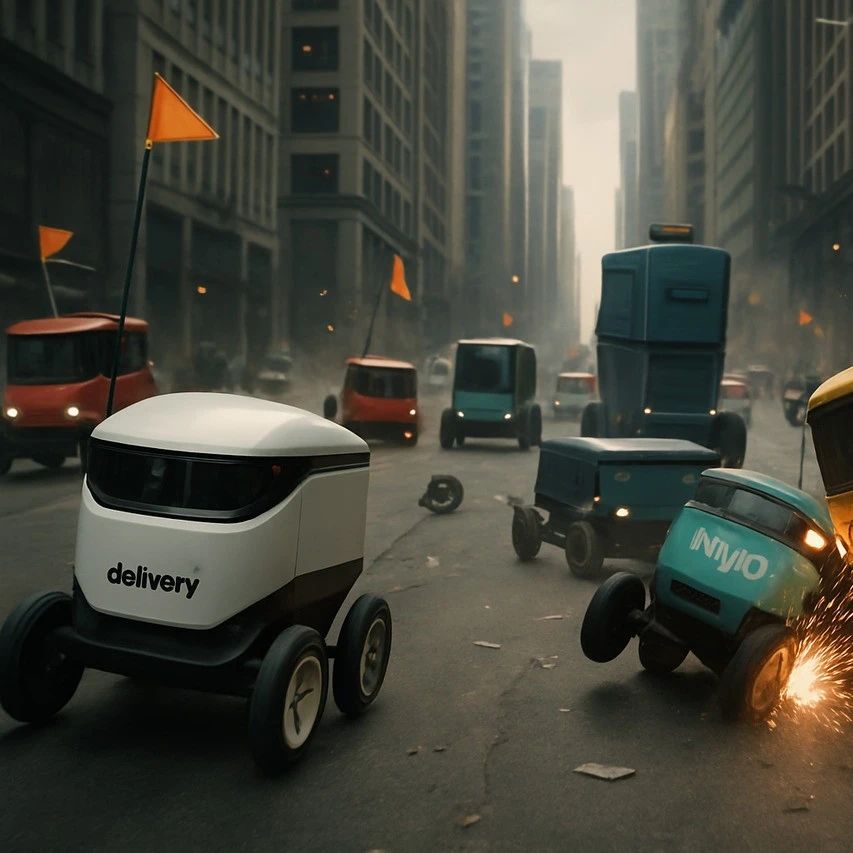
Core Viewpoint - The rise of autonomous driving technology is expected to fundamentally reshape the automotive industry, creating new industries, business models, and economic forms, while also significantly impacting traditional sectors such as taxi and private car services [1][2][13]. Group 1: Impact on the Automotive Industry - Autonomous driving technology is predicted to disrupt various aspects of the automotive industry, including manufacturing, sales, operations, maintenance, and insurance, with the taxi industry being the first to experience these changes [8]. - By 2030, the global market for autonomous vehicles is projected to reach $200 billion, with autonomous vehicles expected to account for 28% of total car sales [5]. - The adoption of autonomous vehicles is anticipated to reduce the need for personal car ownership, as shared autonomous vehicles will provide more efficient and cost-effective transportation options [9][10]. Group 2: New Growth Points - The advent of autonomous driving will lead to an upgrade in in-car services, as passengers will have more free time during their journeys, creating opportunities for monetizing attention through advertising and entertainment [15]. - The logistics and delivery sectors are expected to see significant growth due to the efficiency gains from autonomous vehicles, with companies like Cainiao planning to deploy thousands of autonomous delivery vehicles [16]. - The rise of autonomous driving will necessitate the development of new infrastructure, such as smart roads and charging stations, driven by both government investment and private sector initiatives [17][18].


谋求新突破 快递企业加速布局全球市场
Sou Hu Cai Jing· 2025-08-27 07:48
Core Viewpoint - The express delivery industry in China is experiencing a "volume increase and price drop" trend, prompting companies to focus on international markets for higher profits amid intensified domestic competition [1][4]. Industry Overview - The express delivery sector is a crucial part of the modern circulation system, connecting various industries and integrating online and offline services [3]. - In the first seven months of this year, China's express delivery volume reached 1,120.5 billion pieces, marking an 18.7% year-on-year increase [4]. Market Dynamics - The industry is projected to exceed 2.5 trillion pieces by 2030, with a compound annual growth rate of 8%-10%, leading to a market size surpassing 2.8 trillion yuan [4]. - Despite revenue growth, express delivery companies face declining per-package income, indicating a significant challenge in the industry [5][6]. Company Performance - In July, SF Express reported revenue of 24.847 billion yuan, a 9.95% increase, but with a 14.02% drop in per-package income [5]. - YTO Express, Yunda, and Shentong also reported revenue growth, but with continued declines in per-package income, highlighting the "volume increase and price drop" issue [5]. Competitive Landscape - The industry is shifting from a "low-price competition" model to a focus on service quality and efficiency, as companies aim to break the cycle of negative profit margins and declining service quality [6][7]. - Regulatory bodies are actively promoting measures to combat "involution" in competition, encouraging companies to enhance service quality rather than engage in price wars [6][7]. International Expansion - The global cross-border logistics market is expected to grow from 13.3 trillion yuan in 2020 to 18.6 trillion yuan by 2024, with a compound annual growth rate of 8.75% [8]. - Chinese express companies are accelerating their international expansion, with significant increases in their international development index [8][9]. - Companies like Cainiao and JD Logistics are enhancing their international logistics capabilities, establishing new routes and partnerships to improve service efficiency [9][10]. Future Outlook - The express delivery industry is expected to continue its internationalization, driven by the growth of cross-border e-commerce and international trade [10].



西湖区发布新就业群体友好社会建设十大标志性成果
Hang Zhou Ri Bao· 2025-08-27 02:27
Core Insights - The article highlights the transformative impact of the "Little Brother Academy" in Zhejiang, which empowers new employment groups through education and skill enhancement, leading to significant career advancements and personal growth [1][4]. Group 1: New Employment Group Achievements - Individuals like Lu Shuxia, a former delivery worker, have successfully transitioned to administrative roles after obtaining a diploma from the "Little Brother Academy" [1]. - Huang Xiaoqin, a female delivery rider, progressed from a "single king rider" to a management position, initiated a "senior delivery" service, and won a national skills competition [2]. - Xiao Chen, a courier, received multiple awards in innovation competitions, showcasing the benefits of educational support [2]. Group 2: Systematic Support Framework - The establishment of the "Little Brother Academy" in collaboration with Zhejiang Open University provides free education and skill training for delivery workers and ride-hailing drivers [4]. - The first phase of the "3x100" free education initiative has been completed, with 240 participants in the second phase and 157 currently enrolled [4]. - The "Youth Night School" offers various skill courses, serving over 3,400 participants [4]. Group 3: Community and Social Contributions - New employment groups are actively contributing to community welfare, with 1,123 members joining volunteer services and participating in emergency response efforts [5]. - The establishment of service centers and community support networks has created a supportive environment for over 20,000 new employment group members [5]. - Initiatives like the introduction of technology to assist in delivery logistics demonstrate innovative solutions to operational challenges [5].
独家丨元戎技术合伙人蔡一奇加入京东物流,重启无人配送车边缘业务
雷峰网· 2025-08-26 13:49
Core Viewpoint - JD.com is restarting its unmanned delivery vehicle project, indicating a strategic shift in its logistics operations and a response to competitive pressures in the industry [1][5]. Group 1: Leadership Changes and Strategic Focus - Cai Yiqi, a key figure from Yuanrong Qihang, has joined JD Logistics to lead the unmanned delivery vehicle project, emphasizing a focus on logistics and delivery rather than entering the passenger vehicle market [2][3]. - The organizational structure places Cai Yiqi under the leadership of JD Logistics CEO Hu Wei, reinforcing the commitment to unmanned delivery vehicles [2]. Group 2: Historical Context and Development - The development of JD's unmanned delivery vehicles has evolved since 2018, with significant contributions from key personnel like Kong Qi, who shifted the focus from broad applications to specialized unmanned delivery [3]. - The transition to open road operations without safety drivers was achieved by the end of 2019, marking a significant milestone in JD's unmanned delivery capabilities [3]. Group 3: Industry Competition and Challenges - The emergence of Jiushi Intelligent, founded by former JD employees, has led to a legal dispute over intellectual property, highlighting tensions between JD and its former staff [4]. - Jiushi Intelligent's connection with Meituan through substantial investments adds a layer of competitive dynamics, positioning it against JD in the logistics sector [4][5]. - The ongoing legal issues could severely impact Jiushi Intelligent's IPO prospects, coinciding with a broader trend of companies in the unmanned vehicle sector preparing for public offerings [5].

自动驾驶汽车未来增长的三重想象
Jing Ji Guan Cha Wang· 2025-08-22 16:42
Core Insights - The automotive industry is undergoing a significant transformation driven by the rise of electric vehicles and autonomous driving technology, which is expected to redefine the future of the sector [2][3] Autonomous Driving Market Forecast - Morgan Stanley predicts that the global autonomous vehicle market will reach $200 billion by 2030, with autonomous vehicles expected to account for 28% of total car sales by that year [4] Industry Disruption - The development of autonomous vehicles will profoundly impact various sectors, including manufacturing, sales, operations, maintenance, and insurance, with the taxi industry being the most affected [7] - Companies like Baidu and Tesla are already deploying autonomous taxi services, with Baidu's RoboTaxi operating in over 15 cities and Tesla expanding its services in Austin and San Francisco [7] Changes in Consumer Behavior - Autonomous vehicles are likely to reduce the need for personal car ownership, as shared autonomous vehicles will offer more convenient and cost-effective transportation options [8] - The trend of declining interest in driving among younger generations is evident, with the percentage of 17-year-olds in the U.S. holding a driver's license dropping from 70% in the 1980s to below 45% in 2014 [8] Professional Operation Requirements - The operation of autonomous vehicles will require specialized management and technological support, making it challenging for individuals to operate them independently [9] - The integration of autonomous technology into bicycles and public transport could further disrupt the automotive industry [9][10] Impact on Automotive Manufacturing - The automotive manufacturing sector is expected to shrink significantly, with predictions indicating that new car sales could drop by 50% by 2040 due to the rise of shared autonomous vehicles [11] New Growth Opportunities - The rise of autonomous vehicles will create new growth points in the industry, including enhanced in-car services, increased logistics efficiency, and the development of new infrastructure [12] - Companies are likely to monetize passenger attention during rides, leading to innovative advertising and service models [13] Logistics and Delivery - The proliferation of autonomous vehicles will drastically reduce transportation and delivery costs, benefiting the logistics sector and e-commerce [14] - Companies like Cainiao are already deploying autonomous delivery vehicles, with plans to significantly increase their fleet in the coming years [14] Geographic Data Utilization - The emergence of autonomous driving will enhance the economic value of geographic data, transforming it into a core production factor that influences urban planning and economic development [15] Infrastructure Development - The transition to autonomous vehicles will necessitate the modernization of related infrastructure, including parking facilities, charging stations, and smart roads [16] - Companies will play a crucial role in developing this infrastructure, driven by the need to capture market share and enhance competitiveness [18]

仓储物流海外仓对跨境电商有什么作用,本文来告诉你[今日更新]
Sou Hu Cai Jing· 2025-08-22 09:11
Core Insights - The article discusses the role of overseas warehouses in cross-border e-commerce, highlighting their efficiency in logistics and the associated risks such as inventory pressure and compliance issues [1] Group 1: Global Landscape - Overseas warehouses have evolved from scattered storage points to a global smart supply chain hub, with over 5,300 warehouses operated by Chinese companies expected by early 2025, predominantly in North America (over 60%) and Europe (22.6%) [3] - The multi-level hub model allows for regional distribution, exemplified by a furniture company that reduced logistics costs by 23% by pre-positioning 60% of its inventory in a Polish warehouse, enabling delivery to 10 European countries within 48 hours [3] Group 2: Competitive Dynamics - The industry is shifting from platform monopolies to ecological collaboration, with 69.8% of Amazon sellers opting for platform warehouses like FBA, despite challenges such as capacity constraints [4] - Third-party overseas warehouses are addressing these issues by offering customized services, with 52% of multi-platform sellers utilizing value-added services like FBA transit and returns management [4] - A hybrid warehousing model is emerging, where brands like Lekai leverage self-built warehouses while sharing capacity with third-party providers, resulting in a 37% reduction in stockout rates during peak seasons [4] Group 3: Technological Advancements - The digital capabilities of overseas warehouses are becoming critical, especially after the U.S. eliminated tax exemptions for packages under $800, leading to increased costs for traditional shipping methods [5] - Leading companies have implemented three key technologies: smart forecasting systems improving stock accuracy to 85% and reducing unsold inventory by 40%, automated sorting systems with a 0.2% error rate, and blockchain for real-time customs tracking, enhancing compliance efficiency by 50% [5] - There is a growing disparity in technology investment, with top service providers allocating 12% of revenue to tech upgrades compared to just 3% for smaller warehouses [5] Group 4: Structural Challenges - The market, while growing, faces significant risks including fluctuating U.S. tariff policies leading to a 30% increase in rental costs and forced destruction of unsold goods for some sellers [6] - High logistics costs, with first-mile and last-mile delivery accounting for over 40% of product prices, are straining profitability for companies with low warehouse utilization rates [6] - Compliance challenges arise from new EU regulations requiring local after-sales services, resulting in substantial fines for 20% of companies lacking repair points [6] Group 5: Future Directions - The focus is shifting towards regional specialization and sustainable practices, with emerging markets like Thailand and Brazil experiencing a surge in demand for small-item logistics, although local operational challenges persist [7] - Innovative multi-level warehousing models, such as the "central warehouse + micro-warehouse" approach tested in Dubai, have reduced delivery times to 6 hours and customer acquisition costs by 18% [7] - Sustainability is becoming a competitive advantage, with companies like Cainiao reducing energy consumption by 40% through solar power and Wan Yi Tong cutting packaging materials by 27%, transforming environmental considerations into brand value [7]
泡泡玛特王宁“今年营收300亿很轻松”;辛巴第五次退网
Sou Hu Cai Jing· 2025-08-20 23:47
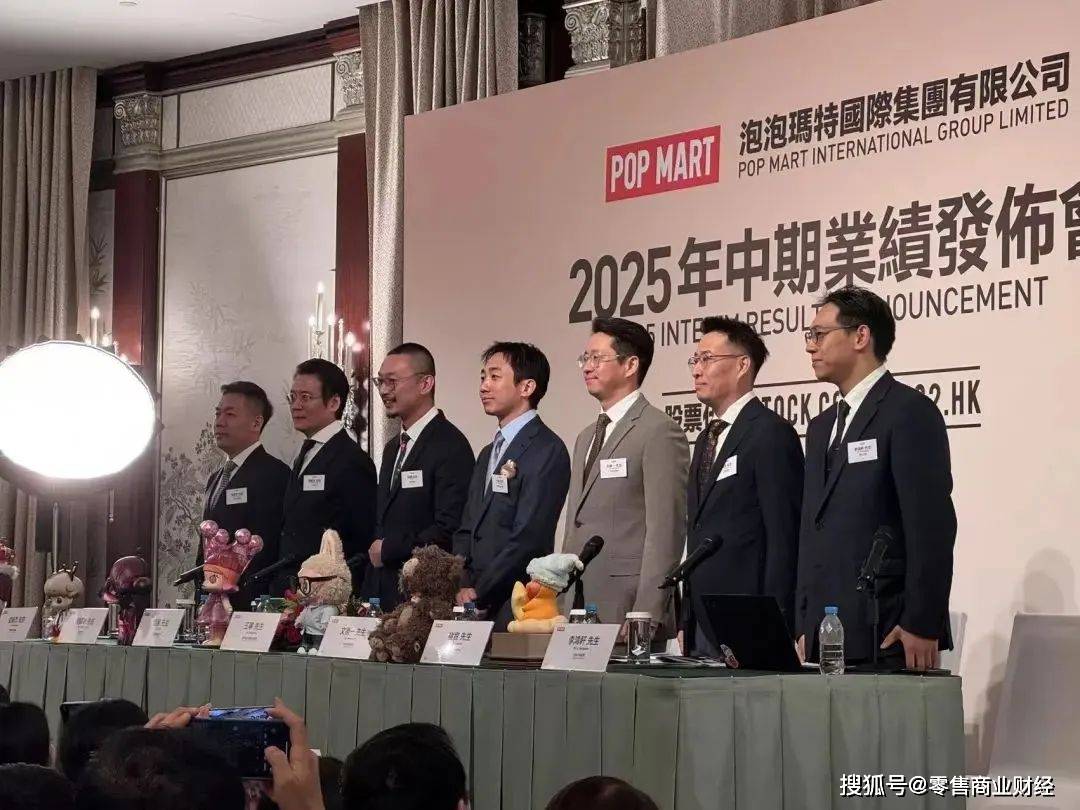
Group 1: Pop Mart's Performance - Pop Mart reported a revenue of 13.88 billion yuan for the first half of 2025, representing a year-on-year increase of 204.4% [1] - The founder Wang Ning projected that the company's annual revenue could reach 30 billion yuan easily [1] - The Americas market showed remarkable growth with a staggering increase of 1142.3% [1] - Plush toys generated 6.14 billion yuan in revenue, surpassing the sales of figurines for the first time, with the LABUBU series contributing 34.7% to total revenue [1] - To address supply shortages, the production capacity for plush toys has been ramped up to 30 million units per month, a tenfold increase compared to the same period last year [1] Group 2: Xinba's Withdrawal from Live Streaming - Xinba announced his permanent exit from the live streaming industry for the fifth time, citing severe lung damage due to chronic bronchitis [3] - The Xin Xuan Group has faced multiple controversies regarding product quality, including issues with sanitary napkins and exaggerated claims about milk powder [3] - The public believes that the company must enhance quality control and rebuild trust following Xinba's departure [3] Group 3: Meituan's International Expansion - Meituan's international food delivery brand Keeta officially launched in Doha, Qatar, marking its second entry into the Middle East after Saudi Arabia [3] - The company plans to expand further into more Middle Eastern markets and aims to enter Brazil within a few months [3] Group 4: China Resources Beer Performance - China Resources Beer reported a revenue of 23.942 billion yuan for the first half of 2025, a year-on-year increase of 0.8% [14] - The company's net profit attributable to shareholders rose by 23% to 5.789 billion yuan [14] - The beer business generated 23.161 billion yuan in revenue, with a gross margin increase of 2.5 percentage points to 48.3% [14] Group 5: Three Squirrels New E-commerce Company - Three Squirrels has established a new e-commerce company focusing on the sale of agricultural products and maternal and infant goods [15] - The new company is wholly owned by Three Squirrels and aims to diversify its product offerings [15] Group 6: JD's Response to Market Expansion - JD responded to rumors about expanding its operations outside the Fifth Ring Road in Beijing, clarifying that there are no plans for such expansion [16] - The company is collaborating with existing community stores for its layout in the Beijing area [16] Group 7: LV's Beauty Store Launch - LV opened its first global beauty store in Nanjing, showcasing its strategic ambition in the Chinese market [17] - The store will feature a new beauty series, with global online pre-sales starting on August 25 [17] Group 8: Moutai's E-commerce Initiative - Moutai has partnered with Taobao Flash Sale to launch over 1,000 official stores, offering a "30-minute delivery" service for genuine Moutai products [19] - The initiative aims to connect Moutai's experience centers and over 6,500 themed terminal stores nationwide [19] Group 9: Cainiao's Supply Chain Collaboration - Cainiao has formed a deep supply chain partnership with the national brand Jianlibao, optimizing the direct-to-consumer model [20] - This collaboration aims to reduce logistics costs and enhance consumer experience, with plans to expand the model to Jianlibao's national production bases [20] Group 10: Meituan's Online Reservation Service - Meituan launched an online reservation service for restaurants ahead of the Qixi Festival, responding to increased demand for dining reservations [21] - The service includes a dynamic ranking of popular restaurants based on customer reviews and reservation trends [21]




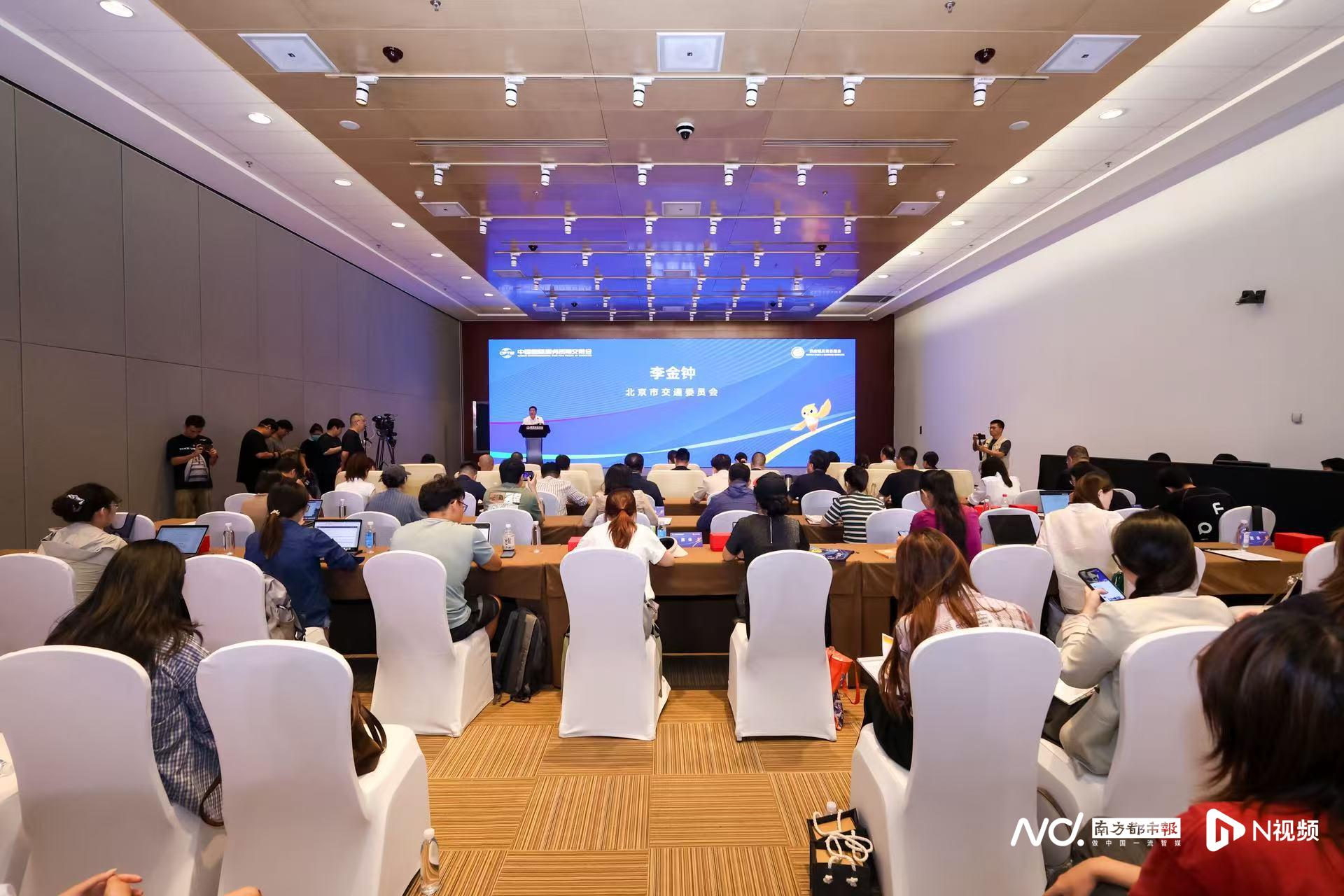
超大城市交通治理北京方案将亮相2025服贸会
Bei Jing Shang Bao· 2025-08-20 16:04
Core Insights - The 2025 China International Service Trade Fair (CIFTIS) will feature a transportation service exhibition from September 10 to 14, focusing on advanced technologies and solutions in the transportation sector [1][2] Group 1: Exhibition Overview - The exhibition will showcase over 100 leading global companies, with 60% being Fortune 500 and industry leaders, and an international participation rate of 24% [3] - Key participants include COSCO Shipping Group and Beijing Investment Group, which will present cutting-edge innovations in digital transportation, smart manufacturing, and green low-carbon technologies [3][4] Group 2: Smart Public Transportation - The Smart Public Transportation area will highlight solutions from major companies like Beijing Subway and Capital Highway Development, focusing on urban traffic management [3][4] - Innovations such as smart stations, maintenance robots, and facial recognition entry systems will be displayed [4] Group 3: Smart Logistics Services - The Smart Logistics Services area will present global supply chain innovations, including blockchain delivery systems and automated port technologies from COSCO Shipping [4] - Other companies like China Post and Meituan will showcase their advancements in cross-border logistics and drone delivery systems [4] Group 4: Shared Parking Platform - The Beijing Static Traffic Shared Parking Platform will be introduced, integrating government, enterprise, and citizen resources to create a smart parking ecosystem [6][7] - The platform has dynamically connected 5,076 parking lots and 1.257 million parking spaces, facilitating over 1.23 million parking demand matches [6][7]

服贸会抢先看:沃尔玛、毕马威首亮相,智慧物流“炫技”现场
Nan Fang Du Shi Bao· 2025-08-20 15:38
Group 1: Event Overview - The 2025 China International Service Trade Fair (CIFTIS) will be held from September 10 to 14 in Beijing, focusing on supply chain and business services [1] - The supply chain transportation service theme is "People Enjoy Their Travel, Goods Flow Smoothly," emphasizing smart transportation and logistics [1] - The business service theme is "Digital Intelligence Leading, Beijing's Colorful Business," showcasing innovations in high-end business services [1] Group 2: Supply Chain Transportation Services - The transportation service section will adopt a "trinity" cooperation model (government-led, enterprise-operated, association-supported) to promote deep integration of technology and industry innovation [2] - Over 100 leading global enterprises will participate, with a 100% completion rate for exhibitors; 60% of the exhibitors are from Fortune 500 companies [2] - The international participation rate is 24%, with notable companies like COSCO Shipping Group and Beijing Investment Yijia presenting [2] Group 3: Smart Public Transportation - The smart public transportation exhibition will showcase Beijing's innovative practices in public transport services, including smart stations and maintenance robots [3] - New service models such as "face recognition entry" and "smart carriages" will be highlighted, transitioning from efficient transport to quality service [3] - The exhibition will also feature a near-zero carbon service area project and a smart logistics platform [3] Group 4: Smart Logistics Services - The smart logistics service section will demonstrate technology-driven global supply chain upgrades, including blockchain delivery orders and automated port technologies [4] - Companies like Meituan and SF Express will present their innovations in drone delivery and cross-border e-commerce services [4] - A transportation forum will be held to discuss new paradigms in urban transportation services [4] Group 5: Business Services - The business service exhibition will cover 2,400 square meters, showcasing "Beijing Service" cases and AI big data innovations [5] - Major global companies like Walmart and KPMG will present their service innovations and insights on ESG and digital transformation [6] - The exhibition aims to enhance the internationalization and professionalism of business services [5][6] Group 6: Human Resources Services - The human resources service sector will present innovative practices through interactive experiences and results releases [8] - New solutions for talent management will be introduced, including a comprehensive management platform and a job matching service [9] - AI-driven recruitment solutions will be showcased, enhancing service efficiency and precision in talent selection [9]
服贸会抢先看:沃尔玛、毕马威首亮相 智慧物流“炫技”现场
Nan Fang Du Shi Bao· 2025-08-20 15:03
Core Points - The 2025 China International Service Trade Fair (CIFTIS) will be held from September 10 to 14 in Beijing, focusing on supply chain and business services [1] - The event aims to showcase China's achievements in enhancing supply chain resilience and high-end business service capabilities [1] Supply Chain and Business Services - The supply chain transportation service section will adopt a "three-in-one" cooperation model (government-led, enterprise-operated, association-supported) to promote deep integration of technological and industrial innovation [3] - Over 100 leading global companies will participate, with 60% being Fortune 500 and industry leaders, and an international participation rate of 24% [3] - The smart public transport exhibition will highlight Beijing's innovative practices in public transport services, including smart stations and maintenance robots [4] Smart Logistics - The smart logistics service area will demonstrate technology-driven global supply chain upgrades, featuring innovations like blockchain delivery notes and automated terminal technologies [5] - Companies like COSCO Shipping and Meituan will showcase their advancements in logistics and delivery solutions [5] Business Services - The business services section will cover 2,400 square meters, showcasing "Beijing service" cases, AI, and big data innovations [6] - Major global companies like Walmart and KPMG will present their innovative practices and insights in the business services sector [6][7] - The exhibition will also focus on legal services, human resources, and consulting services, promoting international cooperation and brand promotion [7] Human Resources Services - The human resources service sector will present innovations through interactive experiences and real-world demonstrations [8] - New initiatives will include a comprehensive management platform for talent policies and job matching, enhancing the efficiency of human resource services [9] - AI-driven recruitment solutions will be showcased, transforming the human resources landscape and improving talent selection processes [9]