
腾讯

Search documents
加税谣言小作文,就像过敏性鼻炎
3 6 Ke· 2026-02-04 12:40
Core Viewpoint - The rumors regarding a 32% tax rate on the internet industry are unfounded and lack a basis in the current tax system, which does not allow for such arbitrary adjustments [3][8]. Group 1: Tax Rumors and Market Impact - Since February 2, rumors about increased taxes in the internet sector have caused significant volatility in the tech sector, despite the illogical nature of these claims [1]. - Previous instances of tax rumors have led to market downturns, such as the 2021 speculation about the cancellation of a 10% preferential tax rate for internet companies [5][6]. Group 2: Tax Rate Structure - The current VAT rates in China are 6%, 9%, and 13%, with no provision for a 32% rate, which is incompatible with the existing tax framework [3][4]. - The nature of the internet gaming industry, characterized by high human resource costs and low deductibility of input taxes, justifies a lower VAT rate [3][4]. Group 3: Policy Stability and Economic Growth - The stability of tax laws is crucial for economic foundations, and any changes to tax rates require extensive negotiation and cannot be made arbitrarily [8]. - The overarching goal of China's macroeconomic policy is to maintain growth, which necessitates consistent policies that support the digital economy and technology sectors [8][11]. Group 4: Role of Technology in Economic Development - The internet and gaming sectors are increasingly recognized as vital components of technological advancement, contributing to various fields, including military training and AI development [9][11]. - Continuous investment in AI and other cutting-edge technologies by internet companies indicates that significant policy adjustments are unlikely to occur suddenly [11].

国产AI下一站:生态高墙下,芯片与模型“双向奔赴”
2 1 Shi Ji Jing Ji Bao Dao· 2026-02-04 12:35
Core Insights - The Chinese AI industry is entering a new phase of commercial validation and large-scale application, with several companies recently listed on the Hong Kong Stock Exchange and the Sci-Tech Innovation Board [1] - Despite advancements, domestic chip manufacturers face significant challenges due to reliance on NVIDIA's ecosystem, which limits their competitiveness and market penetration [3][5] - The shift from centralized training to decentralized inference in AI models presents an opportunity for domestic chips to differentiate themselves through deep collaboration with AI model developers [7][10] Industry Challenges - The dependency on NVIDIA's technology has created a "NVIDIA dependency syndrome," with only a few domestic GPUs able to support a limited number of AI models compared to the vast offerings available globally [3][5] - The lack of a robust ecosystem for domestic chips leads to a cycle of low usage, slow feedback, and high development costs, making it difficult for these chips to gain traction in the market [5][6] - The rapid evolution of AI model architectures necessitates flexible and forward-looking chip designs to avoid obsolescence shortly after production [4][5] Collaborative Efforts - Companies are forming alliances, such as the "Model-Chip Ecological Innovation Alliance," to bridge the technological gaps between chips, models, and platforms, enhancing computational efficiency and application deployment [8] - Major firms like Alibaba and Tencent are pursuing strategies that integrate models, cloud platforms, and chips to achieve systemic advantages in efficiency and cost [9][10] - The focus on dual adaptation between models and chips is seen as a critical path to overcoming existing ecological challenges and enhancing competitiveness in the AI landscape [7][9]

国产AI下一站:生态高墙下 芯片与模型“双向奔赴”
2 1 Shi Ji Jing Ji Bao Dao· 2026-02-04 12:28
Core Insights - The Chinese AI industry is entering a new phase of commercial validation and large-scale application, with companies like Zhiyuan Huazhang, MiniMax, and others listing on the Hong Kong Stock Exchange and STAR Market [1] - Despite advancements, domestic chip manufacturers face significant challenges due to reliance on NVIDIA's ecosystem, which limits their competitiveness and market penetration [2][3] - The focus is shifting from training to inference in AI, necessitating deeper collaboration between models and chips to enhance efficiency and application in various industries [5][6] Group 1: Industry Developments - The rapid growth of AI applications in China has been notable, with models like Qianwen, Zhiyuan GLM, and Step series performing competitively in benchmark tests [2] - The dependency on NVIDIA's ecosystem is highlighted, with only a fraction of models on platforms like Hugging Face being supported by top domestic GPUs [2] - The evolution of AI model architectures requires chips to be flexible and forward-looking to avoid obsolescence [3] Group 2: Challenges for Domestic Chips - Domestic chips often struggle with performance claims that do not meet customer needs for seamless model operation and cost-effective development [3][4] - The ecosystem's limitations create a negative feedback loop, where low usage leads to slow feedback and iteration, further hindering ecosystem improvement [3] Group 3: Collaborative Solutions - The emergence of a dual adaptation approach is seen as a potential solution, with AI chip manufacturers aligning closely with domestic model companies to enhance compatibility and efficiency [6][7] - Initiatives like the "Model-Chip Ecological Innovation Alliance" aim to bridge the technological gaps between chips and models, promoting joint optimization [6][7] - Major companies like Alibaba and Tencent are adopting strategies that integrate models, cloud platforms, and chips to achieve systemic advantages in efficiency and cost [8]
微信防骚扰六亲不认,元宝春节派发10亿大红包被逼改弦更张
2 1 Shi Ji Jing Ji Bao Dao· 2026-02-04 10:49
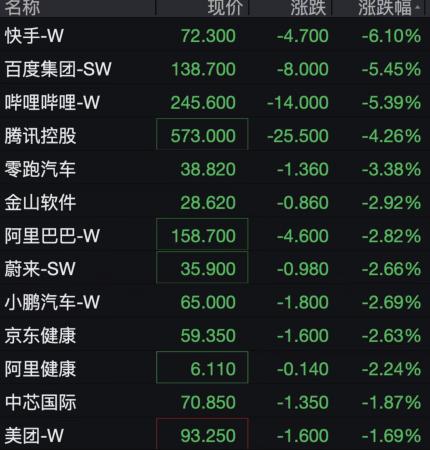
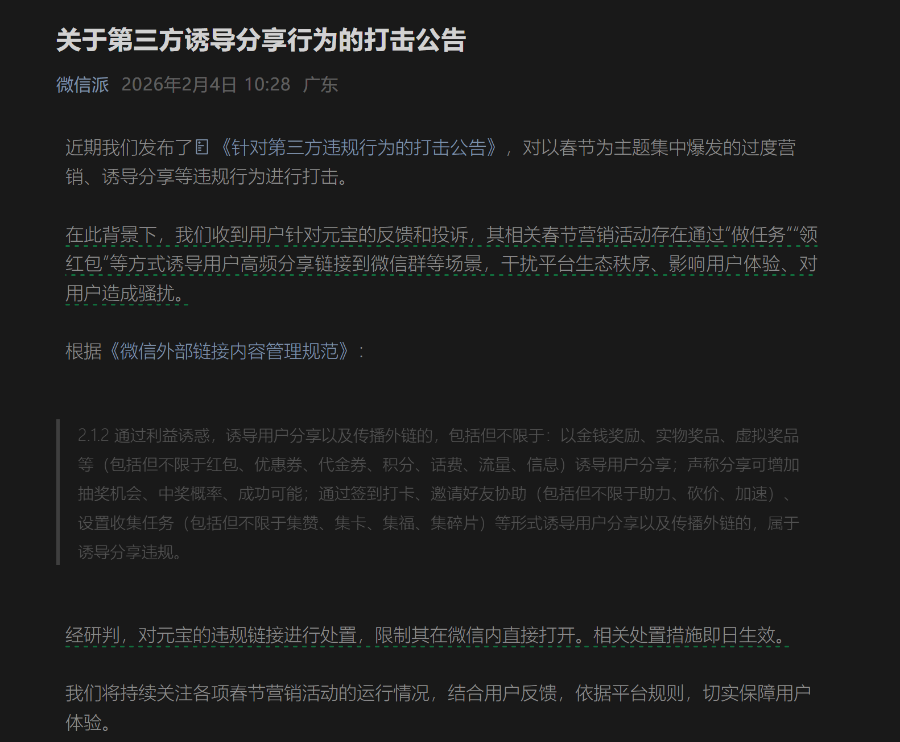
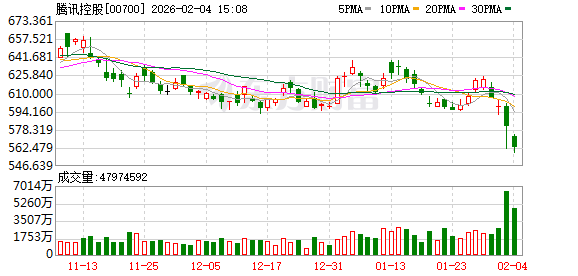
腾讯AI应用元宝春节红包营销推广活动,在自家微信上被判定违规。 2月4日上午,有用户发现,点击被分享至群聊中的元宝红包链接后,显示"网页包含诱导分享、关注等行为内容,请长按网址复 制后使用浏览器访问",这意味着元宝红包的社交推广方式已被微信"封禁"。 随后,微信官方"微信派"发布公告,就针对"元宝"APP的治理措施作出说明。 公告指出,在近期开展的春节主题过度营销、诱导分享的违规行为进行打击行动背景下,平台收到大量用户反馈,指"元宝"相 关的春节营销活动利用"做任务""领红包"等机制,诱导用户向微信群等场景高频分享链接。 微信方面表示,此类行为干扰了平台生态秩序,影响用户体验,对用户造成骚扰,因此对元宝违规链接进行处置,限制在微信 内直接打开。 试图复刻昔日"红包奇迹"的元宝,春节红包活动上线仅三天,便遭遇了来自集团同门的"当头棒喝"。 2月4日港股收盘,腾讯股价跌3.53%。 红包推广引发"双标"争议 腾讯试图借助现金红包+社交裂变的手段推广旗下AI应用元宝,战略意图十分明确。 在1月26日举办的2025腾讯年会上,腾讯董事会主席马化腾提及AI应用元宝即将展开的春节分10亿元现金活动时,表示希望重现 当年微 ...
春节红包只是“开胃菜”,互联网大厂AI对决,瞄准的是未来
3 6 Ke· 2026-02-04 08:16
玩转AI特效、万元小马卡、吃喝玩乐免单、AI社交派对……当数十亿红包砸向14亿人的春节,一场没有硝烟的AI入口争夺战正在上演。 春节临近,互联网大厂们将红包战场从移动支付、短视频转向了AI。百度文心助手、腾讯元宝、阿里千问、字节豆包通过现金红包、免单计划、春晚合 作等形式,试图将AI助手推向国民级应用。 这场看似熟悉的撒钱营销,不仅是流量的争夺,更是对自身AI战略的一次全民级压力测试与成果验收。从发红包的方式,到红包背后的战略意图,一场 围绕AI技术实力、生态融合与用户心智的深层竞争已然拉开序幕。 流量争夺战与能力试炼 春节AI红包大战在2026年初达到白热化。2月2日至3日,阿里千问宣布投入30亿元启动"春节大请客",且独家冠名了东方卫视、浙江卫视、江苏卫视、河 南卫视四大马年春节晚会,成为目前最大手笔的玩家。 这场战役中,腾讯早在1月25日就宣布于2月1日在元宝APP上线春节红包活动,发放总额10亿元的现金红包。 百度也在1月25日晚间宣布启动马年春节红包活动,用户在百度APP内通过AI互动、集卡等玩法就有机会瓜分5亿现金红包。 字节跳动旗下火山引擎成为2026年央视春晚独家AI云合作伙伴,AI助手豆包也 ...



微信屏蔽元宝红包活动链接,公关总监:我发起疯来自己都打
Nan Fang Du Shi Bao· 2026-02-04 07:08
在腾讯2026年员工大会上,马化腾在提及AI应用元宝即将展开的春节分10亿元现金活动时曾表示,希 望能重现11年前的微信红包的时刻。然而,"上元宝,分10亿"活动开启仅四天后,却迎来了戏剧性的转 折。2月4日,元宝分红包活动链接遭到微信屏蔽,前者也迅速作出调整,将分享机制进行改为口令形 式。与此同时,腾讯股价也延续了连日来的跌势,截至发稿时股价561.5港元,跌3.36%。 2月4日上午,多位网友发现元宝分红包活动链接无法正常打开,南都湾财社记者实测发现,点入链接后 页面显示"网页包含诱导分享、关注等诱导行为内容,请长按网址复制后使用浏览器访问"。 很快,微信也通过公众号"微信派"做出回应,微信派发布的《关于第三方诱导分享行为的打击公告》显 示,近期微信发布了《针对第三方违规行为的打击公告》,对以春节为主题集中爆发的过度营销、诱导 分享等违规行为进行打击。 在此背景下,微信收到用户针对元宝的反馈和投诉,其相关春节营销活动 存在通过"做任务""领红包"等方式诱导用户高频分享链接到微信群等场景,干扰平台生态秩序、影响用 户体验、对用户造成骚扰。 根据《微信外部链接内容管理规范》,通过利益诱惑,诱导用户分享以及传播 ...
大行评级丨高盛:重申对网易“买入”评级,微降收入及盈利预测
Ge Long Hui· 2026-02-04 06:32
该行轻微降网易2025至27年收入预测约1%,以反映管线倾侧于今年下半年及明年;并降2025至27年盈 测约3%,以反映在高基数下利润率扩张放缓。高盛重申对网易"买入"评级,H股目标价由266港元微降 至264港元,美股目标价由170美元微降至169美元。 高盛发表研报指,网易近期股价压力可能源于市场对近期游戏流水增长放缓、2025年第四季度及2026年 第一季度的利润率面临高基数,以及近期Genie 3/AI游戏创作工具潜在影响的担忧。对于即将公布的 2025年第四季度业绩,高盛预计,网易在线游戏收入将按年增长9%,调整后息税前利润(EBIT)按年增 长10%。该股目前交易于预测2026年市盈率14倍,低于其过去五年历史平均水平,该行认为其估值倍数 进一步下调的空间有限。 网易-S(09999.HK)拟2月10日举行董事会会议以审批年度业绩 网易-S(09999.HK):料Q4平稳过渡 关注股 东回报与全球化进展 大行评级丨高盛:重申对网易"买入"评级,微降收入及盈利预测 大行评级丨花 旗:网络游戏股遭抛售并不合理,重申对腾讯、网易美股"买入"评级 相关事件 ...

地方竞速商业航天
21世纪经济报道· 2026-02-04 04:56
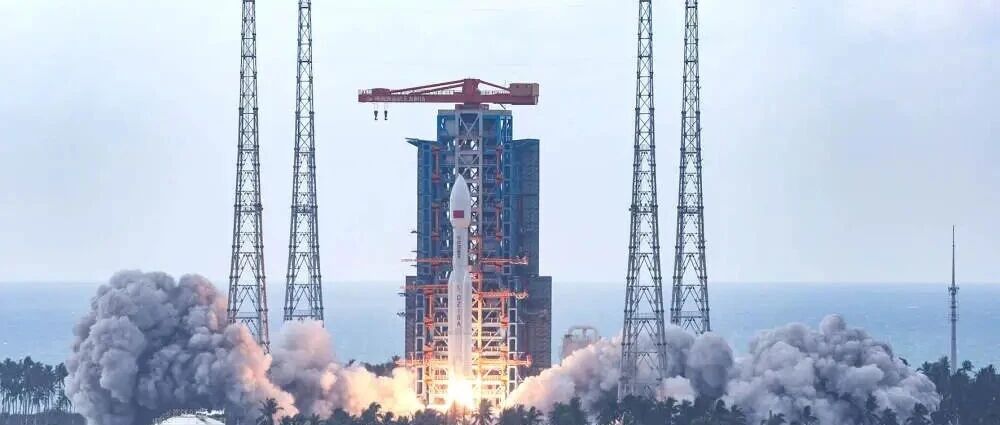
Core Viewpoint - The article emphasizes the significant attention and expectations surrounding the development of China's commercial aerospace industry by 2026, driven by government initiatives and local policies aimed at fostering a comprehensive industrial ecosystem [1][4]. Group 1: Full Chain Layout - The concept of "full chain" is highlighted as a key strategy in various provinces, aiming to enhance the development of critical technologies in commercial aerospace and related fields [5][6]. - Guangdong aims for a comprehensive push in key technologies related to low-altitude and commercial aerospace by 2026, targeting an industry scale of 300 billion yuan [5]. - Beijing has established over 210 commercial aerospace-related enterprises and plans to significantly increase its rocket launch capacity by 2025, aiming for 90% of national commercial rocket launches [5][6]. Group 2: Industry Cluster Development - The term "industry cluster" is another focal point, with provinces like Zhejiang and Shandong emphasizing the development of emerging industries, including aerospace, to enhance regional economic growth [10][11]. - Shandong's Eastern Aerospace Port is noted as China's only commercial maritime launch base, with plans to support the entire aerospace industry chain and facilitate the launch of 137 satellites [10]. - Local governments are encouraged to leverage their unique resources and industrial bases to foster collaboration and avoid redundant construction, thereby creating a distinctive and complementary commercial aerospace development landscape [11]. Group 3: Corporate Initiatives - Companies are recognized as crucial players in advancing the aerospace industry, with specific firms like Tianbing Technology and Tianzhang Satellite receiving support to enhance their capabilities [12]. - Innovations in technology are being prioritized, with companies like Galaxy Aerospace focusing on developing satellite technology that connects directly to mobile phones, aiming for mass production of key devices [12][13]. - Hongqing Technology is also concentrating on integrating satellite platforms and rockets, enhancing efficiency in system delivery and communication networks [13].
多行业联合人工智能2月报:公募增配光通信、半导体设备、封测,减配芯片设计、游戏、广告
Huachuang Securities· 2026-02-04 04:25
Strategy - Public funds increased allocation to optical communication (+2.1 pct), semiconductor equipment (+0.3 pct), and packaging/testing, while reducing allocation to chip design (-1.3 pct), gaming (-0.8 pct), and advertising (-0.3 pct) in Q4 2025[13] - The market saw a slight decrease in the TMT sector's share of active equity funds from 39.8% in Q3 2025 to 38.0% in Q4 2025[13] Electronics - The PCB industry is expected to maintain high growth due to its heavy asset nature, with capacity release and product structure optimization driving non-linear performance improvements[33] - Data center construction is recovering, significantly increasing storage requirements for AI servers, leading to an optimistic outlook for storage prices in 2026[34] Computing - The emergence of end-side agents and data infrastructure is driving AI technology towards system-level collaboration and deeper industry integration[35] Media - The competition for AI traffic entry is intensifying, with major companies accelerating monetization in advertising and e-commerce, particularly during the Spring Festival[36] - OpenAI is preparing for an IPO in Q4 2026, with a projected valuation between $750 billion and $830 billion after the latest funding round[36] Robotics - The humanoid robot industry is transitioning from concept validation to commercialization, with companies showing growth potential in key components and solutions[37] - Investment opportunities are emerging in incremental component markets, driven by the evolving aesthetic preferences of the robotics market[37] Automotive - Zeekr 9X received an L3 testing license, while Tesla has begun operating a driverless Robotaxi service in Austin[38] - Geely and Jianghuai Automotive are recommended for their low valuation and strong order performance, with Geely's expected PE ratio over 6 times indicating potential for rebound[38]


传媒互联网行业周报:元宝登顶APPStore免费榜,Moltbook引发关注
Guoyuan Securities· 2026-02-04 04:25
Investment Rating - The report maintains a "Buy" rating for several companies in the media sector, including Giant Network, Perfect World, and Kuaishou, among others [5][36]. Core Insights - The media industry showed a slight increase of 0.21% from January 26 to February 1, 2026, outperforming the Shanghai Composite Index, which decreased by 0.44% [12]. - The advertising and marketing sub-sector led the gains with an increase of 4.70%, while other segments like publishing and digital media saw declines [12]. - Significant developments in AI applications and gaming are highlighted, with Tencent's "Yuanbao" app reaching the top of the Apple App Store's free chart [2][17]. Market Performance - The media industry (Shenwan) increased by 0.21% during the specified period, while the Shanghai Composite Index decreased by 0.44% [12]. - The advertising and marketing sector led with a 4.70% increase, while publishing, digital media, gaming, and television broadcasting experienced declines of -0.75%, -1.31%, -1.94%, and -3.66% respectively [12]. Industry Key Data - AI Applications: Tencent's "Yuanbao" app achieved significant download growth, reaching 22.23 million downloads, with a notable 97.76% increase week-on-week [2][17]. - Gaming: The top five mobile games on iOS included "Honor of Kings" and "Peacekeeper Elite," with "Supernatural Action Group" surpassing 10 million daily active users [3][19]. - Film: The total box office for domestic films reached 283 million yuan, with "Zootopia 2" leading the weekly box office [28][30]. Investment Recommendations - The report emphasizes a positive outlook on AI applications and cultural exports, recommending focus on gaming, IP, short dramas, marketing, and publishing sectors [5][36]. - Specific companies highlighted for investment include Giant Network, Kuaishou, and Mango TV, among others [5][36].


