ASML

Search documents
1nm,最新进展
半导体行业观察· 2025-03-13 01:34
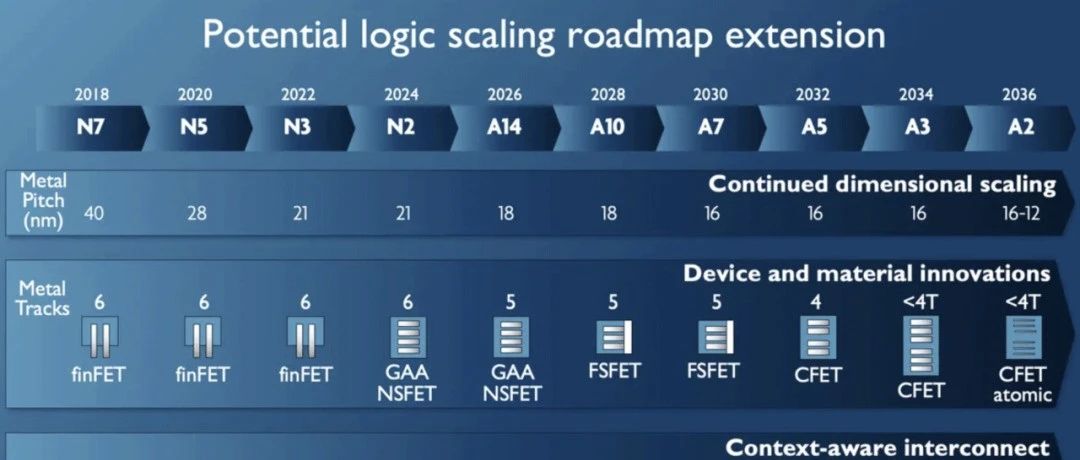
Core Viewpoint - The semiconductor industry is witnessing intense competition among leading foundries like TSMC, Intel, and Samsung in the development of advanced 2nm and 1nm technologies, with TSMC planning to establish a 1nm fab in Taiwan to maintain its market leadership [1][6][7]. Group 1: Advanced Technology Development - ASML and Imec have formed a five-year partnership to enhance research capabilities for technologies below 2nm, focusing on integrating ASML's latest lithography tools into advanced semiconductor manufacturing [3][4]. - Imec will utilize ASML's advanced wafer fabrication equipment, including High-NA EUV tools, to accelerate the development of next-generation semiconductor production technologies [4][5]. - The cost of High-NA EUV systems can reach $350 million, posing a barrier for new entrants and researchers in the semiconductor field [4]. Group 2: TSMC's 1nm Fab Plans - TSMC is accelerating its 1nm technology development and plans to build a large Giga-Fab in Tainan, Taiwan, which will house six production lines for 1nm and 1.4nm chips [6][7]. - The new fab aims to outpace competitors like Samsung and Intel in the race to commercialize 1nm technology, which is critical for producing high-performance chips with lower power consumption [6][7]. Group 3: EUV Lithography Advancements - DNP has successfully developed the first generation of EUV masks required for 2nm and beyond, achieving fine pattern resolution necessary for advanced semiconductor manufacturing [9][10]. - The development of High-NA EUV masks is crucial for achieving the required precision for 2nm and smaller nodes, with DNP aiming for mass production of these masks by FY2027 [10]. Group 4: Future Roadmap and Challenges - Imec's roadmap for transistor technology includes advancements from FinFET to GAA (Gate-All-Around) designs, with expectations for CFET (Complementary FET) and atomic channel transistors to emerge by 2032 [12][13]. - The semiconductor industry faces challenges in meeting the growing demand for computational power, particularly for machine learning and AI applications, which require rapid advancements in transistor density and performance [14][17]. - Innovations in interconnect technologies and materials, such as the potential use of graphene, are being explored to overcome scaling challenges in semiconductor manufacturing [18][19].


九大欧洲国家,成立芯片联盟
半导体行业观察· 2025-03-13 01:34
Core Viewpoint - A new "semiconductor alliance" has been established by nine European countries to enhance self-sufficiency in chip production, responding to the growing demand driven by AI chips and the need for strategic autonomy in the semiconductor industry [1][2][3]. Group 1: Formation of the Semiconductor Alliance - The alliance aims to strengthen Europe's semiconductor industry and reduce reliance on Asian manufacturers, particularly TSMC [2][3]. - The Netherlands has emphasized its strategic advantage in discussions about exporting ASML chip machines, indicating a shift in the landscape of semiconductor manufacturing [1][2]. - Germany is leading the charge with significant subsidies to build new factories, including a joint venture with TSMC and European partners [1][2]. Group 2: Economic and Strategic Importance - The semiconductor sector is crucial for various industries, including AI, aerospace, defense, and energy, highlighting its role as a backbone of modern society [3][4]. - Ensuring the resilience and competitiveness of the semiconductor industry is not only an economic priority but also a strategic necessity for prosperity and security [4]. Group 3: Goals and Strategies - The alliance seeks to ensure that key steps in the semiconductor value chain are accessible to EU countries and to develop reliable innovative technologies [5][6]. - There is a focus on enhancing Europe's current leadership position in the semiconductor sector and expanding into new areas [5][6]. - The collaboration will involve coordinated policies, strategic funding, and international partnerships to secure supply chains and support startups [7]. Group 4: Future Actions - In the coming months, member countries will work with the European Commission to create a declaration that emphasizes their commitment to strengthening Europe's position in the global semiconductor industry [7]. - Immediate action is required from both government and industry to build a robust and leading European semiconductor ecosystem [7].
Should Artificial Intelligence (AI) Stock Investors Buy ASML Stock?
The Motley Fool· 2025-03-12 11:45
ASML (ASML 1.04%) boasts one of the most substantial competitive advantages, which allows it to generate premium prices for its products and services.*Stock prices used were the afternoon prices of March 8, 2025. The video was published on March 10, 2025. ...


1nm EUV材料,即将到来
半导体芯闻· 2025-03-12 10:48
Core Viewpoint - The article discusses the challenges and advancements in the development of next-generation photoresists for extreme ultraviolet (EUV) lithography, highlighting the efforts of Irresistible Materials in creating innovative materials to meet the demands of the semiconductor industry [1][2]. Group 1: Development of Photoresists - Irresistible Materials has developed a new generation of photoresists with a thickness of just 7 angstroms, which is crucial for EUV applications [1]. - The company initially used fullerene-based materials but shifted to non-fullerene organic compounds to better control acid diffusion and improve performance [2][3]. - The new materials are designed to meet various requirements for different layers, indicating a tailored approach to customer needs [2]. Group 2: Technical Challenges - The transition to high numerical aperture (NA) lithography presents additional challenges, particularly in absorption and focus depth [3]. - The company aims to enable multiple process nodes while actively researching different formulations to address these challenges [3]. - Current materials have achieved a resolution of 18nm, with an etch depth of 16nm, demonstrating the potential for scalability to meet stringent requirements [3]. Group 3: Supply Chain and Geopolitical Considerations - The company collaborates with the EUV center in Albany and emphasizes the importance of supply chain flexibility, sourcing materials from various locations [4]. - The integration of multiple raw materials allows for adaptability in production, with potential monthly output ranging from 100 to over 1000 gallons [4]. - Partnerships with suppliers in the US, Europe, and Asia are being pursued to scale up production effectively [4]. Group 4: Funding and Future Prospects - The company acknowledges the necessity of funding to sustain its operations and is open to various sources of investment, including customer funding and strategic investors [5]. - Current financial backing comes from US material suppliers and asset management firms, indicating a supportive investment environment [5].
电子:北方华创&芯源微强强联合,半导体设备迈入新阶段
Huafu Securities· 2025-03-11 08:27
Investment Rating - The industry investment rating is "Outperform the Market" [5] Core Viewpoints - The merger between North Huachuang and ChipSource Micro is expected to reshape the semiconductor equipment market, marking a new growth phase in advanced manufacturing [4][8] - The collaboration is significant for China's semiconductor industry, as both companies are leaders in their respective fields and possess top-notch technological capabilities [4] - The merger is anticipated to create synergies, enhancing product offerings and market reach while optimizing resource allocation and reducing costs [8] Summary by Sections Industry Dynamics - North Huachuang plans to acquire control of ChipSource Micro, with significant share transfers from major shareholders [2] - The semiconductor equipment market is dominated by a few key players, with the top five companies accounting for approximately 85% of the global market revenue [3] Strategic Importance - The merger is seen as a critical step for overcoming challenges posed by external sanctions and the need for increased domestic production [4] - The integration of technologies and products from both companies is expected to enhance manufacturing precision and efficiency [4][8] Investment Recommendations - The report suggests focusing on the accelerated growth and competitive landscape reshaping in advanced manufacturing, semiconductor equipment, and key components [9] - Specific companies to watch include North Huachuang, ChipSource Micro, and others in the semiconductor supply chain [9]


晨报|牛市的烦恼
中信证券研究· 2025-03-10 00:23
Core Viewpoint - The current market is experiencing a divergence between Hong Kong and A-shares, driven by the concentration of high-quality core assets in Hong Kong, particularly in sectors like internet, hard technology, smart vehicles, and innovative pharmaceuticals [1] Market Divergence - Investors face two main concerns: the bullish trend in Hong Kong stocks versus the volatility in A-shares, leading to performance discrepancies in institutional products [1] - Approximately 60% of public asset management products lack access to Hong Kong Stock Connect, and those that do have an average potential increase of 26.5% in their allowable investment in Hong Kong stocks [1] Strategy Paradigm Shift - The past three years were characterized as a macroeconomic boom, with macro volatility and policy responses being the main market drivers, leading to the adoption of barbell strategies [1] - In contrast, the current year is transitioning to a macroeconomic "small year," where policy direction is clearer, and marginal changes in macro and policy factors are less likely to drive market direction [1] Investment Themes - A-shares are expected to see concentrated themes in edge AI and high-energy density batteries, with significant catalysts anticipated in the second quarter [1] - Traditional core assets in A-shares are being cleared out, with potential operational turning points expected as the economy recovers [1] Performance Focus - The market is increasingly focusing on themes with high earnings certainty, particularly in sectors like military industry, low-altitude economy, and semiconductor advanced processes [3] - The upcoming increase in military spending in Europe and the gradual realization of capital expenditures by major internet companies are expected to boost related sectors [3] Economic and Fiscal Insights - The national economic development plan emphasizes nurturing emerging industries and adjusting supply-demand relationships, with a focus on infrastructure and manufacturing investment [5] - The fiscal budget report indicates a significant increase in broad fiscal spending, benefiting from the second set of accounts [5] Trade and Export Dynamics - The impact of U.S. tariffs is beginning to affect trade, with a notable decline in export growth rates, particularly in labor-intensive products [7] - The semiconductor industry is playing a crucial role in export dynamics, with geopolitical factors and tariff schedules being key variables for future export growth [7] Sector-Specific Developments - The cement industry is experiencing a price surge due to steady demand from infrastructure projects and coordinated supply-side measures [17] - The humanoid robot sector is poised for growth, with domestic control companies entering the market, indicating potential opportunities for incremental growth [19]

电子|ASML计划在华建维修中心,利好国内光刻机产业链
中信证券研究· 2025-03-10 00:23
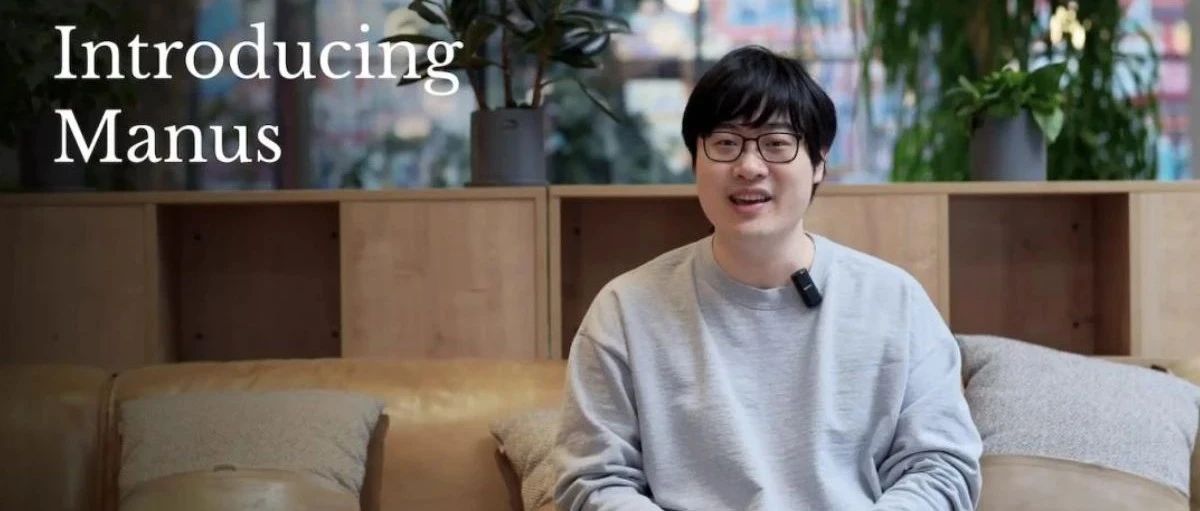
文 | 徐涛 王子源 夏胤磊 ASML计划在北京建设维修中心,其中包括零部件的本土化采购,我们预计将利好国内光刻机零部 件公司。我们认为光刻机作为半导体领域核心"卡脖子"环节之一,国产替代势在必行,市场信心将 持续增强。我们持续看好国产光刻机及先进制程产业链。 ▍ ASML计划在北京建设维修中心,其中包括零部件的本土化采购,我们预计将利好国内光刻机 零部件公司。 ▍ 风险因素: 技术路线革新,先进技术创新不及预期,国际产业环境变化和贸易摩擦加剧风险,政策支持力度 不及预期,下游需求波动等。 ▍ 投资策略: 2 0 2 5年3月5日,ASML公布了以"携手推进技术向新"为主题的2 0 2 4年度报告,其中提到2 0 2 5年 拟布局北京维修中心、缓解出口管制对中国大陆客户设备维护的压力,保障中国客户的维保和替 代需求。除了维修零部件之外,ASML此前还在国内组建了采购团队,以便解决一些本地不能维 修的零部件需要更换的问题,其中就包括一些零部件的本土化采购,目的是保证客户设备的运转 不会受到出口管制的影响。我们认为,此前市场关于光刻机断维保的担忧有所减弱,此外我们预 计新的维修中心将开始配套采购国产零部件,对于国 ...
周末大事冲哪个?小米机器人、华为AI医疗、GKJ、AI智能体?
格隆汇APP· 2025-03-09 09:12
Group 1 - The article highlights the rapid development and competition in the domestic technology innovation industry, particularly in robotics and AI healthcare, driven by major companies and supportive policies [1][2]. - The robotics theme is identified as having significant market potential, with various companies like Tesla, Xiaomi, and Huawei actively participating in this space [1][2]. - AI healthcare is gaining traction, with Huawei forming a dedicated team to develop AI-assisted diagnostic solutions, indicating a pivotal moment for AI technology in the medical field [1][2]. Group 2 - The article discusses the commercialization of domestic semiconductor equipment, particularly the laser-induced discharge plasma (LDP) EUV technology, which is seen as a cost-effective and energy-efficient method [2]. - The ongoing trend of domestic self-sufficiency in semiconductor technology is emphasized, with major players like ASML planning to establish a new center in Beijing by 2025 [2]. - Various technology themes such as AI applications, computing power, and mobile devices are analyzed for their market sustainability and investor interest, with robotics and AI healthcare being the most promising [3]. Group 3 - The article suggests that the current market environment favors a focus on technology stocks, particularly in AI and robotics, which are expected to outperform the market benchmark [6]. - The narrative around AI technology and its implications for the Chinese market is reinforced, indicating that the current developments are just the beginning of a larger trend expected to unfold by 2025 [6]. - The article encourages a strategic approach to investing in technology sectors, considering factors like market cycles, funding aesthetics, and the fundamental aspects of the companies involved [3].

台积电巨额投资美国,更多细节曝光
半导体行业观察· 2025-03-07 01:23
Core Viewpoint - TSMC plans to invest an additional $100 billion to expand its manufacturing capabilities in the U.S., which will include three new fabs, two advanced packaging facilities, and a large R&D center, bringing its total investment in the U.S. to $165 billion, making it one of the largest foreign investors in the country [1][16]. Group 1: New Facilities and Expansion Plans - TSMC has not disclosed specific details regarding the timing, location, or technology for the new investments, but there is sufficient space at the existing Fab 21 site in Arizona for new facilities [2][3]. - The Fab 21 site spans approximately 1,100 acres, which is more than twice the size of Monaco, and TSMC initially planned to build six fab modules there [2][3]. - The expansion includes three phases at Fab 21, two advanced packaging facilities, and an R&D center, with the aim of making it a major production hub [3][16]. Group 2: Employment and Workforce Impact - TSMC estimates that the new announcement will create 40,000 jobs over the next four years, significantly up from the previous estimate of 20,000 jobs by the end of 2020 [4]. - The company anticipates that some projects may run concurrently, increasing labor demand, although it has not specified whether this will double the production capacity for N3 and/or N2/A16 technologies [4][6]. Group 3: Global Investment Strategy - Despite the significant investment in the U.S., TSMC is also focusing on expanding its operations in Taiwan, Japan, and Germany, with plans to invest $38 billion to $42 billion globally by 2025 [6][7]. - TSMC is currently constructing a fab in Germany and is set to begin building a second fab in Japan, indicating a balanced global investment strategy [6][7]. Group 4: Technology Transfer and Production Costs - TSMC's ability to transfer advanced manufacturing technologies to the U.S. may face delays, as the company prefers to develop new technologies in Taiwan, where its R&D facilities are located [9][11]. - Chips produced in the U.S. using TSMC's N4 and N5 nodes are expected to be 20% to 30% more expensive than those produced in Taiwan, which may limit U.S. companies' interest in manufacturing there unless absolutely necessary [12][16]. Group 5: Customer Demand and Market Dynamics - TSMC's U.S. customers, including major firms like Apple, AMD, Broadcom, Nvidia, and Qualcomm, have requested increased production capacity in the U.S., despite the higher costs associated with U.S. manufacturing [14][16]. - The demand for U.S. production capacity has reportedly increased in light of potential tariffs on chips produced in Taiwan, adding a layer of political uncertainty to TSMC's decision-making [14][16].
又一国产AI刷屏,邀请码被炒到5万元;蔚来又融到钱了!安徽两国企注资4亿元;传腾讯QQ小世界裁员,大幅调整团队,向视频号取经
雷峰网· 2025-03-07 00:15
Group 1 - The AI Agent product Manus from the startup Butterfly Effect has gained significant attention, with invitation codes being sold for prices ranging from 999 yuan to 50,000 yuan, despite the company stating it has not opened any paid channels [3][4][5] - Polestar, a subsidiary of Geely, has initiated layoffs and restructuring, with reports indicating that the company may face dissolution due to poor sales performance, leading to a market valuation drop from over $20 billion to just a few billion [7][8] - NIO has secured an investment of 400 million yuan from two state-owned enterprises, bringing its total financing to over 118.7 billion yuan, although it faces significant sales pressure with only 27,100 vehicles delivered in the first two months of 2025 [9][10] Group 2 - Tencent's QQ team is undergoing significant layoffs and restructuring, particularly within the QQ Small World project, which was launched to compete with WeChat's video features [11] - Temu, a Chinese e-commerce platform, is facing operational restrictions in Uzbekistan due to regulatory compliance issues, which has disrupted the local wholesale system [12][13] - SK Hynix has announced the closure of its CMOS image sensor department, with employees being reassigned to the AI memory sector, reflecting a strategic shift towards AI technology [30][31]