瑞幸咖啡

Search documents
从卖早餐到卖榴梿 ,地铁站快被爆改成商场B1层了
3 6 Ke· 2026-01-05 09:28
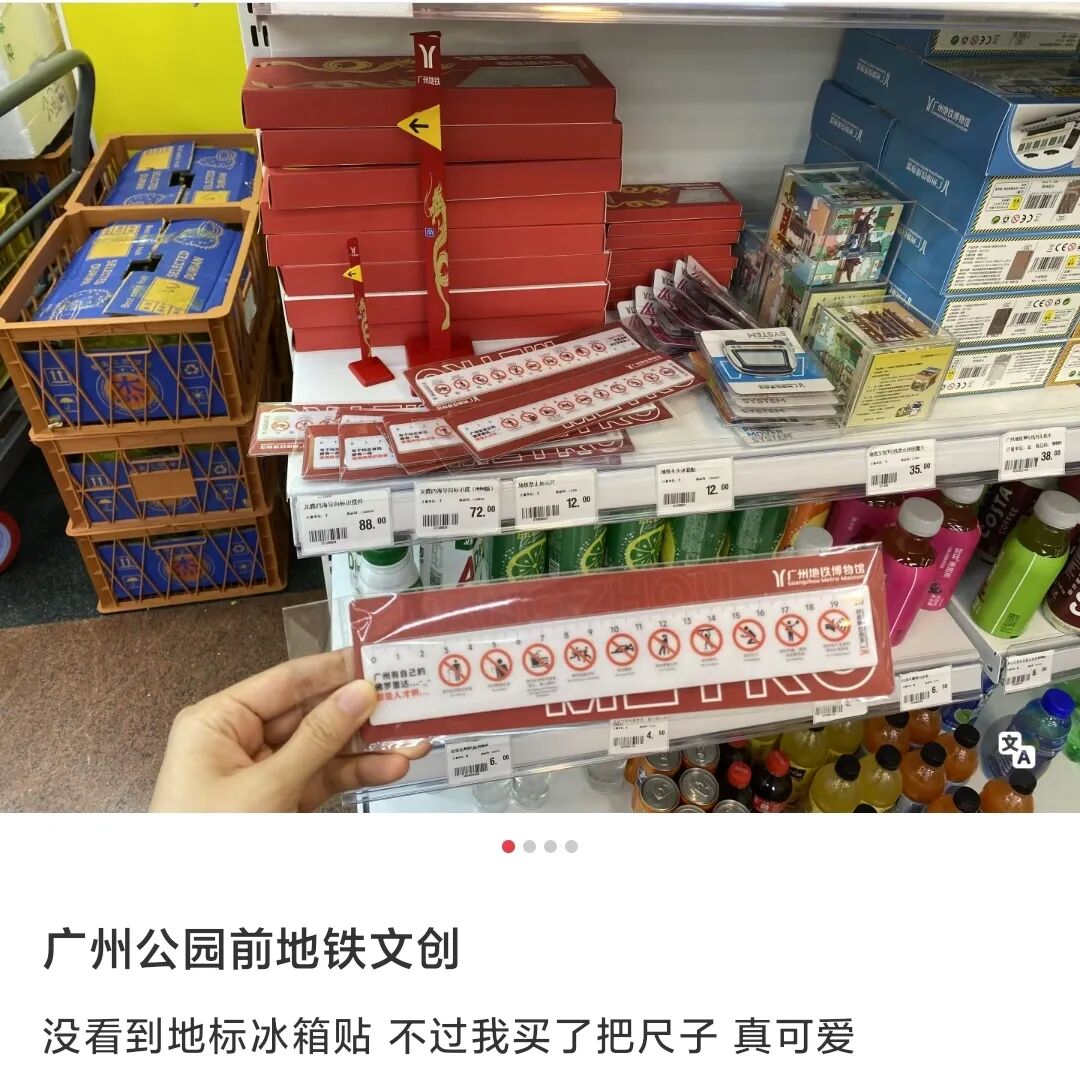
Group 1 - Guangzhou Metro has introduced self-operated supermarkets, "Metro Youxuan," in various stations, enhancing the shopping experience for commuters [2][10] - The new stores offer a variety of fresh produce, snacks, and beverages, catering to the needs of busy workers and transforming metro stations into mini shopping centers [6][9] - The initiative is part of a broader trend across Chinese cities, where metro systems are evolving to include diverse commercial offerings, such as fresh markets and convenience stores [10][12] Group 2 - The integration of commercial spaces within metro stations is seen as a response to the high operational costs of metro systems, which require alternative revenue streams beyond ticket sales [12][13] - Cities like Wuhan and Chengdu are also developing their metro commercial spaces, with Wuhan planning to create a metro market and Chengdu introducing various retail brands [10][11] - The shift towards incorporating retail in metro stations aligns with changing consumer habits, where convenience and efficiency are prioritized by commuters [13][14]

甜不动了!为什么茶咖品牌集体上新咸奶茶?
东京烘焙职业人· 2026-01-05 08:33
Core Viewpoint - The rise of "salty milk tea" is becoming a significant trend in the beverage industry for the autumn and winter of 2025, driven by innovative product launches from various tea and coffee brands [5][10]. Group 1: Popularity and Market Trends - "Salty milk tea" has gained substantial attention on social media platforms, with over 50 million views on Xiaohongshu and more than 160 million video plays related to the topic on Douyin [5]. - Major brands like Heytea and Luckin Coffee are introducing unique salty milk tea products, with Heytea launching two new flavors that quickly sold out in some locations [10][12]. - Other brands, including Cha Bai Dao and Nayuki, have also released salty milk tea products that have been well-received, with Cha Bai Dao's offerings selling over 1 million cups within 10 days of launch [12][15]. Group 2: Industry Dynamics and Consumer Behavior - The introduction of salty milk tea is a response to the increasing product homogeneity in the ready-to-drink beverage market, where brands are seeking differentiation through innovative flavors [16]. - Salty milk tea appeals to consumers who are experiencing "taste fatigue" from overly sweet beverages, thus stimulating demand and boosting sales for brands [16]. - However, the popularity of salty milk tea is still largely dependent on novelty and differentiation, with mixed consumer reviews indicating that while some enjoy the flavor, others find it underwhelming [18].
2025幸运咖、挪瓦破万店,决定未来咖啡市场的六大变局
3 6 Ke· 2026-01-05 08:20
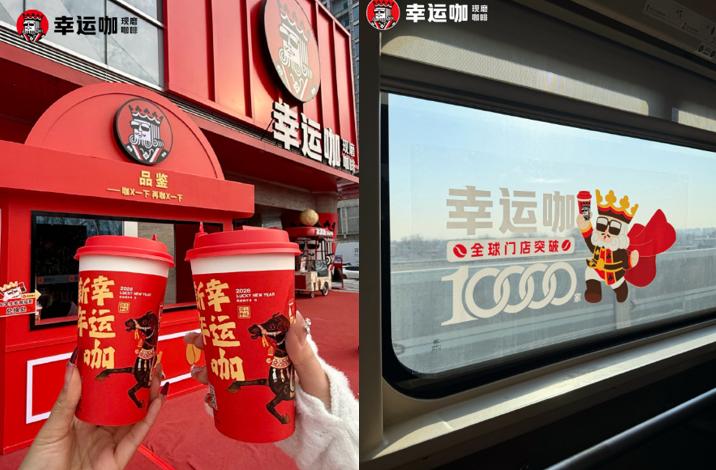
Core Insights - The coffee market in China is experiencing rapid growth, with significant expansions and changes in brand dynamics as new players join the "10,000 store club" [1][2][6] Group 1: Brand Dynamics - Luckin Coffee and Nova Coffee have recently joined the "10,000 store club," marking a significant shift in the competitive landscape of the coffee industry [2][6] - Luckin Coffee leverages the supply chain and management expertise of its parent brand, Mixue Ice City, to penetrate lower-tier markets, with nearly 70% of its stores located in third-tier cities and below [2][4] - Nova Coffee has adopted a flexible "store-in-store" model, rapidly expanding to over 8,000 stores in less than a year and partnering with convenience store brands to enhance its market presence [4][6] Group 2: Market Growth - Approximately 68,400 new coffee shops opened in China over the past year, resulting in a net increase of about 16,700 stores, indicating a robust growth trajectory in the coffee sector [8] - However, the industry faces a high closure rate, with around 41,700 stores shutting down, reflecting a significant churn in the market [9] Group 3: Supply Chain Changes - The price of Yunnan coffee beans has surged, reaching historical highs, with prices exceeding 40 yuan per kilogram in December 2024 and peaking at around 66 yuan per kilogram by May 2025 [10][11] - This price increase is driven by improvements in quality, with the percentage of premium-grade beans rising from 10% in 2021 to 46.15% currently, enhancing Yunnan's competitiveness in the international market [11] Group 4: Cultural and Ecological Shifts - Local coffee festivals have evolved from niche events to major city-wide celebrations, promoting coffee culture and driving consumer engagement [12][21] - Events like the Shanghai International Coffee Culture Festival and the Kunming Dianchi International Coffee Culture Carnival showcase the integration of coffee culture into urban identity and tourism [12][14] Group 5: Market Power Dynamics - Starbucks has announced a strategic partnership with local investment firm Boyu Capital, transferring control of its Chinese operations to adapt to local market conditions [22][23] - This shift reflects the broader trend of international brands facing challenges in the Chinese market, as local players gain more influence over pricing and market trends [23] Group 6: Product Innovation - Coffee brands are diversifying their offerings, with Luckin Coffee entering the tea market and introducing new product lines, while tea brands are also venturing into coffee [24][26] - This blurring of category lines aims to meet consumer demands across different consumption occasions, enhancing customer loyalty and store revenue [26]
2026消费前瞻:为「活人感」买单
投中网· 2026-01-05 07:32
Core Insights - The consumption market in 2025 cannot be simply categorized as "recovery" or "weakness," as it reflects a shift in consumer behavior towards price sensitivity and rational consumption, emphasizing the importance of "human experience" [5][22][25] Group 1: Dining Industry - The offline dining sector is facing a decline in foot traffic, with average monthly customer visits dropping to 5,681, a decrease of 0.66% year-on-year, and a more significant decline of 4.1% after June 2025 [8] - To attract customers, many dining brands are adopting price reduction strategies, with self-service hot pot and street food becoming representative categories of this approach [8] - Innovative dining experiences, such as "dining + performance" concepts, are emerging to create new reasons for customers to visit, enhancing the atmosphere and encouraging social sharing [9] - Street food stalls have gained popularity, offering affordable home-style dishes priced between 10-30 yuan, effectively capturing additional customer flow and expanding revenue channels for restaurants [10] Group 2: New Tea Beverage Market - The new tea beverage market in 2025 is stabilizing, with a market size of 374.93 billion yuan, growing by 5.7% year-on-year, a slowdown from 6.4% in 2024 [12] - The total number of tea beverage stores has exceeded 415,000, but the net number of new openings is lower than closures, resulting in a decrease of 39,000 stores [12] - Major brands like Mixue Ice City and Bawang Tea Ji are expanding rapidly, while others like Heytea are experiencing significant store closures, with a reduction of 711 stores, or 15.41% year-on-year [13] - Consumer preferences are shifting towards fresh, health-oriented products, with a growing demand for fresh fruit and low-calorie options [14][15] Group 3: Cultural and Tourism Market - The cultural and tourism market is experiencing significant growth, with domestic travel reaching 4.998 billion trips in the first three quarters of 2025, an increase of 18% year-on-year [17] - Total spending on domestic travel reached 4.85 trillion yuan, reflecting a year-on-year increase of 11.5% [18] - Innovative experiences, such as city walks and rural tourism, are gaining traction, providing consumers with engaging and authentic experiences [20][19]

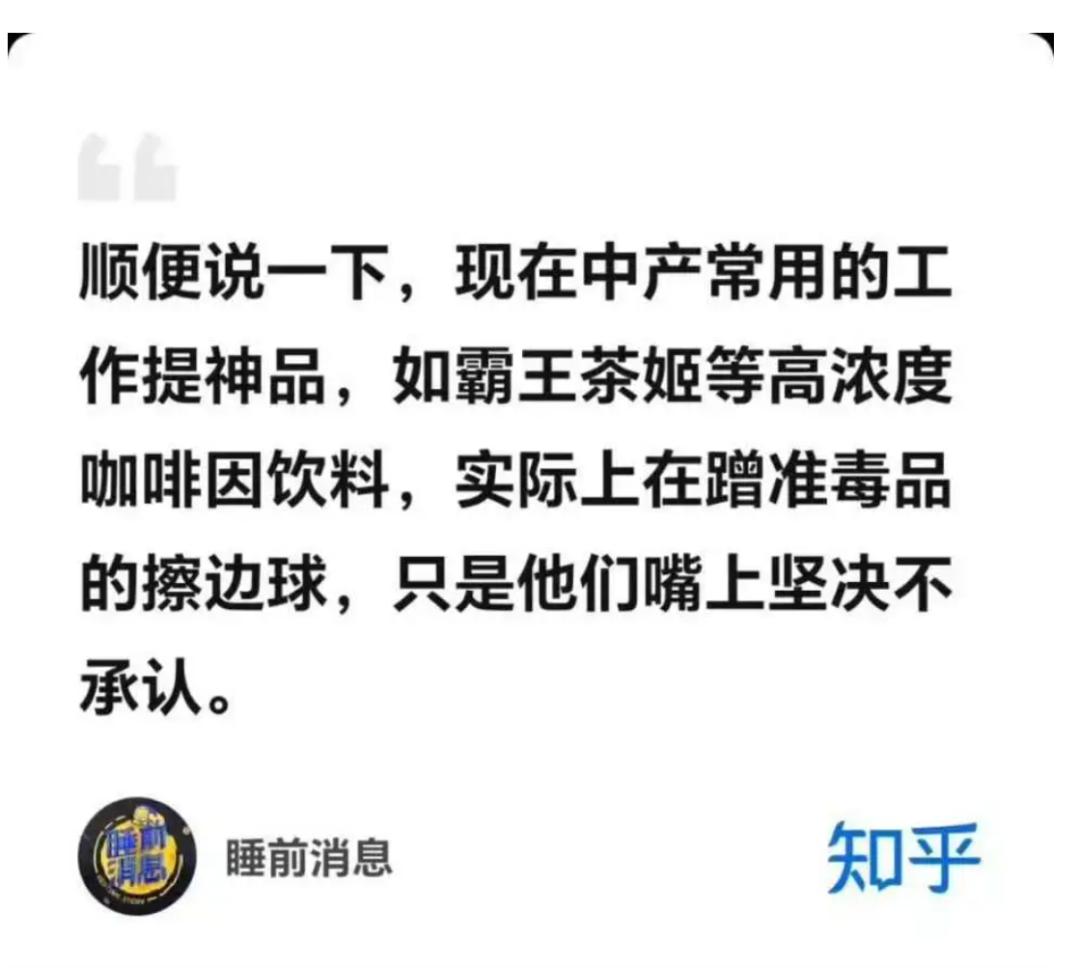
霸王茶姬“擦边毒品”是暴论,但把茶越泡越浓的奶茶确实正在让更多打工人心悸失眠?
3 6 Ke· 2026-01-04 09:05
Core Viewpoint - The controversy surrounding the caffeine content in Bawang Chaji's new milk tea products has led to significant public concern and a notable drop in the company's stock price, highlighting the growing scrutiny of caffeine levels in popular beverages [4][10][27]. Group 1: Caffeine Controversy - A popular social media post claimed that Bawang Chaji's milk tea contains high levels of caffeine, likening it to a "borderline drug" and suggesting it could lead to addiction [1][3]. - The Shanghai Narcotics Control Office had to clarify that caffeine is naturally present in tea and that Bawang Chaji's caffeine levels are within acceptable limits [3][10]. - Bawang Chaji's stock fell by 14.5%, resulting in a market value loss of approximately $200 million due to the caffeine controversy [4][10]. Group 2: Caffeine Content Comparisons - A cup of Bawang Chaji's milk tea can contain caffeine levels equivalent to 2.5 cans of Red Bull, with some drinks exceeding 200 mg of caffeine [8][10]. - The caffeine content in Bawang Chaji's drinks is significantly higher than that in traditional tea, as the preparation methods used in chain tea drinks extract higher concentrations of caffeine [20][22]. - The average caffeine content in a large cup of Bawang Chaji's popular drink, "Wanli Mulian," is around 214 mg, which is higher than many coffee beverages [10][12]. Group 3: Consumer Perception and Health Concerns - There is a growing awareness among consumers regarding the potential health risks associated with high caffeine intake, with many expressing concerns about insomnia and other side effects after consuming Bawang Chaji's products [9][10][27]. - The marketing of milk tea as a "healthy" and "natural" beverage has contributed to a lack of awareness about its caffeine content, with over 52% of consumers unaware that tea contains caffeine [27][28]. - Bawang Chaji has attempted to address these concerns by labeling caffeine content on their cups, but the information is not easily accessible to consumers [14][17].
2025即时零售东风依旧,顺丰同城护航万亿大盘
Zhong Jin Zai Xian· 2026-01-04 07:26
Core Insights - The instant retail market is projected to approach 1 trillion yuan by 2026, with both food and non-food categories experiencing record-breaking order volumes, indicating that the ceiling for instant retail has not yet been reached [3][12] - The ongoing "takeout war" has intensified competition in the instant delivery sector, emphasizing the need for platforms to effectively connect merchants and consumers to achieve a win-win balance [1][12] Group 1: Market Trends - The simultaneous growth of food and non-food categories is driving new consumer upgrades, with food serving as a key driver in the takeout war, leading to increased demand and testing the resilience of instant delivery infrastructure [3][8] - During peak periods like the Spring Festival and May Day, SF Same City reported over 170% growth in supermarket and department store orders, and over 100% growth in beverage orders, showcasing the impact of seasonal demand [5][6] Group 2: Company Performance - SF Same City has established itself as a rare all-scenario third-party delivery platform, focusing on logistics infrastructure and enhancing its service capabilities to support the "everything to home" model [1][11] - The company has seen significant growth in its "exclusive delivery" service, with revenue tripling year-on-year in the first half of 2025, indicating strong demand for high-value, time-sensitive deliveries [9][21] Group 3: Technological Integration - The integration of AI technologies is becoming a key driver for efficiency in the instant delivery sector, with SF Same City deploying AI tools for various operational aspects, enhancing communication and operational analysis [18][19] - The company has also expanded its fleet of over 800 unmanned vehicles across 105 cities, significantly improving delivery efficiency and reducing labor costs [18][19] Group 4: Strategic Partnerships - SF Same City has formed deep partnerships with major brands and retailers, providing integrated supply chain solutions that enhance last-mile delivery capabilities and support the growth of both food and non-food sectors [9][14] - The company is actively collaborating with various platforms to facilitate multi-channel order integration, addressing the challenges posed by the takeout war and enhancing its service offerings [12][16] Group 5: Future Outlook - As the instant retail market continues to evolve, SF Same City is positioned to leverage its independent third-party status to address the challenges of a multi-polar flow of traffic, potentially leading to new business models and sustainable growth in the sector [12][23] - The company is expected to maintain its momentum, with a projected revenue of 10.236 billion yuan in the first half of 2025, marking a significant milestone in its financial performance [21][23]

喜茶掉队、DeepSeek被它打败,2025年好品牌之争谁赢了
3 6 Ke· 2026-01-04 02:24
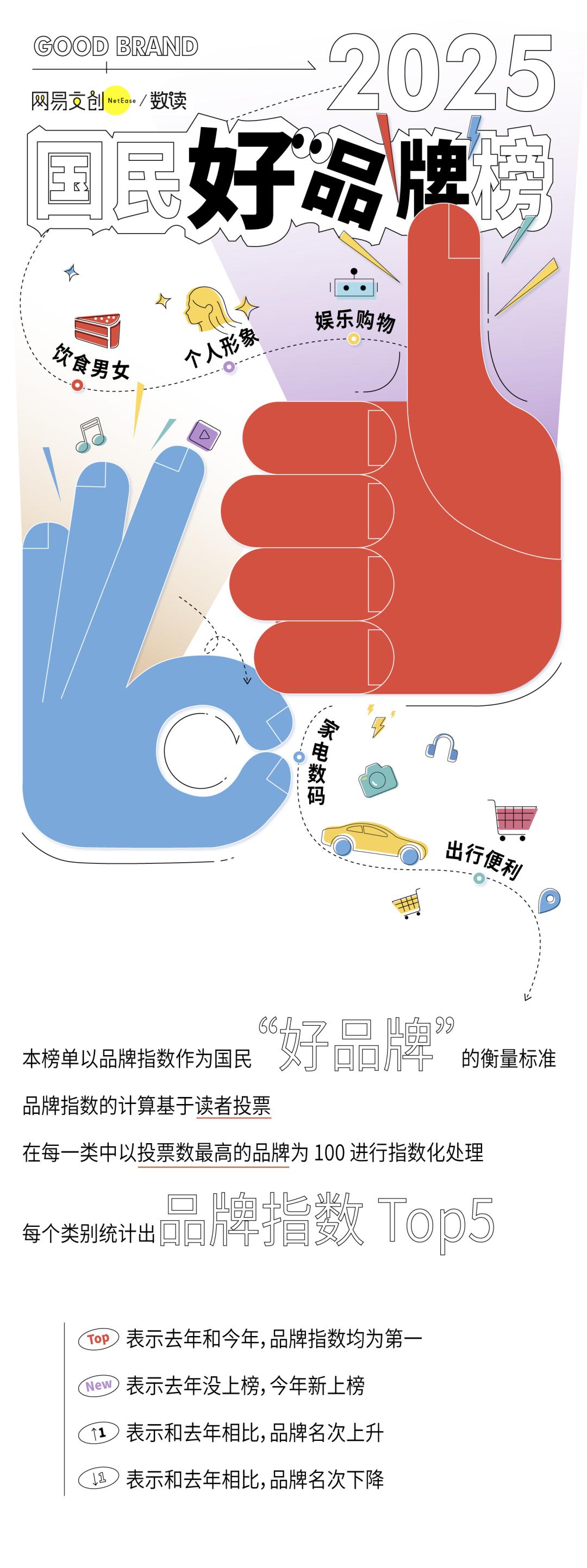
Group 1 - The brand index is used as a measurement standard for the public, calculated based on reader votes, with the highest voted brand in each category set to 100 for index processing [2] - The top five brands in various categories have been identified, with changes in rankings noted, including new entries and shifts in positions compared to the previous year [4][9] - The overall consumer sentiment indicates a cautious approach to spending, with a significant portion of respondents prioritizing product quality and reliability over brand loyalty [123][124] Group 2 - Heytea has fallen behind, with Guming Tea replacing it in the top five, and Guming Tea's store count reaching 11,179 with a net profit of 1.625 billion yuan, surpassing its total profit from the previous year [9] - Haidilao remains the top brand in the hot pot category, while KFC and McDonald's have swapped positions, with KFC slightly ahead [12] - The beverage market sees a return of Nongfu Spring to the top ranks, while Wahaha faces management turmoil, impacting its brand perception [15][17] Group 3 - In the beauty and personal care sector, Estee Lauder and L'Oreal dominate, with significant changes in rankings and the absence of local brands in the top positions [41] - Anta and Li Ning lead the sportswear category, with Li Ning rising to first place from fourth last year, while Adidas has returned to the rankings [45] - Douyin has surpassed Bilibili in the short video sector, with Douyin's daily active users reaching 600 million, while Bilibili has improved its profitability [55] Group 4 - The e-commerce landscape is evolving, with traditional platforms like JD, Meituan, and Taobao entering the instant retail competition, leading to significant financial investments in subsidies [73] - The AI app market is witnessing explosive growth, with ByteDance's products leading in active user numbers, indicating a shift towards AI-driven applications [80] - The adult product market is quietly rising, with brands like Durex and Okamoto leading the category [82] Group 5 - The home appliance market is characterized by intense competition, with Midea focusing on diversified business strategies, while Haier emphasizes high-end and localized operations [92] - Huawei continues to focus on the high-end market, with significant developments in its HarmonyOS ecosystem, while Apple faces challenges with its latest iPhone series [94][95] - The hotel industry is shifting towards new chain hotels, with traditional five-star hotels losing appeal as consumers seek more modern accommodations [116]

这一好逛又好买的地方花落石桥 预计1月中旬开业
Mei Ri Shang Bao· 2026-01-04 01:56
Core Insights - The second "Hui Pin Cang City Outlet" in Gongshu District is set to open in January 2026, located in the Hailan eSports Commercial Center with a store area of 12,000 square meters, marking the fourth store in Hangzhou [1] - The Hailan eSports Commercial Center aims to create a new neighborhood commercial hub integrating office spaces, community living, and social connections, with a total construction area of 150,000 square meters [1] Group 1 - The new outlet will feature six major categories including sports and outdoor, men's and women's clothing, children's apparel, luxury shoes and bags, beauty and skincare, and home living, housing over 300 international brands such as Nike, Adidas, and Coach [2] - The location is strategically chosen for its excellent geographical position, convenient transportation, and a thriving community ecosystem, which are seen as significant advantages for the business [2] Group 2 - The Hailan eSports Commercial Center is the first innovative business community in the province centered around the eSports industry, creating a complete industrial ecosystem from professional venues to commercial support [2] - The center offers diverse space options ranging from 1,000 to several thousand square meters, catering to various business needs and making it an ideal place for investment and integration into the eSports ecosystem [2]
AI浪潮下,支付催生新消费场景
Mei Ri Shang Bao· 2026-01-04 00:52
Core Insights - The rapid evolution of AI technology is significantly transforming the payment landscape, moving from cash payments to various advanced methods like "tap" and "AI payment" [1][2][3] Group 1: Payment Innovations - The introduction of "AI payment" by Alipay in September 2025 marks a significant milestone, enabling seamless ordering and payment through voice commands [2] - Meituan's AI Agent product "Xiao Mei" integrates AI payment with local services, attracting a large user base [2] - Rokid's smart glasses extend "AI payment" capabilities, allowing users to complete orders through voice commands while on the move [2] Group 2: Consumer Experience - In Hangzhou, the "tap" payment method has become ubiquitous, simplifying transactions across various locations, including convenience stores and street vendors [3] - The integration of "AI payment" enhances consumer experiences, allowing users to place orders without needing to interact with their phones [3] - The evolution of payment methods is shifting towards a more "invisible" experience, redefining the relationship between consumers and spending [3][4] Group 3: Future Outlook - "AI payment" is seen as a starting point for the industry's intelligent transformation, promoting smarter and more efficient consumer interactions [4] - The ongoing technological advancements and ecosystem improvements suggest that payments will evolve into a smart hub connecting people and goods, heralding a new era of consumption [4]
瑞幸盯上蓝瓶咖啡!咖啡头部为何扎堆换东家?
东京烘焙职业人· 2026-01-03 08:33
以下文章来源于餐饮O2O ,作者专注餐饮业创新的 餐饮O2O . 餐饮O2O是中国专注餐饮产业链新媒体,每天分享餐饮产业上下游新鲜资讯+干货案例,以媒体为入 口,为餐饮业提供咨询培训、投融资、供应链、开店选址、创业加盟等行业深度服务。 近期的咖啡行业,正在经历一场静默而深刻的地壳运动。 一连串重磅 并购与出售 传闻,已不只是商业版图的简单改写,更像一场针对 咖啡价值 本身的 " 外科手 术 " 。 从瑞幸被传竞购蓝瓶和 Costa ,到 KDP 千亿收购皮爷母公司,再到星巴克中国控股权易主博裕资本 —— 巨头们正以近乎冷静的姿态, 将业务 " 拆解 " ,保留核心,剥离负担。 这背后是一个根本性质问: 一杯咖啡的价值,究竟附着于何处?是提供空间的实体门店,还是占据心智 的品牌符号? 答案的重写,正引发一场全球性的权力交接。 01 ■ 咖啡圈并购时代: 蓝瓶、皮爷、星巴克中国齐齐 " 换东家 " 近期咖啡行业风起云涌,重磅并购消息接连落地。 从瑞幸被传竞购蓝瓶咖啡和 Costa ,到美国饮料巨头 KDP 宣布收购皮爷咖啡母公司,再到历时近一年 的星巴克中国出售案终定 ...... 一场围绕品牌、渠道与市场话语权 ...