
Momenta

Search documents
奔驰携手Momenta打造新一代智能辅助驾驶,首车CLA今秋上市
Zhong Guo Qi Che Bao Wang· 2025-09-25 02:20
Core Insights - Mercedes-Benz and Momenta have announced a collaboration to develop an intelligent driving assistance system based on Momenta's large model, which will debut in the new all-electric CLA model launching this autumn [1][3] - The system will provide advanced driving assistance capabilities, enabling intelligent driving from parking space to parking space in various scenarios including highways and urban areas [1][3] Group 1: Collaboration and Development - Mercedes-Benz became the first international car manufacturer to invest in Momenta in 2017, marking the beginning of a strategic partnership focused on intelligent driving systems [3] - The new system is tailored to Chinese traffic conditions and driving scenarios, developed through collaboration between Chinese and German teams to meet Mercedes-Benz's standards [3][5] - The collaboration aims to integrate Mercedes-Benz's engineering legacy with Momenta's cutting-edge AI technology, enhancing the driving experience for Chinese customers [3][5] Group 2: System Features and Testing - The intelligent driving system utilizes local Chinese data and incorporates experiences from seasoned drivers to better meet the needs of Chinese customers [5] - Extensive testing has been conducted, including real-world road tests in high-traffic urban areas and advanced simulation tests, ensuring the system's reliability and performance [5][6] - The system prioritizes safety, featuring measures such as not forcing through yellow lights and preemptive deceleration at intersections to prevent collisions [6]


奔驰纯电CLA将搭载Momenta辅助驾驶方案
Di Yi Cai Jing· 2025-09-25 02:03
Core Viewpoint - Mercedes-Benz and Momenta have announced a collaboration to develop an intelligent driving assistance system, which will debut in the new domestic all-electric CLA model launching this fall [1] Group 1 - The intelligent driving assistance system will feature capabilities for smart driving assistance from parking space to parking space [1] - The system is based on Momenta's Flywheel large model, indicating advanced technological integration [1] - Future expansion of this system to more Mercedes-Benz models is planned, showcasing the company's commitment to enhancing its vehicle technology lineup [1]
东吴证券晨会纪要-20250924
Soochow Securities· 2025-09-24 01:32
Group 1: Macro Strategy - The current economic situation indicates increasing pressure on stabilizing investment and consumption, suggesting that a new round of growth-stabilizing policies is imminent [26][27] - The expected GDP growth for the third quarter is between 4.7% and 4.9%, with a cumulative growth of approximately 5.1% for the first three quarters [26][27] - The policy direction includes utilizing debt limits, introducing new policy financial tools, and the likelihood of interest rate cuts to lower costs for homebuyers and businesses [26][27] Group 2: Stock and Bond Correlation - The correlation coefficient between stock and bond returns is projected to range from -0.216 to -0.229 from September to November 2025, indicating a continued upward trend compared to August 2025 [28][29] - The relationship between economic growth and inflation significantly influences stock and bond returns, with economic growth typically having an inverse effect on stock and bond yields [28][29] Group 3: Industry Insights - The Robotaxi industry is identified as a key investment theme for the next five years, with a focus on the revenue-generating capabilities of AI vehicles [19][20] - The copper market is experiencing a supply tightness due to maintenance in domestic smelting plants and disruptions in major mines, while demand is expected to increase as the holiday season approaches [21] - The aluminum market is seeing a slight increase in production capacity utilization, with expectations of price stability as demand rises during the peak season [21]
什么样的技术才能成就一家顶流自动驾驶公司?
自动驾驶之心· 2025-09-23 23:32
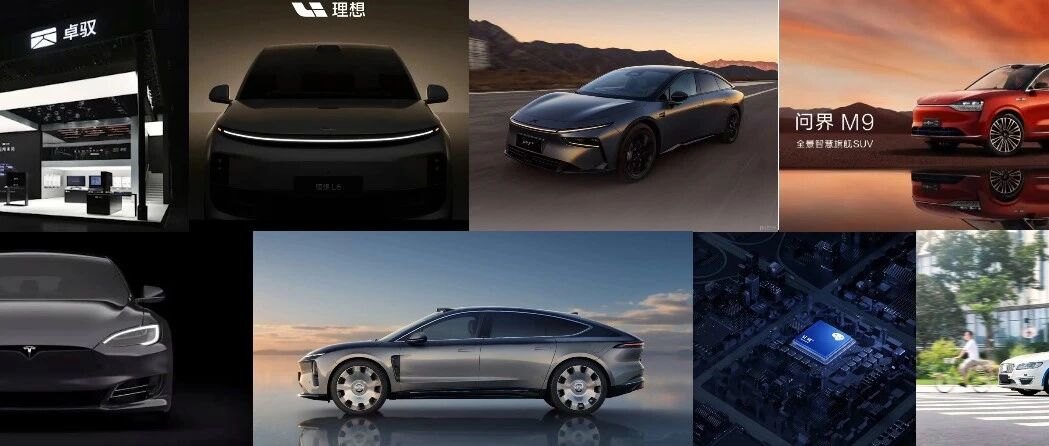
Core Viewpoint - The article discusses the evolution of autonomous driving technology, highlighting the competitive landscape among major tech companies, automakers, and startups, and how advancements are reshaping transportation methods [2][3]. Group 1: Tesla's Development - Tesla is recognized as a pioneer in autonomous driving, with its aggressive data-driven approach that discards traditional methods like LiDAR and high-definition maps in favor of pure visual perception [6]. - The development path includes the transition from modular designs to end-to-end neural networks, aiming to make AI think and drive like humans [6]. - Key technologies introduced include BEV (Bird's Eye View) and Occupancy Network, enhancing spatial awareness and reducing reliance on high-definition maps [8][12]. Group 2: Huawei's Progress - Huawei's ADS technology has evolved from multi-sensor fusion and high-definition map reliance to a "mapless" approach, enhancing perception algorithms and ultimately leading to end-to-end model applications [23]. - The ADS 1.0 version relied on multiple sensors and high-definition maps, while ADS 2.0 marked a breakthrough in "mapless" driving [25][26]. - The latest ADS 3.0 aims for full scene intelligent driving, integrating advanced perception networks and optimizing hardware for better performance [28]. Group 3: Momenta's Strategy - Momenta employs a dual strategy of data-driven algorithms and mass production of autonomous driving products, creating a feedback loop for continuous improvement [33]. - The company focuses on low-cost automated mapping and crowd-sourced map updates, enhancing its capabilities in complex environments [35]. Group 4: Horizon's Path - Horizon has developed a unique path from automotive-grade AI chips to full-stack solutions, emphasizing software and hardware collaboration for efficiency [47]. - The company has progressively advanced from early ADAS prototypes to L2+ and L3 capabilities, with plans for broader applications in 2025 [49][50]. Group 5: Xiaopeng's Evolution - Xiaopeng's autonomous driving journey reflects a shift from multi-sensor fusion and high-definition maps to a "mapless" approach, driven by AI large models [79]. - The XPILOT series has evolved from basic parking assistance to advanced highway and urban navigation capabilities, with significant improvements in system generalization [81][90]. Group 6: NIO's Development - NIO's approach is characterized by a cautious evolution from collaborative development to full-stack self-research, focusing on safety and reliability [98]. - The introduction of the World Model NWM in 2025 signifies a new phase in NIO's autonomous driving capabilities, enhancing cognitive and reasoning abilities [110].


世界模型能够从根本上解决VLA系统对数据的依赖,是伪命题...
自动驾驶之心· 2025-09-23 11:37
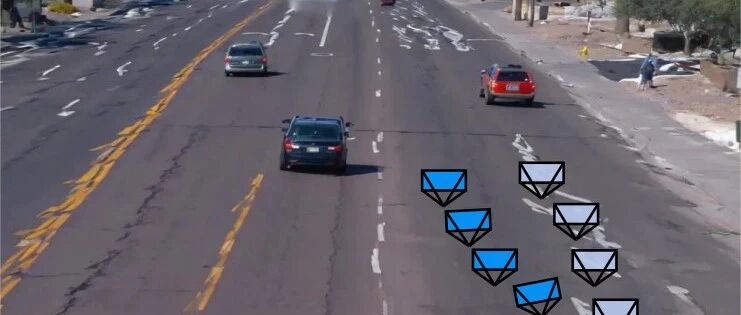
Core Viewpoint - The article discusses the ongoing debate between two approaches in the autonomous driving sector: VLA (Vision-Language Action) and WA (World Model), highlighting that both are fundamentally reliant on data, but differ in their methodologies and implications for the future of autonomous driving [1][2]. Summary by Sections VLA vs. WA - The autonomous driving landscape is splitting into two camps by 2025: companies like Xiaopeng, Li Auto, and Yuanrong Qixing are betting on the VLA approach, while Huawei and NIO are advocating for the WA model [1]. - WA is claimed to be the ultimate solution for achieving true autonomous driving, but the article argues that it is merely a rebranding of data dependency [1]. Data Dependency - Both VLA and WA are based on the premise that "data determines the upper limit" of capabilities [2]. - VLA relies on real-world multimodal data to train reasoning abilities, while WA requires a combination of real data and simulated data to enhance its capabilities [2]. - The industry is confused about the distinction between "data form" and "data essence," leading to misconceptions about the reliance on data [2]. Industry Misconceptions - The article emphasizes that the discussion should not focus on whether data is needed, but rather on how to efficiently utilize data [2]. - VLA and WA represent different methods of data collection and usage, with data remaining the core competitive advantage in autonomous driving until true artificial intelligence is realized [2]. Community and Resources - The "Autonomous Driving Knowledge Planet" community has over 4,000 members and aims to grow to nearly 10,000 in two years, providing a platform for technical exchange and sharing of knowledge in the autonomous driving field [4][10]. - The community offers resources such as learning routes, technical discussions, and access to industry experts, facilitating knowledge sharing among newcomers and advanced practitioners [4][11].
汽车之家举办全球AI科技大会 共筑“人工智能+汽车”生态
Zheng Quan Ri Bao Wang· 2025-09-23 10:44
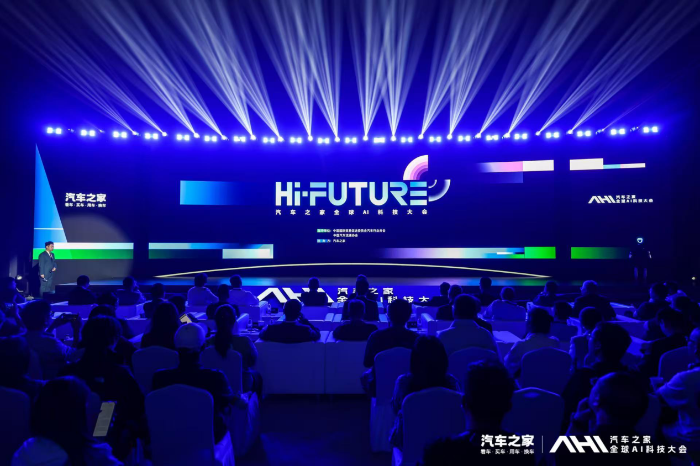
Group 1 - The automotive industry is undergoing a critical transformation towards intelligence, with significant achievements in AI applications [1] - Four key suggestions for AI development in the automotive sector include focusing on core technology breakthroughs, expanding from "single vehicle intelligence" to "industry intelligence," enhancing open cooperation, and maintaining safety and ethical standards [1] - The "Global AI Technology Conference" serves as a constructive platform for collaboration among industry, academia, and users, aiming to support the implementation of the "Artificial Intelligence +" strategy in the automotive field [1] Group 2 - The conference featured insights on the evolution of autonomous driving, with L3 being a simplified version of L4, indicating a closer proximity to L4 than L2 [2] - A report highlighted trends in China's electric vehicle intelligence development, including the initiation of "intelligent driving equality," the integration of AI models, and the acceleration of RoboTaxi commercial processes [2] - The AI business layout of the company was systematically explained, emphasizing the potential of AI technology to address structural pain points in consumer experience and business efficiency [2][3] Group 3 - AI technology is being leveraged to enhance both consumer and business service experiences, with a focus on personalized and efficient car purchasing processes [3] - The successful hosting of the conference demonstrates the company's resource integration and ecological influence within the industry [3] - The company plans to deepen its "ALL IN AI" strategy and strengthen its O2O service platform to lead the automotive industry in the wave of intelligence [3]
汽车之家举办全球AI科技大会 共筑“人工智能+汽车”生态,赋能产业智慧未来
Zhong Guo Xin Wen Wang· 2025-09-23 08:06
Core Insights - The "Global AI Technology Conference" held in Beijing focuses on the integration of artificial intelligence with the automotive industry, under the theme "Hi·Future" [1][3] - The conference aligns with the State Council's directive to implement the "Artificial Intelligence+" initiative, aiming for deep integration of AI in key sectors by 2027 [3][5] - The event serves as a high-level dialogue platform, showcasing the role of AI in driving innovation and transformation within the automotive sector [5][16] Policy and Industry Trends - The conference occurs at a pivotal moment following the release of the State Council's opinions on AI integration, emphasizing rapid growth in the core industries of the smart economy [3] - Suggestions for the automotive industry's AI development include focusing on core technology breakthroughs, expanding from "single vehicle intelligence" to "industry intelligence," fostering open collaboration, and maintaining safety and ethical standards [3][5] Technological Advancements - The conference features discussions on the future of intelligent driving, with insights from industry leaders on the advancements in AI technology and its implications for the automotive market [7][9] - Key topics include the transition from L2 to L3 autonomous driving, the role of world models in overcoming data bottlenecks, and the challenges of scaling VLA (Vehicle Level Automation) in international markets [7][9] Market Insights - A report released during the conference highlights trends in China's electric vehicle market, indicating a shift towards "intelligent driving equality," the integration of AI models, and the acceleration of RoboTaxi commercialization [11] - The report suggests that these trends will lead to a restructuring of competition within the electric vehicle sector [11] Company Initiatives - The host company, AutoHome, outlines its AI business strategy, emphasizing the need for improved consumer experience and operational efficiency in the automotive market [12][14] - AutoHome aims to create a one-stop intelligent service platform that enhances both consumer and business interactions through AI technology [14][16] Future Directions - The successful hosting of the conference demonstrates AutoHome's capability in resource integration and its commitment to advancing national strategies and industry progress [16] - The company plans to deepen its "ALL IN AI" strategy and strengthen its O2O service platform to lead the automotive industry in the wave of intelligent transformation [16]
自驾方向适合去工作、读博还是转行?
自动驾驶之心· 2025-09-22 10:30
Core Viewpoint - The article discusses the decision-making process for individuals in the autonomous driving field regarding whether to pursue a PhD, continue working, or switch careers, emphasizing the importance of foundational knowledge and practical experience in the industry [2][3]. Group 1: Career Decisions - The article highlights two critical questions for individuals considering a career in autonomous driving: the availability of foundational knowledge and practical experience in their current environment, and their readiness to take on pioneering research roles if pursuing a PhD [2][3]. - It points out that many academic mentors may lack deep expertise in autonomous driving, which can hinder students' development if they do not have a solid foundation [2]. - The article suggests that students should assess their preparedness to independently explore and solve problems, especially in cutting-edge research areas where few references exist [2][3]. Group 2: Community and Resources - The "Autonomous Driving Heart Knowledge Planet" community is introduced as a resource for beginners, offering a comprehensive platform for learning, sharing knowledge, and networking within the autonomous driving field [3][5]. - The community has over 4,000 members and aims to grow to nearly 10,000 in the next two years, providing a space for technical sharing and job-seeking interactions [3][5]. - Various practical questions and topics are addressed within the community, including entry points for end-to-end systems, multi-modal models, and the latest industry trends [5][16]. Group 3: Learning and Development - The community offers a structured learning system with over 40 technical routes covering various aspects of autonomous driving, including perception, simulation, and planning control [7][14]. - It provides access to numerous resources, including video tutorials, technical discussions, and job opportunities, aimed at both beginners and those looking to advance their skills [8][18]. - The community also facilitates connections with industry leaders and experts, enhancing members' understanding of the latest developments and job market trends in autonomous driving [12][92].
工信部公开征求组合驾驶辅助标准意见,小米大批量召回SU7标准版
Zhong Guo Qi Che Bao Wang· 2025-09-22 01:44
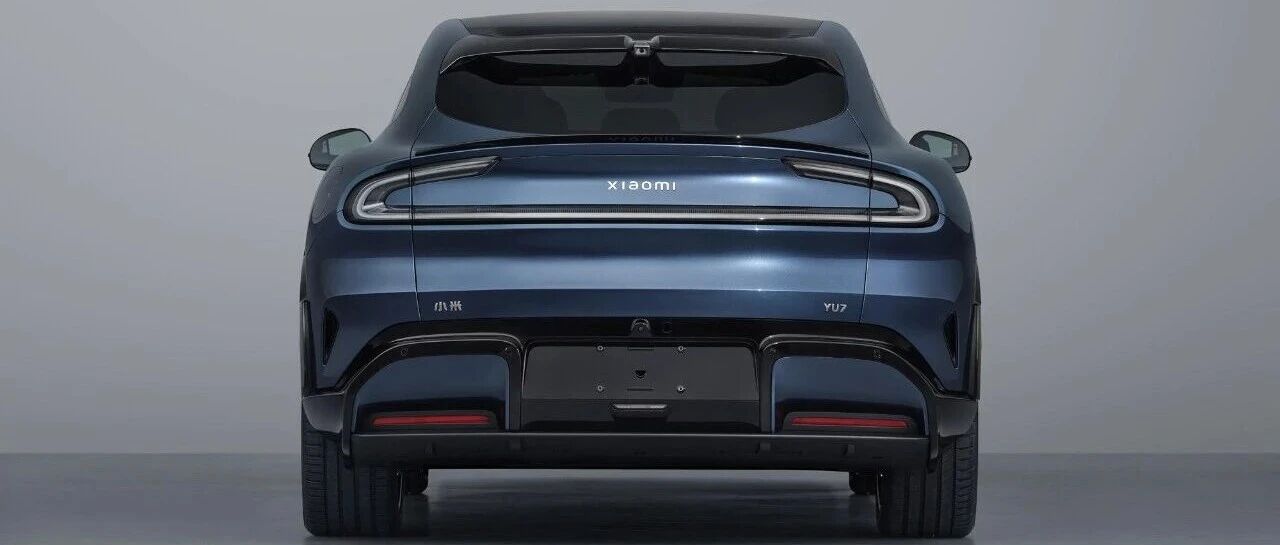
Group 1: Industry Developments - Jingu Co. established a wholly-owned subsidiary, "Hangzhou Jingu Embodied Intelligence Technology Co., Ltd.," to enter the embodied intelligence sector, focusing on humanoid, quadruped, service, and specialized application robots, leveraging its material technology for cost-effective solutions [2] - The U.S. Department of Transportation plans to propose three new federal motor vehicle safety standards in Spring 2026, aimed at updating regulations for autonomous vehicles without manual controls, reflecting a commitment to reshape the regulatory framework for autonomous driving [2] - Tesla's Robotaxi service is now open to the public in the U.S., following a pilot program in Texas, which could accelerate the adoption of autonomous driving technology and reshape the global transportation landscape [3] Group 2: Strategic Partnerships and Collaborations - Pony.ai announced a partnership with Qatar's national transport company Mowasalat to advance autonomous driving technology in Qatar, adapting its technology to local conditions [4] - Changan Automobile launched the "Tianshu Intelligent" brand, planning to explore applications for industrial robots and family service robots by 2030, marking a shift from vehicle manufacturing to smart living services [5][6] - Uber and Momenta are set to test a joint Robotaxi project in Munich, Germany, with plans for a full launch in 2026, indicating a significant step for Chinese autonomous driving technology in international markets [9][10] Group 3: Regulatory and Safety Initiatives - The China Automotive Engineering Research Institute introduced a "smart driving pyramid grading evaluation system," providing a structured assessment of autonomous driving capabilities to guide industry development and consumer choices [7][8] - The Ministry of Industry and Information Technology is soliciting public opinions on mandatory national standards for intelligent connected vehicles, aiming to strengthen safety measures in the industry [19] - Xiaomi announced a recall of over 116,000 SU7 electric vehicles due to safety concerns with the L2 highway navigation assistance feature, demonstrating a commitment to consumer safety and industry standards [22] Group 4: Market Movements and Financial Activities - Hesai Technology completed a dual listing on the Hong Kong Stock Exchange, raising over 4.16 billion HKD, marking the largest IPO in the global lidar industry [17] - Alibaba Group made a strategic investment in Hello's Robotaxi business, enhancing collaboration in autonomous driving and accelerating the commercialization of Robotaxi services [20][21] - Horizon Robotics established its European headquarters in Munich, enhancing its operational capabilities for the global market and supporting Chinese automotive companies in Europe [11]

中国智能驾驶芯片_自我们首次覆盖以来的常见问题与投资者反馈-China Smart Driving Chips_ FAQs and investor feedback since our initiation
2025-09-22 01:00
Summary of China Smart Driving Chips Conference Call Industry Overview - **Industry**: China Smart Driving Chips - **Key Companies**: Horizon Robotics (Outperform), Black Sesame (Underperform) [1][2] Core Insights and Arguments Market Potential - **Total Addressable Market (TAM)**: Expected to reach USD 15.4 billion by 2030, with a 40% CAGR from 2025 to 2030 [2] - **Penetration Rates**: Anticipated that L2++ (Urban NOA) penetration will reach 65% by 2030, while L2+ (Highway NOA) will plateau in the low 20s [2][18] OEM In-House Development - **Market Share**: Third-party vendors expected to retain over 60% market share by 2030 due to economies of scale [3][26] - **In-House Viability**: In-house solutions become cost-effective only when annual shipments exceed 1.5 million units; few OEMs can achieve this [3][30] Competition Landscape - **Horizon Robotics**: Stands out with a hardware-software integrated model, delivering performance comparable to NVIDIA at lower costs [4][38] - **Momenta**: Potential challenger but 2-3 years behind Horizon in chip development [4][43] - **Qualcomm**: Slow commercialization progress and limited mass production capabilities hinder its competitiveness [42] Financial Projections - **Horizon Robotics Valuation**: Projected annual shipment of J6P to reach 7.1 million units by 2030, corresponding to a 38% market share in outsourced L2+ & Above segment [5][52] - **Gross Margin**: Expected to decline from 77% in 2024 to 57% in 2030 due to changes in revenue mix [57] Additional Important Insights Consumer Preferences - **Smart Driving Features**: Over 70% of Chinese consumers consider smart driving functions important in vehicle purchasing decisions [12][14] - **Importance Increase**: From 2023 to 2024, smart driving features gained the most importance among factors influencing EV purchases [14] Risks and Catalysts - **Geopolitical Risks**: Concerns about the stability of partnerships with foundries like TSMC; however, short-term production is not expected to be affected [60] - **Investment Implications**: Horizon Robotics is positioned for growth due to its integrated solutions and strong R&D capabilities [7][8] OEM Strategies - **BYD's Position**: Struggling with L2+ promotion but expected to invest more in L2++ solutions to enhance user experience [22] - **In-House vs. Outsourcing**: OEMs like NIO, Xpeng, and Li Auto may focus on in-house development for strategic goals, but economic viability remains a concern [30][37] Conclusion The China Smart Driving Chip sector presents significant growth opportunities, particularly for Horizon Robotics, which is well-positioned to capitalize on the increasing demand for advanced driving features. The competitive landscape is evolving, with both in-house and third-party solutions coexisting, but the latter is expected to dominate the market due to scalability and cost advantages.