三全食品

Search documents
抢占“鲜”机 冷链运输隔日达 一颗荔枝跑出中原鲜速度
He Nan Ri Bao· 2025-07-05 23:27
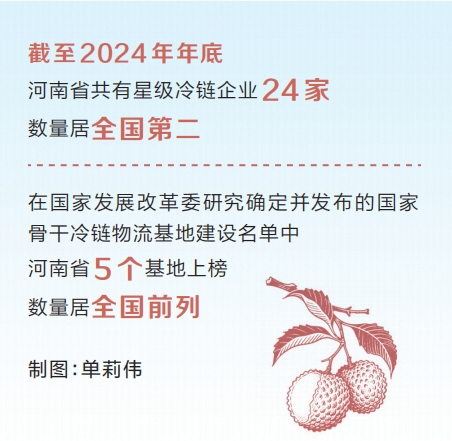
Core Viewpoint - The article highlights the rapid advancements in cold chain logistics in Henan, China, showcasing how technology and infrastructure improvements have enabled fresh produce, particularly lychees, to reach consumers quickly and efficiently. Group 1: Cold Chain Logistics Advancements - Two refrigerated trucks carrying 46 tons of Vietnamese lychees arrived at a logistics center in Henan, demonstrating the effectiveness of cold chain logistics in delivering fresh produce [1] - The use of cold chain logistics allows for lychees to be harvested in Guangxi and delivered to Henan the next day, emphasizing the speed of the supply chain [2] - The "Huading Snow Leopard Intelligent Model" developed by Huading Cold Chain Technology significantly enhances operational efficiency, enabling next-day delivery to rural areas [2][3] Group 2: Market Growth and Business Expansion - The local brand Weila Hot Pot has expanded to 1,300 stores in six years, leveraging the cold chain logistics partnership with Huading Cold Chain Technology to improve delivery efficiency and reduce costs [3] - Huading Cold Chain Technology operates 25 provincial regional centers with a total storage area of 400,000 square meters and a daily order volume of 1.2 million, covering over 2,000 counties [3] - The article notes that over 2,500 brands have benefited from the cold chain logistics model, achieving market penetration across the country [3] Group 3: Infrastructure and Economic Impact - Henan has established a comprehensive cold chain logistics system, with significant investments in transportation infrastructure, including a high-speed rail network and cargo flight routes [4] - The province has been recognized for its cold chain logistics capabilities, with 24 star-rated cold chain enterprises and five national cold chain logistics bases [4][5] - The integration of technology and logistics in Henan is transforming the region from a "cold chain province" to a "strong cold chain province," enhancing its role in the national market [6]

广东省阳江市市场监督管理局关于2025年第2期食品安全抽检结果的公示
Zhong Guo Zhi Liang Xin Wen Wang· 2025-07-03 08:39
Summary of Key Points Core Viewpoint - The Yangjiang Market Supervision Administration conducted a food safety inspection across the city, revealing a 3.33% non-compliance rate among 180 batches of food products tested, with 6 batches failing to meet safety standards [2]. Group 1: Inspection Results - A total of 180 batches were sampled, with 6 batches found to be non-compliant, resulting in a non-compliance rate of 3.33% [2]. - Specific non-compliance issues included pesticide residues such as chlorpyrifos and thiamethoxam, exceeding the maximum allowable limits [2][3]. Group 2: Regulatory Actions - The Yangjiang Market Supervision Administration mandated local regulatory bodies to investigate and handle the non-compliant food products and their producers [2]. - Non-compliant businesses will have their violations recorded in the food safety credit archives, and the investigation results will be made publicly available on local government websites [2]. Group 3: Product Details - The non-compliant products included various fresh produce such as scallions, radishes, and litchis, with specific pesticide residue levels reported [2][3][4]. - For example, scallions from Yangchun City were found to have chlorpyrifos levels of 0.22 mg/g, exceeding the permissible limit of 0.02 mg/g [2][3].

聚焦企业所需解决实际问题 更好服务保障实体经济推动高质量发展
Zheng Zhou Ri Bao· 2025-07-03 01:17
Group 1 - The core viewpoint emphasizes the importance of serving enterprises to promote high-quality development, focusing on understanding and addressing their needs and challenges [1][2] - The city government is actively engaging with various companies, including food production and technology firms, to understand their development processes, product research, and market expansion [1] - There is a strong encouragement for companies to enhance their R&D investments, focus on core business, and improve product quality and competitiveness while ensuring safety in production [1] Group 2 - The government aims to expand the service scope for enterprises, focusing on production operations, project construction, transformation, and the implementation of supportive policies [2] - A commitment to improving the service mechanism for enterprises is highlighted, aiming to create a favorable business environment and establish a clear and friendly relationship between government and businesses [2] - The initiative includes enhancing the efficiency of policy delivery to help enterprises benefit from government support, thereby facilitating their high-quality development [2]
【干货】2025年预制菜产业链全景梳理及区域热力地图
Qian Zhan Wang· 2025-06-30 03:44
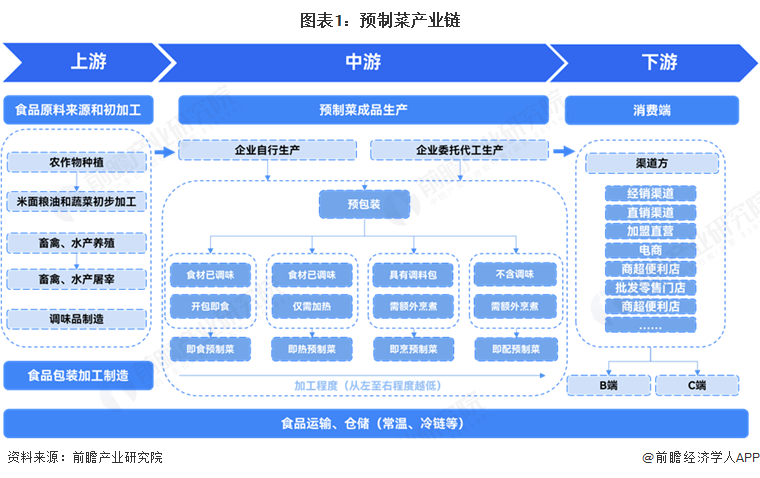
Group 1 - The core viewpoint of the article highlights the structure and distribution of the prepared food industry in China, emphasizing the production methods and key players involved in the supply chain [1][2]. - The prepared food production in China is categorized into two main types: self-produced and self-sold, and commissioned processing [1]. - Key participants in the prepared food supply chain include upstream raw material suppliers, initial processing companies, and downstream consumer outlets such as large retail chains and emerging e-commerce platforms [2][6]. Group 2 - The regional distribution of prepared food companies is primarily concentrated in Shandong, Henan, Jiangsu, and Anhui provinces, with Shandong having the highest number of companies at 2,959, accounting for 21.2% of the national total [6][8]. - The prepared food industry is notably concentrated in the East and Central China regions, benefiting from developed agriculture and advantageous transportation networks [6][8]. - As of April 2025, there are three major prepared food industrial parks in China, with two located in Shandong province, indicating a significant regional focus on this industry [11][13].


2025年中国自热火锅市场分析:自疫情结束后市场规模萎缩,行业市场集中度高
Qian Zhan Wang· 2025-06-25 08:39
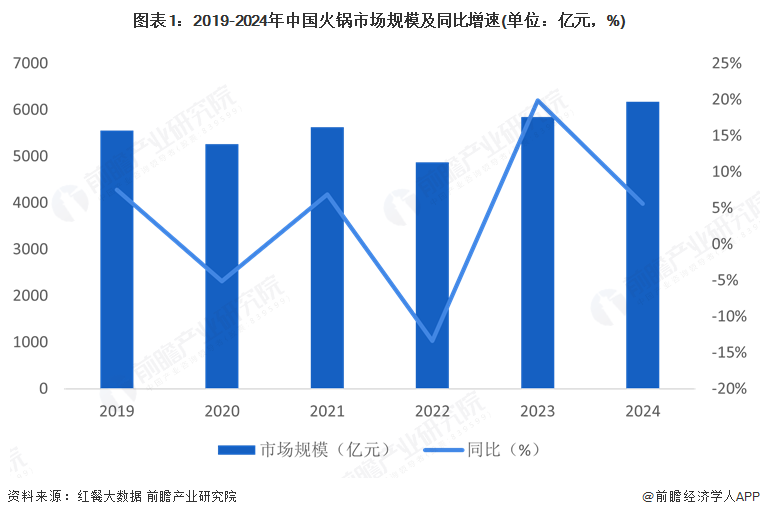
Group 1 - The core viewpoint of the article highlights the fluctuation in the domestic hot pot market and the significant decline in the self-heating hot pot market share [1][3] - The overall hot pot market in China is projected to reach a scale of 617.5 billion yuan in 2024, with a year-on-year growth of 5.6%, surpassing the overall growth rate of the catering industry [2] - The self-heating hot pot market is experiencing a severe downturn, with a year-on-year decline of approximately 20% in growth by the fourth quarter of 2024 [3][5] Group 2 - The decline in self-heating hot pot sales is attributed to changes in consumer behavior post-pandemic, product quality issues, and poor consumer experience [5][8] - The leading companies in the self-heating hot pot sector are Yihai International and Mo Xiaoxian, which together hold a significant market share of 83.73% in the fourth quarter of 2024, with Yihai International alone accounting for 50% [9][12] - The top five self-heating hot pot products in 2024 are dominated by Yihai International and Mo Xiaoxian, with their combined market share exceeding 40% [12][13]
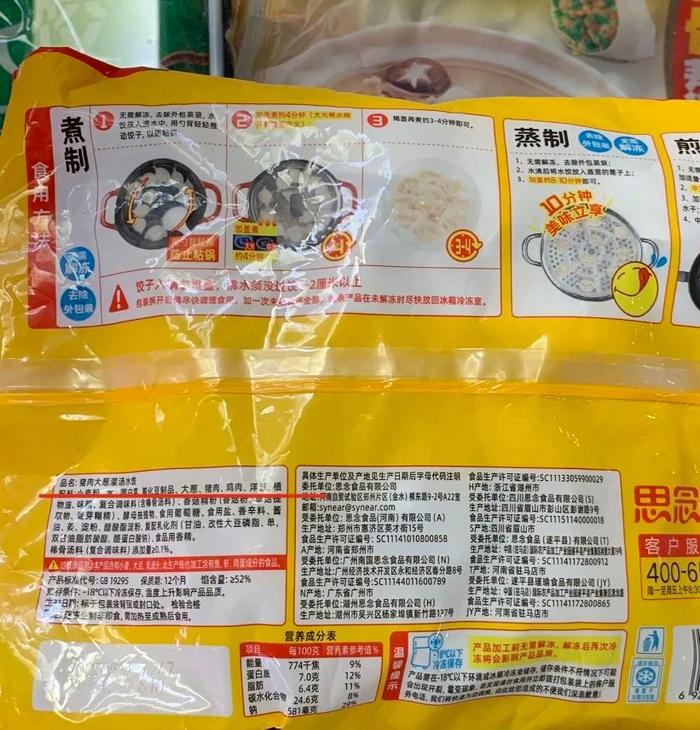
大豆蛋白含量超过肉 速冻水饺卖的是肉馅还是“肉味”
Bei Jing Shang Bao· 2025-06-24 05:55
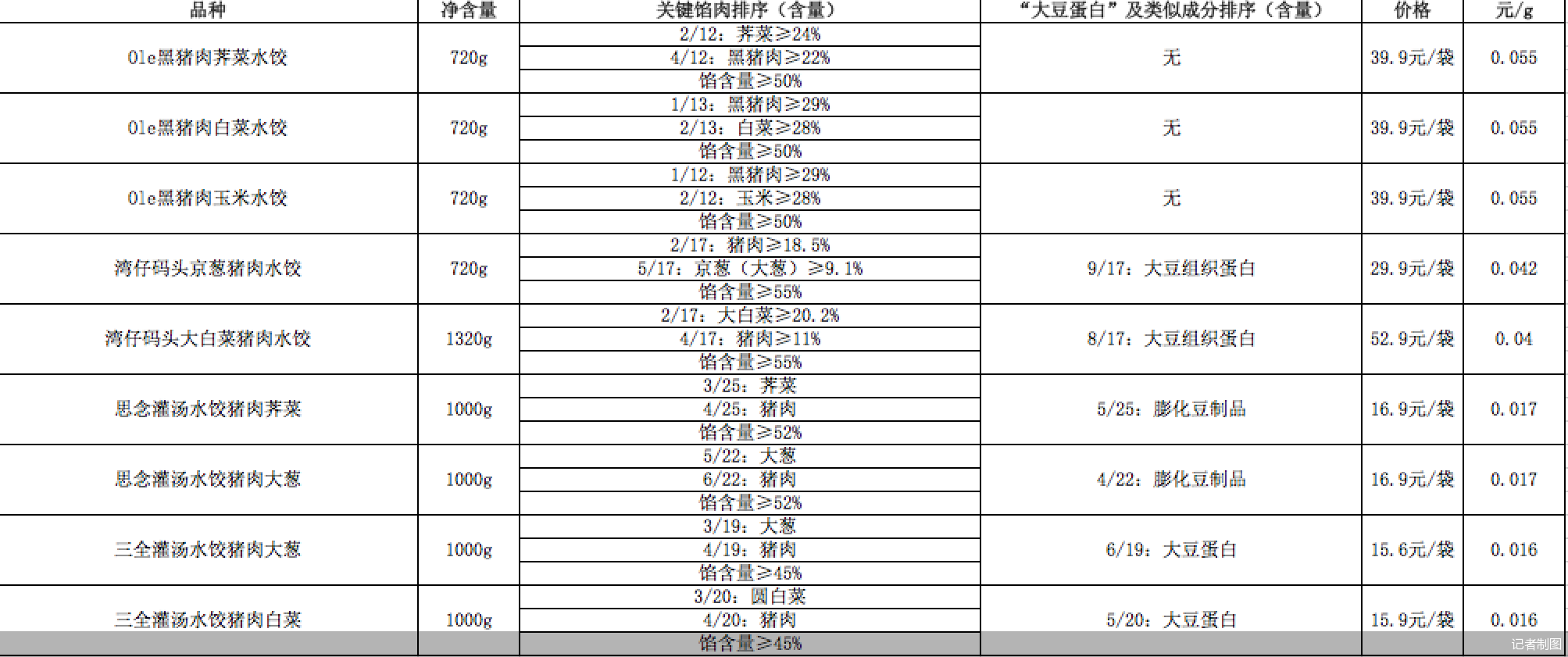
Core Insights - Consumers are increasingly scrutinizing ingredient lists before purchasing frozen dumplings, revealing industry practices regarding the use of soy protein and similar ingredients in meat dumplings [1][3][10] - Many brands list soy protein or similar components prominently in their ingredient lists, often ahead of actual meat, leading to concerns about the true meat content in these products [1][3][11] Ingredient Composition - A significant number of frozen dumpling products contain soy protein or similar ingredients, which are often not labeled with specific quantities, raising questions about the actual meat content [3][6][10] - The ingredient order in the lists typically indicates the proportion of each component, with higher quantities appearing first; however, the exact content is often considered a trade secret [3][5][11] Pricing and Cost Implications - Dumplings with higher soy protein content tend to be priced lower per gram compared to those with higher meat content, indicating a cost-saving strategy by manufacturers [5][6][10] - For example, a dumpling without soy protein costs approximately 0.055 yuan per gram, while one containing soy protein is priced at about 0.017 yuan per gram [5] Regulatory and Standardization Issues - Current national standards do not require specific labeling for the quantity of soy protein or similar ingredients, leading to a lack of transparency for consumers [6][7][10] - The absence of strict regulations allows companies to use these cheaper ingredients to reduce costs without clear disclosure to consumers [6][8][12] Consumer Awareness and Industry Practices - Consumers are advised to pay close attention to the first few ingredients listed, as these represent the primary components of the product [10][12] - There are ongoing discussions about the need for stricter regulations and clearer labeling practices in the industry to ensure consumers are not misled about the content of meat dumplings [8][13]
重磅!2025年中国及31省市预制菜行业政策汇总及解读(全)“食品安全规范是预制菜行业政策的主线”
Qian Zhan Wang· 2025-06-20 06:11
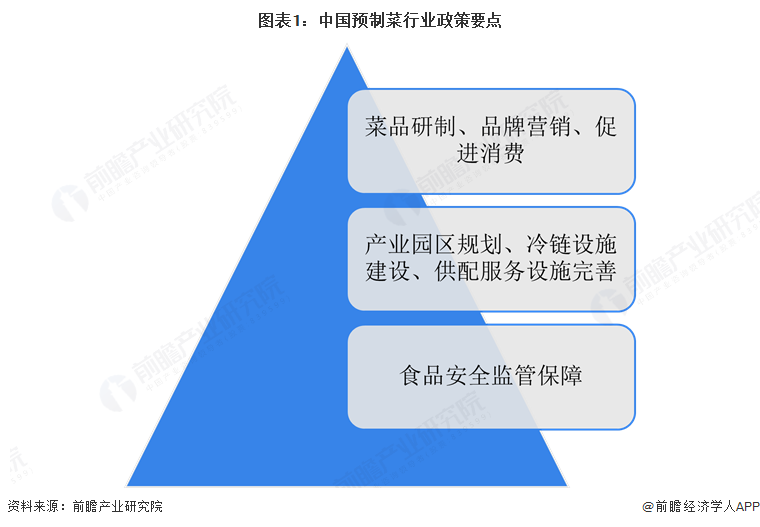
Industry Policies Summary - The pre-prepared food industry in China has shown significant potential, especially during the COVID-19 pandemic, leading to rapid development and increased government focus on management and guidance [1][2] - Key areas of government focus include food safety regulation, industrial park planning, cold chain facility construction, and enhancing consumer consumption and innovation [2][5] National Level Policy Overview - The Chinese government has issued various policies to support and regulate the pre-prepared food industry, addressing food safety management, production base construction, and cold chain logistics [5][10] - Policies from multiple departments, including the State Council and Ministry of Commerce, emphasize the importance of food safety and the establishment of standards for pre-prepared food [5][10] Key National Policies and Interpretations - Policies include strict food safety regulations, the establishment of a unified national standard for pre-prepared food production, and the promotion of technological innovation in the industry [11][12] - The government aims to enhance the quality and safety of pre-prepared food through improved supervision and the establishment of a comprehensive food safety management system [11][12] Local Level Policy Overview - Various provinces have implemented specific policies to promote the development of the pre-prepared food industry, focusing on building production bases, enhancing quality, and fostering innovation [13][15] - For example, Shandong aims to cultivate over ten leading enterprises with a market value of over 10 billion yuan by 2025, while Anhui targets a pre-prepared food industry scale exceeding 120 billion yuan [13][15] Future Development Goals - The government has set ambitious goals for the pre-prepared food industry, including the establishment of a robust cold chain logistics network and the promotion of high-quality development through technological advancements [8][10] - By 2025, the aim is to create a competitive and sustainable pre-prepared food industry that meets consumer demands and contributes to economic growth [8][10]
2025年中国速冻包子行业市场政策、产业链图谱、供需现状、竞争格局及发展趋势研判:低脂肪、低糖、低盐、无添加剂产品更受市场欢迎[图]
Chan Ye Xin Xi Wang· 2025-06-20 01:44
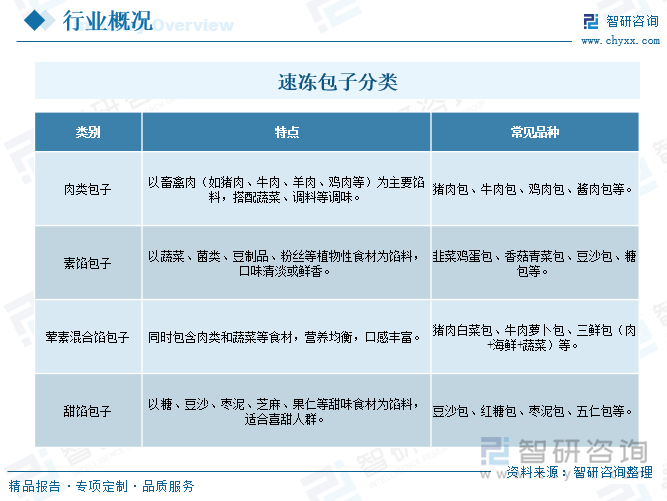
Overview - The demand for frozen buns in China is projected to reach 474,900 tons by 2024, with a market size of 11.872 billion yuan, and an average product price of approximately 25,000 yuan per ton. The increasing income levels and consumer preferences for convenient and high-quality frozen foods are expected to drive market expansion, particularly in urban areas [1][11]. Market Policy - Recent food safety regulations in China have become increasingly stringent, impacting various stages of the frozen bun supply chain, including raw material procurement, production, packaging, storage, and sales. These regulations aim to standardize market practices and protect consumer rights, promoting sustainable industry development in the long term [4]. Industry Chain - The frozen bun industry consists of upstream suppliers of raw materials (flour, meat, vegetables, etc.), midstream production processes, and downstream sales channels (supermarkets, convenience stores, e-commerce, and restaurants). Consumer preferences for convenience, taste, and health are driving innovation and product upgrades across the industry chain [7][9]. Competitive Landscape - The frozen bun market in China is highly competitive, with key players including Anjijia Food Group, Sanquan Food, Guangzhou Restaurant Group, and others. In 2024, Anjijia Food is expected to achieve total revenue of 15.13 billion yuan, followed by Sanquan Food with 6.632 billion yuan, and Babi Food with 1.671 billion yuan [13][16]. Development Trends - Future trends in the frozen bun market will focus on health-conscious products, including low-fat, low-sugar, and additive-free options. There will be an emphasis on diverse flavors and the incorporation of local specialties into frozen products, catering to the evolving tastes of consumers [21].

福建粮洽会签约38.5万吨揽金11.5亿元 河南优质粮油迈向大市场
He Nan Ri Bao· 2025-06-19 23:27
Group 1 - The Henan province successfully signed intention orders for 385,000 tons of grain with a transaction amount of 1.15 billion yuan during the 21st Grain Production and Marketing Cooperation Conference [1] - Over 500 grain and oil enterprises participated in the conference, showcasing nearly 100 products, including frozen foods and intelligent grain storage equipment [1] - The "Meiyu Grain and Oil" promotion event highlighted the quality of Henan's grain products, attracting significant interest from buyers [2] Group 2 - The focus on promoting high-quality wheat from Jiaozuo, which is a core breeding base in the Huang-Huai-Hai region, with an annual production of 400 million kilograms of quality wheat seeds [2] - The promotion of the Huai Chuan 66 high-quality special strong gluten wheat, which fills a gap in the market for noodle-specific wheat in China [2] - The Henan Grain and Material Reserve Bureau plans to continue leveraging the "Meiyu Grain and Oil" brand to expand the reach of Henan's quality grain products nationwide [2]
肉馅水饺配料表揭秘:大豆蛋白竟排在猪肉前面?涉知名品牌...
Bei Jing Shang Bao· 2025-06-19 11:23
Core Viewpoint - Consumers are increasingly scrutinizing ingredient lists before purchasing frozen dumplings, revealing industry practices where soybean protein or similar ingredients are often prioritized over actual meat content in the ingredient lists [2][3][6]. Ingredient Composition - Many brands of frozen meat dumplings contain soybean protein or similar ingredients, often listed prominently in the ingredient list without specific quantity disclosures [3][6]. - The presence of soybean protein or similar ingredients is common in frozen dumplings, with some products showing these ingredients listed before actual meat, indicating a higher proportion of plant-based content [3][4][12]. Pricing Dynamics - Dumplings with higher proportions of soybean protein or similar ingredients tend to be priced lower per gram compared to those with higher meat content [5][6]. - For example, a dumpling containing no soybean protein is priced at 0.055 yuan per gram, while one with soybean protein is priced at 0.017 yuan per gram [5]. Regulatory Standards - Current national standards do not require specific labeling of soybean protein or similar ingredients, leading to a lack of transparency for consumers [8][9]. - The absence of clear regulations on the proportion of meat versus plant-based proteins in frozen dumplings allows companies to reduce costs significantly by increasing the use of plant-based ingredients [8][9][10]. Consumer Awareness - Consumers are advised to pay attention to the order of ingredients listed, as the first few ingredients typically represent the majority of the product [12][13]. - There is a growing concern about misleading labeling practices, where products may be marketed as "meat dumplings" despite having a higher content of plant-based proteins [12][13]. Future Trends - The industry is expected to see increased regulation and standardization regarding the labeling of plant-based proteins, with potential future requirements for quantitative disclosures [14][15]. - Companies are gradually shifting towards cleaner ingredient lists and may reduce or eliminate the use of non-native ingredients in response to consumer preferences for natural foods [15].