
华熙生物

Search documents
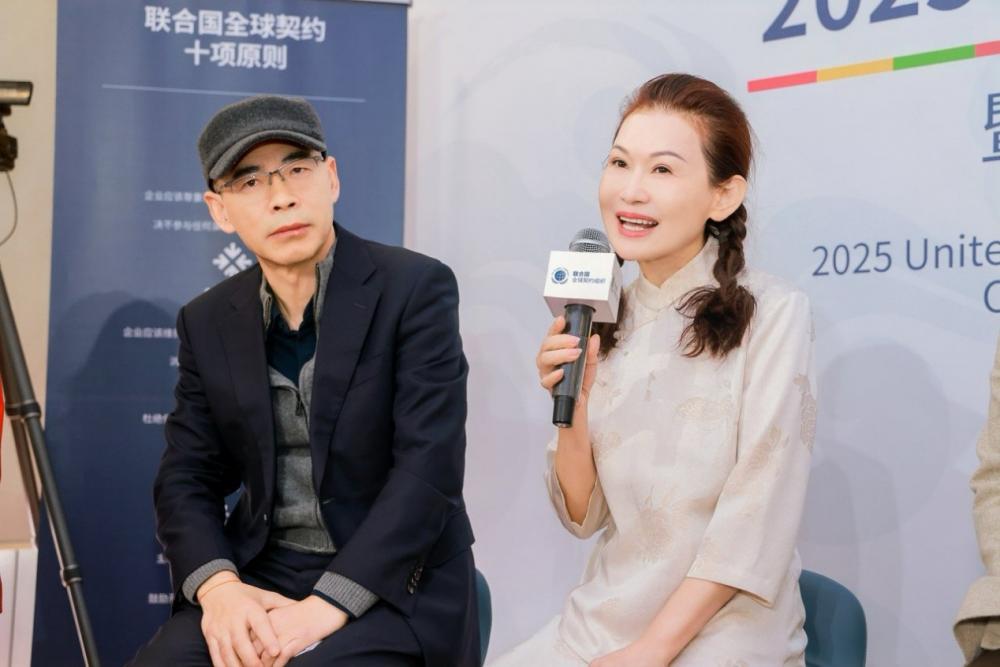
华熙生物董事长赵燕在联合国全球契约组织25周年舞台发声:向全球展示生物科技企业的中国ESG方案
2 1 Shi Ji Jing Ji Bao Dao· 2025-12-11 13:56
Core Viewpoint - The article highlights the commitment of the company to sustainable development and ESG governance, showcasing its practices and achievements at the UN Global Compact's 25th anniversary event [1][11]. Group 1: ESG Governance Structure - The company has established a three-tier governance system for ESG management that penetrates the board, management, and operational levels, ensuring organizational, institutional, and normalized ESG management [3]. - An independent ESG committee, composed of independent directors and external ESG experts, is responsible for strategic formulation, supervision, and cross-departmental collaboration [3]. - The company has published a transparent "2030 ESG Strategic Roadmap," which includes quantifiable and auditable governance systems covering climate governance, biosecurity management, ethical compliance, and raw material sustainability [3]. Group 2: Cultural Integration of Sustainability - The company has a dedicated ESG management center with a small team, integrating ESG key performance indicators into management assessments and extending them to grassroots employee goals [4]. - Initiatives such as green skills training and zero-carbon factory practices are implemented to embed sustainable development into the corporate culture [4]. Group 3: Technology-Driven ESG Integration - The company views ESG as a "hard prerequisite" for innovation, particularly in biotechnology, ensuring compliance with domestic and international biosecurity and ethical standards [5]. - Low-carbon technologies are utilized in processes to achieve carbon reduction and resource recycling, with a focus on sustainable raw material sourcing [5]. - The company is developing an "ESG penetrating" green ecosystem in supply chain management, incorporating carbon footprint and compliance into supplier assessments [5][6]. Group 4: Financial Implications of ESG Practices - The company has effectively reduced governance and compliance-related uncertainties in the capital market through a transparent and auditable ESG governance and disclosure system, which helps lower capital risk premiums [8]. - By achieving quantifiable emission reduction results through technology-driven carbon reduction and resource efficiency improvements, the company gains advantages in green financing and green bond issuance [8]. - The company aims to shift valuation logic from "cost-oriented" to "capability-oriented," enhancing operational efficiency and resilience through ESG practices [9]. Group 5: Recognition and Future Commitment - The company received a certificate from the UN Global Compact, recognizing its achievements in ESG governance and sustainable development practices [11]. - The company plans to deepen its ESG governance structure and integrate sustainable principles with its strategic, technological, and supply chain initiatives to promote industry and societal sustainability [13].


锚定生物制造未来:华熙生物赵燕畅谈“十五五”下企业的创新与标准“破壁”
Jin Rong Jie· 2025-12-11 10:27
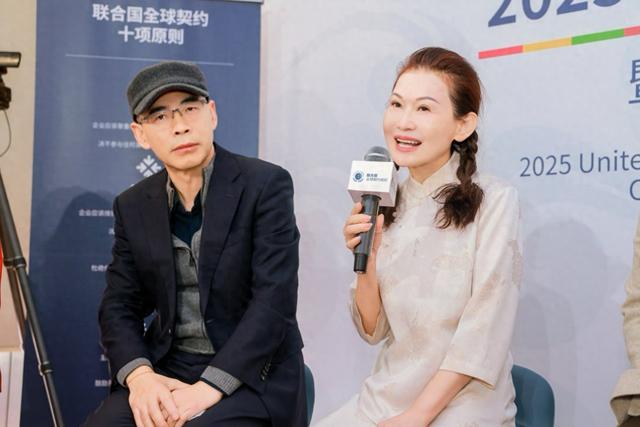
十五五规划建议明确提出"加快打造新兴支柱产业、大力提振消费",这不仅是产业升级的号角,更是品 牌创新与品质创新的重要契机。近日,在央视《对话·创新中国行》节目现场,华熙生物董事长赵燕围 绕企业在透明质酸(玻尿酸)领域的创新突破、全球竞争策略及产业升维思考展开深度分享。 谈及十五五规划建议提出的"推动产业绿色智能融合发展",赵燕指出,中国企业实现产业升维的突破点 在于三大核心:一是筑高技术创新壁垒,建立持续创新体系,引领行业发展;二是强化质量标准建设, 筑牢品质根基;三是主导制定评价标准,联合国家权威部门与行业协会构建行业标准体系,掌握话语 权。"只有拥有标准话语权,在国际上才有同等对话的权利,才能真正实现从中国制造到中国创造的跨 越。" 赵燕强调,华熙生物的实践正是如此,从突破透明质酸规模化生产技术,到如今布局细胞外基质 (ECM)等前沿研究,通过单点技术突破将单一物质做到全球第一,再推动技术转化为国家标准物 质,构筑起行业技术标准的话语权,奠定核心技术壁垒进而实现系统布局。 对于未来3-5年的核心目标,赵燕聚焦生物制造产业的关键短板:持续筑牢中国的合成生物中试转换平 台。她表示,华熙生物致力于打通产学研,将 ...
华熙生物董事长赵燕:向全球展示生物科技企业的中国ESG方案
Huan Qiu Wang· 2025-12-11 08:50
在论坛发言中,赵燕董事长系统阐述了华熙生物在ESG治理方面的整体路径。她指出,企业已构建了穿 透董事会、管理层与基层运营的"三层治理体系",实现了ESG管理的组织化、制度化与常态化。 在治理架构层面,华熙生物董事会设立了独立的ESG委员会,由独立董事与外部ESG专家共同组成,负 责战略制定、监督评估与跨部门协同。董事长作为第一责任人,确保可持续发展战略从顶层设计到落地 执行全过程闭环推进。与此同时,公司制定并对外发布了公开透明的《2030 ESG战略路线图》,从气 候治理、生物安全管理、伦理合规到原料可持续性建立了可量化、可审计的治理体系。 在风险管理方面,公司构建了覆盖生物技术全链条的风险识别与监控体系,从原料端、生物制造端到产 品应用端,全面对标国内外生物安全及伦理标准,实现全过程可追溯与透明披露。 在文化落地方面,赵燕董事长强调,华熙生物可持续发展有专门的ESG管理中心,ESG管理中心不是说 有庞大的队伍,其实只有三个专职人员,其他人员都是贯穿在整个不设"独立的ESG部门",而是将责任 内嵌到研发、生产、经营的每一环节。公司将ESG关键指标纳入管理层薪酬考核,并延伸到基层员工年 度目标,通过绿色技能培训 ...
A股三大股指尾盘下跌,摩尔线程猛涨28%市值破4400亿,加密货币全线杀跌15万人爆仓
21世纪经济报道· 2025-12-11 07:29
记者丨江佩佩 编辑丨刘巷 12月11日午后,亚太股市呈现"先扬后抑"的剧烈反转, 截至收盘 日韩股市集体收跌,A股三大股指尾盘也加速下跌,创业板指、深证成指均跌 超1%,沪指跌0.7%,全市场超4300只个股下跌。泛消费、房地产、纺织服装、食品饮料等方向跌幅居前。 | 内地股票 [^ | | | | --- | --- | --- | | 行情 | 资金净流入 | 涨跌分布 | | 上证指数 | 深证成指 | 北证50 | | 3873.32 | 13147.39 | 1443.17 | | -27.18 -0.70% -169.04 -1.27% +53.37 +3.84% | | | | 科创50 | 创业板指 | 万得全A | | 1325.83 | 3163.67 | 6219.38 | | -20.87 -1.55% -45.33 -1.41% -68.90 -1.10% | | | | 沪深300 | 中证500 | 中证A500 | | 4552.18 | 7082.89 | 5486.31 | | -39.64 -0.86% -73.10 -1.02% -46.28 -0.84% | | | ...

WISE2025收官日精华全记录,这波「商业干货」必须拿好!
36氪· 2025-12-10 11:18
Group 1 - The WISE2025 conference highlighted the evolution of Chinese commercial ecology from mere visibility to deeper insights and practices, focusing on brand mentality, technological empowerment, and future scenarios [2][11][64] - The event featured interactive experiences showcasing advanced technologies, including various robots and smart devices, emphasizing the concept of human-machine coexistence [4][8][28] - The conference discussed the importance of brand recognition and emotional value in a changing market, with insights from industry leaders on how to build lasting brands [12][16][20] Group 2 - The release of the "Future Super Brand List" by 36Kr and Nielsen IQ emphasized the significance of cultural resonance and user loyalty in brand development amidst economic fluctuations [14][16] - Insights from various speakers, including Zhao Yan and Wang Zhiguo, highlighted the shift from industrial manufacturing to biological manufacturing and the role of AI in enhancing productivity and organizational efficiency [18][21][22] - The discussions on globalization underscored the need for companies to adapt to local markets and build value networks, moving from a mindset of mere expansion to one of symbiosis [38][39][46] Group 3 - The conference concluded with a consensus that Chinese business is transitioning from model innovation to value reconstruction, with a focus on the deeper logic of commercial practices [64][63] - Key trends identified included the importance of understanding generational motivations and the role of founders in shaping brand identity in a trust-scarce environment [55][56] - The event showcased the potential of AI and technology in redefining marketing and consumer engagement, emphasizing the need for businesses to leverage these tools for future growth [29][40][48]

解码美妆业ESG新趋势:绿色包装成共识,中国特色案例增多
Nan Fang Du Shi Bao· 2025-12-10 09:37
Core Viewpoint - The article discusses the evolution of ESG (Environmental, Social, and Governance) practices in the Chinese beauty industry, highlighting the increasing focus on sustainable packaging, local cultural integration, anti-corruption measures, and the rise of "clean beauty" concepts among domestic brands [1][2][9]. Group 1: ESG Practices in the Beauty Industry - The "Sustainable Innovation Laboratory" of Southern Metropolis Daily is collecting exemplary ESG practices from companies to promote sustainable development [1]. - A report titled "2025 ESG Sustainable Innovation Trend Insight Report" will be released, showcasing best practices in ESG from various companies [2]. - Major Chinese beauty brands are increasingly adopting green packaging strategies, with a consensus emerging around carbon reduction and product lifecycle management [3][5]. Group 2: Green Packaging Initiatives - Companies like Up Beauty and Huaxi Biological are implementing sustainable packaging practices, including the use of FSC-certified materials and reducing plastic usage [3]. - Pulaia has detailed its green packaging efforts, aiming to increase the proportion of sustainable materials by 20% and reduce packaging intensity by 15% [5]. - Betaini reported a significant increase in effective bottle recycling, achieving 2.67 million bottles in 2024, eight times the previous year [7]. Group 3: Localized ESG Topics - Chinese beauty companies are incorporating "Chinese characteristics" into their ESG disclosures, such as marriage and childbirth benefits for employees and contributions to rural revitalization [9][10]. - Up Beauty has established a marriage and childbirth fund of 10 million yuan to support employees [9]. - The focus on rural revitalization includes financial support for local infrastructure projects, enhancing community living conditions [9]. Group 4: Anti-Corruption Measures - Domestic beauty brands are establishing anti-corruption reporting mechanisms, a unique feature compared to international counterparts [11]. - Companies like Mao Ge Ping and Huaxi Biological have implemented structured anti-corruption training and reporting systems [12]. Group 5: Digital Transformation and AI - The application of AI technology in ESG reporting is becoming more prominent, with companies like L'Oreal investing over 1 billion euros annually in technology and data analysis [14]. - L'Oreal is developing digital tools to manage revenue growth and optimize product pricing through data integration [14]. Group 6: Rise of Clean Beauty - The concept of "clean beauty" is gaining traction, with brands focusing on safe and transparent ingredient sourcing [17][20]. - Up Beauty has established a green ingredient research center and published a white paper on clean beauty standards [18]. - The increasing consumer awareness regarding product safety and ingredient transparency is driving the demand for clean beauty products [21].

一朵“山茶花”卖出10个亿!“贵妇”们用的林清轩,要冲击IPO了
Sou Hu Cai Jing· 2025-12-10 07:57
Core Viewpoint - Lin Qingxuan has updated its IPO prospectus, including a name change from "Shanghai Lin Qingxuan Biotechnology Co., Ltd." to "Shanghai Lin Qingxuan Cosmetics Group Co., Ltd." This change has sparked discussions among investors regarding the strategic implications of moving from a biotechnology focus to a cosmetics brand, especially as the company approaches its IPO [1][2][3]. Financial Performance - Lin Qingxuan's revenue is projected to grow from approximately 6.91 billion yuan in 2022 to 12.1 billion yuan in 2024, indicating a steady upward trend [7]. - In the first half of this year, Lin Qingxuan reported revenue of about 10.52 billion yuan, a significant increase of 98.49% compared to the same period last year [8]. - The company's gross profit margins are notably high, with figures of 78.0%, 81.2%, 82.5%, and 82.4% for the years 2022 to 2024, outperforming major competitors [9]. Research and Development - Despite the high gross margins, Lin Qingxuan's R&D expenses have been relatively low, with rates of 3.06%, 2.45%, 2.51%, and 1.71% from 2022 to 2024, indicating a declining trend [10]. - The company has managed to maintain its high-end product sales without significant R&D investment, suggesting a potential reliance on marketing rather than innovation [11][19]. Marketing Strategy - Lin Qingxuan's marketing and distribution expenses have been substantial, with figures of 5.09 billion yuan, 4.86 billion yuan, and 6.88 billion yuan from 2022 to 2024, constituting a significant portion of total revenue [16]. - The marketing expenses have been approximately 9 to 20 times higher than R&D expenditures, highlighting a strategy focused on brand marketing over product development [16][18]. Market Position and Risks - The company has a heavy reliance on its core product, camellia oil, which accounted for 45.5% of revenue in the first half of this year, raising concerns about market risk due to limited product diversification [18]. - Recent investor behavior indicates a lack of confidence in Lin Qingxuan's IPO prospects, with early investors exiting before the IPO submission [21]. Future Outlook - Lin Qingxuan plans to expand its product line beyond camellia oil and implement a multi-brand strategy to enhance its market position [24]. - The company has maintained a growing number of physical stores, increasing from 366 to 554 over the past three years, which may provide a buffer against market fluctuations [26].
2025年中国化妆品新原料行业短报告:“妆”备竞赛升级,谁最有可能定义下一代超级单品?
Tou Bao Yan Jiu Yuan· 2025-12-09 12:16
Investment Rating - The report does not explicitly provide an investment rating for the cosmetics new ingredients industry in China Core Insights - The report aims to systematically outline the development status and core characteristics of the new cosmetic ingredients industry in China, analyzing the definition management, efficacy orientation, filing patterns, and technological trends to provide valuable insights for industry participants to grasp R&D directions and optimize strategic layouts [3] Summary by Sections Overview of China's Cosmetic Ingredients - Cosmetic ingredients are the core foundation and value source throughout the entire industry chain, with innovation directly determining the efficacy, safety thresholds, and market competitiveness of end products. China implements a dual-track management system for new cosmetic ingredients, providing a clear regulatory pathway for ingredient innovation while imposing higher safety and efficacy requirements [7] - The analysis indicates that due to abundant local plant resources, natural and mild plant extracts have become mainstream, with maintaining skin barrier and antioxidant properties being two major functional claims. The industry shows a dual-track development path, rapidly following mature ingredients validated in international markets while actively exploring cross-application of food-grade materials [7][8] Overview of China's Cosmetic Filing New Ingredients - The data shows that chemical ingredients account for 46.0%, plant ingredients for 30.7%, biotechnology ingredients for 20.0%, and animal ingredients for 3.3% of the new filing ingredients in China. Chemical synthesis remains the dominant force in upstream development due to its advantages in formula stability, process maturity, and cost control [29] - The leading functions of these ingredients include skin protectants and antioxidants, which account for 43.0%, followed by moisturizers at 17.3% and anti-wrinkle agents at 9.0%. The focus of cosmetic R&D has shifted from superficial modification to maintaining and enhancing skin health [29][28] Development Trends of China's Cosmetic New Ingredients - Biomanufacturing technologies, including microbial fermentation, genetic engineering, enzyme engineering, and tissue culture, are profoundly influencing traditional chemical ingredient production methods, driving the transformation of cosmetic ingredients towards greener, low-carbon, and high-efficiency directions [7] - Despite facing adjustment pressures in end-consumer demand, the continuous growth of disposable income among residents lays a solid foundation for consumption upgrades. This demand will continue to compel upstream ingredient sectors to innovate substantively to activate potential consumer needs [7][41]
深度|超分子站上新风口,为美妆带来了什么?
FBeauty未来迹· 2025-12-09 10:37
Core Insights - Supramolecular technology is gaining significant attention in the cosmetics industry, focusing on "molecular structure" and "intelligent delivery" to enhance ingredient efficacy and stability [3][4][19] - Major international brands like L'Oréal and Shiseido, as well as local companies, are actively developing and applying supramolecular technology in their products [6][9][21] - The technology aims to address traditional active ingredient challenges, such as penetration, stability, and synergy, providing a new pathway for innovation in skincare [20][34] Industry Trends - The emergence of supramolecular technology reflects a broader trend in the cosmetics industry towards more effective, gentle, and intelligent products, driven by consumer demand for enhanced efficacy [19][20] - Companies are exploring various supramolecular pathways, including microcapsules, co-crystals, and self-assembly techniques, indicating a diverse approach to ingredient application [4][9] - The technology is seen as a response to the industry's need for differentiation and innovation, with brands focusing on structural optimization to enhance product performance [12][34] Product Development - L'Oréal's fourth-generation collagen cream and Shiseido's new products utilize supramolecular technology to improve ingredient absorption and efficacy [7][8] - Local brands like Fulejia and Marubi are also leveraging supramolecular techniques to enhance their product offerings, demonstrating the technology's widespread adoption [9][10] - The collaboration between companies and research institutions is crucial for advancing supramolecular technology, as seen in partnerships like that of Fulejia and Shenzhen Shanhai Innovation Technology [21][23] Scientific Foundation - Supramolecular technology is based on supramolecular chemistry, which studies the interactions between molecules through non-covalent bonds, allowing for dynamic and reversible assembly [14][15] - This approach differs fundamentally from traditional molecular modification, offering a modular and flexible method for creating complex structures [16][19] - The technology's potential for precise and intelligent delivery of active ingredients is being explored across various applications in the cosmetics sector [24][34] Challenges and Future Outlook - The industry faces challenges in establishing the stability and efficacy of supramolecular formulations in complex systems, which requires rigorous quality control and production processes [28][30] - Effective consumer education on supramolecular technology is essential, as understanding its benefits and applications can enhance market acceptance [30][32] - The future of supramolecular technology in cosmetics is promising, with potential applications extending beyond skincare to areas like hair care and fragrance, indicating a broad scope for innovation [35][36]

研判2025!中国胶原蛋白面膜行业产业链全景、发展现状、企业布局及未来发展趋势分析:重组技术领航赛道,千亿市场潜力迸发[图]
Chan Ye Xin Xi Wang· 2025-12-09 01:09
Industry Overview - Collagen masks are mainstream skincare products focused on anti-aging and repair, utilizing collagen as the core ingredient along with auxiliary components to achieve hydration and skin barrier repair [1][2] - The Chinese mask industry is expected to reach a market size of 72.986 billion yuan in 2024, entering a period of adjustment and transformation, facing growth slowdown and intensified competition [1][6] - The collagen market is experiencing explosive growth, with a compound annual growth rate (CAGR) of 41.9% from 2020 to 2023, and retail scale expected to exceed 269.5 billion yuan by 2030 [1][7] Market Dynamics - The market structure in China shows that sheet masks remain dominant, while cream masks are rapidly growing, focusing on hydration and repair needs [1][7] - The competitive landscape features local leaders dominating, niche players breaking through, and international brands penetrating the market, with a clear price gradient and significant differentiation between high, medium, and low-end markets [1][8] Industry Chain - The upstream of the collagen mask industry primarily uses animal-derived collagen, while recombinant collagen is rapidly developing due to its high purity and compatibility with mask formulations [6][10] - The manufacturing process involves various technologies to convert raw materials into different forms and functions of mask products, with sales channels dominated by online e-commerce and deepening offline professional channels [6][10] Current Development - The Chinese mask industry is transitioning into a phase of deep integration after rapid growth, with three emerging drivers leading market changes: consumption upgrades, male skincare market expansion, and personalized demand fostering innovative scenarios [6][7] - The market size is projected to steadily grow to 76.79 billion yuan by 2025 and potentially exceed 146.42 billion yuan by 2030, indicating robust long-term growth prospects [6][7] Key Players - Major companies in the collagen mask industry include Juzi Biotechnology, Huaxi Biotechnology, and Marubi Biotechnology, leveraging differentiated technologies and channel advantages to lead the market [2][10] - The industry is characterized by a multi-faceted competitive ecosystem, with local leaders, niche players, and international brands all contributing to the market dynamics [10] Future Trends - The industry is expected to advance towards high-end technology, refined products, and standardized ecosystems, with a focus on cross-disciplinary technology integration and precise formulations [10][12] - Regulatory tightening is anticipated to accelerate the elimination of smaller brands, increasing market concentration, while leading companies will strengthen their market positions through R&D innovation and global expansion [10][14]


