古茗

Search documents
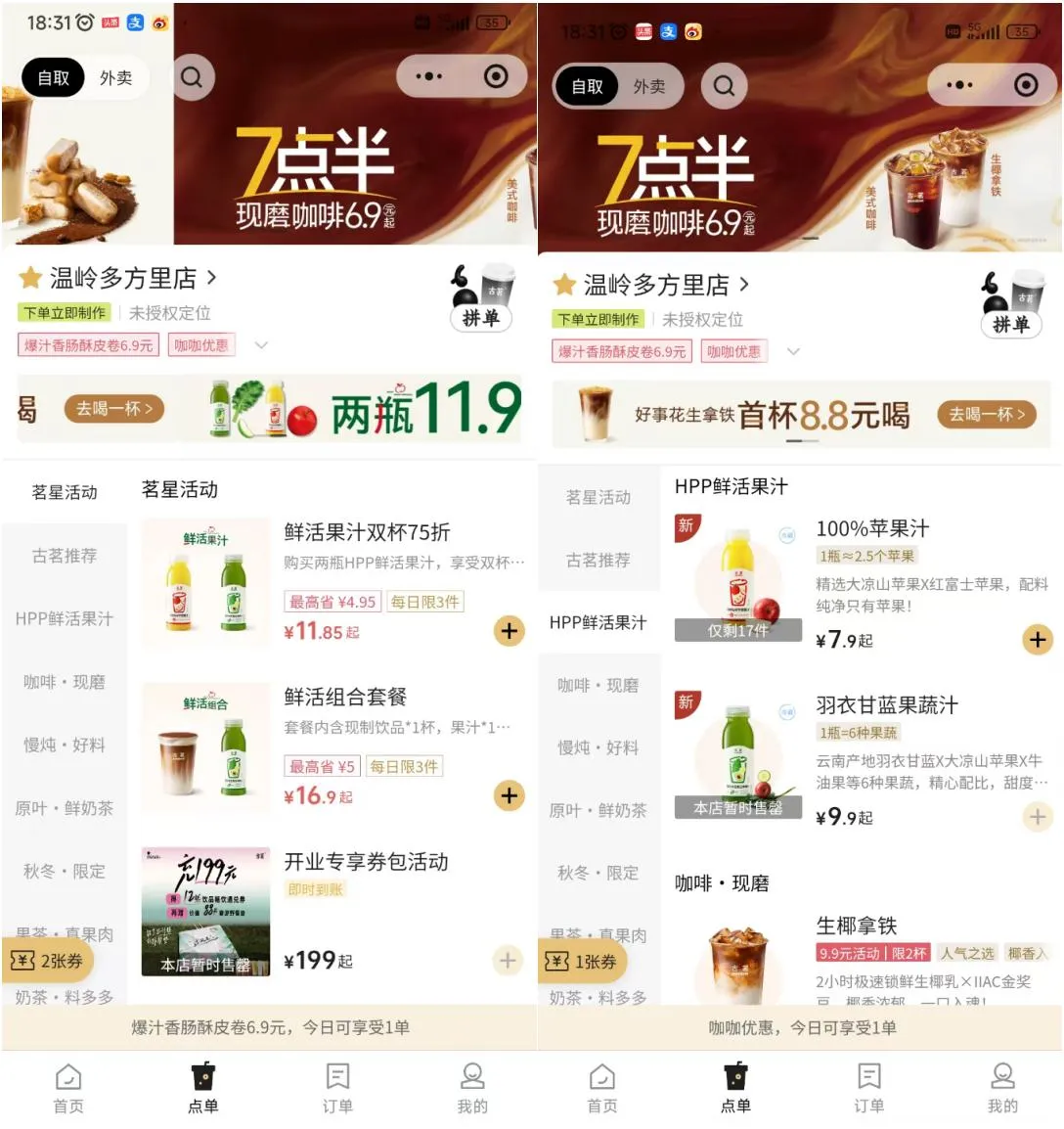
古茗开卖两款HPP鲜活果汁,单价分别为7.9元和9.9元
Cai Jing Wang· 2025-12-19 22:08
(点单小程序) 图片来源:小程序截图 近日,古茗小程序显示,其在浙江等地店铺上架100%苹果汁和羽衣甘蓝果蔬汁两款HPP鲜活果汁。两款单品的单价分别为7.9元和9.9元,双杯75折后的价格为11.85元,与一杯现 制饮品搭配的组合套餐价为16.9元起。 ...

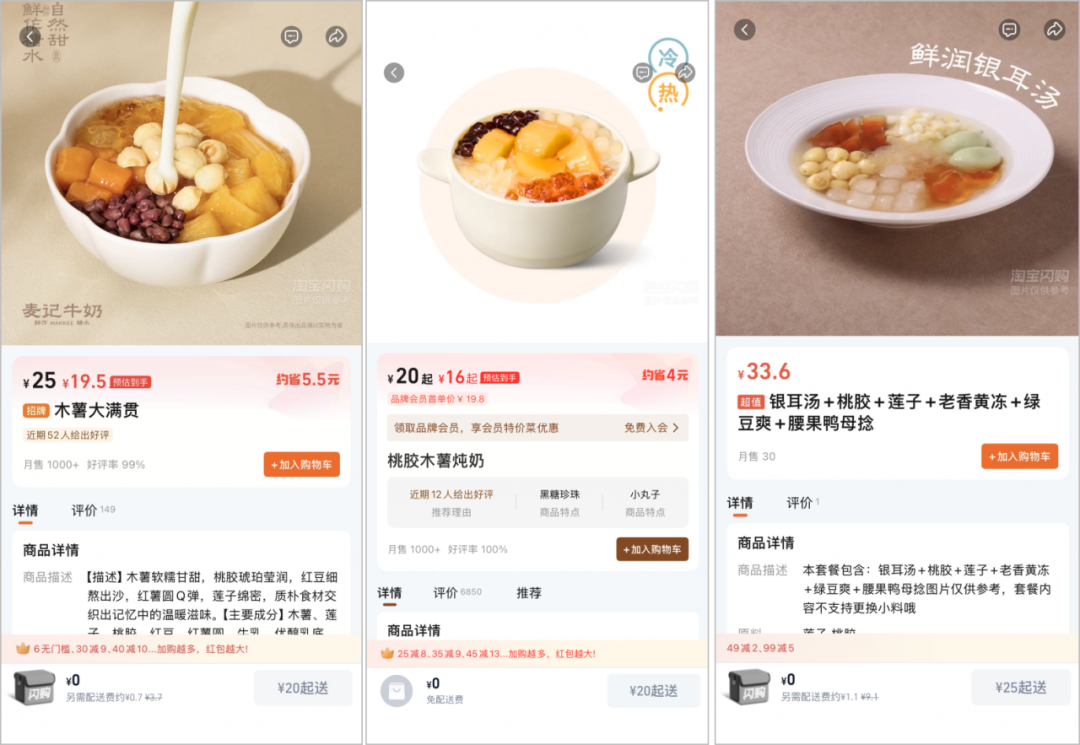
木薯突然爆火,古茗、沪上阿姨、煲珠公都在“抢上新”!
东京烘焙职业人· 2025-12-19 08:34
Core Viewpoint - The article discusses the rapid rise of cassava as a trending ingredient in the beverage industry, particularly in tea and milk tea shops, highlighting its popularity and the reasons behind its sudden fame [5][18][30]. Group 1: Rise of Cassava in the Beverage Industry - Cassava has transformed from a niche ingredient to a mainstream favorite, with brands like 麦记牛奶公司 (Mackey Milk) reporting that their "Cassava Grand Slam" product accounts for 30% of sales [7][21]. - The popularity of cassava is evidenced by over 200 million views on social media related to the ingredient, indicating a significant consumer interest [13][18]. - Major tea brands such as 古茗 (Guming) and 沪上阿姨 (Hushang Ayi) have launched new cassava products, contributing to its rising trend [9][10][12]. Group 2: Unique Qualities of Cassava - Cassava is traditionally a core ingredient in winter desserts in the Guangdong region, known for its sweet and dense texture, which has now gained national attention through various beverage brands [18][21]. - The unique texture of cassava, which combines chewiness and elasticity, sets it apart from other common winter ingredients, making it a memorable experience for consumers [23][25]. - The yellow heart cassava variety, used in many new products, is noted for its superior texture and sweetness compared to the more common white cassava [25][30]. Group 3: Versatility and Application - Cassava's adaptability allows it to be used in various beverage contexts, including as a core ingredient in milk tea and desserts, enhancing the flavor profile of drinks [27][30]. - Brands are experimenting with cassava in different formats, such as slow-cooked desserts and milk tea combinations, showcasing its versatility and appeal [29][30]. - The ingredient's ability to enhance the taste and texture of beverages provides a new avenue for product development in the winter beverage market [30][37]. Group 4: Challenges and Future Outlook - Despite its popularity, the supply chain for cassava faces challenges, including quality variability and limited availability, which may affect large-scale product launches [35][37]. - The industry is cautious about cassava's long-term status as a staple ingredient, as its future depends on supply chain stability and operational standardization in stores [37]. - Cassava has opened new flavor possibilities in the beverage market, indicating its potential to become a mainstay in the industry [38].

白女捧红的东方神水,难喝到怀疑人生
3 6 Ke· 2025-12-19 06:11
Core Insights - The rise of turmeric drinks is attributed to social media trends and health influencers promoting them as anti-inflammatory and beneficial for wellness [1][4][23] - Despite mixed reviews on taste, turmeric drinks have seen significant market demand, with sales increasing dramatically during promotional events [3][4] - There are ongoing debates regarding the actual health benefits of turmeric drinks, with some experts questioning their efficacy in delivering the claimed anti-inflammatory properties [15][4] Market Trends - Turmeric drinks are frequently sold out in major retailers like Sam's Club and Hema, indicating high consumer interest [3] - During the "Double Eleven" shopping festival in 2025, turmeric drink sales surged by 14 times compared to September [4] - The drinks are marketed with claims of being rich in Vitamin C and having various health benefits, which resonate with health-conscious consumers [4][15] Consumer Behavior - Many consumers, particularly younger individuals, are willing to overlook the unpleasant taste of turmeric drinks in pursuit of health benefits [11][23] - The perception of turmeric as a "superfood" has been shaped by both historical references and modern marketing strategies [22][29] - There is a growing concern that consumers may be paying a premium for products that do not deliver significant health benefits, leading to the concept of a "health tax" [28][27] Nutritional Content - Nutritional analysis of turmeric drinks reveals high sugar content, with some products containing up to 32g of sugar per 100ml, which raises questions about their health claims [16][15] - The actual turmeric content in some drinks is minimal, often not meeting the recommended daily intake of curcumin, the active compound in turmeric [17][15] Cultural Context - The popularity of turmeric drinks reflects a broader trend of Eastern ingredients being embraced in Western health narratives, creating a cycle of cultural exchange [29][30] - Turmeric's journey from a traditional spice to a trendy health drink illustrates the commercialization of wellness and the impact of social media on consumer choices [29][30]

一年拓店1000+,“糖水”成了2025年的小风口
Xin Lang Cai Jing· 2025-12-19 05:42
Core Insights - The resurgence of "sugar water" brands in China is marked by the rapid expansion of new brands like 麦记牛奶公司,汕心, and 怡满分, which are capitalizing on the supply gap left by aging traditional brands [1][3] - 麦记牛奶公司 plans to open over 1,000 stores nationwide this year, significantly outpacing traditional brands like 满记甜品 and 鲜芋仙, which have never exceeded 800 stores [1][8] - New tea brands are also entering the sugar water market, with products that cater to seasonal demands and health trends, indicating a shift in consumer preferences [1][3] Industry Dynamics - The new sugar water brands focus on regional ingredients and a light health positioning, appealing to modern consumers' health-conscious demands [3][5] - The sugar water category's growth provides a new direction for the saturated tea beverage industry, which has been experiencing negative growth [3][4] - The operational model of new sugar water brands is more efficient, with a focus on takeout and delivery, which lowers service costs and rent [9][10] Market Challenges - Sugar water is unlikely to become a universal consumer product like new tea drinks due to its limited consumption frequency and reliance on specific serving methods [4][11] - The average price point for sugar water brands is higher than that of tea drinks, which may limit consumer frequency [11][12] - The sugar water market may face pressure from stronger tea brands that can leverage better supply chains and distribution channels [10][12] Competitive Strategies - 麦记 is diversifying its product offerings by introducing tea drinks alongside sugar water to broaden its market appeal [12][14] - The industry is characterized by cyclical trends, where consumer interest shifts every few years, making it crucial for brands to capitalize on current trends [14][15] - The key for brands is to seize the market opportunity during the peak of interest in sugar water, establishing brand recognition and market share through rapid expansion [15]
奶茶店,够了
3 6 Ke· 2025-12-19 00:30
Core Insights - The tea beverage industry is experiencing a significant slowdown after a period of rapid expansion, with market saturation and declining profitability for franchisees becoming evident [1][2][5]. Industry Overview - The tea beverage market has seen an unprecedented acceleration over the past five years, with major brands rapidly expanding in both first and second-tier cities, as well as in lower-tier markets [1]. - As of September, the total number of tea beverage outlets in China has surpassed 131,000, with projections indicating that the total number of related enterprises will exceed 1.1 million by 2025 [5]. Franchisee Challenges - Franchisees like Zhang Lixia, an early investor in Bawang Tea, are facing declining profits due to increased competition and a significant drop in net profit margins, which have fallen by over 50% [2]. - The growth rate of new store openings for Bawang Tea has drastically decreased from 20%-49% to single digits, indicating a slowdown in expansion [2]. Market Dynamics - The competitive landscape has shifted, with many brands experiencing a decline in new product innovation and consumer interest, leading to a saturation of similar offerings in the market [11][18]. - The introduction of new products has become less frequent, with Bawang Tea launching only eight new items this year, failing to replicate the success of previous hits [11][12]. Financial Performance - Financial reports indicate a decline in revenue and profit margins across major brands, with Bawang Tea's third-quarter net income down 9.4% year-over-year and adjusted net profit down 22.3% [26]. - The overall profitability of the industry is under pressure due to intensified competition and the impact of delivery service subsidies, which have altered consumer price perceptions [27][21]. Strategic Responses - In response to these challenges, brands are focusing on optimizing supply chains and enhancing product differentiation to stabilize franchisee operations [32][33]. - Bawang Tea is implementing a new cooperative model that reduces fees for franchisees and aims to improve their profit margins by 1.1% [35]. International Expansion - While the domestic market faces challenges, Bawang Tea and other brands are successfully expanding overseas, with Bawang Tea's international growth rate increasing from 8.3% in Q1 to 26% in Q3 [36]. - The international market presents a new growth opportunity for tea beverage brands, as they leverage their established business models to compete against local brands [39].
奶茶店,够了|商业头条No.103
Xin Lang Cai Jing· 2025-12-18 11:10
Core Insights - The tea beverage industry in China is experiencing a significant slowdown after a period of rapid expansion, with many brands facing challenges in maintaining profitability and growth [1][3][25]. Group 1: Industry Overview - The tea beverage market has seen a surge in the number of businesses, with over 1.1 million companies expected by 2025, and a total of 131,000 stores for 30 representative brands as of September [6]. - The growth rate of new store openings has drastically decreased, with major brands like Bawang Chaji seeing a drop from 20%-49% to single digits [3][6]. - The overall market size is projected to reach 350 billion yuan by 2024, but the growth rate has slowed from over 20% pre-pandemic to 6.4% [6]. Group 2: Brand Performance - Bawang Chaji's new store openings have significantly declined, with only 228, 318, and 246 new stores in the first three quarters of the year, compared to previous years' openings of 600-800 [3]. - Other brands like Tea Baidao and Heytea are also experiencing reduced growth, with Tea Baidao's store count increasing by only 0.7% year-on-year [6]. - Bawang Chaji reported a 9.4% decline in net revenue and a 22.3% drop in adjusted net profit in Q3 [25]. Group 3: Franchisee Challenges - Franchisees are struggling with declining profit margins, with some reporting net profit rates dropping by over 50% [3][20]. - High rental costs and increased competition are making it difficult for franchisees to maintain profitability, with many unable to find suitable locations for new stores [8][11]. - The introduction of new tax regulations has further increased the financial burden on franchisees, as reported revenues are now based on pre-discount prices [29]. Group 4: Market Dynamics - The saturation of the market has led to a decrease in consumer interest, with many opting for lower-priced alternatives [20]. - Brands are facing innovation fatigue, with a lack of new product offerings leading to consumer disengagement [12][18]. - The competitive landscape has intensified, with many brands launching similar products, making it hard for consumers to differentiate between them [19][20]. Group 5: Strategic Responses - In response to these challenges, brands are focusing on optimizing supply chains and product differentiation to improve profitability [31]. - Bawang Chaji is implementing a new joint venture model to reduce costs for franchisees, aiming to increase their gross margins [32]. - Brands are also looking to expand internationally, with Bawang Chaji and Heytea seeing significant growth in overseas markets [33][37].
商业头条No.103 | 奶茶店,够了
Xin Lang Cai Jing· 2025-12-18 10:28
Core Insights - The tea beverage industry in China is experiencing a significant slowdown after a period of rapid expansion, with many brands facing challenges in maintaining profitability and growth [1][3][20]. Industry Overview - The tea beverage market has seen a surge in the number of companies, with over 1.1 million related enterprises expected by 2025, and a total of 131,000 stores for 30 representative brands as of September [5]. - The growth rate of new store openings has drastically decreased, with major brands like Bawang Chaji seeing a drop from 20%-49% to single digits [3][6]. Company Performance - Bawang Chaji's franchisees are struggling with declining profit margins, with net profit rates dropping by over 50% this year [3][20]. - The company reported a 9.4% decline in net revenue and a 22.3% drop in adjusted net profit for Q3, with total GMV in Greater China down by 6% [25]. - Other brands like Tea Baidao and Gu Ming also reported significant declines in profitability, with Gu Ming's single-store GMV down by 4.3% year-on-year [25][26]. Franchisee Challenges - Franchisees are facing increased operational costs due to high rental prices and the need for discounts to attract customers, leading to a situation where actual income is significantly lower than expected [11][20]. - The introduction of new tax regulations has further complicated the financial landscape for franchisees, increasing their tax burden despite rising reported revenues [29]. Market Dynamics - The saturation of the market has led to a decrease in consumer interest, with many consumers now opting for lesser-known brands over established ones due to price sensitivity [19][20]. - The lack of innovation in product offerings has resulted in a homogenization of new products across brands, diminishing brand loyalty among consumers [12][19]. Strategic Responses - In response to these challenges, companies are focusing on optimizing supply chains and product differentiation, with brands like Tea Baidao and Heytea announcing strategic shifts to improve profitability [31][34]. - Bawang Chaji is implementing a new joint venture model to reduce costs for franchisees, aiming to improve their profit margins by adjusting fees and material costs [34]. International Expansion - While the domestic market faces challenges, brands like Bawang Chaji and Heytea are successfully expanding overseas, with significant growth rates in international markets [35][39]. - The relatively simple operational model of tea beverages allows for easier entry into foreign markets, providing new growth opportunities for these companies [39].
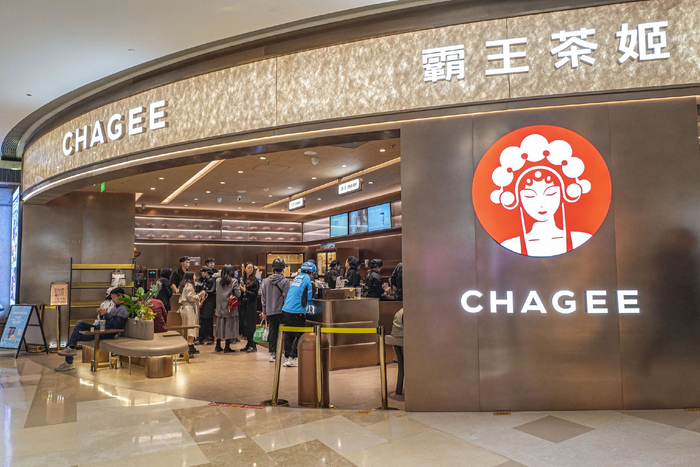
连获两项殊荣,古茗做对了什么?
Mei Ri Jing Ji Xin Wen· 2025-12-17 09:44
Core Insights - Guming, a leading brand in the new tea beverage sector, has received two significant awards: "Most Investable Listed Company in Hong Kong" and "2025 Food and Beverage Industry Innovation Case" [1][5] - The recognition reflects the capital market's confidence in Guming's business model and long-term value, as well as its strong supply chain and product development capabilities [1][5] Company Performance - Guming was listed on the Hong Kong Stock Exchange on February 12, 2025, at an issue price of HKD 9.94 per share, with a market capitalization exceeding HKD 230 billion on its first day [2] - As of December 2025, Guming's market capitalization has surpassed HKD 580 billion, with analysts predicting over 20% year-on-year growth in adjusted net profit for the next two years [2] - The company reported a revenue of CNY 5.663 billion for the first half of 2025, a year-on-year increase of 41.2%, and a net profit of CNY 1.625 billion, up 121.5% from the previous year [4] Business Strategy - Guming adopts a "steady and methodical" approach, focusing on regional penetration rather than rapid nationwide expansion, which has allowed it to build a strong supply chain and brand loyalty [3][4] - The company has increased its store count to 11,179 as of June 30, 2025, with 81% of stores located in second-tier cities and below, and 43% in rural markets [3] Supply Chain and Innovation - Guming's supply chain efficiency is a key factor in its success, with a logistics network that allows for low delivery costs, accounting for only about 1% of GMV [5][6] - The company emphasizes product innovation based on consumer demand for health and quality, rather than pursuing innovation for its own sake [6] Market Position and Future Outlook - Guming's success is seen as a model for the industry, demonstrating that steady operations can lead to long-term growth in a competitive market [4][6] - The company is positioned to continue leading the new tea beverage industry towards a healthier and more sustainable future as market concentration increases [6]
消费板块为何逆势上涨?丨每日研选
Shang Hai Zheng Quan Bao· 2025-12-17 00:44
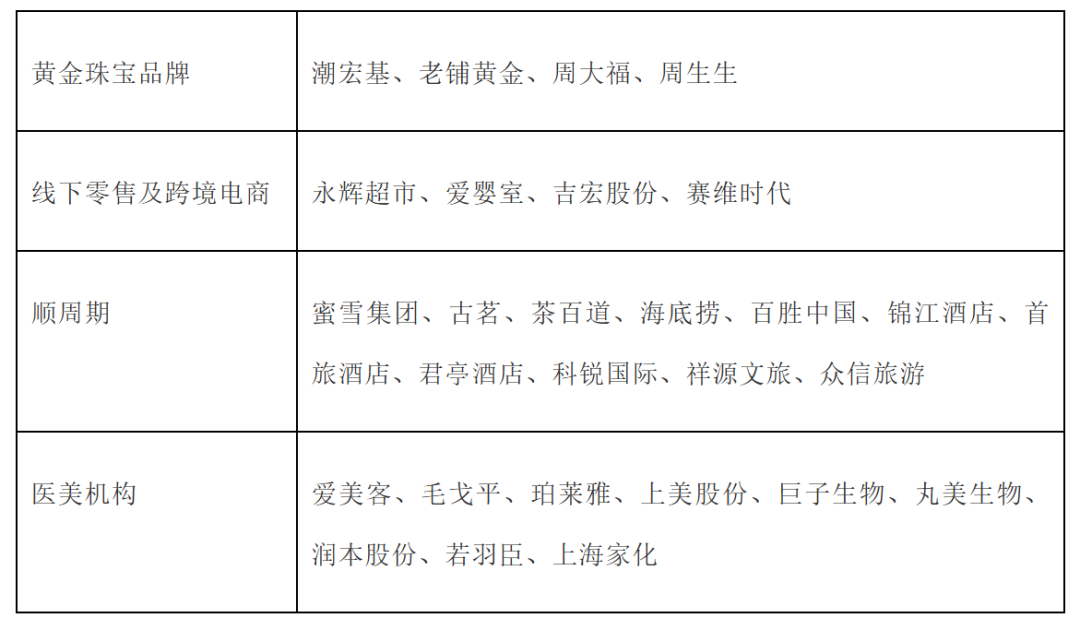
Core Viewpoint - The retail sector is experiencing a structural rally, with significant capital inflow and a shift in investment logic towards quality and service-driven growth, influenced by policy direction, corporate transformation, and upgrading consumer demand [1][2]. Group 1: Policy Direction - The Ministry of Commerce has identified the retail industry as a key focus for fostering a complete domestic demand system and strengthening the domestic circulation, emphasizing a shift towards quality and service-driven transformation [1]. - Policies encourage market penetration and the integration of online and offline development, providing a clear growth path for retail enterprises capable of transformation [1]. Group 2: Corporate Transformation - Leading retailers like Yonghui Supermarket are accelerating their "product-centered" strategy, with significant improvements in store renovations and supply chain optimization, resulting in positive same-store sales growth [2]. - Yonghui has completed renovations of 222 stores by September 2025, with new "quality retail" stores expanding its network [2]. - The traditional retail model has faced challenges due to high competition and low profitability, but Yonghui's shift to a selective retail model positions it for long-term growth in the post-consumption era [2]. Group 3: Consumer Demand Upgrade - Consumer preferences are shifting from price sensitivity to a focus on quality, experience, and emotional value, with sectors like gold jewelry and cosmetics showing strong performance [2]. - Retail sales of gold and silver jewelry increased by 37.6% year-on-year in October, with brands like Lao Pu Gold and Chao Hong Ji achieving high growth through differentiated product offerings [2]. - In the cosmetics sector, companies such as Proya and Mao Ge Ping have excelled through ingredient innovation and brand upgrades, particularly during major sales events [2]. Group 4: Investment Opportunities - Investment strategies should focus on four core themes within the retail sector: 1. Brands with differentiated product offerings and consumer insights in the gold jewelry sector, including Chao Hong Ji, Lao Pu Gold, Chow Tai Fook, and Chow Sang Sang [3]. 2. Offline retail enterprises and AI-enabled cross-border e-commerce leaders, with recommendations for Yonghui Supermarket, Ai Ying Shi, Ji Hong Co., and Sai Wei Times [3]. 3. Cyclical sectors poised for recovery, benefiting companies like Mixue Group, Gu Ming, Cha Bai Dao, Haidilao, Yum China, Jin Jiang Hotels, Shou Lv Hotels, Jun Ting Hotels, Keri International, Xiang Yuan Cultural Tourism, and Zhongxin Tourism [3]. 4. Domestic brands focusing on safe ingredient innovation and chain medical beauty institutions, including Ai Mei Ke, Mao Ge Ping, Proya, Shang Mei Co., Juzi Biology, Marubi, Runben Co., Ruo Yu Chen, and Shanghai Jahwa [3][4].
港股募资全球第一!全年募股超2700亿的背后,有人吃肉有人喝风?
Sou Hu Cai Jing· 2025-12-16 10:56
Group 1 - The Hong Kong stock market has seen a significant increase in IPO activity, with fundraising expected to exceed 270 billion HKD in 2025, surpassing the total from the past three years combined [3][5] - Major companies such as CATL, Hengrui Medicine, and Naxin Microelectronics have contributed significantly to this fundraising, accounting for over half of the total new stock fundraising [5][10] - The Hong Kong Stock Exchange has introduced policies to support hard technology and biotechnology companies, resulting in a record number of unprofitable biotech firms going public this year [7][10] Group 2 - Despite the high number of IPOs, the secondary market remains weak, with average daily trading volume dropping to just over 140 billion HKD, the lowest level of the year [12][19] - Many newly listed stocks are struggling, with nearly half of the 19 new stocks listed since November experiencing price drops on their first day [14][19] - The market is undergoing a "dewatering" process, where only companies with solid fundamentals and profitability are likely to succeed, as seen with the performance of certain stocks [16][24] Group 3 - The current market environment is pushing companies to focus on real business performance rather than just storytelling, with investors prioritizing profitability and cash flow [19][24] - There are over 300 companies waiting to go public, but the market is expected to become increasingly selective, rewarding only those with genuine value [26][28] - The 2025 Hong Kong stock market is characterized by a stark contrast between successful large companies and struggling smaller firms, indicating a shift towards valuing substance over hype [28]