罗氏

Search documents
从39%到15%,瑞士对美关税协议达成
Huan Qiu Shi Bao· 2025-11-16 23:00
Group 1 - The United States and Switzerland have reached a new tariff agreement, reducing tariffs from 39% to 15%, with Switzerland committing to invest approximately $200 billion in the U.S. by the end of 2028 [1][2] - The total investment includes commitments from Swiss pharmaceutical companies Roche ($50 billion) and Novartis ($23 billion), as well as investments from engineering group ABB and railway equipment manufacturer Stadler [1] - The agreement must be approved by the Swiss parliament and will subsequently undergo a national referendum, with the Swiss government emphasizing the need to lower costs for domestic companies [1][2] Group 2 - The tariff negotiations are critically important for Switzerland, as the U.S. is a major export market for Swiss goods such as watches, chocolate, pharmaceuticals, and machine tools [2] - The recent tariff crisis has led to a significant decline in Swiss technology exports to the U.S., with a reported drop of 14.2% in the third quarter compared to the previous year [1] - The economic impact of the tariffs has prompted discussions about Switzerland's neutral status and increased calls for strengthening relations with the European Union [2]
美瑞贸易惊天反转!瑞士砸2000亿投资美国,15%税率藏双赢密码
Sou Hu Cai Jing· 2025-11-16 10:51
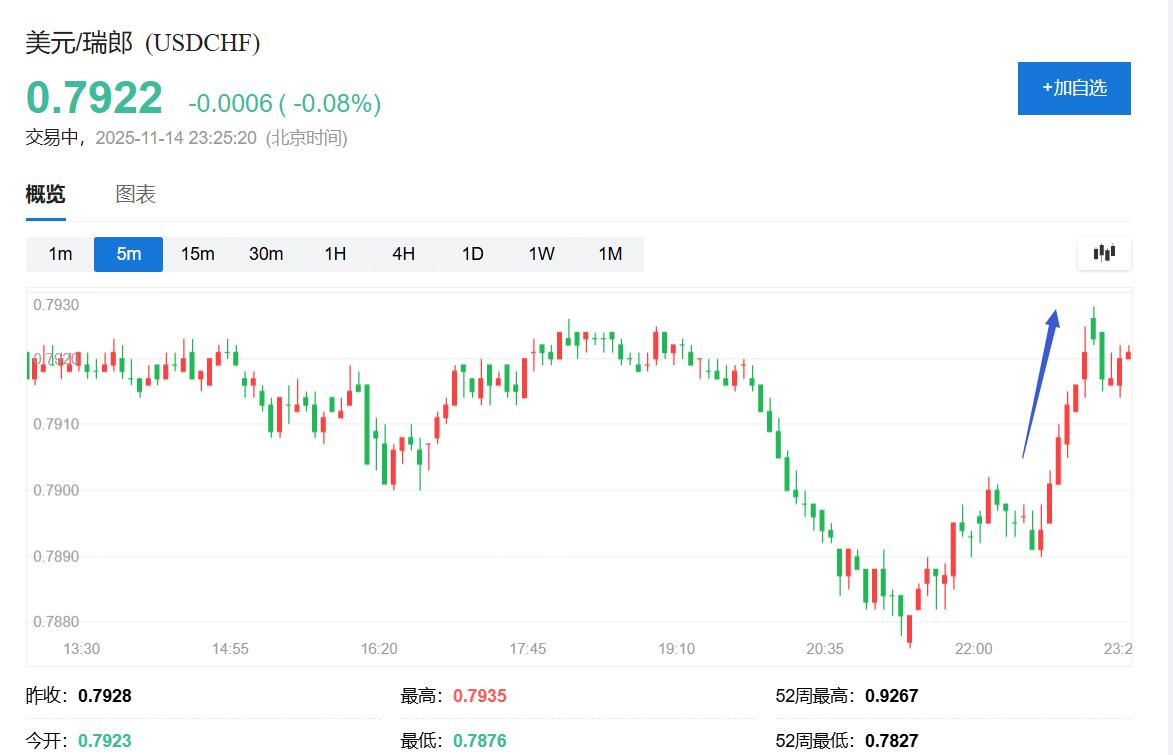
Core Points - The unexpected resolution of the trade conflict between the US and Switzerland, with a significant reduction in tariffs from 39% to 15% and a commitment of $200 billion in investments from Switzerland [1][7][9] Group 1: Trade Agreement Details - The trade negotiations began in April, with the high tariffs imposed in July serving as leverage in the discussions [5][11] - The new 15% tariff aligns with the rates applied to EU goods, providing Switzerland with a more favorable treatment [7] - Switzerland has committed to investing approximately $200 billion in the US by the end of 2028, focusing on key sectors such as education, training, pharmaceuticals, and manufacturing [9][11] Group 2: Economic Implications - The high tariffs had previously led to a significant economic downturn in Switzerland, prompting a revision of economic growth forecasts [5] - The agreement is expected to stabilize bilateral trade relations and provide economic benefits to both countries [11][15] - The Swiss franc appreciated by 0.4% against the US dollar following the announcement, indicating positive market sentiment [13] Group 3: Strategic Insights - The agreement exemplifies a win-win scenario where both countries address their economic needs through negotiation rather than confrontation [11][15] - The collaboration highlights the importance of finding mutual benefits in trade relations, especially in a climate of rising protectionism [13][15]


行业周报:MNC全面布局FGF21靶点,关注国内投资机会-20251116
KAIYUAN SECURITIES· 2025-11-16 06:11
Investment Rating - The investment rating for the pharmaceutical and biotechnology industry is "Positive" (maintained) [1] Core Insights - The report highlights the significant market potential for Metabolic Associated Steatotic Liver Disease (MASH), with an expected patient population of 56 million in China and 490 million globally by 2030. The market for MASH-related drugs is projected to reach 35.5 billion RMB in China and 32.2 billion USD globally by the same year [5][15]. - The report emphasizes the promising clinical results of East China Pharmaceutical's DR10624 for treating severe hypertriglyceridemia (SHTG), showing a maximum triglyceride reduction of 74.5% and liver fat reduction of 67% during a 12-week treatment period [6][32]. Summary by Sections Section 1: FGF21 Target and Investment Opportunities - FGF21 is identified as a key target for MNCs, with a focus on its role in regulating lipid metabolism and preventing fibrosis. The report notes that several global pharmaceutical companies are actively developing FGF21-related therapies [5][19]. - The report details the competitive landscape, with multiple FGF21 candidates in various clinical stages, including East China Pharmaceutical's DR10624, which is in Phase II trials for MASH [20][34]. Section 2: Market Performance - In the second week of November, the pharmaceutical and biotechnology sector rose by 3.29%, outperforming the CSI 300 index by 4.37 percentage points, ranking fifth among 31 sub-industries [7][36]. - The report indicates that the pharmaceutical distribution sector had the highest increase, up by 5.92%, while the medical equipment sector saw the smallest rise at 0.04% [39][42]. Section 3: Monthly Recommendations - The report recommends a monthly investment portfolio focusing on innovative drugs and their supply chains, suggesting stocks such as Sanofi, Innovent Biologics, and WuXi Biologics among others [7][8].
华创医药投资观点&研究专题周周谈·第150期:从研发日看信立泰CKM创新管线布局
Xin Lang Cai Jing· 2025-11-15 12:36
Group 1 - The CITIC Pharmaceutical Index increased by 3.29%, outperforming the CSI 300 Index by 4.37 percentage points, ranking 3rd among 30 primary industries [1] - The top ten stocks with the highest gains this week include Jindike, Renmin Tongtai, Chengda Pharmaceutical, Hefuchina, Fuxiang Pharmaceutical, Te Yi Pharmaceutical, Yao Yigou, Bohui Innovation, Shuyupingmin, and Haichen Pharmaceutical [1] - The top ten stocks with the largest declines this week include *ST Changyao, Zhend Medical, Heyuan Biological-U, Weigao Blood Purification, Furui Shares, Ruimaite, Microelectrophysiology, Botuo Biological, Bibete-U, and Shuoshi Biological [1] Group 2 - On November 10, Guangshentang Pharmaceutical's core drug, the oral small molecule hepatitis B surface antigen inhibitor GST-HG131, had its Phase II clinical data selected for the AASLD annual meeting's latest breakthrough summary and was reported on-site [1] - GST-HG131 is the first oral drug in global hepatitis B clinical breakthrough research that significantly reduces HBsAg in hepatitis B patients, with 76.5% of patients achieving levels below 100 IU/ml within three months, attracting attention from many multinational pharmaceutical companies for potential collaboration [1] Group 3 - On November 10, Roche announced that its third-generation BTK inhibitor Fenebrutinib met primary endpoints in two Phase III studies (FENhance 2 and FENtrepid) for treating relapsing multiple sclerosis (RMS) [2] - Results showed that at week 96, the annualized relapse rate (ARR) for patients on Fenebrutinib was significantly lower compared to those on teriflunomide, and at week 120, Fenebrutinib was non-inferior to Ocrevus in delaying disability progression in primary progressive multiple sclerosis (PPMS) patients [2] - Pfizer announced the successful completion of its $9.2 billion acquisition of Metsera, a biopharmaceutical company focused on developing next-generation treatments for obesity and cardiovascular metabolic diseases [2] - This acquisition adds a series of potential candidates highly complementary to Pfizer's existing internal medicine pipeline, including MET-097i, a weekly or monthly injectable GLP-1 receptor agonist entering Phase III trials, and MET-233i, a monthly amylin analog currently in Phase I evaluation [2]

10 Best Small-Cap Biotech Stocks to Buy According to Analysts
Insider Monkey· 2025-11-15 11:39
Core Viewpoint - Small-cap biotech stocks are experiencing a resurgence, driven by market rotation and improving technical indicators, with healthcare emerging as a constructive sector [2][4] Industry Overview - The Health Care Select Sector SPDR Fund (XLV) has increased by 11.09% in 2025, while the iShares Biotechnology ETF has gained approximately 25% year-to-date [2][3] - Analysts suggest that capital is flowing out of high-flying AI stocks into more attractive healthcare and biotech opportunities [3][4] M&A Activity - Increased mergers and acquisitions (M&A) activity in the biotech sector has been noted, with significant deals including Pfizer's $10 billion acquisition of Metsera and Roche's $3.5 billion acquisition of 89bio [4][5] - This M&A activity is expected to bolster potential upside for both large-cap and small-to-mid-cap biotech companies [4] Methodology for Stock Selection - The list of the best small-cap biotech stocks was curated based on companies with market capitalizations between $300 million and $2 billion, focusing on those with the highest upside potential as of November 10, 2025 [8] Company Highlights - **Viridian Therapeutics, Inc. (NASDAQ:VRDN)**: - Upside potential of 36.71% with a cash position of $888 million and key patient enrollments in late-stage clinical studies [10][11][12] - **UroGen Pharma Ltd. (NASDAQ:URGN)**: - Upside potential of 49.17%, reporting a significant increase in demand revenue and a cash position of $127.4 million [14][15][16] - **Liquidia Corporation (NASDAQ:LQDA)**: - Upside potential of 55.49%, with YUTREPIA achieving profitability earlier than expected and a cash position of $157.5 million [19][20][22]




华创医药周观点:从研发日看信立泰CKM创新管线布局 2025/11/15
华创医药组公众平台· 2025-11-15 10:42
Core Viewpoint - The article focuses on the innovative pipeline layout of Xinlitai in the CKM (Cardio-Kidney-Metabolic) field, emphasizing the company's strategic focus on chronic diseases related to cardiovascular health, kidney function, and metabolic disorders [13][18]. Market Review - The CITIC Pharmaceutical Index rose by 3.29%, outperforming the CSI 300 Index by 4.37 percentage points, ranking third among CITIC's 30 primary industries [8]. - The top ten stocks by growth this week included Jindike, Renmin Tongtai, and Chengda Pharmaceutical, while the bottom ten included *ST Changyao and Zhendai Medical [8]. Overall Perspective and Investment Themes - The innovative drug sector is transitioning from a quantity-driven logic to a quality-driven logic, with a focus on differentiated and internationalized pipelines expected to yield profitable products by 2025 [10]. - In the medical device sector, there is a notable recovery in bidding volumes for imaging equipment, and the home medical device market is benefiting from subsidy policies [10]. - The CXO and life sciences services sector is anticipated to see a rebound in domestic financing, with a trend towards high growth expected to return [10]. - The pharmaceutical industry is expected to enter a new growth cycle, particularly in the specialty raw materials sector, with a focus on patent expirations and vertical expansion of formulations [10]. Company-Specific Insights - Xinlitai currently has six innovative drugs on the market, with innovative drug revenue expected to exceed 50% by the end of 2025, driven by strong growth in products like Xinlitai and Fuli [12][16]. - The company is focusing on a comprehensive pipeline addressing various stages of CKM syndrome, with over 50 products in development targeting cardiovascular diseases, chronic kidney disease, and metabolic disorders [17][21]. - Xinlitai's internationalization strategy includes establishing a subsidiary in the U.S. (Salubris Bio) to enhance its global competitive edge [30]. Pipeline Development - The CKM pipeline includes drugs targeting obesity, hypertension, and chronic kidney disease, with a focus on innovative mechanisms and new targets for lipid management [25][27]. - The company is advancing multiple projects in various clinical phases, with significant milestones expected in the coming years [29][34]. Investment Recommendations - The medical device sector is expected to benefit from a recovery in bidding for imaging equipment and the growth of home medical devices due to government subsidies [40]. - The life sciences services sector is showing signs of recovery, with increasing demand and a focus on domestic product replacement [46].
突发!关税,重大调整!特朗普,签署!
券商中国· 2025-11-15 07:55
Core Points - The U.S. has made significant adjustments to its tariff policy, particularly regarding agricultural products and trade with Switzerland [1][8] - The tariff rate on Swiss imports will decrease from 39% to 15%, with Swiss companies committing to invest $200 billion in the U.S. by 2028 [2][3] - The agreement aims to level the playing field for Swiss manufacturers in the U.S. market compared to European competitors [6][7] Tariff Adjustments - The U.S. will no longer impose "reciprocal tariffs" on certain agricultural products, including coffee, tea, and beef, effective from November 13 [1][8] - The reduction in tariffs on Swiss products is expected to impact approximately 40% of Switzerland's exports [3][4] Investment Commitments - Swiss companies are expected to invest $200 billion in the U.S., with $67 billion planned for 2026 [2][4] - The majority of this investment is anticipated to come from the pharmaceutical and life sciences sectors [4] Economic Impact - The reduction in tariffs is projected to alleviate significant economic burdens on Swiss manufacturers, allowing them to compete more effectively in the U.S. market [6][7] - The Swiss economy is expected to see a growth rate of over 1% in 2026 due to these tariff adjustments [7] Trade Relations - The agreement is seen as a way to enhance trade relations between the U.S. and Switzerland, with both countries aiming to finalize negotiations by early 2026 [3][6] - The Swiss government has indicated that the agreement will also lower tariffs on industrial goods and non-sensitive agricultural products imported from Switzerland [4]
美国与瑞士达成贸易协议,将瑞士商品关税下调至15%
财联社· 2025-11-14 18:37
Group 1 - The Swiss government announced a trade agreement with the US, reducing tariffs on Swiss products from 39% to 15%, impacting approximately 40% of Swiss exports [1] - Swiss companies are committed to investing $200 billion in the US by the end of 2028, with a significant portion expected to come from the pharmaceutical and life sciences sectors [1][2] - The agreement sets a 15% tariff ceiling for Swiss pharmaceutical companies, protecting them from potential high tariffs under the upcoming "national security tariffs" [2] Group 2 - The trade agreement will also lower import tariffs on industrial goods, fish, seafood, and certain agricultural products deemed "non-sensitive" by Switzerland [2] - In 2024, the trade surplus between Switzerland and the US is projected to be $38.3 billion, expanding to $55.7 billion in the first seven months of 2025 [2] - The reduction in tariffs is expected to significantly benefit Swiss small and medium-sized manufacturers, providing them with competitive conditions in the US market [2] Group 3 - The KOF economic research institute forecasts that the economic growth rate for Switzerland in 2026 will be 0.9%, but this could exceed 1% due to the tariff reductions [3]



美国给瑞士加39%关税,瑞士寻求多国帮忙,公投让政策难推进
Sou Hu Cai Jing· 2025-11-14 18:21
Economic Impact - The U.S. has imposed a 39% tariff on Swiss goods, significantly higher than the EU's 15% and the UK's 10%, posing a severe challenge to Switzerland's export-dependent economy, where exports account for approximately 70% of GDP [3][5] - The pharmaceutical industry, which constitutes nearly 60% of Switzerland's exports to the U.S., is particularly hard hit, with potential additional tariffs of 100% on drugs being threatened by the U.S. [5][10] - High tariffs have begun to disrupt normal economic operations in Switzerland, leading to increased costs and compressed profits for export companies, with some small and medium-sized enterprises facing existential threats [9][10] Strategic Response - In response to U.S. economic pressure, Switzerland is shifting from a focus on bilateral cooperation to actively building alliances to mitigate the impact [10][16] - Switzerland is reassessing the necessity of deeper economic integration with Europe, considering the acceleration of a bilateral agreement with Brussels that was reached in December 2024 [12][16] - The country has also initiated a "Future Investment and Trade Partnership" with smaller developed economies like New Zealand, Norway, and Singapore, aiming to form a robust defensive alliance [12][14] Political Considerations - Switzerland's democratic system, based on referendums, may slow down the implementation of policies necessary for economic recovery, as any agreement with the EU must be approved by public vote [17][21] - Public support for deeper European integration is rising in light of the U.S. tariffs, with major business groups beginning to advocate for closer trade ties with Europe [19][21] - However, uncertainties remain regarding public sentiment, which could be influenced by future economic conditions and external policies, posing a challenge for the Swiss government in balancing interests [21][24] Conclusion - The U.S. tariff crisis represents not only an economic challenge but also a test of Switzerland's long-standing neutrality and traditional development model [22][24] - Switzerland's evolving strategy from bilateral cooperation to multilateral alliances reflects a pragmatic approach to navigating the complexities of modern international trade dynamics [22][24]

39%关税持续三个月将终结:瑞士达成协议,美国关税降至15%
Hua Er Jie Jian Wen· 2025-11-14 16:05
Core Points - The United States and Switzerland have reached a trade agreement to reduce tariffs on Swiss goods from 39% to 15%, ending a significant trade dispute [1][4] - This agreement is expected to provide much-needed economic relief to Switzerland, which has been heavily impacted by the punitive tariffs [4][9] - The deal includes commitments from Switzerland to invest $200 billion in the U.S. during Trump's term, with $70 billion planned for the next year [7][8] Group 1: Trade Agreement Details - The new tariff rate of 15% aligns with the rate applied to the European Union, marking a significant reduction from the previously imposed 39% [1][7] - The agreement was confirmed by U.S. Trade Representative Robert Lighthizer, who stated that details would be published later [4][5] - The Swiss government expressed gratitude to President Trump for his constructive engagement in the negotiations [5] Group 2: Economic Impact - The punitive tariffs had led to a potential contraction in the Swiss economy in Q3, with unemployment reaching a four-year high [4][9] - The Swiss watch industry was particularly hard hit, with exports to the U.S. dropping by approximately 56% in September [9][10] - The Swiss National Bank indicated that the economic outlook had worsened due to the increased tariffs [9] Group 3: Investment Commitments - As part of the agreement, Switzerland has committed to significant investments in various sectors, including pharmaceuticals and railway equipment [7] - Swiss pharmaceutical giant Roche has pledged to invest $50 billion in the U.S., which is expected to help balance the trade deficit [7][8] - The U.S. government views these investments as crucial for revitalizing American manufacturing and addressing trade imbalances [7]