长江存储

Search documents
至纯科技终止收购威顿晶磷控股权 交易关键条款未达成共识
Zheng Quan Shi Bao Wang· 2025-10-30 14:43
Core Viewpoint - The company announced the termination of a major asset restructuring plan to acquire 83.7775% of Guizhou Weidun Crystal Phosphorus Electronic Materials Co., Ltd. due to a lack of consensus on key terms and changes in market conditions [1][2] Group 1: Transaction Details - The company had previously invested in Weidun Crystal Phosphorus, contributing 64.26 million yuan in 2020 and receiving 8.13 million yuan in returns the following year [1] - In 2022, the company made an additional investment of 24.99 million yuan, raising its total long-term equity investment to 115 million yuan [1] - After Weidun Crystal Phosphorus completed a Pre-IPO round of financing in July 2023, the company sold 12.1% of its shares for 210 million yuan, reducing its stake to 14.81% [1] Group 2: Strategic Implications - The termination of the acquisition does not alter the company's strategic direction in the electronic materials sector, as it aims to accelerate its layout in electronic materials and core components [2] - The company has established the first fully domestically produced 12-inch wafer gas station in China, with a second station now operational, indicating a strong foundation in material autonomy [2] - The company plans to continue its strategy of combining independent research and cautious acquisitions to enhance its business landscape [3]

AI需求驱动存储行业迎发展期 德明利第三季度净利润同比增长166.8%
Zheng Quan Ri Bao Zhi Sheng· 2025-10-30 14:14
Core Viewpoint - The report highlights the significant growth of Shenzhen Demingli Technology Co., Ltd. in the storage solutions sector, driven by the increasing demand for data storage due to advancements in AI technology and the company's strategic focus on enterprise-level storage products [1][2][3]. Financial Performance - In Q3 2025, the company achieved revenue of 2.55 billion yuan, representing a year-on-year increase of 79.47%, while the revenue for the first three quarters reached 6.66 billion yuan, up 85.13% year-on-year [1]. - The net profit attributable to shareholders in Q3 was 90.87 million yuan, a substantial increase of 166.80% year-on-year, marking a return to profitability compared to the previous quarter [1]. Market Trends - The AI sector is expected to drive a significant increase in storage demand, with projections indicating that the AI industry could contribute over 11 trillion yuan to China's GDP by 2035, potentially increasing computing power demand tenfold to a hundredfold [2]. - The current market dynamics suggest a prolonged "super cycle" in storage driven by AI, with increasing investments in AI servers and upgrades in general server storage [2]. Product Development and Strategy - The company is expanding its production capacity to meet rising order demands, increasing the investment in its PCIe SSD storage control chip and module project from 499 million yuan to 743 million yuan [2]. - Demingli's enterprise-level SSD products are tailored to meet the high bandwidth and low latency requirements of AI data centers, leveraging self-developed technology and deep compatibility with domestic storage chips [1][3]. Competitive Landscape - Domestic storage chip manufacturers like Yangtze Memory Technologies and Changxin Memory Technologies are improving their technology and yield rates, enhancing collaboration with domestic module companies [3]. - The company is positioned to benefit from rising storage chip prices and aims to capture market opportunities through technological innovation and a strong customer base [3].
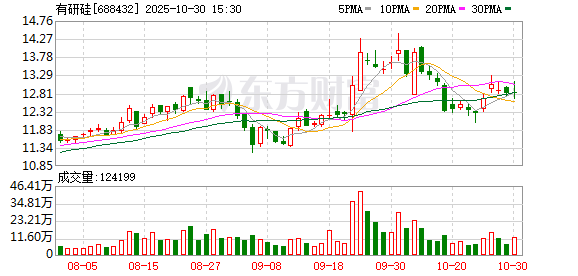
有研硅:刻蚀设备用零部件产品已进入存储类客户供应链 长江存储处于认证阶段
Mei Ri Jing Ji Xin Wen· 2025-10-30 12:32
Core Viewpoint - The company has established a multi-dimensional layout in the storage sector, with its etching equipment components entering the supply chain of storage clients, including Yangtze Memory Technologies, which is currently in the certification phase [2] Group 1 - The company has entered the supply chain of storage clients with its etching equipment components [2] - Yangtze Memory Technologies is in the certification phase for the company's products [2] - The company supplies components to TSMC through its controlling shareholder's subsidiary, indirectly entering the storage field [2] Group 2 - The company's affiliate, Shandong Youyan Aisi, has successfully supplied 12-inch silicon wafers to Yangtze Memory Technologies [2]


存储芯片涨价“风暴” 超级周期站上起点
2 1 Shi Ji Jing Ji Bao Dao· 2025-10-30 11:09
Core Viewpoint - The storage chip industry is experiencing a significant price surge driven by strong demand for AI computing power, leading to a "super cycle" in the market [4][6][11]. Market Dynamics - The storage chip index has risen by 59.42% over the past three months, with some DRAM and Flash products reportedly ceasing to be quoted or experiencing daily price fluctuations [4][10]. - Major tech companies are heavily investing in AI infrastructure, which is driving massive demand for storage chips, particularly HBM (High Bandwidth Memory) [7][11]. Price Trends - In the first half of 2025, the DRAM price index is expected to increase by 47.7%, while NAND Flash prices are projected to rise by 9.2% [6][8]. - The price of 512Gb Flash Wafers has increased by over 20% since October [6]. Company Performance - Domestic storage companies are benefiting from the shift in focus towards high-margin products like HBM and DDR5, with significant stock price increases observed [5][10]. - Companies like Jiangbolong and De Ming Li have seen stock price increases of 210.89% and 160.95%, respectively, despite some reporting losses [5][10]. Supply Chain Adjustments - Major manufacturers like Micron, Samsung, and SK Hynix are reducing production due to weak NAND Flash demand and price pressures, creating opportunities for domestic firms [8][9]. - The average DRAM inventory has dropped to 8 weeks, indicating a tightening supply [8]. Future Outlook - Analysts predict that the current price surge will continue, with expectations of further increases in DRAM and NAND Flash prices in the coming quarters [18]. - The global storage market is projected to reach $300 billion by 2027, indicating a long-term growth trajectory [6].
存储芯片价格暴涨,7股股价翻倍,1000亿大牛股狂飙200%
2 1 Shi Ji Jing Ji Bao Dao· 2025-10-30 10:53
Core Viewpoint - The storage chip industry is experiencing a significant price surge, driven by strong demand from global tech giants for AI computing power, marking the beginning of a "super cycle" in the market [1][5][19] Market Performance - The storage index in the A-share market has risen by 59.42% over the past three months, with notable stock performances including Jiangbolong up 210.89% and Shannong Chip up over 275% [3][11] - Major companies like Micron, Samsung, and SK Hynix are reducing production, creating supply constraints that contribute to rising prices [6][10] Price Trends - DRAM prices have increased significantly, with a 47.7% rise in the comprehensive price index for DRAM and a 9.2% increase for NAND Flash expected in the first half of 2025 [5][8] - The price of 512Gb Flash Wafers has seen a cumulative increase of over 20% since October [5] Demand Drivers - The rapid development of AI technology is identified as the core driver of this structural change, leading to increased demand for high-bandwidth memory (HBM) [5][6] - Major tech companies are investing heavily in AI infrastructure, which is expected to sustain high demand for storage chips [5][14] Supply Constraints - The supply of older DRAM products like DDR4 and LPDDR4X is tightening, with average inventory levels dropping significantly [7][8] - Companies are prioritizing production of higher-margin products like HBM and DDR5, leading to shortages in traditional DRAM products [6][10] Future Outlook - Industry experts predict that prices will continue to rise into the next year, with expectations of an 8% to 13% increase in old-process DRAM prices in Q4 [8][19] - The market sentiment remains optimistic, with forecasts indicating that the storage chip market will continue to experience growth driven by AI and new product launches [19]


存储芯片价格暴涨,7股股价翻倍,1000亿大牛股狂飙200%
21世纪经济报道· 2025-10-30 10:42
Core Viewpoint - The storage chip industry is experiencing a significant price surge, driven primarily by the increasing demand for AI computing power, leading to a "super cycle" in the market [6][8][10]. Group 1: Market Performance - The storage index in the A-share market has risen by 59.42% over the past three months, with notable increases in individual stocks such as Jiangbolong (up 210.89%) and Demingli (up 160.95%) [5][12]. - The price of DRAM and NAND Flash products has seen substantial increases, with DRAM prices rising by 47.7% and NAND Flash by 9.2% in the first half of 2025 [8][10]. Group 2: Drivers of Price Surge - The primary driver of the current price surge is the robust demand for HBM (High Bandwidth Memory) from global tech giants due to AI advancements, which has created a supply-demand imbalance [6][8][10]. - Major companies like Nvidia, Amazon, Google, and AMD account for 95% of HBM demand, with domestic firms also increasing their investments in AI infrastructure [8][10]. Group 3: Supply Constraints - Supply constraints are evident as major manufacturers like Micron, Samsung, and SK Hynix have initiated production cuts due to weak NAND Flash demand and pricing pressures [9][10]. - The shift in production focus from traditional DRAM to higher-margin products like HBM and DDR5 has led to shortages in older DRAM products [10][12]. Group 4: Future Outlook - Analysts predict that the price increases will continue into the next year, with expectations of an 8% to 13% rise in older DRAM prices and a 13% to 18% rise in HBM prices in Q4 [10][20]. - The market sentiment remains optimistic, with industry leaders expressing confidence in sustained growth through 2025, driven by ongoing AI-related demand [20][21].
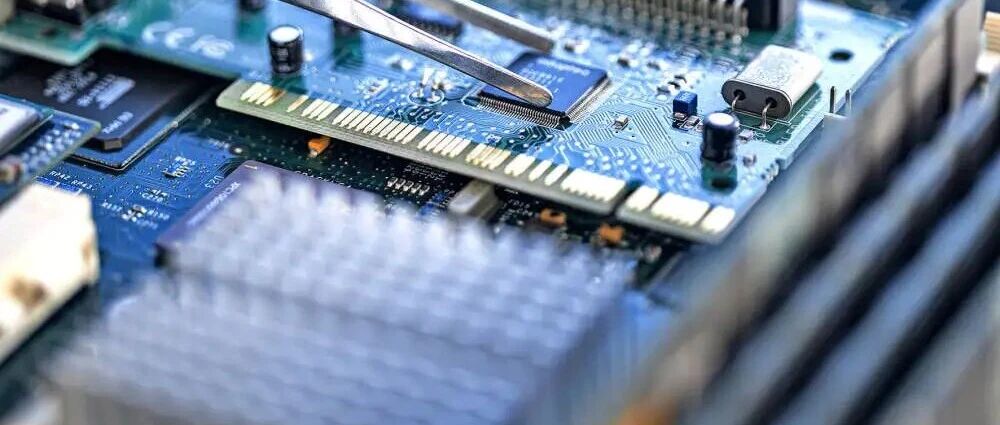
AI引爆存储芯片需求,相关板块能否起飞?
3 6 Ke· 2025-10-30 09:04
Core Insights - The rapid development of AI technology has significantly increased the demand for storage chips, driven by the massive data requirements of AI applications [1][2][3] - The global data generation is projected to grow from 33ZB in 2018 to 175ZB by 2025, necessitating advancements in storage chip capacity and performance [2] - The storage chip market is experiencing a price surge, with DDR4 and DDR5 chip prices increasing dramatically due to strong AI demand [3][4] Market Demand - AI server deployment is a major driver of storage chip demand, with AI servers requiring significantly more storage than traditional servers [4] - The demand for storage chips is also growing in smartphones and smart vehicles, as higher camera resolutions and advanced features require increased storage capacity [4] Supply Dynamics - Major manufacturers like Samsung, SK Hynix, and Micron are shifting production towards higher-margin products like DDR5 and HBM, leading to reduced supply of traditional DDR4 chips [5] - This shift in production focus has exacerbated the supply-demand imbalance, contributing to rising prices [5] Market Structure - The global storage chip market is dominated by a few key players, with Samsung, SK Hynix, and Micron holding significant market shares [6][8] - Domestic companies like Changxin Storage and Yangtze Memory Technologies are emerging, gradually increasing their market presence and competing with established international brands [7][8] Stock Performance - The A-share storage chip sector has seen remarkable stock performance, with companies like Shannon Chip and Jiangbolong achieving significant price increases due to the AI-driven demand [9][10] - The overall sector has attracted substantial capital inflow, indicating strong market confidence [11] Financial Performance - A-share listed companies in the storage chip sector have reported substantial revenue and profit growth in 2024, driven by increased demand and rising prices [12][13][14] - Companies like Changxin Storage and Zhaoyi Innovation have shown impressive financial results, reflecting the sector's robust performance [15][16] Future Outlook - The ongoing growth of AI technology is expected to sustain the demand for storage chips, with projections indicating a continued upward trend in the coming years [17][18] - Government policies supporting domestic semiconductor development are likely to bolster the growth of the A-share storage chip sector [18] Challenges - Despite the positive outlook, the sector faces challenges such as international competition and technological gaps compared to leading global firms [20][21] - The cyclical nature of the storage chip industry poses risks, as market demand and prices can fluctuate significantly [20][21]


2025年的“电子茅台”:累计涨价超300%,厂商们都赚疯了
Sou Hu Cai Jing· 2025-10-30 08:51
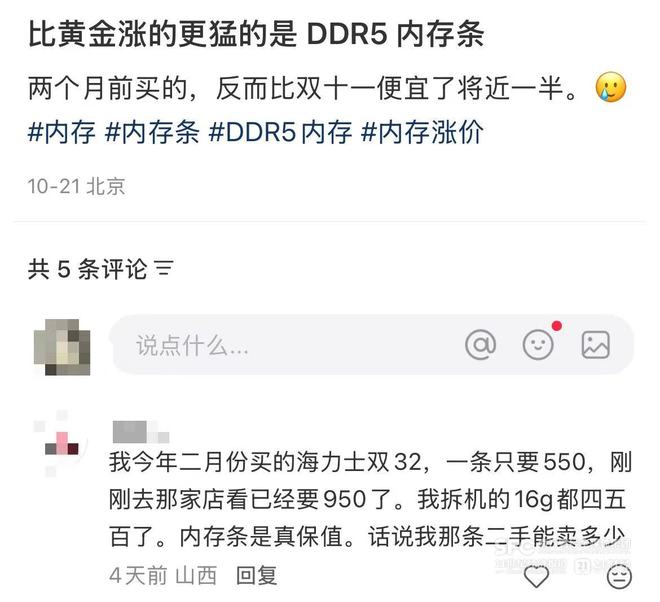
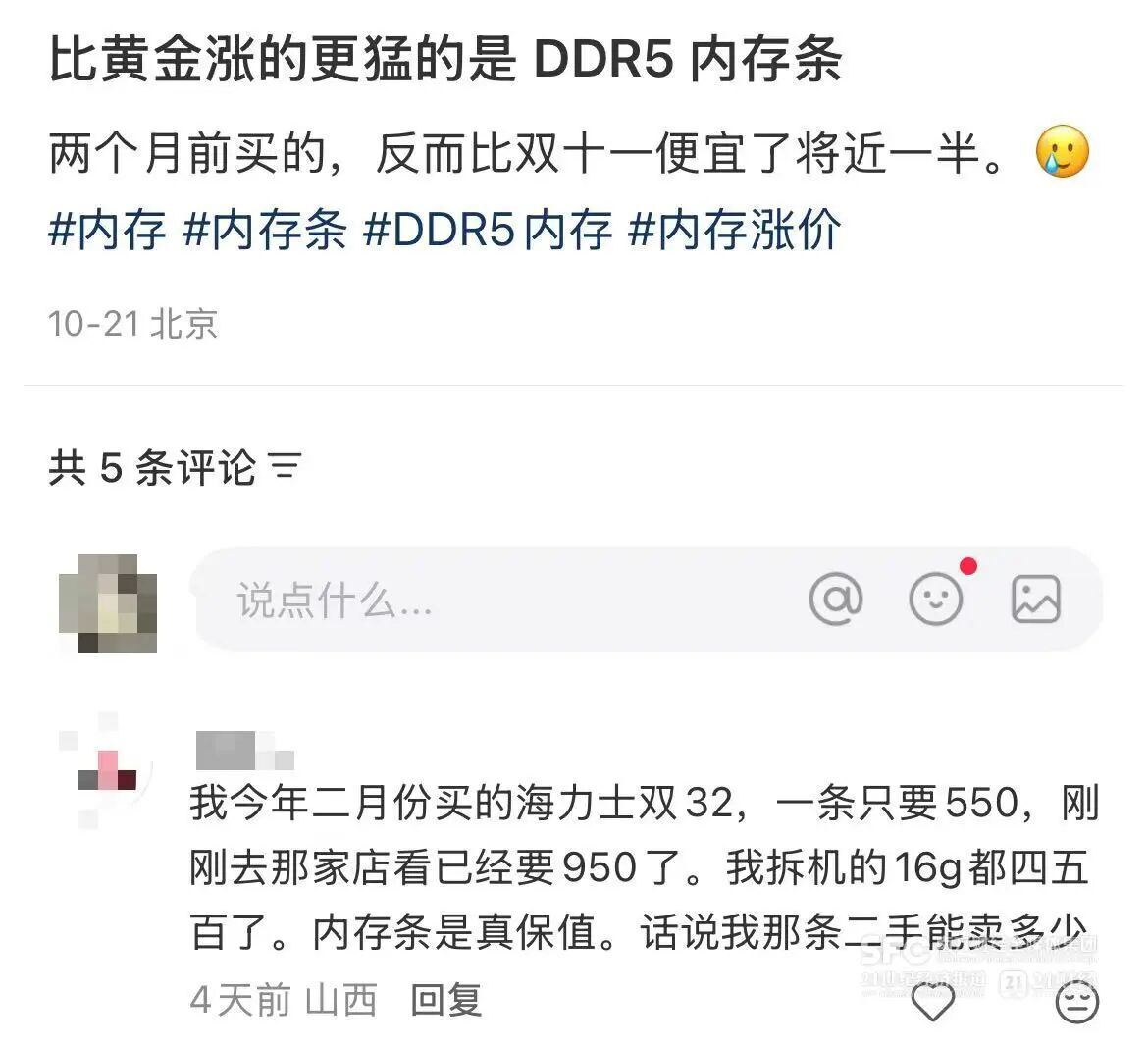
Core Insights - The storage chip market is expected to see a price increase of over 300% by 2025, surpassing the price increases of gold and AI graphics cards [1][3] - Major manufacturers like Samsung, SK Hynix, and Micron are experiencing significant revenue and profit growth due to rising storage chip prices, with projections indicating a further 50% increase in prices by 2026 [3][5] Market Dynamics - The surge in storage chip prices is primarily driven by increased demand from AI applications, leading to a supply-demand imbalance as manufacturers stockpile chips in anticipation of further price hikes [5][7] - The transition of manufacturers from DDR to HBM chips, along with the increased demand for SSDs in servers, has contributed to the price escalation in NAND and DRAM chips [5][7] Impact on Consumer Electronics - The rising costs of storage chips are putting pressure on consumer electronics manufacturers, leading to price increases for products such as smartphones and PCs, with companies like Xiaomi and Apple indicating that they will have to raise prices due to higher memory costs [7][9] - The increased costs associated with storage chips are expected to be passed on to consumers, impacting the overall pricing of electronic products [7] Opportunities for Chinese Manufacturers - Chinese companies like Yangtze Memory Technologies and ChangXin Memory Technologies are gaining market share in the NAND and DRAM sectors, with their global market share exceeding 10%, allowing them to benefit from the current price increases [9]

有研硅:刻蚀设备用零部件产品已进入存储类客户供应链,长江存储处于认证阶段
Xin Lang Cai Jing· 2025-10-30 08:37
Core Viewpoint - The company has established a multi-dimensional layout in the storage sector, indicating a strategic expansion into this market [1] Group 1: Company Developments - The company's etching equipment components have entered the supply chain of storage clients, with Yangtze Memory Technologies currently in the certification phase [1] - The company supplies components to TSMC through its controlling shareholder's subsidiary, thereby indirectly entering the storage field [1] - The company's affiliate, Shandong Youyan Aisi, has successfully supplied 12-inch silicon wafers to Yangtze Memory Technologies [1]
光刻机拆解传闻:逆向工程思维应休矣,自主创新需夯实
Tai Mei Ti A P P· 2025-10-30 03:37
Core Insights - A recent incident involving a failed reverse engineering attempt of ASML's DUV lithography machine has sparked significant discussion in the domestic semiconductor industry, highlighting the challenges faced by China's lithography machine sector [1][12] - The complexity of high-end industrial equipment has shifted from mere part replication to a focus on "implicit knowledge" and "system synergy," making reverse engineering increasingly ineffective [2][4] Industry Challenges - The failure of the reverse engineering attempt illustrates the systemic barriers in high-precision industrial equipment, where even precise measurements cannot recreate the necessary stress balance due to design tolerances and assembly dynamics [3][4] - ASML's latest EUV systems contain around 100,000 components sourced from over 5,000 suppliers, indicating the high level of complexity and integration required in such systems [5][7] Dependency on ASML - Despite the restrictions imposed by the US and its allies on the sale of advanced lithography machines to China, ASML remains a crucial supplier, with China accounting for 41% of ASML's revenue last year [12][14] - The limitations on maintenance and parts replacement for existing DUV machines have begun to impact Chinese manufacturers, as evidenced by declining yield rates at major foundries like SMIC [14][15] Need for Innovation - The current state of China's lithography machine industry reveals a systemic deadlock, necessitating a focus on foundational scientific research and the establishment of a complete ecosystem to achieve breakthroughs [16][17] - Companies must prioritize overcoming core technological monopolies, particularly in light sources and optical systems, to reduce reliance on foreign suppliers [17][20] Caution Against Prototype Thinking - The industry must be wary of "prototype thinking," which emphasizes the creation of functional prototypes at the expense of mass production, stability, and cost control [21][22] - Genuine progress in the lithography machine sector requires collaborative innovation across the entire supply chain to avoid superficial achievements and enhance the manufacturing capabilities of China's semiconductor industry [21][22]