
海尔

Search documents
南海潮涌处,坚守见真章
Xin Hua Wang· 2025-12-09 08:46
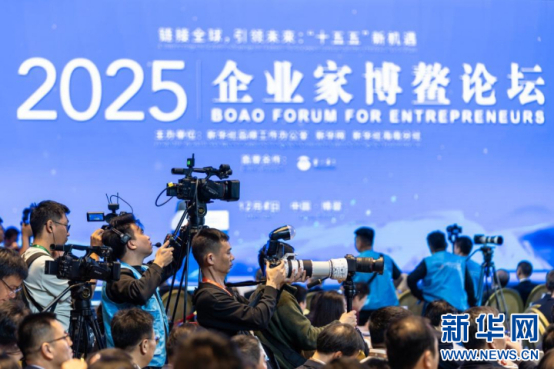
Core Perspective - The concept of "long-termism" has emerged as a focal point at the 2025 Boao Forum, replacing previous trends like "hot spots" and "explosive products" [3] - Leading companies such as Audi, Haier, and Qualcomm emphasize the importance of long-term commitment in a fast-paced business environment [3] Group 1: Value Commitment - Long-termism embodies a conscious restraint against the temptations of rapid success, focusing on core values [4] - Brand building is described as a foundational process rather than a superficial marketing effort, requiring a long-term investment approach [4] - Examples include the cultivation of rice varieties taking 8-10 years and Audi's development of a luxury fuel-efficient intelligent platform over several years [4] Group 2: Growth Path - Long-termism is characterized by dynamic engagement in core sectors, rejecting short-term speculation [5] - Companies like Bosideng and Qualcomm illustrate the importance of sustained focus on innovation and brand development [5][6] - Audi's 37-year commitment to the Chinese market highlights the importance of aligning with local user needs and industry development [6] Group 3: Policy Support - The long-term commitment of companies is supported by stable national policies, particularly during the transition from the 14th to the 15th Five-Year Plan [6] - Audi's development of the PPE luxury electric platform aligns with national green development goals, showcasing the impact of policy on long-term technological investment [6] Group 4: Collaborative Ecosystem - Long-termism evolves into a collaborative ecosystem where technology, manufacturing, and quality work together [8] - Audi's strategy includes a high localization rate of 90% and partnerships with local suppliers, enhancing supply chain efficiency and reducing carbon emissions [8] - The integration of AI technology into luxury brands exemplifies the collaborative approach to innovation [8] Conclusion - The narratives of companies committed to long-termism reflect a deeper understanding of market dynamics and user needs, contributing to high-quality economic development in China [9]

海尔“小伙伴” 国内冷链智能装备“小巨人”今日上市丨打新早知道
2 1 Shi Ji Jing Ji Bao Dao· 2025-12-01 23:10
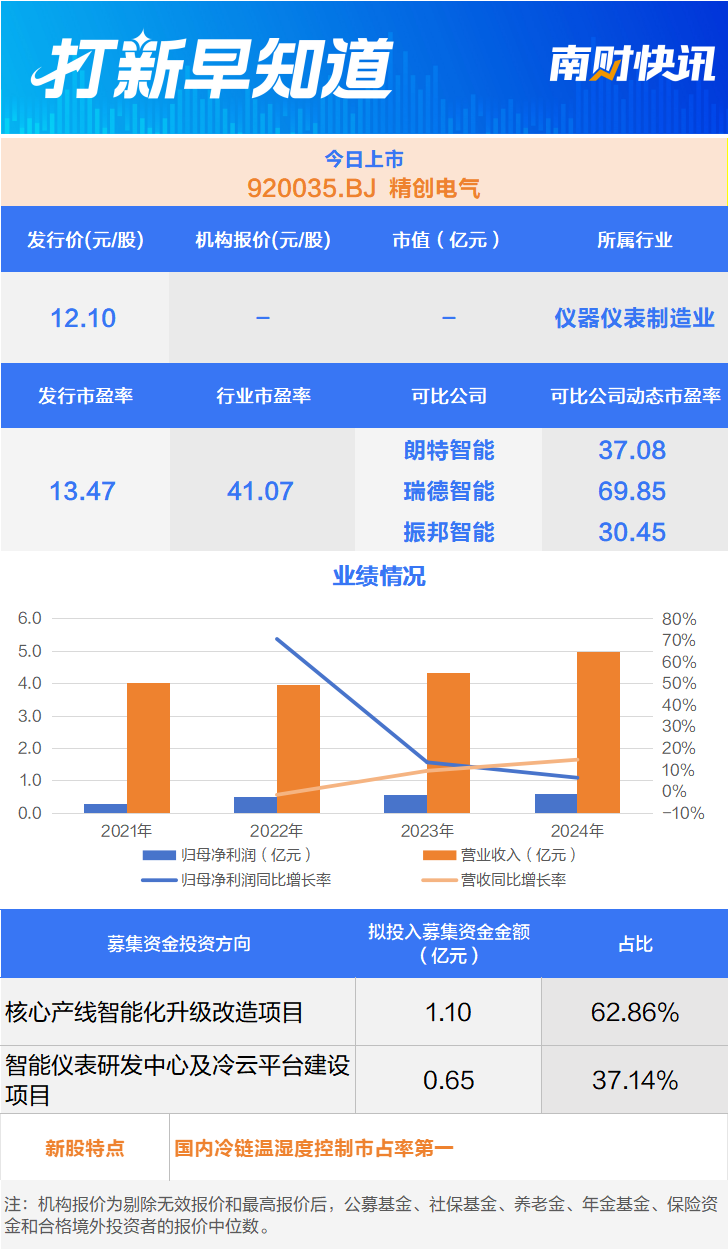
Core Viewpoint - A new stock, Jingchuang Electric (920035.BJ), was listed on December 2, specializing in the research, production, and sales of cold chain equipment and monitoring instruments, and is recognized as a national high-tech enterprise and a "little giant" company in specialized and innovative sectors [1] Group 1: Company Overview - Jingchuang Electric focuses on intelligent controllers for cold chain equipment, monitoring recorders for pharmaceuticals and food, and environmental particle detection instruments [1] - The company has established subsidiaries in the United States, the United Kingdom, and Brazil, and has entered the supply chains of major refrigeration equipment manufacturers such as Panasonic, Haier, and Aucma [4] - The company utilizes multiple sales channels, including direct sales, trade merchants, and online platforms like Amazon and Shopify, to meet customer demands both domestically and internationally [4] Group 2: Market Position - In 2023, Jingchuang Electric held a market share of 13.13% in China's cold chain temperature and humidity control market, ranking first domestically, and 4.64% in the global market, placing it among the leaders [5] - The company also ranked in the top five in China's refrigeration and air conditioning testing instruments market with a share of 3.62% domestically and 2.20% globally [5] Group 3: Financial Support and Risks - From 2022 to the first half of 2025, the government subsidies recognized in the company's profits were 13.36 million, 13.66 million, 13.16 million, and 1.57 million yuan, accounting for 24.44%, 23.59%, 19.50%, and 4.84% of total profits respectively [5] - Tax incentives received during the same period were 6.68 million, 7.69 million, 9.28 million, and 5.06 million yuan, representing 12.22%, 13.27%, 13.74%, and 15.56% of total profits respectively [5]
科技周报|史上最严充电宝新规将落地;阿里吴泳铭称三年内AI泡沫不存在
Di Yi Cai Jing· 2025-11-30 02:41
Group 1: Charging Power Bank Regulations - The Ministry of Industry and Information Technology has released a draft for the "Mobile Power Safety Technical Specifications," which is considered the strictest safety standard for power banks [2] - The new regulations introduce rigorous safety tests for battery cells, including puncture tests, thermal abuse tests, and overcharging tests, and mandate the inclusion of an LCD screen or a connected app to display battery health and usage metrics [2] - It is estimated that nearly 70% of existing production capacity may exit the market due to the inability to meet the new technical requirements, and overall industry costs are expected to rise by 20% to 30% [2] Group 2: Meituan's Third Quarter Financial Results - Meituan reported a revenue of 95.49 billion yuan for the third quarter, a year-on-year increase of 2%, but faced an adjusted net loss of 16 billion yuan compared to a net profit of 12.83 billion yuan in the same period last year [3] - The significant profit fluctuation is attributed to increased direct subsidies in the food delivery sector to counter irrational competition [3] - The food delivery industry is returning to rationality, with major competitors like Alibaba and JD reducing their investments in similar areas [3] Group 3: Alibaba's Third Quarter Financial Performance - Alibaba's revenue for the third quarter was 247.8 billion yuan, a 5% year-on-year increase, but operating profit fell by 85% to 5.365 billion yuan [4] - Alibaba Cloud's revenue grew by 34% to 39.824 billion yuan, marking a new high, while AI-related product revenue has seen triple-digit year-on-year growth for nine consecutive quarters [4] - CEO Wu Yongming expressed optimism about the future of AI and indicated that the company may increase its infrastructure investment beyond the previously planned 380 billion yuan [4] Group 4: Investment Trends in AI Technology - The investment logic in the technology sector is shifting from "technology faith" to "value verification," emphasizing the need for a clear market demand for innovations [9] - AI unicorns are facing challenges such as cost overruns and difficulties in monetization, necessitating collaboration between academia and industry to facilitate technology application [9] - Experts suggest that while disruptive technologies may emerge, market-driven logic will become increasingly important in the second phase of AI development [9] Group 5: Semiconductor Developments - Sanan Optoelectronics' subsidiary has successfully launched silicon carbide chips for electric vehicles, marking a significant achievement in domestic automotive semiconductor capabilities [10] - The adoption of these chips by Li Auto indicates recognition of their performance, reliability, and delivery capabilities, which will support the development of high-voltage platform models [10] Group 6: Smart Factory Initiatives - The Ministry of Industry and Information Technology has released a list of 15 companies, including Gree and Haier, recognized for their leading smart factory initiatives [11] - The initiative aims to cultivate a tiered system of smart factories, enhancing China's manufacturing capabilities and establishing benchmarks for intelligent manufacturing [11]
扳手下的博弈:小米空调崛起,引爆售后暗战?
Guan Cha Zhe Wang· 2025-11-29 03:21
Core Viewpoint - The competition in the home appliance industry is shifting from technology and price wars to service battles, highlighted by Midea's alleged "exclusive cooperation" demands on service providers, which the company denies [1][4]. Market Share and Competition - According to data from Aowei Cloud Network, Midea holds a 22% market share, followed by Gree at 20%, Haier at 18%, and Xiaomi at 14%, with Xiaomi rapidly gaining ground in online channels [3][4]. - The competition is intensifying, particularly between Xiaomi and Gree, as Xiaomi's growth in the air conditioning market is notable [3]. Industry Dynamics - The recent developments reflect significant changes in the air conditioning market landscape, with traditional manufacturers facing new challenges from emerging players like Xiaomi [4][7]. - The China Household Electrical Appliances Association has called for a shift from price wars to value wars, addressing issues of unhealthy competition in the industry [5]. Service Strategy and Innovations - Xiaomi is focusing on enhancing its service capabilities, particularly in after-sales support, by introducing a "one-stop delivery and installation service" for air conditioners, which has been well-received by users [7][8]. - The company plans to expand its service offerings from 11 to 13 product categories by 2026, aiming to improve service metrics and customer satisfaction [8].


仁信新材(301395) - 2025年11月26日投资者关系活动记录表
2025-11-26 08:30
Group 1: Financial Performance - The company achieved a revenue of 1.641 billion CNY in the first three quarters of 2025, a slight increase of 4.72% year-on-year [3] - The net profit attributable to shareholders was 32.0653 million CNY, a decrease of 2.81% year-on-year, while the net profit after deducting non-recurring gains and losses was 30.5192 million CNY, an increase of 37.64% year-on-year [3] Group 2: Product and Market Position - The company has successfully validated its high-gloss shell HIPS specialized materials with major appliance manufacturers like Midea and Changhong, leading to continued bulk supply in 2025 [3] - The company is among the first in China to adopt the GPPS "1+4" and HIPS "2+4" reaction kettle configuration, enhancing the stability and control of the polymerization process [4] Group 3: Competitive Advantages - The company maintains a low level of unreacted styrene in PS resin, making its products suitable for high sanitary requirements in food and medical fields [4] - The company has established strong customer loyalty due to high switching costs for raw materials, particularly in GPPS and HIPS specialized materials [4] - As of mid-2025, the company has obtained 13 core product formulas, including 2 invention patents and 9 utility model patents, showcasing its unique product formulation and continuous process improvement capabilities [4] Group 4: Customer Relationships - The company's major customers include well-known appliance and lighting companies, with no risk of customer concentration decline or dependency on a single client [4]
江苏发放 “京彩江苏·消费焕新季”补贴
Yang Zi Wan Bao Wang· 2025-11-26 02:47
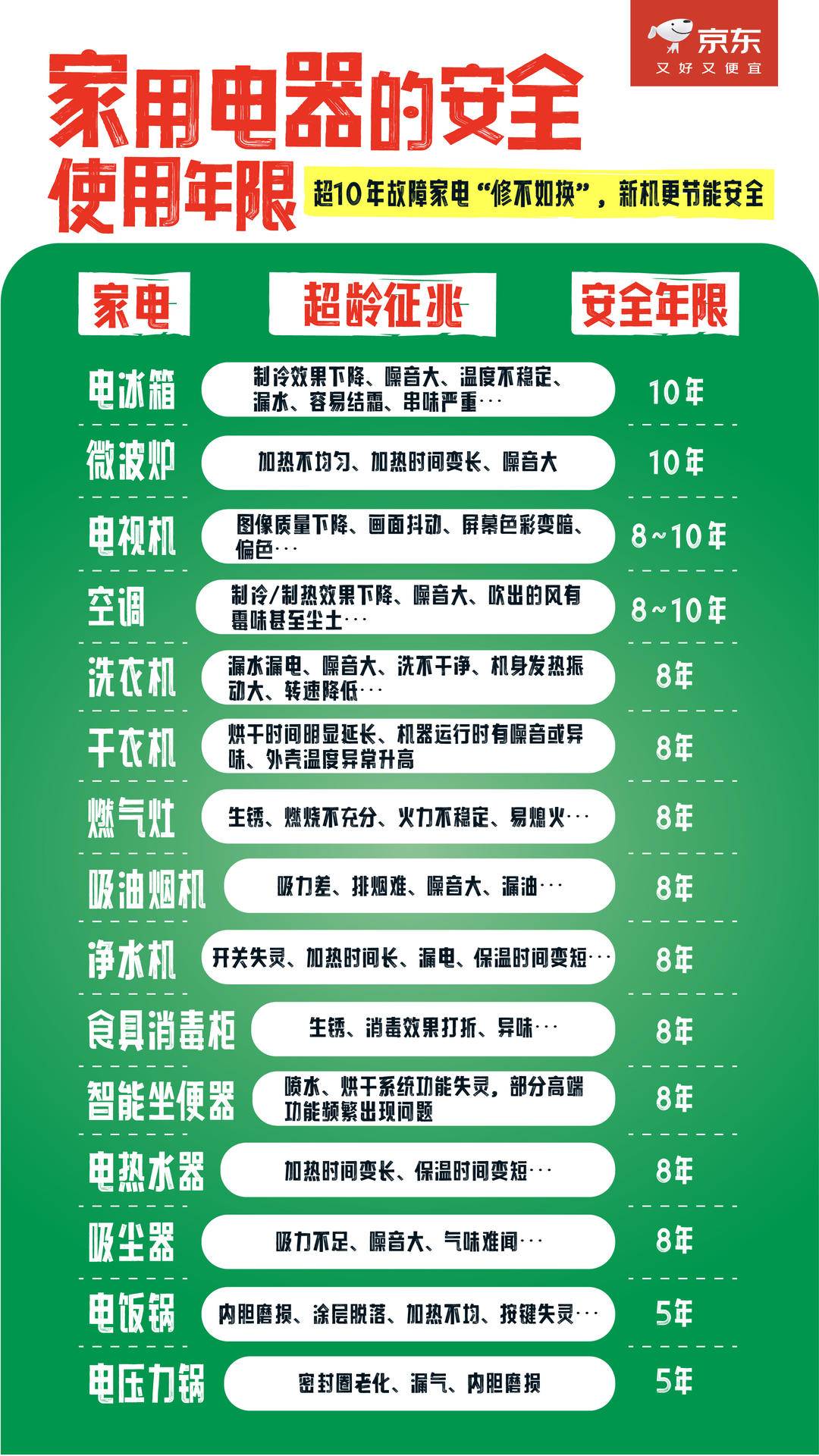
Core Insights - The article highlights the safety hazards posed by aging household appliances, particularly in light of a recent fire incident caused by a 12-year-old washing machine, prompting increased public awareness during the national fire safety promotion month [1] Group 1: Government Initiatives - Jiangsu province has launched the "Jingcai Jiangsu. Consumption Renewal Season" initiative, providing over 10 million yuan in subsidies for replacing aging appliances [1][2] - Consumers can receive dual subsidies when purchasing specified appliances at nearly 130 self-operated stores in Jiangsu, with discounts ranging from 5% to 20% depending on eligibility for national subsidies [2] Group 2: Consumer Benefits - The maximum subsidy per item is 2,000 yuan, with individual consumers allowed to purchase one item per category, and up to three air conditioners [2] - Examples of discounted products include a 400-liter energy-efficient refrigerator reduced from 3,499 yuan to 2,203 yuan after subsidies, and a washing machine priced at 1,747 yuan after applying the subsidy [2] Group 3: Industry Concerns - There is a prevalent issue of consumers not replacing appliances until they fail, leading to safety risks such as electrical shorts and potential fires, especially in older residential areas [5] - The Jiangsu Household Appliance Association emphasizes the importance of replacing appliances over ten years old, as they are less energy-efficient and pose safety hazards [5]

QuestMobile2025年中国AI终端生态发展研究报告:AI终端三大领域格局初定,场景跃迁与品类爆发共振,大厂发力空间智能
QuestMobile· 2025-11-25 02:02
Core Insights - The article discusses the rapid development trends in the AI terminal industry, highlighting the emergence of AI smartphones, AI PCs, and wearable devices as central components of a smart living model, leading to the creation of intelligent spaces such as smart homes and smart cars [4][6][11]. Group 1: AI Terminal Development - The "end-edge-cloud" architecture is identified as a key driver for the scalable development of AI terminals, with significant breakthroughs expected by 2025 [10][18]. - AI smartphones and AI PCs are positioned as the primary entry points for personal digital life, with AI wearable devices extending their functionality [11][41]. - The domestic smartphone shipment reached 220 million units from January to September 2025, indicating a strong growth trajectory [34]. Group 2: Smart Home and Smart Car Integration - The smart home app user base reached 383 million by October 2025, with an average usage frequency of 60.7 times per month, reflecting a shift towards personalized and scenario-based smart experiences [6][45]. - In the smart car sector, L2 level assisted driving configurations accounted for 69.4% of vehicles by October 2025, showcasing the mainstream adoption of advanced driving technologies [52]. - The integration of smart homes and smart cars is leading to the development of a "super space intelligence" model, enhancing user interaction and experience [45][50]. Group 3: Emerging AI Technologies - The field of embodied intelligence is experiencing explosive growth, with 409 financing events recorded from January to October 2025, indicating strong investor interest [12][60]. - Embodied intelligence is seen as a critical leap for AI, transitioning from virtual to physical applications, with industrial manufacturing being the initial focus area [62]. - Space intelligence is defined as the next significant milestone in AI development, providing a foundational framework for AI terminals to achieve comprehensive intelligent behavior in the physical world [64][66]. Group 4: Market Dynamics and Competitive Landscape - The competition among smartphone manufacturers, internet companies, and home appliance firms is intensifying as they vie for control over user interaction interfaces [6][47]. - Major tech companies are rapidly entering the space intelligence sector, with their investments reflecting their core business strengths [68][70]. - The article emphasizes that the future of AI terminals will be shaped by their ability to integrate seamlessly into users' lives, enhancing the overall experience [72].

电科数字:在智能园区场景,已成功落地国电投、重庆联通、民航二所等多个项目
Mei Ri Jing Ji Xin Wen· 2025-11-21 09:45
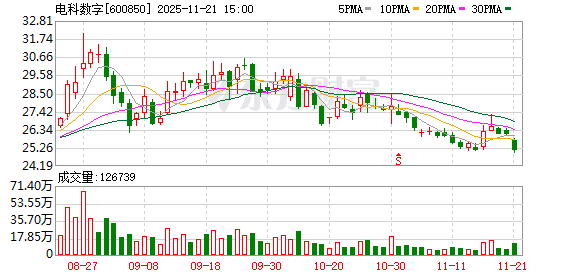
电科数字(600850.SH)11月21日在投资者互动平台表示,您好,海尔智慧园区数字化平台项目目前处 于持续交付和优化阶段。在智能园区场景,公司业务涉及园区物联底座、数据治理、园区应用系统等多 个领域,已成功落地国电投、重庆联通、民航二所等多个项目。 (文章来源:每日经济新闻) 每经AI快讯,有投资者在投资者互动平台提问:问,电科数字是国内最早建设数字园区的头部企业, 问海尔园区项目是否完工交付,目前还有其他的数字园区项目吗?请董秘详答。 ...

天猫实现四年来双11最好增长,线上消费ETF基金(159793)红盘向上
Sou Hu Cai Jing· 2025-11-17 02:18
Core Insights - Tmall achieved its best growth in four years during the Double 11 shopping festival, with nearly 600 brands surpassing 100 million in sales and significant year-over-year growth for many brands [1] - The China Securities Index for online consumption shows mixed performance among its constituent stocks, with BlueFocus leading the gains [1][2] - Structural opportunities in the consumption chain are emerging due to ongoing growth policies, with service consumption and online shopping showing resilience [1] Group 1: Tmall Double 11 Performance - Tmall's Double 11 event saw 34,091 brands doubling their sales compared to last year, with 18,048 brands growing over three times and 13,081 brands growing over five times [1] - Major brands like Apple, Haier, and Xiaomi each surpassed 1 billion in sales during the event [1] - Tmall's president attributed the growth to support for quality brands and significant consumer investment [1] Group 2: Online Consumption Index - The CSI Online Consumption Theme Index includes 50 companies involved in online shopping, digital entertainment, online education, and telemedicine [2] - As of October 31, 2025, the top ten weighted stocks in the index accounted for 55.69% of the total index weight [2] - The top stocks include Alibaba, Tencent, and Kuaishou, with Alibaba holding an 11.77% weight despite a slight decline [4]







科技与文化交汇:赋能广告产业,链接亚洲机遇 第32届中国国际广告节&第34届亚洲广告大会在京圆满闭幕
Jing Ji Guan Cha Wang· 2025-11-03 11:32
Core Insights - The 32nd China International Advertising Festival and the 34th Asian Advertising Congress successfully concluded in Beijing, emphasizing the theme "Intelligent Advertising New Chapter: China as the Main Stage, Asia in Sync" [1][2] - The event attracted over 10,000 representatives from more than 30 countries and regions, establishing an international advertising exchange platform that integrates technology and culture [1][2] Group 1: Event Overview - The dual event format marked a significant step in the integration of China's advertising industry with the international stage, showcasing a "dual main stage" model that included over 220 foreign representatives [2] - The event created a complete ecosystem for "display, communication, release, and cooperation," enhancing the global reach of Chinese advertising [2] - The "dual event linkage" mechanism resulted in unexpected synergistic effects, significantly boosting the international influence of China's advertising industry, reaching over 1 billion people through multi-channel communication [2][3] Group 2: Industry Insights - Key industry leaders from companies like WPP, Tencent, and Haier discussed topics such as AI-driven brand transformation, showcasing the forefront of China's advertising industry under technological influence [3][4] - The event featured various awards and forums, including the Yellow River Award and the Great Wall Award, covering hot topics like AI advertising development and brand innovation [4] - The presence of major media and well-known companies at the exhibitions highlighted the diverse ecosystem and innovative vitality of the advertising industry [4] Group 3: Regional Impact - Haidian District, as the event's host, provided a rich cultural and technological foundation, aligning with the event's theme of "innovation-driven, technology-enabled" [5][6] - The region's strong AI research capabilities are seen as a driving force for advertising innovation, while the advertising industry can enhance the branding process of local universities and tech companies [5][6] Group 4: Future Outlook - The successful hosting of the Asian Advertising Congress in China symbolizes a win-win situation, with Beijing set to host the event again in 2025, reinforcing its position as a hub for international exhibitions and technological integration [7][8] - The event is viewed as a starting point for future collaborations and resource expansion, with participants gaining valuable insights into AI, branding, and cross-industry integration [8]