
极氪

Search documents
11月俄新电动汽车销量同比增长57%
Xin Hua Cai Jing· 2025-12-08 23:29
Core Insights - The report from Russian automotive analysis agency Autostat indicates that the sales of new electric vehicles in Russia are expected to increase by 57% year-on-year in November 2025, reaching 1,602 units [1] - The top five electric vehicle brands in Russia for November include domestic brands AmberAuto and Evolute, as well as Chinese brands Zeekr, Xiaomi, and BYD [1] - For the first eleven months of 2025, a total of 11,200 new electric vehicles were sold in Russia, representing a 31% decrease compared to the same period in 2024 [1]
中国汽车技术五年赶超欧美,却越卷越廉价
汽车商业评论· 2025-12-08 23:08
Core Viewpoint - The automotive industry is experiencing a shift from a focus on technical specifications to value creation, as companies navigate intense competition and evolving consumer expectations [3][5][25]. Group 1: Industry Challenges and Strategic Focus - The automotive supply chain is facing "internal competition," leading to confusion about the direction of technological advancements [3]. - Companies must balance short-term survival with long-term development, emphasizing the need for a dynamic and mission-driven team [3][10]. - The industry is moving from merely achieving electric functionalities to optimizing costs and enhancing user experience [5][27]. Group 2: Electric Side Door Technology - The electric side door has transitioned from an optional feature to a standard configuration in high-end models, indicating strong market acceptance [5][16]. - The technology aims to improve user experience by addressing practical challenges faced by various demographics, such as children and individuals in high heels [5][15]. - Safety features are integrated into the electric side door system, including obstacle detection and controlled closing mechanisms to prevent accidents [15][19]. Group 3: Supply Chain Collaboration and Innovation - The traditional supplier model is evolving into a partnership model where companies collaborate from the product definition stage to tackle challenges together [5][27]. - Companies are encouraged to shift from being cost centers to efficiency engines, adopting modular and transparent supply chain systems to respond quickly to market demands [27][28]. - Patent protection is crucial for mitigating risks associated with intellectual property, as demonstrated by the Nokia-Daimler case, which highlights the importance of compliance in the supply chain [29][31]. Group 4: Long-term Development Strategy - Long-term strategies should focus on building trust and symbiotic relationships with partners, moving beyond simple transactional interactions [27]. - Companies need to concentrate on core competencies such as strategic planning, product strength, customer relationships, and patent protection to ensure sustainable growth [31][32]. - The emphasis on creating user value and enhancing emotional engagement with products is vital for future competitiveness [27][28].


少见!11月国内乘用车零售销量同比下降8.1%
Mei Ri Jing Ji Xin Wen· 2025-12-08 13:54
每日经济新闻消息,12月8日,乘联分会发布的数据显示,11月国内乘用车销量同比下滑8.1%,环比下降1.1%, 符合"前低中高后平"走势,"以旧换新"政策调节效果明显。新能源车市场表现突出,月销破万车企达22家,零售 渗透率逼近60%。乘联分会预测2025年车市或超预期增长,但2026年因购置税政策调整,车市增长将面临压力, 建议减免政策惠及首购群体和小微型电动车。 与往年年底车市翘尾走势不同的是,今年11月国内乘用车市场销量同比出现下滑。 12月8日,乘联分会公布的最新数据显示,11月,全国乘用车市场零售销量约222.5万辆,同比下降8.1%,环比下 降1.1%;今年以来累计零售销量约2148.3万辆,同比增长6.1%。 "11月乘用车市场销量环比出现下降,是比较少见的。"乘联分会秘书长崔东树认为,今年上半年,我国乘用车市 场销量实现了13%的较快增长,下半年车市增长需要回到合理、稳定的状态。 复盘来看,今年国内乘用车市场零售累计增速从1~2月增长1.2%,3~6月增长15%,7~9月增速徘徊在6%左右, 10~11月回落到偏低状态,呈现四季度高基数的减速特征,基本符合乘联分会在今年年初所判断的"前低中高后 ...

11月国内乘用车零售销量同比下降8.1%,2026年车市增长面临压力
Mei Ri Jing Ji Xin Wen· 2025-12-08 11:51
Core Insights - In November, the domestic passenger car market in China experienced a year-on-year decline in sales, contrasting with the typical year-end surge seen in previous years [1] - The total retail sales for the year reached approximately 21.48 million units, reflecting a year-on-year growth of 6.1% [1] Group 1: Market Performance - November retail sales of passenger cars were about 2.225 million units, down 8.1% year-on-year and 1.1% month-on-month [1] - The cumulative growth rate for retail sales fluctuated throughout the year, with a notable increase of 13% in the first half, followed by a slowdown in the latter half [3] - The "old-for-new" policy has been a significant factor in adjusting market growth, with over 11.2 million applications for subsidies by October 22 [3] Group 2: New Energy Vehicles (NEVs) - In November, the number of manufacturers with monthly wholesale sales of NEVs exceeding 10,000 units rose to 22, accounting for 94.2% of total NEV sales [4] - NEV sales reached 1.321 million units in November, marking a year-on-year increase of 4.2%, with a penetration rate of 59.3% in the overall passenger car market [4] - The penetration rate for NEVs among domestic brands was 79.6%, while luxury brands and mainstream joint ventures had rates of 38.8% and 8%, respectively [4] Group 3: Export Trends - In November, NEV exports reached 284,000 units, a significant year-on-year increase of 243.3%, representing 47.3% of the total export market [7] - The export of pure electric vehicles accounted for 57% of NEV exports, while plug-in hybrid models made up 42% [7] - The export of complete vehicles has also driven growth in battery exports, with a total of 7.039 million kWh of electricity used for NEV exports and wholesale in November [7] Group 4: Future Outlook - The market is expected to stabilize in December, with potential for slight negative growth due to current market conditions [10] - Predictions for 2025 indicate that the "old-for-new" subsidy program could exceed 180 billion yuan, with a 10% tax exemption for NEVs expected to boost sales [10] - However, the transition to a reduced tax rate in 2026 may pose significant challenges for market growth, with a projected loss of over 100 billion yuan in tax incentives [10]



阿维塔赴港IPO:营收爆发背后,百亿融资究竟去哪了?
Sou Hu Cai Jing· 2025-12-08 10:12
Core Viewpoint - Avita Technology, backed by major stakeholders including Changan Automobile, CATL, and Huawei, is facing a paradox of rapid revenue growth alongside significant cash flow challenges as it prepares for its IPO [1][4][10]. Group 1: Company Overview - Avita Technology submitted its IPO application to the Hong Kong Stock Exchange in November 2025, leveraging its partnerships with Changan Automobile and CATL, while also integrating Huawei's advanced technology [1][2]. - The company has experienced explosive revenue growth, with a 98.5% year-on-year increase in revenue for the first half of 2025, and a gross margin improvement to 10.1% [1][4]. Group 2: Financial Performance - Despite the revenue surge, Avita has accumulated losses exceeding 11.3 billion yuan over the past three and a half years, indicating a struggle to achieve profitability [5][10]. - The company reported a cash and cash equivalents balance of 13.48 billion yuan as of June 30, 2025, but its current liabilities exceeded current assets by 5.24 billion yuan, highlighting liquidity pressures [10][11]. Group 3: Strategic Adjustments - In response to market pressures, Avita shifted its product strategy from pure electric vehicles to range-extended electric vehicles (EREV), aiming to capture a broader market segment [7]. - The company made a significant investment of 11.5 billion yuan to acquire a 10% stake in Huawei's subsidiary, "Yinwang," enhancing its access to cutting-edge technology and distribution channels [8][9]. Group 4: Market Challenges - Avita faces intense competition in the 200,000 yuan market segment, where it competes against established players like Tesla and Li Auto, raising concerns about maintaining its gross margin amid price wars [11][12]. - The company must continue to invest in new vehicle development and market expansion, which may prolong its path to profitability [11][12].


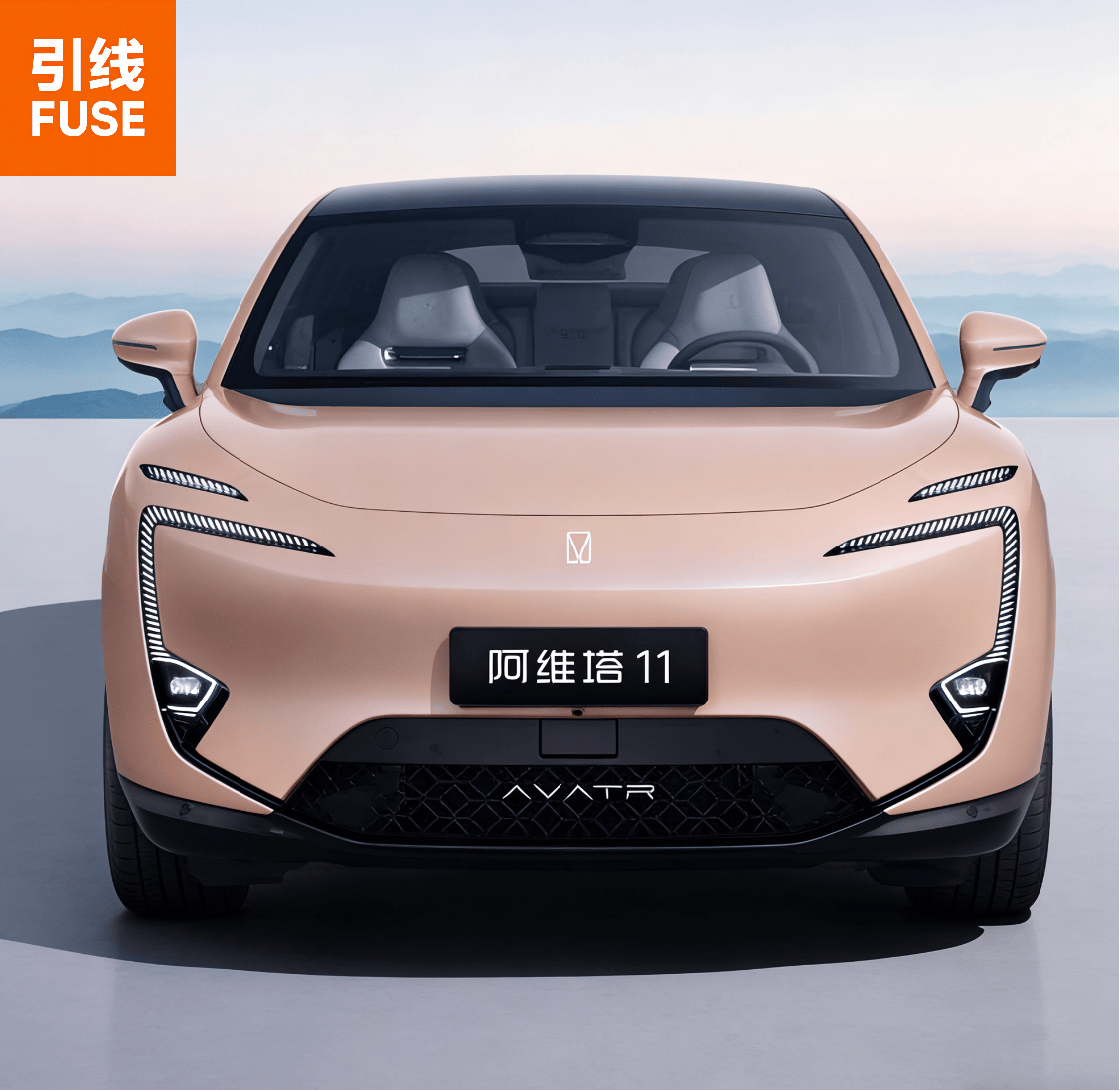
车质网11月国内汽车投诉榜出炉 奇瑞占第一
Xi Niu Cai Jing· 2025-12-08 06:12
Core Insights - The total number of valid complaints from car owners reached 17,961 in November 2025, marking a month-on-month increase of 3.3% and a year-on-year increase of 33.6% [1] - Cumulative complaints from January to November 2025 exceeded 200,000, representing a 32.3% increase compared to the same period last year [1] Complaint Rankings - Chery Automobile's model X ZA9L topped the complaint list with 394 complaints in November, a significant increase from 42 in October, primarily due to policy changes and disputes over new and old model iterations [2][3] - The top ten models with the highest complaints included brands like Chery, Equation Leopard, and Ford, with issues ranging from delivery problems to system upgrades [2][4] Types of Complaints - Service-related complaints were the most significant, with 4,086 complaints regarding service attitude, followed by sales issues and unfulfilled promises, indicating a lack of transparency and fulfillment in transactions [2] - Quality complaints were also notable, with 977 complaints related to vehicle body accessories and electrical systems, highlighting issues with stability in software and hardware as vehicles become more connected [3] Brand Performance - In November, complaints from domestic brands increased by 10.3% compared to October, with service issues being the primary source of this growth [4] - Conversely, complaints from joint venture brands decreased, although their total complaint volume remained higher than that of domestic brands [4] Complaint Handling - The complaint response rate improved slightly, with 47 companies achieving a 100% response rate, including Zeekr and Xpeng [5] - Some companies, like Geely and Beijing Off-road, showed high withdrawal rates of over 70%, while others like Beijing Hyundai and Xpeng maintained low withdrawal rates [5]

“智驾神器”一点也不神还很危险
Jing Ji Guan Cha Wang· 2025-12-08 05:49
Core Viewpoint - The emergence of "smart driving gadgets" poses significant risks to road safety by deceiving vehicle assistance systems, leading to dangerous driving conditions and potential accidents [1][2][3] Group 1: Product Overview - "Smart driving gadgets" are marketed as simple accessories but effectively disable the "hands-off detection" feature of driver assistance systems, allowing for a false sense of security in automated driving [1][2] - These products include two main types: capacitive straps for certain brands and weighted rings for others, both designed to trick the vehicle's sensors [2][3] Group 2: Regulatory Response - The National Market Supervision Administration has indicated that these products violate the Product Quality Law of the People's Republic of China, which prohibits the production and sale of items that pose unreasonable dangers to personal and property safety [2] - A draft of mandatory national standards for vehicle operation safety is being considered, which would include requirements for detecting driver hand and gaze disengagement [4] Group 3: Market Dynamics - The market for these gadgets is thriving due to low development barriers and the ability to evade regulatory scrutiny, with sales primarily occurring through online platforms [3][6] - The automotive industry relies on torque and capacitive sensors to detect driver engagement, but these gadgets effectively bypass these safety measures [3] Group 4: Industry Statistics - As of January to July 2025, the cumulative sales of passenger cars equipped with L2-level driving assistance in China reached 7.76 million units, with a penetration rate of 62.58% [5] - Current smart driving systems available to consumers are classified as Level 2 or below, indicating that they are not fully autonomous and require driver attention at all times [5] Group 5: Recommendations for Action - To eliminate the presence of "smart driving gadgets," a comprehensive approach is needed, involving e-commerce platforms, regulatory bodies, automotive manufacturers, and traffic enforcement agencies [6] - The implementation of AI technology for keyword monitoring, stricter regulations on production, and enhanced user education are essential to combat this issue effectively [6]
以创新因子拓展全球市场 中国品牌出海展现新气象
Ren Min Ri Bao· 2025-12-08 00:38
Group 1 - The core viewpoint of the articles highlights the transformation of Chinese brands from merely exporting products and capital to a comprehensive upgrade in brand output, organizational capabilities, management mechanisms, and governance systems in the global market [1] - Chinese brands are increasingly favored by overseas consumers due to their technological content, cultural heritage, design inspiration, and emotional value, leading to enhanced product recognition and influence [1] - The global recognition of Chinese companies, such as Yushutech, which won an award from the World Intellectual Property Organization, underscores the hard power of Chinese brands in the robotics sector [2] Group 2 - Chinese brands are innovating by adapting to local consumer habits, as seen with Niu Electric optimizing its products for European and Southeast Asian markets [3] - International experts praise the Chinese government's emphasis on technological innovation and the establishment of manufacturing clusters that enhance productivity and foster innovation [4] - China is recognized as a global innovator, moving beyond being the "world's factory" to becoming a source of innovation, which is expected to reshape its global identity and drive balanced economic growth [5] Group 3 - Chinese consumer electronics brands like Xiaomi and OPPO are gaining popularity among young consumers due to their high cost-performance ratio, while companies like BYD are contributing to green transportation [6] - The rise of Chinese brands is accelerating technological, environmental, and service model upgrades in local markets, as noted by experts in Spain [6] - Chinese enterprises are committed to improving global consumer quality of life by sharing technological advancements and providing opportunities for developing countries to access the latest technologies at lower costs [6] Group 4 - China continues to expand high-level opening-up policies, supporting domestic companies in entering international markets while welcoming foreign brands into China, promoting fair competition and mutual benefits [7]
中国品牌出海展现新气象
Ren Min Ri Bao· 2025-12-07 22:02
Group 1 - The core viewpoint of the articles highlights the evolution of Chinese companies from merely exporting products and capital to a new phase of brand output, organizational capability, management mechanisms, and governance systems in the global market [1] - Chinese brands are increasingly favored by overseas consumers due to their technological content, cultural heritage, design inspiration, and emotional value that resonates across cultures [1] - The recognition of Chinese companies in the global market is exemplified by Yushutech, which won an award from the World Intellectual Property Organization, showcasing its strength in robotics [2] Group 2 - Chinese brands are innovating by adapting to local consumer habits, as seen with Niu Electric optimizing its products for European and Southeast Asian markets [3] - International experts praise China's emphasis on technological innovation and the establishment of manufacturing clusters that enhance productivity and foster innovation [5] - The shift in China's global identity from being merely a "world factory" to becoming a source of innovation is noted, with a focus on scientific strength and open collaboration [6] Group 3 - Chinese consumer electronics brands like Xiaomi and OPPO are gaining popularity among young consumers due to their high cost-performance ratio, while companies like BYD are contributing to green transportation [7] - The commitment of Chinese companies to improve global consumer quality of life through technology sharing and lower-cost access to innovations is emphasized [7] - China's ongoing efforts to expand high-level openness and support for domestic companies entering international markets align with global interests for fair competition and mutual benefits [8]
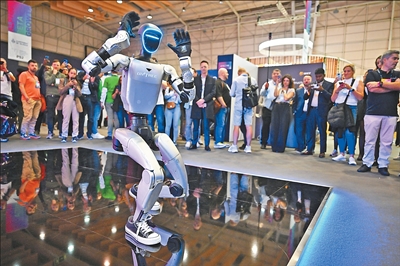
以创新因子拓展全球市场 以开放合作提供广阔机遇 中国品牌出海展现新气象
Ren Min Ri Bao· 2025-12-07 21:56
Group 1: Core Insights - Chinese companies are transitioning from merely exporting products and capital to enhancing brand output, organizational capabilities, management mechanisms, and governance systems in response to a complex global market [1] - A growing number of Chinese brands are gaining recognition among overseas consumers due to their technological content, cultural heritage, design inspiration, and emotional value [1] Group 2: Technological Innovation and Global Impact - Chinese brands are innovating based on the usage habits of consumers in different regions, with companies like Niu Technologies optimizing their products for local markets [3] - The rapid development of "Made in China" is attributed to the formation of manufacturing clusters, which lower costs and enhance productivity, supported by long-term government planning [4] - China is recognized as a major player in technological innovation, with significant advancements in AI, 5G, and new energy sectors, contributing to global technological development [4] Group 3: Market Expansion and Consumer Engagement - Chinese consumer electronics brands like Xiaomi and OPPO are gaining popularity among young consumers due to their high cost-performance ratio [5] - Chinese electric vehicle manufacturers, such as BYD, are facilitating green transportation for local populations, while e-commerce platforms are driving digital economic growth in collaboration with local businesses [5] - The presence of Chinese technology, such as the humanoid robot from UTree Technology, is being integrated into educational systems in Germany, showcasing China's research capabilities in intelligent systems and automation [5] Group 4: Open Market and Global Cooperation - China is committed to expanding high-level openness and building an open world economy, supporting domestic companies in entering international markets while welcoming foreign brands [6] - The emphasis on fair competition and mutual benefit aligns with the interests of countries worldwide, fostering a collaborative environment for innovation and technology sharing [6]