今世缘

Search documents
白酒板块10月29日跌0.84%,今世缘领跌,主力资金净流出19.97亿元
Zheng Xing Xing Ye Ri Bao· 2025-10-29 08:34
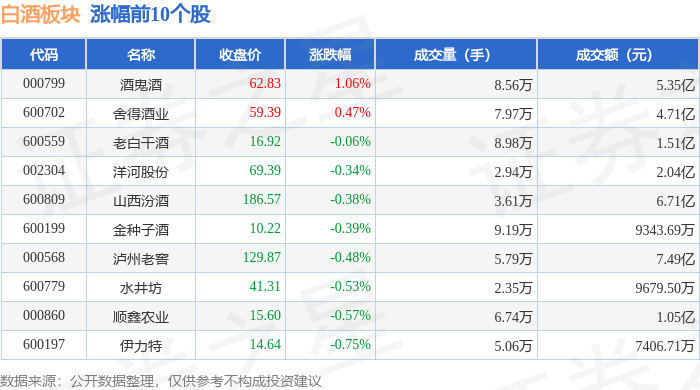
Market Overview - The liquor sector experienced a decline of 0.84% on October 29, with Jinshiyuan leading the drop [1] - The Shanghai Composite Index closed at 4016.33, up 0.7%, while the Shenzhen Component Index closed at 13691.38, up 1.95% [1] Individual Stock Performance - Key stocks in the liquor sector showed mixed performance, with notable declines in several major companies: - Jinshiyuan (603369) closed at 38.04, down 1.65% with a trading volume of 106,400 shares and a turnover of 406 million yuan [2] - Wuliangye (000858) closed at 118.83, down 1.06% with a trading volume of 245,100 shares and a turnover of 2.911 billion yuan [2] - Moutai (600519) closed at 1431.90, down 0.91% with a trading volume of 33,900 shares and a turnover of 4.869 billion yuan [2] Capital Flow Analysis - The liquor sector saw a net outflow of 1.997 billion yuan from institutional investors, while retail investors contributed a net inflow of 1.006 billion yuan [2][3] - Specific stocks experienced varying levels of capital flow: - Huangtai Liquor (000995) had a net outflow of 1.201 million yuan from institutional investors [3] - Water Well (600779) saw a net inflow of 663,520 yuan from retail investors despite a net outflow from institutional investors [3] - Gujing Gongjiu (000596) experienced a significant net outflow of 16.55 million yuan from institutional investors but a net inflow of 60.40 million yuan from retail investors [3]


今世缘跌2.02%,成交额3.15亿元,主力资金净流出5349.01万元
Xin Lang Zheng Quan· 2025-10-29 06:05
Core Points - The stock price of Jinshiyuan has decreased by 2.02% to 37.90 CNY per share, with a market capitalization of 47.254 billion CNY as of October 29 [1] - The company has experienced a year-to-date stock price decline of 13.92% and a 5-day decline of 2.77% [1] - Jinshiyuan's main business involves the production and sale of liquor, with a revenue composition primarily from TA+ category (62.03%) [1] Financial Performance - For the first half of 2025, Jinshiyuan reported a revenue of 6.951 billion CNY, a year-on-year decrease of 4.84%, and a net profit attributable to shareholders of 2.229 billion CNY, down 9.46% year-on-year [2] - Cumulative cash dividends since the company's A-share listing amount to 6.835 billion CNY, with 3.653 billion CNY distributed in the last three years [3] Shareholder Information - As of June 30, 2025, the number of shareholders increased by 112.11% to 63,100, while the average circulating shares per person decreased by 52.85% to 19,755 shares [2] - The second-largest circulating shareholder is the China Securities Index White Spirit Index A, holding 61.7143 million shares, an increase of 7.7798 million shares from the previous period [3]
今世缘副总经理胡跃吾:训练企业专属模型,以期实现AI辅助乃至自动决策
Xin Lang Cai Jing· 2025-10-28 10:37
Core Insights - The 2025 Chishui River Forum emphasizes that digital transformation in the liquor industry is no longer optional but essential for long-term development [1][2] - Digitalization is described as a comprehensive and deep transformation of development concepts, business models, and operational management [1] Group 1: Digital Transformation in the Liquor Industry - The company focuses on intelligent brewing to establish a quality foundation through digitalization, integrating smart brewing technology into traditional processes to enhance product quality stability and excellence [1] - The marketing ecosystem is being reshaped through digitalization to bridge the gap with consumers, allowing for a rapid response to market demands and the construction of a comprehensive digital marketing system [1] - Cultural expression is innovated through digital technology, creating immersive experiences that bring traditional cultural narratives to life, exemplified by the use of XR technology in the company's exhibition hall [1] Group 2: Operational Efficiency - Digitalization aims to enhance operational posture by improving decision-making processes, breaking down data barriers across research and development, production, supply chain, marketing, and finance [2] - A data-centric command center is being established to provide real-time panoramic operational insights [2]
飞天茅台批发价跌破1700元:白酒行业拐点已至?
Sou Hu Cai Jing· 2025-10-28 09:57
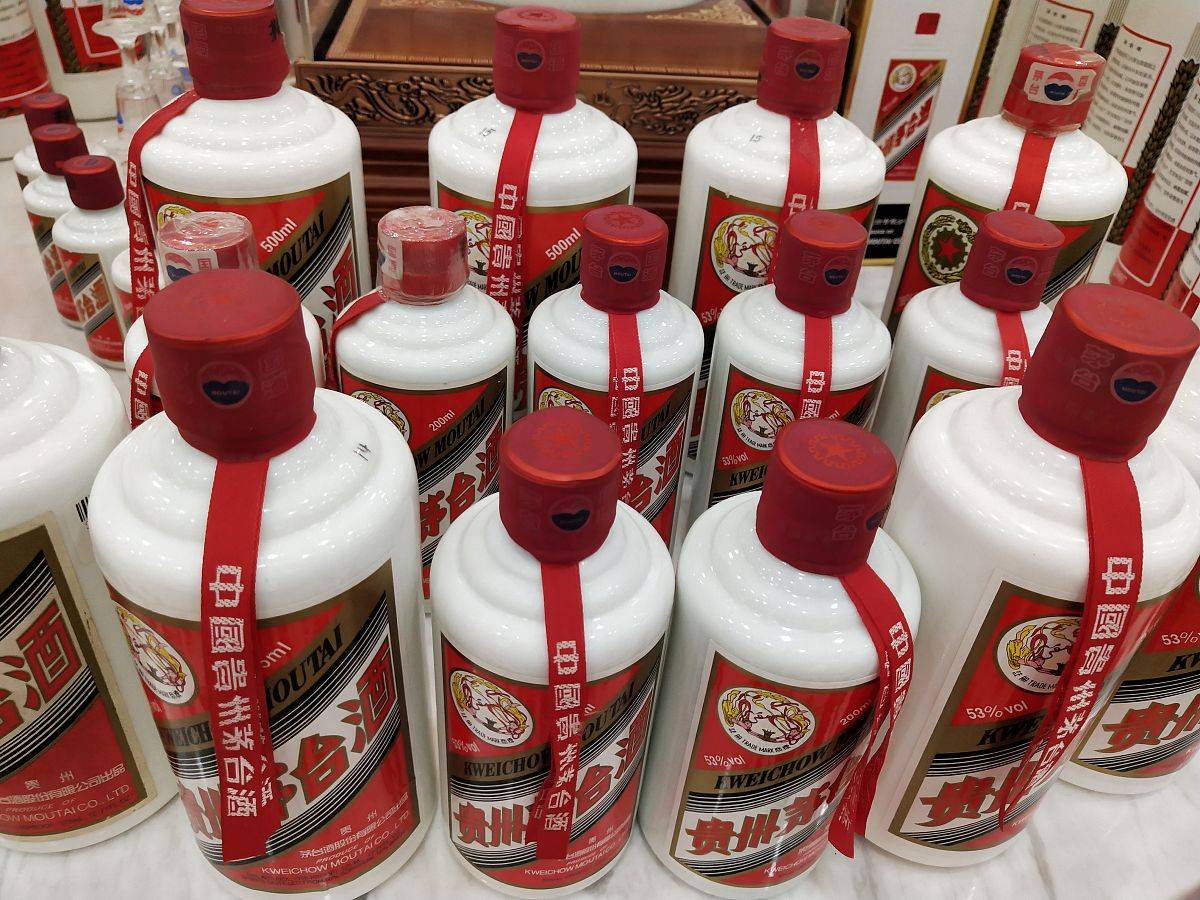
Core Viewpoint - The white liquor market is undergoing significant changes as the price of Moutai has dropped below 1700 yuan for the first time, indicating a shift in market dynamics and consumer behavior [1][3]. Price Trends - Moutai's wholesale price fell to 1690 yuan on October 28, marking a 31% decline from its peak earlier in the year [1][3]. - The price drop began on June 11, 2025, with Moutai's price falling from 2000 yuan to below 1800 yuan within a few weeks, and eventually reaching a new low of 1690 yuan [3][5]. Market Dynamics - The decline in Moutai's price is not an isolated incident; other brands like Wuliangye and Guojiao have also seen significant price drops of 18% and 22%, respectively [5]. - High inventory levels and a decrease in consumer demand have pressured distributors, with inventory turnover extending from 45 days to 90 days [7]. Consumer Behavior - The market for business banquets has shrunk by 35% compared to the previous year, and the proportion of gift channels has decreased from 40% to 28% [7]. - There is a notable decline in personal stockpiling of liquor, leading to increased market pressure from individual investors selling off their holdings [7]. Competitive Landscape - The rise of alternative beverages, such as imported wines and single malt whiskies, has impacted the loyalty of younger consumers towards traditional liquor [7]. - Major brands are adapting by exploring new price segments, with Wuliangye focusing on the 800-1200 yuan range and regional brands enhancing their local market presence [8]. Financial Implications - The annualized investment return for Moutai has dropped from 15% to -8% over the past three years, leading to a withdrawal of speculative investors [7]. - The valuation framework for the white liquor sector is being recalibrated as Moutai's price falls below 1700 yuan, challenging the previous assumption that a price-to-earnings ratio of 30 times was a floor [8]. Future Outlook - Key indicators for the market's trajectory include inventory digestion rates, potential price support measures from Moutai, and consumer confidence levels in the lead-up to the New Year [8].

押宝年轻化赛道,20多度白酒能否“破圈”?
Bei Ke Cai Jing· 2025-10-28 08:55
Core Viewpoint - The recent trend in the Chinese liquor industry is a shift towards low-alcohol white spirits, with major brands launching products with alcohol content below 30 degrees, aiming to attract younger consumers and adapt to changing consumption preferences [1][3][5]. Group 1: Market Trends - Numerous brands showcased low-alcohol white spirits at recent trade fairs, reigniting discussions on the trend of lower alcohol content in white liquor [1][3]. - The market for low-alcohol white spirits is significant, with approximately 450 billion yuan in market size, accounting for nearly half of the total white liquor consumption [7]. - The penetration rate of low-alcohol spirits is increasing, with regions like Hebei and Shandong showing over 80% and 70% penetration rates, respectively [7]. Group 2: Consumer Preferences - Younger consumers prefer low-alcohol options for their comfort and drinking experience, moving away from traditional drinking cultures [5][11]. - The perception that higher alcohol content equates to better quality is fading, with consumers now prioritizing flavor and overall drinking experience [11][12]. - The trend towards low-alcohol spirits is seen as a response to the lifestyle changes of younger generations, who favor casual drinking and home cocktail preparation [5][11]. Group 3: Industry Response - Major liquor companies are actively developing low-alcohol products, with brands like Wuliangye and Gujinggong launching new offerings specifically targeting younger demographics [4][10]. - The industry is undergoing a transformation, with a focus on creating products that emphasize flavor and experience rather than just alcohol content [10][12]. - The introduction of new standards for low-alcohol spirits aims to address quality concerns and align with consumer demand for diverse and personalized products [9][10]. Group 4: Challenges and Future Outlook - The transition to low-alcohol products requires time and successful market examples to educate consumers [12][13]. - Companies must not only adjust alcohol content but also enhance brand positioning and marketing strategies to resonate with younger consumers [13]. - The future of the industry may see a complete redefinition of quality metrics, moving away from alcohol content as the primary indicator of product value [10][12].



新加坡北京总会正式成立 助推新京合作迈向新台阶
Jin Tou Wang· 2025-10-28 02:18
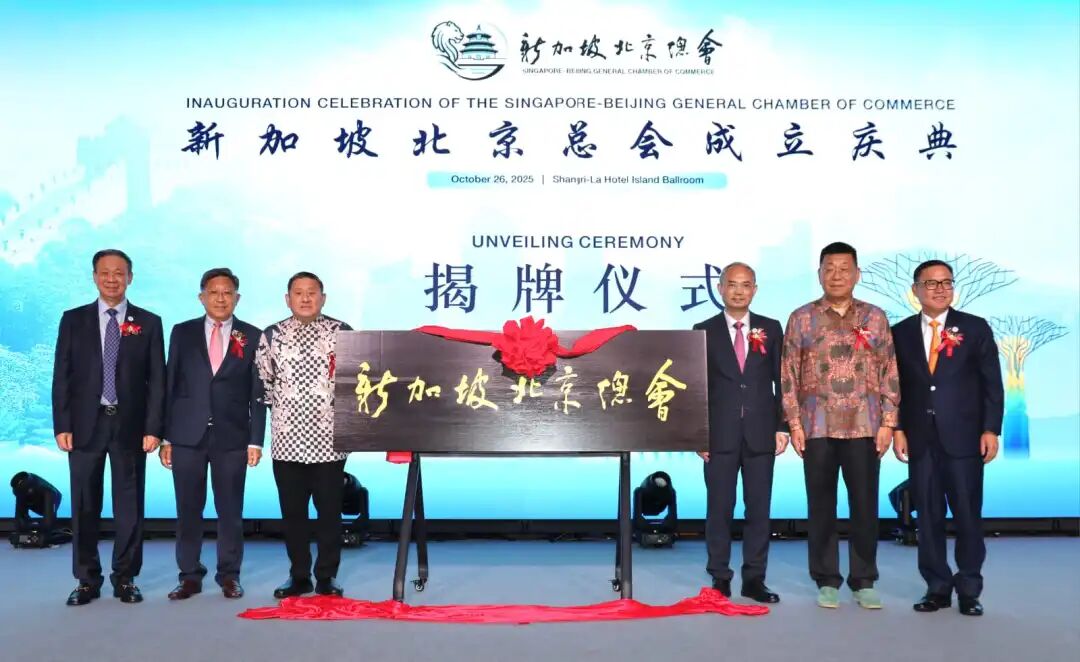
Core Points - The Singapore Beijing Association has officially been established to enhance cooperation between Singapore and Beijing in various fields such as trade, culture, and technology [1][3][9] Group 1: Establishment and Purpose - The Singapore Beijing Association was launched on October 26, 2025, with the aim of promoting deep exchanges and cooperation between the two regions [3][9] - The association's mission is defined as "public welfare-oriented, integrating new China and Singapore, innovative development, and win-win cooperation" [9] Group 2: Key Figures and Attendance - The establishment ceremony was held at the Shangri-La Hotel in Singapore, attended by nearly 500 representatives from various sectors, including diplomats and business leaders [6][11] - Notable attendees included the Chinese Ambassador to Singapore, the Singapore Ambassador to China, and various leaders from business and cultural organizations [6][11] Group 3: Diplomatic and Economic Context - The establishment of the association coincides with the 35th anniversary of diplomatic relations between China and Singapore, which have evolved into a "comprehensive high-quality forward-looking partnership" [11][12] - The association aims to serve as a bridge for businesses to explore opportunities in both markets, facilitating investment and trade [11][12] Group 4: Vision and Future Opportunities - The association envisions creating an "Innovation Ecosystem" termed "New China-Singapore Science and Technology Rainforest," which will include top research institutions and enterprises from both regions [17] - The collaboration is expected to leverage Singapore's role as a financial and innovation hub alongside Beijing's strengths in technology and research [17]
食品饮料:秋糖反馈符合预期
Dongxing Securities· 2025-10-27 09:36
Investment Rating - The industry investment rating for the food and beverage sector is "Positive" [5] Core Insights - The recent 113th National Sugar and Wine Commodity Fair indicated that while overall sales in the liquor industry have declined, the worst demand phase has passed. Companies are launching low-alcohol products to attract younger consumers, with new products like the 22-degree "Jinshi Yuan" being showcased [1][2][11] - The overall atmosphere at the autumn fair was subdued, with fewer exhibitors and visitors compared to previous years. Sales of liquor during the Mid-Autumn and National Day holidays dropped approximately 25%, primarily due to a significant decline in group purchases and government-related sales. However, it is believed that liquor demand has reached its lowest point, although destocking will take time [1][11] - The upcoming online Double Eleven shopping festival may temporarily affect liquor prices, but short-term price fluctuations are not expected to hinder the industry's recovery. Leading companies, particularly Kweichow Moutai, are showing signs of bottoming out and recovery [2][12] Market Performance - During the fair, the weekly price changes in various food and beverage sub-sectors were as follows: Yellow Wine +6.55%, Other Liquors +2.07%, Beer +0.76%, Baijiu +0.43%, Seasoning and Fermented Products -0.26%, Other Foods -0.66%, Dairy Products -1.42%, Soft Drinks -3.26%, Meat Products -3.44% [2][13] - The top five companies in terms of price increase during the fair were: Kuaijishan +11.08%, Guyue Longshan +5.07%, Shede Liquor +4.92%, Luzhou Laojiao +4.76%, and Bairun Co. +4.33%. The bottom five were: Weilang Co. -2.00%, Budweiser Asia -3.10%, ST Lanhua -3.11%, Huangtai Liquor -4.67%, and China Resources Beer -6.07% [3][18] Industry Tracking - Key upcoming events in the industry include shareholder meetings and performance briefings for various companies, such as Delisi and Jinhuijiu, scheduled for late October [6] - The food and beverage industry comprises 126 listed companies, with a total market capitalization of approximately 46,813.98 billion and an average P/E ratio of 21.65 [6]
白酒板块10月27日跌0.39%,*ST岩石领跌,主力资金净流出4.65亿元
Zheng Xing Xing Ye Ri Bao· 2025-10-27 08:25
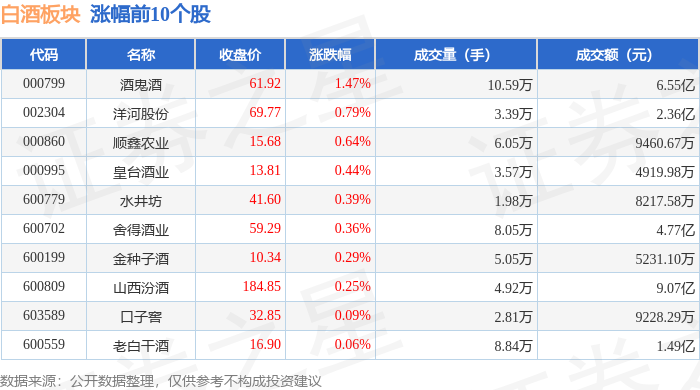
Core Insights - The liquor sector experienced a decline of 0.39% on October 27, with *ST Rock leading the drop [1][2] - The Shanghai Composite Index closed at 3996.94, up 1.18%, while the Shenzhen Component Index closed at 13489.4, up 1.51% [1] Liquor Sector Performance - The following companies showed varying performance in the liquor sector: - Jiu Gui Jiu (000799) closed at 61.92, up 1.47% with a trading volume of 105,900 shares and a turnover of 655 million yuan [1] - Yanghe Brewery (002304) closed at 69.77, up 0.79% with a trading volume of 33,900 shares and a turnover of 236 million yuan [1] - Shunxin Agriculture (000860) closed at 15.68, up 0.64% with a trading volume of 60,500 shares and a turnover of 94.61 million yuan [1] - *ST Rock (600696) closed at 5.59, down 1.93% with a trading volume of 46,300 shares and a turnover of 26.12 million yuan [2] - Moutai (600519) closed at 1440.41, down 0.66% with a trading volume of 37,100 shares and a turnover of 5.353 billion yuan [2] Capital Flow Analysis - The liquor sector saw a net outflow of 465 million yuan from institutional investors, while retail investors contributed a net inflow of 299 million yuan [2][3] - The following companies had notable capital flows: - Jiu Gui Jiu had a net inflow of 20.62 million yuan from institutional investors, while retail investors contributed a net inflow of 554.54 thousand yuan [3] - *ST Rock experienced a significant net outflow of 552.69 million yuan from institutional investors, but a net inflow of 663.88 thousand yuan from retail investors [3]
食品饮料行业周报:茅台换帅关注变革,进入财报密集披露期-20251027
Huaxin Securities· 2025-10-27 07:34
Investment Rating - The report maintains a "Recommended" investment rating for the food and beverage industry [10] Core Views - The report highlights significant personnel changes at Kweichow Moutai, with Chen Hua, the director of the Guizhou Provincial Energy Bureau, appointed as the new chairman [6] - The white liquor sector is experiencing a mixed demand landscape, with consumption scenarios and price bands showing divergence, particularly in banquet and self-drinking contexts [6] - The overall demand for white liquor is still in a bottoming phase, with a focus on high-dividend leaders like Kweichow Moutai, Wuliangye, Luzhou Laojiao, and Fenjiu, as well as more elastic stocks like Jiu Gui Jiu and Shede Liquor [6][58] Summary by Sections Industry News - Major liquor companies, including Luzhou Laojiao and Yanghe, are increasing investments in AI technology [18] - A new 50,000-ton craft beer project has been launched in Guangyuan, and the beer production in Sichuan province has increased by 4.9% from January to September [18] Company News - Kweichow Moutai has appointed a new chairman and has denied rumors of opening 650 new specialty stores [19] - Wuliangye is actively constructing a smart factory project in its industrial park [19] Key Company Feedback - The report provides insights into the performance of key companies, indicating that the white liquor sector is under pressure with high inventory levels, while consumer goods are showing signs of recovery [7][9] Industry Data Trends - The cumulative production of white liquor in 2024 is reported at 4.145 million tons, a decrease of 7.72% year-on-year, while the industry revenue reached 796.4 billion yuan, an increase of 5.3% [34] - The seasoning industry is projected to grow significantly, with market size expected to increase from 259.5 billion yuan in 2014 to 687.1 billion yuan by 2024, reflecting a CAGR of 10.23% [37] Investment Strategy - The report suggests focusing on companies with long-term value and high dividends in the white liquor sector, while also considering companies that have shown resilience and potential for recovery [58]


告别传统渠道?五粮液低度酒营销“出狠招”!
Nan Fang Du Shi Bao· 2025-10-27 02:20
Core Insights - The article discusses a marketing revolution in the competitive Chinese liquor market, led by major players like Wuliangye, focusing on innovative sales strategies to attract younger consumers [1][8]. Group 1: Marketing Innovation - Wuliangye has launched a "fission" sales system for its product "29-degree Wuliangye · First Love," allowing consumers to become "recommendation officers" and earn cash rewards for referrals [1][3]. - This fission model is seen as a breakthrough in the brand's efforts to appeal to younger demographics, transforming traditional advertising budgets into user incentives and fostering emotional connections through social sharing [1][5]. - The brand's marketing strategy has shifted towards social-driven approaches, with celebrity endorsements and a focus on engaging younger audiences through platforms they frequent [3][10]. Group 2: Market Trends - The low-alcohol liquor segment is rapidly growing, with projections indicating the market will exceed 74 billion yuan by 2025, reflecting a compound annual growth rate of 25%, significantly outpacing the overall liquor industry [5][6]. - Many liquor companies are investing in low-alcohol products, with 21.1% of firms planning to enhance their offerings in this category as part of their 2025 strategies [5]. - The trend towards low-alcohol beverages aligns with younger consumers' preferences for lighter drinking experiences and more flexible consumption scenarios [6][8]. Group 3: Industry Challenges - The liquor industry is facing significant challenges, including high inventory pressure and price imbalances, with average inventory turnover days reaching 900, a 10% increase year-on-year [8][10]. - Traditional distribution models reliant on intermediaries are becoming less effective, prompting a shift towards user-centric marketing and direct consumer engagement [8][10]. - Companies are exploring diverse marketing innovations to establish deeper emotional connections with consumers, particularly the younger generation [8][10].