
地平线

Search documents
港股科技板块情绪高涨,岚图汽车将入局引关注
Di Yi Cai Jing· 2025-10-17 13:51
Core Viewpoint - Lantu Automotive has submitted its listing application to the Hong Kong Stock Exchange, marking a significant step towards its IPO, reflecting the emphasis on high-quality development in the new energy vehicle sector by Dongfeng Motor and Lantu's efficient execution [1][4]. Group 1: Market Context - The Hong Kong stock market has been active since 2025, with over HKD 60 billion raised in new stock offerings this year, particularly in hard technology, new energy, and new consumption sectors [3]. - The capital market's focus on leading innovative enterprises and strategic future industries is evident, with new energy vehicle companies leveraging Hong Kong's international advantages for global expansion [3]. Group 2: Company Performance - Lantu Automotive has shown robust growth, with vehicle sales projected to increase from approximately 19,400 units in 2022 to 80,100 units in 2024, achieving a compound annual growth rate (CAGR) of 103.2% [6]. - Revenue has also surged, with Lantu's income expected to rise from CNY 6.05 billion in 2022 to CNY 19.36 billion in 2024, reflecting a CAGR of 78.9% [7]. - The company's gross margin has improved significantly, from 8.3% in 2022 to 21.0% in 2024, with a gross margin of 21.3% reported for the first seven months of 2025 [7]. Group 3: Product Development - Lantu has established a diverse product matrix, including three flagship models: Lantu Dreamer, Lantu Taishan, and Lantu Zhaiguang, covering sedans, SUVs, and MPVs with various powertrain options [8][11]. - The Lantu Dreamer MPV has gained significant market traction, with sales reaching 47,000 units in 2024, making it the second-best-selling new energy MPV [8]. Group 4: Technological Innovation - Lantu Automotive has developed a comprehensive technology innovation system, focusing on platform architecture, power systems, and intelligent driving technologies, which positions it as a leader in the industry [16][18]. - The company holds over 1,500 granted patents and nearly 4,800 pending patents, showcasing its rapid innovation capabilities in the new energy vehicle sector [18]. Group 5: Strategic Partnerships - Lantu has formed strategic partnerships with major tech companies like Huawei and CATL to enhance its product offerings and technological capabilities, particularly in smart driving and battery safety [19][21]. - The collaboration with Huawei aims to advance L3 conditional autonomous driving and improve user experience through intelligent cockpit systems [21]. Group 6: Future Outlook - Lantu plans to expand its product lineup to 6-9 models by 2026, enhancing its market presence and operational capabilities while focusing on high-quality channel development [13]. - The company aims to leverage its unique position as a state-owned enterprise with market-driven innovation to compete effectively in the high-end new energy vehicle market [21].

智界回应“换用宁德时代电芯”;特斯拉FSD软件上线“疯狂麦克斯”功能,可忽略速度限制丨汽车交通日报
创业邦· 2025-10-17 07:35
Group 1 - Leap Motor emphasizes that personal safety is the top priority in traffic accidents, stating that they will contact drivers and provide rescue services when accidents occur, regardless of fault [2] - Zhijie responds to the news of using CATL batteries, confirming that a batch of vehicles will use CATL's 82 kWh batteries for concentrated delivery in October and November, after which all subsequent batches will switch to Zhongchuang ternary lithium batteries [2] - Horizon Robotics' CEO Yu Kai suggests that a subscription model for autonomous driving could be feasible at L4 and L5 levels, where vehicles could operate autonomously like robots [2] Group 2 - Tesla has reintroduced the "MAD MAX" mode in its FSD (Full Self-Driving) software, allowing vehicles to ignore speed limits, as part of a significant update to FSD v14 [2]


2025年中国真实世界建模行业市场规模、进入壁垒及投资战略研究
Sou Hu Cai Jing· 2025-10-17 06:21
华经产业研究院为助力企业、科研、投资机构等单位了解真实世界建模行业发展态势及未来趋势,特重磅推出《2025-2031年中国真实世界建模行业发展运 行现状及发展趋势预测报告》,本报告由华经产业研究院研究团队对真实世界建模行业进行多年跟踪研究,使用桌面研究与定量调查、定性分析相结合的方 式,全面解读真实世界建模行业市场,深度挖掘行业潜在商机;科学运用研究模型,多维度对行业投资风险进行评估后精心研究编制。 真实世界建模,是指通过融合多模态感知技术,构建物理环境的高保真数位化表征。其核心目标是为机器人、智慧系统等提供空间建模、环境感知及决策能 力,实现物理世界与数字世界的双向交互。 数字经济催生的智慧城市、数字孪生工厂、元宇宙等新兴领域,对真实世界建模产生旺盛需求,推动建模产业快速增长。并且,真实世界建模通过激光雷 达、倾斜摄影等技术采集物理世界的空间、纹理、属性等数据,构建高精度模型,将物理资源转化为可计算、可分析的数字资产。2023年,中国数字经济规 模增至53.9万亿元。 产业链来看,上游为技术供应环节,涵盖了GNSS定位、激光雷达即时定位与地图构建、计算机视觉、确定性算法、电气化及自动化控制等;中游为真实世 ...
Z Potentials|前百度IDL高级科学家、地平线智驾总裁,维他动力创始人余轶南“逆行”杀入家庭场景,打响具身智能奇袭战
Z Potentials· 2025-10-17 03:04
Core Insights - The article discusses the journey of Dr. Yu Yinan, founder of Weita Power, who has a rich background in AI and autonomous driving, and his vision for embodied intelligence as the next computing era [2][3] - The concept of embodied intelligence is seen as a "Holy Grail" that could revolutionize technology, with significant capital investment and competition from major players [2][3] - Dr. Yu emphasizes a unique entrepreneurial philosophy that combines technology and business, focusing on practical applications rather than following industry consensus [3][10] Group 1: Entrepreneurial Philosophy - Dr. Yu's experience in autonomous driving taught him that success requires a steady, methodical approach rather than a rush to achieve high-level goals [3][10] - The current state of the robotics industry is likened to a "Spring and Autumn period," where various companies explore unique insights, but a successful product could lead to a rapid convergence towards a dominant paradigm [3][16] - The focus should be on building competitive products quickly, as initial success in product iterations can lead to a sustainable competitive advantage [10][36] Group 2: Market Strategy - Dr. Yu chose to target the consumer (C-end) market directly, bypassing the business (B-end) sector, which he believes is a strategic move against prevailing industry consensus [3][14] - The decision to develop robots without remote controls is based on the principle of simplifying user interaction, allowing for more natural communication through voice and gestures [24][27] - The company aims to create robots that provide emotional companionship, tapping into the existing market of pet ownership, which is substantial in both China and globally [24][30] Group 3: Technological Development - The company is focused on deep integration of hardware and software, which can lead to significant performance improvements through synergistic effects [10][35] - Current robotics technology is still in its infancy, and the company aims to leverage advancements in AI and robotics to create products that meet user needs effectively [20][22] - The vision includes a future where robots can seamlessly integrate into daily life, providing high-quality, consistent services that were previously exclusive to a few [39][41] Group 4: Future Outlook - The company plans to establish a research institute, "Vita Lab," to explore cutting-edge technologies and ensure continuous innovation [38][39] - The long-term goal is to create a platform that combines hardware and software, similar to successful models in the smartphone industry, which could redefine the robotics landscape [20][21] - The company believes that the true value of robots lies not in cost comparison with human labor but in providing high-quality services that enhance everyday life for everyone [39][41]

北汽张建勇:中国智驾从跟跑到领跑,破局挑战需政策协同与技术共享
Huan Qiu Wang· 2025-10-17 02:40
Core Insights - The global intelligent connected vehicle industry is rapidly advancing, with China transitioning from a follower to a leader due to a combination of policy guidance, market drive, and technological breakthroughs [3][4] Group 1: Industry Development - The Chinese intelligent connected vehicle industry has seen significant policy improvements, including the introduction of a comprehensive regulatory framework that covers access and safety responsibilities [3] - Key milestones include the release of pilot lists for intelligent connected vehicle access in 2024 and the implementation of mandatory national standards for information security and software upgrades [3] - The commercial application of intelligent connected vehicles is accelerating, with cities like Beijing, Hangzhou, and Wuhan leading in testing and operational demonstrations [3][4] Group 2: Technological Advancements - Intelligent driving technology is evolving from isolated breakthroughs to systemic upgrades, with a focus on data-driven advancements [3][4] - The transition to intelligent driving 3.0 emphasizes the importance of data, algorithms, and computing power, with a shift from distributed to centralized electronic architectures [3] - North Car Group is developing a proprietary high-end intelligent connected technology system called "Yuanjing," which aims to redefine the interaction between humans, vehicles, and infrastructure [4] Group 3: Company Strategy - North Car Group emphasizes user-centric development, focusing on cost, cycle, quality, and experience through a dual approach of self-research and collaboration [4] - The company has tailored its intelligent connected technology strategies for different vehicle models, achieving significant cost reductions while enhancing features [4] - North Car Group has established strategic partnerships with over 20 leading companies, including Huawei, to foster an open and collaborative ecosystem [4][5] Group 4: Industry Challenges and Proposals - Despite notable achievements, the industry faces challenges such as insufficient policy coordination, technological silos, and supply chain risks [5] - Two key proposals include promoting policy collaboration to clarify operational guidelines and enhancing technical sharing to avoid resource wastage [5] - The development of intelligent connected vehicles is viewed as a long-term collaborative effort, requiring a focus on safety and innovation [5]

从“科研玩具”到“产线主力”:机器人如何跨越商用化鸿沟?
创业邦· 2025-10-17 00:09
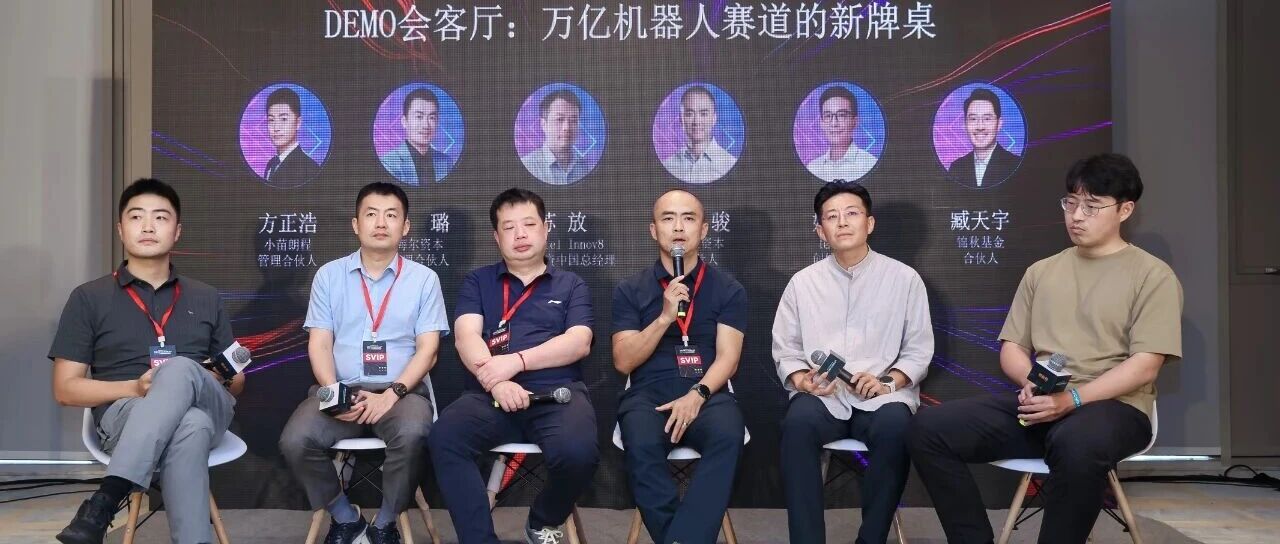
Core Insights - The emergence of intelligent agents and embodied intelligence is accelerating the transition into a new era of innovation, with humanoid robots moving from concept to practical applications in various sectors, including factories, retail, homes, and healthcare, thus driving China's economic transformation [2][5][10] Industry Trends - The current landscape of "robotics +" and embodied intelligence is undergoing rapid updates driven by policy support, with a focus on the core changes and new competitive focal points in the industry [5] - The penetration rate of embodied products in society is currently very low, likened to the early stages of mobile phone adoption in the early 1990s, indicating significant room for growth and innovation [6][11] - The commercialization of embodied intelligence is still in its early stages, with logistics and industrial applications likely to lead the way, while household service applications may take longer to mature due to their complexity [7][12] Investment Opportunities - The investment community is observing a diversification in the backgrounds of entrepreneurs entering the robotics field, with a shift from academic scientists to product managers from large companies, indicating a broader talent pool [9] - Government support for humanoid robot innovation is increasing, with initiatives in cities like Beijing and Shanghai, creating substantial opportunities for early-stage investments [9] - Companies that can effectively address the current technological bottlenecks in intelligence and hardware design are seen as having significant potential for success [15][16] Challenges and Considerations - The main challenges for large-scale deployment of humanoid robots include the reliability of hardware and the maturity of AI models, which need to evolve to handle diverse tasks effectively [11][12] - The cost of household robots remains prohibitively high, with current models priced between 300,000 to 500,000 yuan, necessitating significant reductions in price to enhance market penetration [12] - The need for robots to adapt to highly unstructured environments, such as homes, presents a major hurdle compared to more controlled industrial settings [12][13] Future Directions - The focus is shifting towards consumer-grade applications of embodied intelligence, particularly in scenarios that combine embodied attributes with innovative designs [9][15] - There is a growing interest in vertical market applications, especially in small B2B and retail environments, which may offer more immediate opportunities compared to traditional industrial applications [17]
千里智驾的软硬一体
自动驾驶之心· 2025-10-17 00:03
Core Insights - The article discusses the collaboration between Qianli Zhijia and Aixin Yuanzhi in the autonomous driving chip sector, highlighting the importance of integrating hardware and software for advanced driving algorithms [7][9] - It emphasizes the shift from L2+ to L3 and Robotaxi as the main battleground for autonomous driving companies, with L3 and Robotaxi expected to unlock significant commercial value [8] - The need for higher computing power in the next generation of autonomous driving chips is noted, with expectations of reaching several thousand TOPS, which will increase costs and necessitate cost-reduction strategies [8] Group 1 - Qianli Zhijia is merging its algorithm capabilities with Aixin Yuanzhi's chip technology to enhance its autonomous driving solutions [7] - The collaboration is seen as crucial for Qianli Zhijia to achieve its ambitious technical goals, which include L2+, L3, and Robotaxi [7] - The article mentions that major players in the industry, including Tesla and domestic new forces, are preparing for a significant hardware and software iteration [7][8] Group 2 - L2+ is described as a preliminary stage, while L3 and Robotaxi represent the future of autonomous driving, with the potential for companies to achieve valuations in the billions [8] - The article suggests that the next generation of chips will require tighter collaboration between algorithms and chip manufacturers, moving away from reliance on generic chips [8][9] - Aixin Yuanzhi has established a foothold in the mid-to-low tier autonomous driving market and stands to gain significantly from this partnership with Qianli Zhijia [9]
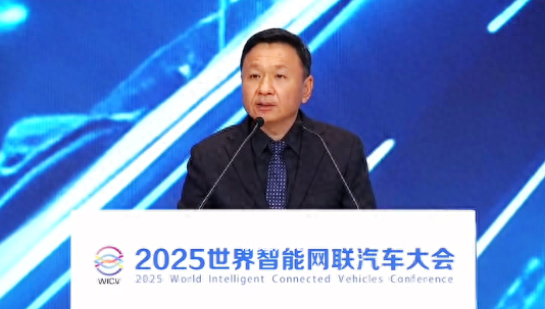
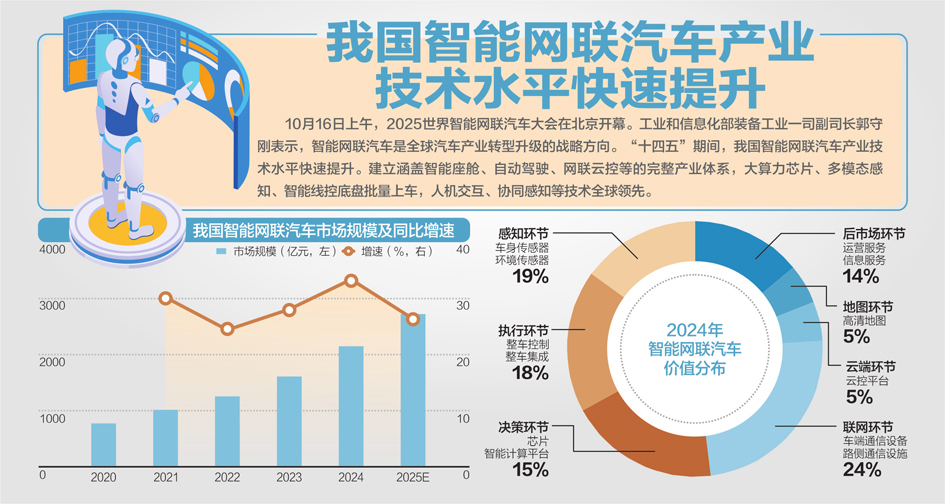
2025世界智能网联汽车大会昨开幕
Mei Ri Jing Ji Xin Wen· 2025-10-16 14:41
Core Insights - The automotive industry is undergoing a significant transformation, with China's electric vehicle market leading the way in electrification and now focusing on intelligent driving technology [3] - Safety is emphasized as the top priority in the development of intelligent driving systems, with industry leaders advocating for strict adherence to safety standards [4][5] - The integration of artificial intelligence in the automotive sector is becoming a core variable for business survival and development [3] Group 1: Industry Transformation - The intelligent driving technology is at a critical turning point for commercialization, with increasing attention on its safety [3] - The global automotive industry is being reshaped by the wave of intelligent technology, with AI evolving from an optional enhancement to a necessity for survival [3] Group 2: Safety Emphasis - Industry consensus highlights that safety must be prioritized in the development of intelligent driving systems, as stated by various leaders [4][5] - The establishment of mandatory safety standards by the government is seen as a crucial step in regulating the intelligent driving market [4] Group 3: Investment and Development - Companies like Xiaomi are significantly investing in advanced driver assistance systems, with an initial investment of 57.9 billion yuan and a dedicated team of over 1,800 people [6] - The focus on reducing accidents is highlighted as a primary goal for the development of autonomous driving technology [6] Group 4: Balancing Safety and Innovation - The automotive industry faces challenges in defining responsibilities among various technology partners to ensure the safety and reliability of vehicles [7] - There is a call for a balanced approach between innovation and safety, ensuring that technological advancements do not compromise safety standards [9]

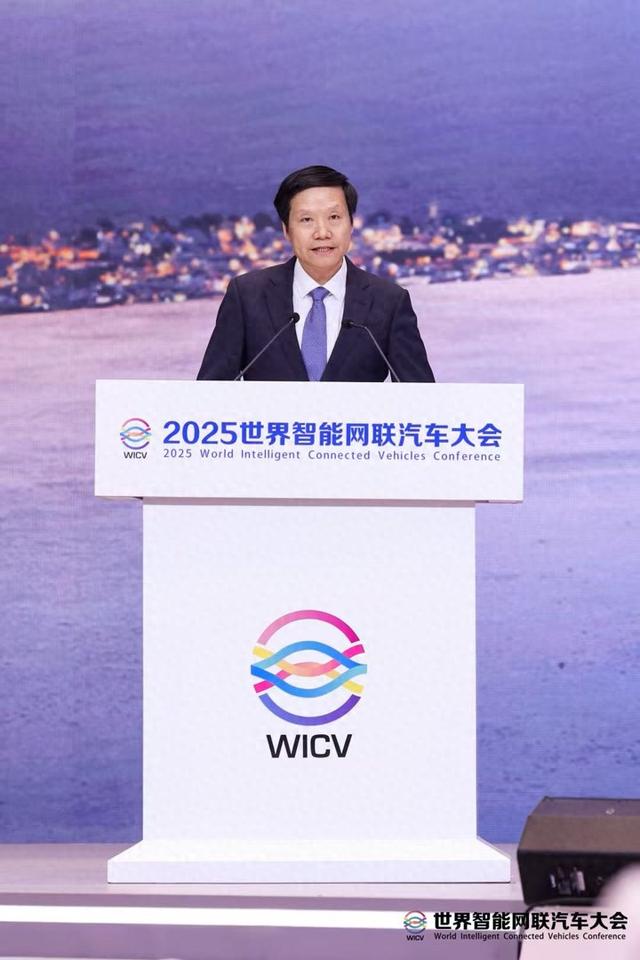
雷军、李书福等车圈掌门人论道智能网联行业发展
Bei Jing Ri Bao Ke Hu Duan· 2025-10-16 12:55
Core Insights - The 2025 World Intelligent Connected Vehicle Conference opened on October 16, featuring insights from industry leaders like Lei Jun of Xiaomi, Li Shufu of Geely, and Li Bin of NIO on the development of the intelligent connected vehicle industry [1][3]. Group 1: Industry Development - Lei Jun emphasized that innovations in intelligence are reshaping the definitions of automotive products, production models, business models, and user experiences, calling for industry unity to build a new ecosystem for intelligent connected vehicles [1]. - Li Shufu noted that intelligent connected vehicles have transitioned from conceptual exploration to a new stage of technological breakthroughs and application scenarios, with software-defined vehicles and AI as key drivers [3][4]. Group 2: Key Considerations - Li Shufu outlined four key considerations for the development of intelligent connected vehicles: prioritizing user value while maintaining safety, focusing on self-research for technology, promoting standardization and cross-industry integration, and respecting the essence of manufacturing [4]. - Li Bin highlighted the immense value of achieving fully autonomous driving, which would free up time and create a safer environment by significantly reducing traffic accidents and related casualties [6].


世界智能网联汽车大会开幕,中欧“汽车人”热议智驾规则全球协同
2 1 Shi Ji Jing Ji Bao Dao· 2025-10-16 12:54
Core Viewpoint - The global development of intelligent connected vehicles is driven by globalization and safety, with a focus on regulatory coordination and technological integration [1][2][4] Group 1: Industry Trends - Intelligent connected vehicles are transitioning from laboratory concepts to commercial applications, with significant discussions on technology evolution, regulatory alignment, and safety challenges at the World Intelligent Connected Vehicle Conference [1] - The European Union is actively working on regulatory frameworks for the automotive industry, including plans for a "European Connected and Automated Driving Alliance" by 2025 and a large-scale cross-border testing platform for autonomous vehicles [2][3] Group 2: Regulatory and Standardization Efforts - The EU's "General Artificial Intelligence Code of Conduct" will impact the development costs of L2+ autonomous driving systems, potentially increasing costs by 15%-20% due to required transparency and safety assessments [3] - Chinese companies, such as Changan Automobile, are advocating for global standardization to reduce redundant development costs and improve cross-border mobility experiences [4] Group 3: Technological Integration - The integration of AI, low-orbit satellite communication, and vehicle-road-cloud collaboration is leading to a new era of "collective intelligence" in intelligent connected vehicles [5][6] - China Mobile has established the world's largest 5G network and is accelerating the deployment of 5G+V2X technology, which supports high-precision positioning and enhances vehicle capabilities [6] Group 4: Safety and Commercialization Challenges - The industry is facing challenges in balancing safety and commercialization, with discussions highlighting the need for strong standards and safety protocols following recent autonomous driving incidents [7][8] - Industry leaders emphasize the importance of achieving a balance between innovation and safety to build consumer trust and ensure the successful adoption of intelligent connected vehicles [8]