东风汽车

Search documents
对供应商支付账期统一至60天内!17家车企先后“发声”,业内人士:实现难度大
Mei Ri Jing Ji Xin Wen· 2025-06-11 10:41
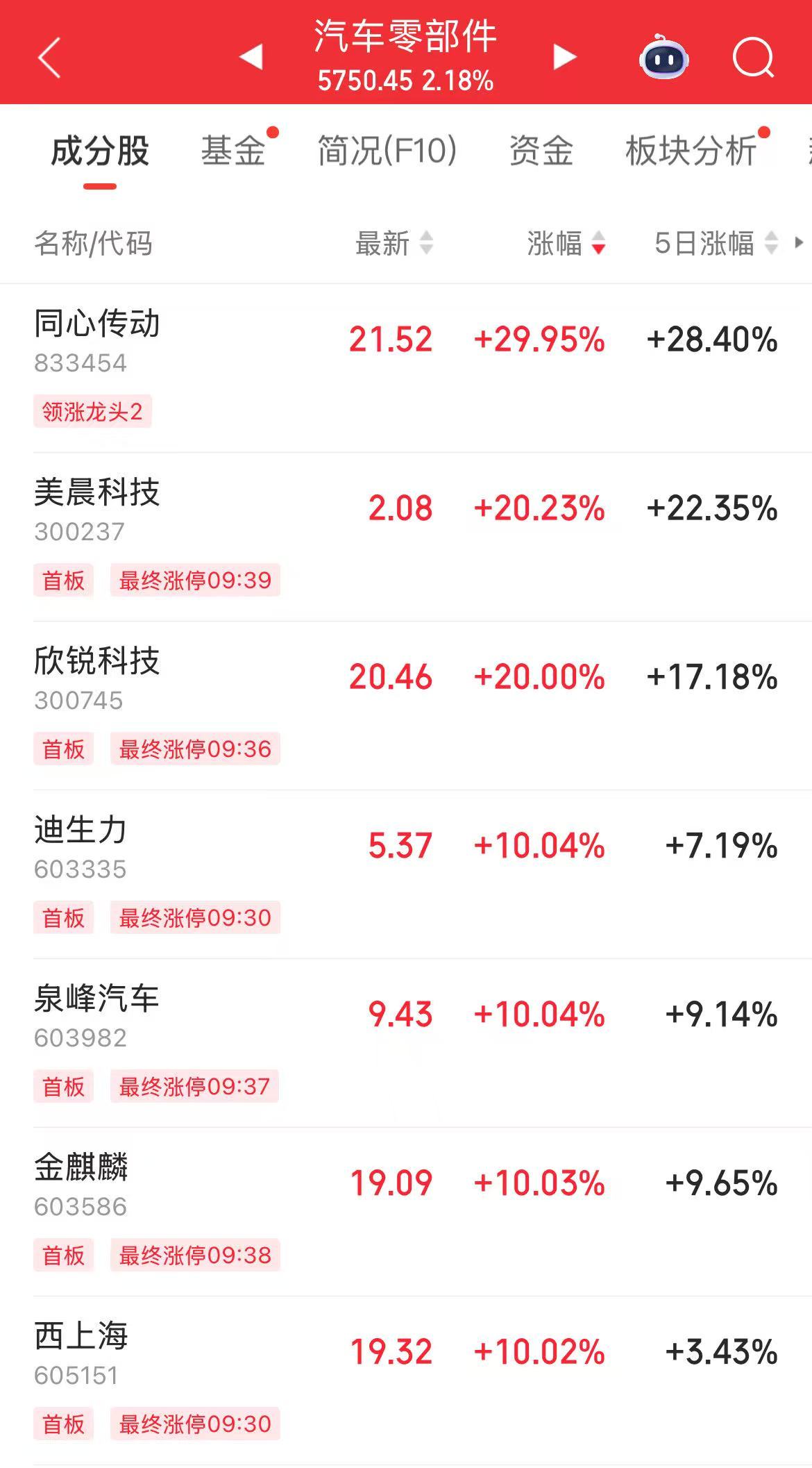
每经记者|段思瑶 每经实习编辑|余婷婷 承诺"支付账期不超过60天"的车企还在不断扩围。6月11日上午,小鹏汽车、零跑汽车、长城汽车、小米汽车、理想汽车、奇瑞集团等陆续宣布,"将对供应 商支付账期统一至60天内"。 就在6月10日晚间,中国一汽、东风汽车、广汽集团、赛力斯、长安汽车等多家头部车企接连发布声明,承诺"将对供应商支付账期统一至60天内"。 复盘这次由众多车企发起的"60天账期承诺"集体行动宣言,可以发现节奏、文风高度一致。 从时间线上看,广汽集团最先发声。6月10日晚8点刚过,广汽集团发布关于供应商账期的郑重承诺,表示"坚持以不超过60天的供应商账期,保障供应链资 金高效周转"。 受上述消息影响,6月11日,A股汽车零部件概念股集体走强。截至收盘,同心传动涨停,美晨科技、欣锐科技涨幅超20%,华阳变速、迪生力、泉峰汽 车、金麒麟、西上海、通达电气等多股上涨。 | | | 汽车零部件 5750.45 2.18% | | | | --- | --- | --- | --- | --- | | 成分股 | 其余 | 简况(F10) | 资金 | 板块分析 | | 名称/代码 | | 最新 ◆ | 涨幅 ...

车企齐声承诺账期60天,供应商的天亮了吗?
2 1 Shi Ji Jing Ji Bao Dao· 2025-06-11 10:34
从6月10日夜间开始,多家一线车企陆续宣布,自即日起对供应商支付账期统一缩短至60天以内,截至 发稿,做出公开承诺的车企达到16家,包括一汽、广汽、东风、吉利、赛力斯、长安、奇瑞、比亚迪、 小鹏、蔚来、小米和长城汽车等。 这被业内解读为利好汽车供应链企业,二级市场亦迅速响应。6月11日早盘,汽车零部件概念股集体走 强,截至午间收盘,东方财富汽车零部件板块上涨2.32%,美晨科技、欣锐科技、华阳变速、迪生力、 泉峰汽车、金麒麟等多股涨停。 一个不容忽视的背景是,6月1日,修订后的《保障中小企业款项支付条例》正式实施,其中第九条明确 规定,"大型企业从中小企业采购货物、工程、服务,应当自货物、工程、服务交付之日起60日内支付 款项。" 一位汽车行业人士认为,"账期缩短至60天,是解决车企内卷的方式之一。但对于资金不宽裕的车企, 处境就更困难了。" 过去三年,在激烈的价格战背景下,车企利润连年跳水,据中国流通协会报告,2025年一季度,汽车行 业的利润率下降至3.9%。为了挤出利润,车企频频向上游供应商传递压力。 针对上述疑问,零跑财务负责人告诉《21汽车·一见Auto》,零跑的账期为60天,且以现金为主,银行 承 ...
电池企业重大利好!车企承诺“60天付款”
起点锂电· 2025-06-11 10:30
Core Viewpoint - The implementation of the revised "Regulations on Payment of Funds for Small and Medium-sized Enterprises" by the State Council aims to shorten the payment period for suppliers to within 60 days, which has been positively received by multiple automotive companies, potentially improving supply chain efficiency and collaboration [2][6][7]. Group 1: Automotive Industry Response - Over ten automotive companies, including GAC Group, FAW Group, and BYD, have committed to reducing supplier payment terms to within 60 days, marking the beginning of a significant shift in the automotive industry's payment practices [3][4]. - The average payment cycle for domestic automotive companies has deteriorated from approximately 45 days a decade ago to much longer periods due to intensified competition and market pressures [6]. - The collective response from major automotive manufacturers is seen as a resistance to "involution" in the industry, with leaders publicly criticizing the negative impacts of price wars and extended payment terms [6][7]. Group 2: Impact on Suppliers - Shortening payment terms is expected to benefit suppliers by allowing quicker access to funds, thereby reducing operational risks and enabling faster production scale-up and product iteration [8]. - However, this shift may pose challenges for automotive companies with poor cash flow management, potentially leading to the elimination of weaker players in the market [8]. Group 3: Battery Industry Implications - The commitment to a 60-day payment term is particularly significant for the battery supply chain, where battery costs account for 30% to 40% of the total vehicle cost [12]. - The current lithium battery industry is facing challenges such as increased accounts receivable and extended customer payment cycles, impacting even leading companies like CATL [13][14]. - The new payment terms could enhance cash flow for battery suppliers, especially smaller firms, and foster deeper partnerships between automakers and battery manufacturers, promoting innovation and new business models [16].






零公里二手车,拿捏所有车企
Ge Long Hui· 2025-06-11 10:28
Core Viewpoint - The Chinese automotive market is experiencing severe supply-demand imbalance and negative effects from price wars, leading to distorted business practices among listed car companies [2][4][12]. Group 1: Market Dynamics - The average sales growth rate in China's domestic automotive market over the past three years is only 1.8%, with profit margins continuously declining [4][11]. - The phenomenon of "0-kilometer used cars" has emerged, where new cars are registered and then sold as used cars to alleviate inventory pressure and meet sales targets [6][9]. - The automotive industry is facing a significant overcapacity issue, with many listed companies reporting utilization rates below 50% [13][25]. Group 2: Industry Practices - Some car manufacturers and dealers engage in practices such as "virtual invoicing" to obtain subsidies, contributing to a culture of financial manipulation [6][9]. - The trend of selling "pseudo-used cars" at steep discounts (up to 30% off) is prevalent, indicating a hidden price war within the industry [7][9]. - The competitive landscape has led to a "winner-takes-all" scenario, forcing traditional automakers to downsize and restructure [15][16]. Group 3: Regulatory Response - The Ministry of Commerce has initiated discussions with major car manufacturers regarding the "0-kilometer used car" issue and is working to regulate market practices [4][22]. - There is a call for stricter regulations to address the ongoing price wars and restore healthy competition in the automotive sector [22][26]. - The government is promoting initiatives like the "2025 New Energy Vehicles Going to the Countryside" program to stimulate demand and help manufacturers reduce inventory [26][27]. Group 4: Future Outlook - The automotive industry is expected to undergo a "淘汰赛" (elimination race) in the second half of the year, which may further impact weaker companies [16]. - Despite the challenges, there are potential benefits from government initiatives aimed at boosting sales of new energy vehicles [26]. - The overall production capacity in China may exceed 50 million units, while the global automotive production is around 90 million units, highlighting a significant structural overcapacity [23][25].





龙虎榜复盘 | 汽车零部件开盘走强,机构整体卖多买少
Xuan Gu Bao· 2025-06-11 10:02
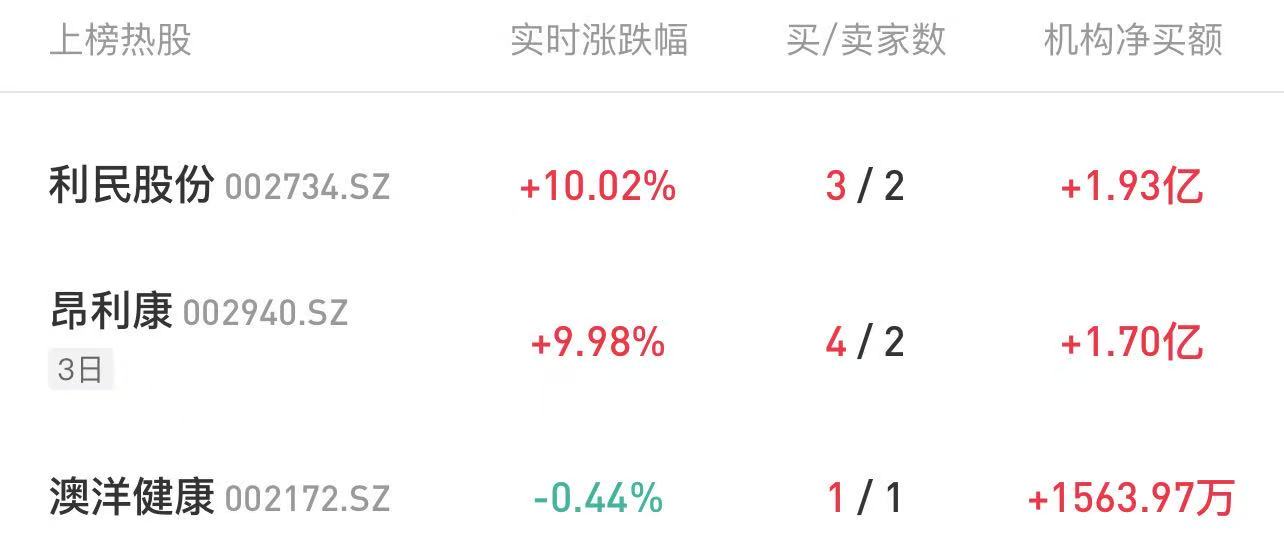
Group 1 - Institutional investors bought a total of 30 stocks, with net purchases in 9 stocks and net sales in 21 stocks on the day [1] - The top three stocks with the highest institutional purchases were: Limin Co., Ltd. (¥193 million), Anglikang (¥170 million over three days), and Aoyang Health (¥13.56 million) [1] - Limin Co., Ltd. saw a net purchase of ¥193 million from 5 institutions, benefiting from rising prices of key products such as Abamectin and Mancozeb, which is expected to enhance its profitability [3] Group 2 - The stock of Limin Co., Ltd. increased by 10.02% with 3 buyers and 2 sellers [2] - Anglikang's stock rose by 9.98% with 4 buyers and 2 sellers [2] - The automotive industry is experiencing a shift as major companies have committed to standardizing supplier payment terms to 60 days, which may alleviate profit pressures across the industry [3]

券商新一轮并购预期再起;多家车企响应政策
第一财经· 2025-06-11 09:56
Group 1: Securities Industry Mergers and Acquisitions - A new wave of mergers and acquisitions in the securities industry is anticipated, with the financial technology sector being particularly promising [3][5] - Central Huijin Investment has become the actual controller of several securities firms, which is expected to drive market consolidation [4][6] - Regulatory encouragement for industry integration suggests that mergers and acquisitions will enhance overall competitiveness and resource allocation in the securities sector [5][6] Group 2: Automotive Industry Developments - Multiple automotive companies, including BYD and China FAW, have committed to a payment term not exceeding 60 days, marking a shift towards high-quality development in the industry [10] - The implementation of the revised "Regulations on Payment of Small and Medium-sized Enterprises" is expected to standardize payment practices and improve cash flow for upstream suppliers [11] - This change in payment terms is likely to reduce financial costs for parts suppliers and may lead to a recovery in profitability for the automotive sector starting in the third quarter [11]
13家车企统一供应商账期至60天,共促汽车产业高质量发展
Ju Chao Zi Xun· 2025-06-11 09:00
Group 1 - Major Chinese automotive companies, including China FAW, Dongfeng Motor, and GAC Group, have announced a unified supplier payment term of 60 days to support the development of small and medium-sized enterprises and maintain market order [2][3] - China FAW is implementing the "60-day payment" requirement through improved mechanisms, optimized processes, and technology empowerment, ensuring timely payments through real-time monitoring [2] - Dongfeng Motor has also adopted the 60-day payment term, responding to the State Council's regulations to promote efficient capital flow between upstream and downstream partners [2] Group 2 - GAC Group is committed to maintaining a supplier payment term of no more than 60 days to ensure efficient capital turnover within the supply chain [3] - Several other automotive manufacturers, including BYD, Chery, and NIO, have followed suit in adopting the 60-day payment principle to support the stability of the supply chain [2][3] - The collective actions of these companies reflect their social responsibility and commitment to high-quality development in the Chinese automotive industry [3]
前5月商用车销175万辆 天然气车超10万 新能源出口涨2倍 | 头条
第一商用车网· 2025-06-11 08:56
Core Viewpoint - The automotive market in China is experiencing a positive trend in 2025, driven by policies promoting large-scale equipment updates and trade-in programs, alongside new product launches and promotional events by car manufacturers [1][29]. Group 1: Overall Market Performance - In May 2025, China's automotive production and sales reached 2.649 million and 2.686 million units respectively, with month-on-month increases of 1.1% and 3.7%, and year-on-year increases of 11.6% and 11.2% [1]. - From January to May 2025, cumulative automotive production and sales totaled 12.826 million and 12.748 million units, reflecting year-on-year growth of 12.7% and 10.9% [1]. Group 2: Commercial Vehicle Performance - In May 2025, commercial vehicle production and sales were 336,000 and 335,000 units, with month-on-month declines of 7.4% and 8.8%, while production saw a year-on-year increase of 4.4% and sales a decrease of 2% [4]. - Cumulative commercial vehicle production and sales from January to May 2025 reached 1.746 million and 1.753 million units, marking year-on-year growth of 4.2% and 1.2% [6]. Group 3: Truck Performance - In May 2025, truck production and sales were both 292,000 units, with month-on-month declines of 7.9% and 9.6%, while year-on-year production increased by 4.7% and sales decreased by 2.4% [8]. - Heavy-duty truck sales reached 89,000 units in May, showing a month-on-month increase of 1.3% and a year-on-year increase of 13.6% [8]. Group 4: Passenger Vehicle Performance - In May 2025, passenger vehicle production and sales exceeded 40,000 units, with production at 44,000 and sales at 43,000, reflecting month-on-month declines of 3.8% and 3.2%, but year-on-year increases of 3% and 1.1% [12]. - Cumulative passenger vehicle production and sales from January to May 2025 reached 212,000 units, with year-on-year growth of 5.4% and 5.7% [15]. Group 5: Export Performance - In May 2025, commercial vehicle exports totaled 83,000 units, with a month-on-month decline of 2.8% and a year-on-year decrease of 0.5% [20]. - From January to May 2025, commercial vehicle exports reached 411,000 units, reflecting a year-on-year increase of 10.5% [22]. Group 6: New Energy Vehicle Performance - In May 2025, domestic sales of new energy commercial vehicles were 65,000 units, with a month-on-month decline of 6.7% but a year-on-year increase of 58.8% [23]. - Cumulative domestic sales of new energy commercial vehicles from January to May 2025 reached 283,000 units, marking a year-on-year growth of 55.2% [23]. - New energy commercial vehicle exports in May were 8,000 units, with a month-on-month decline of 19.5% but a year-on-year increase of 150% [26].
一汽/东风/长安/北汽/江淮/比亚迪等密集官宣!商用车行业或迎巨变
第一商用车网· 2025-06-11 08:56
Core Viewpoint - Major Chinese automotive groups have collectively announced a reduction in supplier payment terms to within 60 days, driven by the revised "Regulations on Payment for Small and Medium-sized Enterprises" set to take effect on June 1, 2025, which mandates large enterprises to pay within 60 days of delivery [1][35]. Group Summaries China FAW Group - China FAW Group emphasizes responsibility by optimizing internal procurement and financial settlement processes, ensuring timely payments within 60 days, and enhancing efficiency through digital monitoring of payment processes [2]. Dongfeng Motor - Dongfeng Motor has unified its payment terms to within 60 days to support the healthy development of small and medium-sized enterprises and promote efficient capital flow within the industry [5][6]. Changan Automobile - Changan Automobile has committed to a 60-day payment term for suppliers, aiming to enhance collaboration and support high-quality industry development [8]. BAIC Group - BAIC Group has announced strict adherence to a 60-day payment term, eliminating unreasonable settlement methods that increase financial pressure on suppliers [11]. GAC Group - GAC Group maintains a commitment to a maximum 60-day payment term to ensure efficient capital turnover and support high-quality industry development [15]. SAIC Motor - SAIC Motor has pledged to unify payment terms to within 60 days, avoiding methods that increase supplier financial pressure, thereby promoting sustainable development in the automotive industry [18]. Jianghuai Automobile - Jianghuai Automobile has committed to a 60-day payment term and is optimizing its internal processes through digital management for efficient capital turnover [21]. Geely Automobile - Geely has announced a unified payment term of 60 days to enhance capital turnover efficiency and stabilize the supply chain [23]. BYD - BYD has committed to a 60-day payment term, focusing on technological innovation and management optimization to support the automotive industry's sustainable development [27]. Chery Automobile - Chery has decided to implement a 60-day payment term to improve capital turnover efficiency and foster a fair and healthy market environment [29]. Great Wall Motors - Great Wall Motors has unified its payment terms to 60 days to ensure supply chain stability and promote fair competition and innovation within the industry [31]. Conclusion - The collective announcements from major automotive groups reflect a strong commitment to "anti-involution," "promoting high-quality development," and "healthy development of the industry chain," indicating a pressing desire for high-quality growth and stability in the automotive sector [35].

瑞达期货锰硅硅铁产业日报-20250611
Rui Da Qi Huo· 2025-06-11 08:46
Group 1: Report Investment Rating - No information provided Group 2: Core Views - On June 11, the SiFe2509 contract closed at 5184, up 0.35%. On the spot side, the spot price of SiFe in Ningxia was reported at 5120, down 50 yuan/ton. The current production profit of ferroalloys is negative, the cost support is weakened by the reduction of settlement electricity prices in Ningxia, and the overall demand expectation for steel is still weak. Attention should be paid to the market sentiment disturbance under the change of tariff policies. The spot profit in Inner Mongolia and Ningxia is -330 yuan/ton. Technically, the 4-hour cycle K-line is below the 20 and 60 moving averages, and the operation should be treated as a volatile market [2]. - On June 11, the MnSi2509 contract closed at 5486, down 1.22%. On the spot side, the spot price of MnSi in Inner Mongolia was reported at 5430, down 20 yuan/ton. The mills' procurement is cautious, and the tender price continues to decline. The current production profit of ferroalloys is negative, and the cost support is weakened. The overall demand expectation for steel is still weak. The spot profit in Inner Mongolia is -170 yuan/ton, and in Ningxia is -360 yuan/ton. Technically, the 4-hour cycle K-line is below the 20 and 60 moving averages, and the operation should be treated as a volatile market [2]. Group 3: Summary by Relevant Catalogs Futures Market - The closing price of the SM main contract was 5486 yuan/ton, down 56 yuan; the closing price of the SF main contract was 5184 yuan/ton, up 10 yuan. The SM futures contract open interest was 664,316 lots, up 15,557 lots; the SF futures contract open interest was 446,401 lots, down 10,358 lots. The net position of the top 20 in MnSi was -30,055 lots, up 722 lots; the net position of the top 20 in SiFe was -21,474 lots, down 5,526 lots. The SM 1 - 9 month contract spread was 30 yuan/ton, up 2 yuan; the SF 1 - 9 month contract spread was -22 yuan/ton, down 10 yuan. The SM warehouse receipts were 100,336, up 288; the SF warehouse receipts were 15,395, down 20 [2]. Spot Market - The price of MnSi FeMn68Si18 in Inner Mongolia was 5430 yuan/ton, down 20 yuan; in Guizhou was 5500 yuan/ton, unchanged; in Yunnan was 5400 yuan/ton, down 50 yuan. The price of SiFe FeSi75 - B in Inner Mongolia was 5190 yuan/ton, down 70 yuan; in Qinghai was 5060 yuan/ton, down 50 yuan; in Ningxia was 5120 yuan/ton, down 50 yuan. The MnSi index average was 5411 yuan/ton, down 104 yuan; the SF main contract basis was -64 yuan/ton, down 60 yuan; the SM main contract basis was -56 yuan/ton, up 36 yuan [2]. Upstream Situation - The price of South African ore: Mn38 lumps at Tianjin Port was 31 yuan/ton - degree, unchanged; the price of silica (98% in the northwest) was 210 yuan/ton, unchanged. The price of secondary metallurgical coke in Wuhai, Inner Mongolia was 900 yuan/ton, unchanged; the price of semi - coke (medium material in Shenmu) was 640 yuan/ton, unchanged. The manganese ore port inventory was 420.30 million tons, up 13.30 million tons [2]. Industry Situation - The MnSi enterprise operating rate was 35.03%, up 0.26%; the SiFe enterprise operating rate was 32.78%, up 2.34%. The MnSi supply was 171,885 tons, up 1960 tons; the SiFe supply was 97,300 tons, up 12,400 tons. The MnSi manufacturer inventory was 186,600 tons, down 14,500 tons; the SiFe manufacturer inventory was 6.77 million tons, down 0.74 million tons. The national steel mill inventory of MnSi in months was 15.15 days, down 0.29 days; the national steel mill inventory of SiFe in months was 15.20 days, down 0.24 days [2]. Downstream Situation - The demand for MnSi from the five major steel types was 125,793 tons, down 1093 tons; the demand for SiFe from the five major steel types was 20,324.70 tons, down 249.80 tons. The blast furnace operating rate of 247 steel mills was 83.54%, down 0.35%; the blast furnace capacity utilization rate of 247 steel mills was 90.63%, down 0.04%. The crude steel output was 86.019 million tons, down 6.8224 million tons [2]. Industry News - Amid the depreciation of the yen, the Japanese government is considering canceling the shopping tax - free system and increasing the tourist tax due to soaring domestic prices and abuse of the tax - free system by tourists [2]. - In May, the housing rental industry continued the off - season atmosphere. The average rent of residential properties in key cities continued to decline slightly. The average rent of 50 - city residential properties was 35.0 yuan/square meter/month, down 0.34% month - on - month and 3.44% year - on - year [2]. - This year, "Double First - Class" universities in China will expand undergraduate enrollment, which is beneficial to high - school graduates. It will promote the improvement and expansion of higher education, support universities to improve their school - running conditions, and tilt new higher education resources towards the central and western provinces with large populations [2]. - On June 10, four major automobile enterprises including FAW, Dongfeng, GAC, and SERES Group announced that they would compress the payment period to suppliers within 60 days [2].