奈雪的茶

Search documents
8点1氪:始祖鸟外网道歉被指甩锅中国团队;国务院食安办:大力推广预制菜明示;iPhone 17系列回收价低于官网售价
36氪· 2025-09-22 00:00
Group 1 - Arc'teryx issued apologies in both domestic and international markets, with the content of the statements differing significantly [4] - The international apology was criticized for distancing the brand from its Chinese team, suggesting a blame-shifting approach [4] - The controversy arose from an event involving fireworks in the Himalayas, which was a collaboration with artist Cai Guoqiang [4] Group 2 - The Chinese government is actively working on establishing national standards for pre-prepared dishes, involving multiple departments to enhance consumer rights [5] - The second-hand market for the iPhone 17 series has seen fluctuations, with some models' buyback prices dropping below official retail prices [5] - The recent price adjustments in the express delivery sector in Shanghai are aimed at curbing low-price competition, primarily affecting e-commerce shipments [7] Group 3 - Tesla faces legal action from Chinese customers over alleged fraud related to its Full Self-Driving (FSD) feature, with claims of unmet promises regarding functionality [7] - The Chinese mining company is responding to an $80 billion compensation claim in Zambia, asserting that the claim lacks basis and has engaged legal counsel [9] - The reopening of the Notre-Dame Cathedral towers marks a significant milestone in the restoration process following the 2019 fire [12]


食安揭秘:3 类“伪新鲜”奶茶别再喝了!果泥竟比鲜果更安全?
Zhong Guo Shi Pin Wang· 2025-09-21 15:43
Core Viewpoint - The rapid growth of the new tea beverage industry is accompanied by significant food safety concerns related to "pseudo-fresh" fruit drinks, which include fresh fruit cut on-site without strict testing, fruit purees not managed under cold chain conditions, and drinks labeled as "pure fresh fruit" that contain hidden additives [1][2][4]. Group 1: Current Status of "Pseudo-Fresh" Milk Tea - There are three categories of "pseudo-fresh" milk tea: on-site cut fresh fruit tea, unchilled fruit puree, and drinks with hidden additives [1][2][4]. - On-site cut fresh fruit lacks strict temperature control and microbiological testing, leading to a significant increase in bacterial counts during transportation [2]. - Unchilled fruit purees can suffer from oxidation and nutrient loss, with bacterial counts reaching 500-1000 CFU/g, which is much higher than cold chain fruit purees [3]. - Some "pure fresh fruit" drinks contain additives like vegetable fat powder and preservatives without informing consumers, posing long-term health risks [4]. Group 2: Safety of Fruit Puree - Experts agree that fruit purees processed in standardized factories and managed under cold chain conditions are the safest option [5]. - Fruit purees are frozen at -18°C immediately after processing, ensuring controlled temperatures throughout transportation and storage [5]. - Each batch of fruit puree undergoes testing for bacterial counts, pesticide residues, and heavy metals, with results showing bacterial counts below 10 CFU/g [5]. - Nutritional retention in frozen fruit purees is higher than in on-site cut fresh fruit, providing stable taste and quality [5]. Group 3: Domestic and International Industry Practices - Leading domestic brands have widely adopted fruit purees in their supply chain management, ensuring taste and nutritional stability [6]. - Internationally, high-end brands have used frozen fruit purees for over 20 years to maintain consistency in taste [7]. - The global trend shows that liquid nitrogen freezing or low-temperature freezing of fruit purees has become standardized, with domestic brands gradually following suit [12]. Group 4: Cost and Food Safety Trade-offs - Although the cold chain costs for fruit purees are higher, they offer better overall value considering lower transportation losses and reduced operational errors [8]. - The loss rate for fruit purees is approximately 2%, while fresh fruit transportation losses can reach 15%-20% [8]. - Centralized production allows for traceability in case of food safety issues, enhancing brand reputation [8]. Group 5: Consumer Testing and Experience - Blind tests of avocado milk tea from ten different brands showed that the taste difference between liquid nitrogen frozen fruit puree and fresh fruit was minimal, with an average score difference of less than 0.5 [9]. - Microbiological testing revealed that fruit puree drinks had bacterial counts below 10 CFU/g, while fresh fruit drinks had counts between 300-500 CFU/g [9]. - Consumers expressed a preference for fruit puree drinks that undergo testing and cold chain management, especially among families with children or pregnant women [9]. Group 6: Expert Analysis - Nutritional retention in fruit purees is significantly higher than in on-site cut fresh fruit, with better control over microbial risks [10]. - The production process of fruit purees allows for strict control of bacterial counts, unlike the variable conditions of on-site fruit cutting [10]. - Fruit purees enable consistent batch production and inventory stability, which is challenging with fresh fruit due to temperature control and operational standards [11]. Group 7: International Trends and Consumer Education - In the Korean market, convenience store fruit puree drinks have been popular for years, with consumers focusing on the presence of additives rather than the fruit puree itself [11]. - In Europe and the U.S., liquid nitrogen or low-temperature frozen fruit purees are standard in high-end dining, with domestic markets gradually adopting these practices [12]. - Consumer education is necessary to improve the perception of fruit purees, as many mistakenly equate them with inferior quality [13][14].
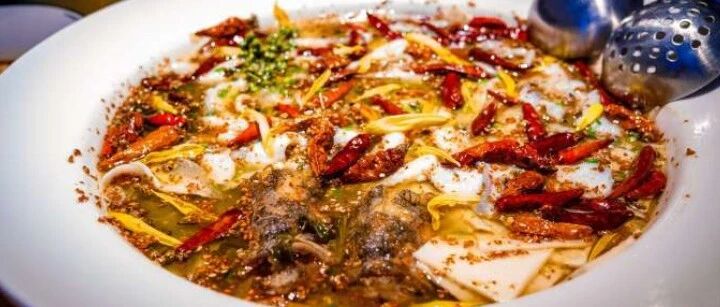
山姆上架太二酸菜鱼预制菜,九毛九4年市值蒸发480亿
21世纪经济报道· 2025-09-21 07:06
Core Viewpoint - The article discusses the challenges faced by Jiumaojiu (09922.HK) and its brand Taier Suancaiyu amid the intensifying competition in the prepared food market, highlighting a significant decline in performance and market value over recent years [1][4][8]. Financial Performance - Jiumaojiu's market value has decreased by over 520 billion HKD (approximately 480 billion RMB), a 94% drop from its peak of nearly 550 billion HKD in early 2021 to just 30 billion HKD by September 2025 [5][8]. - For the first half of 2025, Jiumaojiu reported a revenue of 2.753 billion RMB, a year-on-year decline of 10.1%, and a net profit of 61 million RMB, down 16.05% [7]. - Taier Suancaiyu's revenue for the first half of 2025 was 1.949 billion RMB, a 13.3% decrease, with the number of stores reducing from 612 to 547, marking the first significant closure of stores since 2019 [9][10]. Brand Performance - The three main brands under Jiumaojiu, including Taier Suancaiyu, Song Hotpot, and Jiumaojiu (Northwest Cuisine), have all experienced declines in performance [9]. - Taier Suancaiyu's table turnover rate has dropped from 4.9 times per day in 2019 to 2.2 times per day, with the average customer spending decreasing from 80 RMB to 73 RMB [13]. Market Trends - The article notes a broader trend in the Chinese restaurant industry, with many companies facing similar challenges, including a significant increase in restaurant closures, reaching a closure rate of 61.2% in 2024 [20]. - Despite the challenges, some segments, such as tea beverage brands, have shown strong growth, indicating a shift in consumer preferences [19]. Strategic Adjustments - In response to declining performance, Taier Suancaiyu has initiated a comprehensive overhaul, introducing a new store model focused on fresh ingredients and enhancing customer experience [17]. - The company has also begun selling prepared Taier Suancaiyu dishes through channels like Sam's Club, with sales from this segment increasing by 140% year-on-year [17].
一眼望不到头,奈雪“快闪”纽约排长龙,网友称“老家来亲戚了”
Xin Lang Cai Jing· 2025-09-21 01:23
Core Insights - Nayuki Tea launched a pop-up store in Flushing, New York, generating significant consumer interest and long lines, indicating strong market engagement [1] - The store is strategically located in a high-traffic area with over 100,000 daily visitors and lower rental costs compared to Manhattan, contributing to its potential success [1] - The U.S. ready-to-drink tea market is growing at an annual rate of 9.1%, with substantial expansion opportunities, as no single brand holds more than 5% market share [1] Company Insights - Nayuki Tea is currently the only publicly listed company in the new-style tea beverage sector, but it remains one of the few brands experiencing ongoing losses [2] - In the first half of 2025, Nayuki reported revenue of 2.18 billion yuan, a year-on-year decline of 14.4%, with an adjusted net loss of 118 million yuan [2] - The company's international expansion is a key strategic focus as it seeks to transform its business model [2] Industry Insights - The U.S. tea beverage market is becoming increasingly competitive, with major players like Starbucks closely monitoring trends and ensuring supply chain stability [2] - The market is seeing a rise in the popularity of Asian-inspired ingredients, with black sugar milk tea sales increasing by 48.7% year-on-year [1] - Over 36% of tea shops are adopting a "tea + light food" model, indicating a trend towards product diversification within the tea beverage industry [1]
牛文文:中国企业这一套打法,在海外所向披靡
创业家· 2025-09-20 10:03
Core Viewpoint - The article emphasizes that small and medium-sized enterprises (SMEs) must adapt to survive, either by expanding into international markets or by focusing on niche segments domestically. The competitive advantage for Chinese companies lies in their experience and strategies developed in the domestic market, which can be effectively applied abroad [3][4]. Group 1: International Expansion Strategies - SMEs are encouraged to explore international markets, particularly in Southeast Asia, where they can leverage their established business models and operational efficiencies [3][4]. - The article highlights successful case studies, such as the company WOOK, which has thrived in Indonesia's e-commerce sector, showcasing the potential for Chinese brands to dominate foreign markets [4][7]. - The narrative suggests that the current wave of Chinese SMEs going abroad represents a shift from competing in a saturated domestic market to capitalizing on opportunities in less competitive international landscapes [4][9]. Group 2: Insights from Industry Experts - The article promotes an upcoming event featuring industry leaders who will share insights on product innovation and brand expansion strategies, particularly in the context of the Chinese and Japanese markets [10][12]. - Notable speakers include former executives from renowned companies like Uniqlo and Sony, who will discuss how to transform technology into consumer-friendly products and the importance of understanding local market needs [18][19]. - The event aims to provide practical frameworks for SMEs to innovate and adapt their products for global markets, emphasizing the need for a deep understanding of consumer behavior and market dynamics [21][22]. Group 3: Product Innovation and Market Adaptation - The article discusses the importance of product innovation in the context of a saturated market, urging companies to focus on unique value propositions and consumer insights to differentiate themselves [19][21]. - It highlights the role of AI in reshaping consumer experiences and creating new product categories, suggesting that companies must integrate technology with consumer needs to succeed [19][20]. - The narrative stresses that successful international expansion requires not just exporting products but also adapting to local cultures and consumer preferences, which is crucial for building trust and brand loyalty [26][27].


茶百道海外布局加速推进 机构对其境外业务给予积极评价
Xin Hua Cai Jing· 2025-09-19 13:54
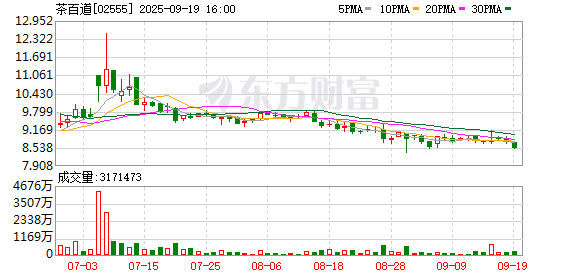
Core Insights - Tea Baidao has opened its first store in Paris, France, with plans for additional locations [2] - The company emphasizes that overseas success relies on both the number of stores and the quality of individual store operations [2] - The first week of sales at the new store reached nearly 500,000 [2] Company Expansion - Tea Baidao is part of a broader trend of Chinese tea brands expanding globally, including competitors like Mixue Ice City, Heytea, and Nayuki [2] - The global market for ready-to-drink tea is seen as having significant potential, especially in areas with high concentrations of Chinese consumers [2] - Analysts from Huaxi Securities and Industrial Securities have positively evaluated Tea Baidao's overseas business, noting the shift from exploratory to systematic expansion in the tea industry [3] Operational Strategy - The company plans to replicate its successful domestic product matrix and supply chain while making local adjustments for international markets [2] - Ensuring the quality and stability of key raw materials through advanced logistics and supply chain management is a priority for Tea Baidao [2] - The successful establishment of overseas markets is expected to enhance the brand's image and competitiveness domestically [3]
奈雪,雪崩
凤凰网财经· 2025-09-19 12:35
Core Viewpoint - The article discusses the contrasting fortunes of new tea beverage brands, particularly focusing on the rise of brands like Mi Xue Ice City and the decline of Nayuki, highlighting the challenges faced by Nayuki in a competitive market [4][12][39]. Group 1: Market Overview - The new tea beverage market is experiencing a wealth wave, with brands like Mi Xue Ice City achieving a market capitalization of 178 billion, while Nayuki's market value has plummeted over 90% from 300 billion to approximately 2 billion HKD [4][12]. - The overall market for ready-to-drink tea beverages in China is projected to grow from 3,127 billion in 2024 to 3,689 billion in 2025, with a growth rate of about 17.97% [39]. Group 2: Nayuki's Journey - Nayuki's tea was launched in November 2015, aiming to create a high-end tea experience inspired by Starbucks' "third space" concept [5][6][7]. - Despite initial success and becoming the first unicorn in the new tea beverage sector with a post-investment valuation of 6 billion in 2018, Nayuki's fortunes reversed after its IPO in 2021 [11][12]. - From 2018 to 2024, Nayuki's revenue grew from 1.087 billion to 4.921 billion, but it incurred a cumulative net loss of nearly 6.2 billion during the same period [14]. Group 3: Challenges Faced by Nayuki - Nayuki's heavy reliance on a direct sales model has led to high operational costs, with labor and rent accounting for 41.7% of total costs, while the operating profit margin is only 7.8% [20][21]. - The brand's market share has drastically declined from 17.7% in 2021 to 1.2% in 2024, with single-store sales dropping from 30,000 to less than 10,000 [14][24]. - Nayuki's high-end positioning has become a liability as consumer preferences shift towards cost-effective options, leading to a significant drop in foot traffic and sales [24][26]. Group 4: Competitive Landscape - Other brands like Mi Xue Ice City and Ba Wang Cha Ji have successfully adopted a franchise model, allowing for rapid expansion and lower operational costs, contrasting with Nayuki's struggles [27]. - Nayuki's attempt to open franchise opportunities came too late, with high initial fees deterring potential franchisees, resulting in a closure of nearly 350 stores in the past year [28][37]. Group 5: Recent Developments and Future Strategies - Nayuki is attempting to pivot towards health-focused products and has launched a new line of sugar-free beverages, but competitors quickly matched these offerings, diluting Nayuki's unique selling proposition [39][40]. - The company is also exploring the light meal segment and has initiated a brand upgrade, simplifying its name and logo in an effort to rejuvenate its market presence [39][41].

餐饮商家,集体上演“擦边餐”
虎嗅APP· 2025-09-19 11:10
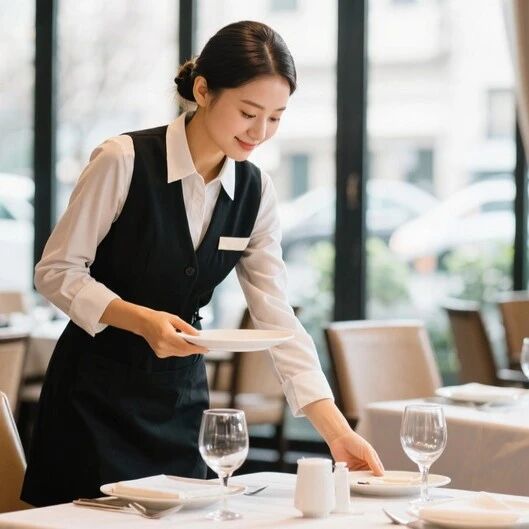
Core Viewpoint - The article discusses the emerging trend of combining dining with performance in the restaurant industry, highlighting how this "borderline economy" is being rapidly adopted to attract younger consumers and drive foot traffic in a challenging market environment [4][10]. Group 1: Dining and Performance Integration - The integration of dining and performance is becoming a popular trend, with restaurants like Haidilao introducing themed night venues featuring DJs and interactive performances to enhance customer experience [6][8]. - The "night snack" theme introduced by Haidilao has generated significant social media buzz, with over 10 million views on Xiaohongshu and 9 million on Douyin, indicating strong consumer interest [7][10]. - Other restaurants are also adopting similar strategies, such as introducing live performances and themed service staff to create a unique dining atmosphere [4][8]. Group 2: Market Challenges and Consumer Behavior - The restaurant industry is facing significant challenges, with major brands like Nayuki and Xiaobawang reporting substantial losses in 2024, highlighting the need for innovative customer engagement strategies [10][12]. - Younger consumers, particularly those born in the 1990s and 2000s, are seeking more than just food; they desire social interaction and entertainment, which has led to the rise of "borderline" performances in dining settings [10][11]. - The perception of value has shifted, with consumers willing to pay for experiences that combine dining with entertainment, as seen in the popularity of Haidilao's new offerings [10][11]. Group 3: Risks and Sustainability - The article warns that while "borderline" dining can generate short-term interest, it may not be sustainable in the long run, as evidenced by the closure of restaurants like Staneemeehoi and Hooters due to changing consumer preferences and societal values [13][14]. - The reliance on provocative marketing strategies can backfire, as seen in the backlash against establishments that objectify staff, indicating a need for restaurants to balance entertainment with respect for social norms [14][15]. - Ultimately, the success of performance dining hinges on maintaining food quality and service standards, as consumers prioritize taste and value over mere spectacle [21][22].

选行业就是选命,一招识别好赛道
创业家· 2025-09-19 09:59
Group 1 - The article emphasizes that a good industry is characterized by the presence of many wealthy individuals, indicating that it is profitable for entrepreneurs [1] - The tea beverage sector is cited as an example where even average entrepreneurs can earn significant profits, suggesting it is a favorable industry [1] - The choice of industry is crucial for entrepreneurs, as the same level of intelligence and effort can lead to vastly different outcomes depending on the industry selected [1] Group 2 - The article discusses the importance of transforming technology into user-perceived value, using examples from successful Japanese companies like Sony and Uniqlo [9] - It highlights that AI is reshaping consumer products by redefining their inherent value, and future market leaders will be those who effectively integrate demand with algorithms [9] - The article suggests that understanding consumer scenarios is essential for product innovation, rather than merely focusing on technical specifications [9] Group 3 - The course mentioned in the article aims to provide insights into how Japanese and Chinese consumer companies can thrive in a saturated market [10] - It covers various sectors including consumer electronics, beauty, fashion, and food, focusing on product innovation and supply chain management [10] - The course features industry experts who will share their experiences and strategies for navigating the current market landscape [10][11][12] Group 4 - The article outlines the need for Chinese companies to adapt their supply chains to meet local demands when expanding globally, rather than simply replicating domestic models [20] - It emphasizes the importance of building trust with local consumers by addressing their specific needs and not just selling products [21] - The article suggests that successful global brands must balance localization with standardization to effectively penetrate foreign markets [21]

晚点独家丨淘宝闪购和饿了么做团购,与高德扫街榜双线作战
晚点LatePost· 2025-09-19 09:31
Core Viewpoint - Alibaba is launching a new group buying service through its platforms Taobao, Alipay, and Gaode, focusing initially on the restaurant sector to compete with Meituan and Dazhong Dianping during the peak shopping season [4][10]. Group 1: Launch Details - The group buying service will start in Shanghai, Shenzhen, and Jiaxing on September 20, coinciding with the peak order day for Taobao's instant delivery service [4][8]. - The first batch of group buying categories includes beverages, Chinese cuisine, pastries, fast food, and local snacks, featuring brands like Nayuki Tea and Zunbao Pizza [5][10]. Group 2: Strategic Importance - The initiative is part of Alibaba's strategy to enhance its consumer platform by integrating in-store traffic, which is essential for increasing merchant engagement [8][10]. - The team managing the group buying business is primarily from Ele.me, with hundreds of employees involved in the project [8][9]. Group 3: Competitive Landscape - The new group buying service is distinct from the previous operations of Koubei, which has been sidelined in favor of a more unified approach to local services [10][11]. - Competitors like Douyin have made significant inroads into the local services market, posing a threat to Meituan and prompting Alibaba to solidify its position [10][11]. Group 4: Operational Insights - Ele.me has been ramping up its sales force, planning to recruit over 1,000 sales personnel and additional logistics managers to support the new service [8][9]. - The operational model for the group buying service will likely mirror existing practices, focusing on promotions and in-store redemption [9][10]. Group 5: Market Sentiment - There is renewed confidence among Alibaba's brand merchants regarding the potential for growth in the instant retail sector, with some planning to participate in the upcoming Double Eleven shopping festival [12].