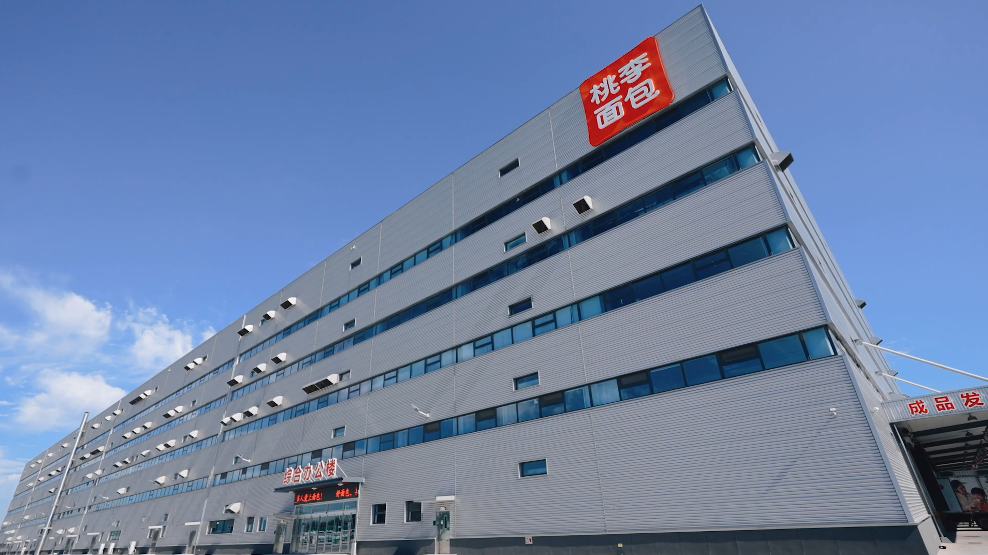
桃李面包

Search documents
网红烘焙的冬天还没结束
创业邦· 2025-06-27 03:10
Core Viewpoint - The baking industry in China is experiencing a significant downturn, with many once-popular brands rapidly closing stores and facing financial difficulties, indicating a harsh reversal from the boom seen in 2020 to the current struggles in 2025 [5][11][19]. Group 1: Industry Trends - The baking market has seen a drastic shift from a buying frenzy in 2020 to a wave of store closures by 2025, highlighting a severe industry contraction [5][10]. - In 2024, the baking market size is projected to grow by 5.2% year-on-year, reaching 110.5 billion yuan, despite the challenges faced by many brands [18]. - Data shows that in 2024, 103,000 new baking stores opened while 95,000 closed, resulting in a net increase of only 8,000 stores [13]. Group 2: Company Performance - Major baking companies have reported significant declines in revenue and profit, with "bread leader" Taoli Bread's revenue growth dropping from 6.24% to -9.93% over four years, and net profit shrinking by 31.58% [15]. - Yuanzi Co. experienced a nearly 13% decline in revenue and a nearly 10% drop in net profit in 2024, while Maiqu'er reported a 10.4% revenue decline and a staggering 137.37% drop in net profit, resulting in a loss of 230 million yuan [17]. Group 3: Market Dynamics - The rapid expansion of baking brands, driven by capital influx, has led to a common pattern of bankruptcy due to overexpansion and financial mismanagement [19][21]. - The industry faces inherent challenges, such as rapid imitation of popular products leading to price wars and declining profit margins, which have fallen to 5%-10% [20]. - The competitive landscape is shifting, with traditional brands like Haolilai and Baoshifu maintaining their market positions through stable product quality, while new entrants focus on "handmade and healthy ingredients" [32][33]. Group 4: Future Outlook - To survive the industry's cyclical nature, brands must prioritize product innovation, quality control, and strategic expansion, as evidenced by the ongoing challenges faced by new entrants [34].

桃李面包(603866) - 桃李面包关于公司控股股东及实际控制人股份质押的公告
2025-06-25 08:00
证券代码:603866 证券简称:桃李面包 公告编号:2025-035 桃李面包股份有限公司 关于公司控股股东及实际控制人股份质押的公告 本公司董事会及全体董事保证本公告内容不存在任何虚假记载、误导性陈述 或者重大遗漏,并对其内容的真实性、准确性和完整性承担法律责任。 重要内容提示: | 股 | 是否 | | | | | | | | | 质押 | | --- | --- | --- | --- | --- | --- | --- | --- | --- | --- | --- | | 东 | 为控 | 本次质押股 | 是否 | 是否 | 质押起 | 质押到 | | 占其所 | 占公司 | 融资 | | | | | 为限 | 补充 | | | 质权人 | 持股份 | 总股本 | | | 名 | 股股 | 数(股) | | | 始日 | 期日 | | | | 资金 | | | | | 售股 | 质押 | | | | 比例 | 比例 | | | 称 | 东 | | | | | | | | | 用途 | 1、本次股份质押基本情况 | | | | | | | | 质权人 | | | | | | | --- | --- ...

江西省赣州市崇义县市场监管局关于2025年崇义县第二批食品安全监督抽检情况的通告
Zhong Guo Zhi Liang Xin Wen Wang· 2025-06-20 08:53
Summary of Key Points Core Viewpoint - The recent food safety inspection in Chongyi County revealed that out of 37 food samples tested, 36 were compliant while 1 was found to be non-compliant, indicating a high level of food safety adherence in the region [2]. Group 1: Inspection Results - A total of 37 food samples were tested, covering 13 categories including edible oils, condiments, and agricultural products [2]. - 36 samples passed the inspection, demonstrating a compliance rate of approximately 97.3% [2]. - Only 1 sample was deemed non-compliant, which was identified for having excessive peroxide value in a specific duck leg product [2]. Group 2: Non-Compliant Product Details - The non-compliant product was a duck leg from Jiangxi Hua Feng Company, with a peroxide value exceeding the standard limit of 3.3 [2]. - The inspection date for the non-compliant product was December 25, 2024, and it was sold at a local supermarket in Chongyi County [2]. Group 3: Compliant Product Highlights - Among the compliant products, notable mentions include edible vegetable oil from Yihai Kerry and various fruit snacks from local producers [2][3]. - The compliant products were sourced from reputable companies, ensuring quality and safety for consumers [2][3].
2025中国烘焙行业发展洞察报告
Sou Hu Cai Jing· 2025-06-17 09:33
Group 1 - The core insight of the report is that the Chinese baking industry is experiencing strong growth, with a projected market size reaching over 100 billion yuan by 2029, reflecting a compound annual growth rate of approximately 7.3% [16][38] - The report highlights that the retail market for baked goods in China saw an 8.8% year-on-year growth in 2024, significantly outpacing many traditional food sectors [16][38] - Emerging markets, particularly in Asia and Africa, are identified as key drivers of industry growth, with China being a central consumer market due to its large population and increasing purchasing power [16][38] Group 2 - The competitive landscape of the Chinese baking market is characterized by local brands dominating the market, foreign brands facing contraction, and new entrants struggling to maintain market presence [19][21] - Local brands account for over 70% of the market share, with the top five brands increasing their concentration to 26.3% by 2024 [19][21] - The report indicates that foreign brands are experiencing a decline in market share from 28% in 2023 to 22% in 2025, pressured by local competitors [21] Group 3 - The report outlines significant regulatory impacts on the baking industry, with increasing scrutiny on food safety and labeling requirements, which are pushing companies to enhance product quality and transparency [17][22] - Compliance costs for companies have risen by an average of 15% due to new regulations, but this has also led to a 20% increase in consumer trust towards compliant brands [22] - The introduction of policies such as the "Prepackaged Food Labeling General Principles" emphasizes the need for clearer ingredient labeling, which is reshaping industry practices [18][22] Group 4 - Consumer trends indicate a shift towards health-conscious baking products, with a projected market size for healthy baked goods expected to reach 30 billion yuan by 2025, growing at a rate of 28.6% [34] - The demand for low-sugar, low-fat, and high-fiber baked goods is rising, driven by changing dietary preferences among consumers, particularly young professionals [34][35] - The report notes that baked goods are increasingly being viewed as convenient meal replacements, appealing to urban consumers' fast-paced lifestyles [35]
2025年第23周:食品饮料行业周度市场观察
艾瑞咨询· 2025-06-12 09:32
Group 1 - The Chinese herbal health water market is rapidly growing, with brands like Laoshang Baihua Shecao Water and Yuanqi Forest leading the way, expected to exceed 10 billion yuan by 2028. However, issues such as poor taste, severe homogenization, and inadequate channel distribution are prominent [2][9][32] - The beer and beverage industries are increasingly overlapping, with beer companies like Chongqing Beer and Yanjing Beer entering the non-alcoholic beverage market, while beverage companies are attempting to enter the alcoholic sector, indicating a competitive landscape that requires precise consumer and scenario positioning [3][18] - The compound seasoning industry in China is experiencing rapid growth, with a market size reaching 203.2 billion yuan in 2023, accounting for 34% of the total seasoning market, driven by the rise of restaurant chains and the popularity of takeout culture [5] Group 2 - The trend of "Chinese medicine + dining" is gaining traction among young consumers, but issues such as illegal additives and exaggerated efficacy are prevalent, highlighting the need for improved regulations and quality control in the industry [7] - The beverage market is seeing a rise in functional drinks favored by young consumers, with platforms like Xiaohongshu driving trends and product popularity, particularly in the juice category [8][26] - The launch of "Wahaha's" new sugar-free tea brand "Wah Xiaozong" aims to capture the young consumer market, with a focus on product differentiation and brand transformation [13] Group 3 - The energy drink market is dominated by Dongpeng Beverage, which reported a revenue of 15.84 billion yuan and a net profit of 3.33 billion yuan in 2024, but faces uncertainties regarding future growth due to reliance on its flagship product [21] - The non-alcoholic beverage market is becoming increasingly competitive, with Yanjing Beer launching a new soda product to adapt to market trends and consumer preferences [18] - The rapid growth of the "no-sugar tea" market is evident, with brands like "Guozi Shule" achieving significant sales increases through innovative product design and marketing strategies [34]

桃李面包:多重优势打造国民健康餐桌新标杆
Xin Lang Cai Jing· 2025-06-12 07:39
Core Insights - The article emphasizes the increasing consumer demand for high-quality food products amid consumption upgrades, highlighting the focus on finding trustworthy options in a complex food market [1][6] - Taoli Bread has effectively captured market demand by prioritizing "simplicity" and "freshness" in its product offerings, establishing a competitive edge in the traditional baking industry [1][3] Group 1: Competitive Advantages - Taoli Bread's core competitiveness stems from its precise understanding of the pain points in the traditional baking industry, particularly the limitations of fresh bread availability due to production capacity and distribution radius in the 1990s [1] - The company's "central factory + wholesale" model significantly reduces costs through large-scale production, creating a cost advantage and competitive moat while ensuring high product quality [3] - The implementation of digital technology enhances transparency and visibility throughout the production process, allowing for real-time tracking of raw material procurement, production, quality control, and product traceability [3][6] Group 2: Supply Chain Efficiency - Taoli Bread has developed a highly efficient and precise logistics system, which is a core competitive advantage, featuring a two-tier logistics system that supports a fast-moving consumer goods supply chain [5] - The first-tier logistics primarily utilizes the company's own transportation fleet to manage the distribution from factories to large supermarkets, ensuring timely delivery and product freshness [5] - The company's extensive network of over 20 production bases and efficient supply chain further establishes a new benchmark in health and efficiency within the baking industry [6]
全球烘焙工业化的教科书:年销售额1600亿元的宾堡,如何用一片面包征服全球?
东京烘焙职业人· 2025-06-10 08:29
Core Viewpoint - The article highlights the significant growth and strategic evolution of Bimbo, a leading player in the global baking market, emphasizing its innovative approaches and market penetration strategies, particularly in China [3][12][18]. Group 1: Global Baking Market Overview - The global baking market reached a size of $440 billion in 2022, with the Americas accounting for 36.9% of the market share, and bread products dominating at 54.8% [3]. - Bimbo holds a 3.4% global market share, leading the industry ahead of competitors like Yamazaki (1.4%) and Flower Foods (0.7%) [3]. - As of 2023, Bimbo's annual revenue reached $22.5 billion (approximately 160 billion RMB), with a market capitalization exceeding $22.3 billion [3]. Group 2: Bimbo's Historical Growth - Founded in 1945 by Lorenzo Servitje in Mexico City, Bimbo started with 34 employees and faced early challenges, including product spoilage and competition [5]. - The introduction of glassine packaging in 1948 extended the shelf life of bread from 8 hours to 72 hours, revolutionizing the distribution of baked goods [5]. - Bimbo established a "central factory + capillary wholesale network" in the 1950s, covering 83% of small grocery stores in Mexico by 1963 [6]. Group 3: Global Expansion Strategy - Bimbo entered the U.S. market in 1984, initially facing losses but later adjusted its strategy through acquisitions, including Oroweat and Mrs. Baird's [7]. - The company expanded into Europe and Asia between 2000 and 2010, acquiring major local brands and significantly reducing waste rates in Spain [8]. - Bimbo implemented a "T+12 production rule," ensuring rapid order fulfillment and optimizing inventory turnover to 6.2 days [9]. Group 4: Insights from the Chinese Market - Bimbo's entry into China began with the acquisition of Beijing Panrico in 2006, followed by further acquisitions to create a multi-brand matrix [12]. - The company established a dual R&D center and regional factory cluster to adapt to China's market demands, achieving a 5-day inventory turnover [13]. - Bimbo's product innovation includes localized flavors and health-focused offerings, addressing the 35% of consumers seeking low-sugar options [14]. Group 5: Sustainable Growth Strategies - Bimbo's approach in China illustrates the importance of localizing global resources and adapting supply chain management to fit the e-commerce landscape [17]. - The company targets segmented markets with its three-brand strategy, avoiding direct competition in the short-shelf-life market [17]. - Bimbo's innovation extends into the snack sector, blurring the lines between baking and snacking, similar to successful strategies employed by other global brands [17]. Group 6: Future Outlook - Bimbo's extensive market presence across 34 countries and its diverse product range position it as a significant player in the global food industry [18]. - The company's strategic focus on health and sustainability is expected to redefine food consumption patterns in the future [18].
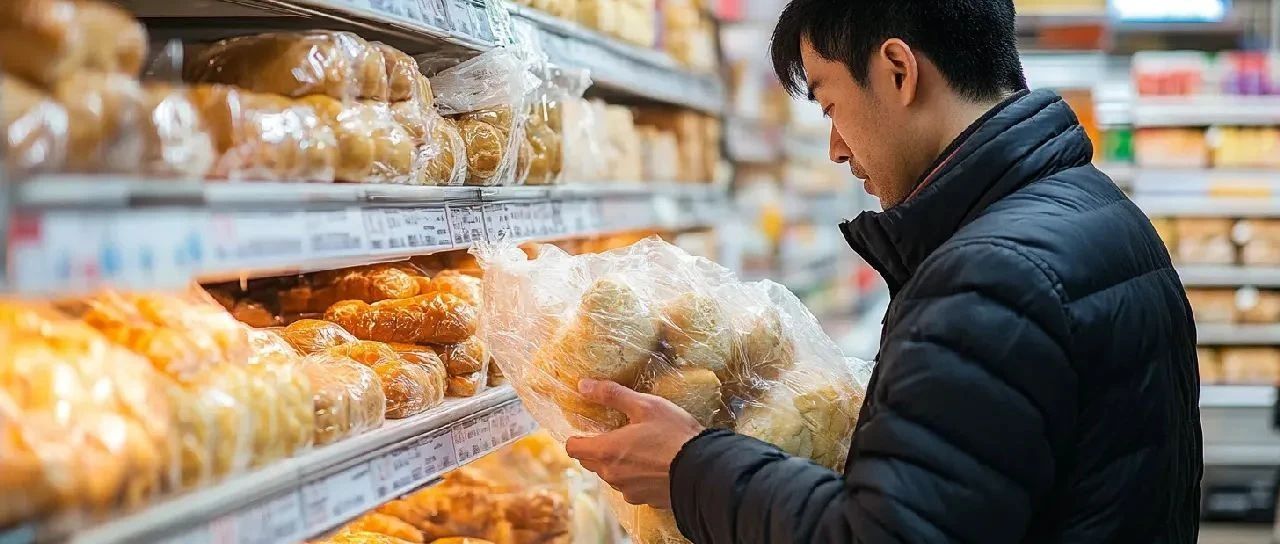
谁杀死了面包第一股?一场由山姆、711、三只松鼠们发动的绞杀
创业邦· 2025-06-06 09:47
Core Viewpoint - The article highlights the significant decline of the once-dominant bakery brand, Tao Li Bread, reflecting a broader crisis in the traditional packaged bread industry as it struggles to adapt to changing consumer preferences and competitive pressures from new entrants and alternative products [3][10][19]. Financial Performance - In Q1 2025, Tao Li Bread's revenue fell by 14.2% year-on-year to 1.201 billion yuan, while net profit dropped by 27.07% to 84.04 million yuan, marking the worst quarterly performance since its listing [3][4]. - From 2021 to 2024, revenue growth rates decreased from 6.24% to -9.93%, with net profit declining for four consecutive years [4][10]. Market Dynamics - The bakery market is experiencing a shift from large-scale production to precise operations, with Tao Li's struggles mirroring the challenges faced by other traditional brands like Man Ke Dun and Da Li, which have also seen declines or exits from the market [10][19]. - The market is becoming increasingly fragmented, with new brands like Xiao Bai Xin Li Ruan and Hao Shi gaining traction, while established brands face challenges from convenience stores and fresh-baked alternatives [6][10][33]. Competitive Landscape - The top five companies in China's baking industry include Da Li Yuan, Tao Li Bread, Pan Pan, Oreo, and Xu Fu Ji, with a highly dispersed competitive landscape where the top three companies hold only 9.2% market share [6][10]. - The rise of convenience stores offering fresh sandwiches and baked goods is significantly impacting traditional brands, as they cater to immediate consumer needs [10][12]. Consumer Preferences - Consumer perceptions are shifting, with a growing acceptance of medium and long shelf-life products, challenging the traditional notion that short shelf-life equals freshness [29][30]. - New brands are leveraging innovative marketing and product differentiation to capture market share, while traditional brands struggle with product innovation and adapting to new consumer demands [30][42]. Industry Transformation - The article emphasizes that the challenges faced by Tao Li Bread are indicative of a larger transformation in the industry, where traditional brands must navigate a landscape increasingly dominated by new entrants and changing consumer behaviors [13][46]. - The competition is no longer just among similar brands but also includes a variety of channels and formats, such as convenience stores and online platforms, which are reshaping consumer purchasing habits [46][60].
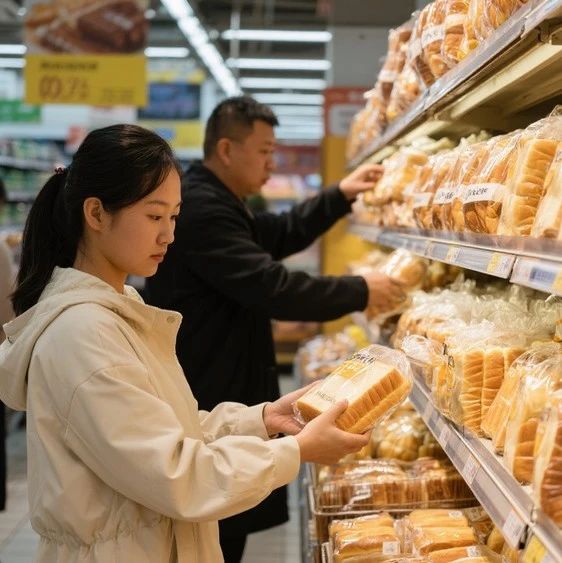
传统包装面包,日子不好过
虎嗅APP· 2025-06-05 14:24
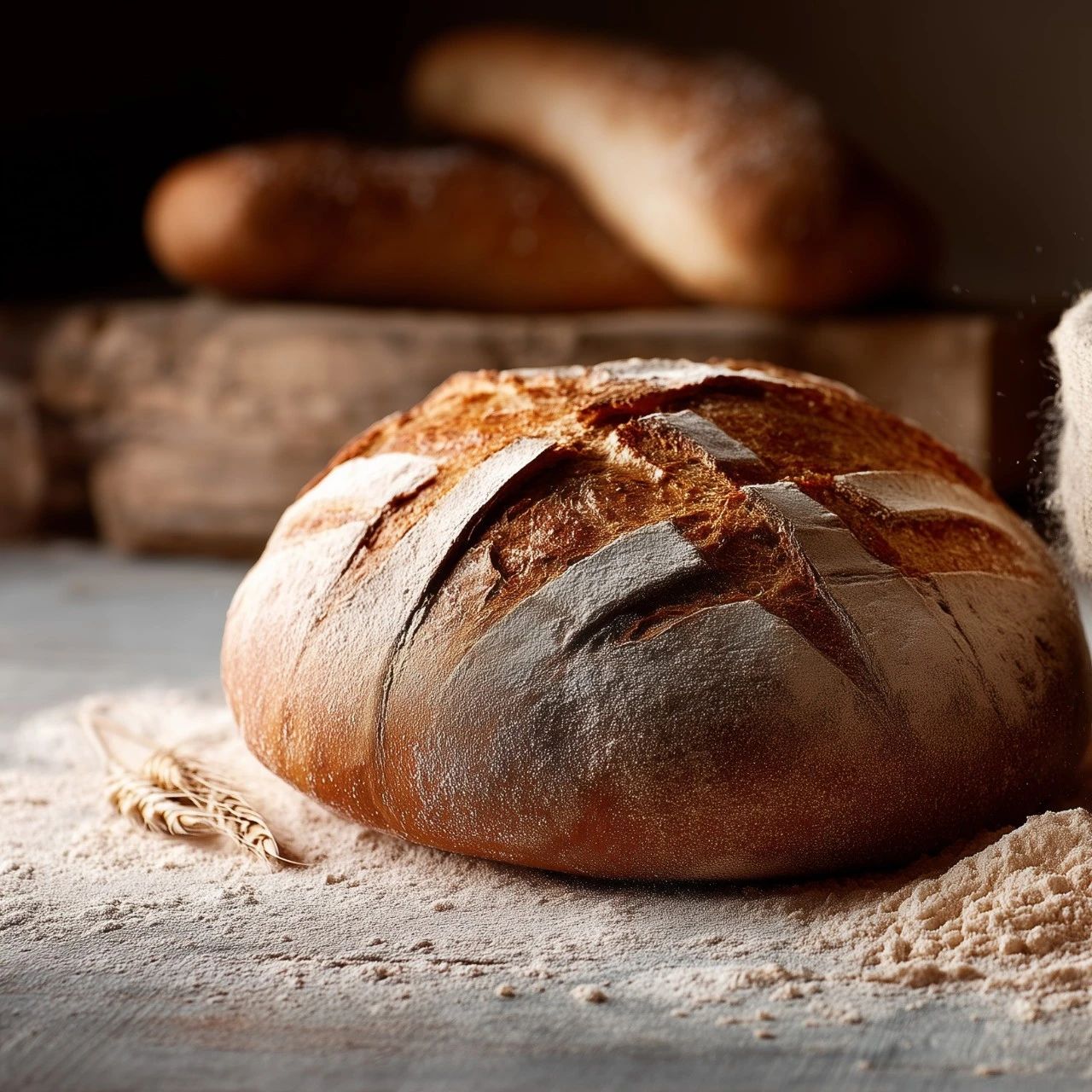
以下文章来源于剁椒Spicy ,作者剁椒团队 剁椒Spicy . 专注于电商、营销、流量生态,以及消费者洞察的全新商业自媒体 本文来自微信公众号: 剁椒Spicy ,作者:Mia,原文标题:《谁杀死了面包第一股?一场由山姆、 711、三只松鼠们发动的绞杀》,头图来自:AI生成 2025年第一季度财报犹如一记重锤。数据显示,桃李面包营收同比暴跌14.2%至12.01亿元,归母净 利润更是雪崩式下滑27.07%,仅剩8403.72万元,毛利率与净利率也双双跳水,创下上市以来最惨烈 单季表现。 | 单位: | | --- | | 元 币种: | | 人民币 | | 项目 | 本报告期 | 上年同期 | 本报告期比上年同期 增减变动幅度(%) | | --- | --- | --- | --- | | 营业收入 | 1, 201, 171, 488. 40 | 1, 400, 002, 318. 86 | -14. 20 | | 归属于上市公司股东的净利润 | 84, 037, 214. 32 | 115, 230, 925. 14 | -27.07 | | 归属于上市公司股东的扣除非 经常性损益的净利润 | 79, ...
传统包装面包,日子不好过
Hu Xiu· 2025-06-05 04:06
Core Insights - The article highlights the unprecedented challenges faced by the once-dominant bakery brand, Tao Li Bread, indicating a significant decline in its market position and financial performance [1][11][10]. Financial Performance - In Q1 2025, Tao Li Bread reported a revenue drop of 14.2% year-on-year to 1.201 billion yuan, with net profit plummeting by 27.07% to 84.04 million yuan, marking the worst quarterly performance since its listing [2][3]. - From 2021 to 2024, the company's revenue growth rate fell from 6.24% to -9.93%, and net profit has been declining for four consecutive years [3][12]. Market Dynamics - The traditional packaged bread market is experiencing a "mid-life crisis," with Tao Li's struggles reflecting broader industry challenges, including competition from fresh-baked goods and convenience store offerings [10][8]. - The market is becoming increasingly fragmented, with new brands like A1 Snack Research Institute and Xiao Bai Xin Li Ruan gaining traction, while established brands like Dali and Man Ke Dun are facing significant setbacks [26][19][4]. Competitive Landscape - The competitive landscape is shifting, with convenience stores and new entrants offering fresh products that appeal to consumers, thereby eroding the market share of traditional brands like Tao Li [8][36]. - Tao Li's reliance on traditional supermarket channels is becoming a liability, as evidenced by a net loss of 144 distributors in 2024, highlighting the need for adaptation to new market realities [15][14]. Consumer Preferences - Consumer perceptions are changing, with a growing acceptance of medium and long-shelf-life products, challenging the traditional notion that "short shelf-life equals freshness" [27][20]. - New brands are leveraging innovative marketing and product differentiation to capture market share, while traditional brands struggle with product innovation and adaptation [30][29]. Industry Trends - The industry is witnessing a shift from industrialized production to scenario-based competition, necessitating traditional brands to rethink their strategies to survive [10][39]. - The rise of self-branded products in convenience stores and supermarkets is further intensifying competition, as these products often offer better pricing and perceived value [32][34]. Future Directions - The article suggests that the future of the packaged bread industry lies in exploring new consumer scenarios and adapting to changing market dynamics, rather than relying solely on traditional distribution channels [46][51]. - Brands are encouraged to innovate in product offerings and marketing strategies to better align with consumer needs and preferences in a rapidly evolving market [47][50].