欧莱雅

Search documents
趋势研判!2025年中国洗护用品行业发展历程、产业链、市场规模、竞争格局及未来趋势:个性化需求日益凸显,推动洗护用品市场规模达3429亿元[图]
Chan Ye Xin Xi Wang· 2025-10-27 01:17
Core Insights - The Chinese personal care industry is experiencing rapid growth driven by the "beauty economy" and "Healthy China" initiatives, with a market size projected to increase from 189.2 billion yuan in 2017 to 342.9 billion yuan in 2024, reflecting a compound annual growth rate (CAGR) of 8.9% [1][12] - Key growth drivers include rising household income, the emergence of younger consumers prioritizing personalized experiences, and the expansion of social media and e-commerce platforms [1][11] - Consumer demand has shifted from basic cleaning functions to a comprehensive pursuit of ingredient safety, precise efficacy, and emotional experience, leading to rapid growth in niche markets such as anti-hair loss and scalp care [1][11] Industry Overview - The personal care industry encompasses various products for cleaning, maintenance, and personal hygiene, including hair care, skin care, oral care, and household cleaning products [4] - The industry has evolved from basic cleaning products in the initial stages to a comprehensive range of products that meet diverse consumer needs [6][8] Market Dynamics - The market is characterized by intense competition between international brands like Procter & Gamble and Unilever and local brands that are gaining market share by understanding local consumer needs [12] - Local brands such as Natural Hall, Baique Ling, and Adolph have successfully captured consumer interest by offering products tailored to local preferences [12] Consumer Trends - Rising disposable income in China, from 26,000 yuan in 2017 to 41,300 yuan in 2024, has led to increased consumer spending on personal care products, with a CAGR of 6.83% [8] - The demand for high-quality, effective, and experiential products is driving consumers to pay premiums for specialized hair care solutions and natural ingredients [8] Supply Chain Insights - The supply chain for personal care products includes raw materials such as surfactants, moisturizers, and emulsifiers, with the production and manufacturing processes occurring in the midstream [8][9] - The surfactant industry, a key raw material for personal care products, is projected to grow from 2.148 million tons in 2015 to 5.0764 million tons in 2024, with a CAGR of 10.03% [10] Future Trends - The industry is expected to see advancements in smart technology, allowing for personalized care solutions based on real-time data analysis [17] - Personalization will become a core focus, enabling consumers to receive tailored products that meet their specific needs [17] - Sustainability will be a key development principle, with an emphasis on natural ingredients, sustainable packaging, and corporate social responsibility [18]


330亿,今年最大美妆收购诞生了
投中网· 2025-10-26 07:04
Core Viewpoint - The acquisition of Kering's beauty division by L'Oréal for €4 billion (approximately ¥33 billion) is a significant strategic move in the luxury beauty market, reflecting both companies' long-term goals and the current challenges faced by Kering [3][12][17]. Group 1: Transaction Details - Kering Group announced the sale of its beauty division to L'Oréal for €4 billion, with the transaction expected to be completed in the first half of 2026 [3]. - The deal includes the acquisition of the high-end perfume brand Creed and a 50-year exclusive licensing agreement for Kering's beauty products [3][4]. - A joint venture will be established to explore opportunities in the luxury and health sectors, indicating a strategic alliance beyond mere acquisition [3][17]. Group 2: Kering's Financial Performance - Kering's beauty division generated €323 million in revenue in 2024, with a 9% growth rate in the first half of 2025, primarily driven by Creed [6]. - In contrast, Kering's overall revenue fell by 16% to €7.587 billion in the first half of 2025, with net profit plummeting by 46% to €474 million [6][7]. - The decline in Kering's performance is largely attributed to the underperformance of its flagship brand, Gucci, which saw a 26% drop in revenue [7]. Group 3: Strategic Shifts and Leadership Changes - Kering's new CEO, Luca de Meo, initiated significant reforms shortly after his appointment, including the decision to sell the beauty division [4][10]. - De Meo's leadership is characterized by a focus on core luxury goods, aiming to streamline operations and reduce costs amid financial challenges [10][11]. - The decision to divest the beauty division, despite its growth potential, reflects a strategic pivot to address Kering's broader financial issues [7][9]. Group 4: L'Oréal's Strategic Intent - L'Oréal's acquisition aligns with its strategy to penetrate the high-end beauty market, enhancing its portfolio with luxury brands [12][16]. - The company has been actively acquiring and licensing high-end fragrance brands, indicating a clear focus on expanding its presence in the luxury segment [15][16]. - L'Oréal's recent financial performance shows a 3% increase in sales, with the fragrance segment growing by 11%, underscoring the potential value of the acquisition [17]. Group 5: Market Impact - The transaction has implications for Coty Group, which has relied on Gucci's beauty products; losing this partnership could significantly impact Coty's business [18]. - The competitive landscape in the luxury beauty market is shifting, with L'Oréal positioning itself as a leader in the niche fragrance market through strategic acquisitions and partnerships [16][17].

未来科学:上海与世界
Guo Ji Jin Rong Bao· 2025-10-26 03:39
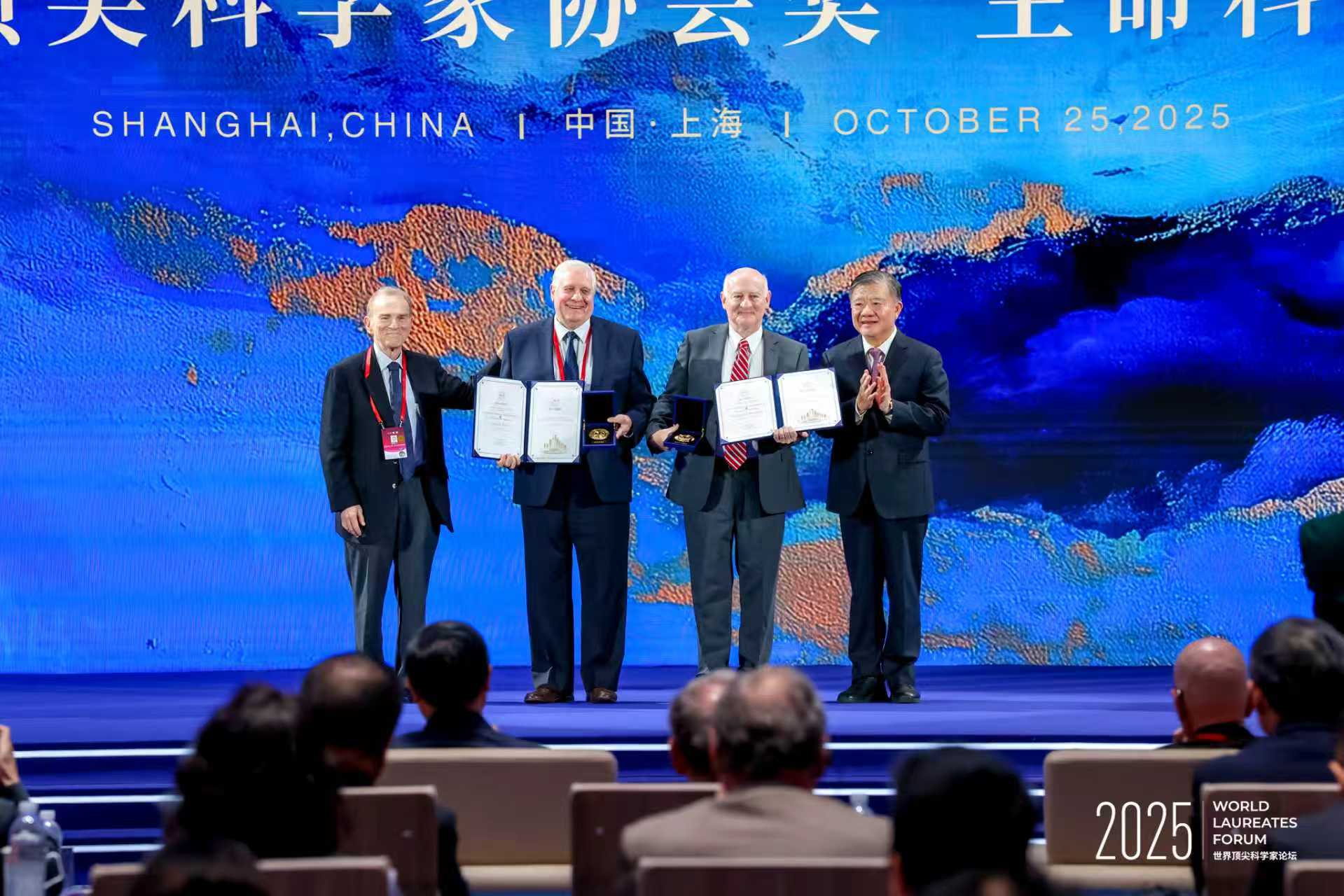
开幕式上,现场颁发2025世界顶尖科学家协会奖"智能科学或数学奖"与"生命科学或医学奖"两大奖项,分别由孙理察(Richard SCHOEN)、斯科特·埃默尔 (Scott D. EMR)和韦斯·桑德奎斯特(Wesley I. SUNDQUIST)三位科学家获得。 世界顶尖科学家协会奖,于2021年在上海发起创设,由红杉慈善基金会独家提供永久资金支持、面向全球科学家评选的科学大奖,今年由上海临港科技创新 发展基金会承办。 顶科协奖设立"智能科学或数学奖"、"生命科学或医学奖"两个单项奖,单项奖金金额为1000万元人民币,最多可由4人共同获奖并分享,为全球奖金最高的 科学奖项之一。 10月25日,2025世界顶尖科学家论坛开幕式暨2025世界顶尖科学家协会奖颁奖典礼在上海临港中心举行。 以"未来科学:上海与世界(Science in Future)"为主题,今年顶科论坛共有来自全球10余个国家约150位科学家参加,其中包括4位诺贝尔奖得主、4位图灵 奖得主,以及16位中国两院院士、百余位中外优秀青年科学家等。 期间,以"一代耀一代·去突破"为主题的2025世界顶尖科学家科学教育论坛暨第二届科技女生赋能论坛上,欧 ...
业绩承压,五大业务部门营收全线下滑,联合利华转型进入深水区
Hua Xia Shi Bao· 2025-10-25 09:18
Core Insights - Unilever is undergoing significant strategic transformation amid performance pressures, including layoffs, leadership changes, and divestitures [2][6] Financial Performance - For the first nine months of 2025, Unilever reported a revenue of €44.8 billion, a year-on-year decline of 3.3% [3] - All business segments experienced revenue declines, with the largest drop in home care at 5.3%, followed by ice cream at 4.2%, and beauty & health and food segments both around 3% [3] - In Q3, sales amounted to €14.7 billion, down 3.5% year-on-year, but underlying sales grew by 3.9% [3] - The European market showed a slight revenue increase of 1.9%, while the Americas faced the largest decline at 5.1% [3] Strategic Challenges - Unilever's revenue growth has been sluggish, with a mere 1.9% increase in FY2024 and a net profit decline for two consecutive years [4] - The company faces intense competition from rivals like Procter & Gamble and L'Oréal, alongside changing consumer preferences towards natural and organic products [4] - Rising raw material costs have further pressured profit margins [4] Reform Initiatives - CEO Fernando Fernandez has identified three key reform areas: eliminating inefficient businesses, focusing on high-margin growth sectors, and enhancing digital capabilities [4][6] - The company plans to cut approximately 7,500 jobs globally, representing about 5.9% of its workforce, to save around $800 million [6] Market Dynamics - In China, Unilever's basic sales returned to low single-digit growth in Q3, attributed to targeted marketing strategies and a premium product mix [4][5] - The domestic consumption stimulus policies have revitalized the market, providing a favorable environment for Unilever's products [5] Business Adjustments - Unilever has divested non-core beauty and personal care brands, including Elida Beauty and its ice cream business, to focus on more sustainable and growth-oriented segments [6][7] - The planned spin-off of the ice cream business is expected to be completed by Q4 2025, with anticipated improvements in operating profit margins [7]


Grégoire Martin Joins Executive Search Firm Ginger Finds as President
Yahoo Finance· 2025-10-24 21:14
Core Insights - Ginger Finds has appointed Grégoire Martin as the new president to enhance its relationship-driven business model in the luxury industry [1] - The luxury industry is undergoing significant changes, with a notable shift in leadership and creative direction at top fashion companies [2][3] Company Developments - Ginger Puglia, CEO and cofounder of Ginger Finds, emphasizes the need for fresh perspectives in the evolving luxury market [1][4] - Martin's background includes experience at LVMH and Spencer Stuart, which positions him well to contribute to the firm's growth [6] Industry Trends - The luxury sector is experiencing rapid transformations, with new creative leaders emerging and making swift changes [2][3] - Companies are increasingly seeking leaders who bring diverse experiences and analytical thinking, moving away from traditional career paths [4] Leadership Philosophy - Martin highlights the importance of empathy and understanding client experiences as critical attributes for future leaders in the industry [7] - The focus will shift towards enhancing client and product experiences, necessitating leaders who are authentic and customer-centric [7]
百亿美妆巨头“缩减”线下!
Sou Hu Cai Jing· 2025-10-24 19:32
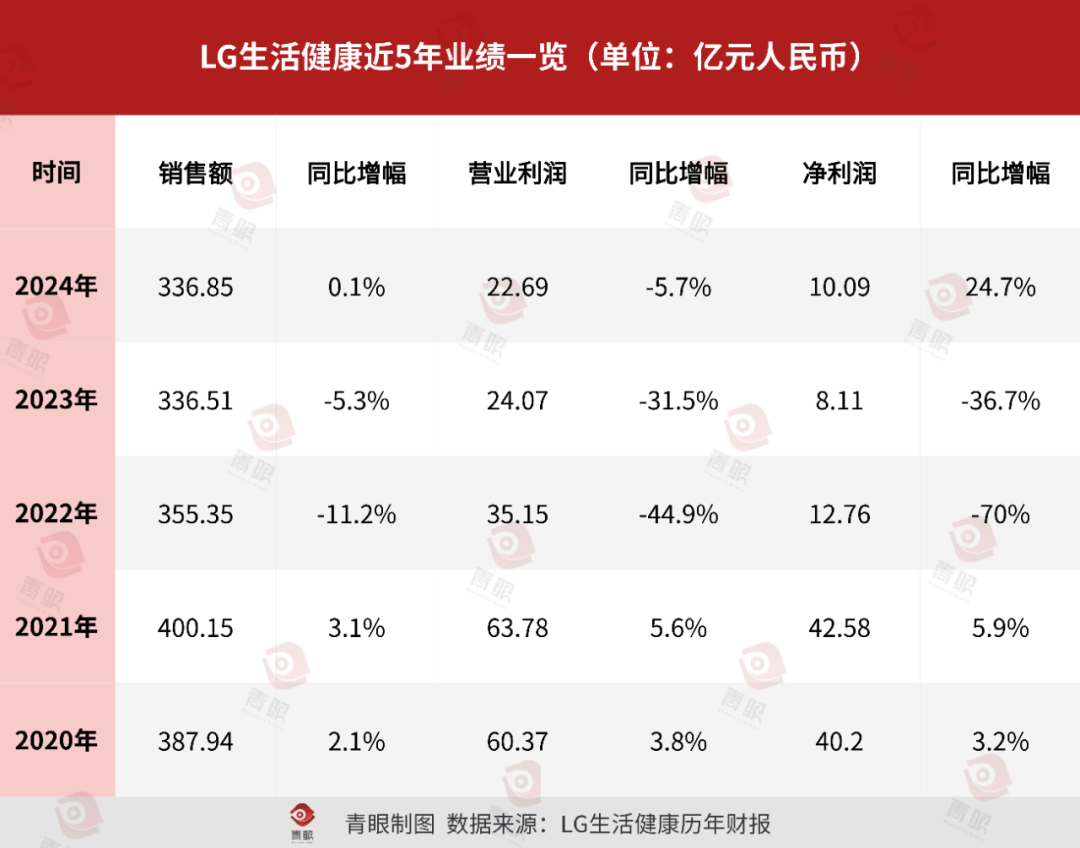
Core Viewpoint - LG Household & Health Care is implementing a voluntary retirement plan for its beauty department's sales and promotional staff in response to the gradual reduction of its offline store operations, including duty-free shops and department stores [1][2][3] Group 1: Voluntary Retirement Plan - The voluntary retirement plan is open to employees aged 35 and above, including both current and vacationing staff, with applications accepted until the end of October [2][3] - Employees opting for retirement will receive 20 months of basic salary and additional support funds, including educational support for school-aged children [2][3] Group 2: Financial Performance - LG Household & Health Care has experienced a decline in key financial metrics since 2022, with sales, operating profit, and net profit all showing year-on-year decreases [4][6] - The beauty department has seen a continuous decline in sales since 2020, with a significant drop from 222.52 billion KRW in 2020 to 140.98 billion KRW in 2024, despite a slight recovery in 2024 [7][8] Group 3: Market Strategy and Adjustments - The company is shifting its focus from traditional offline sales channels to online platforms, as evidenced by the closure of multiple counters in China and a strategic pivot towards e-commerce [13][14] - LG Household & Health Care is undergoing organizational changes, including the appointment of a new CEO from L'Oréal, aiming to revitalize its beauty business [15] Group 4: Industry Context - The trend of reducing offline presence is not unique to LG Household & Health Care, as many international beauty brands have also shifted their strategies towards online sales in response to changing consumer behaviors and the impact of the pandemic [14]
苏丹红从餐桌“杀”上脸?科颜氏、花西子卷入,化妆品界上演“罗生门”
Feng Huang Wang Cai Jing· 2025-10-24 14:04
Core Viewpoint - The cosmetics industry is facing a significant controversy as a self-media outlet revealed the presence of the banned substance Sudan Red IV in various skincare products, raising consumer concerns about safety and brand integrity [1][4]. Group 1: Incident Overview - A video by "Old Dad Evaluation" detected Sudan Red IV in multiple skincare products, leading to consumer anxiety and brand scrutiny [1][3]. - The source of the contamination was traced to a questionable raw material group containing three components: mudfish extract, neem leaf extract, and moringa seed oil, with a Sudan Red content of 1170 ppm [1][3]. - Over 800 products have been implicated, affecting more than 400 brands, including both international and domestic names [4]. Group 2: Health Impact - Sudan Red IV is classified as a synthetic industrial dye and is listed as a Group 3 carcinogen by the International Agency for Research on Cancer (IARC), indicating it is an animal carcinogen but not proven to be carcinogenic to humans [5][6]. - The potential health risks from topical application are considered lower than those from ingestion, but long-term exposure could pose cumulative risks [8][9]. Group 3: Brand Responses - Many brands have issued minimal responses, with some products being removed from online platforms, while others remain available for purchase [9][10]. - Brands like Kiehl's and others emphasize compliance with regulations but have not addressed testing plans for Sudan Red [11][12]. - Consumer dissatisfaction is evident, with reports of difficulties in returning products and receiving adequate responses from customer service [13][14].

欧莱雅332亿豪赌高端化背后
21世纪经济报道· 2025-10-24 13:49
Core Viewpoint - L'Oréal is aggressively expanding its high-end beauty portfolio through significant acquisitions, including a €4 billion deal for Kering's beauty business, aiming to enhance its luxury brand matrix and secure long-term growth opportunities in a challenging market environment [1][4]. Group 1: Recent Acquisitions and Strategic Moves - L'Oréal announced the acquisition of Kering's beauty business for €4 billion, gaining 50-year beauty licenses for brands like Gucci and Balenciaga [1]. - The company has also acquired niche luxury fragrance brand Creed and secured long-term minority stakes in other high-end brands, filling gaps in its premium beauty offerings [6]. - L'Oréal's CEO indicated plans to discuss potential collaborations with the Armani Group, reflecting a strategy to leverage high-end brand partnerships for growth [1][4]. Group 2: Financial Performance - L'Oréal reported a sales revenue of €32.81 billion for the first nine months of 2025, with a like-for-like growth of 3.4% [3]. - The North Asia region achieved its first comparable growth in two years, with a 0.5% increase, driven by the recovery of high-end cosmetics [10]. - The professional products division led growth with a 7.4% increase, while the luxury segment saw a modest 2.2% growth [3]. Group 3: Market Positioning and Future Strategy - L'Oréal aims to transition from a brand manager to an "ecosystem builder," seeking to create synergies with Kering to explore new growth avenues [4]. - The company is focusing on enhancing its capabilities in customer engagement and digital innovation, which are critical in the current competitive landscape [8][11]. - The luxury beauty market is experiencing rapid growth, particularly in niche high-end fragrances, which L'Oréal is now better positioned to capitalize on with its recent acquisitions [6][12].
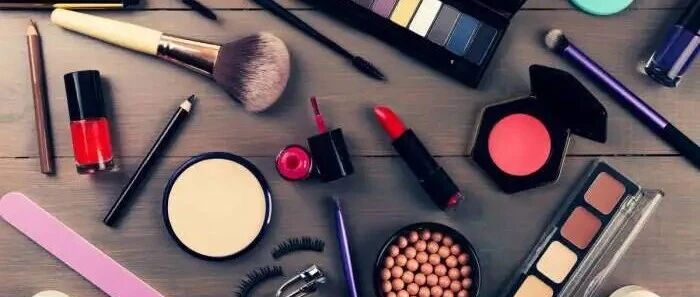
苏丹红从餐桌“杀”上脸?科颜氏、花西子卷入,化妆品界上演“罗生门”
凤凰网财经· 2025-10-24 13:38
Core Viewpoint - The article discusses a significant controversy in the cosmetics industry related to the detection of the banned substance Sudan Red IV in various skincare products, raising consumer concerns and prompting investigations into the implicated brands [1][2]. Group 1: Incident Overview - A video by "Old Dad Evaluation" revealed the presence of Sudan Red IV in multiple skincare products, leading to widespread consumer anxiety [1][2]. - The source of the contamination was traced to a questionable raw material group containing fish gut extract, neem leaf extract, and moringa seed oil, with a detected concentration of 1170 ppm (1.17 g/kg) of Sudan Red [2][3]. - Over 800 products have been identified as potentially containing the problematic raw material group, affecting more than 400 brands, including both international and domestic names [4]. Group 2: Health Implications - Sudan Red is classified as a synthetic industrial dye and is listed as a Group 3 carcinogen by the International Agency for Research on Cancer (IARC), indicating it is an animal carcinogen but not proven to be carcinogenic to humans [6][7]. - The National Medical Products Administration (NMPA) has explicitly banned Sudan Red IV in cosmetics, highlighting the serious regulatory implications of its presence [7][11]. - Experts suggest that while the immediate risk from topical application may be lower than ingestion, long-term exposure could pose cumulative health risks [10][11]. Group 3: Brand Responses and Market Impact - Many implicated brands have responded minimally, with some products being removed from online platforms, while others remain available for purchase [12][14]. - Brands like Kiehl's and others have emphasized compliance with regulations but have not disclosed plans for testing their products for Sudan Red [14][15]. - The controversy has led to consumer confusion and anxiety, with reports of difficulties in obtaining refunds for potentially contaminated products [17][18]. Group 4: Regulatory and Industry Insights - The article highlights the challenges in ensuring product safety, noting that not all banned substances are routinely tested in cosmetics, which raises concerns about consumer safety [14][15]. - The presence of Sudan Red IV in cosmetics underscores the need for stricter oversight and transparency in ingredient sourcing and labeling within the beauty industry [18].
PDRN爆火,线粒体抗衰为何仍未迎来“井喷期”?
3 6 Ke· 2025-10-24 08:11
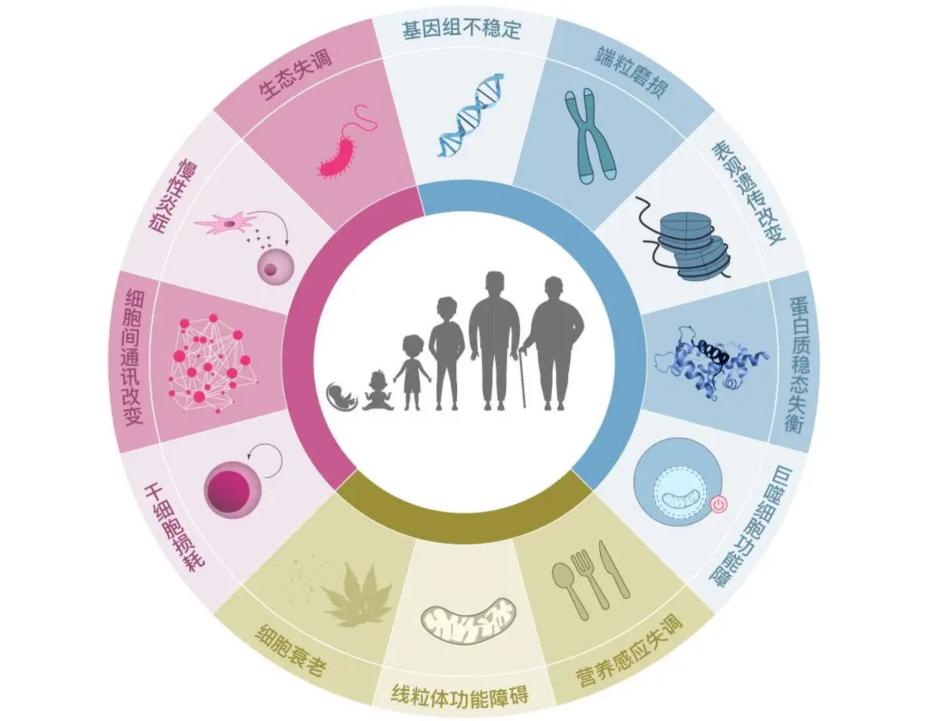
Core Insights - The beauty industry is increasingly focusing on mitochondrial function as a key area for anti-aging research, despite the fact that consumer awareness of mitochondrial anti-aging remains low [1][2][28] - Mitochondria are essential for cellular energy production, providing 95% of the ATP needed for skin cell activities, and their dysfunction is linked to various aging markers [2][5][10] - Major beauty companies are investing in research and development related to mitochondrial health, exploring various innovative approaches to enhance mitochondrial function and combat skin aging [9][10][27] Group 1: Mitochondrial Function and Aging - Mitochondrial dysfunction is recognized as one of the nine hallmarks of aging, influencing skin health and overall cellular vitality [2][28] - Mitochondria produce reactive oxygen species (ROS) as byproducts of energy metabolism, which can lead to oxidative stress and cellular damage if not properly managed [6][10] - The accumulation of damaged mitochondria in aging cells contributes to increased ROS production, further exacerbating skin aging [7][10] Group 2: Research and Development Initiatives - Companies like L'Oréal and Estée Lauder are actively pursuing partnerships and research initiatives focused on mitochondrial health, including studies on longevity proteins and mitochondrial toxicity assessments [9][10] - Bayer's collaboration with Vincere aims to develop skincare solutions based on mitochondrial autophagy, highlighting the industry's shift towards more scientifically grounded anti-aging products [9][10] - The use of PDRN (Polydeoxyribonucleotide) has gained traction as a key ingredient in anti-aging products, with studies showing its ability to induce mitochondrial biogenesis and repair damaged mitochondria [15][22] Group 3: Product Innovations and Trends - The beauty industry is witnessing a surge in products targeting mitochondrial function, with over 3,894 brands incorporating PDRN into their offerings [15][28] - Various innovative ingredients, such as Sirtuins and Urolithin A, are being explored for their potential to enhance mitochondrial function and promote skin rejuvenation [9][21][22] - The concept of "skin energy crisis" is emerging, emphasizing the need for products that support mitochondrial health to combat aging and environmental stressors [10][15] Group 4: Market Challenges and Future Directions - Despite the growing interest in mitochondrial anti-aging, the market has not yet reached a "boom period" due to high explanation costs and the complexity of mitochondrial science [28][30] - Effective communication and education about mitochondrial health and its implications for skincare are essential for consumer acceptance and market growth [30][31] - The potential for cross-category competition, such as oral beauty products targeting mitochondrial function, indicates a broader trend towards holistic approaches in anti-aging solutions [26][30]