科沃斯

Search documents
280亿,扫地机器人鼻祖宣布破产
Sou Hu Cai Jing· 2025-12-20 04:17
Core Insights - The collapse of iRobot, a pioneer in the robotic vacuum industry, is attributed to regulatory failures, trade policy conflicts, and competition from Chinese firms, leading to its bankruptcy filing and subsequent acquisition by a Chinese supplier [2][6][9]. Company Overview - iRobot was founded in 1990 by three MIT roboticists and initially focused on defense and space applications before launching the Roomba vacuum in 2002, which became a household name [3][4]. - At its peak in 2021, iRobot's valuation reached $3.56 billion, with Roomba capturing 42% of the U.S. market and 65% in Japan, totaling over 50 million units sold [3][4]. Competitive Landscape - iRobot faced increasing competition from Chinese companies like Ecovacs and Roborock, which invested 2-3 times more in R&D and adopted aggressive pricing strategies, undermining iRobot's market position [4][5]. - The introduction of advanced technologies by competitors, such as laser navigation and AI visual recognition, rendered iRobot's existing technology outdated [4][5]. Financial Challenges - iRobot's reliance on manufacturing in Vietnam led to a significant cost increase when punitive tariffs were imposed, resulting in a $23 million rise in expenses [4]. - The cooling real estate market, exacerbated by rising interest rates, negatively impacted sales of home appliances, including robotic vacuums [4]. Acquisition Attempt and Regulatory Impact - In August 2022, Amazon announced a $1.7 billion acquisition of iRobot, which was seen as a lifeline for the struggling company [5]. - Regulatory bodies in the EU and the U.S. blocked the acquisition, citing potential anti-competitive concerns, which ultimately led to iRobot's stock plummeting by 80% and significant layoffs [5][7]. Bankruptcy and Acquisition - iRobot filed for Chapter 11 bankruptcy and sold its assets to Chinese supplier Picea Robotics for $190 million, marking a significant shift in ownership from a U.S. company to foreign control [6][9]. - The regulatory actions intended to protect competition inadvertently facilitated the loss of a key American technology firm to foreign ownership [6][9]. Industry Implications - iRobot's downfall highlights the structural flaws in Western regulatory frameworks, which focus on domestic competition while neglecting the competitive threats posed by foreign firms [9][10]. - The case serves as a cautionary tale for the smart home industry, indicating a shift from single-product success to the necessity of ecosystem integration for survival [11][12]. Future Outlook - The smart home market is transitioning from individual product sales to comprehensive smart home ecosystems, with companies needing to adapt or risk obsolescence [11][12]. - Firms must establish a clear position within the ecosystem, deepen their technological advantages, and maintain financial health to navigate the evolving landscape [15][16].


iRobot破产重组背后:代工厂转向品牌商有利有弊
Zhong Guo Jing Ying Bao· 2025-12-19 20:15
Core Viewpoint - iRobot Corporation has filed for Chapter 11 bankruptcy protection, entering a restructuring agreement with its main creditor, Picea, which will acquire 100% of iRobot's equity through a court-supervised process, leading to the company's delisting from NASDAQ and total loss for common stockholders [2][3][5]. Financial Performance - For the first three quarters of fiscal year 2025, iRobot reported revenues of $375 million, a year-over-year decline of 17.5%, and a net loss of $130 million, down 90% from the previous year [2]. - The company has only $24.8 million in cash and equivalents, with total liabilities reaching $508 million and shareholders' equity at -$26.8 million, indicating a negative cash flow of $104 million [2][3]. Reasons for Bankruptcy - The bankruptcy is attributed to intensified market competition, rising costs, and a lack of innovation, particularly as Chinese brands have rapidly gained market share with high-cost performance products [3][4]. - iRobot's asset-liability ratio has been as high as 105% over the past five years, indicating insolvency, with revenues projected to drop from $1.183 billion in 2022 to $682 million in 2024 [3][4]. - The failed acquisition by Amazon for approximately $1.7 billion, which was blocked by regulatory scrutiny, directly contributed to iRobot's financial distress [4][5]. Impact of Acquisition by Picea - The acquisition by Picea represents a significant shift for the company, providing a pathway for debt restructuring and business continuity while marking Picea's transition from a manufacturing leader to a global brand operator [6][7]. - This acquisition is expected to leverage Picea's supply chain efficiencies and technological capabilities to revitalize iRobot's product innovation and market competitiveness, particularly in emerging markets [6][7]. Market Dynamics - The global market for robotic vacuums is experiencing growth, with a reported 18.7% increase in shipments year-over-year, while iRobot's market share has fallen to 7.9%, pushing it out of the top five global players [5][10]. - Chinese brands dominate the market, with companies like Roborock and Ecovacs leading in sales, benefiting from cost advantages, rapid innovation cycles, and effective localization strategies [10][11]. Industry Insights - The rise of Chinese robotic vacuum manufacturers highlights the need for iRobot and similar companies to enhance their technological innovation and brand positioning to remain competitive in a rapidly evolving market [10][11]. - The bankruptcy of iRobot signifies a pivotal moment in the robotic vacuum industry, emphasizing the importance of adapting to market changes and consumer demands for enhanced product features and affordability [11].

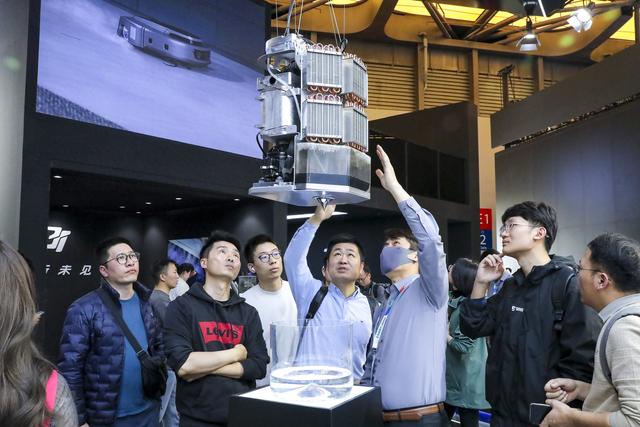
家电行业 2026 年投资策略:逆风莫摧残,挖掘定价权
Hua Yuan Zheng Quan· 2025-12-19 09:29
Investment Rating - The report rates the home appliance industry as "Positive" for investment, marking it as the first recommendation for 2026 [3]. Core Insights - The report emphasizes that leading companies with strong product capabilities, channel efficiency, cost control, and brand premium are positioned to gain market share during a challenging domestic demand environment. The industry is shifting from "incremental competition" to "stock integration" [4]. - It highlights that while short-term revenue growth may be difficult to expect, leading companies are likely to maintain profit growth due to improved efficiency and cost reduction. A stabilization in demand could lead to a new golden era for these companies [4]. - The report suggests focusing on three main investment themes: companies benefiting from domestic market consolidation, those redefining products for overseas markets, and quality dividend stocks with low valuations [4]. Summary by Sections 1. Market Performance and Fundamentals - The home appliance sector underperformed the CSI 300 index in 2025, with a growth rate of 9.7%, lagging behind the index by 7.8 percentage points, primarily due to external tariffs and domestic policy fluctuations [9]. - The report notes that the home appliance sector's valuation remains low compared to other consumer sectors, with a PE ratio of 14.7X as of November 30, 2025, reflecting the industry's mature phase and pressures from declining domestic real estate demand [19][20]. 2. Main Line One: Opportunities in Market Consolidation - The report identifies opportunities in the smart projection market, where domestic consolidation is occurring, and leading companies are gaining market share. The market is expected to improve as consumer demand recovers [61]. - In the kitchen appliance sector, leading companies are showing resilience in performance despite weak demand, with market shares increasing as smaller competitors exit the market [76]. 3. Main Line Two: Redefining Products for Export Markets - The report discusses the growth potential in the robotic vacuum cleaner market, which is expected to see double-digit growth in the overseas market from 2024 to 2029, driven by product innovation [86]. - It also highlights the potential for growth in the lawn mower robot market, particularly in Europe, where the penetration rate is expected to rise significantly [104]. 4. Main Line Three: Quality Dividend Stocks - The report suggests that companies like Midea Group and Haier Smart Home are positioned well due to their stable cash flows and increasing dividend payouts, making them attractive for long-term investment [85].


追觅创始人收购引嘉美包装三连板 公司否认主业将改变
Di Yi Cai Jing· 2025-12-19 06:50
IDC数据显示,2025年前三季,全球智能扫地机器人出货量达1742.4万台,同比增长18.7%;追觅的份 额为12.4%,跻身前三位。排在全球扫地机器人行业前两位的石头科技、科沃斯均已是上市公司。 在国内,追觅线下份额承压。根据奥维云网(AVC)数据,今年截至12月14日,追觅在中国扫地机器人 市场的线下、线上份额分别为13.72%和9.19%,居第二和第五位,同比增加1.94个百分点和减少3.31个 百分点。 除了扫地机器人,追觅近年正在寻求"跨界"发展,业务从清洁电器延伸到白电、彩电,甚至到手机、智 能穿戴、汽车、航天等领域。除了苏州工厂,也在南京建设冰箱、洗衣机的生产基地。 伴随着急速的扩张,外界对于追觅的质疑声不断。自8 月官宣造车后,噪音主要集中在研发、建厂、供 应链锁价所需的数百亿级资金从何而来。 扫地机器人行业正处于向AI生态融合发展的关键期,新一轮资本竞争已开启。 12月19日,嘉美包装(002969.SZ)连续第三天涨停,连续3个交易日收盘价格涨幅偏离值累计超过 20%。消息层面上,扫地机器人企业追觅的创始人俞浩近日拟以20多亿元收购嘉美包装的控股权。 这是俞浩首次在国内A股市场进行资本操 ...

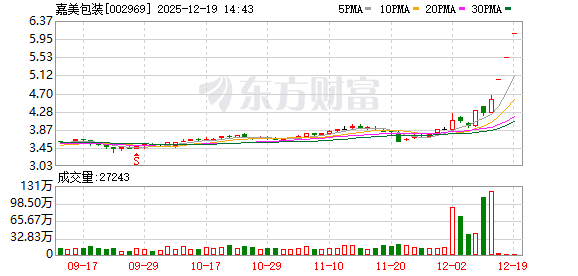
追觅创始人收购引嘉美包装三连板,公司否认主业将改变
第一财经网· 2025-12-19 06:41
Core Viewpoint - The sweeping robot industry is at a critical juncture of integrating with AI ecosystems, leading to a new round of capital competition [3][6] Group 1: Market Dynamics - The global smart sweeping robot shipment is projected to reach 17.424 million units in the first three quarters of 2025, representing a year-on-year growth of 18.7%, with the company holding a market share of 12.4% [4][6] - The top five global smart sweeping robot market shares are now entirely held by Chinese companies, marking the first time iRobot has been excluded from the top five [6] Group 2: Company Developments - The founder of the sweeping robot company, Yu Hao, plans to acquire a controlling stake in Jia Mei Packaging for over 2 billion yuan, marking his first capital operation in the domestic A-share market [3][4] - Jia Mei Packaging's major business remains focused on food and beverage packaging, with no plans to change its main business in the next 12 months [3] - The company reported a decline in revenue and net profit of 1.93% and 47.25% year-on-year, respectively, due to a decrease in orders [3] Group 3: Competitive Landscape - Competitors like Stone Technology and Ecovacs are also expanding into embodied intelligence and have announced plans for IPOs, indicating a highly competitive environment [6] - The sweeping robot industry is seeing a diversification into other areas such as lawn mowing and window cleaning robots, necessitating significant capital investment [6] Group 4: Financial Position - Yu Hao and his core team are funding the acquisition entirely through their own resources, with no financial impact on the normal operations of the sweeping robot company [4] - The company has maintained a strong cash flow, with approximately 5 billion yuan allocated for share buybacks in recent years [5]
杉川能把iRobot救活吗?
3 6 Ke· 2025-12-19 06:23
Core Viewpoint - The potential acquisition of iRobot by Sugawa involves the forgiveness of over $350 million in debt, but the deal is still in the preliminary stages and subject to legal compliance reviews. iRobot's CEO emphasizes maintaining the Roomba brand and operational functions in the U.S. to distinguish from other Chinese companies, while also addressing data management concerns related to user privacy and compliance risks [1][2]. Group 1: Acquisition Details - Sugawa's acquisition of iRobot is contingent upon addressing data security issues, particularly due to iRobot's past involvement in military applications and the sensitivity of user data [2]. - iRobot's CEO has stated that the company will retain its brand and sales structure while ensuring that data will not be stored on servers in China, indicating a focus on compliance with local regulations [2][3]. - The acquisition is seen as a necessary step for Sugawa to manage its debt, but there are concerns about whether it will enhance operational competitiveness given past challenges faced by the Sugawa+iRobot model [1][2]. Group 2: Financial Implications - iRobot relies heavily on Sugawa as its sole contract manufacturer, with significant operational dependence highlighted in a filing to the U.S. Securities and Exchange Commission [7]. - Sugawa's production capacity for robotic vacuums exceeds 8.5 million units, with iRobot accounting for over 17% of this capacity, making it a critical customer for Sugawa [8]. - iRobot owes Sugawa over $350 million, which constitutes more than 70% of its total liabilities, raising concerns about the financial implications if iRobot were to declare bankruptcy [8][9]. Group 3: Strategic Benefits - The acquisition could provide Sugawa with access to over 2,000 patents held by iRobot, which are crucial for competitive advantage in the robotics industry [11][13]. - Sugawa aims to leverage iRobot's established brand and distribution channels to enhance its market presence, particularly in North America and Europe, where iRobot has a strong foothold [14][15]. - The integration of Sugawa's manufacturing capabilities with iRobot's brand and technology could potentially lead to significant operational synergies and market expansion [13][17]. Group 4: Market Position and Challenges - iRobot's market share has significantly declined, with its global share dropping to 7.9% by the third quarter of 2023, indicating a need for strategic repositioning [16]. - The challenge lies in merging the high-end brand image of iRobot with Sugawa's cost-efficient manufacturing approach, which requires careful management to ensure a successful integration [17][18]. - Cultural integration between the U.S. and Chinese corporate environments, along with retaining key talent from iRobot, will be critical for the success of the acquisition [17][18].

尴尬了,美国最大的扫地机器人,被中国代工厂反向收购了
Xin Lang Cai Jing· 2025-12-19 05:20
不知道大家有没有注意到,这几年扫地 机器人 真的是蓬勃发展,很多人家里都买了一台。 这些扫地机器人,带扫地、吸尘、拖地于一体,可以自动上下水,插好电,接上水后,几乎就不用完 了,自动设定好以后,就会定时的按你的设定,自己扫地拖地…… 数据显示,目前全球一年要卖出这种机器人超2000万台,虽然和手机这种一年几十亿台相比,还差的 远,但一直在高速发展,预计到2030年,可能会超过4000万台。 不过,大家可能没意识到,目前的扫地机器人市场,是被中国企业垄断的,中国4大品牌石头、 科沃斯 、追觅、小米就拿下了全球55%左右的份额,中国所有品牌拿下了全球70%以上的份额。 而中国企业的崛起,对于其它国外品牌而言,就是一个噩梦了。 比如最爱,曾经发明了扫地机器人的公司,美国的iRobot就宣布破产了,并且它是被中国的代工厂收购 了,这说尴尬不尴尬。 早在20年前,iRobot就发明了扫地机器人,那时候的产品还主要是扫地、吸尘,没有现在这么复杂,但 iRobot作为发明者,占据了先进,在全球的份额一度超过80%,上市后市值一度接近300亿元。 而深圳杉川以这些债权为基础,获得了iRobot公司的100%股权,成功拿下了这 ...
全球首个机器人舞台秀上演,机器人ETF鹏华(159278)连续3天净流入
Xin Lang Cai Jing· 2025-12-19 02:52
Group 1 - The National Robot Industry Index (980022) has seen a strong increase of 1.61%, with notable gains from constituent stocks such as Aerospace Intelligent Equipment (300455) up 6.84%, and Double Ring Transmission (002472) up 3.79% [1] - The Robot ETF Penghua (159278) has risen by 1.30%, with the latest price reported at 1.01 yuan, and has experienced a significant scale growth of 16.18 million yuan over the past week [1] - The Robot ETF Penghua has achieved a new high in shares, reaching 1.104 billion shares, and has seen a total net inflow of 57.84 million yuan over the last three days [1] Group 2 - Yushu Technology has launched the first humanoid robot application store, aiming to modularize and standardize humanoid robot functionalities, indicating a positive outlook for the humanoid robot industry chain [2] - The humanoid robot products are expected to begin mass production and sales in 2026, with anticipated shipment volumes showing exponential growth compared to 2025 [2] - The top ten weighted stocks in the National Robot Industry Index account for 40.47% of the index, including companies like Double Ring Transmission (002472) and Ecovacs (603486) [2]


鹰和龙:iRobot,被惊醒的美国梦
Tai Mei Ti A P P· 2025-12-19 00:52
Core Insights - iRobot, founded in 1990 by Colin Angle, Helen Greiner, and Rodney Brooks, aimed to bring practical robots into everyday life, inspired by science fiction [1] - The company transitioned from military and industrial applications to consumer robotics, achieving significant market success with its Roomba vacuum cleaner [5][8] - iRobot's market dominance has been challenged by Chinese competitors, leading to a dramatic decline in market share and financial performance [10][11] Company History - iRobot was initially focused on military and space exploration robotics, relying on government contracts and specialized orders, with revenues peaking at $15 million before 2002 [4][5] - The launch of Roomba in 2002 marked a pivotal shift, with sales exceeding 1 million units within three years and revenues soaring to $140 million [6][8] - By 2021, iRobot had sold over 40 million Roombas, achieving a market share of nearly 90% in the robotic vacuum sector [8] Market Dynamics - The entry of Chinese brands like Ecovacs and Roborock into the U.S. market began in 2017, rapidly increasing their market share from less than 2% to over 70% by 2025 [10][11] - iRobot's market share declined from 85% in 2017 to an estimated 6% by 2025, with revenues projected to fall below $600 million and losses exceeding $200 million [11] Strategic Decisions - iRobot sold its military robotics division in 2016 to focus entirely on the consumer market, positioning itself as a leading consumer robotics company [8] - The failure of a proposed acquisition by Amazon, due to regulatory concerns, led to significant layoffs and a deterioration of iRobot's financial health [12][13] Technological Innovation - iRobot has been recognized for its innovations in mapping, navigation, and human-robot interaction, maintaining a reputation as an industry leader [8] - Despite efforts to expand its product line, including the introduction of mopping robots and air purifiers, iRobot struggled to keep pace with competitors [8] Leadership and Future Directions - Founders Colin Angle, Helen Greiner, and Rodney Brooks have pursued new ventures after leaving iRobot, focusing on various aspects of robotics and technology [14][15] - The company's decline raises questions about the role of government support in fostering competitive advantages for U.S. companies in the global market [12][13]
看懂这些关键领域,在2026年捡回“上行”信心(限免阅读)
3 6 Ke· 2025-12-18 15:17
Group 1 - The core theme of the articles revolves around the impact of AI on the workplace, highlighting both the potential benefits and challenges faced by employees and companies in adapting to AI technologies [2][3]. - The narrative discusses the cautious approach of capital investment in AI applications, emphasizing that many startups have failed due to pursuing "pseudo-demand" [2]. - The emergence of AI tools has led to a significant shift in job dynamics, with the introduction of "super individuals" potentially displacing other workers in the same demand unit [2]. Group 2 - The articles reflect on the harsh realities faced by employees in China, where few companies invest in employer branding, focusing instead on product strength and performance [3]. - There is a trend of companies expanding job descriptions to seek "composite talents," raising questions about the necessity of teamwork in the workplace [3]. - The narrative also touches on the struggles of an entrepreneurial team from 36Kr, noting the challenges faced in the AI startup landscape and the impact of rising price sensitivity among consumers [3]. Group 3 - The articles mention various events organized by the company, including AI talent salons and large recruitment fairs, aimed at fostering community and industry engagement [4]. - The company has produced influential deep reports, despite facing pushback from some companies regarding content [4]. - The focus remains on maintaining high content standards and neutrality while exploring monetization through paid content [4]. Group 4 - The "Top 50 Employers for Workplace Benefits" list includes companies in advanced manufacturing, such as Momenta, SiLing Robotics, and Gree Electric, showcasing leaders in the industry [6][10]. - The articles highlight the growth and challenges faced by these companies, including the need for skilled talent in areas like AI and robotics [8][11]. - The narrative emphasizes the importance of innovation and adaptation in the rapidly evolving job market, particularly in sectors influenced by AI and automation [13].