
地平线

Search documents
国泰君安国际硬科技投资步入收获期,地平线千亿市值彰显战略眼光
Ge Long Hui· 2025-09-29 00:34
Group 1 - Core viewpoint: Everbright Securities has seen a stock price increase due to its early investments in "hard technology" sectors, attracting market attention towards brokerage equity investments [1] - The company has strategically positioned itself in high-growth sectors such as AI chips, autonomous driving, and lidar technology, benefiting from a valuation re-rating [1][2] - Guotai Junan International has been recognized for its systematic layout in emerging technology sectors since establishing its private equity team in 2020, focusing on areas like new energy and robotics [1][2] Group 2 - Guotai Junan International's investment strategy emphasizes early positioning and deep involvement in technology projects, ensuring a focus on technological leadership and market potential [2] - The company has made significant investments in notable firms such as Horizon Robotics and Innovusion, showcasing its commitment to the hard technology sector [2][3] - The investment in Horizon Robotics, which has seen a stock price increase of over 140% since its IPO, is highlighted as a representative success of Guotai Junan International's strategy [3] Group 3 - Guotai Junan International's technology investments are entering a harvest phase, with projects transitioning from early investment to large-scale production, significantly boosting overall investment returns [4] - The company has reported a 317% year-on-year increase in investment management income, reaching 8.83 billion HKD, indicating strong performance in its private equity business [4][5] - The firm is enhancing its financial service ecosystem, creating synergies between technology investments and core business areas such as wealth management and corporate financing [4][6] Group 4 - Wealth management commission income has increased by 56% year-on-year to 2.79 billion HKD, with fund management fees rising by 110% [5] - Corporate financing income has also seen a 69% increase, with underwriting commissions growing by 85%, reflecting the successful integration of private equity returns into broader business lines [5][6] - Guotai Junan International is effectively converting single project returns from private equity into comprehensive income across multiple business lines [6] Group 5 - Looking ahead, the ongoing interest in technology sectors such as AI and autonomous driving is expected to attract further capital market attention, positioning Guotai Junan International to capture innovation dividends [7] - The company's proactive investment strategy, mature risk control system, and ability to create business synergies are anticipated to support its long-term sustainable growth [7]
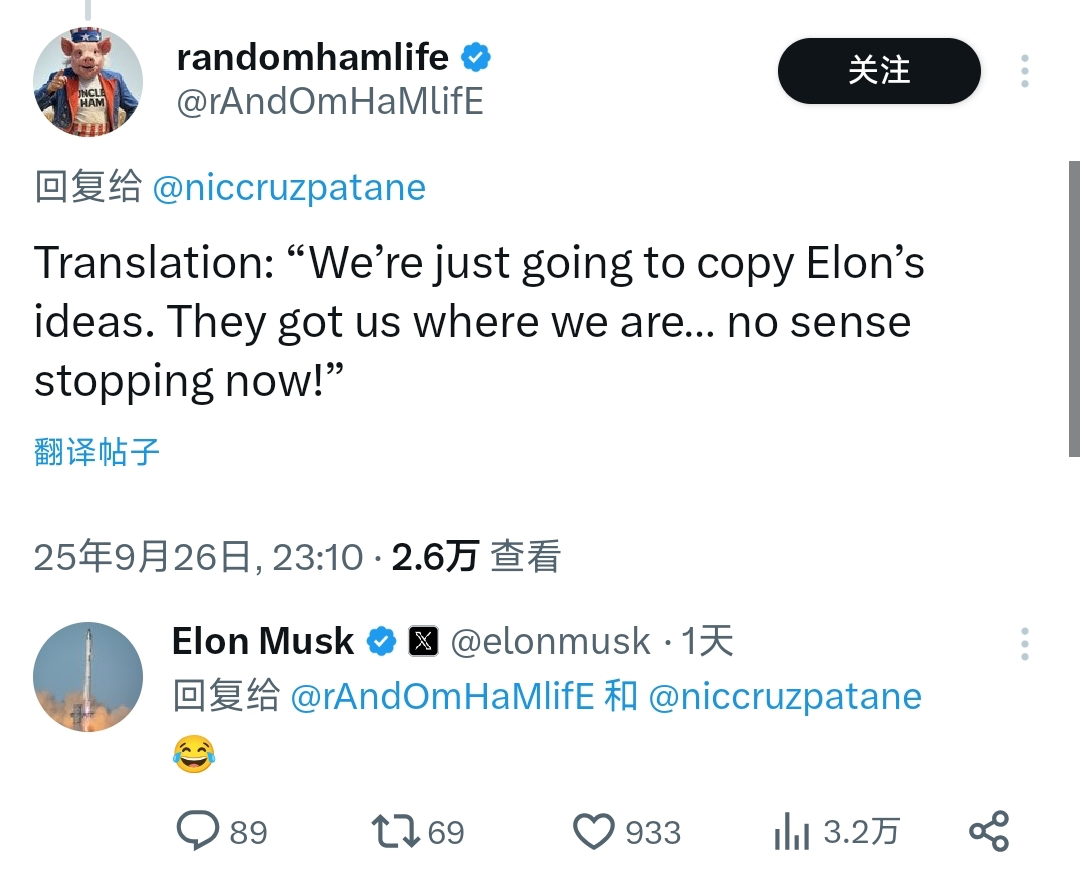
小鹏让马斯克哭笑不得,没了激光雷达,系统吸收数据更快?
3 6 Ke· 2025-09-28 23:58
Core Viewpoint - The automotive industry is witnessing a significant shift from LiDAR-based systems to pure vision-based systems for autonomous driving, with companies like Xpeng leading this transition, which has drawn attention from industry leaders like Elon Musk [1][4][5]. Group 1: Transition from LiDAR to Vision - Xpeng is currently the only major automaker transitioning from LiDAR to a pure vision approach, which is a notable reason for Musk's humorous response [5]. - The decision to remove LiDAR from Xpeng's vehicles is based on the belief that advanced AI systems can operate effectively using only visual data, as LiDAR data cannot be integrated into their new AI models [7][15]. - Xpeng's AI Eagle Eye system has demonstrated significant computational power, with models like the G7 achieving 2200 TOPS, which supports complex tasks necessary for autonomous driving [11][32]. Group 2: Computational Power and AI - The computational requirements for pure vision systems are substantial, as they must process large volumes of data from cameras to perform tasks like lane keeping and object recognition [11][12]. - The evolution of AI algorithms, from CNN to Transformer models, necessitates high computational power to ensure smooth operation of advanced driving systems [11][15]. - Xpeng's previous use of LiDAR was primarily to compensate for earlier computational limitations, but advancements have allowed them to confidently move to a vision-only approach [12][32]. Group 3: Industry Perspectives on LiDAR - Many domestic brands continue to favor LiDAR due to its superior performance in challenging lighting conditions, which enhances safety and reliability in autonomous driving [18][19]. - The integration of LiDAR has been shown to reduce accident rates significantly, reinforcing its value in safety-critical applications [20]. - Despite the trend towards vision systems, the automotive industry is likely to see a coexistence of both LiDAR and vision technologies, as each has its unique advantages [32]. Group 4: Market Dynamics and Consumer Preferences - Consumers prioritize the overall driving experience and safety features over the specific technologies used, indicating that the market will reward effective solutions regardless of the underlying technology [31]. - The ongoing competition between LiDAR and vision-based systems reflects a broader technological evolution, with the ultimate goal of providing the best consumer experience [32].


地平线配股融资58亿港元,加码Robotaxi与全球化布局
Tai Mei Ti A P P· 2025-09-28 15:52
Core Viewpoint - Horizon is accelerating its entry into the Robotaxi sector by raising approximately HKD 58 billion through a share placement, aiming to invest in new fields, particularly Robotaxi, while also expanding overseas and enhancing R&D capabilities [3][5][6]. Financing Details - Horizon plans to raise around HKD 58 billion through a "old shares first, new shares later" placement, issuing 639 million new shares at a price of HKD 9.99 per share, which is a 5.75% discount from the previous closing price of HKD 10.60 [3][4]. - The total amount raised is expected to be approximately HKD 63.4 billion, making it one of the largest single financings in recent years for the company [3]. Investment Focus - The funds will be allocated to invest in new areas such as Robotaxi, expand overseas operations, enhance R&D for advanced driving solutions, and make strategic investments in upstream and downstream partners [5][6]. - Horizon believes that the current market conditions present a good opportunity for financing, allowing for the attraction of new investors and strengthening its capital structure [5]. Industry Context - The Robotaxi market is anticipated to experience explosive growth, with projections estimating a market size of USD 40 to 45.7 billion by 2030, reflecting a compound annual growth rate (CAGR) exceeding 60% [6]. - Major players like Tesla, Waymo, and Baidu have made significant advancements in their Robotaxi operations, indicating a shift from technology validation to large-scale implementation [6][7]. Strategic Partnerships - Horizon has entered into a strategic partnership with Hello Chuxing, where Horizon will serve as the "technology base company" to develop L4 autonomous driving software and hardware for Hello's Robotaxi fleet [8]. - The first mass-produced Robotaxi fleet from Hello is expected to reach a scale of 10,000 units by 2026 and over 50,000 units by 2027, creating a fully autonomous and commercially viable operation [8]. Competitive Landscape - The industry has seen a surge in interest and activity in the Robotaxi sector, particularly following Tesla's successful deployment of its Robotaxi fleet in Texas, which has influenced optimism across the market [10][11]. - Horizon is adopting a gradual approach similar to Tesla's, focusing on building a solid L2 foundation before advancing to L4 capabilities, which is seen as a more effective path to achieving full autonomy [11][12]. Market Position - Horizon has established partnerships with over 40 global automotive brands, with plans for mass production of its HSD technology, aiming for a target of 10 million units in the next 3 to 5 years [12]. - The company holds a 33.97% market share in the domestic autonomous driving computing solutions sector, positioning itself as a leading supplier among Chinese brands [12]. Future Outlook - Horizon's founder has emphasized the company's long-term goal of achieving L4 autonomy, with the entry into the Robotaxi market seen as a critical step in this journey [13]. - The competitive landscape is expected to evolve, with fewer players remaining as the market matures, focusing on product quality, organizational capability, and rapid iteration [13].
智能化产业链更新:地平线黑芝麻及一级公司解读
2025-09-28 14:57
Summary of Conference Call Records Industry Overview - The conference call discusses the intelligent driving industry, focusing on the transition from L2 to L4 automation levels, with key players like Xiaopeng, Geely, Horizon Robotics, and Hezhima actively involved in Robotaxi and Robotman businesses [1][2][4]. Key Points and Arguments Regulatory and Technological Developments - The L2 combination driving scheme national standard has been released, with plans for implementation by 2027, indicating a significant regulatory milestone for the industry [2][4]. - Major automotive companies and suppliers are enhancing their capabilities, with new technology iterations expected in Q4, including Huawei ADS 4.0 and Xiaopeng XOS 5.7.7 [3][8]. Company-Specific Insights - **Horizon Robotics**: - Recently completed a second round of financing amounting to approximately 5 billion RMB (over 800 million USD), with limited impact on stock price but presenting investment opportunities [1][4]. - Aims to increase chip shipments from 2 million in the first half of the year to 4 million for the full year, with a target of 5.5 million for next year [3][9]. - Current market valuation is around 150 billion RMB, corresponding to a 30x price-to-sales (PS) ratio, indicating significant growth potential [3][9]. - **Hezhima**: - Recognized as the second-largest intelligent driving chip supplier in China, with a projected revenue growth of 50-60% next year, despite a lower market valuation of 10x PS [1][5]. - Actively expanding its customer base, including international markets and collaborations with Desay SV [1][5]. Market Dynamics - The self-developed algorithms account for half of the intelligent driving algorithm market, with Momenta leading among third-party suppliers, holding a 60-70% market share [1][6]. - Other notable suppliers include Yuanrong Qixing and Qingzhou Technology, primarily founded by AI talents from Baidu [1][6][7]. Financing and Market Position - **Momenta**: - Plans to go public in the US by the second half of 2025, having raised over 1.2 billion USD in cumulative financing, making it the most funded algorithm supplier in the secondary market [3][10]. - **Yuanrong Qixing and Qingzhou Technology**: - Yuanrong has raised over 500 million USD, with significant investments from Great Wall Motors, while Qingzhou has secured over 200 million USD in financing, primarily from Chery [10]. Competitive Landscape - Major automotive companies are diversifying their partnerships for intelligent driving solutions, with companies like BYD, Geely, and Great Wall Motors collaborating with various algorithm suppliers [14][15]. - The next two years are critical for these companies as they transition from primary to secondary markets, with Horizon and Hezhima already listed and Momenta planning to list soon [14][15]. Additional Important Insights - The intelligent driving chip market is expected to see significant growth, with Horizon's high-end chip G6P anticipated to contribute substantially to revenue in the coming year [9]. - The competitive landscape is characterized by a mix of established players and emerging startups, with ongoing technological advancements driving the market forward [8][11][12].

地平线总裁陈黎明:汽车行业进入“AI定义汽车”时代
Bei Ke Cai Jing· 2025-09-28 14:32
Group 1 - The automotive industry has transitioned from "hardware-defined cars" to "software-defined cars," and is now entering the "AI-defined cars" era, which emphasizes the integration of intelligent cockpit and intelligent driving [1] - In the "AI-defined cars" era, vehicles will evolve into large-scale AI agents, marking a significant milestone in the application of AI in the physical world [1] - The shift from software 1.0 to software 2.0, characterized by a "data-driven" model, has fundamentally altered the software development logic, necessitating the establishment of new standards and processes in the industry [1] Group 2 - AI has significantly enhanced the performance, generalization ability, and safety of intelligent driving, bringing the industry closer to L3 and L4 level autonomous driving [2] - The industry ecosystem has transformed from a linear supply chain to a networked model, fostering deep strategic collaborations that involve capital and technology sharing [2] - As model parameters increase, the demand for low latency and low power consumption in both cloud and terminal chips has intensified, presenting substantial challenges for the industry [2]
智驾中国队闯全球:生态输出与协同共建
Zhong Guo Qi Che Bao Wang· 2025-09-28 02:35
Core Insights - Chinese intelligent driving companies are accelerating their global expansion, driven by industry characteristics and domestic competition, focusing on risk avoidance, customer resource acquisition, and overcoming development bottlenecks [3][4][5] Group 1: Globalization Strategy - The global strategy of Chinese intelligent driving companies is not merely market expansion but a strategic necessity to avoid single risks and capture customer resources [3][4] - Collaborations with major global automakers like Mercedes and Toyota allow Chinese companies to cover multiple markets simultaneously, enhancing customer value [3][4] - The competitive landscape in the domestic market is pushing these companies to seek opportunities abroad, as the domestic market is increasingly dominated by leading players [4][5] Group 2: Technology Ecosystem Output - Chinese intelligent driving companies are focusing on exporting a complete technology ecosystem rather than just individual products, which is essential for their success in global markets [6][7] - Successful examples include collaborations like WeRide with Renault in France, which integrate advanced technology with local manufacturing and operational management [7] - The ability to provide a comprehensive technology ecosystem enhances competitiveness and allows for better adaptation to local market needs [6][7] Group 3: Collaborative Approach - The complexity of intelligent driving technology necessitates collaboration among various stakeholders to build a robust ecosystem [8][9] - Partnerships with local firms can facilitate quicker market entry and better alignment with local regulations and consumer habits, as seen with companies like Ninebot in the UAE [9] - The recent IAA auto show highlighted the trend of ecosystem co-construction among Chinese companies and global partners [9][10] Group 4: Synergy with Automakers - Collaborating with automakers is a strategic choice for intelligent driving companies, addressing challenges in technology implementation and market entry [11][12] - Joint efforts can streamline the integration of intelligent driving systems into vehicles, ensuring seamless transitions from development to production [11][12] - This collaboration also allows for maximizing commercial value through shared resources and expertise [12] Group 5: Rule-Making and Industry Leadership - Chinese intelligent driving companies are transitioning from followers to rule-makers in the global industry, supported by technological advancements and practical experience [13][14] - Companies like Horizon Robotics are setting high standards in chip performance and safety, enabling them to enter the supply chains of top international automakers [13] - The practical experience gained from diverse traffic scenarios in China positions these companies to contribute effectively to international standards and regulations [14] Group 6: Challenges and Risks - Despite advancements, Chinese intelligent driving companies face significant risks, particularly geopolitical uncertainties that could disrupt partnerships [15][16] - Compliance with stringent data protection regulations in regions like Europe poses challenges for market entry and operational continuity [16][17] - The need for deep localization of technology to meet varying regional traffic conditions and user habits is critical for successful market penetration [17]

研发投入连续6年超6%
Bei Jing Ri Bao Ke Hu Duan· 2025-09-27 23:14
Group 1 - Quantum technology is experiencing breakthroughs in commercialization, with Beijing-based company Boson Quantum launching a cloud service that supports 1000 quantum bits, making quantum computing accessible without the need for extensive knowledge or expensive hardware [2] - The achievement signifies a new phase in the practical application of specialized quantum computing in China, enhancing parallel computing capabilities and enabling exponential acceleration [2] - Beijing has maintained a research and development expenditure intensity of over 6% for six consecutive years, leading globally in high-impact scientific research and ranking first in the Nature Index for research cities [3] Group 2 - The robotics industry in Beijing is positioned as a trillion-yuan market, with the city actively driving industry collaboration and innovation, exemplified by the hands-on experience of international medical experts with domestically developed surgical robots [3] - In the first seven months of this year, enterprises in the Zhongguancun Demonstration Zone achieved total revenue of 55,114.2 billion yuan, a year-on-year increase of 7.3%, with technical revenue reaching 15,224.5 billion yuan, up 11.6% and accounting for 27.6% of total revenue [4] - Beijing is enhancing its educational framework to align with industry needs, exemplified by high school students designing chips under the guidance of engineers from a leading domestic CPU company, fostering innovation and technical confidence [5]

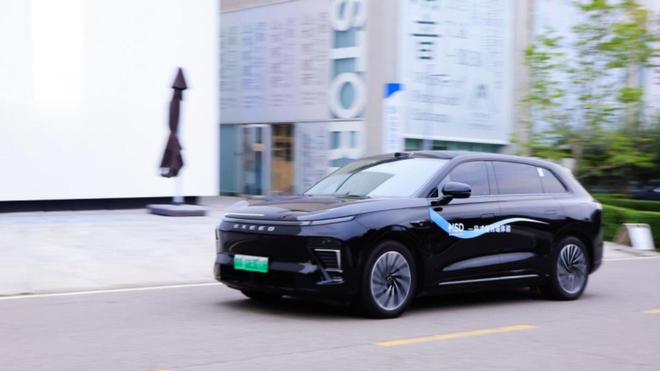
地平线新版HSD完成多城区实测 公司称今年底将进入大规模量产阶段
Yang Guang Wang· 2025-09-26 14:55
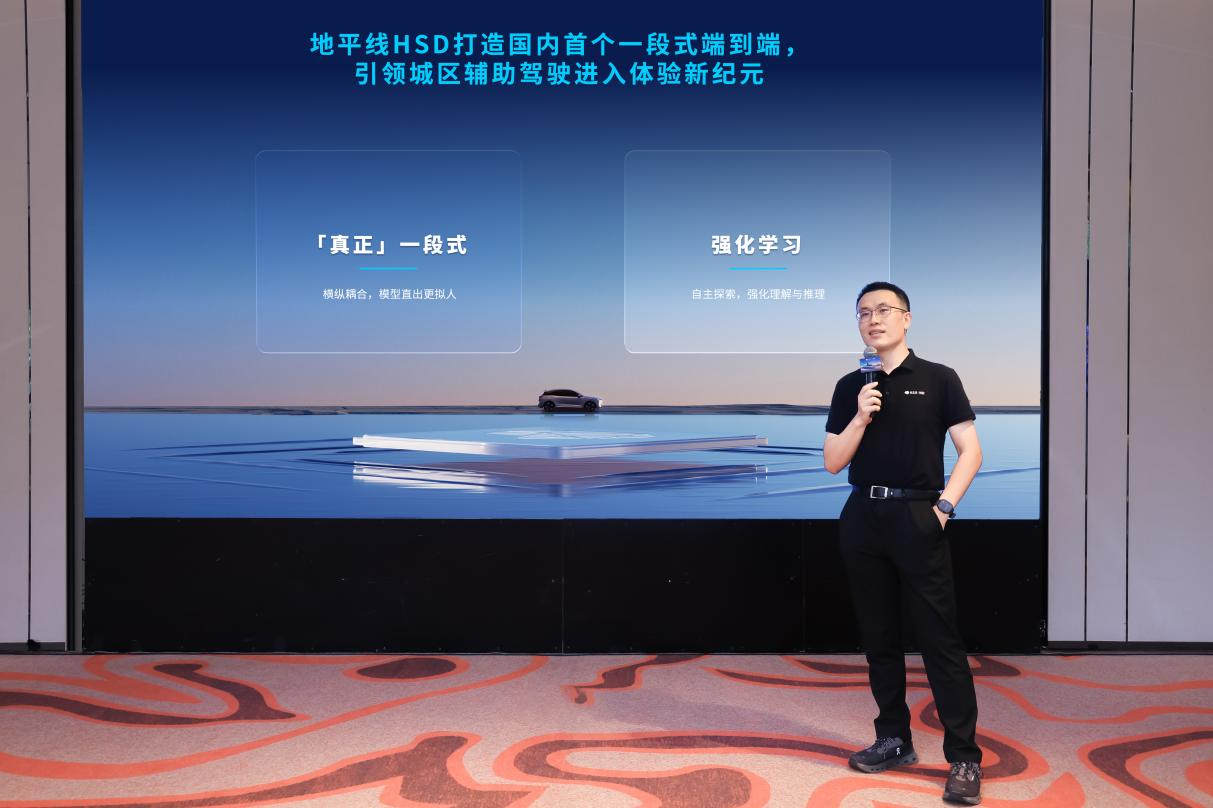
Core Insights - Horizon's HSD (Horizon SuperDrive) has achieved significant upgrades, marking a milestone with over 10 million units produced in the Journey family [1][8] - The HSD system features a one-stage end-to-end architecture combined with reinforcement learning, enhancing driving safety, efficiency, and user experience [2][3] Group 1: HSD System Features - The HSD system utilizes a one-stage end-to-end architecture, which reduces response delays and improves information transmission, leading to a more human-like driving experience [2][3] - The introduction of reinforcement learning allows the HSD system to self-explore and interact within its world model, enhancing its scene understanding and reasoning capabilities [3][7] Group 2: Performance and User Experience - During real-world testing, the HSD demonstrated low system latency, strong defensive driving capabilities, and seamless control, significantly improving the user experience [6] - The system can quickly adapt to unexpected scenarios, such as construction zones or sudden lane changes, showcasing its advanced scene recognition and decision-making abilities [6][7] Group 3: Market Launch and Production Goals - The star model, the ET5, equipped with the Horizon HSD, is set to launch in November 2025, integrating the latest urban driving assistance technology [8] - Horizon plans to accelerate the commercialization of HSD, aiming for large-scale production by the end of this year, with partnerships established with over 10 global automotive brands [8]
Momenta回应IPO地点从纽约转至香港:尚未确定任何计划
Xin Lang Ke Ji· 2025-09-26 10:35
新浪科技讯 9月26日晚间消息,针对市场有关Momenta IPO地点的猜测,Momenta官方回应表示:"公司 尚未确定任何IPO的最终计划,包括但不限于上市地点、时间、募资规模及估值等关键信息。" 责任编辑:刘万里 SF014 此前,有媒体报道称,Momenta正在考虑将原定赴美的上市计划转向香港。消息人士称,公司已在内部 向部分投资人传递了这一可能性,但尚处早期阶段,存在调整空间。 Momenta成立于2016年。公开资料显示,创始人兼CEO曹旭东本科就读于清华大学工程力学专业,2008 年加入微软(MSFT)亚洲研究院计算机视觉组,2013年投身商汤(00020)担任执行研发总监。公司 与地平线、大疆车载、华为被共同称为智能驾驶领域"地大华魔"的一员。(文猛) ...
地平线HSD北京实测,一段式端到端实现智驾丝滑拟人体验
Zhong Guo Qi Che Bao Wang· 2025-09-26 09:41
Core Insights - Horizon showcased its upgraded urban auxiliary driving system HSD (Horizon SuperDrive™) in Beijing, emphasizing its low latency, defensive driving capabilities, and human-like control [1][7]. Group 1: Technology and Features - The HSD system utilizes a "one-stage end-to-end + reinforcement learning" architecture, overcoming the limitations of traditional decoupled systems, resulting in enhanced performance [1][7]. - HSD demonstrated smooth longitudinal and lateral control, with features such as gentle start-stop, seamless cornering, and agile detours in complex traffic scenarios [3][7]. - The system can intelligently adjust speed in dynamic interactions, quickly generate solutions for construction zones, and respond to sudden scenarios with millisecond-level reaction times [3][7]. Group 2: Market Position and Future Plans - The Xingtu ET5 will be the first vehicle globally to feature the HSD and the Journey 6P, set to launch in November 2025 [7]. - HSD has completed validations in major cities like Beijing, Shanghai, Guangzhou, and Shenzhen, and has established partnerships with over 10 global automotive brands, aiming for mass production by the end of this year [7]. - The company plans to achieve a production target of 10 million units in the next 3-5 years, transitioning auxiliary driving from a "high-end configuration" to a "universal benefit" [7].
