
Momenta

Search documents
投资400亿,投出12家上市公司,却不退出?首席投资官李黔揭秘比亚迪投资理念
创业邦· 2025-07-30 03:10
Core Viewpoint - BYD's future investment direction focuses on selective and substantial investments, emphasizing continuous follow-up investments and empowerment in cutting-edge technologies, international expansion, and critical supply chain areas [2][11]. Investment Strategy - BYD has invested in approximately 100 projects with a total investment amount of 40 billion yuan, with 12 companies already listed and 10 more undergoing IPO review [3]. - The investment team at BYD aims to find companies that can create synergistic effects with BYD, enhancing the overall ecosystem [3][6]. - The investment strategy is centered around smart technology, internationalization, and high-end development [3][11]. Smart Technology Focus - The transition from electrification to smart technology is highlighted as the next phase in the automotive industry, with BYD investing in various innovative startups in this field [3][15]. - BYD's investment spans the entire smart technology chain, from AI applications to algorithms and chips, with plans to extend into semiconductor manufacturing and new materials [15][16]. Case Study: Hunan Youneng - Hunan Youneng, the world's largest manufacturer of lithium iron phosphate materials, is a classic example of BYD's successful investment strategy, showcasing the potential of lithium iron phosphate batteries over ternary lithium batteries [8][10]. - BYD's strategic investment in Hunan Youneng has led to its rise as a leading supplier of lithium iron phosphate materials, demonstrating the effectiveness of BYD's investment approach [10][12]. International Expansion - BYD's overseas sales have seen rapid growth, with over 240,000 units sold in 2023 and projections of 410,000 units in 2024 and 900,000 to 1 million units in 2025 [20]. - The internationalization of Chinese automotive brands, led by BYD, is creating significant opportunities for local supply chains in overseas markets [20][21]. High-End Brand Development - Tengshi, BYD's key high-end brand, has achieved significant sales milestones and is positioned as a crucial element in BYD's high-end strategy [4][24]. - Tengshi's innovative technologies and products, such as the Tengshi N9, are gaining international recognition and contributing to BYD's brand image enhancement [24][25][26].



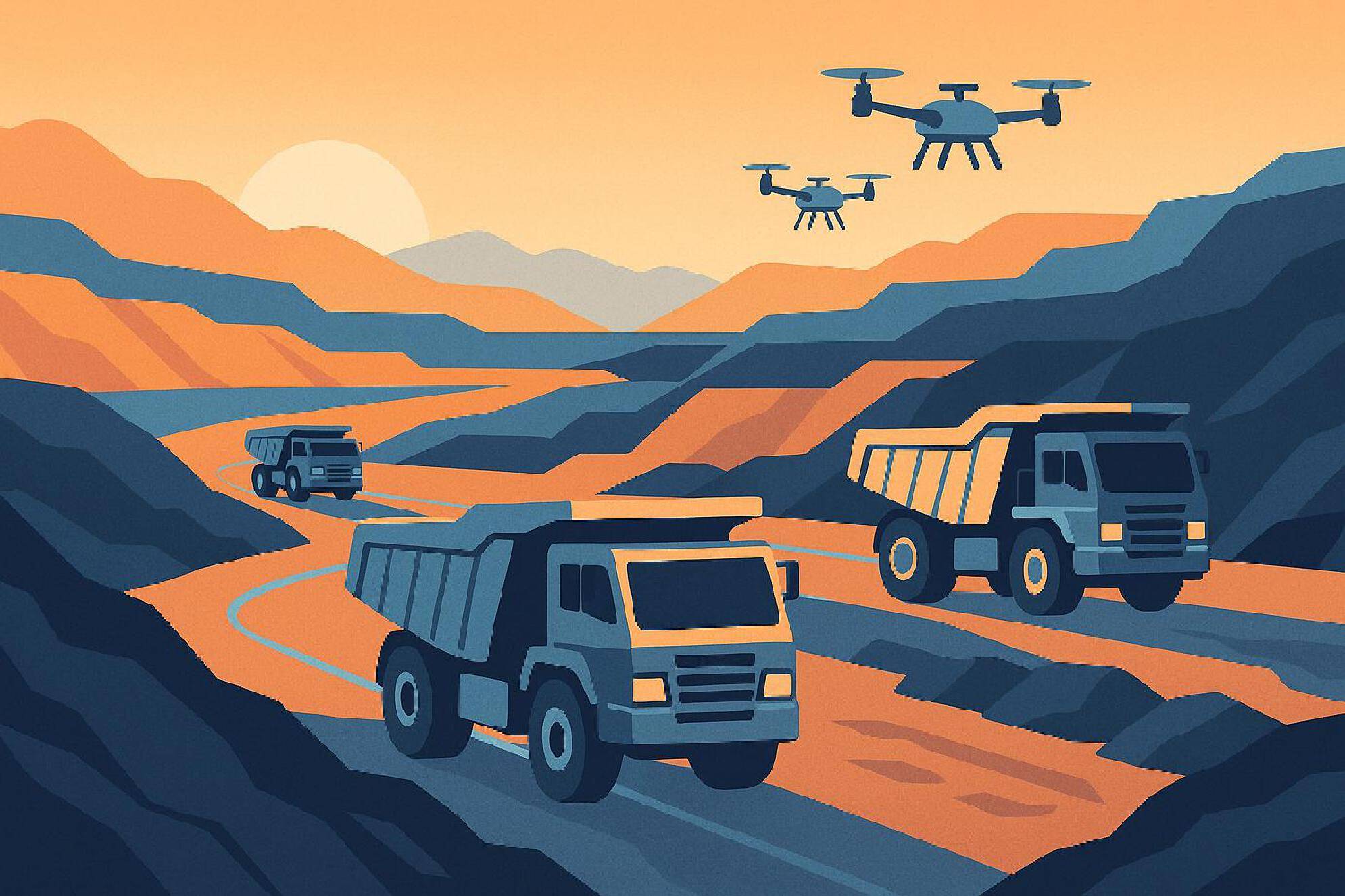
矿区物流爆发前夜:佑驾、Momenta抢滩卡位,“原生玩家”争夺上市窗口
Sou Hu Cai Jing· 2025-07-30 00:13
Core Insights - The article highlights the strategic partnership between Youjia Innovation and Chongqing Recycled Resources Group, focusing on deploying new energy heavy-duty trucks and promoting autonomous driving technology in complex mining scenarios [2] - The mining sector is identified as a key area for technological transformation due to its high energy consumption and emissions, necessitated by global carbon reduction goals and rising labor costs [3] - The market for autonomous mining solutions in China is projected to reach 2 billion yuan by 2024, with a compound annual growth rate of 204.7% from 2021 to 2024, indicating significant growth potential [4] Industry Dynamics - The mining industry is under pressure to adopt intelligent technologies, with government policies mandating a minimum of 60% intelligent capacity in coal mines by 2026 and a 30% replacement rate for dangerous jobs by robots [3] - The competitive landscape is intensifying, with multiple players like Yushi Technology, Xidi Zhijia, and Yikong Zhijia entering the market, indicating a race for market share in the autonomous mining sector [8] - The capital market is responding to the growing demand for intelligent mining solutions, with companies like Youjia Innovation and Momenta positioning themselves strategically to capture new opportunities [6][10] Strategic Moves - Youjia Innovation is enhancing its focus on L4 technology applications in various autonomous vehicle sectors while collaborating with Chongqing Recycled Resources Group to address mining logistics challenges [6] - Momenta is adopting a dual strategy to leverage data from L2 vehicles to improve L4 technology, aiming to integrate with vehicle manufacturing capabilities [7] - Both companies are targeting the mining sector due to its controlled environment and repetitive tasks, which facilitate the testing and scaling of autonomous driving technologies [6] Market Outlook - The autonomous mining vehicle penetration rate in China is expected to exceed 50% by 2030, with global revenues surpassing 8 billion USD [4] - The intelligent driving market in China is projected to approach 1 trillion yuan by 2025, highlighting the immense growth potential despite the high initial investment required [9] - Companies that can demonstrate commercial viability and stable revenue growth are likely to attract more capital investment, as evidenced by Youjia Innovation's successful IPO and project acquisitions [11]
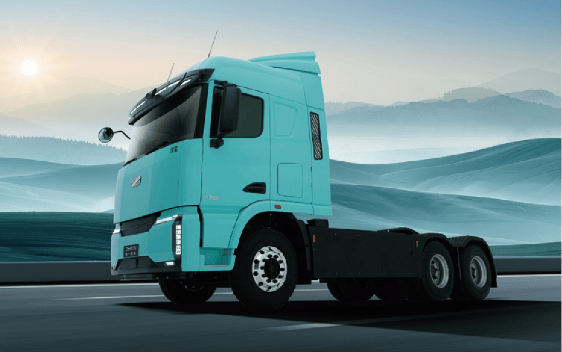
Momenta、兴杭创投、辰韬资本联合领投,零一汽车宣布完成5亿元融资
Sou Hu Cai Jing· 2025-07-29 09:09
Core Viewpoint - Zero One Automotive has successfully completed a 500 million RMB Series A financing round, revitalizing the recent sluggish financing market in the new energy sector [1] Company Overview - Founded in 2022, Zero One Automotive specializes in end-to-end autonomous driving software and hardware technology, as well as self-developed new energy intelligent heavy truck technology [4] - The company has launched multiple targeted derivative models based on market demands, optimizing performance and reducing operating costs [4] - Zero One has delivered nearly 700 units of its two models, with a total operating mileage exceeding 25 million kilometers, positioning itself among the leaders in the new energy heavy truck sector [4] Recent Developments - The company has seen a high repurchase rate of 70% for its products in regions like Henan and Hebei, indicating strong market recognition for its product quality and customer service [4] - Zero One Automotive achieved second place in the prestigious CVPR competition, showcasing its pure vision solution against 141 global teams [5] - The company is advancing the industry's first end-to-end and multi-modal large model autonomous driving technology, aiming for simplified systems and higher performance [5] Future Outlook - Investors express confidence in Zero One's potential in the trillion-yuan market of new energy trucks and autonomous driving, with expectations to close the sales gap with traditional heavy truck manufacturers by the end of the year [7] - The company aims to progressively commercialize high-level autonomous driving by starting with minimal commercial scenarios and gradually expanding [5][7]
清华背景的知名AI企业
叫小宋 别叫总· 2025-07-29 01:24
Core Viewpoint - The article highlights the significant presence of Tsinghua University alumni in the AI industry, showcasing various companies founded by individuals with Tsinghua backgrounds and emphasizing their contributions to the sector [1][13]. Group 1: AI Infrastructure and Platform Tools - Momenta, founded by Cao Xudong, has a background in engineering mechanics from Tsinghua and shifted focus to AI research [3]. - Lepton AI, founded by Jia Yangqing, has been acquired by NVIDIA, with Jia joining NVIDIA afterward [4]. - Other notable companies include Zhiyu AI, Baichuan Intelligence, and Mingxia, all founded by Tsinghua alumni from the computer science department [4]. Group 2: AI Applications - Companies like Yizhi Technology and Yingfei Network, founded by Tsinghua graduates, are making strides in AI applications [5]. Group 3: AI Chips - Hezhima Intelligent, founded by Shan Jizhang, and Lingxi Technology, with seven out of nine founders from Tsinghua, are key players in the AI chip sector [7]. Group 4: Additional Notable Companies - Other companies include Chaoji Technology, founded by Tu Cunchao, and Jiyuan Technology, founded by Wu Bin, both from Tsinghua's computer science department [12]. - Nexusflow, co-founded by Zhu Banghua and Jiao Jiantao, was acquired by NVIDIA, with Zhu becoming a chief research scientist at NVIDIA [12]. Group 5: Future Aspirations - The article expresses hope for the AI industry in China to achieve independence and global market presence, similar to other sectors [13].

宝马与Momenta共研中国专属智能驾驶辅助系统
Zhong Guo Qi Che Bao Wang· 2025-07-29 01:19
Group 1 - BMW announced a collaboration with Momenta to develop a new generation of intelligent driving assistance solutions tailored for the Chinese market, marking a significant step in localized innovation in the smart driving sector [2][3] - The partnership will leverage both companies' strengths in artificial intelligence and automotive engineering, focusing on creating a driving assistance system that meets local travel scenarios and user needs in China [2][4] - The new system will provide comprehensive point-to-point navigation assistance, covering both highways and urban roads, enabling seamless travel from parking to destination [2][3] Group 2 - The core technology of the new solution is an AI model-driven integrated architecture for perception, planning, and control, allowing vehicles to understand complex road conditions and make decisions similar to human drivers [3] - The system utilizes end-to-end large model technology, integrating large-scale neural networks for environmental perception, path planning, and vehicle control, enhancing the vehicle's adaptability to dynamic environments [3] - BMW's strategy emphasizes the integration of its product philosophy with China's advanced digital technology, aiming to create a unique driving experience that embodies both BMW's heritage and Chinese intelligence [3][4] Group 3 - Momenta's CEO expressed pride in collaborating with BMW, highlighting the combination of German engineering excellence and cutting-edge AI capabilities to deliver safe and efficient future mobility solutions [4] - The partnership aims to accelerate the implementation of intelligent driving assistance in China by merging global automotive safety engineering with local AI technology [4] - This collaboration represents a new paradigm for BMW in jointly innovating and serving local users, showcasing a vision for mutual success and leading future mobility transformations [4]

Robotaxi上海调研
数说新能源· 2025-07-28 04:04
Core Viewpoint - The article discusses the recent developments in the Robotaxi industry in Shanghai, including the issuance of operational licenses, partnerships among companies, and the financial models for profitability. License Issuance - On the 26th, Shanghai issued operational licenses for Robotaxi platforms to five companies, allowing them to charge for services. Other algorithm providers like Xiaoma received demonstration application licenses, which do not permit charging. Currently, only Saike Intelligent holds a license for high-speed roads, which is also non-chargeable [2]. Collaboration Situation - Partnerships have formed between various companies: Jinjiang with Xiaoma, Volkswagen with Luobo, and others like Johnson, Xiangdao, and Yunnan Journey with Saike Intelligent. Different technical routes are being pursued, including high-precision maps by Luobo, Xiaoma, and Waymo; no maps by Momenta; and end-to-end solutions by Tesla [3]. Licensing Requirements - Each new vehicle model must meet specific safety driving mileage requirements to obtain the next level of license, transitioning from trial to operational status. Once a vehicle model receives a license, other vehicles of the same model can be granted the same level of license directly [4][5]. Profitability Model - Revenue is generated with a customer price of 30 yuan, leading to a daily income of 600 yuan based on 24-hour operations. The cost structure includes a vehicle price of 240,000 yuan, depreciation over five years, a safety officer's salary of 7,000 yuan per month, and operational costs totaling 310 yuan per day. With 2,000 vehicles, the daily profit approaches 600,000 yuan, covering R&D, administrative, and network costs [6].

50%!20%!70%!汽车智能化“中国样本”如何炼成?
Zhong Guo Qi Che Bao Wang· 2025-07-28 02:23
Core Viewpoint - The rapid advancement of China's automotive industry in smart technology is positioning it as a global leader in the intelligent vehicle sector, with significant opportunities for international expansion [2][4]. Group 1: Industry Development - China's passenger cars with L2 and above driver assistance features have surpassed a 50% installation rate, leading globally [3]. - The penetration rate of smart cockpits in domestic passenger vehicles is expected to exceed 70% by 2024, indicating a strong market presence [3]. - Key domestic companies like Horizon Robotics, Black Sesame, Huawei, and Baidu are making significant breakthroughs in smart driving algorithms, lidar, high-precision maps, and automotive-grade chips [3]. Group 2: International Expansion - Companies like Zhiji and Leap Motor are launching models equipped with advanced driving systems in international markets, such as the UK [4]. - Robotaxi companies like Baidu's Apollo and Pony.ai are expanding overseas through partnerships with local governments and international ride-hailing platforms [5]. - The penetration rate of L2-L3 automated driving features in new vehicles in China is leading the global average by nearly 20%, providing a strong foundation for international growth [5]. Group 3: Challenges and Compliance - The automotive industry's international expansion faces challenges related to geopolitical factors, technical standards, and data compliance [7][8]. - Over 100 countries have issued data security regulations, complicating compliance for companies looking to expand their smart vehicle offerings [8]. - Differences in consumer willingness to adopt smart features in foreign markets, particularly in Europe, pose additional challenges for Chinese automakers [9]. Group 4: Strategic Recommendations - Companies are advised to adopt localized strategies for data storage and processing to ensure compliance with local regulations [11]. - Establishing smart technology R&D centers in overseas markets can help companies better understand local consumer needs and regulatory requirements [12]. - Active participation in the formulation of international standards for intelligent connected vehicles is crucial for enhancing China's influence in the global automotive landscape [12][13].

上海今年最大一笔融资诞生了 | 融中投融资周报
Sou Hu Cai Jing· 2025-07-26 05:19
Group 1 - China Fusion Company has signed a capital increase agreement with several state-owned enterprises and investment funds, resulting in a diversified ownership structure [2] - The investment amounts to approximately 11.492 billion yuan, with a subscription price of 1.0019 yuan per registered capital [2] - Zero One Automotive has completed a 500 million yuan Series A financing round, led by prominent investors including Momenta and Xinghang Venture Capital [3][4] - The funds will be used for mass production of a new generation of autonomous trucks and further development of their self-developed technologies [3] Group 2 - Lingyun Smart Mining has completed a multi-million dollar angel round financing, marking its entry into the "AI + mineral rights operation" phase [4] - The funds will accelerate the acquisition of quality mineral rights in key global mineralization belts and enhance AI technology applications in mineral rights operations [4] - GCL-Poly Solar Materials has completed a nearly 200 million yuan Series C2 financing round to support the industrialization of perovskite products [5] Group 3 - Chengdu has launched its first future industry fund with an initial scale of 112 billion yuan, targeting ten future industry sectors [6] - The Yangtze Special Vehicle Industry Investment Fund has been registered with a total scale of 5 billion yuan, focusing on specialized vehicles and high-end manufacturing [7][8] - The Shanghai Baoshan Zhongying Fuyun Venture Capital Fund has been established with a total scale of 500 million yuan, aiming to enhance technology and finance integration [9] Group 4 - Shenhuo Co., Ltd. is establishing a high-quality industry development fund with a scale of 1.512 billion yuan, focusing on strategic emerging industries [10] - The Yunnan Dianzhong New District Industry Guidance Fund has been established with a scale of 5 billion yuan, focusing on non-listed enterprises [11] - The Jiading District Strategic Emerging Industry Investment Fund has set up its first batch of sub-funds totaling 550 million yuan to support local industrial development [12] Group 5 - A 1 billion yuan biopharmaceutical industry fund has been launched in Fujian Province, targeting innovative drugs and medical devices [12]

Lyft to add autonomous shuttles in 2026 as Uber inks more self-driving deals
TechCrunch· 2025-07-25 15:33
Core Insights - Lyft will introduce autonomous shuttles from Benteler Group to its network by late 2026, in collaboration with U.S. cities and airports, with potential for future expansion [1] - The shuttles will be electric, branded under Holon, and designed without steering wheels or pedals, accommodating up to nine seated and six standing passengers [2] - Lyft is still in the process of integrating autonomous vehicles into its fleet, with plans to add AVs from May Mobility in Atlanta later this year and is collaborating with Mobileye for technology [3] Company Developments - The partnership with Benteler allows Lyft to utilize urban electric shuttles, enhancing its service offerings amid competition from Uber, which is expanding its robotaxi fleet [2] - Lyft's ongoing efforts to incorporate autonomous vehicles include testing with various partners, indicating a gradual approach to AV integration [3] - The technology powering the Holon shuttles comes from Mobileye, although Lyft clarified that the current deals are separate from those involving Mobileye [3] Competitive Landscape - Lyft's announcement comes at a time when Uber is aggressively expanding its robotaxi services with multiple partnerships, highlighting the competitive dynamics in the autonomous vehicle market [2] - The introduction of Benteler's shuttles may position Lyft to better compete with Uber's advancements in the autonomous transportation sector [2] - Lyft's strategy to partner with established manufacturers like Benteler reflects a trend in the industry towards collaboration for technological advancement [1][2]



周鸿祎称采购芯片转向华为;亚马逊云上海AI研究院解散
2 1 Shi Ji Jing Ji Bao Dao· 2025-07-24 02:52
Group 1: Industry Trends - 360 Group is shifting its chip procurement towards domestic suppliers like Huawei, citing better cost-performance despite the gap with Nvidia [2] - Amazon Web Services (AWS) has dissolved its Shanghai AI research institute as part of a strategic resource optimization [3] - The UK Competition and Markets Authority (CMA) plans to designate Apple and Google as having "strategic market positions" in mobile platforms, indicating potential regulatory scrutiny [5] Group 2: Company Developments - Alibaba has open-sourced its new AI programming model Qwen3-Coder, claiming it surpasses GPT-4.1 in capabilities [4] - Amazon announced the acquisition of AI wearable startup Bee AI to enhance its AI hardware offerings [9] - Luxshare Precision plans to issue H-shares for listing on the Hong Kong Stock Exchange to enhance its global strategy and financing capabilities [10] Group 3: Funding and Investments - Momenta led a 500 million RMB Series A funding round for Zero One Automotive, focusing on autonomous driving technology [11] - Elon Musk's xAI is seeking to raise up to $12 billion for acquiring advanced Nvidia chips and establishing large data centers [3] Group 4: Product Launches - Quark Health's AI model has successfully passed exams for 12 core medical disciplines, integrating advanced medical reasoning capabilities [12] - Alibaba is set to launch its first self-developed AI glasses, featuring voice assistance and real-time translation [13] - UBTECH has released the Walker S2, a full-sized industrial humanoid robot designed for smart manufacturing [14] - ZhiYuan's D1 Ultra quadruped robot has been launched, designed for special operations with impressive mobility features [15]

