
派特鲜生

Search documents
盒马创始人今年2月创立的“派特鲜生” 12月中旬将全部关闭
Di Yi Cai Jing· 2025-11-17 05:22
Core Insights - The pet retail brand "Paiteshengsheng," founded by Hou Yi, is facing significant operational challenges, leading to the decision to close all physical stores by mid-December 2023 while maintaining online operations [1][4]. Group 1: Business Performance - "Paiteshengsheng" opened its first store on February 22, 2023, with plans to establish 100 stores in Shanghai, focusing on new retail, discounting, and pet-owner socialization [2]. - Despite initial expansion, many of the 10 stores opened have already ceased operations due to low customer traffic and poor sales performance [2][3]. - As of November 2023, seven out of ten stores are reported to be closed or paused, with some locations undergoing renovations by new tenants [1][2]. Group 2: Financial Aspects - The brand secured $25 million in angel funding in May 2023, aimed at product innovation, supply chain development, and refined store operations [2]. - The estimated investment for each store is around 500,000 yuan, with a projected payback period of 12 to 18 months, contingent on actual operational performance [4]. Group 3: Market Context - The pet economy in China is projected to exceed 300 billion yuan in market size by 2024, with a 7.5% growth in urban pet consumption [5]. - The proportion of pet-related retail space in Shanghai shopping centers increased to 2.1% in the previous year, indicating a growing interest in pet-friendly commercial environments [6]. Group 4: Operational Challenges - The business model adopted by "Paiteshengsheng," which mirrors the fresh food retail approach of Hema, may not align well with the dietary needs of pets, leading to potential customer dissatisfaction [6][7]. - High operational costs, including rent and labor, along with competition from e-commerce, pose significant challenges for physical retail stores in the pet industry [6][7].
突发|盒马创始人今年2月创立的“派特鲜生”,12月中旬将全部关闭
Di Yi Cai Jing Zi Xun· 2025-11-17 05:20
Core Insights - The pet retail brand "Paiteshengsheng," founded by Hou Yi, is facing significant operational challenges, leading to the decision to close all physical stores by mid-December 2023 while maintaining online operations [1][5][7] Group 1: Business Performance - "Paiteshengsheng" opened its first store on February 22, 2023, with plans to establish 100 stores in Shanghai, focusing on new retail and discount strategies [3] - Despite initial expansion, seven out of ten stores have already been reported as closed or paused, indicating low customer traffic and poor sales performance [1][3] - The brand secured $25 million in angel funding in May 2023, aimed at product innovation and supply chain development, but the anticipated growth has not materialized [3][5] Group 2: Market Dynamics - The pet economy in China is projected to exceed 300 billion yuan by 2024, with a 7.5% growth in urban pet consumption [7] - The concept of pet-friendly shopping malls is gaining traction, with a 2.1% increase in pet-related retail space in Shanghai shopping centers [7] - However, the operational model of "Paiteshengsheng," which mimics fresh food retailing, may not align with the dietary needs of pets, leading to potential customer dissatisfaction [8] Group 3: Consumer Behavior - The brand's strategy to allow pets in-store and promote social interaction may not resonate with all pet types, particularly cats, which tend to be less social [8] - High operational costs, including rent and labor, alongside competition from e-commerce, are significant challenges for physical retail [8] - The reliance on low-priced, small-packaged products necessitates high sales volumes for profitability, which may not be achievable in the current market context [8]


宠物经济这么火,侯毅的鲜食店为什么开不下去了?
Tai Mei Ti A P P· 2025-11-15 15:42
Core Insights - The pet economy is a significant highlight in the current consumer market, but it also has its pitfalls, as evidenced by the impending closure of Pet&Fresh, founded by Hou Yi, who previously innovated in retail [1][2] - Despite the challenges faced by Pet&Fresh, the pet economy continues to thrive, with a notable increase in consumer spending on premium pet products, as highlighted in the Tmall Double 11 report [1][2] Industry Trends - There is a clear trend of consumption upgrading in the pet industry, particularly in pet food, with a growing preference for high-end products such as wet food and freeze-dried options [2][4] - Over 80% of pet owners have adopted a scientific feeding habit, indicating a shift from merely filling pets' stomachs to providing quality nutrition [2][4] Business Viability - The distinction between good, bad, and pseudo-businesses in the pet industry is crucial, with essential products like pet food and healthcare being the most viable [3][4] - Many businesses attempting to enter the pet market without a deep understanding of pet ownership and consumer behavior may struggle, as seen with Pet&Fresh [3][4] Consumer Behavior - The pet industry is characterized by a shift in consumer behavior, where pet owners are willing to spend more for emotional value, leading to a decrease in the Engel coefficient for pet spending [6][8] - The online shopping channel remains dominant in the pet market, with 68.1% of pet owners preferring to purchase products online [5][6] Retail Dynamics - The physical retail space for pet products faces challenges, particularly in terms of location and foot traffic, which are critical for success [9][11] - The lack of interactive and social elements in physical pet stores can hinder customer engagement and repeat business [12][15] Conclusion - The failure of Pet&Fresh can be attributed to its inability to adapt to the competitive landscape of the pet industry, where understanding consumer needs and preferences is essential for success [16]
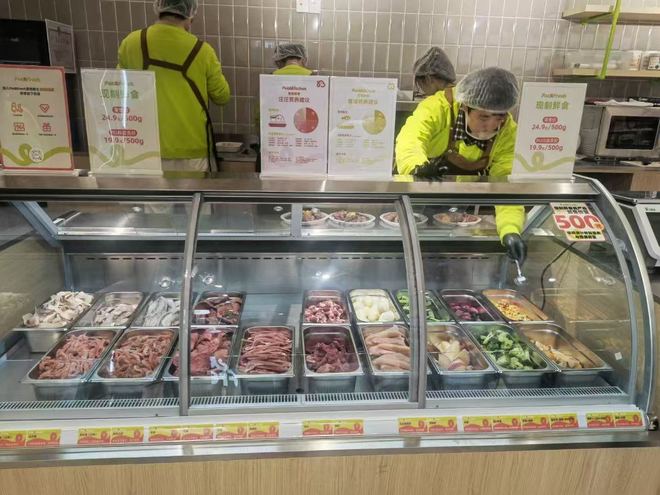
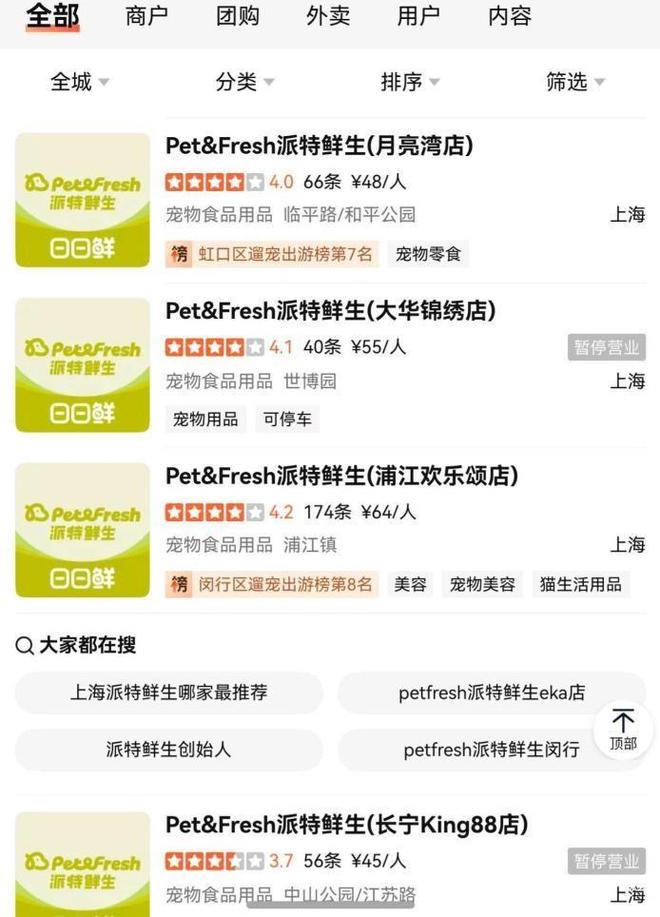
盒马创始人侯毅创办的派特鲜生大批关店,宠物鲜食生意难做?
Nan Fang Du Shi Bao· 2025-11-14 12:36
Core Insights - The founder of Hema, Hou Yi, is facing setbacks with his new pet fresh food brand "Pet Fresh," which is set to close all stores just nine months after opening its first location [1][3]. Group 1: Business Performance - "Pet Fresh" has opened 18 stores in Shanghai, with 7 currently suspended, indicating operational challenges [1]. - The brand's latest promotional activity was a "true 50% off" sale announced on November 7, suggesting attempts to boost sales [3]. Group 2: Strategic Direction - Hou Yi described the closure of stores as a "normal business adjustment" and is reportedly shifting focus to become a fresh food live-streaming host [3]. - The brand was launched after Hou Yi stepped down as CEO of Hema, marking his first entrepreneurial venture in the pet food sector [3]. Group 3: Market Positioning - "Pet Fresh" aimed to innovate in the pet food market by offering freshly made and refrigerated food, alongside traditional pet products [3][5]. - The brand had plans to expand significantly, with a goal of opening 100 stores in Shanghai by 2025 [5]. Group 4: Financial Aspects - In May, "Pet Fresh" secured $25 million (approximately 177 million RMB) in angel funding, setting a record for recent pet industry financing [5]. Group 5: Industry Challenges - Industry experts highlight that fresh pet food production requires stringent supply chain management and nutritional science, posing significant challenges for the brand [5].
宠物寄养假期爆满,宠物经济赛道“拥挤”暗藏隐忧
Qi Lu Wan Bao Wang· 2025-10-10 06:19
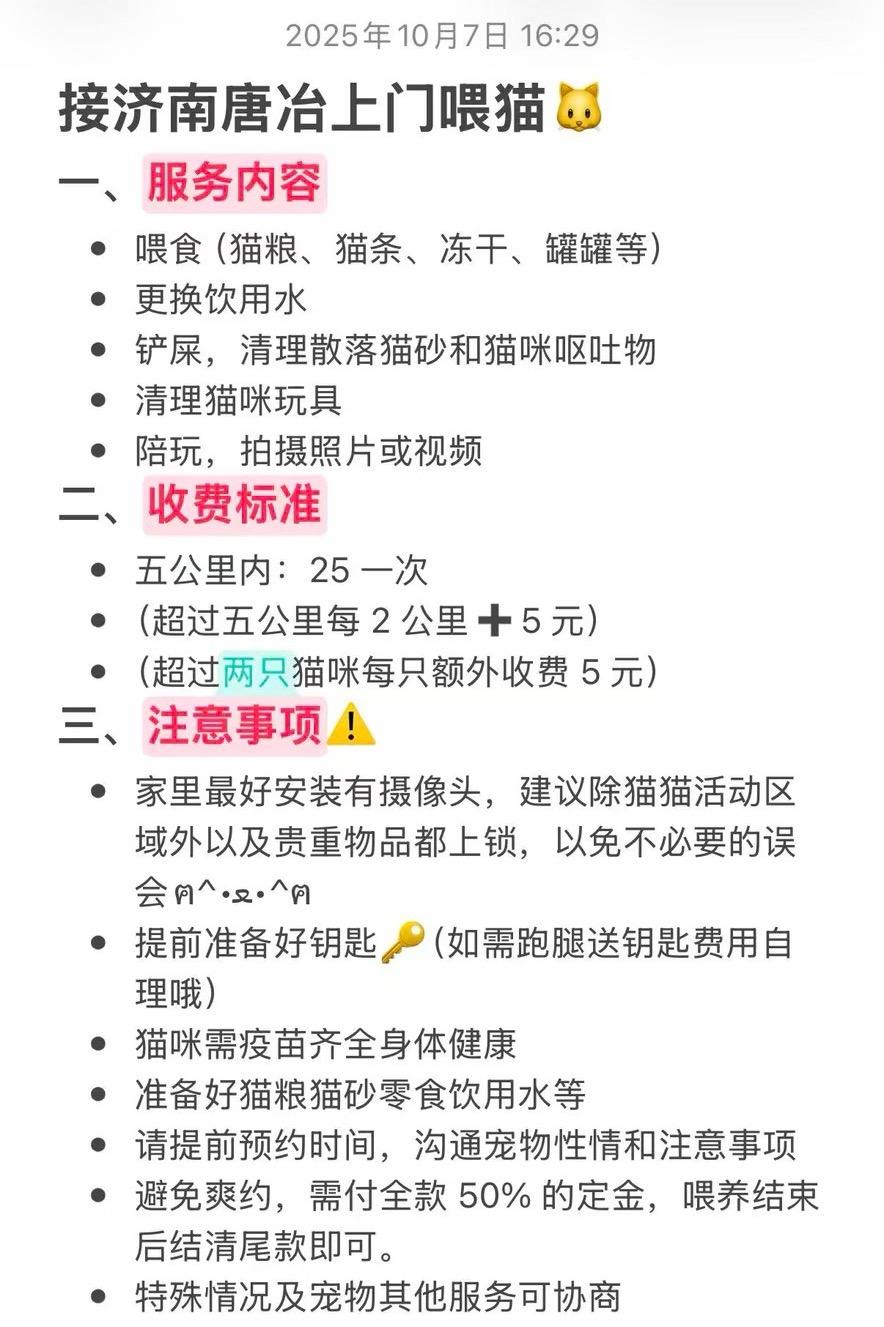
Core Insights - The pet economy is rapidly evolving, with pet ownership becoming a lifestyle choice, leading to diverse consumption patterns and a burgeoning market [10][12] Group 1: Pet Care Services - There is a high demand for pet-sitting services, particularly during holidays, with many pet owners opting for home visits or boarding facilities [2][6] - The market for pet-sitting in Jinan is characterized by a shortage of certified pet sitters, leading to reliance on non-platform channels, which often lack service quality assurance [5][6] - The pricing for pet boarding varies, with dog boarding costing between 40 to 80 yuan per day depending on size, and cat services being more limited due to their sensitive nature [7][8] Group 2: Market Trends and Consumer Behavior - The pet economy is witnessing a shift towards premium services, including pet hotels and specialized care, reflecting the increasing value placed on pet welfare [6][10] - Pet owners are increasingly seeking fresh food options for their pets, with a notable rise in the popularity of pet fresh food, which is made from natural ingredients [11][12] - The pet industry is projected to grow significantly, with the urban pet consumption market expected to exceed 300 billion yuan by 2024, indicating a robust growth trajectory [12] Group 3: Industry Challenges - The influx of non-professional entrants into the pet care industry is creating competitive pressure, leading to concerns about service quality and sustainability [8][9][13] - The lack of standardized services and the prevalence of unregulated providers pose risks to the overall health of the pet economy [12][13] - Industry professionals emphasize the need for enhanced service quality and professionalism to navigate the competitive landscape and ensure long-term viability [13]
2025亚洲宠物展上海开幕,2600余家展商企业再创规模新高
Xin Jing Bao· 2025-08-21 05:43
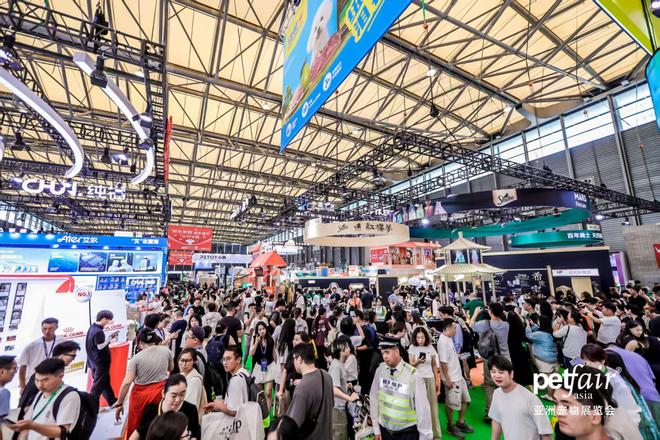
新京报贝壳财经讯(记者俞金旻)8月20日,第27届亚洲宠物展在上海新国际展览中心开幕。贝壳财经 记者从主办方了解到,本届亚宠展展览面积达31万平米,再创规模新高,全产业2600余家展商与企业携 2万余款参展品牌参加。 据悉,本届亚宠展聚焦前沿养宠趋势及理念,以多重亮点活动呈现场景化、沉浸式展陈空间与互动体 验。在亚洲宠物食品峰会上,嘉宾们围绕全球宠食趋势洞察、全生命周期喂养进阶、宠物鲜食新势力、 功能性营养升级、质造技术革新五大议题,汇聚行业专家,分享最新技术与实践经验,探讨行业痛点及 市场潜能。 据《2025年淘宝天猫宠物消费趋势洞察白皮书》显示:从人群看,养宠人群呈现两极分化的趋势,24岁 以下年轻人和50岁以上人群增速领跑;从地域看,三线及以下地区养宠人群增速最快;从购买力上看, 家庭养宠消费力提升与中高端价格带的高增速展现精细化的养宠趋势。随着养宠人群越来越多,宠物消 费也呈现精细化趋势。特别是"专宠专用"需求的兴起,宠物品种、年龄阶段、体型等细分需求差异,蕴 藏着很多品类机会。 比如进入中国市场30年的皇家,其中国区负责人徐娟透露,皇家现在全球有500多个配方,这500多个配 方基本上已经涵盖了猫猫 ...
亚洲宠物展规模再创新高 吸猫撸狗、携宠社交成为新生活方式 上海引领“它经济”进入爆发期
Jie Fang Ri Bao· 2025-08-20 01:56
Group 1: Industry Overview - The 27th Asia Pet Expo in Shanghai has set a new record with expected attendance exceeding 510,000, reflecting the booming pet economy in China [1] - The pet economy has grown into a trillion-yuan consumption sector, with the urban dog and cat consumption market projected to grow by 7.5% in 2024, reaching 300.2 billion yuan [1] - The domestic pet market is highly fragmented with many categories but few brands, indicating room for growth in refined operations [1] Group 2: Consumer Trends - Young pet owners, particularly those born in the 1990s (41.2%) and 2000s (25.6%), are becoming the main consumer force in the pet market, willing to invest in their pets as integral parts of their lives [1] - There is a rising demand for specialized pet products, including health care, diet, and supplies, leading to opportunities in new categories such as age-specific and breed-specific food, smart products, and health supplements [2] Group 3: Market Innovations - Shanghai is witnessing a surge in new pet-related businesses, including the first "dog gym" GOGOGYM, which offers a one-stop solution for pet health needs [2] - The pet food retail brand "Paitexiansheng" has rapidly expanded since its launch, innovating with fresh and refrigerated food options, and recently completed a $25 million angel round financing, marking a new high in the pet industry [3]
2025年新消费投融资半年报:从半年破百亿到不足30亿,谁还在投“新”消费?
3 6 Ke· 2025-07-07 08:22
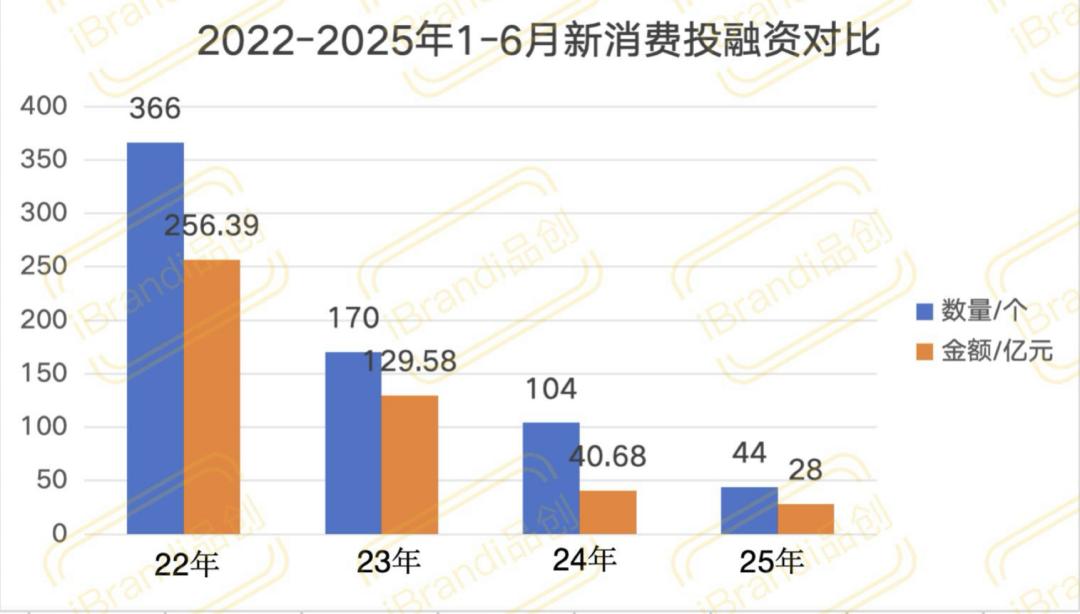
Core Insights - The investment logic in the consumer sector has fundamentally shifted from focusing on functional needs to addressing higher-level needs such as safety and self-actualization, with emotional value playing a crucial role [1][2][3] - The new consumption trend has seen a decline in the number of projects and disclosed financing amounts, indicating a cooling off in the market [2][4] - In 2025, the total disclosed financing for new consumption projects was approximately 2.8 billion RMB, a significant drop from previous years [4][6] Investment Trends - The focus has shifted towards long-term value, emphasizing brand repurchase rates, supply chain efficiency, and sustainable business models, moving away from "pseudo-innovation" reliant on capital infusion [1][2] - Projects that are likely to attract capital in 2024 and beyond will need to demonstrate technological innovation, sustainability, supply chain resilience, and adaptability to policies [1][2] Financing Overview - In the first half of 2025, 44 new consumption-related projects disclosed financing, totaling nearly 2.8 billion RMB, with a notable decrease in both project numbers and financing amounts compared to previous years [2][4] - The highest disclosed financing in this period was a 6.65 billion RMB acquisition by Qingdao Beer [6] Sector Analysis - The food and beverage sector remains dominant, with 16 projects disclosing financing of approximately 6.83 billion RMB, half of which are related to supply chain or innovative food [7] - The beverage sector saw limited financing activity, with only five projects disclosing funding, indicating a shift in investor interest [8] Emerging Trends - The pet economy is evolving, with a focus on enhancing the quality of life for pets rather than just meeting basic needs, as evidenced by significant investments in pet health and AI-enabled products [12][14] - The new tea beverage market is experiencing a wave of IPOs, indicating a transition from rapid expansion to a focus on supply chain efficiency and brand differentiation [16][17] Key Characteristics of Successful Brands - Successful new consumption brands in 2025 are characterized by technological innovation, sustainability, resilient supply chains, and a focus on emotional value [18][19] - The investment landscape emphasizes certainty in growth rather than short-term explosive potential, reflecting a deeper evolution in consumer demand [21][22]

萌宠“称霸”万亿赛道:资本狂飙,宠物经济全链开花
Huan Qiu Wang· 2025-06-12 04:29
Group 1 - The pet economy is experiencing significant growth, with the market size reaching 300.2 billion yuan in 2024, a year-on-year increase of 7.5% [1][3] - By 2028, the market size of China's pet economy is expected to reach 1.15 trillion yuan, indicating a strong upward trend [1][3] - The Wind pet economy index has shown a cumulative increase of 35.39% year-to-date as of June 11 [1] Group 2 - The pet economy's growth is driven by urbanization, digitalization, changing family structures, emotional needs, and technological advancements [1][3] - The industry is expanding from basic services like food and medical care to a comprehensive service ecosystem covering the entire lifecycle of pets [3][4] - The concept of "pet-friendly" spaces is becoming popular in major cities, enhancing customer traffic in pet-friendly cafes and other venues [3] Group 3 - New retail brands in the pet food sector, such as "Pet Fresh," are emerging, with significant funding rounds like a recent $25 million angel round [3] - Major brands, including Adidas, are entering the pet market, targeting younger consumers with pet apparel [3] - A-share listed companies are also investing in the pet sector, with companies like Three Squirrels establishing pet food subsidiaries [3][4] Group 4 - The pet food segment remains the foundation of the pet industry, with online channels dominating the market [4] - The integration of the pet economy with technology, cultural tourism, and biotechnology is driving innovation in the sector [4] - Companies with strong product development, brand building, and resource integration capabilities are likely to thrive amid industry changes [4]

小宠物撬动万亿元大市场 资本竞逐宠物经济全链条开花
Zheng Quan Ri Bao· 2025-06-11 17:15
Core Insights - The pet economy is experiencing rapid growth, with the market size expected to reach 300.2 billion yuan in 2024, reflecting a year-on-year increase of 7.5% [1] - The number of urban pets (dogs and cats) in China is projected to exceed 120 million by 2024, marking a 2.1% growth [1] - By 2028, the pet economy market size in China is anticipated to reach 1.15 trillion yuan [1] Industry Trends - The pet economy has expanded from basic food and supplies to a broader range of life services, creating a comprehensive service ecosystem covering the entire lifecycle of pets [2] - The concept of "pet-friendly" spaces is becoming increasingly popular, with pet-friendly parks, cafes, and shopping areas emerging in major cities like Beijing and Shanghai [3] - The rise of pet-friendly services is seen as a new growth point, particularly in tourism, with developments like high-speed rail pet transport services and dedicated pet terminals at airports [4] Competitive Landscape - Numerous brands are entering the pet-related market, leading to intense competition in areas such as pet food and apparel [5] - The pet food retail brand "Pet Fresh" opened its first store in Shanghai and raised $25 million in angel funding, setting a record for recent angel funding in the pet industry [5] - Companies like Adidas are launching pet apparel lines, recognizing the significant emotional value pets bring to consumers [5] Market Dynamics - The pet food segment holds a significant market share, with online sales channels accounting for over 80% of pet food sales [6] - The integration of the pet economy with technology, culture, and tourism is driving innovation, with trends like AI diagnostics and smart home devices enhancing pet health management [6] - The ongoing rise in living standards, demographic changes, and improved living environments are expected to support market expansion and foster new business models [6]