
lululemon athletica inc.

Search documents
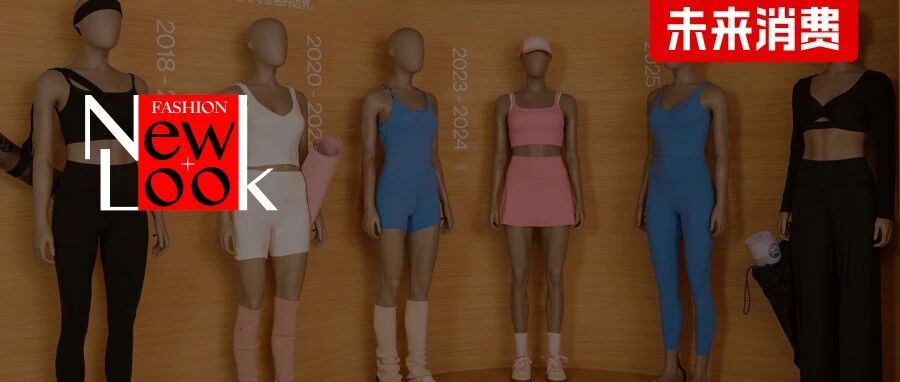
耗时18个月打磨10版面料,她设计的裤子撑起10亿美金|New Look 专访
36氪未来消费· 2025-11-21 10:43
Core Insights - The article discusses the success story of lululemon, particularly focusing on the design and impact of the Align leggings, which have significantly contributed to the company's growth from $1.8 billion to $10.6 billion in revenue over the past decade [9]. Group 1: Product Development and Innovation - Antonia Iamartino, the senior director of product innovation and development at lululemon, played a crucial role in the design of the Align leggings, which took 18 months and 10 iterations to develop [8]. - The Align leggings became a $1 billion product line, showcasing the importance of innovative materials and design in creating successful apparel [9]. - The design process faced challenges, including the development of a unique fabric and ensuring comfort for various body types, which required multiple adjustments [14][15][16]. Group 2: Market Adaptation and Consumer Engagement - The initial target market for Align was yoga practitioners, but its popularity expanded to a broader audience, exceeding expectations [17][18]. - lululemon continuously adapts its products based on consumer feedback, introducing variations in length and style to meet diverse needs [19][20]. - The company engages with consumers through various channels, including direct feedback from ambassadors and market research, to understand their preferences and improve product offerings [26]. Group 3: Global Market Insights - Antonia has observed a growing acceptance of healthy lifestyles in China, which influences lululemon's design and marketing strategies [27]. - The company has tailored its products for the Asian market, such as launching the Align Asian fit to better suit local body types [29]. - Future product development may consider launching items specifically for the Chinese market, based on local consumer insights [32].


Here's How Abercrombie Stock is Poised Ahead of Q3 Earnings
ZACKS· 2025-11-20 20:31
Core Insights - Abercrombie & Fitch Co. (ANF) is set to report its third-quarter fiscal 2025 results on November 25, before market opening [1] Revenue and Earnings Estimates - The Zacks Consensus Estimate for fiscal third-quarter revenues is $1.28 billion, reflecting a 5.6% increase from the same quarter last year [2] - The consensus estimate for earnings is $2.15 per share, indicating a decrease from $2.50 reported in the previous year [2] - The earnings consensus has decreased by 1.4% over the past 30 days [2] Recent Performance - In the last reported quarter, ANF's earnings exceeded the consensus estimate by 2.2%, with an average earnings surprise of 7.6% over the last four quarters [3] Factors Influencing Performance - The company's performance is expected to benefit from its Always Forward plan, brand strength, and store optimization efforts [4] - ANF is enhancing its brand portfolio and agile operating model, focusing on improved customer experience through technology investments [4] - The Hollister brand has shown continued momentum, with balanced growth across men's and women's segments and effective marketing strategies [5] Cost Pressures - Higher expenses due to inflation and increased investments are anticipated to impact the upcoming quarter [6] - The company now expects a net tariff impact of approximately $90 million for fiscal 2025, up from $50 million previously [6] - Adjusted operating expenses are projected to decrease by 16.3% year over year in the fiscal third quarter [6] Earnings Prediction Model - The current model indicates that ANF may not achieve an earnings beat this quarter, with an Earnings ESP of -2.79% and a Zacks Rank of 3 [7] Valuation Metrics - Abercrombie is trading at a forward 12-month price-to-earnings ratio of 7.09X, which is lower than the industry average of 16.63X [8] Stock Performance - ANF's shares have declined by 4% over the past six months, compared to a 5.3% drop in the industry [10]

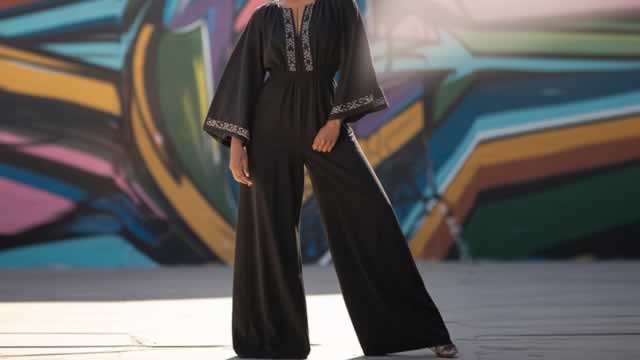
经济数据“真空期”,零售巨头财报上演“冰与火之歌”:沃尔玛稳、塔吉特跌、TJX火
智通财经网· 2025-11-20 13:40
Core Insights - The U.S. stock market is currently in a unique environment due to government shutdowns, leading to a "vacuum" in economic data, making corporate earnings reports crucial for assessing consumer health and the overall economy [1] - The Q3 earnings season has shown strong overall performance, with S&P 500 companies reporting over 13% year-on-year profit growth, yet consumer sentiment has declined significantly, indicating a disconnect between corporate performance and consumer confidence [1][2] - The retail sector is experiencing a "K-shaped" recovery, where high-end and discount retailers are thriving, while mid-tier retailers face challenges, reflecting a shift in consumer spending behavior [2][3] Retail Sector Performance - Walmart reported strong earnings and raised its profit outlook for FY2026, indicating resilience in essential consumer goods amidst economic uncertainty [5][6] - Target's Q3 results were mixed, with a decline in same-store sales and a lowered profit forecast, highlighting the struggles of middle-class consumers [6][7] - Discount retailer TJX showed robust growth, with a 7.5% increase in revenue, as consumers shift towards more affordable shopping options [9][10] Consumer Behavior Trends - High-end travel demand remains strong, as evidenced by Booking Holdings' performance, indicating that affluent consumers are less affected by economic pressures [3] - The decline in spending among middle-income consumers is concerning, as they contribute significantly to economic growth, with their marginal propensity to consume being much higher than that of wealthier groups [3][11] - The discount retail sector is seeing increased patronage from higher-income households, suggesting a broader trend of consumers prioritizing value [10][11] Economic Outlook - The overall consumer confidence index has dropped to a three-year low, reflecting economic pressures on households, yet the consumption engine has not stalled [12][13] - The upcoming holiday shopping season and employment market data will be critical in determining whether the current consumption trends can be sustained [13] - Companies in the essential consumer goods and discount retail sectors are positioned favorably, while those targeting middle-income consumers may face ongoing challenges [13]


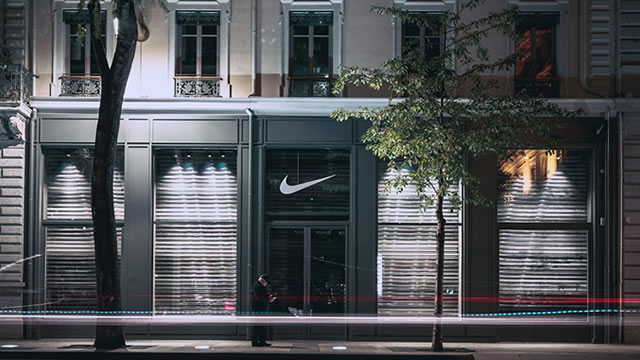
Margins Under Fire: Can NIKE's "Win Now" Actions Bring Long-Term Gains?
ZACKS· 2025-11-19 17:26
Core Insights - NIKE Inc.'s first-quarter fiscal 2026 results indicate the company is facing margin pressure while pursuing a transformation agenda focused on product innovation and team reorganization [1][10] Financial Performance - The running segment achieved over 20% growth, and wholesale in North America increased by 11%, reflecting renewed partner confidence [2] - Gross margin contracted by 320 basis points due to higher wholesale and factory-store discounts, elevated product costs, and new tariffs, which represent an annualized cost headwind of approximately $1.5 billion [2] - For the second quarter of fiscal 2026, NIKE expects gross margin to decline by 300-375 basis points, with a 175-basis point negative impact from new tariffs [3] Market Challenges - NIKE is experiencing structural challenges in Greater China, a decline in NIKE Digital, and a reset of aging classic footwear franchises [4] - Digital traffic is down by double digits as the company reduces promotions to improve the full-price mix, while China's promotional marketplace and lagging sell-through are affecting profitability [4] Management Outlook - Management remains optimistic about the reorganization into smaller, sport-specific teams, which is expected to reignite organic growth and improve product flow [5] - The company believes that these changes are essential for returning to double-digit margins over time, despite acknowledging that the near-term outlook may be challenging [5] Peer Comparison - lululemon's margins are under pressure due to higher tariffs and markdowns, but management's disciplined approach aims for long-term margin gains [6][7] - adidas has seen strengthening margins supported by cost management and improved product costs, indicating effective execution and positioning for durable margin gains [8] Stock Performance and Valuation - NIKE shares have declined by 17.4% year-to-date, slightly better than the industry's decline of 18.8% [9] - The company trades at a forward price-to-earnings ratio of 30.25X, compared to the industry average of 26.21X [12] - The Zacks Consensus Estimate for fiscal 2026 earnings indicates a year-over-year decline of 24.1%, while fiscal 2027 estimates suggest a growth of 54.8% [14]

Costco、山姆们的「会员制奥莱」,拿捏了中产
36氪· 2025-11-19 13:31
Core Insights - Membership-based warehouse retailers like Costco are gaining a competitive advantage in the apparel retail sector, with projected sales growth from $7 billion in 2019 to $9.7 billion by 2024, potentially surpassing brands like Lululemon and Puma [5][6] - The shift towards larger stores and online sales by traditional apparel brands has led to a reduction in physical retail locations, creating opportunities for large chain retailers [6][7] - The appeal of high-quality, low-priced branded products is attracting more consumers, especially in uncertain economic conditions [16][20] Sales Growth and Market Dynamics - Costco's apparel business has seen approximately 40% growth over the past five years, with double-digit growth reported in men's clothing sales [5][6] - BJ's and Sam's Club have also experienced growth in their apparel segments, with increases of about 28% and 21% respectively [5] - The overall sales growth of outlet malls in China reached 8.9% year-on-year, with foot traffic increasing by 12.5% [16][17] Consumer Behavior and Preferences - Consumers are increasingly turning to warehouse clubs for clothing purchases, finding better value compared to traditional retail stores [9][18] - Membership models enhance consumer loyalty and spending, as seen with Jiangnan Buyi, where over 80% of retail sales came from members [19][20] - The one-stop shopping experience offered by warehouse clubs reduces decision-making costs for consumers, making them more attractive [18] Product Strategy and Challenges - Costco and Sam's Club are introducing private label products that mimic popular brands, but this strategy carries risks of legal challenges related to trademark infringement [6][21][25] - The success of these membership stores hinges on maintaining product quality; any lapses could damage their reputation [22][26] - Legal issues have arisen for both Costco and Sam's Club regarding the authenticity of luxury brand products sold at discounted prices [22][25] Industry Outlook - The global fashion industry is expected to face challenges, with revenue growth projected to remain in the low single digits due to economic uncertainties [25][26] - The apparel retail sector is undergoing a phase of adjustment, with membership warehouse stores capitalizing on the trend towards value-oriented shopping [26]

“山野产业”不能野蛮生长
Xin Hua Wang· 2025-11-19 13:15
Core Insights - The rise of hiking enthusiasts is injecting new momentum into the cultural tourism market, creating a multi-layered consumption landscape that includes group services, outdoor gear, and social media engagement [1][3][4] Group 1: Hiking Trends and Group Services - The popularity of hiking has led to the emergence of group services, with outdoor clubs organizing activities through social media platforms, offering affordable day trips typically under 200 yuan [4] - A significant number of urban residents are participating in weekend hiking activities, with platforms like Xiaohongshu reporting over 1.06 million outdoor notes related to "weekend" in the first half of 2025, generating 70 million interactions [3][4] Group 2: Outdoor Equipment Market - The outdoor equipment market is experiencing robust growth, transitioning from a niche to a mainstream consumer category, with a projected online consumption of approximately 300 billion yuan in 2024 [5][6] - Major outdoor brands are gaining traction in the market, with companies like Toread and Mobi Garden going public, and the domestic brand BERSHKA reporting rapid revenue growth from 378 million yuan in 2022 to an expected 1.766 billion yuan in 2024 [6] Group 3: Safety Concerns and Industry Challenges - Despite the growth in hiking activities, safety concerns are rising, with hiking accidents accounting for 73% of 335 reported incidents in 2024, highlighting the need for better risk management and qualified leadership in group hikes [8][9] - The lack of regulatory oversight and entry barriers for outdoor group services poses significant risks, as many group leaders lack professional training and emergency response skills [8][9] Group 4: Infrastructure and Route Development - There is a notable deficiency in the planning and development of fitness trails and hiking routes in China, with nearly 1 million unofficial routes lacking safety guarantees [9] - Some regions, like Yunnan and Jiangxi, are beginning to explore hiking tourism resources, aiming to develop safe and compliant hiking routes while enhancing rural tourism infrastructure [9]

机制之争:双十一,FILA把耐克“赶下”王座丨小贺说
2 1 Shi Ji Jing Ji Bao Dao· 2025-11-18 12:36
Core Insights - The sports market is undergoing significant reshuffling, with FILA ranking first in the Tmall Double Eleven sales, marking Nike's first drop from the top position in recent years [1] - FILA's operational strategies and flexible mechanisms have contributed to its success, while Nike is facing challenges in maintaining its market position [4][6] Group 1: Market Performance - In the 2023 Double Eleven sales, FILA ranked first, followed by Adidas and Nike, which is a notable shift in market dynamics [1] - Nike's revenue in the Greater China region has been declining, with a reported drop of 10% to $1.512 billion (approximately 10.775 billion RMB) for the latest fiscal quarter ending August 31, 2025 [8] - Despite the decline, Nike remains the largest sports brand in China, with a market share of 16.2%, although it has decreased from 18.1% [8] Group 2: Company Strategies - FILA has implemented a "customer service integration" project to enhance its operational efficiency, allowing for a seamless customer experience from pre-purchase inquiries to post-sale support [2] - The new CEO of FILA, Jiang Yan, has introduced the "ONE FILA" strategy, focusing on resource consolidation and strategic investments in tennis and golf [4] - Nike is also recognizing the importance of localized operations, appointing Dong Wei as the new CEO for Greater China, indicating a shift towards empowering local leadership [5] Group 3: Competitive Landscape - The rise of domestic brands is evident, with local companies like Anta and Li Ning gaining market share, while overseas brands face declining premium pricing [9] - The overall market environment in China is challenging, with reports of losses in domestic sales for brands like Peak and Li Ning [10] - FILA's strategy of leveraging its parent company Anta's resources has allowed it to create a closed-loop system, enhancing its competitive edge [10]

高盛下调Lululemon目标价至180美元
Ge Long Hui· 2025-11-18 08:40
Group 1 - Goldman Sachs has lowered the target price for Lululemon Athletica from $200 to $180 while maintaining a "Neutral" rating [1]
2025年第45周:服装行业周度市场观察
艾瑞咨询· 2025-11-18 00:04
Group 1: Market Trends - The reasons for young consumers purchasing gold have shifted from value preservation and weddings to self-pleasure and personal expression, driven by emotional consumption and product innovation [3][4] - The luxury goods market in China is still in its early development stage, with recent stock price increases following LVMH's better-than-expected quarterly report, but a full recovery is still needed [5] - The rise of the "谷子经济" (Guziko economy) has led to a surge in demand for game-related merchandise, although it has not significantly boosted the core game consumption [6] Group 2: Industry Dynamics - The high-end down jacket market is thriving due to a nationwide temperature drop, with brands like North Face and Bosideng seeing significant sales growth [7] - Airports in China are increasingly transforming into luxury retail spaces to enhance non-aeronautical revenue, with a focus on high-end brands [8] - The sportswear industry is experiencing a wave of "instant retail" strategies, with major brands like Anta and Li Ning seeing substantial sales growth [9] Group 3: Company Developments - SEASE, a luxury sportswear brand, combines high-quality materials with outdoor functionality, targeting affluent male consumers [10][11] - Kering Group reported a 5% decline in revenue for Q3 2025, with Gucci's revenue down 14%, although there are signs of recovery in North America and Western Europe [12] - Balabala leads the children's clothing market in Asia by focusing on emotional connections between parents and children, aiming to become a global lifestyle brand [13] Group 4: Competitive Landscape - Lao Feng Xiang is entering the luxury market to compete with Lao Pu Gold, facing challenges in brand positioning and high-end transformation [14][15] - Lululemon is struggling in North America, facing a significant drop in stock price and competition from emerging brands [16] - LVMH's Q3 report shows a 1% increase in global revenue, with a notable recovery in the Chinese market, highlighting the importance of innovation and retail transformation [17] Group 5: Future Outlook - The luxury goods industry requires a balance between creativity and commercial viability to achieve significant growth, as emphasized by the chairman of KKR Italy [18] - Lao Pu Gold has seen a substantial increase in revenue but faces challenges in maintaining quality and brand integrity [19]

Do Wall Street Analysts Like lululemon athletica Stock?
Yahoo Finance· 2025-11-17 12:25
Company Overview - Lululemon Athletica Inc. is headquartered in Vancouver, Canada, and specializes in designing, distributing, and retailing athletic apparel, footwear, and accessories for both women and men under the lululemon brand, with a market cap of $20.2 billion [1] Stock Performance - Lululemon's shares have significantly underperformed the broader market, declining 48.3% over the past year, while the S&P 500 Index has increased by nearly 13.2% [2] - In 2025, Lululemon stock is down 55.4%, contrasting with the S&P 500's 14.5% rise on a year-to-date basis [2] Competitive Analysis - Compared to the VanEck Retail ETF, which has gained about 10.7% over the past year, Lululemon's underperformance is evident, with the ETF's 11.5% returns on a year-to-date basis further highlighting Lululemon's losses [3] Challenges Faced - The company's underperformance is attributed to slowing growth in North America, compressed profit margins due to higher tariff rates, and increased competition in the athleisure market [4] - Lululemon's product pipeline has not resonated well with customers, leading to decreased enthusiasm and spending, which, along with rising costs, has forced the company to lower its revenue and earnings outlook [4] Financial Results - On September 4, Lululemon reported Q2 results, with an EPS of $3.10, exceeding Wall Street expectations of $2.84, and revenue of $2.5 billion, meeting forecasts [5] - For the current fiscal year ending in December, analysts expect Lululemon's EPS to decline by 11.8% to $12.91 on a diluted basis [6] Analyst Consensus - Among the 30 analysts covering Lululemon stock, the consensus rating is a "Hold," consisting of three "Strong Buy" ratings, 24 "Holds," two "Moderate Sells," and one "Strong Sell" [6] - The current analyst configuration is less bullish than a month ago, with four analysts suggesting a "Strong Buy" and three advising a "Strong Sell" [7]