
软银集团

Search documents
Intel (INTC) Rallied Following the Partnership Announcement with NVIDIA
Yahoo Finance· 2026-01-07 14:11
Core Insights - Impax US Sustainable Economy Fund underperformed the Russell 1000 in Q3 2025, returning 7.33% compared to the index's 7.99% due to a focus on lower-risk, high-quality factors [1] - The fund's top holdings include Intel Corporation, which has shown significant growth over the past year [2] Group 1: Fund Performance - The portfolio lagged behind the Russell 1000 as US equity markets favored high-risk, high-momentum stocks [1] - The fund's Institutional Class returned 7.33% in Q3 2025, while the Russell 1000 returned 7.99% [1] Group 2: Intel Corporation Analysis - Intel Corporation's stock experienced a one-month return of -1.81% but gained 101.41% over the last 52 weeks, closing at $40.04 per share with a market cap of $190.99 billion [2] - The company announced a partnership with Nvidia to integrate its CPUs with Nvidia's GPUs for AI server systems, which was positively received by investors [3] - Intel reported $13.7 billion in revenue for Q3 2025, marking a 6% sequential increase [4]

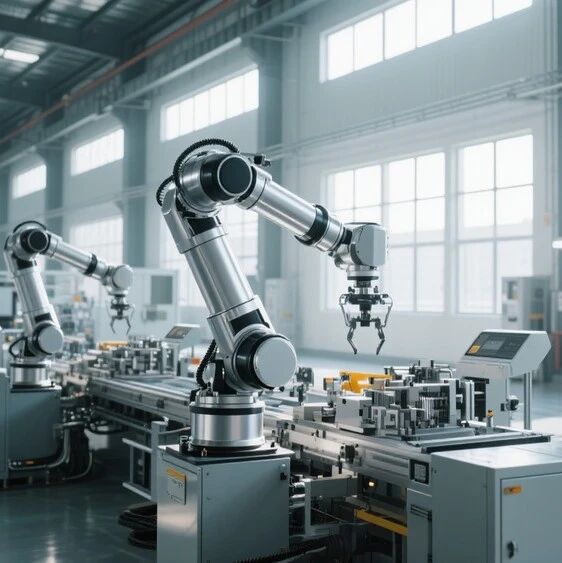
黄仁勋的“物理AI”,对中国制造来说真不是好消息
虎嗅APP· 2026-01-07 13:23
Core Viewpoint - The article emphasizes the urgency of the threat posed by the advancement of Physical AI, as represented by NVIDIA, which is pushing AI into real-world manufacturing, potentially reviving the U.S. manufacturing sector and diluting China's engineering and skilled labor advantages [7][20]. Group 1: NVIDIA's Strategy and Physical AI - NVIDIA's CEO Jensen Huang's keynote at CES focused on reducing the development costs of Physical AI, which is essential for AI factories [10][20]. - Physical AI enables autonomous systems to perceive, understand, reason, and perform complex actions in the physical world, contrasting with generative AI that primarily processes language [13][14]. - The training costs for Physical AI are significantly higher than for generative AI due to the complexity of understanding real-world physics [15][16]. Group 2: Technological Advancements and Implications - The introduction of the Vera Rubin platform by NVIDIA significantly enhances inference performance, reducing costs to one-tenth of the previous generation, which will decrease the demand for GPUs in AI enterprises [19][20]. - The Cosmos model allows for pre-trained multimodal models that facilitate the development of Physical AI, enabling virtual training for robots without the need for real-world trials [19][20]. Group 3: Competitive Landscape and Market Dynamics - NVIDIA's shift from a GPU supplier to a competitor in the autonomous driving market poses a significant threat to existing players, particularly in China's emerging electric vehicle sector [22][24]. - The collaboration between NVIDIA and companies like Mercedes for smart driving cars indicates a strategic move to integrate AI systems into manufacturing, potentially disrupting the industry [22][25]. Group 4: Future Directions and Recommendations - The article suggests that China must enhance its AI infrastructure investment to match the U.S. dominance in computational power and data centers, which currently sees the U.S. holding over 70% of global computing power [32][33]. - The need for a unified approach within China's AI industry is highlighted, emphasizing the importance of collaboration to develop competitive alternatives to NVIDIA's Physical AI [31][32].


黄仁勋的“物理AI”,对中国制造来说真不是好消息
Xin Lang Cai Jing· 2026-01-07 10:53
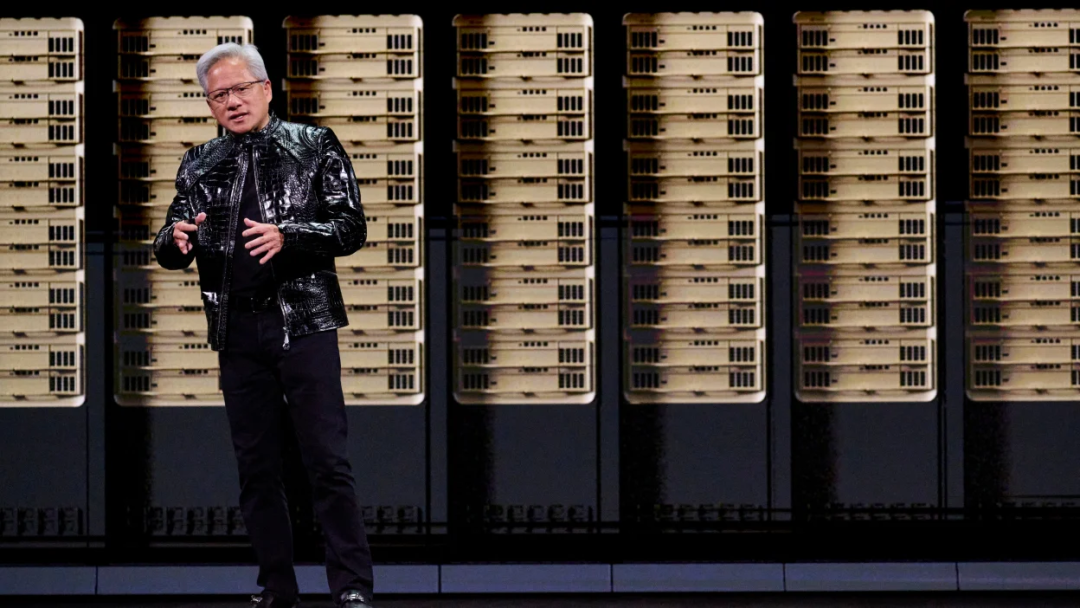
Core Insights - The core message of Jensen Huang's speech at CES is focused on reducing the development costs of Physical AI, which is essential for AI factories [4][32] - The U.S. is strategically pushing AI into real-world production, aiming to revive its manufacturing sector, which poses a significant threat to other countries, particularly China [3][31] Group 1: Physical AI and Its Implications - Physical AI enables autonomous systems like cameras, robots, and self-driving cars to perceive, understand, reason, and perform complex actions in the physical world [4][32] - Training Physical AI is more costly than training generative AI due to the deeper level of reasoning required [9][38] - The introduction of the Vera Rubin platform significantly enhances inference performance, potentially reducing costs to one-tenth of the previous Blackwell platform, thus decreasing the demand for GPUs [9][38] Group 2: Competitive Landscape and Market Dynamics - NVIDIA is transitioning from being a GPU supplier to a competitor in the autonomous driving market, exemplified by its collaboration with Mercedes-Benz on a new smart driving car set to launch in Q1 2026 [13][42] - The rise of Physical AI could lead to a significant dilution of China's engineering and skilled labor advantages, as U.S. manufacturing could be revitalized [12][41] - The collaboration between SoftBank and companies like ABB indicates a broader trend of integrating AI with robotics to innovate in manufacturing [15][44] Group 3: Strategic Recommendations for China - To counter the advancements in Physical AI by companies like NVIDIA, China must enhance its AI infrastructure investment, as the current distribution of computing power is heavily skewed in favor of the U.S. [21][50] - The need for a unified approach within the Chinese AI industry is critical to develop competitive alternatives to NVIDIA's offerings [19][49] - China's extensive experience in practical applications of AI could serve as an advantage, despite the current technological disparities [53][54]
行业研究|行业周报|通信设备Ⅲ:通信行业周观点:软银兑现OpenAI投资,Meta加码AI Agent-20260107
Changjiang Securities· 2026-01-07 10:46
Investment Rating - The report maintains a "Positive" investment rating for the communication industry [10]. Core Insights - In the 53rd week of 2025, the communication sector experienced a decline of 1.26%, ranking 24th among primary industries in the Yangtze River region. However, since the beginning of 2025, the sector has risen by 84.79%, ranking 1st among primary industries [2][5]. - SoftBank Group has made an additional investment of $22.5 billion in OpenAI, fulfilling its $40 billion investment commitment, increasing its stake to approximately 11%, making it the second-largest shareholder. This funding will primarily support the expansion of OpenAI's large model training and inference capabilities [6][8]. - Meta Platforms has announced the acquisition of AI Agent startup Manus for over $2 billion, marking its third-largest acquisition in history. Manus has processed over 147 trillion tokens and created more than 80 million virtual computer instances, with a revenue run rate exceeding $125 million as of mid-December 2025 [7][8]. Summary by Sections Market Performance - The communication sector's performance in the 53rd week of 2025 showed a decline of 1.26%, while it has increased by 84.79% since the start of the year, leading the primary industries [2][5]. Company Developments - SoftBank's total investment in OpenAI has reached $41 billion, with a focus on enhancing AI capabilities and infrastructure [6]. - Meta's acquisition of Manus is aimed at leveraging AI technology to enhance user engagement across its platforms [7]. Investment Recommendations - The report recommends several companies within the communication sector, including: - Telecom Operators: China Mobile, China Telecom, China Unicom - Optical Modules: Zhongji Xuchuang, Xinyi Sheng, Tianfu Communication - Liquid Cooling: Invec - AI Applications: Boshi Jie, Heertai, Tuobang Co., Yiyuan Communication - Satellite Applications: Huace Navigation, Haige Communication [8].


裁员、卖股、押注“2nm”,挽救58岁英特尔,陈立武还有子弹吗?
虎嗅APP· 2026-01-07 10:11
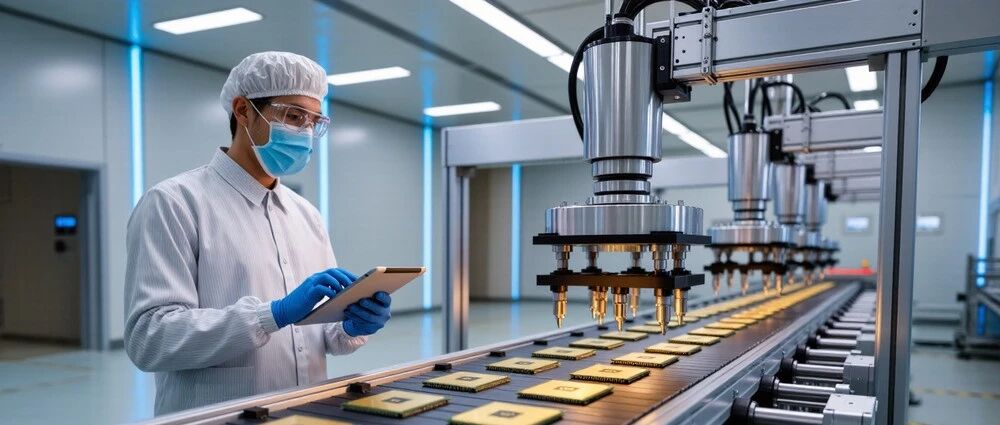
Core Viewpoint - Intel is undergoing significant restructuring under CEO Pat Gelsinger, focusing on cost-cutting, strategic partnerships, and technological advancements to regain competitiveness in the semiconductor industry, particularly in the AI sector [5][6][7]. Group 1: Cost-Cutting and Restructuring - Since taking office, CEO Pat Gelsinger has implemented aggressive cost-cutting measures, including laying off approximately 20,000 employees, which is over 200 per day, to streamline operations and improve efficiency [10][11]. - By the end of September 2025, Intel's workforce was reduced to 88,400 from 124,100 in December 2024, reflecting a significant downsizing effort [10]. - The company recorded over $1 billion in restructuring and severance costs in Q2 2025, with ongoing costs impacting financials [11]. - Intel's operational expenses decreased to $4.4 billion in Q3 2025, down from $5.4 billion in the same period the previous year, indicating improved financial discipline [13]. Group 2: Strategic Partnerships and Investments - Intel secured $8.9 billion in government investment, becoming a strategic asset for the U.S., which enhances its market position and access to resources [16][17]. - Notable investments include $5 billion from NVIDIA for collaboration on integrated GPU technology and $2 billion from SoftBank, which may leverage Intel's foundry services for AI infrastructure [18][19]. - As of Q3 2025, Intel's cash and short-term investments totaled $30.9 billion, providing substantial operational flexibility [19]. Group 3: Technological Advancements - Intel is focusing on the 18A process technology, which is critical for its future competitiveness, marking a significant step towards closing the gap with competitors like TSMC and Samsung [27][30]. - The 18A process is expected to support two key products: Panther Lake for consumer PCs and Clearwater Forest for data centers, both aimed at enhancing AI capabilities [35][38]. - Initial production yields for the 18A process are estimated between 55% and 65%, which is sufficient for internal use but not competitive for external orders, highlighting a critical challenge for Intel's foundry business [32][34]. Group 4: Ongoing Challenges - Despite restructuring and investment, Intel's foundry services continue to face significant losses, with Q3 2025 revenues of $4.2 billion but operating losses of $2.3 billion, indicating ongoing operational difficulties [20][23]. - The company has yet to secure major external clients for its foundry services, which is essential for achieving profitability by 2027 [23][24]. - The dual role of CEO Gelsinger as an investor raises potential conflicts of interest, complicating governance and strategic decision-making [40][41].
藏了44年的软银长公主将成软银接班人?
Sou Hu Cai Jing· 2026-01-07 08:51
Group 1 - The core point of the article revolves around the revelation of Masaya Kawana, the daughter of Masayoshi Son, joining the biotech unicorn Spiber, raising questions about her potential role as a successor in the SoftBank empire [1][12][16] - Masaya Kawana, previously known for her work at Goldman Sachs, has a strong academic background and has been active in the business sector, indicating her capability to lead in the tech industry [5][7][9] - Spiber, the company she joined, is valued at $1.2 billion and focuses on sustainable technology, aligning with Son's vision for future investments [11][12] Group 2 - The article highlights a broader trend in the investment world where second-generation heirs are stepping into leadership roles as their predecessors retire, indicating a shift in power dynamics within major financial empires [2][3] - Masayoshi Son, at 68, has expressed intentions to continue leading SoftBank for another decade, emphasizing the importance of finding a suitable successor amidst a transitional phase for the company [12][16] - The narrative also includes examples of other wealthy heirs, such as Alexander Soros and Abigail Johnson, who have successfully taken over their family businesses, showcasing the evolving landscape of wealth management and investment leadership [17][24][25]


关于2026年的四个猜想和三十八张图
虎嗅APP· 2026-01-07 00:56
Core Viewpoint - The article discusses the investment landscape in 2025, highlighting a year of significant growth across various asset classes, with exceptions in digital currencies, government bonds, and oil. The author reflects on the unpredictability of market movements and the challenges in making accurate predictions in such a dynamic environment [4][5]. Group 1: Economic and Market Trends - The Chinese government aims to reduce local government hidden debt from 14.3 trillion RMB to 7 trillion RMB by the end of 2025, indicating progress in debt management [6]. - China achieved a trade surplus of 1 trillion USD in 2025, a significant increase compared to previous years, where a quarterly surplus now matches the annual surplus of a decade ago [10]. - The prices of major commodities, excluding oil, have risen, alleviating the "no profit prosperity" situation for upstream and midstream manufacturing sectors [13]. Group 2: Geopolitical Influences - The external environment has shifted dramatically, with the U.S. under Trump's administration becoming more aggressive in foreign policy, impacting China's focus on external challenges [7][8]. - The article notes a divergence in industrial strategies between China and the U.S., particularly in sectors like semiconductors and AI, with China rapidly advancing in domestic production capabilities [15][16]. Group 3: AI and Employment Concerns - A significant prediction is made regarding a potential backlash against AI in the U.S., driven by concerns over job losses and the concentration of wealth among tech oligarchs [22][23]. - The article references a report by Bernie Sanders, highlighting the potential for AI to displace nearly 100 million jobs in the U.S. over the next decade, raising ethical and economic concerns about the future of work [24][25]. Group 4: Private Equity and Credit Markets - The private equity and private credit markets in the U.S. have grown significantly, with 72% of non-financial corporate loans now sourced from private markets, indicating a shift away from traditional public financing [46][54]. - The article warns of potential bubbles forming in private credit markets, where valuation practices may obscure true risks, similar to conditions leading up to the 2008 financial crisis [66][76]. Group 5: Chinese Household Savings and Stock Market Dynamics - Chinese households have accumulated 48.7 trillion RMB in excess savings from 2022 to 2024, driven by a decline in real estate investment and low returns on traditional savings [81][82]. - There is a growing possibility that these savings will flow into the stock market, particularly through insurance companies, as they seek better returns amid low interest rates [88][90]. Group 6: Foreign Investment and Perceptions of China - The article highlights a disconnect between Western investors and the current realities of the Chinese market, with many foreign entities lacking a nuanced understanding of China's economic landscape [109][110]. - It suggests that a shift in perception may occur in 2026, potentially driven by improved economic indicators or a favorable shift in the global investment climate [119][120].

Can ETF Winners of Q4 of 2025 Rally in Q1 of 2026?
ZACKS· 2026-01-06 17:01
Market Performance - Wall Street experienced modest gains in Q4 2025, with the S&P 500 up 1.9%, Dow Jones up 3.3%, and Nasdaq Composite up 2.1% [1] - The small-cap index Russell 2000 increased by 1.6% during the same period [1] Federal Reserve Actions - The Federal Reserve implemented three rate cuts in 2025, starting in September, with two occurring in Q4 [2] - The Fed's outlook for 2026 remains cautious, projecting only one rate cut next year, maintaining the Fed Funds rate at 3.4% [3] Economic Impact of Government Shutdown - The longest U.S. government shutdown began on October 1, 2025, and lasted until November 12, 2025, significantly halting economic progress in Q4 [4] AI Industry Developments - OpenAI formed multibillion-dollar partnerships with companies like Oracle, NVIDIA, AMD, and Broadcom in 2025 [5] - SoftBank sold 32.1 million shares of NVIDIA and reduced its stake in T-Mobile, raising $9.17 billion to fund a $22.5 billion investment in OpenAI [6] AI Market Concerns - OpenAI's CEO indicated that the AI market may be in a bubble, raising investor caution due to concerns about circular financing and investment payoffs [7] Cryptocurrency Trends - Bitcoin prices fell approximately 6% in 2025, starting at about $93K, peaking at $126K in October, and declining towards year-end [8] ETF Performance - Silver ETFs saw significant gains, with abrdn Physical Silver Shares ETF up 52.1% and iShares Silver Trust up 52.0%, driven by supply constraints and industrial demand [11] - Biotech ETFs also performed well, with Virtus LifeSci Biotech Clinical Trials ETF up 43.7% and ALPS Medical Breakthroughs ETF up 31.8%, supported by favorable regulatory developments and funding conditions [13] - Lithium ETFs experienced growth, with Sprott Lithium Miners ETF up 33.4% and iShares Lithium Miners and Producers ETF up 31.4%, driven by rising demand for electric vehicles and energy storage [15]
黄仁勋在2026CES上的发言,创新和增量在哪里?|0106
Hu Xiu· 2026-01-06 16:24
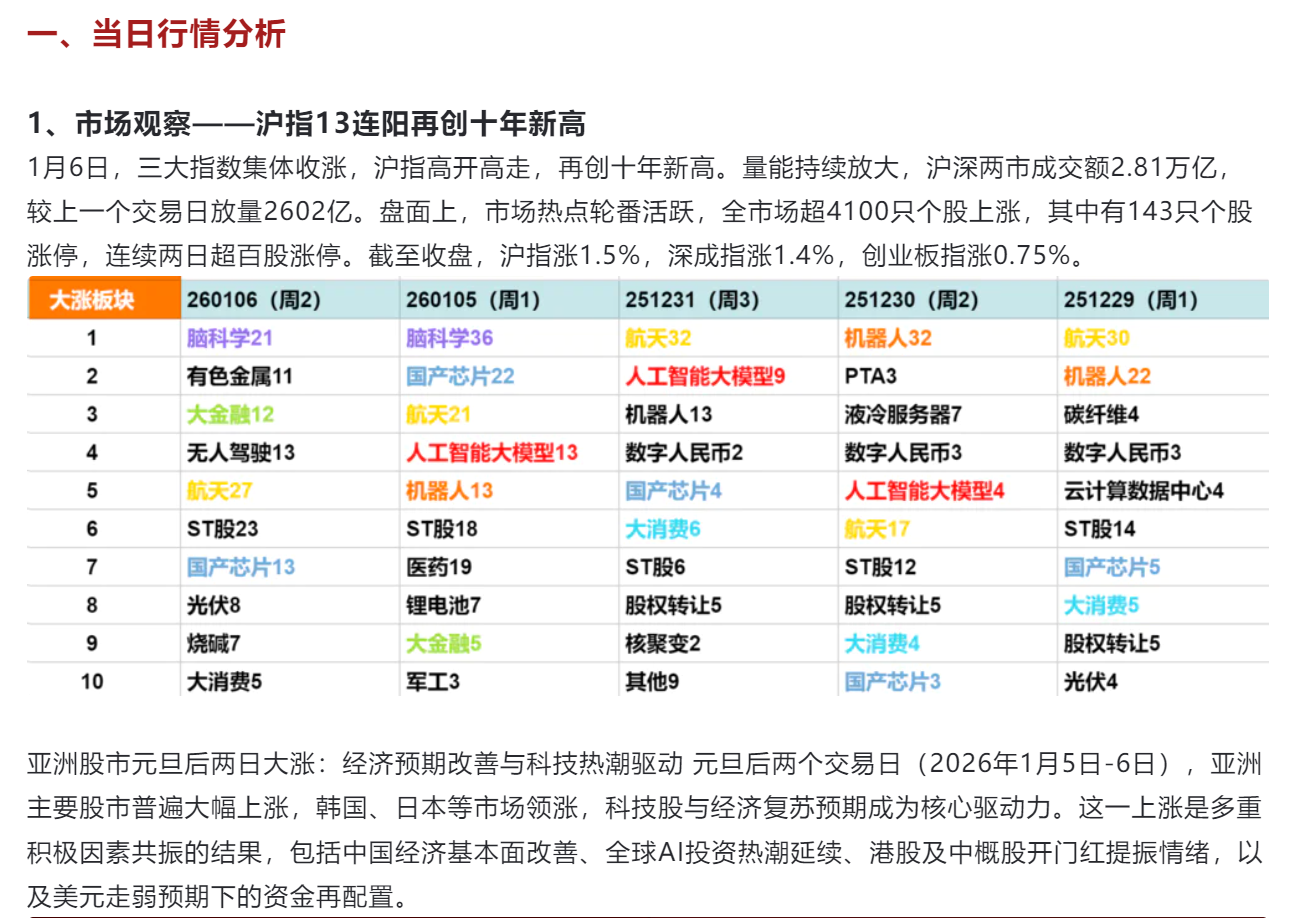
Market Overview - The Shanghai Composite Index achieved a 13-day consecutive rise, reaching a ten-year high on January 6, with a closing increase of 1.5% [1] - The total trading volume in the Shanghai and Shenzhen markets was 260.2 billion, indicating a significant increase in market activity [1] - Over 4,100 stocks in the market rose, with more than 100 stocks hitting the daily limit for two consecutive days [1] Sector Performance - Major sectors that saw significant gains included brain science, non-ferrous metals, and large financial institutions, with respective increases of 21, 11, and 12 stocks [2] - The technology sector, particularly AI and robotics, continued to drive market enthusiasm, with notable performances from companies like Samsung Electronics and TSMC [4][5] Global Market Trends - Asian stock markets experienced substantial gains post-New Year, driven by improved economic expectations and a surge in technology stocks [2] - The KOSPI index in South Korea rose by 5.65%, while Japan's Nikkei 225 increased by 4.33%, reflecting a broader regional trend of recovery [5] Investment Shifts - A significant amount of fixed-term deposits, approximately 32 trillion yuan, is set to mature in 2026, leading to a "deposit migration" phenomenon as investors seek higher returns [6] - Insurance products, particularly dividend insurance, are becoming attractive alternatives for low-risk investors, contributing to a surge in the insurance sector's stock prices [6] Policy Developments - A new policy encouraging large state-owned insurance companies to increase their investments in A-shares is expected to inject thousands of billions into the stock market annually [7] - This policy aims to channel a portion of new insurance premiums into the stock market, providing a crucial source of incremental capital [7] Technological Innovations - At CES 2026, advancements in AI and robotics were highlighted, including the introduction of a household humanoid robot named Neo, which signifies a new era in home automation [8] - The launch of a mass-producible all-solid-state battery by Donut Lab was announced, showcasing significant improvements in energy density and charging speed compared to traditional lithium-ion batteries [10] AI Developments - NVIDIA's CEO Huang Renxun announced breakthroughs in AI technology, emphasizing the transition from digital intelligence to physical AI, supported by new hardware architectures and memory storage solutions [11][12] - The introduction of the Rubin GPU, which significantly enhances processing capabilities and reduces inference costs, marks a pivotal advancement in AI computing [13][20] Industry Applications - The emergence of GPU-native databases is transforming data processing in AI applications, allowing for more efficient handling of high-concurrency requests [26][28] - Companies like Demingli are focusing on full-stack self-research capabilities, enhancing their competitive edge in the storage market through proprietary technology [30][33] Aerospace and Navigation - The company Hezhong Shizhuang is actively participating in the commercial aerospace sector, leveraging its high-precision positioning technology for rocket recovery and satellite applications [34][36] - Their self-developed chips and systems are crucial for providing real-time precise positioning in complex environments, enhancing the reliability of aerospace operations [36]
【环球财经】东京股市继续上扬 两大股指均创历史新高
Xin Hua Cai Jing· 2026-01-06 07:40
Group 1 - The core viewpoint of the article highlights that the Tokyo stock market indices continued to rise, with both the Nikkei 225 and the Tokyo Stock Exchange Price Index reaching historical highs on January 6 [1][2] - The Nikkei index increased by 685.28 points, closing at 52,518.08 points, while the Tokyo Stock Exchange index rose by 60.92 points, closing at 3,538.44 points [2] - The rise in the stock market was influenced by the positive performance of the three major U.S. stock indices the previous night, encouraging overseas investors to take on more risk and buy into the market [1][2] Group 2 - Semiconductor-related stocks such as Advantest, Tokyo Electron, and SoftBank Group, as well as automotive stocks like Toyota and Nissan, experienced widespread gains [1] - Oil-related stocks continued to follow the upward trend seen in the New York market [1] - Among the 33 industry sectors on the Tokyo Stock Exchange, most sectors saw increases, with notable gains in oil and coal products, securities and commodity futures trading, and real estate sectors, while pharmaceuticals and electric and gas industries faced declines [2]