
富士胶片

Search documents
深度 | 内窥镜医疗器械行业分析报告
Sou Hu Cai Jing· 2025-07-19 13:59
Market Overview - The global endoscope market is experiencing steady growth, with projections indicating a market size exceeding $25.37 billion by 2024 and a compound annual growth rate (CAGR) of 5.3% until 2037, potentially reaching over $49.65 billion [1] - Different research firms provide varying estimates, with Global Market Insights forecasting a market value of $29 billion in 2024, growing to $56.9 billion by 2034, reflecting a CAGR of 6.9% [1] - The market is also expected to reach a sales scale of 283 billion yuan in 2024, with a forecasted growth to 387.64 billion yuan by 2030, indicating a CAGR of 7.4% [1] Market Segmentation - The flexible and rigid endoscope segments show strong growth potential, with the flexible endoscope market projected to grow from $8.98 billion in 2023 to $16.73 billion by 2033, at a CAGR of 6.42% [2] - The rigid endoscope market is expected to grow from $7.4 billion in 2023 to $14.7 billion by 2033, with a CAGR of 7.1% [2] - The single-use endoscope market is anticipated to grow rapidly, with a projected value of $4.57 billion in 2024, increasing to $5.43 billion in 2025, and reaching $21.86 billion by 2033, reflecting a CAGR of 19.01% [2] Key Market Drivers and Challenges - The rise in chronic diseases, particularly gastrointestinal diseases and cancers, is a significant driver for the endoscope market, with the WHO reporting 2.05 million deaths from cardiovascular diseases in 2021 [3] - Technological advancements in endoscope imaging, such as 4K and 8K imaging, narrow-band imaging, and AI integration, enhance diagnostic accuracy and treatment effectiveness [3] - The increasing prevalence of minimally invasive surgery (MIS) is also a key factor, as endoscopes are essential tools in these procedures [3] - Challenges include patient risks associated with endoscopic procedures, a shortage of trained professionals, and high costs of equipment, particularly in developing regions [4] Regional Market Analysis - North America leads the global endoscope market, valued at $19.2 billion in 2022, and is expected to account for about 40% of global revenue by 2037 [5] - The Asia-Pacific region is recognized as the fastest-growing market, driven by a large population, increasing economic strength, and rising healthcare awareness [6] - Europe holds a significant market share of approximately 28%, with strong markets in Germany and France due to advanced healthcare systems [7] Competitive Landscape - The endoscope market is highly concentrated, dominated by major multinational companies such as Olympus, Fujifilm, Karl Storz, and Stryker, which excel in technology development and product innovation [8] - Olympus leads the flexible endoscope market with a global market share of about 60% in 2024, while Karl Storz is a key player in the rigid endoscope segment [10][11] - The market is characterized by intense competition, with companies focusing on technological innovation, product performance, and pricing strategies [14] Technological Advancements - Recent advancements in imaging technology, including 4K and 3D imaging, are crucial for enhancing diagnostic capabilities [15] - The introduction of single-use endoscopes addresses issues of cross-infection and maintenance costs, with a significant increase in market presence since 2020 [17] - Capsule endoscopy technology allows for non-invasive examination of hard-to-reach areas, providing significant diagnostic advantages [20] Clinical Applications - Endoscopes are widely used across various medical fields, including gastroenterology, pulmonology, urology, gynecology, and general surgery, demonstrating their critical role in modern medicine [21] - The technology offers minimally invasive options, reducing recovery times and improving patient outcomes [22] - The penetration rate of endoscopic technology varies globally, with developed countries showing higher usage rates compared to developing regions [24][25] Future Outlook - The global endoscope market is expected to maintain robust growth, driven by aging populations, chronic disease burdens, and ongoing technological innovations [29] - The single-use endoscope market is projected to see explosive growth, particularly in infection control-sensitive areas [29] - AI integration in endoscopy is anticipated to enhance diagnostic accuracy and operational efficiency [30]

不含PFAS,富士成功研发新型光刻胶
势银芯链· 2025-07-17 05:44
Core Viewpoint - Fujifilm has successfully developed a new type of photoresist specifically for semiconductor manufacturing that does not contain controversial harmful substances, namely per- and polyfluoroalkyl substances (PFAS) [2] Group 1: Product Development - The newly developed fluorinated argon (ArF) immersion photoresist is suitable for negative ArF immersion lithography technology and can form metal wiring at the 28-nanometer level with high yield, targeting automotive and industrial semiconductor applications [2] - Fujifilm plans to accelerate the commercialization process based on customer evaluations [2] Group 2: Financial Performance - In the first quarter of 2025, Fujifilm's semiconductor materials sales reached 63.2 billion yen, representing a year-on-year growth of 3.2% compared to 2023 [3] Group 3: Market Overview - The global photoresist market is primarily dominated by manufacturers such as JSR, Tokyo Ohka, DuPont, Shin-Etsu Chemical, Sumitomo, and Fujifilm, with a higher market concentration in the high-end KrF and ArF sectors [6] - The semiconductor photoresist market in mainland China is projected to reach 4.985 billion yuan by 2025, driven by advancements in lithography process resolution [10]
突然爆火!价格狂飙4000%!
新华网财经· 2025-07-12 06:10
Core Viewpoint - The rise in popularity of "tear-off film" has led to a significant increase in prices, with original prices of 70 yuan per box soaring to 1600-3000 yuan, driven by scarcity and demand from various consumer groups [1][4]. Group 1: Product Overview - "Tear-off film" is an instant film similar to Polaroid, used for immediate imaging, which requires a developing time before the image appears [2]. - The original manufacturer, Polaroid, declared bankruptcy in 2001, leading to the discontinuation of tear-off film production by major companies like Fuji in 2008 and 2016 [4]. Group 2: Price Trends - The price of tear-off film has dramatically increased from 70 yuan to 3000 yuan per box, representing a maximum increase of 40 times from its original price [4]. - In international markets, prices for tear-off film can reach as high as 519 USD per box, equivalent to approximately 3726 yuan [6]. Group 3: Consumer Demographics - The consumer base for tear-off film is divided into three main groups: hardcore photography enthusiasts who appreciate vintage aesthetics, social media users who value the film as a unique collectible, and speculators who aim to profit from price increases [8][9]. - Some collectors are selling expired film at high prices, which may lead to quality issues in imaging [9]. Group 4: Market Dynamics - There are two consumption models in the market: one where consumers pay regardless of whether an image is produced, and another where businesses guarantee an image but not its quality [9]. - The market for tear-off film is characterized by a speculative nature, with some merchants promoting it as a "limited edition" collectible [9].

量子产业化,日本下血本了
Hu Xiu· 2025-07-08 01:29
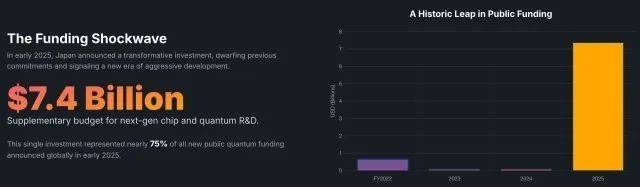
Group 1 - Japan's government has committed $7.4 billion (approximately 1.05 trillion yen) to quantum technology this year, which is more than three times the total investment over the past five years [1][2] - This investment represents a strategic shift driven by deep-seated concerns about historical failures in technology leadership, particularly in the semiconductor industry [3][4] - The Japanese government aims to transition from basic research to industrialization, with a clear goal of making quantum technology a pillar of future economic prosperity and national security [5][10] Group 2 - The investment is seen as a "preventive and high-risk" intervention to avoid being left behind in the global competition for technology leadership [7][9] - The government hopes to stimulate systemic change, encouraging research institutions, large enterprises, and potential startups to engage in the quantum race [8][9] - Japan's approach is characterized by a "collaborative giant ship" model, where the government leads and industrial giants collaborate, forming a powerful alliance [12][14] Group 3 - Major Japanese corporations like Toyota, NEC, and Fujitsu are expected to benefit significantly from government contracts and participation in core research projects [43][44] - The focus on building a self-sufficient supply chain for quantum technology components is a key aspect of Japan's strategy, aiming to avoid reliance on foreign suppliers [20][23] - The mixed quantum-classical computing strategy is seen as a pragmatic approach to leverage existing capabilities while aiming for quick results in various applications [17][18][19] Group 4 - Japan's commitment to quantum technology is likely to provoke responses from other major players, including the U.S. and China, potentially escalating a new round of "quantum arms race" [39][40][42] - The success of Japan's strategy will depend on overcoming challenges such as fostering a vibrant startup ecosystem and effectively translating research into marketable products [25][29][31] - Attracting and retaining top talent in the competitive global landscape is crucial for Japan to realize its quantum ambitions [32][34][38]


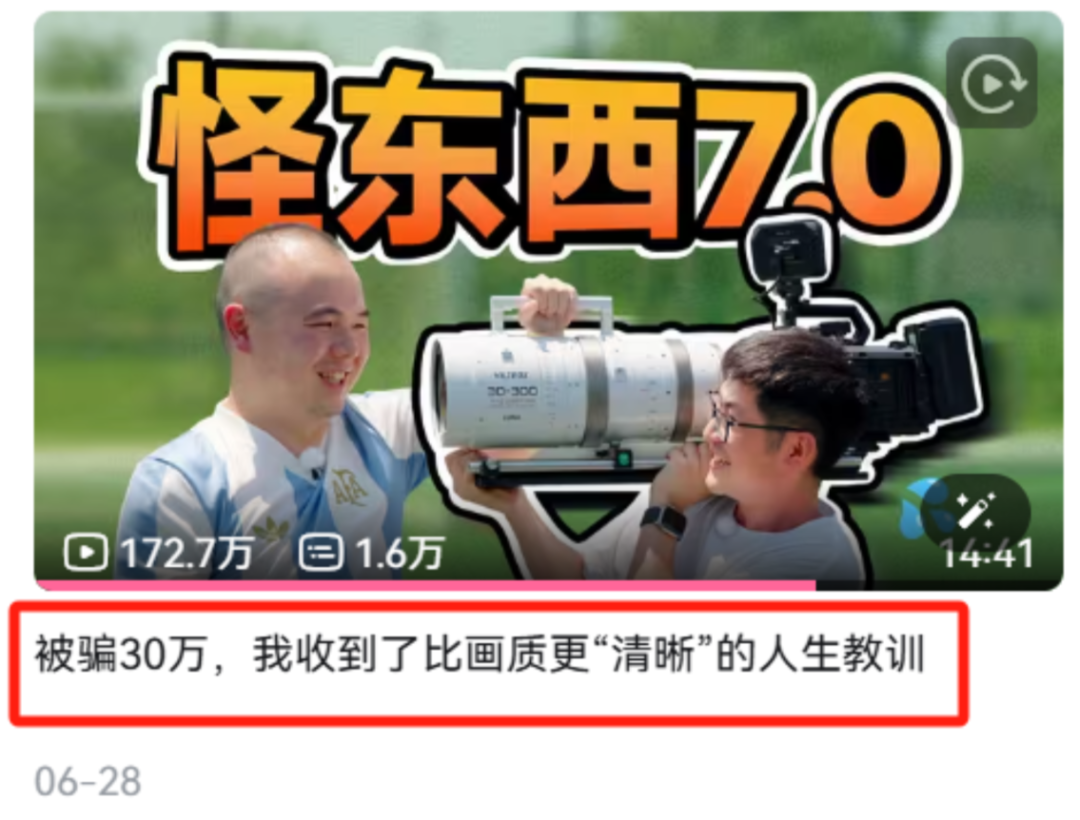
二次元大师“真迹”,骗了B站百大UP主30万
Hu Xiu· 2025-07-05 01:46
Core Insights - The article discusses the prevalence of counterfeit signed artworks, particularly in the anime and manga community, highlighting a recent incident involving a significant financial loss due to purchasing fake items [5][6][8]. Group 1: Counterfeit Market Dynamics - The counterfeit signed artworks market is thriving due to low production costs and high demand, making it a lucrative business for fraudsters [8][22]. - The article mentions a notable case where a well-known manga artist's death led to a surge of counterfeit signed artworks, with prices ranging from tens of thousands to hundreds of thousands of yen, most of which were fake [9][10]. - The lack of reliable authentication bodies in Japan contributes to the ongoing issues with counterfeit artworks, as many buyers are unaware of the true market value and authenticity standards [12][28]. Group 2: Buyer Awareness and Challenges - Many buyers lack the expertise to discern genuine artworks from counterfeits, relying on superficial indicators such as signatures and certificates [24][35]. - The article emphasizes that the counterfeit industry has evolved, producing high-quality fakes that come with misleading certificates, making it harder for buyers to identify them as forgeries [25][27]. - The challenges of verifying authenticity are compounded by the fact that once a counterfeit is purchased, it is difficult for buyers to prove its legitimacy or seek refunds [30][40]. Group 3: Recommendations for Buyers - The article suggests that potential buyers should engage with reputable sources and participate in official events to increase their chances of acquiring genuine signed artworks [51][53]. - It highlights the importance of being cautious when purchasing from online platforms, as many listings may feature counterfeit items disguised as authentic [16][19]. - The article also mentions the value of direct interaction with artists at events, which can provide a more reliable way to obtain authentic signed pieces [53][55].
报名!医健未来领军人才班校友企业参访&7月课程
思宇MedTech· 2025-07-04 13:34
Group 1 - The article discusses a training program for future leaders in the healthcare industry, focusing on strategic diagnosis and execution [2] - The program is scheduled to take place from July 11 to July 13 at two locations: Fujifilm Smart Medical Technology Training Center and Shanghai Jiao Tong University School of Medicine [2] - The agenda includes a workshop on corporate strategy and value engines led by Zhang Xiaopeng, who has extensive experience in healthcare management and leadership roles [5] Group 2 - On July 12, a workshop titled "Corporate Strategic Decision-Making and Growth Dilemmas Across Cycles" will be conducted by Zhang Landing, who has nearly 30 years of corporate management experience [6] - Zhang Landing is the chairman of Xiya Equity Investment Fund Management and has served as an independent director for several listed companies [6] - Participants interested in the course are encouraged to fill out a form to provide their basic information for further contact [6]
泡泡玛特股价震荡;老铺黄金开启全球化扩张;“日本宜家”在中国收缩关店丨品牌周报
36氪未来消费· 2025-06-22 12:23
Group 1: Labubu 3.0 and Pop Mart - Labubu 3.0 series has launched global pre-sales, with expected sales exceeding 500 million yuan based on a supply of 4-5 million units at a price of 99 yuan each [2] - The secondary market has seen a significant drop in prices for Labubu products, with resale values for blind box sets plummeting from 1500-2800 yuan to 650-800 yuan [2] - Pop Mart's stock price has dropped 12.11% to 239.60 HKD per share, marking a new low since June 3 [2][3] Group 2: Pop Mart's Strategic Response - Analysts have expressed concerns about Pop Mart's valuation, suggesting it lacks a competitive moat due to the short lifespan of its IP and weak pricing power compared to global operators like Disney [3] - In response to market challenges, Pop Mart is optimizing its sales mechanism to allow more genuine fans to purchase Labubu products [3] - The company has announced the establishment of a film studio to expand its IP beyond toys, with an animated series titled "LABUBU and Friends" in the pipeline [3] Group 3: Lao Pu Gold's Global Expansion - Lao Pu Gold is opening its first overseas store in Singapore, aiming to position itself as a luxury brand alongside established names like Louis Vuitton and Hermes [4] - The brand's strategy includes focusing on the Chinese cultural sphere in Southeast Asia, with plans to open four stores in the region by 2026 [5] - Lao Pu Gold plans to introduce localized products that incorporate local cultural elements, such as Christian-themed items in the Singapore store [5] Group 4: Walmart's Dominance in Retail - Walmart China has retained its position as the top supermarket chain with a sales figure of 158.845 billion yuan, equivalent to about two times the size of Hema [7] - Despite a reduction in the number of stores by 8.5% to 334, Walmart's sales have continued to grow, driven by the strong performance of Sam's Club [7] - In Q1 of the 2026 fiscal year, Walmart China's net sales reached 6.7 billion USD (approximately 48.3 billion yuan), reflecting a year-on-year growth of 22.5% [7] Group 5: NITORI's Market Challenges - NITORI has closed 21 stores in China, representing a 20% closure rate, as it faces challenges in the macroeconomic environment [10] - The brand has attempted to diversify its product offerings by introducing higher-frequency items like clothing and pet food, but competition in these categories is intense [11] - NITORI's rapid expansion plans have been curtailed due to the sluggish real estate market and overall consumer sentiment [10][11] Group 6: Three Squirrels' Acquisition Setback - Three Squirrels has terminated its acquisition of Love Snacks due to disagreements on core terms of the deal [13][15] - The company has been heavily reliant on online sales, with 69.73% of its revenue coming from online channels, highlighting its need to strengthen its offline presence [13] - The competitive landscape in the snack industry has intensified, prompting Three Squirrels to reassess its offline strategy amid slowing growth [14] Group 7: Marketing Innovations - Fujifilm's skincare brand ASTALIFT has launched a new sunscreen product that combines multiple functions, targeting young consumers [17] - Balenciaga has opened a flagship store in Beijing, introducing a limited-edition "Peking Duck" bag that sold out quickly, showcasing the brand's unique marketing strategy [19] - IKEA has released a new series of decorative lights designed in collaboration with Dutch designer Sabine Marcelis, emphasizing the role of light in home living [21] Group 8: Corporate Developments - Anta has appointed Yao Jian as the president of the Wolf Claw brand to oversee global operations following its acquisition [25] - The parent company of the Chinese makeup brand Orange has acquired the skincare brand Baizhi Cui, marking its entry into the skincare market [25] - Li Ning has hired Victor Herrero, a former executive from Zara, as the new CEO of Clarks, with a potential total compensation of up to 42 million yuan [26]

戴德梁行高管谈成都:招商政策强劲有效 外商见证成都飞速发展
Sou Hu Cai Jing· 2025-06-18 12:14
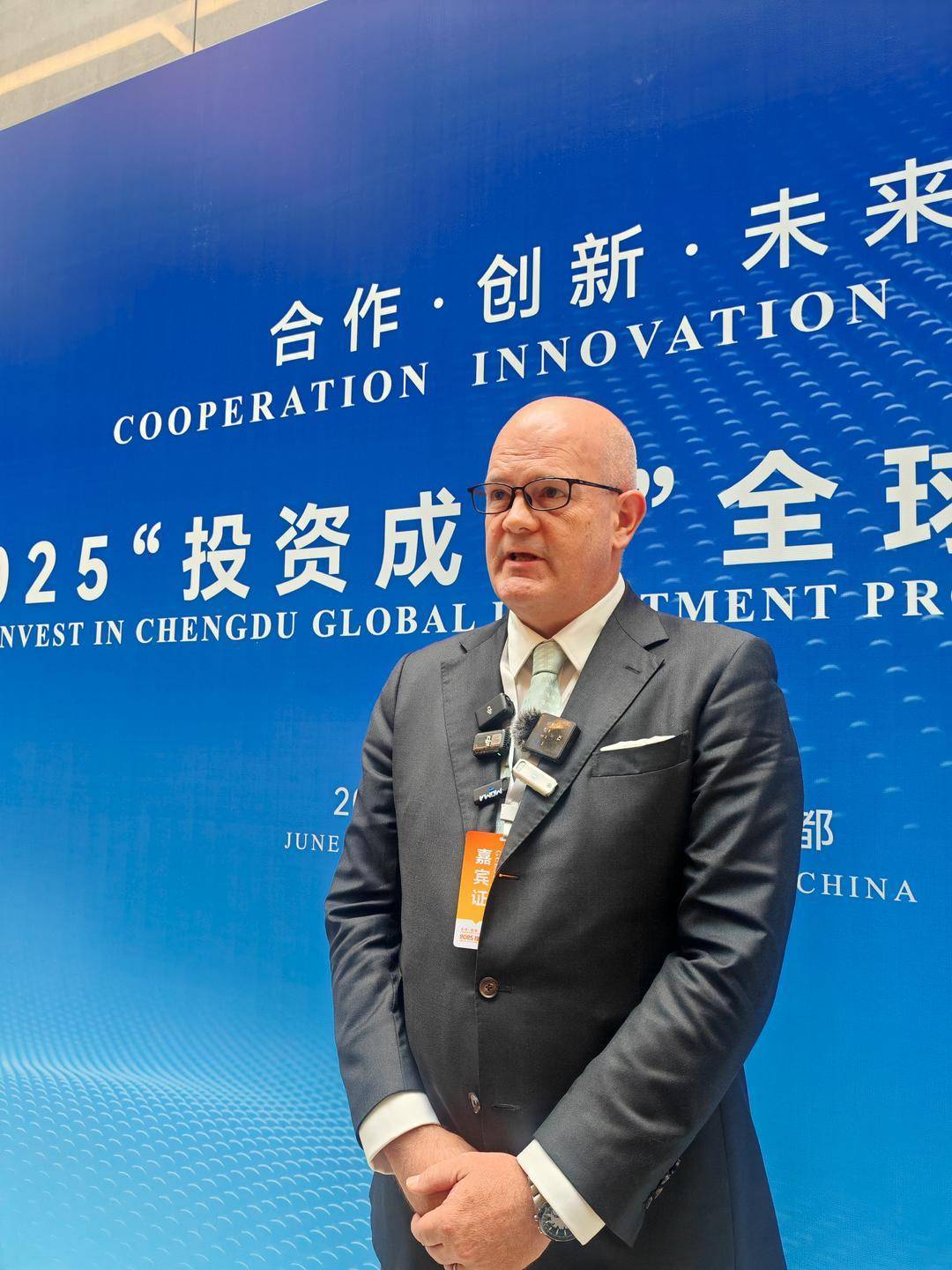
封面新闻记者 赖芳杰 摄影报道 戴德梁行大中华区研究内容主管Shaun Brodie "戴德梁行在中国西部已经深耕25年了。作为城市发展的共建者,我们见证了成都的开放与起飞。" Shaun Brodie以全球领先的制药公司阿斯利康为例分 享,自十几年前,戴德梁行便开始为其在武侯区选址首间办公室提供了全程服务,见证了其在成都市场的持续开拓与壮大。2021年,阿斯利康在中国西部 首个功能完备的总部项目(占地15,000平方米)选择落户成都,迄今已成功引入超过20家上下游企业,共同构建起一个充满活力的创新生态圈。 "去年,我们助力包括华为、卡尔斯托斯、富士胶片、平安银行、中意人寿等内外资,科技、医疗等多个行业超过50家优质企业入驻成都。这些大企业落 户之前,也有对城市的比较,但最终是在政府招商政策房、高校科研实力、城市职住平衡系数等方面的考量中,选择了成都。" Shaun Brodie认为,在产 业生态方面,成都秉承的长期主义深得外企信赖。成都将产业园区作为经济发展主战场,实施"立园满园"行动,构建形成"3个国家级开发区+22个省级开 发区+N个市级产业园区"的园区体系,推动特色优势产业提能级、战略性新兴产业上规模 ...
线下跨境体验店落地北京双井 上万种境外商品先体验再下单
Bei Jing Wan Bao· 2025-06-15 07:37
Group 1 - The opening of JD MALL Beijing Shuangjing store marks the introduction of a technology-driven commercial complex with an area of 50,000 square meters, featuring "immersive experience, full-category coverage, and scenario-based services" [1] - The store includes the first immersive experience space in North China focused on instant imaging culture, created by Fujifilm, attracting consumers with interactive photo opportunities [1] - JD MALL Shuangjing store introduces a cross-border experience store model that integrates international sourcing, bonded warehouse operations, customs declaration, international logistics, offline stores, and online cross-border shopping, offering over ten thousand products from more than 50 countries and regions [1] Group 2 - The store emphasizes technology with an "AI New Life" experience area showcasing cutting-edge AI products such as AI computers, robots, and glasses, positioning the Shuangjing business district as a hub for digital economy empowerment [2]

上万种境外商品先体验再下单
Bei Jing Wan Bao· 2025-06-15 06:22
Group 1 - JD MALL Beijing Shuangjing store opened with a total area of 50,000 square meters, featuring "immersive experience + full category coverage + scenario-based services" [1] - The store includes the first offline cross-border experience store in North China, allowing consumers to experience products from over 50 countries and regions [1] - The store showcases a retro cabinet replicating JD's original 1998 market stall, highlighting the company's unique entrepreneurial history [1] Group 2 - The store emphasizes technology with an "AI New Life" experience area featuring cutting-edge AI products such as computers, robots, and glasses [2] - The location near the CBD positions the Shuangjing business district as a hub for digital economy empowerment [2]