
OPPO

Search documents
李建的荣耀赌局:押注Robot Phone与IPO闯关,艰难时世远未落幕
3 6 Ke· 2026-01-06 05:24
Core Insights - The smartphone market in 2025 is characterized by two main trends: the practical application of AI features and the professionalization of imaging systems [1] - Honor's ambitious strategy includes the development of the Robot Phone, which aims to transform smartphones into mobile robots capable of physical interactions [3][4] - The current market consensus emphasizes the need for AI to better understand user needs, contrasting with Honor's aggressive approach to create a robotic phone [6] Group 1: Market Trends - Global AI smartphone shipment share has surpassed 40%, with China's new generation AI smartphone penetration rate at 40.7%, expecting a shipment volume of 118 million units, a year-on-year increase of 59.8% [1] - Imaging systems and AI functionalities are the top two drivers for users to upgrade their devices, accounting for 32% and 28% respectively [1] Group 2: Honor's Strategy - Honor's five-year Alpha strategy involves a $10 billion investment, with over 30% of resources allocated to embodied intelligence and a global R&D team comprising over 70% of its workforce [4] - The Robot Phone is positioned to break the limitations of traditional AI smartphones, featuring a mechanical structure for autonomous movement and interaction [3] Group 3: Challenges and Risks - The Robot Phone's development faces significant challenges, including high R&D costs and potential market disconnect due to its complex mechanical structure, which may weigh over 300g [6][7] - Honor's R&D expense ratio reached 11.3% in the first half of 2025, significantly higher than the industry average of 6%-8%, leading to a 17% decline in net profit [8][11] - The company is experiencing a decline in profitability, with a gross margin of 13.2%, down 2.8 percentage points year-on-year, and a reliance on low-end models affecting its high-end market presence [10][11] Group 4: IPO and Market Position - Honor's IPO process is under scrutiny, facing challenges related to valuation, regulatory requirements, and the need to demonstrate technological independence from Huawei [14][12] - The company has seen fluctuations in market share, with a recovery to 14.4% in Q3 2025, but this is largely attributed to low-end models rather than high-end growth [9][10] - The competitive landscape is tightening, with Honor struggling to establish a clear market position amid aggressive strategies from competitors like Apple and Huawei [18][19]
国产手机电池容量突破10000mAh,内存涨价挑战仍存
Guan Cha Zhe Wang· 2026-01-06 02:35
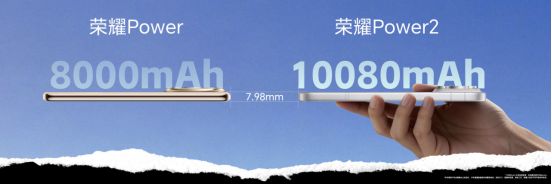
Core Viewpoint - The launch of the Honor Power2 smartphone features a significant battery capacity of 10080mAh, which is the largest in the industry, and it is designed for specific user scenarios such as outdoor and delivery services [1][2]. Group 1: Product Features - The Honor Power2 has a battery capacity increase of 2080mAh compared to its predecessor, making it comparable to the battery capacity of the iPhone Air [1]. - The device maintains a slim profile with a thickness of 7.98mm and a weight of approximately 216 grams, achieved through advancements in battery materials, including a 15% silicon content that results in an energy density of 926Wh/L [1]. - The smartphone is equipped with features tailored for outdoor use, such as signal optimization for weak signal areas, enhanced positioning accuracy, and an IP68/IP69K rating for dust and water resistance [2]. Group 2: Processor and Performance - The Honor Power2 is powered by the MediaTek Dimensity 8500 Elite processor, which is expected to outperform the previous Snapdragon 7 Gen3 in multi-core performance, with benchmark scores indicating it may exceed the Snapdragon 8 Gen3 [3]. - The camera specifications include a 50MP main camera and a 5MP wide-angle camera, which are considered average compared to competitors [3]. Group 3: Pricing and Market Position - The pricing for the Honor Power2 starts at 2699 yuan for the 12GB + 256GB version and 2999 yuan for the 12GB + 512GB version, reflecting a 500 yuan increase from the previous generation [3]. - The smartphone market is experiencing upward price pressure due to rising component costs, affecting various brands including Honor, Vivo, and Xiaomi, with expectations of continued price increases in 2026 [12]. - The competitive landscape is intensifying with upcoming mid-range and performance smartphones featuring high-capacity batteries and advanced specifications, indicating a shift towards higher performance in the mid-range segment [13].


手机电池容量突破10000mAh,今年不涨价就亏损?
Guan Cha Zhe Wang· 2026-01-06 02:31
Core Viewpoint - The launch of the Honor Power2 smartphone features a significant battery capacity of 10080mAh, which is the largest in the industry, and it has been designed with specific user scenarios in mind, particularly for outdoor and delivery personnel [1][3]. Group 1: Product Features - The Honor Power2 has a battery capacity increase of 2080mAh compared to its predecessor, making it comparable to the battery capacity of the iPhone Air [1]. - The device maintains a slim profile with a thickness of 7.98mm and a weight of approximately 216 grams, achieved through advancements in battery materials, including a 15% silicon content that allows for a high energy density of 926Wh/L [1]. - The smartphone is equipped with features tailored for specific environments, such as signal optimization for weak signal areas and enhanced navigation capabilities, along with IP68+IP69+IP69K water and dust resistance ratings [3]. Group 2: Market Context - The pricing of the Honor Power2 starts at 2699 yuan, which reflects a 500 yuan increase from the previous generation, attributed to rising costs of upstream components like memory chips [4][7]. - The smartphone market is experiencing a trend of price increases across various brands, including Honor, Vivo, OPPO, and Xiaomi, due to the rising costs of components, which may lead to potential losses for brands unable to adjust their prices accordingly [7]. - Market analysts predict that smartphone manufacturers will continue to raise prices, particularly for high-end products, which may push some consumers towards Apple products due to the narrowing price gap [7]. Group 3: Competitive Landscape - The upcoming smartphone releases from various manufacturers, including OnePlus, iQOO, and Redmi, indicate a highly competitive market, with many devices featuring large batteries and advanced camera systems [8]. - The current trend in mid-range smartphones shows a focus on surpassing flagship models in battery capacity while aligning closely with flagship specifications in imaging and performance [8]. - As of the third quarter of 2025, Vivo leads the Chinese smartphone market with a 17.2% share, followed closely by Apple and Huawei, indicating a competitive landscape among major players [9].
QuestMobile 2025年营销热点事件盘点:“情绪”成为核心生产力,IP营销频出爆点,AI营销革命大幕拉开……
QuestMobile· 2026-01-06 02:05
Core Insights - The article emphasizes the significant changes expected in the AI industry by 2026, driven by increased capital investment, systematic competition among models, and intensified competition in foundational applications [3] Group 1: Marketing Trends in 2025 - 2025 is projected to be a "harvest year" for marketing, with "emotion" becoming a core productivity driver influencing various industries and products [4] - The marketing landscape will see three major peaks: popular IP marketing from New Year's to Spring Festival, new product marketing from Labor Day to 618, and diverse marketing from Mid-Autumn Festival and National Day to Double 11 [4] - Emotional marketing will enhance brand connections by deeply exploring consumer emotional tags, leading to innovative collaborations like "Luckin Coffee X Line Dog" and "Morning Glory Stationery X 'Wang Wang Mountain Little Monster'" [4] Group 2: Industry Opportunities - Traditional industries such as food services and apparel will benefit from emotional marketing, with their respective co-branding marketing shares at 18.5% and 12.1% in 2025 [5] - AI marketing will gain momentum as AI technology matures, supported by government policies like the AI labeling system, making it a "new prominent field" [5] - Virtual idols will dominate content interaction, while intelligent marketing will evolve from single-point to cross-platform strategies, enhancing user engagement [5] Group 3: Brand Marketing Strategies - Brands will focus on diverse marketing strategies in 2025, balancing traditional methods with deeper AI marketing applications [9] - Key marketing nodes will include new product launches and public sentiment management, with content platforms playing a crucial role in brand communication [12][14] - Brands will increasingly align marketing efforts with holiday events, using emotional and AI marketing to convey brand values [19] Group 4: Co-branding and Emotional Marketing - Co-branding will thrive under the consumer logic of "buying for emotions," with brands leveraging deep understanding of consumer psychology and social emotions [24][26] - Brands will focus on aligning IP cultural cores with their value genes, creating fresh experiences that resonate with both IP and brand characteristics [28] - The overlap between mainstream IP users and core brand users will be emphasized to strengthen emotional connections [30] Group 5: AI Marketing Evolution - AI marketing will become a central topic in 2025, driving continuous optimization of marketing models [39] - The rise of AI virtual digital humans will shift from traditional models to AI-native entities, expanding their application across industries [43] - User operations will transition from segmented approaches to generative user management, enhancing marketing content across various scenarios [45] Group 6: Channel Marketing Dynamics - Online channels will see steady growth in traffic, with brands concentrating marketing resources on these channels [58] - Hard advertising will focus on e-commerce and live-streaming channels to shorten conversion paths [60] - The beauty industry will expand its offline channels, shifting marketing highlights from "flagship stores" to diverse concepts like "experience labs" [66]

对话 OPPO 姜昱辰:没有明确拒绝与豆包手机合作,坚持与三方生态共建
雷峰网· 2026-01-06 00:40
Core Viewpoint - OPPO's ultimate goal is to develop an AI operating system (AIOS), which is a primary reason for moving away from the Doubao phone collaboration [1][2]. Group 1: OPPO's Strategy and AIOS Development - OPPO maintains a flexible stance regarding collaboration with Doubao, indicating that the decision is based on finding suitable opportunities rather than outright rejection [2]. - The focus is on a user-centric approach, emphasizing the importance of user experience in the development of AI technologies [3]. - OPPO's AI strategy is characterized by the integration of various AI functionalities into a cohesive system, referred to as "Agent to Agent," which aims to enhance user interaction and data privacy [4][5]. Group 2: Collaboration and Technological Framework - OPPO is collaborating with Alipay to establish a standardized framework for sharing user context securely, known as the "Agent Matrix protocol" [10]. - The choice of the Agent to Agent model over GUI Agent is driven by the need for stability and quality assurance, given OPPO's large user base of over 750 million monthly active users [5][9]. - OPPO's approach is to be agile, allowing for rapid adaptation to new technologies while ensuring quality and user satisfaction [6][19]. Group 3: User Experience and Memory Function - The "Memory Symbiosis Engine" is a key technology that enables OPPO to provide personalized services while ensuring user privacy [15]. - OPPO aims to evolve its AI capabilities gradually, focusing on user needs and pain points, with features like automatic bookkeeping and collection being introduced in future updates [16][18]. - The goal is to transform the user experience from occasional AI assistance to a more integrated and continuous support system throughout the user's journey with the device [17]. Group 4: Market Position and Future Outlook - OPPO recognizes the importance of understanding user needs and adapting to market changes, emphasizing that the success of AI phones will depend on their ability to meet evolving consumer expectations [21][22]. - The company is committed to making AI a more integral part of daily user interactions, with ongoing improvements to features that enhance usability and provide tangible benefits [22].

业内预测:今年手机、电脑将迎来涨价
Mei Ri Shang Bao· 2026-01-05 23:21
Group 1 - The core viewpoint of the articles highlights a significant increase in the prices of storage products, particularly memory modules and solid-state drives, driven by the growing demand in the market due to the AI boom [1][4]. - The price of memory modules has seen a dramatic rise, with reports indicating that prices have surged from around 200 yuan to over 700 yuan within three years, leading to consumers delaying purchases [2][3]. - Major manufacturers like ASUS, Lenovo, and Dell are adjusting their product prices due to structural fluctuations in the global supply chain and rising costs of key components, with 2026 predicted to be a challenging year for memory shortages [3][5]. Group 2 - The prices of mobile solid-state drives have also increased significantly, with a 1TB SanDisk drive rising from over 300 yuan to nearly 700 yuan in a year, and many brands experiencing similar price hikes [4]. - Online platforms are facing stock shortages for 1TB and larger mobile solid-state drives, with prices for some brands reaching as high as 1200 yuan, comparable to the prices of 2TB drives [4]. - The rising costs of storage products are impacting the pricing strategies of consumer electronics, with brands like Xiaomi and Vivo increasing their product prices by 500-700 yuan and 200-300 yuan respectively due to higher memory costs [5].
豆包AI眼镜即将出货 2000元以内?回应来了
Nan Fang Du Shi Bao· 2026-01-05 13:54
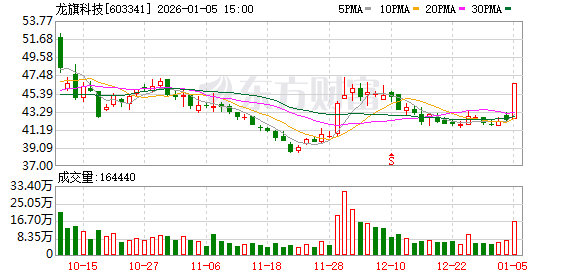
Group 1 - The "Doubao" AI glasses, developed by ByteDance and Longqi Technology, are set to enter the shipping phase with a starting price expected to be under 2000 yuan [2] - Longqi Technology's stock surged to a closing price of 46.49 yuan on January 5, following the news about the AI glasses [2] - Longqi Technology is a comprehensive technology enterprise engaged in the research, design, and manufacturing of smart products, covering a wide range of categories including smartphones, AI PCs, automotive electronics, tablets, smartwatches, and smart glasses [2] Group 2 - Longqi Technology is the second-largest consumer electronics ODM manufacturer globally, holding a 22.4% market share based on 2024 shipment volume, and the largest smartphone ODM manufacturer with a 32.6% market share [2] - The company has passed the Hong Kong Stock Exchange's main board listing hearing and has notable clients including Xiaomi, Samsung, Lenovo, Honor, OPPO, and vivo [2] - The global AI glasses market saw a shipment of 4.065 million units in the first half of 2025, representing a year-on-year growth of 64.2%, with Chinese manufacturers accounting for over 1 million units, capturing 24.6% of the global market share [3]
旗舰手机“芯”格局生变:联发科天玑上位 高通面临份额挤压
Ju Chao Zi Xun· 2026-01-05 08:43
Core Viewpoint - Major Chinese smartphone manufacturers, including Huawei, Xiaomi, OPPO, vivo, and Honor, are planning to adjust their chip strategies between 2026 and 2027 by gradually reducing or even stopping the use of Qualcomm Snapdragon platforms in favor of increasing the adoption of MediaTek Dimensity series processors [1][4]. Group 1: Chip Strategy Transition - Chinese smartphone manufacturers are shifting from reliance on a single supplier to a dual-track parallel chip strategy, driven by risk mitigation and cost control [4]. - Currently, Huawei has largely transitioned to its own Kirin chip solutions, while Xiaomi, OPPO, vivo, and Honor are adopting a "Qualcomm + MediaTek" dual-supplier strategy to effectively disperse supply chain risks [4]. - OPPO's Find X series flagship models are available with both Snapdragon and Dimensity chip versions, allowing market performance and user feedback to guide future product directions [4]. Group 2: Cost Pressures - The direct driver for smartphone manufacturers adjusting their chip strategies is the ongoing rise in costs, particularly the increasing prices of Qualcomm's flagship chips [5]. - The latest Snapdragon 8 Gen 2 chip has a procurement cost of $280, accounting for 25% to 35% of the material costs of high-end smartphones, significantly squeezing overall profit margins [6]. - Storage chip prices are also rising, with industry analysts estimating that the material costs for high-end smartphones could increase by over 40% by 2026 compared to three years ago, while terminal prices may not rise correspondingly [7]. Group 3: MediaTek's Competitive Position - MediaTek's ability to gain favor among manufacturers is primarily due to its significant improvement in technical capabilities, with the Dimensity series now competing directly with Qualcomm's flagship chips in terms of performance and power consumption [8]. - Since the launch of the Dimensity 9000 series, MediaTek's sustained investment in high-end chip development has begun to yield results, with the latest Dimensity 9500 mobile platform receiving market recognition [9]. - OPPO Find X9, Find X9 Pro, and vivo X300, X300 Pro flagship models are now equipped with the Dimensity 9500 platform, indicating that MediaTek chips are no longer exclusive to mid-range models [9]. Group 4: Market Restructuring - The competitive landscape of the smartphone chip market is undergoing structural changes, with MediaTek's increasing market share in the high-end segment redefining the market dynamics [10]. - Industry forecasts suggest that by 2026, MediaTek's share in the global high-end smartphone chip market could rise from less than 20% to over 30%, posing more challenges to Qualcomm's market dominance [11]. - The dual-platform strategy is expected to become a standard configuration for mainstream smartphone manufacturers, allowing for flexible chip platform allocation across different product series and price points, maximizing market coverage while reducing supply chain risks [12]. Group 5: Consumer Impact - For consumers, this shift means a wider range of product choices, with smartphones featuring different chip platforms offering differentiated performance, pricing, and unique features, thereby driving technological innovation across the industry [13]. - As Huawei returns to self-developed chips and other manufacturers seek a balance between price and technology, flagship smartphones will increasingly feature MediaTek Dimensity chips, changing consumer selection criteria [13].

国补发力点燃元旦手机市场 OPPO涨幅32.4%领跑行业
Sou Hu Cai Jing· 2026-01-05 07:13
Core Insights - The domestic smartphone market experienced a significant boost during the New Year holiday, driven by the government's trade-in policy, with a year-on-year sales increase of 16.2% [1][3] - OPPO emerged as a major beneficiary of this policy, achieving a remarkable year-on-year growth of 32.4%, leading the growth chart among mainstream smartphone manufacturers [1][5] Government Policy Impact - The national subsidy policy, implemented by the National Development and Reform Commission and the Ministry of Finance, provides a 15% subsidy on eligible products, with a maximum subsidy of 500 yuan per phone [3] - The policy simplifies the application process through an "immediate purchase and subsidy" approach, significantly reducing consumer costs and time [3] - The subsidy covers a wide range of products, from budget to flagship smartphones, effectively countering the cost pressures from rising storage chip prices and stimulating consumer demand for upgrades [3] OPPO's Performance - OPPO's growth was particularly strong in two key price segments: the 2.5K-4K segment, which saw a 60% year-on-year increase, and the 4K-6K high-end segment, which achieved a 94.3% increase [5][7] - The X9 series and OnePlus 15 are highlighted as core drivers of growth in the high-end segment, showcasing flagship features and advanced technology [5][7] - The Reno15 series and OnePlus Ace6 led the mainstream segment by addressing diverse consumer needs, with the Reno15 focusing on lightweight design and balanced imaging, while the OnePlus Ace6 targeted performance and battery life [7] Strategic Positioning - OPPO's dual-brand strategy, with Reno15 and OnePlus Ace6 targeting the value market and X9 series and OnePlus 15 focusing on the high-end market, effectively meets varying consumer demands [9] - The combination of the subsidy policy and OPPO's strategic product positioning has successfully activated consumer interest across different price tiers [9]
苹果官网没有“国补”了
Guan Cha Zhe Wang· 2026-01-05 06:37
Group 1 - The new round of "national subsidies" policy has been implemented for 2026, with subsidy rates similar to last year, including smart glasses for the first time [1] - The subsidy is set at 15% of the selling price, with a maximum of 500 RMB for products priced under 6000 RMB [1] - Apple's official website has not updated its support for national subsidies beyond 2025, and the subsidy activity interface is no longer visible [1][5] Group 2 - In JD and Taobao platforms, certain regions still offer national subsidies for the iPhone 17, with specific provinces confirmed to be eligible [5] - There has been ongoing debate about whether Apple should benefit from national subsidies, with criticisms regarding its pricing strategies to meet subsidy thresholds [7] - As of December 21, the iPhone 17 series sold approximately 14.86 million units in the Chinese market, dominating sales compared to local brands [7]

