地平线

Search documents
智驾芯片平台竞争白热化,本土方案商加速技术迭代
Zhong Jin Zai Xian· 2025-08-25 02:57
Group 1 - The demand for intelligent driving is driving fierce competition among chip platforms, with local companies like Horizon Robotics and Black Sesame Intelligence releasing next-generation smart driving chips that achieve breakthroughs in computing power and energy efficiency [1] - The latest smart driving chips maintain cost advantages while significantly improving computing power density, with Horizon's Journey 6 series chips supporting 20 TOPS computing power, a 60% performance increase and a 25% reduction in power consumption compared to the previous generation [1] - The rapid iteration of chip platforms is enhancing the performance of intelligent driving systems and reducing costs, enabling mainstream chips to support advanced features like high-speed NOA and memory parking, which will accelerate the penetration of intelligent driving functions into economic models priced at 100,000 to 150,000 yuan [1] Group 2 - The market share of local intelligent driving chips has surpassed 40% in the first half of this year, with expectations to reach 50% by 2026, indicating the growing importance of local supply chains in the intelligent driving sector [1] - The collaboration between solution providers like Four-dimensional Map New and chip companies will further promote the popularization of intelligent driving technology and cost optimization [1] - The intelligent driving chip platform is evolving towards high performance, low power consumption, and low cost, laying a solid foundation for the large-scale commercialization of intelligent driving technology [2]

某头部tire1被央企主机厂控股投资事宜确定~
自动驾驶之心· 2025-08-24 23:32
Core Viewpoint - The article discusses the strategic investment and control of a leading autonomous driving algorithm provider, referred to as Company Z, by a central state-owned enterprise, indicating a significant shift in the competitive landscape of the autonomous driving industry. Group 1: Investment and Control - Company Z has confirmed its strategic investment and control by a central state-owned enterprise, with the approval from relevant departments pending official announcement [4]. - The investment signifies that Company Z will officially join the "national team," gaining access to a broader customer base and substantial financial resources [5]. Group 2: Competitive Landscape - Company Z's entry into the Horizon ecosystem is expected to be a major benefit for Horizon, as Z is recognized for its strong engineering capabilities in mid-to-low computing power chip platforms [6]. - The competition is intensifying, with Company Z emerging as a formidable competitor to existing algorithm providers, particularly impacting the IPO prospects of another key player, Company QZ [6]. Group 3: Industry Trends - The autonomous driving sector is evolving into a large-scale industrial operation, requiring significant resources in terms of personnel, data, and technology, moving away from small entrepreneurial teams [6]. - Collaborations between major players and algorithm providers are becoming essential for competitiveness, as seen with various partnerships in the industry [6].

智驾平权:技术革新领航,开启10%-50%智驾渗透大周期
2025-08-24 14:47
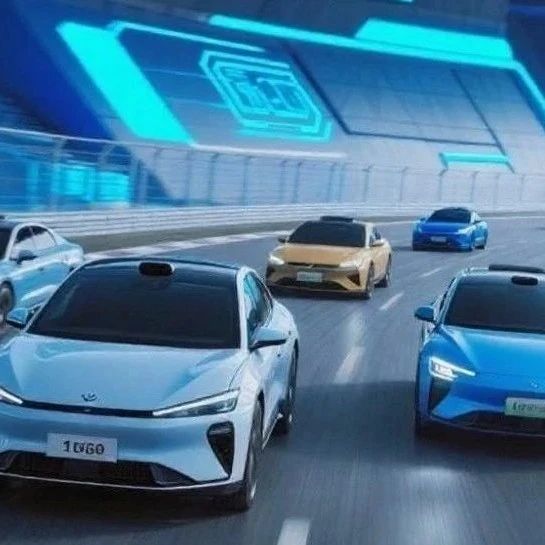
Summary of Conference Call on Intelligent Driving Industry Industry Overview - The intelligent driving industry is experiencing rapid penetration, expected to rise from 10% to 50% due to decreasing costs of key components like LiDAR and chips, along with regulatory relaxations [1][2] Core Insights and Arguments - **Consumer Demand**: Research indicates that intelligent features are becoming a crucial factor in vehicle purchasing decisions. For instance, the XPeng Mona M03 Max model has maintained over 80% sales share in its segment since launch, highlighting strong consumer demand for advanced driving features [3] - **Technological Evolution**: The industry is transitioning from L2 functionalities to end-to-end large models, focusing on algorithms, computing power, and data to enhance generalization and automation levels [1][5] - **Computing Power and Data**: Companies need to enhance onboard computing capabilities (e.g., XPeng exceeding 2000 TOPS, Li Auto over 700 TOPS) and accumulate large datasets (e.g., Huawei with 11 Flops, XPeng aiming for over 100 million Clip data) to train superior models [1][8] Key Developments in Major Companies - **XPeng Motors**: Leading in urban OA (automated driving) with a pure vision solution that has reduced BOM costs by 50%. The XPeng Mona M03 Max, priced at 129,800 yuan, is noted for its strong intelligent driving capabilities [4][12] - **BYD**: Plans to introduce high-speed NOA features in models priced below 100,000 yuan starting February 2025, aiming for a penetration rate exceeding 30% by year-end [4][13] - **Market Acceleration**: Major automakers like BYD, Geely, and Changan are set to launch more intelligent driving models in the latter half of 2025, with expectations of over 2 million high-speed NOA vehicles by year-end [15] Important but Overlooked Content - **Development Path of Intelligent Driving**: The evolution from basic L2 functions to complex urban NOA and nationwide no-map capabilities is crucial for understanding the industry's trajectory [5] - **End-to-End Large Models**: These models offer superior generalization compared to traditional rule-based algorithms, making them more effective in complex driving scenarios [6] - **Sensor Fusion vs. Pure Vision**: The distinction between pure vision solutions (used by Tesla and XPeng) and multi-sensor fusion approaches (adopted by many domestic automakers) is significant for understanding different technological strategies [7] - **Component Suppliers**: Key suppliers to watch include SUTENG and Hesai in the LiDAR space, Horizon Robotics in chips, and Desay SV in domain controllers, indicating a robust supply chain supporting the intelligent driving ecosystem [14]


NVIDIA即将发布新大脑,机器人智能化持续突破
Guotou Securities· 2025-08-24 13:19
Investment Rating - The report maintains an investment rating of "Outperform the Market - A" [5] Core Insights - The focus of intelligent robotics technology in the next 2-5 years will shift towards unified end-to-end intelligent robot models, developing lower-cost and longer-lasting hardware, and achieving large-scale manufacturing and computing power [1][12] - NVIDIA is set to release a new product termed "robot brain," which signifies a shift towards an intelligent industrial chain in robotics, emphasizing machine vision, cognitive capabilities, control, training, and simulation [1][12] - The 3D visual sensor is becoming the mainstream choice for humanoid robots, enhancing their ability to perceive complex environments accurately [2][13] - NVIDIA outlines three essential computing components for robots: training computers, simulation and synthetic data generation platforms, and runtime computing platforms, which are expected to form new industrial chains [3][14] Summary by Sections Industry Performance - The computer industry index increased by 7.80% this week, outperforming the Shanghai Composite Index by 4.31 percentage points [15][16] - The overall performance of the computer sector is strong, driven by increased market activity and the performance of the AI computing industry [15][20] Market Trends - The report highlights the importance of 3D perception technology in enhancing the decision-making capabilities of robots, with companies like Aibin Technology leading in this area [2][13] - The collaboration between Aibin Technology and NVIDIA aims to integrate 3D vision with computing platforms, enhancing the core capabilities of robotic intelligence [2][13] Important News - The establishment of the Beijing Quantum Computing Industry Innovation Center aims to accelerate the development of quantum computing solutions and promote an open-source community [23] - The launch of virtual asset trading services by 招银国际证券 marks a significant step in the integration of traditional finance with digital assets [23]


地平线:征程家族累计量产即将突破1000万套,量产定点车型310余款
Xin Hua Wang· 2025-08-22 15:04
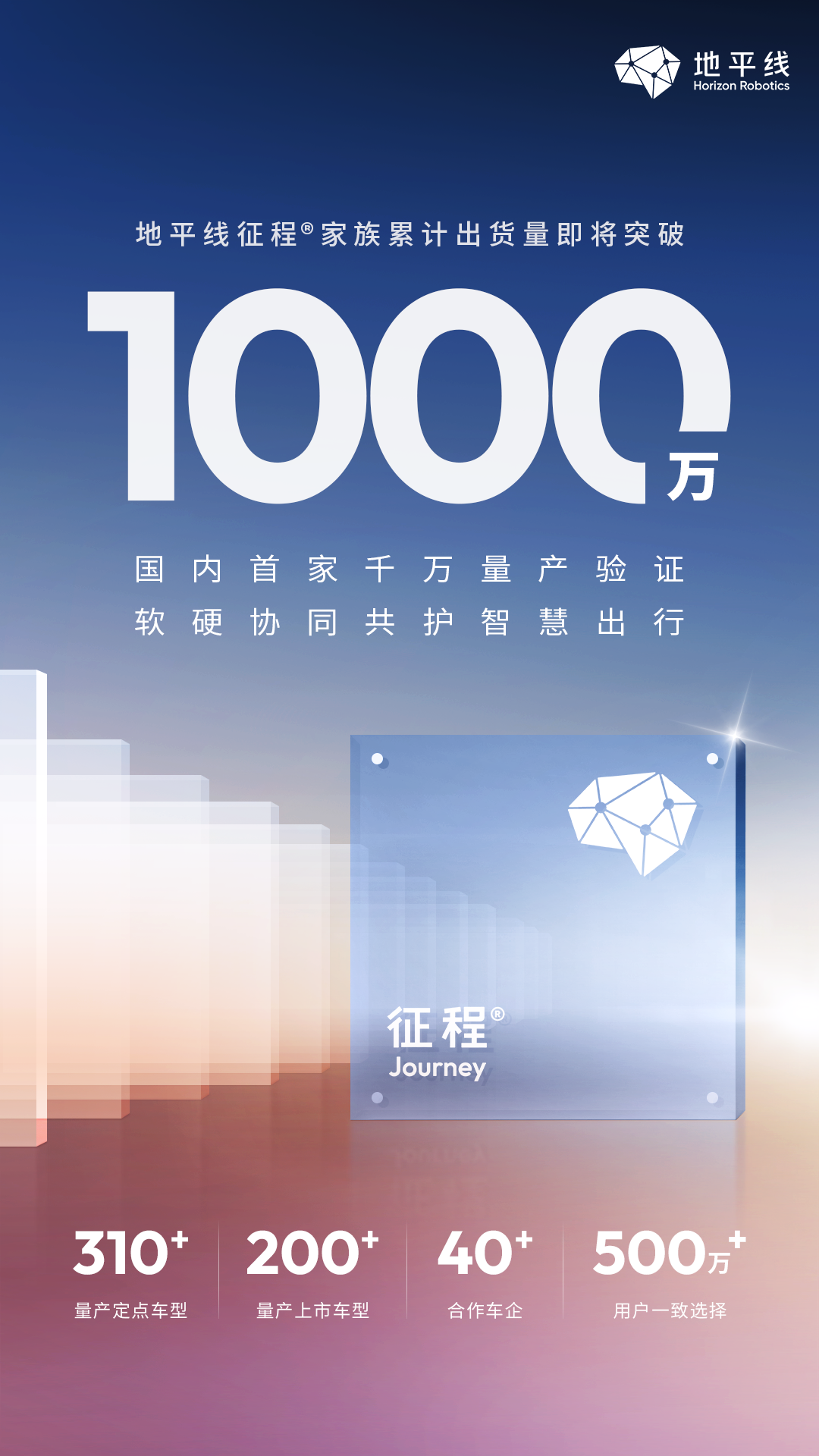
Group 1 - Horizon has collaborated with over 40 automotive brands, producing more than 310 designated mass production models and over 200 models that have been launched, serving over 5 million users [4] - The Horizon Journey family has introduced several advanced intelligent driving solutions, including the Journey 2, Journey 3, Journey 5, and Journey 6 series, each with specific mass production models [4] - The HSD (Horizon SuperDrive) system is one of Horizon's key solutions for mainstream to advanced autonomous driving, utilizing the latest Journey 6 hardware to enhance driving capabilities in complex road conditions [5] Group 2 - The HSD system is designed to transition from usable to user-friendly autonomous driving, marking a significant step in the evolution of intelligent driving technology [4] - The HSD system, supported by the BEV Transformer end-to-end perception architecture, overcomes high-precision map limitations, enhancing the vehicle's learning and autonomous driving capabilities [5]
一颗芯片,颠覆智驾江湖
半导体芯闻· 2025-08-22 11:28
Core Viewpoint - The emergence of Momenta's self-developed driving chip marks a significant shift in the domestic intelligent driving industry, transitioning from a software-only company to a full-stack supplier, posing new competitive challenges to existing players in the market [1][2][20]. Company Overview - Momenta, established in 2016, focuses on high-performance intelligent driving solutions, targeting both L2 and L4 markets, and has partnerships with major global automakers, including SAIC, BYD, and Toyota [2][3]. - The company holds the largest market share in urban NOA technology at 60.1%, with cumulative sales of 114,000 vehicles equipped with its technology [3][19]. Self-Developed Chip Significance - Momenta's self-developed chip is positioned for the mid-range market, offering cost advantages and compatibility with existing products, which enhances its competitive edge [6][19]. - The strategy of "downward integration" is expected to create stronger competitive barriers and higher value capture capabilities for the company [6][10]. Impact on Competitors - The introduction of Momenta's chip poses significant challenges to NVIDIA and Qualcomm, as it allows automakers to transition smoothly from their solutions, increasing competitive pressure on these established players [8][10]. - Domestic chip manufacturers like Horizon Robotics and Black Sesame are also facing heightened competition, as Momenta's software expertise may overshadow their advantages [10][11]. Implications for Automakers - Automakers are reevaluating the necessity and cost-effectiveness of in-house chip development in light of Momenta's competitive offerings, particularly for resource-constrained new entrants [12][14]. - The shift towards Momenta's integrated solutions may lead to a reassessment of self-research strategies among automakers, balancing differentiation with cost advantages [15][21]. Strategic Challenges Ahead - Momenta faces challenges in achieving large-scale production and meeting stringent automotive safety standards, which are critical for its long-term success [20][21]. - The competitive landscape is expected to intensify as established players like NVIDIA and Qualcomm may respond with price cuts or enhanced technology to counter Momenta's market entry [20][21].

“用得起”且“信得过”,智能驾驶的高质量发展之道
Di Yi Cai Jing· 2025-08-22 11:22
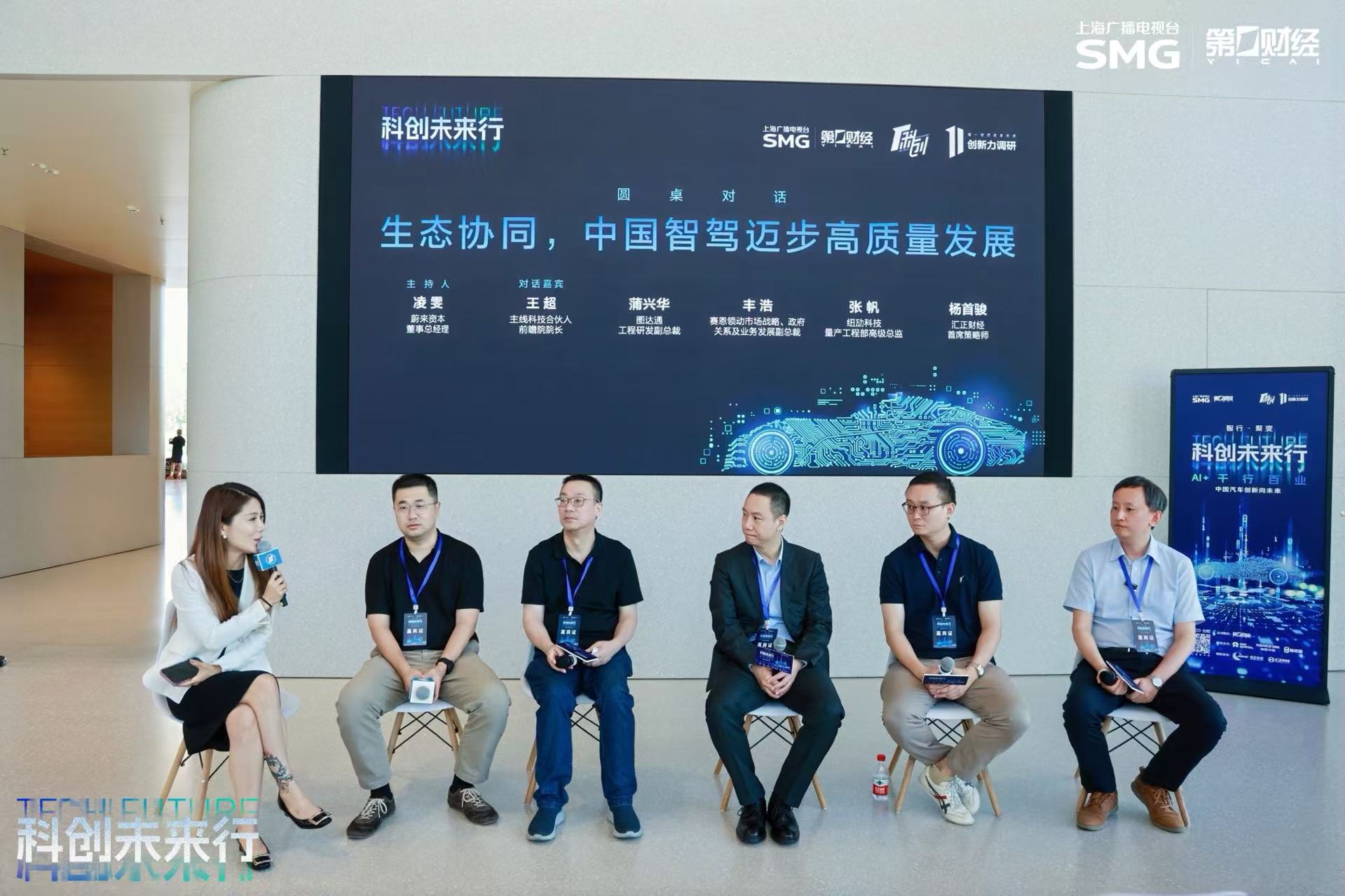
Core Insights - The Chinese intelligent driving industry is at a pivotal moment, balancing opportunities and challenges, with a focus on creating a sustainable industrial ecosystem [1][2] - The consensus among industry leaders is that "high safety + low cost" will be the long-term trend and goal for the intelligent driving sector [4][8] Industry Trends - The penetration rate of Level 2 and above advanced driver-assistance systems has exceeded 50%, with high-level intelligent driving features being made available in the mainstream market priced between 100,000 to 200,000 yuan [1] - The industry is experiencing rapid technological evolution, with key developments including the rise of end-to-end solutions and the emergence of visual language action (VLA) models [5] Challenges - The industry faces significant challenges, including safety and liability issues, insufficient technological maturity and reliability, and a crisis of consumer trust due to over-promising [2][7] - The need for a user-centric approach is emphasized, focusing on addressing market pain points and typical high-frequency safety scenarios rather than just extreme cases [6] Technological Developments - Recent advancements include the introduction of solid-state LiDAR technology, which is seen as the ultimate form of LiDAR due to its lower cost and higher reliability [8] - The intelligent driving sector is moving towards a model that integrates advanced safety features, with companies like NiuMai Technology developing brain-like neural network architectures to enhance safety [9] Regulatory Environment - Recent regulatory measures aim to strengthen product safety through comprehensive oversight, including recalls and performance standards for intelligent connected vehicles [10] - The trend towards stricter regulations is expected to promote healthy industry development and enhance safety standards [10] Market Dynamics - The intelligent driving sector is witnessing a resurgence in capital market interest, with several leading companies going public, indicating an acceleration in industry growth [11] - Mergers and acquisitions are becoming more common, particularly targeting non-compliant smaller firms, which is viewed positively for enhancing market competitiveness [11]
中国品牌掘金超跑市场
Zhong Guo Qi Che Bao Wang· 2025-08-22 11:18
Core Viewpoint - The supercar market is undergoing a significant transformation, with Chinese brands emerging as challengers against the long-standing dominance of European brands in the high-end automotive sector [2][3][11] Market Landscape - The global supercar market has been historically centered around European brands like Ferrari, Lamborghini, and Porsche, which have established strong market barriers through technology, brand recognition, and supply chain control [3][4] - In 2024, the top 10 supercars in China priced over 1 million yuan sold a total of 4,219 units, with European brands accounting for over 90% of both brand and sales statistics [3] Technological Advancements - Chinese brands are exploring diverse paths in the supercar sector, achieving breakthroughs in both electric and fuel-powered vehicles [3][4] - NIO's EP9 set a record at the Nürburgring with a time of 6 minutes and 45.90 seconds, while BYD's Yangwang U9 has begun mass production, showcasing the feasibility of "overtaking" in the high-end electric supercar market [3][4] - Great Wall Motors is developing a hybrid supercar with a 4.0T V8 engine and electric motor, achieving a combined power of 1,000 horsepower and a 0-100 km/h acceleration time of under 2.5 seconds [4] Industrial Foundation - Chinese brands have made significant advancements in core technology, enabling self-research and development of key components, which supports the industrialization of supercars [5][6] - Great Wall's 4.0T V8 engine boasts a thermal efficiency of 38.5%, while BYD's blade battery achieves an energy density of 180 Wh/kg, enhancing safety and charging capabilities [5][6] Cost and Supply Chain Advantages - Chinese brands benefit from a complete electric vehicle supply chain, with core components costing 30%-40% less than those of European brands, allowing for lower production costs for electric supercars [7] - The upcoming luxury car tax adjustment in China may initially pressure high-end markets but could ultimately foster technological upgrades and enhance brand recognition for domestic brands [8] Marketing and Brand Strategy - Chinese brands are investing in marketing innovations and global positioning to build a unique brand ecosystem, with NIO and Great Wall Motors focusing on experiential marketing to enhance brand perception [9][10] - The strategic value of supercars extends beyond direct sales, as they serve as brand symbols that elevate overall brand equity and profitability [8][10] Challenges and Future Outlook - Despite advancements, Chinese brands face challenges in brand recognition, cost control, and service systems, which require long-term efforts to transition from technical advantages to ecological advantages [10] - The future of the global supercar market is expected to integrate electrification, intelligence, and sustainability, providing greater opportunities for Chinese brands to redefine their roles and establish new market standards [11]

Momenta自研芯片,打响智驾芯片淘汰赛
半导体行业观察· 2025-08-22 01:17
Core Viewpoint - The emergence of Momenta's self-developed driving chip marks a significant shift in the domestic intelligent driving industry, transitioning from a software-only company to a full-stack supplier, which introduces new competition and challenges for existing players in the market [2][3][27]. Group 1: Company Overview - Momenta, established in 2016, focuses on high-performance intelligent driving solutions, targeting both L2 and L4 markets, and has established partnerships with numerous leading automotive manufacturers globally, including SAIC, BYD, and Toyota [3][4]. - As of now, Momenta holds the highest number of high-level intelligent driving projects and partnerships among suppliers, with a cumulative sales volume of 114,000 vehicles equipped with its city NOA technology, leading the industry [4][26]. Group 2: Market Impact - Momenta's self-developed chip primarily targets the mid-range market, maintaining compatibility with existing mainstream products while offering cost advantages, which could enhance its competitive edge and operational efficiency [8][10]. - The entry of Momenta into chip development poses significant challenges to established players like NVIDIA and Qualcomm, as it allows for seamless transitions for automotive manufacturers from existing solutions to Momenta's offerings, potentially disrupting their market positions [12][14]. Group 3: Competitive Landscape - The competition landscape is shifting, with traditional chip manufacturers like Horizon and Black Sesame facing increased pressure from Momenta's integrated software and hardware solutions, which could undermine their market differentiation [14][15]. - Emerging chip companies, such as Weijing, Aixin Yuanzhi, and Xingchen, may find their market space further constricted as Momenta leverages its software expertise to optimize hardware solutions, creating a significant competitive barrier [15][28]. Group 4: Automotive Manufacturers' Strategies - Automotive manufacturers that have invested heavily in self-developed chips, like Xiaopeng and Li Auto, may need to reassess the value of their investments in light of Momenta's cost-effective and technologically superior solutions [18][20]. - The shift towards Momenta's offerings may prompt a reevaluation of self-development strategies among car manufacturers, potentially leading to a focus on key components rather than full in-house development [21][22]. Group 5: Industry Trends - The trend of software companies integrating hardware solutions is gaining momentum, as evidenced by Momenta's successful transition, which may influence other players in the industry to adapt their business models accordingly [23][25]. - The competitive dynamics in the intelligent driving sector are evolving, with companies needing to balance differentiation and cost-effectiveness in their strategies to remain viable in a rapidly changing market [28].
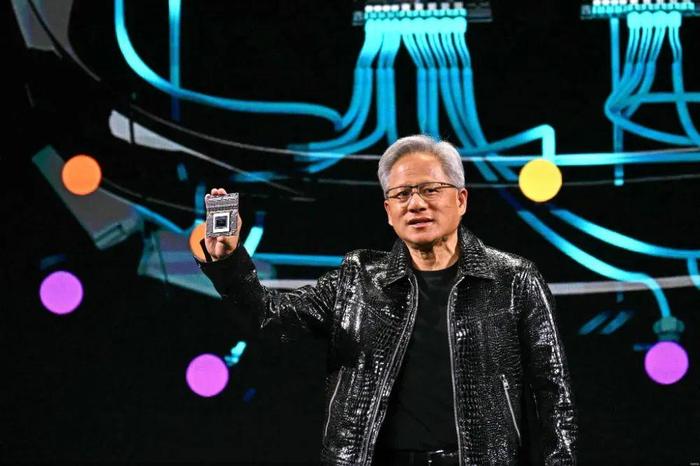
黄仁勋对天发誓,央视拆机打脸:信老板嘴硬,还是信央视显微镜?
Xin Lang Cai Jing· 2025-08-20 17:27
Core Viewpoint - The article discusses the controversy surrounding NVIDIA's H20 AI chip, which is perceived to potentially contain backdoor features that could compromise security, particularly in the Chinese market. The CEO, Jensen Huang, faces the challenge of proving the chip's safety while navigating complex geopolitical tensions between the U.S. and China [1][4][6]. Group 1: Chip Performance and Market Impact - The H20 chip's performance is only about 20% of NVIDIA's flagship H100, leading to it being referred to as a "crippled version," yet it is still allowed to enter the Chinese market [6][19]. - China contributes significantly to NVIDIA's revenue, accounting for 22% of its global income, which amounts to $17.1 billion, with a growth rate of 66% [6][19]. - Following the controversy, NVIDIA's revenue in China plummeted by 42%, while orders for Huawei's Ascend chips surged by 300% [19]. Group 2: Regulatory and Geopolitical Tensions - The Chinese government raised concerns about the H20 chip potentially having tracking and remote shutdown capabilities, demanding technical proof from NVIDIA within 48 hours [6][11]. - U.S. legislation requires regulated chips to include location verification and remote shutdown features, raising suspicions about the H20 chip's design [9][11]. - Jensen Huang's visit to Washington resulted in a deal where NVIDIA committed to a $50 billion investment in the U.S. in exchange for expedited export approval for the H20 chip [17]. Group 3: Trust and Market Dynamics - Chinese companies, including Baidu and iFlytek, have halted H20 chip purchases and are exploring domestic alternatives, indicating a rapid shift in market dynamics [18][19]. - The share of domestic chips in AI computing procurement is projected to rise from 5% in 2022 to 40% by 2025, while NVIDIA's market share in China is expected to drop from 95% to 50% [21]. - The article emphasizes that trust is the most critical factor in the chip market, suggesting that even high-performance chips cannot restore confidence once it is lost [22].