vivo

Search documents
宇瞳光学(300790):多元业务共振,新消费打造增长新动力
HUAXI Securities· 2025-12-19 13:34
Investment Rating - The report initiates coverage with a "Buy" rating for the company [4][7]. Core Insights - The company, Yutong Optical, is a leading global provider of optical solutions, particularly in the security lens market, where it has maintained the largest market share for ten consecutive years [1][2]. - The company is expanding into the automotive optical market and has established a solid competitive position through acquisitions and technological advancements [1][2]. - Yutong Optical is also diversifying into new consumption sectors, including machine vision and AR/VR lenses, which are expected to drive future growth [1][3]. Summary by Relevant Sections Company Overview - Yutong Optical was founded in 2011 and went public in September 2019. It is the largest supplier of security lenses globally, with a strong market position in the security sector [1][13]. - The company has established a wholly-owned subsidiary for automotive vision and acquired JiuZhou Optical to enhance its competitiveness in the automotive lens market [1][2]. Business Layout - The company has developed a diversified business model centered around security, automotive optics, smart home applications, machine vision, and emerging optical applications [20][24]. - The product matrix includes a wide range of security lenses that cater to various applications, from consumer monitoring to high-end industry surveillance [2][54]. Financial Analysis - Revenue projections for 2025-2027 are estimated at 36.52 billion, 46.62 billion, and 58.35 billion yuan, representing year-on-year growth rates of 33.1%, 27.7%, and 25.2% respectively [4][8]. - Net profit forecasts for the same period are 2.83 billion, 4.85 billion, and 7.00 billion yuan, with growth rates of 54.1%, 71.3%, and 44.5% respectively [4][8]. - The company's gross margin is expected to improve, reflecting a focus on product structure optimization and increased R&D investment [28]. Security Lens Market - Yutong Optical's security lens segment is characterized by a comprehensive product range that meets diverse market needs, supported by long-term partnerships with major security firms [2][54]. - The company is actively expanding its overseas market presence, with a notable increase in international revenue [57]. Automotive Optical Market - The automotive optical segment is positioned for growth, with the company supplying major automotive manufacturers and developing a complete product matrix for smart driving systems [2][58]. - The demand for automotive cameras is expected to rise as smart driving technology becomes more prevalent [58]. Emerging Business Areas - The company is exploring new consumption markets, including sports cameras and AI glasses, which are anticipated to contribute significantly to revenue growth [3][19]. - Collaborations with leading technology firms in these sectors are expected to enhance product delivery and market penetration [3][42].

豆包手机大家族:字节跳动被曝正推进与 vivo、联想、传音等多家硬件厂商开展 AI 手机合作
Xin Lang Cai Jing· 2025-12-19 12:48
Group 1 - ByteDance is advancing AI phone collaboration plans with hardware manufacturers such as Vivo, Lenovo, and Transsion, aiming to pre-install AIGC plugins to gain user access [1][4] - Vivo employees confirmed that ByteDance has established a cooperation intention with Vivo, while specific plans are still under discussion [1][4] - The collaboration aims to create a new traffic monetization channel by sharing traffic distribution and subscription revenue with phone manufacturers, exploring a model that does not charge for custom development fees or token sales [3][6] Group 2 - The cooperation plan will initially target mid-range models priced above 2000 yuan, with the first batch implemented through new device pre-installation and later expanded to existing models via OTA upgrades [3][6] - ByteDance has set an internal target of 150-200 million devices for this AI phone project, with a focus on leveraging its overseas channel advantages [3][6] - The AI phone project team at ByteDance has grown to over a thousand members, and while discussions with OPPO did not result in a partnership, ZTE is currently the only officially disclosed partner [3][6]

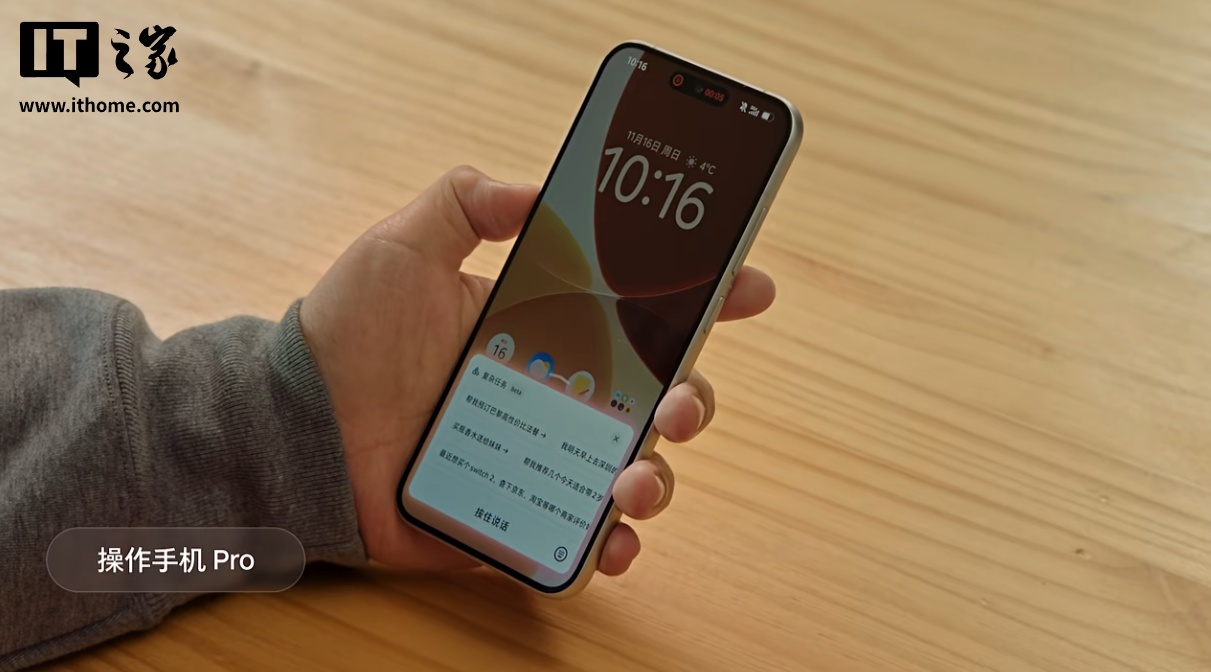
豆包手机扩充合作厂商 vivo、联想、传音在列
Xin Lang Cai Jing· 2025-12-19 12:42
Group 1 - ByteDance is advancing AI phone collaboration plans with hardware manufacturers such as Vivo, Lenovo, and Transsion, aiming to gain user access through pre-installed AIGC plugins [1][7] - The collaboration intends to create a new traffic monetization channel by sharing traffic distribution and subscription revenue with phone manufacturers, while exploring a model that does not charge for custom development fees or token sales [3][9] - The initial focus of the collaboration will be on mid-range models priced above 2000 yuan, with plans to implement pre-installation on new devices and later expand to existing models via OTA upgrades [4][11] Group 2 - ByteDance's AI phone project team has grown to over 1,000 members, with ZTE being the only officially disclosed partner, while Meizu has expressed interest in collaboration [7][13] - The internal target for ByteDance is to reach a scale of 150-200 million devices, with overseas channels likely being a key focus for deployment [4][11]

京东、阿里、小米为何扎堆这0.4平方公里?南京的“引力”远超你的想象!
Sou Hu Cai Jing· 2025-12-19 12:03
Core Viewpoint - The establishment of JD Group's Nanjing R&D Center marks a significant milestone in Nanjing's headquarters economy, indicating a shift from quantity accumulation to qualitative leap in the region's economic development [2][4]. Group 1: Headquarters Economy Development - Nanjing has become a preferred location for major tech companies, with over 300 recognized municipal headquarters, more than 60% of which have been established since 2019 [4]. - The completion of JD's Nanjing R&D Center, with a total investment of 3.5 billion yuan and a construction area of over 274,000 square meters, signifies the gathering of major tech giants in the Central Innovation Zone [2][6]. - The "grape cluster effect" is evident as companies like Xiaomi and Alibaba have attracted numerous subsidiaries and ecosystem partners to Nanjing, enhancing the city's economic landscape [9][10]. Group 2: Strategic Importance of Nanjing - JD's Nanjing center will focus on next-generation internet technologies such as artificial intelligence and robotics, positioning it as a strategic hub for the company in East China [6][8]. - Nanjing's economic structure is characterized by a service sector exceeding 60% and a manufacturing sector at approximately 27.8%, highlighting the need for a balanced economic approach [19]. - The city aims to achieve a GDP target of 2 trillion yuan, leveraging its headquarters economy as a core engine for growth and industrial upgrading [24]. Group 3: Innovation and Talent Ecosystem - Nanjing boasts a robust innovation ecosystem with over 9,068 high-tech enterprises and a strong talent base, supported by more than 50 universities and numerous national research platforms [12][13]. - The collaboration between leading companies and local universities aims to cultivate talent that meets industry needs, fostering a deep integration of the talent and industrial chains [15][16]. - The city is shifting its development logic from "industry-driven" to "people-centered," enhancing the quality of life to attract talent and businesses [15].


【招银研究|行业深度】AI系列研究——端侧AI将重塑全球智能终端产业格局
招商银行研究· 2025-12-19 08:58
Core Insights - Edge AI is leading a technological paradigm shift, reshaping the new landscape of the smart terminal industry by enabling local execution of AI models, resulting in low latency, high energy efficiency, and privacy protection [4][9][10] - The development of Edge AI is driven by innovations in AI computing architecture, multimodal perception and interaction, and system-level AI integration, transitioning smart devices from mere "computing nodes" to "local reasoning and autonomous decision-making" [4][6][10] Application Ecosystem - Multiscenario integration is accelerating the growth of the Edge AI terminal market, with AI PCs expected to achieve a penetration rate of 64% by 2028, and AI smartphones projected to exceed 900 million units in shipments by the same year [5][6] - AI wearables are anticipated to reach a market size of $153.8 billion by 2030, while AI smart homes are expected to grow to $537.2 billion, highlighting Edge AI as the core growth engine of smart hardware [5][6] Upstream Ecosystem - Breakthroughs in advanced process technology and Chiplet architecture are driving significant performance improvements in Edge AI, with NPU computing power increasing to 50-100 TOPS to meet local model operation demands [6][10] - The global Edge AI processor market is projected to grow from $31 billion in 2022 to $60.2 billion by 2028, with major players like Qualcomm, Apple, and NVIDIA dominating the high-end market [6][10] Business Recommendations - Companies should prioritize Edge AI as a key strategic focus, developing differentiated strategies around terminals, supply chains, and application scenarios to capitalize on this emerging trend [6]


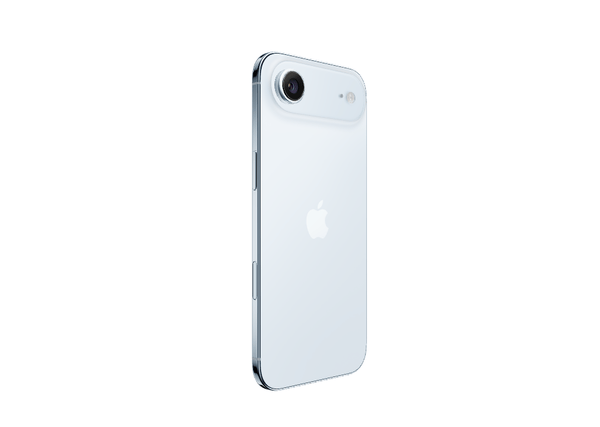
iPhone Air成苹果“滑铁卢” 库克未来要如何找回场子?
Sou Hu Cai Jing· 2025-12-19 07:55
Core Insights - Apple's iPhone Air, launched in 2025, faced significant market challenges due to a lack of innovation, high pricing, and technical issues, leading to poor sales performance [1][3][18] Product Performance - The iPhone Air's first-week activation was less than one-tenth of the iPhone 17 Pro Max, with pre-order sales accounting for only 6% of total orders, prompting a price cut within five days of launch [3][7] - The device's ultra-thin design resulted in compromises on key features, including a single 48MP camera, reduced battery capacity, and limited audio capabilities, which negatively impacted user experience [9][11] Market Reaction - The failure of iPhone Air has caused a ripple effect in the smartphone industry, leading competitors like Xiaomi, OPPO, and vivo to cancel similar lightweight models and refocus on other market segments [8] - Samsung's Galaxy S25 Edge also underperformed, resulting in the cancellation of its successor, indicating a shift in consumer preference towards comprehensive user experience rather than just thinness [8] Future Strategies - Apple is planning to launch iPhone Air 2, aiming to enhance its features and adjust pricing to improve competitiveness, including the addition of a dual-camera system to address previous shortcomings [12][15] - The potential new pricing strategy for iPhone Air 2 may lower the starting price to around 6000 yuan, significantly improving its value proposition [15][17] - The release of iPhone Air 2 has been postponed to spring 2027 to avoid internal competition with the iPhone 17 series and to allow more time for product optimization [17] Lessons Learned - The iPhone Air's failure highlights Apple's need for better market research and product definition, emphasizing that sacrificing core user experiences for design aesthetics can alienate consumers [11][20] - The smartphone market's competitive landscape has shifted towards optimizing overall user experience rather than focusing solely on individual features, necessitating a balanced approach in future product development [20]
字节跳动挥师AI手机:和多家手机厂商推进合作
2 1 Shi Ji Jing Ji Bao Dao· 2025-12-19 06:55
Core Viewpoint - ByteDance is advancing into the smartphone operating system sector with its Doubao AI model, marking a shift from traditional hardware development to a collaborative ecosystem with major smartphone manufacturers [1][2]. Group 1: Strategic Partnerships - ByteDance is accelerating its partnerships with leading smartphone manufacturers such as Vivo, Lenovo, and Transsion, following its collaboration with ZTE [1][6]. - The Doubao assistant is being integrated deeply into the operating systems of partner manufacturers, aiming to create a new ecosystem that combines internet giants with hardware firms [2][3]. Group 2: Product Development and Features - The Doubao assistant has been designed to operate at a system level, allowing it to perform tasks across applications, unlike traditional AI plugins [3][4]. - The first partner, ZTE, showcased the Nubia M153, which features a dedicated AI button and the latest Doubao model capabilities, enabling users to perform complex tasks with simple voice commands [4]. Group 3: Market Response and Challenges - The announcement of the partnership led to significant stock price increases for ZTE, indicating strong market confidence in the "large model + hardware" collaboration [4]. - However, the Doubao assistant faced challenges related to app permissions and user experience, particularly with major apps like WeChat and Taobao, raising concerns about data privacy and security [5][6]. Group 4: Future Outlook - ByteDance aims to establish a large "AI terminal matrix" that appeals to smaller smartphone manufacturers lacking in-house AI capabilities, providing them with a competitive edge [6]. - The company is exploring ways to balance user experience with platform security and data privacy, indicating a commitment to refining its technology for broader adoption [5][6].

手机厂商“杀入”短剧市场:小米砸钱囤片,华为试水变现,图的是啥?
3 6 Ke· 2025-12-19 04:23
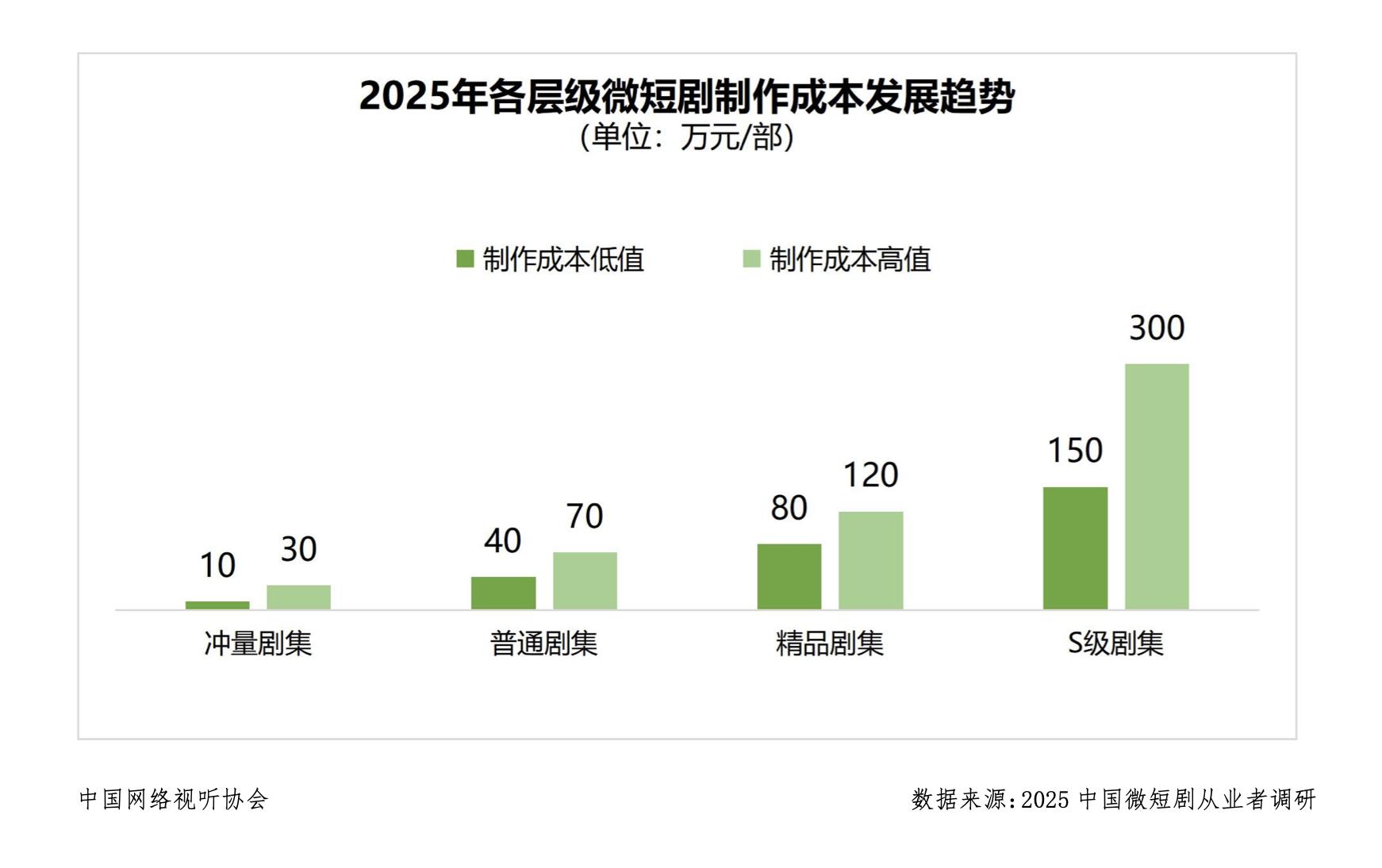
Market Growth - The short drama industry in China has rapidly expanded from a market size of 370 million yuan to over 50 billion yuan in just three years, with projections to exceed 68 billion yuan by 2025 and surpass 100 billion yuan by 2027 [1] - As of June this year, the user base for micro short dramas reached 626 million, accounting for 55.8% of the total internet users, with average daily usage time increasing to 120.5 minutes by August [1] Company Strategies - Xiaomi has developed 1,000 S-level short dramas, with an average consumption time of 70 minutes per user, indicating a significant investment in high-quality content [1][3] - The company has launched an independent short drama app called "Weiguan Short Drama," which is currently only available on the Xiaomi app store, emphasizing features like "ad-free" and "completely free" [4][9] Competitive Landscape - The leading apps in the short drama sector are Hongguo Short Drama and Hemat Theater, with Hongguo Short Drama holding a significant market lead [9] - Xiaomi's "Weiguan Short Drama" app has faced challenges in content variety, with fewer than 30 categories compared to competitors like Hemat Theater, which boasts over 10,000 short drama works across more than 100 categories [9] Industry Trends - The short drama industry is undergoing a trend towards premiumization, with major platforms focusing on S-level and high-quality productions [3] - The market for short dramas is seen as a new opportunity for smartphone manufacturers, as it offers lower production costs and better monetization potential compared to traditional video formats [26] Future Outlook - The short drama market is expected to continue its explosive growth, with significant potential for smartphone manufacturers to leverage this content for user engagement and brand promotion [29][30] - The integration of AI technology in short drama production is anticipated to enhance the creative process, making it a key area for future development [30][33]

正与字节开展AI手机合作?联想内部人士:一直保持密切沟通
Xin Lang Ke Ji· 2025-12-19 04:02
Core Insights - ByteDance is advancing collaborations with hardware manufacturers such as Vivo, Lenovo, and Transsion to develop AI smartphones, aiming to pre-install AIGC plugins to gain user entry and shift the current passive stance of AI in execution [1] Group 1: Collaborations - ByteDance is working closely with Lenovo, Doubao, and Volcano Engine on various business initiatives [1] - Lenovo has been maintaining close communication with Doubao regarding collaborations in the smart terminal sector [1]

苹果救得了小折叠吗?
创业邦· 2025-12-19 03:50
Core Viewpoint - The article discusses the anticipated entry of Apple into the foldable smartphone market, highlighting the challenges and market dynamics surrounding small foldable devices, particularly in comparison to traditional smartphones and larger foldable models [6][8][19]. Group 1: Apple's Foldable Smartphone Development - Apple has been working on foldable smartphone technology since at least 2011, focusing on addressing the issue of screen creases, which has been a significant barrier to market entry [9][11]. - Recent leaks suggest that Apple's first foldable iPhone will adopt a small flip design, similar to Huawei's Pura X, but with a more square aspect ratio [6][8]. - The company has developed various hinge designs to improve the folding mechanism, but achieving the desired results has proven difficult, leading to delays in product launch [13][14]. Group 2: Market Dynamics of Small Foldable Phones - Small foldable phones have struggled to gain traction in the market, with sales significantly lagging behind larger foldable models. In China, small foldable shipments are projected to be less than half of those for large foldables in 2024 [21][22]. - The lack of differentiation in functionality compared to traditional smartphones and the inability to command higher profit margins have hindered the success of small foldable devices [21][26]. - The additional costs associated with the unique components of small foldable phones, such as hinges and flexible screens, have led to lower profitability for manufacturers [29]. Group 3: Competitive Landscape and Manufacturer Strategies - Several manufacturers, including OPPO and vivo, have either paused or discontinued their small foldable phone development due to poor sales performance, while others like Xiaomi and Honor continue to explore this segment [31][32]. - Huawei has shifted its strategy by introducing the Pura X, which aims to enhance functionality through a larger display area, indicating a trend towards improving the utility of small foldable devices [38][40]. - Apple's brand strength may allow it to overcome pricing challenges in the small foldable market, but past experiences with products like the iPhone Air suggest that aesthetic appeal alone may not drive sales [40][41].