
诺华

Search documents
探讨中国创新药全球新路径
Xin Lang Cai Jing· 2025-12-11 10:11
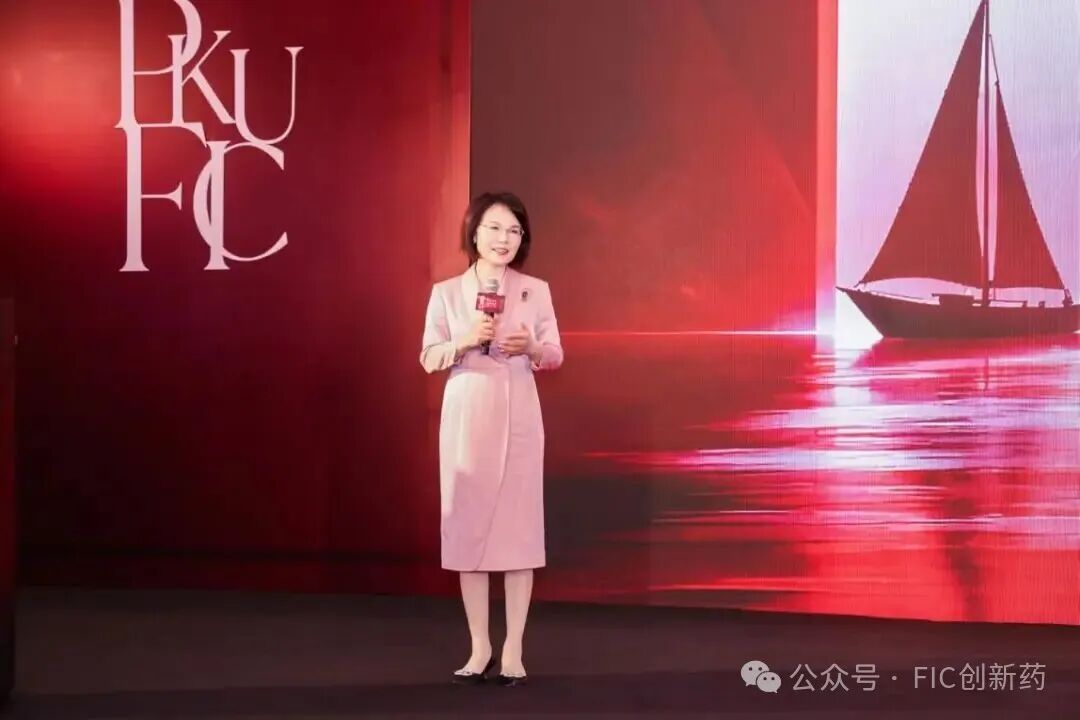
在全球医药创新格局加速演变的背景下,中国创新药产业迎来关键发展节点。2025年12月6日,由FIC创新药主办的"新药故事·永不落幕"年度峰会在海南 举行。会议汇聚了国内医药领域的领军专家,围绕创新药监管、国际化战略以及产业生态构建等议题展开深度对话,旨在推动中国创新药在全球舞台上的 突破。 北京大学未来技术学院院长、《新英格兰医学杂志》副主编肖瑞平教授在致辞中回顾了医学与药学百年发展历程。她指出,中国创新药正处在从"跟 跑"向"并跑、领跑"转变的关键阶段,新一代创药人不仅是历史的见证者,更是创造者。肖瑞平强调,FIC创新药平台应汇聚更多关注临床真实需求、具备 全球视野与跨界能力的产业领军人才,共同推动行业进步 国际化之路:机遇与结构性挑战 DIA 全球董事、前强生集团杨森制药全球药物研发副总裁李自力结合其覆盖学术界、监管机构、跨国药企与国际组织的跨领域经验,深入剖析了中国创 新药"出海"所面临的机遇与挑战。他指出,行业首先必须真正重视并清晰界定产品的全球战略定位,而不能以"中美双报"来掩盖战略不明的根本问题。 李自力强调,在"全球药物临床同步开发大循环"的既有框架之外,中国还应探索具有独特价值的"新兴市场临床 ...

2025年医保谈判结果点评:医保平稳商保可期,国产创新药龙头胜出
Orient Securities· 2025-12-10 00:45
Investment Rating - The report maintains a "Positive" investment rating for the pharmaceutical and biotechnology industry, indicating an expected return that is stronger than the market benchmark by over 5% [5]. Core Insights - The National Medical Insurance Administration is strongly encouraging the high-quality development of innovative drugs, with clear policies supporting the payment side for innovative drugs. Domestic leading innovative drug companies are entering a commercial realization phase [3][7]. - The 2025 National Medical Insurance Drug List includes 127 products, with 114 successfully added, of which 50 are innovative drugs, marking a historical high. The overall negotiation success rate reached 90%, the highest in nearly seven years [7]. - The report highlights that the domestic innovative drug market is becoming increasingly concentrated, with leading companies like Heng Rui and Xin Da Biotech significantly benefiting from the new insurance policies [7]. Summary by Sections Investment Recommendations and Targets - Recommended stocks include Heng Rui Pharmaceutical (600276, Buy), Ke Lun Pharmaceutical (002422, Buy), Xin Li Tai (002294, Hold), Ao Sai Kang (002755, Buy), Jing Xin Pharmaceutical (002020, Buy), and others [3]. Market Dynamics - The report notes that the introduction of the commercial insurance directory marks the beginning of a "new golden decade" for Chinese innovative drugs, with a focus on high clinical efficacy and value innovation [7]. - The report emphasizes that the competition in the GLP-1 market remains clear, with the entry of new drugs not significantly altering the competitive landscape for existing treatments [7].



AI借贷狂潮愈演愈烈,穆迪警告;美国将允许对华出售H200芯片,收入25%上缴美政府;三大期指普涨,中概股普跌【美股盘前】
Mei Ri Jing Ji Xin Wen· 2025-12-09 13:41
Group 1 - Major U.S. stock index futures are showing slight gains, with Dow futures up 0.05%, S&P 500 futures up 0.13%, and Nasdaq futures up 0.14% [1] - Chinese concept stocks are experiencing a decline, with Alibaba down 1.92%, Pinduoduo down 1.38%, Baidu down 3.88%, JD.com down 1.3%, and Xpeng Motors down 2.58% [2] - Nvidia is allowed to sell H200 AI chips to approved customers in China, with 25% of the revenue going to the U.S. government, leading to a 1.6% increase in Nvidia's stock price [3][3] - U.S. oil giants may take over stakes in an Iraqi oil field from sanctioned Russian company Lukoil, with ExxonMobil and Chevron as potential buyers [4] Group 2 - Stellantis and Bolt are collaborating to explore the development and deployment of Level 4 autonomous vehicles in Europe, with plans to start testing in 2026 and aim for mass production by 2029 [5] - Novartis has entered a partnership with UK biotech company Relation Therapeutics to discover new drug targets for atopic diseases, with an initial payment of $55 million and potential milestone payments of up to $1.7 billion [5] - Renault and Ford are working together to develop affordable small electric vehicles for the European market, with the first model expected to be showcased in 2028 [5] - CoreWeave plans to issue $2 billion in convertible debt, raising concerns about its already high debt burden of $14 billion as of September 30 [5] - Moody's warns that the surge in AI-related borrowing could pose risks to the financial system, with AI companies accumulating debt levels surpassing those seen before the dot-com bubble burst [5] - Medical supplies giant Medline is planning an IPO to raise up to $5.37 billion, potentially becoming the largest IPO in the U.S. this year [5]



新版医保目录新增50种一类创新药,涵盖肿瘤、慢病等多个领域
Bei Ke Cai Jing· 2025-12-08 11:01
Core Insights - The new National Medical Insurance Directory has added 114 new drugs, surpassing last year's addition of 91, with 50 being first-class innovative drugs, achieving an overall success rate of 88%, an improvement from 76% in 2024 [1][2] Group 1: New Drug Additions - The total number of drugs in the directory has increased to 3,253, significantly enhancing coverage for key areas such as oncology and chronic diseases [2] - The directory includes 38 global innovative drugs and 50 first-class innovative drugs, marking a historical high for new additions [2] - Notable inclusions are the first globally approved red blood cell maturation agent, Rotecip, for treating lower-risk myelodysplastic syndromes, and the first domestically developed IL-4Rα antibody drug, Kangyueda, for multiple indications [3][4] Group 2: Oncology Innovations - Several innovative oncology drugs have been added, including Tagolizumab, the first PD-L1 monoclonal antibody approved for nasopharyngeal carcinoma, and non-covalent BTK inhibitor, Jebatib, for relapsed mantle cell lymphoma [4][5][6] - ADCs (antibody-drug conjugates) have gained attention, with new entries like Lukanasatuzumab and Ruikangquzuzumab, targeting advanced breast cancer and non-small cell lung cancer [7][8] Group 3: Chronic Disease Treatments - The directory has included innovative drugs for chronic diseases, such as Novartis' PCSK9 mRNA interference drug for cholesterol management, addressing patients who cannot reach LDL-C targets [14] - AstraZeneca's biologic drug Benralizumab for severe eosinophilic asthma has also been added, providing targeted treatment options for patients [15][16] Group 4: Influenza Treatments - The new directory has incorporated two domestic antiviral drugs for influenza, Masurashave and Angladiv, which have shown promising clinical results in reducing symptoms and viral load [17]
2025国谈落地:从用得上走向用得起
2 1 Shi Ji Jing Ji Bao Dao· 2025-12-07 23:50
Core Insights - The Chinese medical insurance directory will undergo its largest expansion of innovative drugs in history starting January 1, 2026, adding 114 new drugs, including 50 class 1 innovative drugs, while removing 29 drugs that are either unavailable or can be replaced by better alternatives [1][9] - The new directory will increase the total number of drugs to 3,253, significantly enhancing coverage for key areas such as oncology, chronic diseases, mental health, rare diseases, and pediatric medications [1][9] - The inclusion of innovative drugs in the medical insurance directory reflects a strong commitment to support genuine innovation and differentiated innovation in the healthcare sector [1][9] Medical Insurance Directory Expansion - The new medical insurance directory will include 114 new drugs, with nearly 44% being class 1 innovative drugs, indicating a growing emphasis on innovative treatments [1][2] - The directory aims to balance the clinical value of innovative drugs, corporate profits, and the sustainability of the insurance fund, with a new commercial insurance directory established for high-cost innovative drugs [2][15] - The entry of innovative drugs into the medical insurance directory is seen as a critical step in making these treatments accessible to patients, thereby reducing their economic burden [13][23] Market Dynamics and Trends - The inclusion of innovative drugs in the medical insurance directory is expected to accelerate sales growth for these products, reshaping the business models of Chinese innovative drug companies [4][20] - Companies like Hengrui Medicine and Innovent Biologics have successfully included multiple innovative products in the new directory, indicating a trend of increasing market access for innovative therapies [4][5] - The commercial insurance directory, which includes 19 innovative drugs, aims to provide additional support for high-cost treatments, potentially lowering patient treatment costs significantly [15][18] Focus on Key Therapeutic Areas - The new directory emphasizes significant clinical value and urgent patient needs, particularly in oncology, with new drugs targeting various types of cancers being added [10][11] - The inclusion of drugs for rare diseases and conditions like severe asthma highlights a commitment to addressing critical healthcare challenges faced by patients [16][17] - The directory also includes innovative treatments for chronic conditions such as diabetes, further expanding access to essential therapies for a large patient population [8][12] Policy and Regulatory Environment - Recent reforms in drug approval and medical insurance payment systems have created a conducive environment for the development of innovative drugs in China [19][20] - The acceleration of drug review processes and the establishment of a more rigorous value assessment framework are expected to enhance the accessibility of innovative treatments [19][22] - The collaboration between policy and capital markets is crucial for fostering innovation and ensuring the sustainability of the healthcare system [21][22] Future Outlook - The successful implementation of the new medical insurance directory is anticipated to restore investor confidence in the innovative drug market, which has seen a slowdown in investment interest recently [18][21] - The ongoing development of commercial insurance options for innovative drugs is expected to play a significant role in expanding patient access and improving treatment outcomes [18][19] - The transition from merely making innovative drugs available to ensuring they are affordable and effective represents a significant shift in the Chinese healthcare landscape [23][24]
重大利好,5款百万级抗癌针被纳入商保
21世纪经济报道· 2025-12-07 13:50
Core Viewpoint - The upcoming adjustment to China's medical insurance catalog, effective January 1, 2026, will be the largest expansion of innovative drugs in history, adding 114 new drugs, including 50 class 1 innovative drugs, reflecting a significant commitment to support innovation in the pharmaceutical sector [2][11]. Summary by Sections Medical Insurance Directory Adjustment - The total number of drugs in the medical insurance directory will increase to 3,253, with a notable enhancement in coverage for key areas such as oncology, chronic diseases, mental health, rare diseases, and pediatric medications [2]. - The proportion of innovative drugs in the directory is rising, with 50 out of 114 new additions being class 1 innovative drugs, accounting for nearly 44% [2][11]. Innovative Drug Market Dynamics - The inclusion of innovative drugs in the medical insurance directory is a critical factor for market expansion, as these drugs typically experience rapid sales growth within a year of being added [5]. - Companies like Heng Rui Medicine and Innovent Biologics have successfully included multiple innovative products in the new directory, indicating a trend towards greater access to innovative treatments [6][7]. Clinical Demand and Treatment Options - The new directory focuses on drugs with significant clinical value and urgent patient needs, particularly in oncology, where new treatments for blood cancers and breast cancer have been added [12][14]. - The inclusion of targeted therapies for severe asthma and diabetes reflects a commitment to addressing pressing health issues in the population [10][8]. Pricing and Insurance Collaboration - A new commercial insurance directory for innovative drugs has been established, which includes 19 innovative drugs from 18 companies, aiming to create a balanced payment mechanism between basic medical insurance and commercial insurance [19][23]. - The commercial insurance directory is expected to alleviate the financial burden on patients, particularly for high-cost treatments like CAR-T therapy [21][22]. Policy Coordination and Future Outlook - The development of innovative drugs requires coordinated policies across drug approval, medical insurance, and clinical application, which have seen significant reforms in recent years [25][26]. - The future of innovative drug development in China hinges on the collaboration between industry policies and capital markets, with expectations for more original innovations and a focus on global competitiveness [27][28]. Conclusion - The adjustment of the medical insurance directory marks a transformative step for innovative drugs in China, shifting from being luxury items to accessible treatment options for a broader population, ultimately enhancing patient outcomes and supporting the goal of universal health coverage [29].

从“试点”到“标杆”——上海浦东高质量书写引领区建设新答卷
Xin Hua Wang· 2025-12-06 03:41
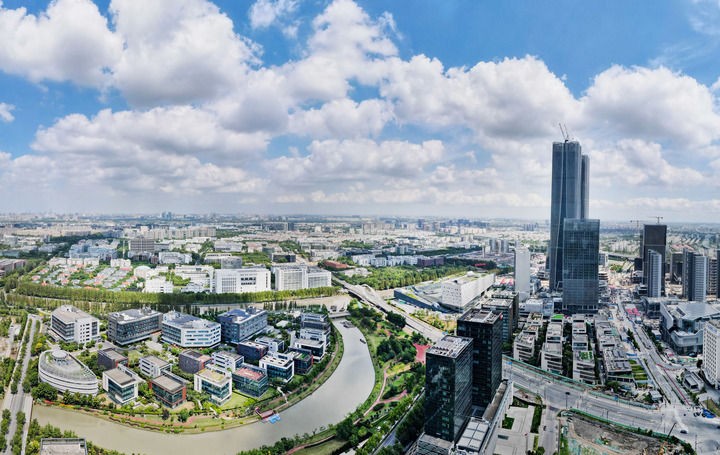
Core Insights - The article highlights the significant progress made by the Pudong New Area in Shanghai over the past five years, focusing on its role as a leading area for socialist modernization and international openness [3][30]. Group 1: Development and Achievements - Pudong has been designated as a key area for high-level reform and opening up, contributing to Shanghai's goal of becoming a world-class international metropolis [3]. - The establishment of the Shanghai Oriental Hub International Business Cooperation Zone has been recognized as a new platform for facilitating international business exchanges [6]. - Pudong has seen an average annual growth of 11% in fixed asset investment over the past five years, with industrial investment reaching a historical high of 36.7% year-on-year from January to October 2025 [17]. Group 2: Innovation and Technology - The Zhangjiang Science City has become a hub for innovation, with significant advancements in high-tech fields such as AI and biomedicine, including the development of the first PD-1 cancer drug in China [24][29]. - The region has established 14 major scientific facilities, enhancing its capabilities in research and development [24]. - Companies like LyondellBasell have launched innovative technologies in Pudong, indicating the area's attractiveness for multinational corporations [6]. Group 3: Business Environment and Ecosystem - Pudong is actively creating a market-oriented, law-based, and international business environment, attracting multinational companies to localize their operations [8]. - The "Global Exchange" platform has gathered 39 national centers, enhancing international trade services [10]. - The implementation of the "one certificate per industry" policy has streamlined business operations, allowing for quicker market entry [15]. Group 4: Regulatory and Legal Framework - Pudong has introduced innovative legal practices, such as the first maritime mediation and temporary arbitration case in the country, showcasing its commitment to legal reform [13]. - The region has developed 23 regulations and 36 management measures to support its reform initiatives [17]. Group 5: Future Outlook - Pudong aims to continue its trajectory of reform and innovation, focusing on deepening comprehensive reforms and enhancing its role as a model for high-level openness in China [30].
清华系AI黑马融资5亿! | 融资周报(2025年第44期)
Sou Hu Cai Jing· 2025-12-02 07:23
Financing Overview - A total of 27 financing events occurred in Shanghai this week, with 13 disclosing amounts totaling approximately 1.753 billion yuan [5][10] - The majority of financing events took place in the Pudong New Area, with 12 events, followed by Minhang District with 5 events [5] - The most common financing round was Series A, with 11 occurrences, followed by angel rounds with 8 [7] Company Dynamics - Weike Bio's patent for a detection method based on exogenous DNA insertion mutations was approved on November 5 [3] - DeYin Technology showcased at the Hong Kong Elderly Technology Expo on November 20 [3] - Hejian Technology and CAE Network partnered to establish a PCB design and digital chip simulation collaboration on December 1 [3] Hot Industry Focus - The National Medical Products Administration approved a disposable pressure monitoring cardiac pulsed electric field ablation catheter from Shanghai MicroPort on November 24 [4] - Novartis' innovative drug, Ripretinib tablets, received approval from the National Medical Products Administration on November 26 [4] - Anke Bio's Shanghai Innovation Research Institute and Shanghai Anke Huaze Pharmaceutical officially opened in Zhangjiang on November 27 [4][24] Notable Financing Events - Wunwen Qinqu completed nearly 500 million yuan in Series A+ financing on November 27, led by Zhuhai Technology Group and Futen Capital [13][14] - Hypershell completed 70 million USD in Pre-B and B round financing on November 27, with participation from various investors [16][17] - Kaisi Kedi completed 300 million yuan in Series B financing on November 28, led by Guotou Xiandao [18][19] - Aoyi Technology completed over 100 million yuan in B+++ round financing on November 28, exclusively invested by listed company Redik [20][21] - Kaiwuji completed a 100 million yuan angel round financing on November 26, led by IDG Capital and BlueRun Ventures [22][23] Policy and Regulatory Developments - The Shanghai government introduced 22 measures to support the high-quality development of the biopharmaceutical industry, focusing on innovation and regulatory reforms [25]

第三季度亏损大幅收窄 智翔金泰业绩回暖待盈利
Xin Lang Cai Jing· 2025-11-28 11:29
Core Viewpoint - The company Zhixiang Jintai (688443.SH) is gaining attention as it progresses towards commercializing its core product, the Sairiqi monoclonal antibody injection, despite its initial poor stock performance and ongoing losses. Investors are keen to understand when the company will achieve profitability as it moves into a phase of revenue realization [1][4]. Financial Performance - In the third quarter, Zhixiang Jintai reported a revenue of 162.16 million yuan, a year-on-year increase of 1199.88%, while the net profit attributable to shareholders was a loss of 53.28 million yuan, significantly narrowing from a loss of 187 million yuan in the same period last year [3][4]. - For the first three quarters, the company achieved a total revenue of 208 million yuan, reflecting a year-on-year increase of 1562.05%, with the net loss narrowing from 550 million yuan to 370 million yuan, a reduction of 32.73% [4]. Product Development and Market Position - Zhixiang Jintai focuses on the development of monoclonal and bispecific antibodies for autoimmune, infectious diseases, and oncology. Currently, only one product has been approved for sale, and the company has incurred a cumulative net loss of 2.869 billion yuan from 2020 to 2024 [5][7]. - The Sairiqi monoclonal antibody injection has been approved for two indications and is expected to contribute significantly to revenue, having generated 45.38 million yuan in sales in the first half of the year [7][8]. - The company is facing competition from multiple IL-17A targeted drugs, including Novartis's Secukinumab, which has established a strong market presence with sales reaching 2.08 billion yuan in 2022 and increasing to 2.75 billion yuan in 2023 [8][9]. Research and Development - Zhixiang Jintai has over ten products in its research pipeline, with three currently under review for approval. The company has invested heavily in R&D, with expenditures of 4.54 billion yuan, 6.20 billion yuan, and 6.10 billion yuan over the last three years, totaling 16.85 billion yuan [10][11]. - Recent collaborations have provided short-term financial relief, including a partnership with Cullinan Therapeutics that brought in a $20 million upfront payment and potential milestone payments totaling $692 million [12][13]. Future Outlook - The company aims to enhance its product pipeline and market presence through innovative drug discovery technologies and expanding its therapeutic targets. However, long-term sustainability will depend on the success of its proprietary products in generating consistent revenue [13].


疫苗ETF(159643)涨超1.6%,小核酸药物商业化提速引关注
Mei Ri Jing Ji Xin Wen· 2025-11-26 10:31
Group 1 - The small nucleic acid industry is expected to enter its first explosive growth cycle in 2025, with commercialization progress and new platform validations exceeding market expectations [1] - Alnylam's drug AMVUTTRA for treating ATTR is projected to become the first small nucleic acid drug with sales exceeding $2 billion this year [1] - Ionis's drug for treating sHTG saw a 35% stock price increase after positive data was released in September, with key phase 3 data and commercialization progress in 2026 being noteworthy [1] Group 2 - Arrowhead is focusing on weight loss and CNS projects leveraging its leading liver-external Trim platform, with the first commercial product for treating FCS, Plozasiran, expected in November [1] - The acceleration of small nucleic acid drug commercialization is driving continuous growth in demand for related raw materials and outsourced R&D [1] - The sentiment in the pharmaceutical sector is currently low, but upcoming data releases from the ASH conference, new medical insurance catalogs, and the first version of the commercial health insurance innovative drug catalog are expected to improve the outlook for innovative drugs, CXO, and the medical device industry [1] Group 3 - The vaccine ETF (159643) tracks the vaccine biotech index (980015), which selects listed companies involved in vaccine development, production, and sales, reflecting the overall performance of the vaccine sector within the biopharmaceutical industry [1] - This index exhibits high growth potential and strong specialization characteristics [1]