宝马

Search documents
外媒:政府拟拨款30亿欧元,德国预计明年重启电动汽车购买补贴
Huan Qiu Shi Bao· 2025-10-20 22:41
Group 1 - Germany plans to reinstate electric vehicle (EV) incentive policies to support its struggling automotive industry, with a proposed budget of €3 billion by 2029 for low- and middle-income families to purchase zero-emission vehicles [1] - The new incentive program will provide up to €4,000 in subsidies for new electric vehicles priced below €45,000, set to take effect in January 2026 [1] - The previous incentive program, which began in 2016, provided approximately €10 billion in subsidies but was terminated in December 2023, leading to a significant 28% drop in EV sales in Germany in 2024 [1] Group 2 - The new incentive plan includes restrictions aimed at making it more effective, such as limiting subsidies to vehicles priced below €45,000 and excluding plug-in hybrid vehicles to promote pure electric vehicles [2] - Families with an annual income below €45,000 will qualify for the subsidies, and for the first time, used electric vehicles will also be eligible for support [2] - The German automotive industry association supports the new incentive plan, emphasizing the need for equal opportunities for all manufacturers and cautioning against protectionism [2]
【快讯】每日快讯(2025年10月20日)
乘联分会· 2025-10-20 08:37
Domestic News - In September, the total retail sales of consumer goods reached 41,971 billion yuan, with a year-on-year growth of 3.0%. Excluding automobiles, the retail sales amounted to 37,260 billion yuan, growing by 3.2% [4] - The China Academy of Information and Communications Technology released a technical roadmap for intelligent connected vehicles, emphasizing the need for enhanced communication capabilities, network coverage, and performance optimization [5] - Starting from November 1, 2025, Yunnan province will suspend applications for automobile scrapping and replacement subsidies [6] - The city of Hefei in Anhui province will also suspend its automobile scrapping subsidy policy from October 24, 2025 [7] - The domestic market for power battery recycling is expected to exceed 100 billion yuan by 2030, with a projected recovery volume of over 300,000 tons in 2024 [8] - Changan Automobile plans to launch a flying car product by 2030, aiming for commercial operation [9] - Chery Automobile anticipates that its revenue contribution from overseas markets will surpass that from domestic markets in the future, with plans to establish 26 overseas R&D centers [10] - XPeng Motors has officially launched its digital parts warehouse in the Middle East and Africa, enhancing its service ecosystem [11] Foreign News - BMW's plant in San Luis Potosi, Mexico, has produced its 500,000th vehicle, a significant milestone achieved in just six years since production began [12] - The Norwegian government plans to expand the tax range for electric vehicles, which will increase costs for models like the Tesla Model Y, as part of a strategy to phase out gasoline and diesel vehicles by 2025 [13] - Stellantis Group has signed a non-binding memorandum of understanding with Pony.ai to accelerate the development and deployment of autonomous vehicle solutions in Europe [14] - Lamborghini has submitted a patent for a new type of active aerodynamic wheel that balances aerodynamic advantages with effective cooling during braking [15] Commercial Vehicles - Former President Trump signed an executive order imposing a 25% tariff on imported medium and heavy trucks, effective November 1, 2025, citing national security concerns [16] - FAW Jiefang's R&D capability enhancement project has been completed, introducing new products aimed at boosting the quality of China's automotive industry [18] - Chery Commercial Vehicles showcased innovative technologies at the Chery Global Innovation Conference, highlighting advancements in electric, connected, and intelligent vehicles [20] - The LANDKING brand from Shandong Heavy Industry launched a new generation of technology products at a global partner conference, focusing on overseas market expansion [21]


北交所科技成长产业跟踪第四十七期(20251019):国家政策层面推动充电基础设施建设提速,关注北交所充电设施产业链企业
Hua Yuan Zheng Quan· 2025-10-20 08:14
Investment Rating - The report focuses on the charging infrastructure industry, highlighting investment opportunities in companies involved in the charging facilities supply chain [1]. Core Insights - The Chinese government has launched the "Three-Year Doubling Action Plan for Electric Vehicle Charging Facilities (2025-2027)" to enhance the charging infrastructure network and promote electric vehicle adoption [3][7]. - As of mid-2025, there are 4.096 million public charging facilities and 12.004 million private charging facilities in China, reflecting a year-on-year growth of 36.7% and 63.3% respectively, indicating a rapid release of demand in residential areas [3][17]. - The report identifies 10 companies listed on the Beijing Stock Exchange that are involved in the charging facilities supply chain, including WanYuanTong and JuXing Technology [3][41]. Summary by Sections 1. National Policy Driving Charging Infrastructure - The "Three-Year Doubling Action Plan" aims to improve the electric vehicle charging service network and enhance consumer quality [3][7]. - The integration of electric vehicles and charging stations is accelerating, with a significant increase in fast charging adoption [3][8]. 2. Current Status of Charging Facilities - Public charging facilities reached 4.096 million, with a 36.7% increase year-on-year, while private facilities grew by 63.3% [3][17]. - The demand for public charging stations is primarily driven by ride-hailing and taxi services, while residential charging facilities cater to private vehicle owners [3][17]. 3. Industry Trends - The emergence of the 800V high-voltage fast charging system is driving technological innovation across the supply chain [3][28]. - Liquid cooling technology is crucial for achieving high-power charging (over 600kW) [3][31]. 4. Company Performance - The report notes a median price change of -5.11% for technology growth stocks on the Beijing Stock Exchange, with only 12 companies showing an increase [3][43]. - The median TTM price-to-earnings ratio for the new energy industry is reported at 35.2X, down from 38.7X [3][47].
当局防堵大陆车,岛内消费者“吃闷亏”
Huan Qiu Shi Bao· 2025-10-20 03:07
Core Viewpoint - The Democratic Progressive Party (DPP) authorities in Taiwan are blocking mainland Chinese cars under the guise of safety, leading to exorbitant car prices in Taiwan compared to mainland China, which is causing dissatisfaction among consumers [1][2]. Group 1: Price Discrepancy - The price of the new Tesla Model 3 in Taiwan is NT$1.69 million, while it is NT$1.05 million in mainland China, highlighting a significant price difference [1]. - The BMW Z4 is priced at NT$3.72 million in Taiwan compared to NT$2.12 million in mainland China, further illustrating the steep price disparity [1]. - The high costs are attributed to Taiwan's strict import barriers for complete vehicles, allowing only CKD (Completely Knocked Down) imports, which increases assembly costs [1]. Group 2: Market Dynamics - The Taiwan automotive market is relatively small, making it difficult to spread high initial investment costs, and local manufacturers are often joint ventures, lacking the scale and R&D capabilities needed for competitiveness [1]. - According to the Chung-Hua Institution for Economic Research, new car registrations in Taiwan are projected to be 458,000 in 2024, with local car sales expected to be around 200,000 [1]. Group 3: Political and Regulatory Environment - The DPP's actions against mainland car manufacturers are seen as politically motivated rather than based on technical management, with a significant portion of the Taiwanese public expressing support for the import of mainland electric vehicles like BYD [2][3]. - A recent online poll indicated that 44.4% of participants support BYD's entry into Taiwan, surpassing those opposed by 14 percentage points [3]. - The Taiwanese government has implemented strict regulations, including a requirement for local manufacturers to increase local supply ratios to 35% to qualify as "Taiwan-made" vehicles [2]. Group 4: Industry Challenges - Despite a rapid growth in the electric vehicle market, challenges such as insufficient charging infrastructure, reliance on imported core components, and outdated maintenance technology persist, leading to consumer anxiety regarding range and high maintenance costs [3]. - Mainland automotive brands have made significant advancements in technology and cost-effectiveness, presenting a competitive option for consumers in Taiwan [3]. - Opening the market to more mainland models could provide consumers with better prices and choices while promoting local industry upgrades and market competition [3].

民进党当局防堵大陆车,岛内消费者“吃闷亏”
Huan Qiu Wang· 2025-10-19 22:53
Core Viewpoint - The Taiwanese government's restrictions on mainland Chinese cars have led to significantly higher vehicle prices in Taiwan compared to mainland China, causing consumer dissatisfaction and highlighting the inefficiencies in the local automotive market [1][2][3] Group 1: Price Discrepancies - The price of the new Tesla Model 3 in Taiwan is NT$1.69 million, while it is NT$1.05 million in mainland China, indicating a price difference of NT$640,000 [1] - The BMW Z4 is priced at NT$3.72 million in Taiwan compared to NT$2.12 million in mainland China, showcasing a staggering price gap of NT$1.6 million [1] Group 2: Market Barriers - Taiwan's automotive market has long imposed strict barriers on the import of complete vehicles from mainland China, only allowing CKD (Completely Knocked Down) imports, which increases assembly costs [1] - The local market's limited size prevents the distribution of high initial investment costs, and most domestic manufacturers are joint ventures, lacking the scale and R&D capabilities necessary for competitiveness [1] Group 3: Political and Regulatory Environment - The Taiwanese government has intensified its efforts to block mainland car imports under the pretext of safety and security, with new regulations potentially being established to control technology transfer and vehicle sales [2] - A recent online poll indicated that 44.4% of participants support the import of BYD vehicles into Taiwan, reflecting a significant public interest in mainland electric vehicles [3] Group 4: Market Dynamics and Consumer Sentiment - Despite the rapid growth of the electric vehicle market in Taiwan, challenges such as insufficient charging infrastructure and reliance on imported core components remain unresolved, leading to consumer anxiety regarding range and maintenance costs [3] - The article argues that opening the market to more mainland vehicle models could provide consumers with better prices and choices while promoting local industry upgrades and competition [3]
日经品牌调查:三星居亚洲首位,比亚迪第81
日经中文网· 2025-10-19 00:33
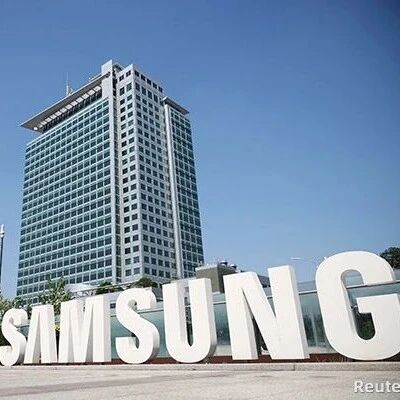
Core Insights - Samsung Electronics ranks first in brand value in Asia for the second consecutive year, according to the 2025 Global Brand Survey by Nikkei Research [2][4] - The survey evaluated 200 brands across 11 countries and regions, with over 70,000 consumers participating, focusing on brand appeal and contribution to purchasing decisions [4] Brand Rankings - Samsung leads the brand value rankings in Asia with a score of 4719, followed by Adidas (4575) and Nike (4553) [5][6] - Notable movements include BMW rising from 10th to 5th place, while Volkswagen dropped from 34th to 44th [6][7] Brand Performance - Samsung's brand value has increased across various countries, including Vietnam, Thailand, India, Indonesia, and Malaysia, compared to the previous survey where it only ranked first in Vietnam [4][6] - Among Japanese brands, 22 made it into the top 50, an increase of 2 from the last survey, but 77% of Japanese brands saw a decline in their rankings [6][8] Emerging Brands - BYD improved its position from 92nd to 81st, while Tesla moved up from 33rd to 25th, reflecting their growth in the electric vehicle market [6][7] - L'Oréal rose from 35th to 27th, indicating strong competition in the cosmetics sector, while Estée Lauder fell from 66th to 82nd [7][8]
喜娜AI速递:今日财经热点要闻回顾|2025年10月18日
Sou Hu Cai Jing· 2025-10-18 11:16
Group 1 - The recent volatility in the gold market has sparked debates between bulls and bears, with gold prices experiencing a significant drop after reaching new highs, indicating potential overtrading and divergence from traditional drivers [2] - The U.S. economy faces uncertainties as Trump signs a new tariff order on medium and heavy trucks, which could impact economic growth, while the Federal Reserve reports challenges in consumer spending and manufacturing [2] - Global stock markets showed weakness, particularly in Asia, due to unfavorable trade conditions and concerns over high valuation stocks, although some recovery was noted in bank and tech stocks later [2] Group 2 - China's fiscal revenue showed a gradual recovery in the first three quarters, with a 0.5% year-on-year increase in general public budget revenue and a 0.7% rise in tax revenue, supported by significant government spending [3] - The China Securities Regulatory Commission announced new corporate governance guidelines for listed companies, effective January 1, 2026, aimed at enhancing governance structures and protecting investor rights [3] - Approximately 494 billion yuan flowed into stock ETFs this week, with banks and rare earth sectors attracting investment, while chemical and communication ETFs faced sell-offs [3] Group 3 - German luxury car brands experienced a decline in sales in China, with significant challenges in competing with domestic high-end brands and a slower transition to electric vehicles [4][5] - The recent issues faced by U.S. regional banks due to loan fraud cases led to a sharp decline in the regional banking index, raising concerns about potential broader implications for the banking sector [5] - Silver prices reached a historical high before retreating, with market opinions divided on whether it can sustain above the $50 mark, influenced by various demand factors [5] Group 4 - The U.S. dollar experienced fluctuations influenced by international trade tensions and Federal Reserve policies, with a weekly decline of 0.3%, while other currencies like the Swiss franc and yen strengthened [6]
北京宝信行撤店,尊贵的宝马车主被“收割”?
Xin Lang Cai Jing· 2025-10-18 03:15
Core Viewpoint - BMW is facing significant challenges in maintaining its brand image and customer trust due to the abrupt termination of its partnership with Beijing Baoxin Auto, leading to unresolved service issues for MINI car owners [1][7]. Group 1: Customer Impact - Customers who purchased the "Double Protection Worry-Free" maintenance package from Baoxin Auto are left uncertain about their service continuity, as BMW has announced the termination of Baoxin Auto's authorization [1][3]. - Over 300 BMW car owners are experiencing similar issues, with many expressing dissatisfaction with BMW's proposed solutions after months of negotiations [3][7]. - The "Double Protection Worry-Free" package, priced between 15,888 to 20,888 yuan, includes basic maintenance and extended warranty, but many customers have not received the promised services [3][6]. Group 2: Dealer Issues - Baoxin Auto, once a major BMW dealer in China, has faced operational difficulties, leading to the termination of its authorization by BMW in multiple regions [11]. - The company has been listed as a high-risk entity and is involved in multiple lawsuits, indicating severe financial distress [10][12]. - The decline of Baoxin Auto reflects broader challenges faced by luxury car dealers in China, particularly as the market shifts towards electric vehicles [11][17]. Group 3: Market Dynamics - The luxury car market in China is experiencing a downturn, with BMW's market share dropping from 18.4% in January 2025 to 14.3% by September 2025 [17]. - BMW's sales in China have decreased by 11.2% year-on-year, marking it as the only market where BMW's global sales have declined [17]. - The shift towards electric vehicles is reshaping the automotive landscape, with traditional luxury brands like BMW struggling to adapt to the new market dynamics [17][19].

最新!安世芯片危机,荷兰经济部长紧急寻求对华谈判
是说芯语· 2025-10-18 00:52
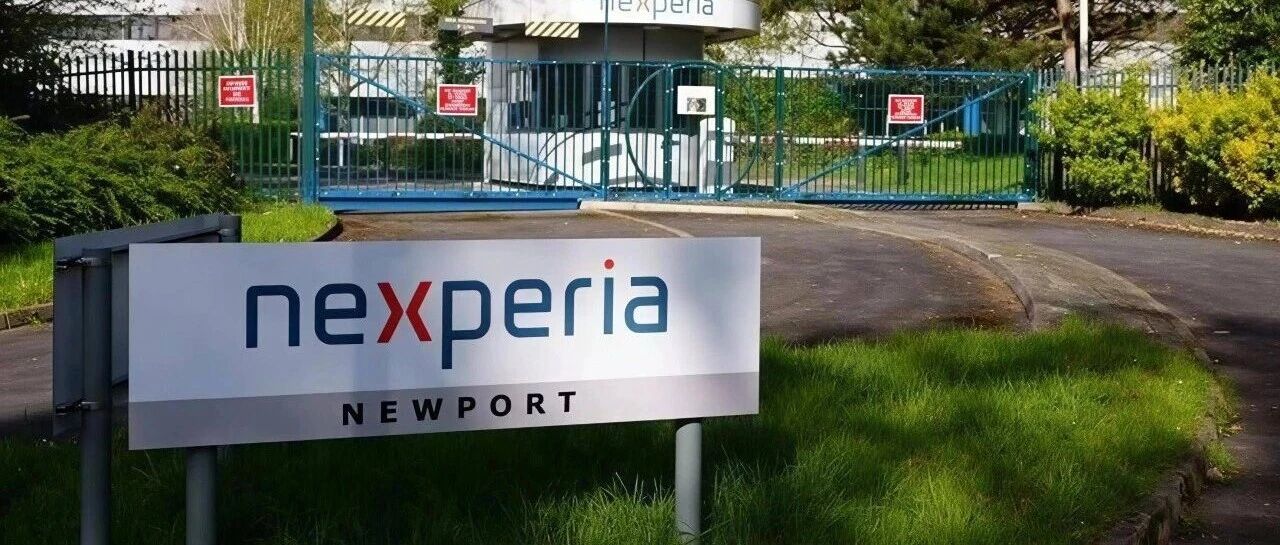
Group 1 - The article discusses the urgent diplomatic efforts by the Dutch government to negotiate the lifting of a chip export ban on Nexperia, a semiconductor company, in response to a crisis in the global automotive chip supply chain [1][2] - The ban, which affects over 50 billion chips produced annually in China, is a result of the Dutch government's intervention citing "supply chain security" concerns, leading to significant disruptions for major automotive manufacturers like BMW and Volkswagen [1][4] - Nexperia, acquired by China's Wingtech Technology in 2019, has its largest production facility in Dongguan, China, and is a key supplier in the semiconductor market, particularly for automotive applications [1][4] Group 2 - The Dutch Minister Karremans emphasized the need to resolve the situation for the benefit of the economies of the US, the Netherlands, Europe, and China, while denying any US pressure in the decision-making process [2] - However, court documents indicate that the US had previously requested changes in Nexperia's management structure, which raises questions about the independence of the Dutch government's actions [2] - The European Automobile Manufacturers Association (ACEA) warned of severe disruptions in European automotive production if supply issues are not resolved quickly, with current inventories only sufficient for a few weeks [4] Group 3 - The supply chain crisis is already impacting the market, with predictions of chip shortages for major car manufacturers within weeks, as Nexperia's products hold significant market shares in various semiconductor categories [4] - Nexperia's small signal diodes and ESD protection devices rank first globally in shipment volumes, while its automotive-grade Power MOSFETs rank second, indicating a substantial impact on the mature chip market if supply is interrupted [4] - The Dutch Ministry of Economic Affairs is in communication with both Nexperia and Chinese authorities, indicating a willingness to reconsider the decisions affecting the company [4]

展厅设计新纪元:空间如何成为品牌叙事的超级引擎?
Sou Hu Cai Jing· 2025-10-18 00:39
Core Insights - The exhibition space is evolving from a simple product display area to a multi-dimensional narrative platform, with the professional exhibition design market in China surpassing 800 billion yuan in 2023, and technology companies increasing their exhibition investments by 42% year-on-year [1][3]. Group 1: Spatial Storytelling - Top design firms are adopting a "three-act structure" for spatial planning, enhancing visitor retention rates by 300% through emotional engagement, interactive core areas, and memorable brand elevation [1][3]. Group 2: Immersive Technology - The cost of immersive technologies like CAVE systems and mixed reality devices has decreased by 67% over the past three years, enabling small and medium enterprises to create immersive experiences previously accessible only to top brands [2][3]. - A domestic electric vehicle brand increased its order conversion rate by 28% using a five-screen CAVE system to simulate extreme driving conditions [2]. Group 3: Emotional Data Visualization - Successful exhibition designs now focus on emotional data presentation, transforming abstract technical parameters into engaging visual experiences, which enhances understanding by 4.3 times [4]. Group 4: Multi-Sensory Immersion - Modern exhibitions are evolving from visual-centric to multi-sensory experiences, with studies showing that such experiences can extend brand memory retention to 72 hours [7]. Group 5: Digital Twin Integration - The integration of digital twin technology allows real-time mapping of operational data from thousands of devices, enhancing the credibility of technical narratives [8]. Group 6: Sustainable Design Thinking - Sustainable design practices, such as modular aluminum frameworks and biodegradable materials, are becoming industry standards, reducing long-term operational costs by 40% [9]. Group 7: Rise of Metaverse Exhibitions - The emergence of metaverse exhibitions is breaking physical boundaries, with mixed reality tours providing remote customers with 85% of the on-site experience [11]. - The introduction of biosensing technology allows for precise optimization of visitor engagement, increasing core exhibit dwell time by 187% [11]. Group 8: Future Trends in Exhibition Design - Neuro-architecture and generative AI are set to become mainstream, enabling real-time adjustments to narratives based on audience profiles and optimizing spatial designs based on brainwave feedback [11].