vivo

Search documents
一场游戏圈赛博围猎后,没有人是赢家
3 6 Ke· 2025-12-08 11:32
Group 1 - The article discusses a recent controversy in the gaming industry involving miHoYo's new game "Varsapura" and the backlash against a character named "Dahlia" from "Honkai: Star Rail," which some players believe exploits a historical murder case [5][8][22] - The controversy escalated when a prominent Bilibili content creator, known as "Xiaoyao Sanren," faced criticism for his video on the game, leading to accusations of indirectly supporting miHoYo during a sensitive time [8][15] - Players expressed their dissatisfaction with miHoYo's silence on the issue, which intensified the backlash, resulting in some content creators severing ties with the company [11][13][21] Group 2 - The backlash against miHoYo and Xiaoyao Sanren reflects a broader trend in the gaming community where issues of political correctness and gender representation are increasingly scrutinized [22][36] - The article highlights that this controversy is not isolated, as miHoYo has faced similar issues in the past, but the current situation is marked by a more severe focus on political correctness [22][31] - The gaming community is becoming more polarized, with players prioritizing identity politics over the enjoyment of the games themselves, leading to a fragmented environment [39][41]


iPhone 17 Pro系列官宣降价!
Mei Ri Jing Ji Xin Wen· 2025-12-08 09:56
Core Viewpoint - Apple is actively engaging in promotional activities and store openings in China, while facing increasing competition from domestic brands and internal management changes [2][6][7]. Group 1: Store Openings and Promotions - Apple opened its 6th store in Beijing on December 6, marking the 59th store in Greater China, with significant customer turnout [2]. - On December 8, Apple launched year-end discounts on its official e-commerce platform, reducing prices of iPhone 17 Pro and iPhone 17 Pro Max by 300 yuan, with starting prices of 8699 yuan and 9699 yuan respectively [2]. Group 2: Sales Performance and Market Position - The iPhone 17 series has seen a 12% year-on-year increase in actual shipments in October, achieving a market share of 24.2%, the highest for a single month [6]. - Analysts predict that Apple may surpass Samsung in global smartphone shipments by 2025, marking its first time at the top since 2011 [6]. Group 3: Product Strategy - The iPhone 17 series maintains its starting price while offering significant upgrades, such as a 48-megapixel camera and a new processor, effectively being termed as "implicit price reduction" [6]. Group 4: Competitive Landscape - Apple faces intensified competition from Huawei and other domestic brands, particularly in the high-end market, as these brands enhance their offerings with AI capabilities [7]. - The rise of "AI smartphones" is becoming a focal point in the industry, with domestic brands leading in AI integration, while Apple has yet to launch its AI features in the domestic market [7]. Group 5: Management Changes - Apple is experiencing significant management turnover, with recent announcements of multiple executive departures, raising concerns about its future direction [7][8]. - Speculation about CEO Tim Cook's potential departure has surfaced, although he is expected to remain in his position until at least 2028 [8]. Group 6: Financial Performance - In the third fiscal quarter of 2025, Apple reported total revenue of $94.04 billion, a 10% increase year-on-year, with iPhone revenue reaching $44.58 billion, up 13% [9]. - The services segment continues to be a strong performer, with revenue of $27.42 billion, reflecting a 13% growth and a gross margin of 75.6% [9]. Group 7: Stock Performance - Prior to August, Apple's stock had dropped approximately 15% due to concerns over its slow AI advancements, but has since rebounded, with a year-to-date increase of over 11% as of December 5 [10][11].

产能跃升・生态扩容:思林杰番禺基地投产引领工业测控新范式
Quan Jing Wang· 2025-12-08 09:38
Core Insights - The production launch of the embedded intelligent instrument module expansion project by Guangzhou Silin Jie Technology Co., Ltd. marks a significant leap in its R&D, production, and operational capabilities in the embedded intelligent instrument module sector, addressing market demand and enhancing technological strength [1][2] Capacity Enhancement - The new base in Panyu is equipped with a dust-free workshop, advanced laboratories, and an AI testing demonstration center, significantly improving product consistency and delivery efficiency while reserving ample capacity for future business expansion [2] - The company's core competitiveness stems from its self-developed "controller module + functional module" hardware architecture, which breaks the monopoly of imported equipment in the consumer electronics PCBA testing field, achieving a dominant position [2] - In the first three quarters of 2025, the company achieved total revenue of 180 million yuan, a year-on-year increase of 55.76%, with Q3 revenue reaching 76.99 million yuan, up 97.04% year-on-year, indicating a positive interaction between scaled production and market demand [3] Ecosystem Expansion - The new base serves as a hub for industry chain collaboration, strategic expansion, and global layout, enhancing the company's diversified development pattern [4] - The company has established deep cooperative relationships with leading global enterprises such as Quanta Computer and Foxconn, and has formed strategic partnerships with the Guangdong Product Quality Supervision and Inspection Research Institute to promote domestic applications of testing instruments [4] - The project is expected to drive the collaborative upgrade of upstream and downstream supporting enterprises, injecting strong momentum into the local economy [4] Business Field Expansion - The formal launch of the "14th Five-Year Plan" strategy marks a significant milestone, with low-altitude economy and artificial intelligence identified as core tracks [5] - The company plans to acquire 71% of Qingdao Keke Electronics for 1.314 billion yuan to leverage its technology in military control components, expanding into high-value markets such as military and aerospace [5] - The company aims to deepen its presence in the Asia-Pacific market while actively expanding into high-end markets in Europe and North America [5] Industry Empowerment - As a benchmark enterprise in the domestic industrial automation testing field, the company focuses on independent innovation and technological breakthroughs to drive industry transformation and promote the localization of high-end instrument equipment [6] - The company has maintained a high level of R&D investment, with R&D expenses accounting for 25.43%, 30.95%, and 26.57% of revenue from 2022 to 2024, respectively [6] - The company has accumulated 32 independent invention patents and a total of 244 various patents and software copyrights, establishing a solid technological barrier [6] Technological Innovation - The company's self-developed embedded intelligent instrument module has successfully broken the foreign monopoly in the high-end testing field, enhancing customer cooperation and business sustainability [7] - The company extends its core technology into emerging fields such as new energy, biomedical, and semiconductor testing, providing customized core module solutions through collaboration with customer R&D teams [7] - The company aims to leverage its Panyu base to deepen industry chain collaboration and emerging track layout, enhancing the reliability standards of military-grade products for civilian upgrades [7]

消费电子ETF(561600)涨超2.8%,AI主线持续催化
Xin Lang Cai Jing· 2025-12-08 05:59
Core Insights - The consumer electronics sector is experiencing significant growth, driven by advancements in AI technology and the release of new AI-enabled smartphones by major manufacturers [1][2] - The China Securities Consumer Electronics Theme Index (931494) has shown a strong upward trend, with notable increases in key component stocks [1][2] Group 1: Market Performance - As of December 8, 2025, the China Securities Consumer Electronics Theme Index (931494) rose by 2.95%, with significant gains in component stocks such as Lixun Precision (002475) and East Mountain Precision (002384) [1] - The Consumer Electronics ETF (561600) also increased by 2.83%, marking its third consecutive rise [1] Group 2: AI Integration in Consumer Electronics - Major smartphone manufacturers, including Apple, Vivo, OPPO, and Honor, have been focusing on AI capability upgrades, launching new flagship models with AI features since October [1] - ByteDance and ZTE are collaborating to develop an AI smartphone, indicating a trend towards integrating content ecosystems with hardware [1] Group 3: Government Initiatives and Market Trends - A joint initiative by six government departments aims to enhance the adaptability of supply and demand in consumer goods, promoting AI applications across the entire industry [2] - The market for AI glasses and smartwatches has seen a year-on-year growth of 23.1%, with the AI toy market projected to reach 29 billion yuan by 2025 [2] Group 4: Index Composition - The China Securities Consumer Electronics Theme Index comprises 50 listed companies involved in component production and brand design, reflecting the overall performance of the consumer electronics sector [2] - As of November 28, 2025, the top ten weighted stocks in the index accounted for 56.39% of the total index weight [2]





金融时报:中国手机厂商抓住苹果AI困局,吸引iPhone用户倒戈
Feng Huang Wang· 2025-12-08 00:26
Core Insights - Apple is facing increasing pressure from Chinese smartphone manufacturers who are promoting switch applications to attract iPhone users to Android, as Apple has not yet launched AI features in China, the world's largest smartphone market [1][3] Market Competition - The top five Chinese smartphone manufacturers have launched switch applications this year, facilitating data migration from Apple's iOS to their devices, or allowing users to keep their Apple devices while using Chinese brand phones [1] - The Chinese smartphone market is highly competitive, with no single manufacturer holding more than 20% market share. Vivo has overtaken Apple as the market leader, achieving an 18.5% share in Q3, while Apple, Honor, OPPO, Xiaomi, and Huawei hold between 13.6% and 16.4% [1] AI Development and Innovation - Chinese manufacturers believe their AI capabilities and innovations, such as foldable phones, make their products attractive enough to win over loyal Apple users [3] - OPPO's latest smartphone features an AI assistant that tracks daily spending and provides real-time fitness guidance, while Honor's new model helps users find discounts and coordinate ride-hailing services [3] User Migration Strategies - Honor has upgraded its switch application, allowing users to migrate photos, messages, and contacts from Apple devices by scanning a QR code. The Honor Connect app supports file transfers with iOS devices, similar to Apple's AirDrop [3] - Among consumers purchasing Honor's flagship Magic V5 online, 37% switched from Apple devices using these tools, indicating success in attracting high-end Apple users [3] Other Manufacturers' Initiatives - Other Chinese manufacturers are also enhancing their offerings to attract Apple users. Xiaomi's founder promoted new features for file transfer and notification synchronization between Xiaomi phones and iPhones [4] - OPPO's latest operating system allows users to answer calls and reply to messages from Apple devices directly on OPPO phones [4] Sales Performance - Apple's sales in China declined by 4% year-on-year in the quarter ending September 30, but CEO Tim Cook expects sales to "recover growth" in the upcoming quarter [4] Consumer Sentiment - Counterpoint estimates that after the iPhone 17's release in mid-September, Apple's sales in China increased by 22% year-on-year, suggesting that consumer concerns over the lack of AI features are lower than expected by Chinese competitors [6] Market Dynamics - Analysts indicate that while Chinese manufacturers' new features have not significantly impacted Apple's dominance in high-end markets outside China, their efforts to convert users pose a notable challenge to Apple, especially as global smartphone sales growth has slowed to single digits [7]
小米、vivo、荣耀供应商:大股东“套现”
Xin Lang Cai Jing· 2025-12-07 15:04
Core Viewpoint - The company, Xidiwei, is facing ongoing financial challenges despite significant revenue growth, with major shareholders planning to reduce their stake in the company [1][4]. Group 1: Company Overview - Xidiwei is a leading domestic supplier of power management and signal chain chips, focusing on high-performance analog and mixed-signal chip development, design, and sales [3][6]. - The company has successfully developed a series of high-efficiency, high-precision, and high-reliability products, including DC/DC chips and super-fast charging chips, which have entered the supply chains of major brands like Xiaomi and OPPO [3][6]. Group 2: Financial Performance - Since its listing in 2022, Xidiwei has faced continuous pressure on its performance, with cumulative losses of 360 million yuan from 2022 to 2024, despite a pre-listing net profit of 26 million yuan in 2021 [3][6]. - For the first three quarters of 2025, the company reported revenue of 717 million yuan, a year-on-year increase of 107.81%, while the net profit attributable to shareholders was -76 million yuan, representing a 60.94% reduction in losses compared to the previous year [4][7]. - The company has managed to reduce sales expenses and improve operational efficiency, contributing to a narrowing of losses as the market environment stabilizes [4][7].

3C设备周观点:理想发布AI眼镜,消费电子与AI深度融合打造新增长点-20251207
Huafu Securities· 2025-12-07 10:47
Investment Rating - The industry rating is "Outperform the Market" [8] Core Insights - The report highlights the launch of the first generation AI glasses by Li Auto, marking its entry into the wearable smart device market, alongside major players like Baidu and Alibaba [2][3] - Major companies are actively investing in the AI glasses sector, with Google, Vivo, and Apple also developing their own products, indicating a competitive landscape [3] - The smart glasses market is expected to see significant growth, with global sales projected to reach 14.5 million units by 2025, and a compound annual growth rate (CAGR) exceeding 50% from 2025 to 2029 [4] - The integration of AI into consumer electronics is creating new growth opportunities, with companies like ByteDance and ZTE collaborating on AI smartphones [5] Summary by Relevant Sections AI Glasses Market - Li Auto has launched its AI glasses, which support wireless fast charging, promising "never-ending power" [2] - Google is in the POC stage for two AI glasses products, collaborating with Qualcomm, Samsung, and Foxconn [3] - The smart glasses market is heating up, with a forecast of 6 million units sold by 2029 [4] Consumer Electronics and AI Integration - The report notes a trend among major smartphone manufacturers to release flagship models with AI features, positioning smartphones as key devices for AI technology implementation [5] - The collaboration between ByteDance and ZTE on AI smartphones is expected to yield a product release soon [5] Investment Opportunities - The report suggests focusing on companies involved in foldable screens, smart glasses, silicon-based OLED screens, automation equipment, and 3D printing applications [6]
做豆包AI手机前,张一鸣也行应该跟马化腾聊一聊
Tai Mei Ti A P P· 2025-12-07 06:00
Core Insights - The launch of Doubao AI phone has generated significant market interest, with resale prices on platforms like Xianyu reaching up to 8000 yuan, indicating a high demand similar to the iPhone 4 launch [1] - The Doubao AI phone features a high-permission agent that enables system-level AI capabilities, allowing users to perform complex tasks with simple commands [1] - The emergence of AI phones raises concerns about the future of traditional internet giants and apps, as predicted by Elon Musk, suggesting a potential shift in the mobile ecosystem [2] Group 1 - The Doubao AI phone's popularity validates the trend of integrating AI interactions in mobile devices, confirming the investments made by major manufacturers like Honor, Vivo, and OPPO in AI technology [4] - The rapid rise of the Doubao AI assistant serves as a significant turning point in the AI phone market, comparable to Mark Zuckerberg's appearance at the Oculus launch in 2016 [4] - Tencent's proactive measures against AI automation in apps like WeChat highlight the challenges AI phones face in gaining widespread acceptance [3][10] Group 2 - The current landscape of AI phones is divided into two factions: the radical revolutionaries, represented by Doubao, and the conservative preservationists, who advocate for a more gradual approach [8][12] - The fundamental logic of the mobile internet ecosystem is being challenged by system-level AI, which could disrupt traditional advertising and user engagement models [9][11] - The swift prohibition of AI operations by WeChat reflects the potential impact on daily active users (DAU) and monthly active users (MAU), which are crucial for advertising revenue [10] Group 3 - The Doubao AI phone's hardware capabilities are questioned, as ByteDance excels in software but lacks the hardware prowess of established players like Xiaomi and Honor [6][7] - The development of system-level AI requires a collaborative approach between software and hardware, which may be more effectively executed by traditional phone manufacturers [12][18] - The success of AI phones hinges not only on technology but also on the ability to create a supportive ecosystem that includes cooperation with major app developers [22][24] Group 4 - The AI phone market's growth could benefit existing manufacturers, as seen with the rise in stock prices for companies like ZTE following the Doubao AI phone's announcement [23] - Honor's strategic focus on AI integration and ecosystem development illustrates the competitive landscape among phone manufacturers in the AI space [22] - The challenges faced by Doubao AI phone in establishing a viable ecosystem echo historical precedents in the tech industry, where similar initiatives have struggled to gain traction [28]

大湾区大学大一不分专业,与华为等科技龙头深度合作
21世纪经济报道· 2025-12-06 13:27
Core Viewpoint - The establishment of the Greater Bay Area University marks a significant step in creating a new type of research-oriented university aimed at fostering talent and innovation in the Guangdong-Hong Kong-Macau Greater Bay Area [1][2]. Group 1: University Establishment and Goals - Greater Bay Area University officially launched on December 6, with a focus on "precision in science and strong engineering" as its core mission [1]. - The university offers five undergraduate programs, including Mathematics, Physics, Materials Science, Computer Science, and Industrial Engineering, allowing students to explore their interests before declaring a major [1][2]. - The university aims to contribute to technological self-reliance and industrial upgrading in the Greater Bay Area by cultivating a high-quality talent pool [1][2]. Group 2: Innovative Academic Structure - The university's academic structure emphasizes alignment with the Greater Bay Area's world-class industrial clusters, focusing on key technological challenges and foundational research [2]. - It has established research centers and high-level scientific research platforms in fields such as artificial intelligence, advanced communication (like 6G), and smart computing [2]. - The faculty comprises over 300 high-level teachers, including 11 academicians, with 78% having experience in top global universities and research institutions [2]. Group 3: Collaborative Educational Model - The university promotes an open and integrated educational model, collaborating with eight renowned universities to train over 400 graduate students [3]. - Partnerships with research institutions and leading tech companies like Huawei, OPPO, and vivo facilitate resource sharing and joint talent development [3]. - The university's educational philosophy focuses on personalized guidance, encouraging students to explore and redefine their paths through dual mentorship programs [3]. Group 4: Future Vision and Strategic Partnerships - The university's development strategy includes deep collaboration with major scientific facilities and tech enterprises in the Greater Bay Area to enhance innovation and talent support [4]. - The goal is to create a new educational model that integrates science, education, and industry, thereby accelerating the development of new productive forces in the region [4].

豆包手机助手下线金融类应用能力,AI手机如何打消隐私担忧
Nan Fang Du Shi Bao· 2025-12-06 13:24
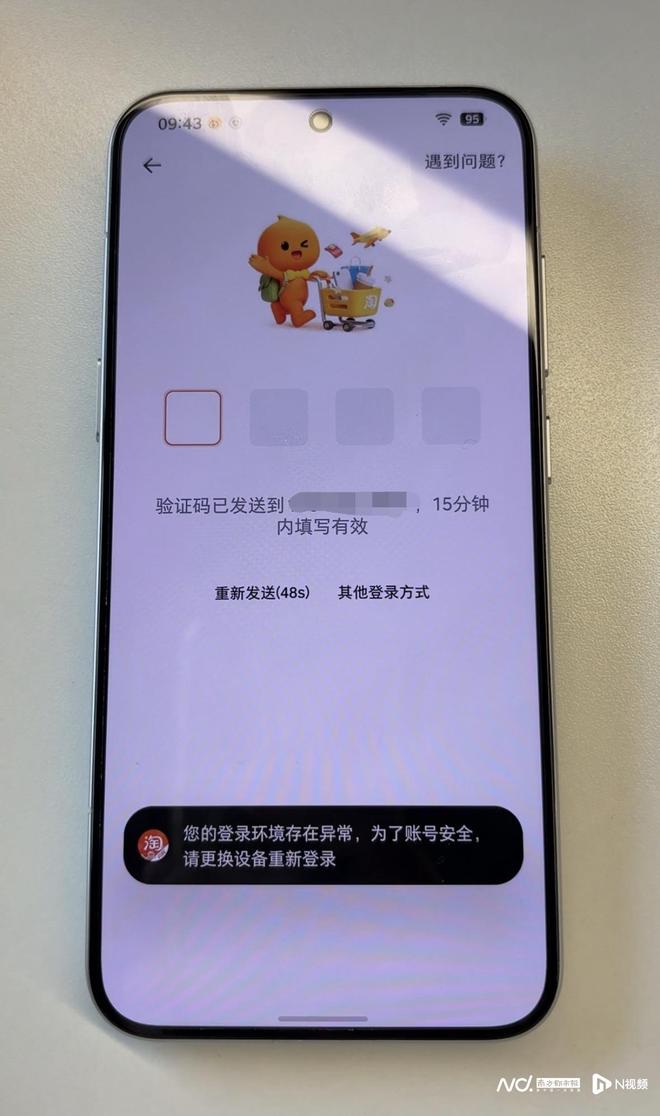
Core Viewpoint - The launch of the "Doubao Assistant" smartphone in collaboration with ZTE has generated mixed market reactions, highlighting both the potential of AI in automating tasks and the challenges related to privacy and app security [1][4][12]. Group 1: Product Launch and Market Response - Doubao and ZTE released the "Doubao Assistant" smartphone priced at 3499 yuan, which quickly sold out due to its AI capabilities [1]. - The smartphone allows users to perform tasks like ordering and price comparison through voice commands, showcasing significant improvements in AI functionality [5][12]. - Despite the initial success, users reported issues with third-party app security measures, leading to account access problems [6][12]. Group 2: Technical and Privacy Concerns - The AI assistant's ability to perform tasks is linked to its use of high-risk permissions, such as INJECT_EVENTS, which allows it to simulate user actions across applications [6][13]. - Concerns have been raised about privacy, as the AI's operation may expose sensitive user data, leading to potential misuse [14][15]. - Doubao has announced plans to limit certain functionalities to address privacy concerns, including restrictions on financial applications and gaming scenarios [8][11]. Group 3: Industry Implications and Future Directions - The integration of AI assistants into smartphones represents a shift in the competitive landscape, as it challenges traditional app interactions and revenue models [18][20]. - The ongoing debate about user consent and the legitimacy of AI actions raises questions about the future of AI in mobile technology and its impact on user privacy [19][20]. - Industry standards are being developed to address the use of accessibility permissions, but consensus on best practices remains elusive [16][20].