
荣耀

Search documents
【招银研究|行业深度】AI系列研究——端侧AI将重塑全球智能终端产业格局
招商银行研究· 2025-12-19 08:58
Core Insights - Edge AI is leading a technological paradigm shift, reshaping the new landscape of the smart terminal industry by enabling local execution of AI models, resulting in low latency, high energy efficiency, and privacy protection [4][9][10] - The development of Edge AI is driven by innovations in AI computing architecture, multimodal perception and interaction, and system-level AI integration, transitioning smart devices from mere "computing nodes" to "local reasoning and autonomous decision-making" [4][6][10] Application Ecosystem - Multiscenario integration is accelerating the growth of the Edge AI terminal market, with AI PCs expected to achieve a penetration rate of 64% by 2028, and AI smartphones projected to exceed 900 million units in shipments by the same year [5][6] - AI wearables are anticipated to reach a market size of $153.8 billion by 2030, while AI smart homes are expected to grow to $537.2 billion, highlighting Edge AI as the core growth engine of smart hardware [5][6] Upstream Ecosystem - Breakthroughs in advanced process technology and Chiplet architecture are driving significant performance improvements in Edge AI, with NPU computing power increasing to 50-100 TOPS to meet local model operation demands [6][10] - The global Edge AI processor market is projected to grow from $31 billion in 2022 to $60.2 billion by 2028, with major players like Qualcomm, Apple, and NVIDIA dominating the high-end market [6][10] Business Recommendations - Companies should prioritize Edge AI as a key strategic focus, developing differentiated strategies around terminals, supply chains, and application scenarios to capitalize on this emerging trend [6]



3000元价位的手机怎么选?这三款六边形全能手机别错过
Xin Lang Cai Jing· 2025-12-19 07:25
Core Viewpoint - The flagship smartphone market is experiencing a significant price reduction, with high-end features now available in the 3000 yuan price range, allowing consumers to purchase "quasi-flagship" models that offer a complete experience at a lower cost [1]. Group 1: Honor 500 Pro - The Honor 500 Pro is positioned as the closest to a flagship in the 3000 yuan range, featuring a comprehensive set of capabilities including imaging, battery life, performance, and durability [1]. - It is equipped with a 200MP AI ultra-clear main camera, Snapdragon 8 Elite processor, and an 8000mAh battery, emphasizing both long-term usage and high-quality imaging [3][13]. - The display is a 1.5K resolution eye-care screen with advanced features for video quality and comfort during prolonged use, including a high-frequency PWM dimming technology [5]. - The design incorporates a durable build with an IP68/IP69/IP69K waterproof rating, making it user-friendly without excessive care [7]. - The camera system excels in capturing details in complex scenes, with a focus on natural color transitions and clarity, particularly in high-contrast scenarios [9]. - The device includes advanced stabilization technology for low-light photography, significantly improving the success rate of night shots [13]. - The battery not only has a large capacity but also features high energy density, allowing for extended usage even under heavy load [13]. - Charging capabilities include 80W wired and 50W wireless options, with quick charging performance [15]. - The gaming experience is enhanced with a dedicated engine for stable frame rates and AI capabilities for improved graphics [17]. Group 2: REDMI K80 Supreme Edition - The REDMI K80 Supreme Edition combines performance, battery life, and user experience, featuring the MediaTek Dimensity 9400+ chip and a 6.83-inch 1.5K display [19]. - It boasts a large 7410mAh battery with 100W fast charging, providing up to 13 hours of heavy usage [19]. - The design includes a premium metal frame and advanced audio features, making it a well-rounded device in the 3000 yuan segment [21]. Group 3: iQOO Neo11 - The iQOO Neo11 is a mid-range performance device starting at 2699 yuan, featuring a Snapdragon 8 Gen 2 processor and a 6.82-inch 2K display [23][25]. - It includes a 7500mAh battery with 100W fast charging and advanced cooling technology for stable performance [25]. - The camera system features a 50MP main sensor with OIS and various AI enhancements for improved photography [25].

手机厂商“杀入”短剧市场:小米砸钱囤片,华为试水变现,图的是啥?
3 6 Ke· 2025-12-19 04:23
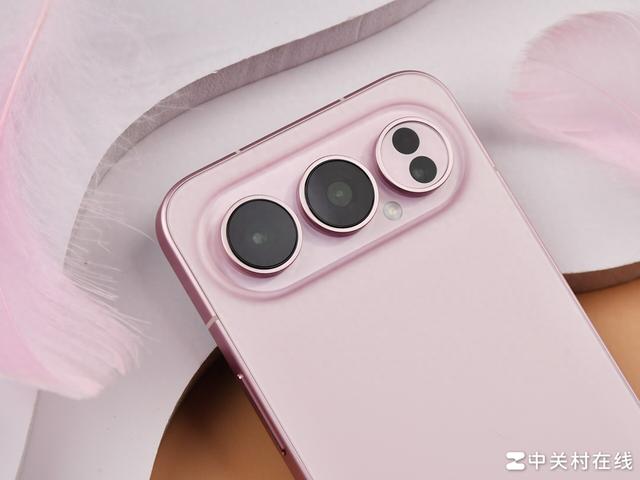
Market Growth - The short drama industry in China has rapidly expanded from a market size of 370 million yuan to over 50 billion yuan in just three years, with projections to exceed 68 billion yuan by 2025 and surpass 100 billion yuan by 2027 [1] - As of June this year, the user base for micro short dramas reached 626 million, accounting for 55.8% of the total internet users, with average daily usage time increasing to 120.5 minutes by August [1] Company Strategies - Xiaomi has developed 1,000 S-level short dramas, with an average consumption time of 70 minutes per user, indicating a significant investment in high-quality content [1][3] - The company has launched an independent short drama app called "Weiguan Short Drama," which is currently only available on the Xiaomi app store, emphasizing features like "ad-free" and "completely free" [4][9] Competitive Landscape - The leading apps in the short drama sector are Hongguo Short Drama and Hemat Theater, with Hongguo Short Drama holding a significant market lead [9] - Xiaomi's "Weiguan Short Drama" app has faced challenges in content variety, with fewer than 30 categories compared to competitors like Hemat Theater, which boasts over 10,000 short drama works across more than 100 categories [9] Industry Trends - The short drama industry is undergoing a trend towards premiumization, with major platforms focusing on S-level and high-quality productions [3] - The market for short dramas is seen as a new opportunity for smartphone manufacturers, as it offers lower production costs and better monetization potential compared to traditional video formats [26] Future Outlook - The short drama market is expected to continue its explosive growth, with significant potential for smartphone manufacturers to leverage this content for user engagement and brand promotion [29][30] - The integration of AI technology in short drama production is anticipated to enhance the creative process, making it a key area for future development [30][33]
苹果救得了小折叠吗?
创业邦· 2025-12-19 03:50
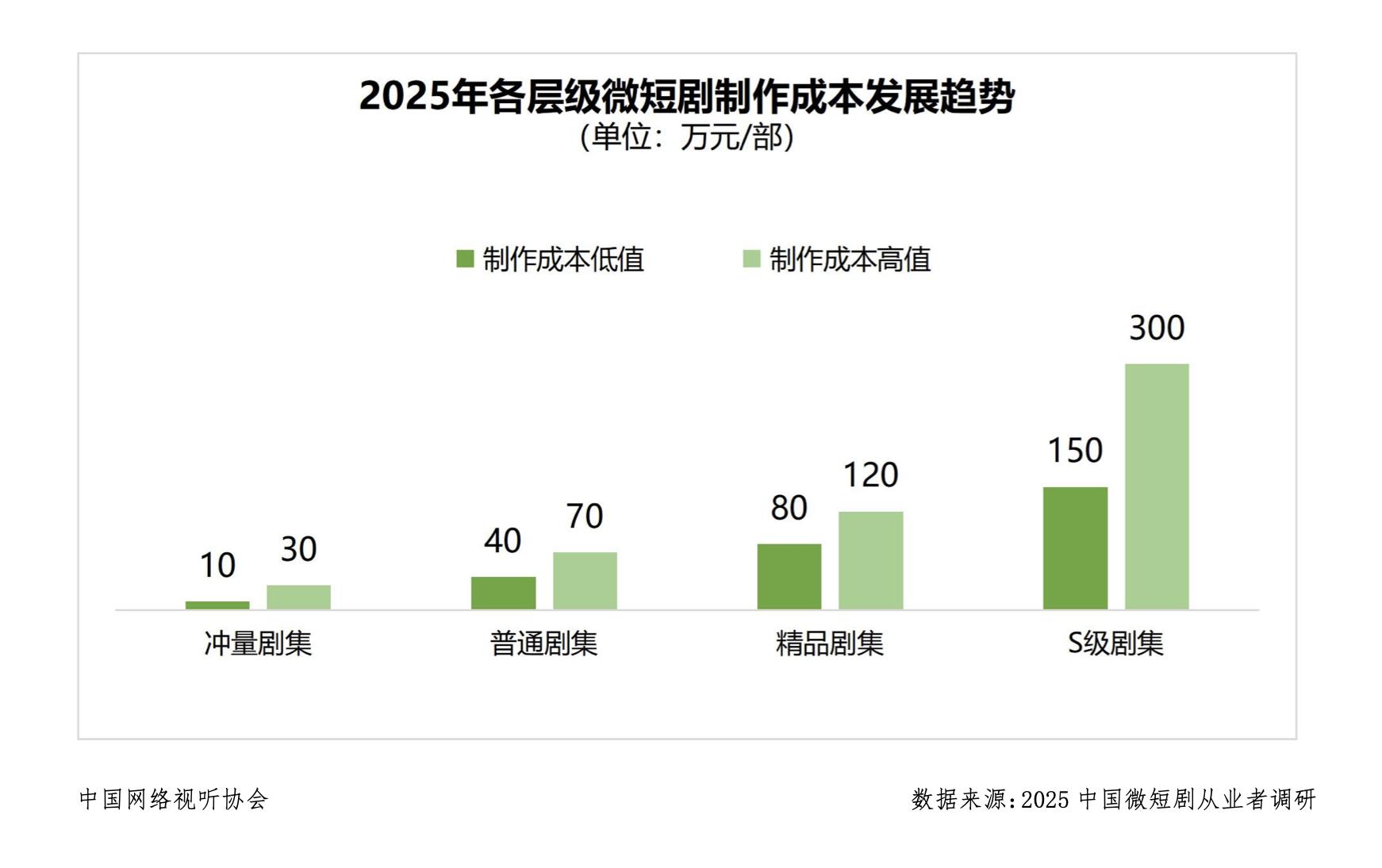
Core Viewpoint - The article discusses the anticipated entry of Apple into the foldable smartphone market, highlighting the challenges and market dynamics surrounding small foldable devices, particularly in comparison to traditional smartphones and larger foldable models [6][8][19]. Group 1: Apple's Foldable Smartphone Development - Apple has been working on foldable smartphone technology since at least 2011, focusing on addressing the issue of screen creases, which has been a significant barrier to market entry [9][11]. - Recent leaks suggest that Apple's first foldable iPhone will adopt a small flip design, similar to Huawei's Pura X, but with a more square aspect ratio [6][8]. - The company has developed various hinge designs to improve the folding mechanism, but achieving the desired results has proven difficult, leading to delays in product launch [13][14]. Group 2: Market Dynamics of Small Foldable Phones - Small foldable phones have struggled to gain traction in the market, with sales significantly lagging behind larger foldable models. In China, small foldable shipments are projected to be less than half of those for large foldables in 2024 [21][22]. - The lack of differentiation in functionality compared to traditional smartphones and the inability to command higher profit margins have hindered the success of small foldable devices [21][26]. - The additional costs associated with the unique components of small foldable phones, such as hinges and flexible screens, have led to lower profitability for manufacturers [29]. Group 3: Competitive Landscape and Manufacturer Strategies - Several manufacturers, including OPPO and vivo, have either paused or discontinued their small foldable phone development due to poor sales performance, while others like Xiaomi and Honor continue to explore this segment [31][32]. - Huawei has shifted its strategy by introducing the Pura X, which aims to enhance functionality through a larger display area, indicating a trend towards improving the utility of small foldable devices [38][40]. - Apple's brand strength may allow it to overcome pricing challenges in the small foldable market, but past experiences with products like the iPhone Air suggest that aesthetic appeal alone may not drive sales [40][41].
常宏集团总工程师吴歆威:以技术革新赋能商业空间
Sou Hu Cai Jing· 2025-12-19 03:05
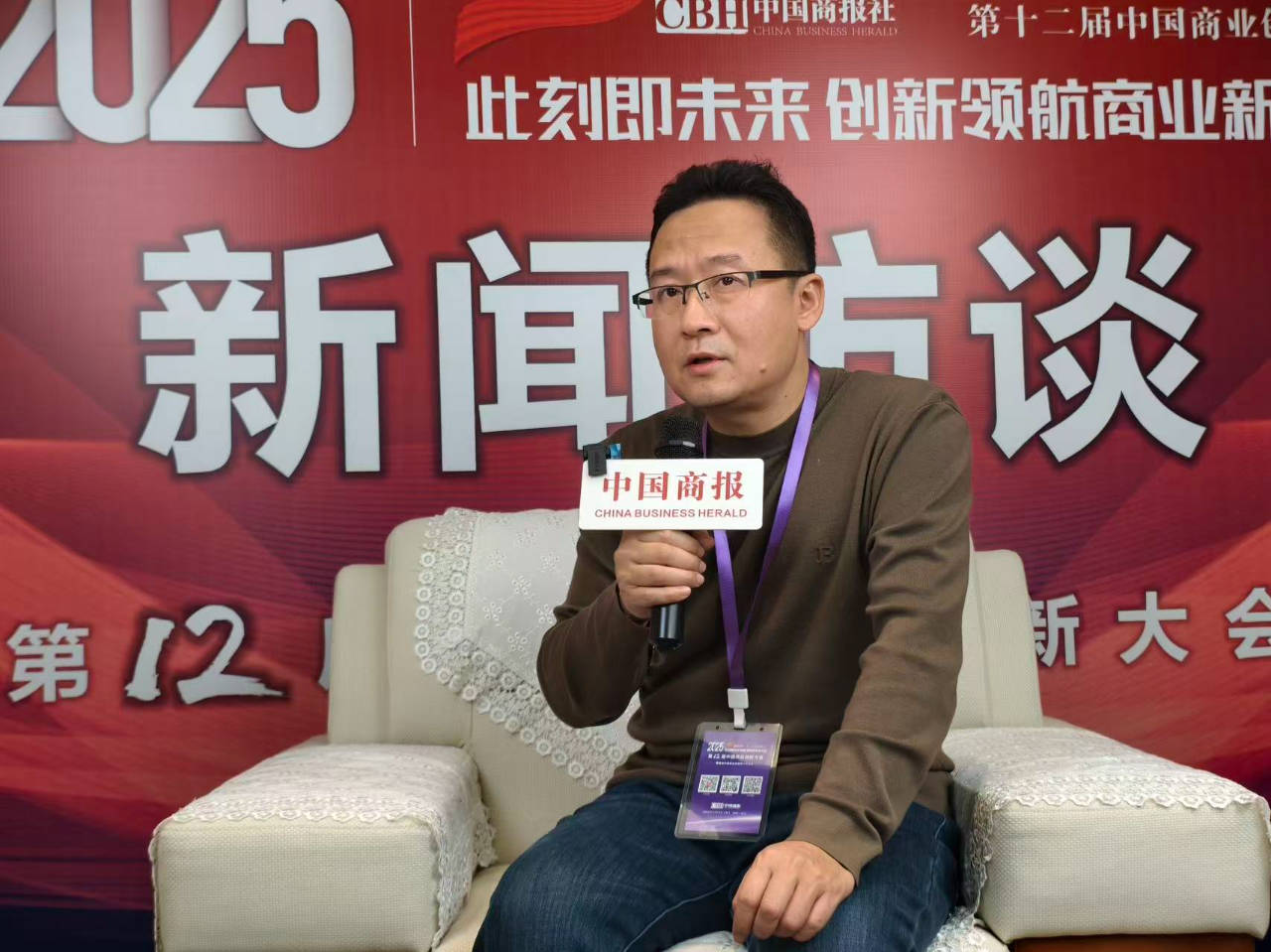
Core Insights - The commercial retail industry is undergoing dual transformations of intensified competition and deepening digitalization, with Changhong Group evolving from a service-oriented production enterprise to a production service enterprise through standardization, process optimization, and digital integration [1][4] - Changhong Group has established itself as a leading service provider in the commercial store decoration and exhibition field, focusing on digital design, prefabricated manufacturing, and full-process operation, serving renowned brands such as Xiaomi, Honor, JD.com, Alibaba, China Mobile, and Li Auto [4][6] Technology Integration - The company has integrated AI and BIM technologies into its operations, with BIM technology being utilized for over a decade to create a digital and informational barrier that enhances project design and reduces conflicts during construction [4][5] - AI has been a focal point for Changhong Group, with the previous year marked as the "AI Year," where the company developed enterprise-level knowledge bases and AI agents to improve efficiency and reduce costs [4][5] Sustainable Development - Prefabricated technology is being applied in line with national goals for green transformation and sustainable development, allowing for pre-assembly of components in factories to minimize pollution and noise during project execution [5] - The company aims to create a fully digital platform that encompasses all stages from design to operation, emphasizing the importance of collaboration among all stakeholders involved in store construction [5][6] Industry Leadership - Changhong Group's transformation reflects the broader upgrade of the Chinese commercial store decoration industry, driven by a commitment to technology empowerment and innovation [6]
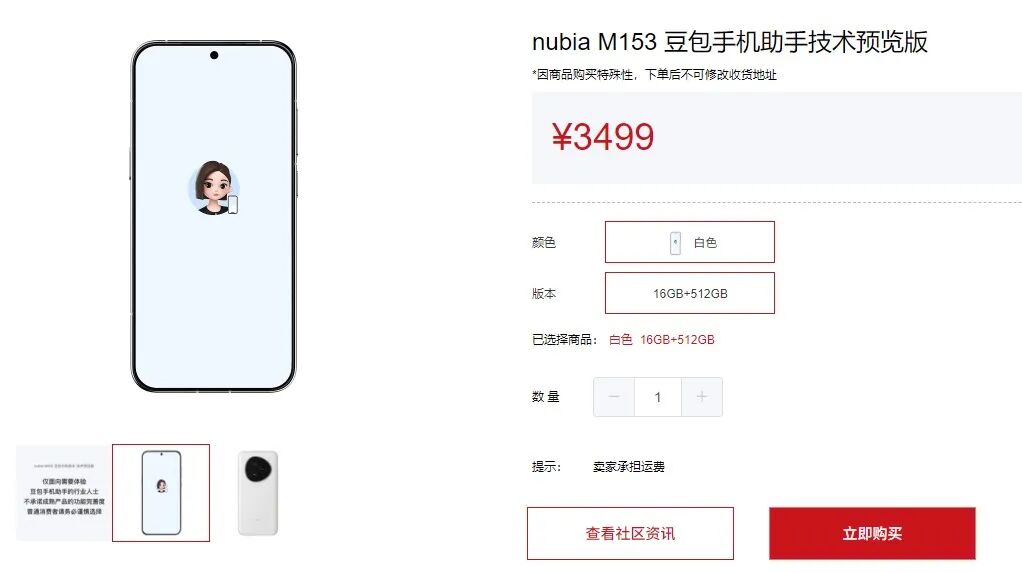
豆包手机恢复销售,华为、荣耀等多数手机厂商仍在调用无障碍权限
3 6 Ke· 2025-12-19 00:12
Core Viewpoint - The emergence of Doubao phone has sparked significant controversy due to its ability to access underlying system permissions, allowing it to simulate human interactions without relying on apps or manufacturers, raising concerns about privacy and compliance [1][14][24] Group 1: Doubao Phone Controversy - Doubao phone's assistant has resumed product purchase eligibility, indicating a return to the market amidst ongoing debates [1] - The phone's ability to bypass traditional app interactions has led to a clash with major platforms like WeChat and Alipay, which have implemented restrictions to prevent its use [17][19] - Doubao's approach challenges the dominance of super apps as traffic entry points, potentially disrupting existing business models [17][24] Group 2: AI Assistant Capabilities - AI assistants in new devices like Honor Magic 8 and Huawei Mate 80 have significantly improved, now capable of executing complex tasks such as price comparisons and product selections [5][6] - The use of "accessibility" permissions by various manufacturers allows AI assistants to enhance user experience by simulating clicks and reading screen content [6][7] - Doubao phone's assistant utilizes a deeper system-level permission (INJECT_EVENTS), enabling it to perform actions across multiple apps without relying on accessibility tools [16][14] Group 3: Industry Response and Compliance Issues - Major companies have expressed resistance to Doubao's operational model, citing security and risk management concerns [17][19] - The use of high-risk permissions by Doubao phone has raised alarms among app developers, particularly in social and content sectors, where user engagement is critical [21] - International competitors like Apple and Google are adopting a more cautious approach, focusing on user consent and privacy compliance rather than full automation [22][24] Group 4: Market Trends and Future Outlook - The demand for AI-enabled smartphones in China is projected to grow significantly, with an expected shipment of 147 million units by 2026, representing a 31.6% year-on-year increase [24] - The rapid development of AI capabilities in smartphones raises important questions about data security and the ethical use of AI, which the industry must address moving forward [24]
从“猎奇”到“信赖”:折叠屏手机用户发展洞察报告
艾瑞咨询· 2025-12-19 00:06
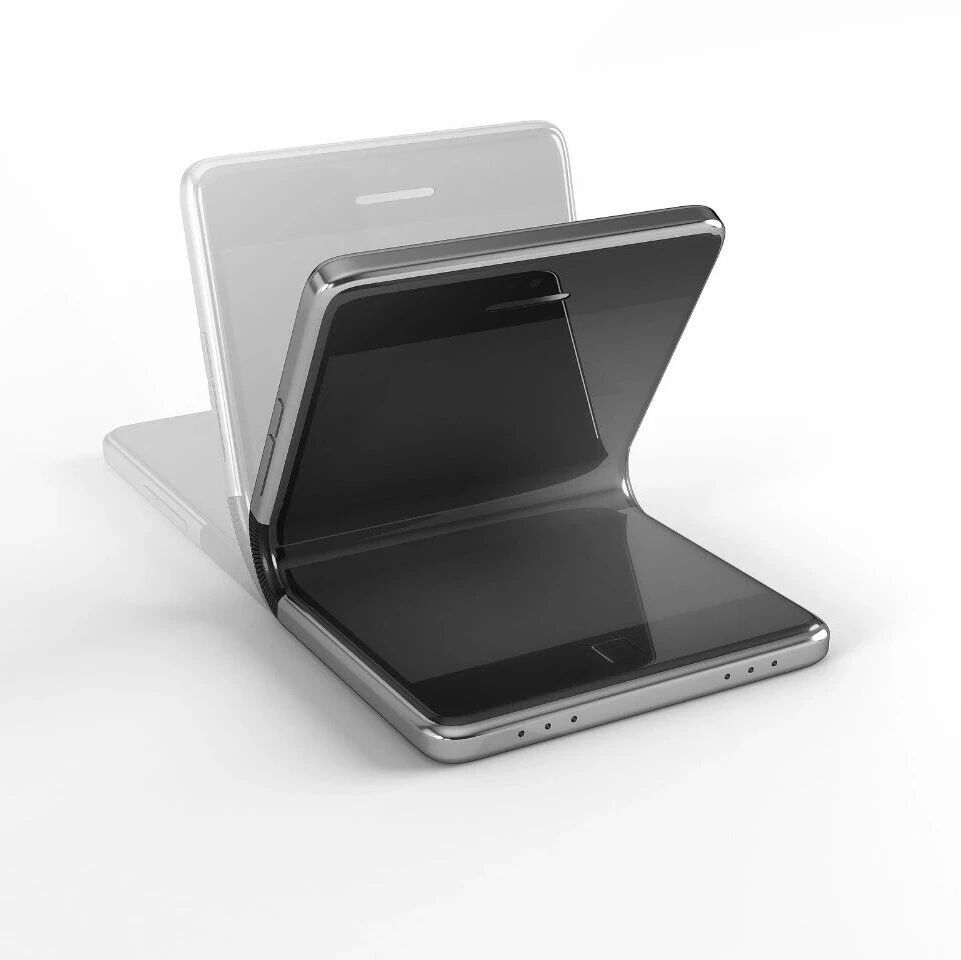
Core Insights - The global foldable smartphone market is experiencing continuous growth, particularly in China, driven by technological advancements and an improved supply chain, leading to product diversification [1] - China has emerged as a major growth engine for the global foldable smartphone market, with Huawei maintaining a significant market share and leading the industry [1][18] - User willingness to purchase foldable smartphones is increasing, with higher expectations for product functionality and experience [1] - The transition from niche to mainstream market for foldable smartphones is anticipated, with sustained demand growth and a focus on hardware optimization, software ecosystem development, and enhanced user interaction experiences [1] Market Overview - The global smartphone market has entered a phase of stock competition since 2017, with annual shipment volumes declining by approximately 2.52%, projected to reach 1.22 billion units by 2024 [2] - The flat smartphone market has become saturated, prompting manufacturers to innovate product forms to explore the high-end market [5] Competitive Landscape - The foldable smartphone industry chain includes upstream raw material supply, midstream design and manufacturing, and downstream sales [7] - Chinese foldable smartphone manufacturers, such as Huawei and Samsung, are leading the industry chain with strong technological capabilities and market influence [7][8] User Behavior and Preferences - The majority of foldable smartphone users are male and female, with a higher preference among first-tier and new first-tier city users [20] - Users with higher education levels, particularly those with a bachelor's degree or above, show a greater preference for foldable smartphones [20] - The price range for most users' foldable smartphones is between 5,000 to 9,000 yuan, with Huawei being the most used brand at 62.3% [22] Purchase Motivations - The key reason for purchasing foldable smartphones is the stronger sense of technology and futurism, accounting for 44.7% of users [24] - Users have a substantial budget for purchasing foldable smartphones, with 28.4% willing to spend between 8,000 to 10,000 yuan [24] Brand Recognition and Image - Huawei leads in brand recognition across various dimensions, including high-end perception, business style, technological innovation, and reputation [26][28] - Users express high satisfaction with Huawei products, indicating strong user recognition and loyalty [30] User Experience and Pain Points - Current user satisfaction is highest for Huawei, followed by Xiaomi and Samsung, with a notable willingness to recommend these brands [30][31] - Users report pain points related to hardware durability, such as screen wear and tear, and software issues like poor visual effects [39] Future Outlook - Over 90% of consumers are considering purchasing a foldable smartphone for their next device, focusing on reliability, battery life, and hardware specifications [41] - The foldable smartphone market is transitioning from a niche to a mainstream product, with 95.5% of consumers willing to switch to a foldable device in the future [47]

FINE2026 先进半导体展,火热招展中!6月10-12日 上海
DT新材料· 2025-12-18 14:13
2026未来产业新材料博览会 中国未来产业崛起引领全球新材料创新发展 2026年6月10-12日 上海新国际博览中心 新材料是未来高新技术产业发展的基石和先导,新材料的突破将加速未来产业变革! 2026未来产业新材料博览会(上海) (Future Industries New Materials Expo 2026,简称" FINE 2026 "),由 「 DT新材料 」 主办的 第十届国际碳材料产业博览 会 (Carbontech 2026)、 第七届热管理产业博览会 (iTherM 2026)和 新材料科技创新博览会 (AMTE 2026)三大展重磅升级而来,旨在打造一个以未来产业终端为 引领、立足国际视野的新材料领域标盛会。 FINE 2026 , 以 50,000平 展区 与 超过 300场 战 略与前沿科技报告,全景呈现应用于人工智能、智算/数据中心、具身智能、低空经济、航空航天、智能汽车、 AI消费电子、量子科技、6G、脑机接口、新能源、生物制造等产业的热门创新成果, 并重点聚焦 未来产业五大共性需求(先进半导体、先进电池、轻量化、 低碳可持续、热管理) , 呈现从终端、部件、材料、技术装备到前沿 ...
苹果救得了小折叠吗?
36氪· 2025-12-18 13:51
Core Viewpoint - The article discusses Apple's entry into the foldable smartphone market, highlighting the challenges and potential of the small foldable phone segment, which has struggled to gain traction despite the hype surrounding it [5][19]. Group 1: Apple's Foldable Phone Development - Apple has been working on foldable phone technology since at least 2011, focusing on addressing the issue of screen creases, which has been a significant barrier to market entry [9][11]. - Recent leaks suggest that Apple's first foldable phone will adopt a small flip design, similar to Huawei's Pura X, but with a more square aspect ratio [5][8]. - Apple's extensive patent portfolio has influenced competitors, with many companies referencing Apple's designs in their own foldable technology [12][11]. Group 2: Market Dynamics of Small Foldable Phones - The small foldable phone market has not achieved significant sales, with projections indicating that in 2024, shipments of small foldables in China will be less than half of those of large foldables [21][19]. - Key issues for small foldables include a lack of functional differentiation from traditional smartphones and lower profit margins for manufacturers [22][30]. - The design of small foldables often compromises internal space and battery life, leading to inferior specifications compared to traditional flagship models [23][26]. Group 3: Competitive Landscape and Consumer Perception - Many manufacturers, including OPPO and vivo, have either paused or exited the small foldable market due to poor sales performance, while Samsung remains a dominant player [38][39]. - Consumer preferences still lean heavily towards functionality over aesthetics, making it difficult for small foldables to justify their price points [41][43]. - Apple's brand strength may allow it to navigate pricing challenges better than competitors, but past experiences with products like the iPhone Air suggest that design alone may not drive sales [46][49].
中国出口开AI新局:旧硬件打不开新世界
Di Yi Cai Jing· 2025-12-18 12:00
Core Viewpoint - The rise of AI technology is becoming essential for consumer electronics, particularly for Chinese manufacturers, as they prepare for the upcoming CES in Las Vegas, where AI-enabled products are expected to dominate the showcase [1][2]. Group 1: AI Integration in Consumer Electronics - AI has become an unavoidable trend for Chinese manufacturers, with most exhibitors at CES expected to present AI-capable products [2]. - MINISFORUM, a Shenzhen-based company, is focusing on AI integration across its product lines, including Mini PCs and AI workstations, with personal computers being its main revenue source [2]. - Major PC manufacturers like Lenovo and Dell are also embracing AI, but MINISFORUM leverages flexibility in niche markets like Mini PCs, targeting specific audiences with higher-end components [2][3]. Group 2: Market Dynamics and Competition - China's PC exports are under pressure, with a significant portion already featuring basic AI capabilities; Lenovo reported that 33% of its AI PCs were shipped in Q3, with expectations for continued double-digit growth [3]. - The global PC market is projected to grow by 8.1% year-on-year by Q3 2025, driven by the transition from Windows 10 and the demand for AI-capable PCs [3]. - The competitive landscape is shifting, with India and Vietnam emerging as strong contenders in the consumer electronics space, impacting China's export dynamics [6][7]. Group 3: Future Hardware Trends - Smart glasses are seen as a potential next-generation hardware, with companies betting on their ability to transform human-computer interaction [9][10]. - Humanoid robots are a focal point of competition between China and the U.S., with significant investments and advancements expected in manufacturing applications [11]. - The Mini AI workstation is anticipated to become a central computing hub for households, with MINISFORUM's latest model showcasing advanced AI capabilities [12]. Group 4: Export and Trade Insights - China accounts for 15% of global exports and maintains trade surpluses with 177 economies, with expectations to increase its market share to 16.5% by 2030 [13]. - The changing landscape of global trade, influenced by U.S. tariffs and competition from India and Vietnam, is prompting Chinese companies to diversify their markets [7][8].
