
东鹏饮料

Search documents
食品饮料行业周报:震荡中坚守主线-20251214
Orient Securities· 2025-12-14 14:11
Investment Rating - The report maintains a "Positive" outlook for the food and beverage industry, indicating a potential for returns exceeding the market benchmark by over 5% [5]. Core Insights - The food and beverage sector is currently in a favorable position for investment, with a focus on valuation before performance. The report suggests that despite recent adjustments in the sector, there is fundamental support for new consumption trends, and stock prices have absolute upside potential [7][4]. - Short-term trading strategies should focus on "individual stock improvement" and "turnaround opportunities," recommending specific stocks such as Miaokelan Duo (600882), Jinshiyuan (603369), Gujing Gongjiu (000596), and Shede Liquor (600702) for buying [3]. - Structural dividends are expected to continue, with recommendations for Dongpeng Beverage (605499) and Yanjinpuzi (002847) [3]. - The report highlights a stabilization in demand or market share, recommending stocks like Kweichow Moutai (600519), Shanxi Fenjiu (600809), Luzhou Laojiao (000568), Qingdao Beer (600600), and Yili Group (600887) for buying [3]. Summary by Sections - **Market Conditions**: The food and beverage industry is experiencing pressure on both volume and price, primarily influenced by macroeconomic factors and consumer sentiment. High-end consumption is performing better than low-end, with emerging channels outpacing traditional ones. Categories like snacks and beverages are expected to maintain relative prosperity, while dairy and beer are projected to see structural growth [7][4]. - **Mid-term Trends**: New consumption remains a key theme, with expanding demand in categories such as health foods and pet foods. Instant retail channels are showing high growth, although discount formats and high-end retail are slowing down compared to traditional supermarkets [7][4]. - **Future Outlook**: The report anticipates that the food and beverage sector will transition from valuation-driven growth to performance-driven growth in 2026, with expectations of a performance bottom in the first quarter of 2026 for the liquor segment [7][4].





行业动态更新:11月CPI继续正增长,关注顺周期β与新消费α
Yin He Zheng Quan· 2025-12-14 12:34
Investment Rating - The report maintains a "Recommended" rating for the food and beverage industry [1] Core Insights - The November CPI shows continued positive growth, with a year-on-year increase of 0.7% compared to 0.2% in October. Food prices also turned positive, with a year-on-year increase of 0.2% [5][6] - The central economic work conference emphasizes expanding domestic demand, which is expected to improve per capita income and drive recovery in the food and beverage sector [5][6] - The report highlights the potential for new consumption (higher quality goods and services) to contribute positively to the industry [5] Summary by Sections 1. November CPI and Economic Focus - November CPI increased by 0.7% year-on-year, marking two consecutive months of positive growth. Food prices rose by 0.2% year-on-year, with fresh vegetable prices increasing by 15% [5][6] - The central economic work conference prioritizes expanding domestic demand and improving income plans, which is expected to benefit the food and beverage industry [5][6] 2. Data Tracking: December Price Trends - As of December 12, 2025, the price of Feitian Moutai continued to decline, with prices at 1495/1485 RMB for whole and individual bottles, down 85 RMB from November 30 [7] - Core raw material prices show mixed trends, with packaging material prices declining year-on-year, while some raw materials like aluminum and paper boxes saw increases [16][27] 3. Market Review: December Index Performance - The food and beverage index fell by 3.5% as of December 12, 2025, underperforming the Wind All A index by 4.5%, ranking 27th among 31 sub-industries [47][49] - All ten sub-sectors experienced declines, with beer, seasoning, and soft drinks showing relatively smaller drops [47][49] 4. Investment Recommendations - The report suggests focusing on companies in the mass consumer sector, including Dongpeng Beverage, Nongfu Spring, and others, as well as key players in the liquor sector like Kweichow Moutai and Shanxi Fenjiu [50][51] - New consumption trends are expected to continue, with opportunities in snack and functional beverage markets, while traditional consumption is anticipated to improve [50][51]

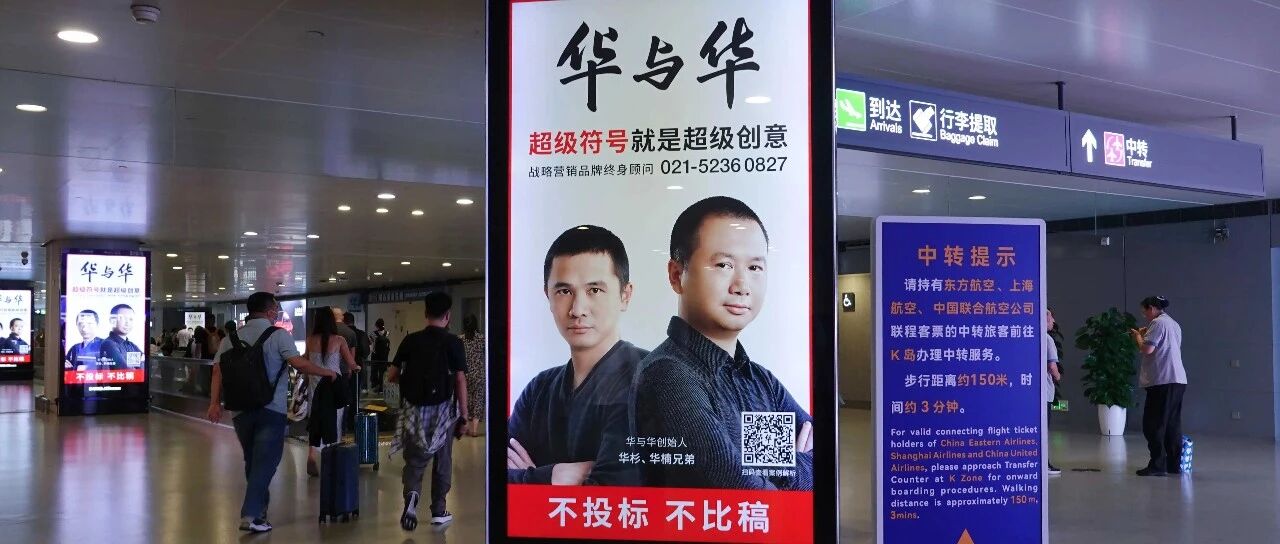
罗永浩炮轰华与华,「超级符号变成超级笑料」?
Di Yi Cai Jing· 2025-12-14 06:17
无论是"蜜雪冰城甜蜜蜜"还是"怕上火,喝王老吉"——这些大众耳熟能详的广告语、品牌形象背后, 不仅是经营这些品牌的企业,还有许多咨询公司的身影。 这套创意流水线模式为华与华带来了大量订单。头豹研究院的《2024年中国品牌营销咨询行业研 究》显示,近年来,华与华的年业绩增长率保持在10%左右,服务客户续签率为30%~50%,平均 服务单价为500万~600万元。 值得注意的是,华与华的服务客户之一的读客文化公司(301025.SZ)的法定代表人为华楠,公司 主营业务是图书策划与发行,于2021年在深圳创业板上市。企查查显示,华楠持有读客文化约 41.02%的股份,华杉则持股29.58%,二人均为公司实际控制人。 华杉、华楠二人将华与华"超级符号"的策略复刻至读客文化上,致力于打造图书出版"流水线"。通过 统一的封面设计、夸张的腰封文案等方式极大地提升图书识别度,打造出《藏地密码》《半小时漫 画》等现象级畅销书。但随着大众文学图书市场的萎缩,这套流水线式的工业化生产体系正逐渐显露 出它的局限。2023年,公司净利润由盈转亏,今年前三季度,该公司实现营业总收入2.57亿元,同 比减少12.19%;归属于上市公司股东 ...
罗永浩炮轰华与华,“超级符号变成超级笑料”?
第一财经· 2025-12-14 05:41
Core Viewpoint - The article discusses the effectiveness and limitations of the "Super Symbol" methodology developed by the marketing consulting firm Hua Yu Hua, highlighting its impact on brand recognition and marketing strategies in various industries, particularly in the food and beverage sector [3][4][5]. Group 1: Hua Yu Hua's Methodology - Hua Yu Hua employs the "Super Symbol" approach, which focuses on creating memorable and impactful brand symbols and slogans, characterized by the principles of "big, bright, and many" [5]. - The firm has achieved a consistent annual growth rate of around 10%, with a client renewal rate between 30% and 50%, and an average service fee ranging from 5 million to 6 million yuan [5]. - The methodology has been particularly successful for brands like Mixue Ice City, which saw rapid expansion from 5,000 to 20,000 stores in three years, leveraging catchy slogans and symbols [10]. Group 2: Clientele and Market Position - Hua Yu Hua's client list includes notable brands such as Hai Di Lao, Mixue Ice City, and others in the food and beverage industry, indicating a strong presence in sectors requiring standardized management and impactful branding [4][5]. - The firm has also ventured into the publishing industry through its connection with Reader Culture, which has faced challenges due to market contraction, highlighting the limitations of the "Super Symbol" approach in certain contexts [6]. Group 3: Critiques and Limitations - Critics argue that Hua Yu Hua's marketing style, described as having a "local flavor," may lack sophistication and is not suitable for all brands, particularly those aiming for high-end positioning [9][12]. - The methodology is seen as effective for mass consumer products and brands needing rapid market penetration but may not align with brands requiring complex emotional connections or high premium pricing [13]. - There are concerns about brand homogenization due to the repetitive use of similar symbols across different clients, which can dilute brand identity [9][12].

商业秘密|罗永浩VS华与华争论背后,“超级符号”真的有用吗?
Di Yi Cai Jing· 2025-12-14 04:02
Core Insights - The "Super Symbol" marketing strategy by Hua & Hua has shown significant success in the fast-moving consumer goods (FMCG) sector, but it has also faced criticism for its rustic style and homogenized designs [1][5][8] Group 1: Marketing Strategy - Hua & Hua's "Super Symbol" methodology is characterized by its focus on impactful branding and memorable slogans, which have been effectively utilized by clients such as Xibei and Mixue Ice City [5][6] - The company has maintained an annual growth rate of around 10%, with a client renewal rate between 30% and 50%, and an average service fee of 5 to 6 million yuan [6][10] - The marketing approach is particularly suited for chain enterprises that require standardized management and strong brand communication [5][10] Group 2: Client Portfolio and Performance - Hua & Hua has worked with numerous well-known brands across various sectors, including food, beverage, and publishing, with clients like Haidilao and Juewei Duck Neck [5][6] - The company has also applied its strategies to its own publishing venture, Reader Culture, which has seen a decline in profits due to market saturation [6][8] Group 3: Criticism and Limitations - Critics argue that Hua & Hua's marketing style lacks sophistication and is overly simplistic, which may not be suitable for high-end brands [7][8][11] - The "Super Symbol" approach may lead to brand homogenization, as similar visual symbols are used across different brands, potentially diluting brand identity [8][11] - The methodology is deemed more effective for brands targeting price-sensitive consumers or those needing rapid market penetration, rather than for brands requiring complex emotional connections [10][11]
2025年第49周:食品饮料行业周度市场观察
艾瑞咨询· 2025-12-13 00:07
Group 1 - The pre-prepared food market is experiencing a paradox of consumer trust issues and capital enthusiasm, driven by urbanization and the demand for convenient dining [3][4]. - The "zero additives" concept is being phased out in favor of "clean label" standards, emphasizing ingredient transparency and natural prioritization [5][6]. - The energy drink industry is undergoing rapid transformation with ingredient innovation and scene segmentation, focusing on health trends and diverse flavors [7][8]. Group 2 - The nut import market in China is projected to reach $2.386 billion in 2024, with a significant increase in demand for high-end varieties like pistachios [10]. - The beverage market is facing a downturn, with sales declining due to the rise of on-demand drink services and aggressive pricing strategies [14][15]. - The convenience food industry in China is shifting towards value creation, with a market size expected to grow from 673.6 billion yuan in 2023 to 960.3 billion yuan by 2026 [18]. Group 3 - The dairy industry is seeing a shift from ambient milk to fresh milk, with companies like Bright Dairy exploring new growth areas in the pet food market [20]. - Wangwang is facing challenges in the milk market, prompting the company to diversify into AD calcium milk to regain market share [21]. - The plant-based food sector is experiencing a downturn, with companies focusing on technological innovation and localization to meet market demands [17]. Group 4 - JD.com is enhancing its pre-prepared food strategy, aiming to strengthen its supply chain and align with the growing demand for ready-to-eat meals [31]. - China Resources Beverage is entering the ready-to-drink coffee market, competing against established brands like Nestlé and Starbucks [32]. - Wanglaoji is diversifying into the functional beverage market by acquiring distribution rights for Red Bull in southern China, aiming for significant sales growth [33].





中央经济工作会议解读:内需主导放在首位,关注消费布局机会
Tai Ping Yang Zheng Quan· 2025-12-12 13:07
Investment Rating - The report does not provide a specific industry rating but emphasizes a positive outlook for the food and beverage sector based on the central economic work conference's focus on domestic demand and consumption opportunities [5][6]. Core Insights - The central economic work conference highlighted the importance of domestic demand, aiming to boost consumption through various initiatives, including income distribution reforms and the removal of unreasonable consumption restrictions, which is expected to benefit the food and beverage sector [6][7]. - The report suggests that the food and beverage industry could see structural opportunities in 2026, driven by high-growth companies and favorable policy directions [7]. Sub-industry Ratings - No specific ratings are provided for sub-industries such as liquor, beverages, and food [3]. - Recommended companies include: - Guizhou Moutai: Buy - Shanxi Fenjiu: Hold - Guming: Buy - Mixue Group: Hold - Ximai Food: Buy - Dongpeng Beverage: Buy - Wancheng Group: Buy - Pop Mart: Buy - Yanjing Beer: Hold - Dashihua: Buy [3][11]. Recommended Companies and Earnings Forecast - The report includes earnings forecasts for recommended companies, indicating expected growth in EPS from 2024 to 2027 for each company, with Guizhou Moutai projected to have an EPS of 80.79 in 2027 [11].

食品饮料行业双周报(2025、11、28-2025、12、11):飞天批价波动,关注需求复苏进程-20251212
Dongguan Securities· 2025-12-12 08:40
Investment Rating - The report maintains an "Overweight" rating for the food and beverage industry, expecting the industry index to outperform the market index by over 10% in the next six months [6][55]. Core Insights - The report highlights fluctuations in the price of Feitian liquor and emphasizes the importance of monitoring the recovery of demand. The central economic work conference has prioritized domestic demand, which is expected to boost the consumption market through various measures [6][50]. - The report notes that the SW food and beverage industry index decreased by 3.45% from November 28 to December 11, 2025, underperforming the CSI 300 index by approximately 4.27 percentage points [13][15]. - It indicates that all sub-sectors within the industry underperformed the CSI 300 index during the same period, with only about 21% of stocks recording positive returns [15][18]. Summary by Sections 1. Market Review - The SW food and beverage industry index fell by 3.45%, ranking 29th among Shenwan's primary industries, and underperformed the CSI 300 index by 4.27 percentage points [13][15]. - All sub-sectors underperformed the CSI 300 index, with the pre-processed food sector showing the smallest decline at 0.04% [15][16]. - Approximately 21% of stocks in the industry recorded positive returns, with notable gainers including Anji Food (+67.83%) and Hai Xin Food (+36.17%) [18][20]. - The industry valuation is currently at a PE (TTM) of approximately 20.59 times, below the five-year average of 32 times [19][21]. 2. Key Data Tracking 2.1 Liquor Sector - The price of Feitian liquor has decreased, with the current price at 1500 yuan/bottle, down 90 yuan from November 27. The prices for other products like Pu Wu and Guojiao 1573 remain stable at 850 yuan/bottle [21][22]. 2.2 Seasoning Sector - Prices for soybeans and glass have increased, while white sugar prices have decreased. Soybean prices rose to 4290.50 yuan/ton, while white sugar fell to 5370.00 yuan/ton [25][27]. 2.3 Beer Sector - Prices for barley, glass, aluminum ingots, and corrugated paper have increased. Barley is priced at 2200.00 yuan/ton, and aluminum ingots at 21800.00 yuan/ton [30][33]. 2.4 Dairy Sector - The average price of fresh milk remains stable at 3.02 yuan/kg, with no change from the previous month [37][39]. 2.5 Meat Products Sector - The average wholesale price of pork has decreased to 17.62 yuan/kg, down 0.45 yuan from November 27 [39][40]. 3. Industry News - The report mentions the release of the Chinese liquor market prosperity index, which indicates a "relatively unprosperous" market condition [41]. - A campaign to issue liquor consumption vouchers in Guizhou aims to stimulate consumer confidence and market activity [42]. - The report notes a 1.7% year-on-year decline in liquor prices as of November [43]. 4. Company Announcements - Guizhou Moutai announced a cash dividend of 23.957 yuan per share, totaling 30 billion yuan [46]. - Wuliangye also announced a cash dividend of 25.78 yuan per 10 shares, amounting to 100.07 billion yuan [47].
两大白酒巨头合计派发中期红利约400亿元,消费ETF嘉实(512600)聚焦消费复苏行情
Xin Lang Cai Jing· 2025-12-12 03:45
Group 1 - The liquor industry experienced a surge, with the major consumption index rising by 0.35% and key stocks like Gujing Gongjiu and Meihua Biotech increasing by over 1% [1] - The National Retail Innovation Development Conference highlighted the retail sector's crucial role in boosting consumption and expanding domestic demand, which is essential for economic recovery [1] - Major liquor companies, Kweichow Moutai and Wuliangye, announced interim dividend distributions totaling approximately 40 billion yuan, with payments scheduled for December 18 and 19 [1] Group 2 - As of November 28, 2025, the top ten stocks in the major consumption index accounted for 68.82% of the index, with liquor being the largest sector, representing over 39% of the index weight [2] - The consumption ETF managed by Harvest (512600) tracks the major consumption index, which includes leading companies across various sectors, emphasizing the importance of liquor in the consumer market [2] Group 3 - Investors can also consider the consumption ETF linked fund (009180) to capitalize on the consumption recovery trend [3]

中国银河证券:消费行业需要重视“十五五”规划 对消费行业2026年海外业务的发展持乐观观点
智通财经网· 2025-12-12 03:36
Core Viewpoint - The report from China Galaxy Securities emphasizes the importance of the "14th Five-Year Plan" for the consumption industry, highlighting the need to focus on medium- to long-term consumption goals and the specific policies related to consumption expected to be implemented by 2026 [1][2]. Group 1: Policy Developments - The Central Economic Work Conference held on December 10-11, 2025, underscored the need to prioritize domestic demand and build a strong domestic market, implementing actions to boost consumption and develop plans for increasing urban and rural residents' income [2][4]. - The government has been actively promoting various policies to stimulate consumption, including the introduction of a special fund of 150 billion yuan for consumption upgrades and an additional 300 billion yuan in 2025 for similar initiatives [3][4]. Group 2: Consumption Trends - The report anticipates significant changes in service consumption by 2026, with a more favorable outlook compared to goods consumption, driven by recent policies aimed at enhancing service consumption and removing unreasonable restrictions in the consumption sector [1][3]. - The retail sales growth rate showed a year-on-year increase of 2.9% in October 2025, although it experienced a slight month-on-month decline of 0.1 percentage points, indicating ongoing challenges in the consumption market [3]. Group 3: Investment Recommendations - The report suggests focusing on high-dividend quality companies during market style shifts, as well as companies with alpha potential in various segments, including new consumption in the social service sector and food and beverage industries [5]. - Specific recommendations include companies like Gu Ming and Da Mai Entertainment in the new consumption sector, and Midea Group and Haier Smart Home in the home appliance sector, which are noted for their high dividend yields [5].
