红旗连锁

Search documents
日均上新1.4款,茶饮品牌们7月都在推什么?
3 6 Ke· 2025-08-14 02:44
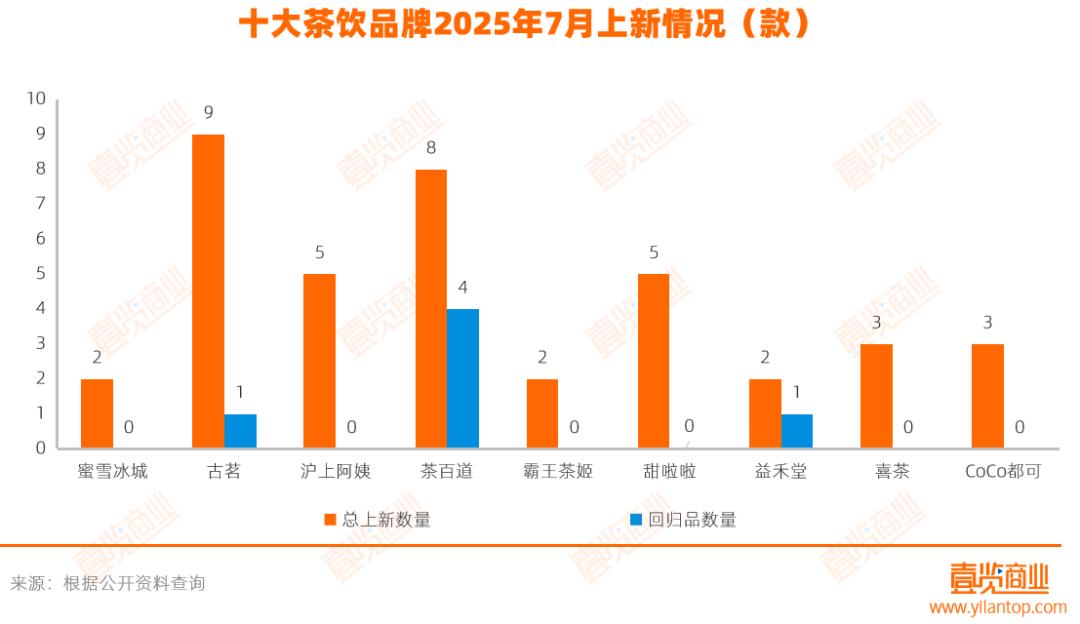
Core Insights - The tea beverage industry is entering its peak consumption season in summer 2025, with a focus on product innovation and seasonal adaptation to meet consumer demand [1][20]. Product Launches - In July 2025, the top ten tea brands launched a total of 43 new products, averaging 1.4 new products per day, with a slight decrease from June [2][19]. - The leading brand, Gu Ming, introduced 8 new products, while Cha Bai Dao followed with 4 new products and 4 returning items [2][19]. - The trend of returning products included 3 classic summer limited editions and 3 upgraded versions of existing products [5][11]. Seasonal Trends - The new product categories in July were driven by seasonal and market demands, with fruit tea, light milk tea, and fruit-vegetable tea making up 73.7% of the offerings [6][19]. - Fruit tea was the most launched category with 13 new products, while fruit-vegetable tea saw a significant increase from 1 to 8 new products, indicating a strong focus on health [9][19]. Ingredient Usage - Jasmine tea was the most commonly used tea base, appearing in 20 products, with 15 of those featuring jasmine specifically [15][12]. - Cow's milk remained the primary dairy base, used in 7 products, while coconut milk and other specialty bases were used in smaller quantities [16][12]. - A total of 30 different fruits were used in new products, with lemon being the most prevalent, appearing in 14 products [19][12]. Market Dynamics - The overall product launch frequency remained consistent, with brands strategically timing releases to maximize consumer engagement and sales [5][20]. - The focus on health and refreshing flavors aligns with consumer preferences during the hot summer months, driving innovation in product offerings [19][20].

香港老牌餐饮店收缩背后:北上消费分流、供应链比拼
Di Yi Cai Jing Zi Xun· 2025-08-13 13:09
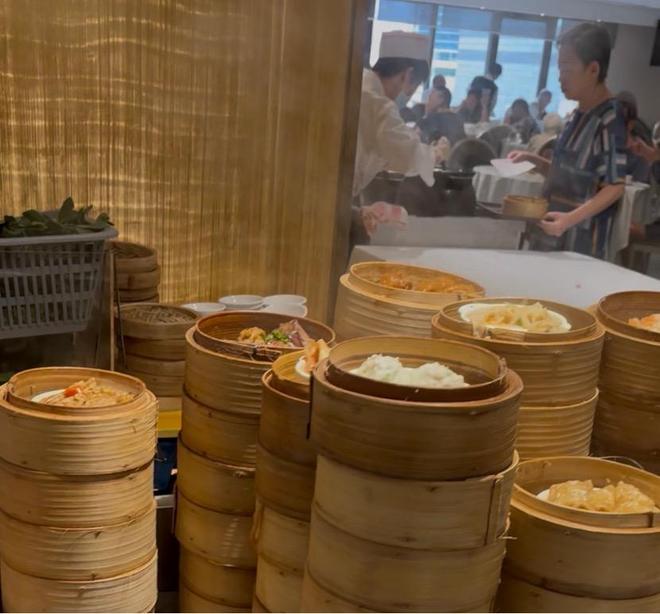
Core Viewpoint - The Hong Kong restaurant industry is undergoing a significant transformation, with many traditional establishments closing down due to various financial pressures and changing consumer behaviors [1][22]. Industry Overview - The closure of the Ming Dou Restaurant, a 35-year-old establishment, reflects a broader trend in Hong Kong's dining scene, where numerous iconic tea houses have been shutting down or downsizing since 2025 [1][22]. - Over ten well-known dining brands have announced closures since 2025, including Hong Xing Seafood Restaurant and Dai Ban Bakery, indicating a significant contraction in the market [7][11]. Financial Performance - In the first quarter of 2025, total restaurant revenue in Hong Kong was HKD 28 billion, with a 49% decrease in revenue for Chinese restaurants after adjusting for price changes compared to the previous year [11][22]. - The operating cost for small and medium-sized enterprises has risen to 68% of revenue, a 15 percentage point increase from pre-pandemic levels [11][22]. Consumer Behavior - A new fast-food model called "Two Dishes Rice" has emerged, offering affordable meal options priced between HKD 17 and HKD 60, catering to cost-conscious consumers [11][22]. - The popularity of this model has led to an increase in the number of such establishments in Hong Kong, with traditional tea restaurants also adopting this business model [9][22]. Challenges Faced - High rental costs are a primary reason for many restaurants closing, with some establishments unable to sustain operations due to significant rent increases [11][22]. - Traditional dining establishments are facing competition from mainland chains that utilize more efficient payment and operational models, leading to a decline in customer traffic [14][22]. Market Dynamics - The influx of Hong Kong residents traveling to mainland China for dining has intensified competition, with many preferring to dine in cities like Shenzhen where prices are significantly lower [18][20]. - The exchange rate between the Hong Kong dollar and the Chinese yuan has influenced consumer behavior, with the HKD fluctuating around 0.91 to 0.95 against the CNY in recent years [20][22]. Future Outlook - Despite the current challenges, there are signs of potential recovery as some restaurants are adopting new technologies and operational strategies to enhance efficiency and reduce costs [22][23]. - The unique culinary culture of Hong Kong remains a competitive advantage, and there is potential for cross-border collaboration between Hong Kong and mainland dining markets [22][23].
地摊爆火,实体门店急了?
Hu Xiu· 2025-08-13 12:38
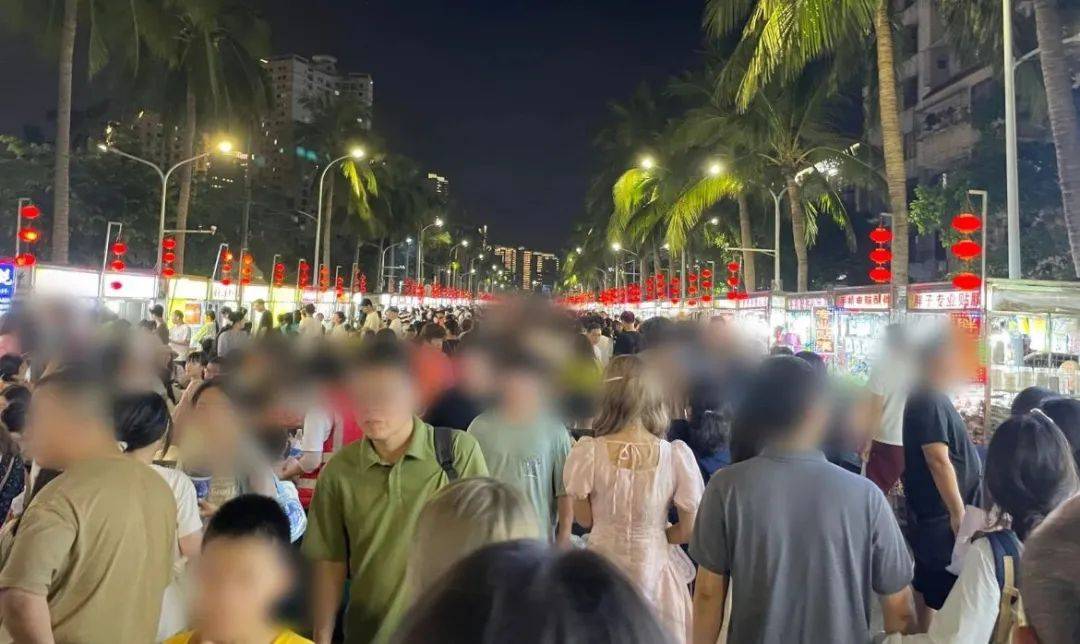
Core Insights - The rise of the "night market economy" is significantly impacting traditional brick-and-mortar restaurants, leading to increased competition and consumer preference for lower-priced street food options [3][15][22] Policy and Market Environment - The government has been supportive of the street vendor economy since 2020, with cities like Shanghai and Chengdu designating specific areas for vendors, thus expanding their operational boundaries [5][9] - The changing market environment, characterized by consumers becoming more price-sensitive, has led to a surge in demand for affordable street food, which aligns with consumer preferences for high value [7][19] Impact on Traditional Restaurants - Traditional restaurants are facing challenges due to the influx of street vendors, which has resulted in a significant loss of customers and revenue for some establishments [19][21] - The operational costs for brick-and-mortar restaurants, including rent and wages, create a financial burden that street vendors, with their lower overhead, do not face [16][20] Competitive Dynamics - The competition between street vendors and traditional restaurants is not strictly zero-sum; both can coexist if they target different consumer segments [32][33] - The rapid growth of street vendors has led to market saturation in some areas, resulting in intense competition among vendors themselves [35][36] Future Outlook - The street vendor economy is expected to continue evolving, with a need for both street vendors and traditional restaurants to adapt to changing consumer demands and market conditions [37][38]
“奶茶爆改小蛋糕”引发全网挑战,我发现一个新风口
3 6 Ke· 2025-08-13 01:15
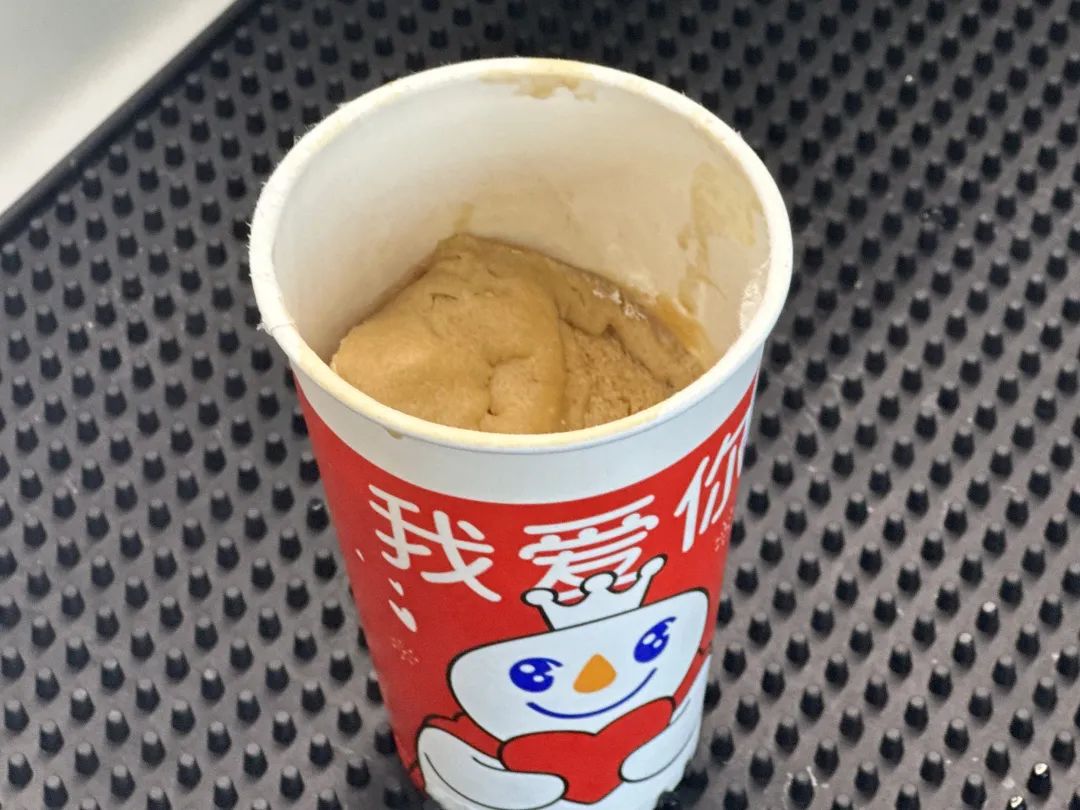
Core Insights - The recent trend of transforming beverages like milk tea into cakes and other desserts has gained significant popularity on social media, indicating a shift in consumer behavior towards creative culinary uses of drinks [1][20][21] Group 1: Consumer Trends - Consumers are experimenting with leftover drinks, such as turning a cup of milk tea into a cake using simple ingredients and a microwave, which has garnered thousands of likes on social media [1][3] - The trend of "DIY" beverage transformations reflects a growing acceptance of the "drink+" concept, where traditional beverages are reimagined as desserts, enhancing consumer engagement and reducing waste [20][23] Group 2: Brand Participation - Brands like Xiangpiaopiao are actively participating in this trend, with their social media posts receiving high engagement, such as 37,000 likes for recipes using their milk tea [5][7] - The involvement of brands in these creative culinary challenges serves as a low-cost marketing strategy, increasing brand visibility and consumer affinity through interactive content [20][21] Group 3: Industry Implications - The trend of beverage dessertification is prompting beverage companies to explore new product lines that blend drink flavors with dessert formats, potentially leading to new market opportunities [21][25] - Major brands are already capitalizing on this trend by launching innovative products that combine classic drink flavors with baked goods, such as the "mochi croissant tart" series from Heytea [23][25]


狂开门店8000家,蜜雪“平替”甜啦啦加盟商的血与泪
商业洞察· 2025-08-12 09:25
Core Viewpoint - The article discusses the rapid expansion of the tea beverage brand Tienlala, which has adopted a strategy of imitating its competitor Mixue, focusing on lower prices and aggressive store openings, but this growth has come at a significant cost to its franchisees [5][7][8]. Group 1: Franchisee Survival Dilemma - Tienlala is perceived as a "substitute" for Mixue, with its founder having previously been a franchisee of Mixue, leading to a strategy of selling similar products [10][11]. - As of 2024, Tienlala has over 8,000 stores across 318 cities, including international locations in the Philippines and Cambodia [11]. - The initial investment for a Tienlala franchise is advertised at 150,000 to 200,000 yuan, significantly lower than Mixue's 400,000 to 500,000 yuan, attracting many franchisees [14][13]. - However, actual costs often exceed expectations, with one franchisee stating that total expenses can exceed 300,000 yuan due to hidden renovation costs and high fees for mandatory materials [15][16]. - Franchisees report that the promised profit margins of 20-30% are often unrealistic, with many struggling to break even due to low pricing strategies and high operational costs [16][17]. Group 2: Competitive Pressure from Mixue - The tea beverage industry is experiencing intense competition, particularly in site selection, with established brands like Mixue dominating prime locations [20][22]. - New franchisees often find themselves in less desirable locations due to Mixue's existing presence, which further squeezes their profit margins [20][23]. - Franchisees face additional challenges from aggressive pricing strategies and operational pressures, leading to a significant reduction in profitability [22][23]. Group 3: Challenges of Imitating Competitors - Tienlala's strategy of undercutting competitors' prices has led to a lack of product innovation and brand recognition, with a significant portion of its stores located in lower-tier markets [25][27]. - The brand's low-cost model limits its ability to enhance product quality, creating a dilemma between maintaining price sensitivity and improving brand image [27][28]. - Tienlala's future success hinges on its ability to provide unique value to both consumers and franchisees, beyond merely replicating Mixue's model [28].

红旗连锁(002697.SZ):公司在场馆附近的部分门店销售相关部分世运会特许商品
Ge Long Hui· 2025-08-12 07:19
Group 1 - The company, Hongqi Chain (002697.SZ), is selling licensed products related to the World University Games at some of its stores near the venues [1] - Certain stores in key business districts and tourist attractions in Chengdu have launched a special section for must-buy products [1]
洪灝:北水不断南下 港股下半年行情还有新高
智通财经网· 2025-08-12 07:17
Market Outlook - The Hong Kong stock market is expected to experience another wave of growth in the second half of the year, primarily driven by continuous inflows of northbound capital [1][2] - The Hong Kong market has shown over 20% growth this year, making it one of the best-performing major markets globally [1] - The IPO market in Hong Kong is thriving, with effective strategies for new listings attracting significant investor interest [1] Investment Opportunities - There are numerous investment opportunities in Hong Kong, particularly in sectors like innovative pharmaceuticals, which have seen a resurgence after a two-year lull [2] - The semiconductor sector and new consumption concepts, such as popular brands like Lao Pu Gold, Mixue Ice City, and Pop Mart, have also doubled in value this year [2] - For investors unsure about stock selection, investing in innovative pharmaceutical index ETFs could yield substantial returns, potentially doubling in six months [2] Economic Factors - The liquidity in Hong Kong is expected to remain robust, especially if the Federal Reserve lowers interest rates, prompting the Hong Kong Monetary Authority to follow suit [1][2] - Short-term macroeconomic factors are deemed less critical than liquidity for market performance, suggesting that even without positive fundamentals, the market can still rally [1][2] Comparative Market Analysis - While Hong Kong presents many opportunities, some sectors, such as infrastructure stocks and the Apple and Tesla supply chains, are performing well but are only accessible through the A-share market [3] - The current market dynamics differ from previous years, with a notable absence of severe overcapacity issues that characterized earlier supply-side reforms [3][4] - The ongoing price competition in downstream markets, driven by aggressive subsidy strategies from internet platforms, presents a unique challenge compared to past market conditions [4]
中国餐饮出海迈入新阶段
Xin Hua Wang· 2025-08-12 05:44
Core Insights - The Chinese restaurant industry is experiencing significant expansion and value reconstruction, with a notable increase in competition, prompting strong brands to accelerate their overseas market strategies [1][3] - The wave of Chinese restaurant brands going global is characterized by cultural integration, standardized practices, and supply chain localization, marking a new phase in international expansion [1][2] Industry Expansion - The overseas Chinese restaurant market has grown to nearly 700,000 outlets, with a market size approaching 3 trillion yuan [2] - Hot pot brands, such as Haidilao, are leading the charge in international expansion, with over 120 locations globally, while new tea beverage brands like Mixue Ice Cream & Tea have opened more than 5,000 stores across 12 countries since 2018 [2][3] Market Drivers - The intense competition in the domestic restaurant market is a key driver for brands seeking growth through international expansion, with over 3.1 million new restaurant registrations in 2024 [3] - Policy support, including the Ministry of Commerce's guidance on promoting high-quality development in the restaurant industry, is fueling the push for Chinese cuisine to go global [1][3] Cultural Integration - Successful international expansion requires deep cultural understanding and adaptation to local tastes, as demonstrated by Haidilao's localized menu innovations in various regions [5][6] - Cultural integration is seen as a core challenge, with brands needing to create experiences that resonate with local consumers while maintaining their culinary identity [6][14] Supply Chain Challenges - Supply chain localization is a critical hurdle for Chinese restaurants abroad, with many relying on a mix of domestic and local sourcing to ensure quality and consistency [5][11] - The complexity of international supply chains, including regulatory compliance and logistics, poses significant challenges for brands looking to establish a foothold in foreign markets [7][10] Strategic Recommendations - Industry experts suggest that a collaborative approach involving government support, industry associations, and enterprises is essential for overcoming barriers to international expansion [10][11] - Establishing a comprehensive ecosystem that includes supply chain, logistics, and local partnerships is vital for successful market entry and sustainability [11][12] Innovation and Adaptation - Brands are increasingly leveraging technology and innovative supply chain solutions to enhance their international operations, with companies like Meituan utilizing AI to support global restaurant markets [12][13] - The reciprocal relationship between international expansion and domestic innovation is fostering a cycle of improvement and adaptation within the Chinese restaurant industry [13][14]
香港人反向代购热潮越来越火
3 6 Ke· 2025-08-12 04:15
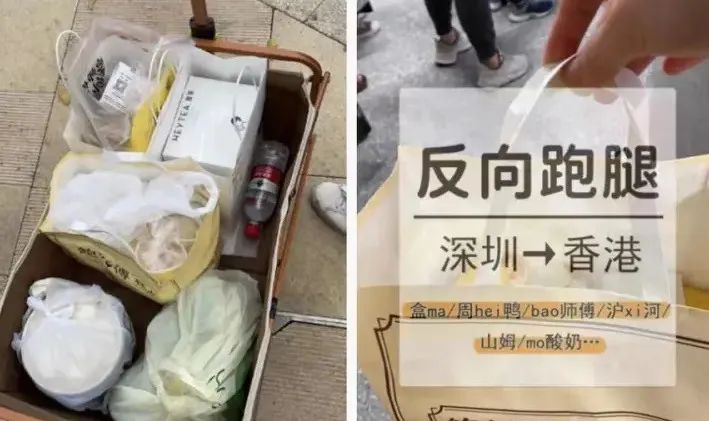
Core Viewpoint - The trend of Hong Kong residents traveling to mainland China for shopping and the rise of reverse purchasing has become a significant commercial phenomenon, reflecting a deepening integration between Hong Kong and mainland cities [1][22]. Group 1: Hong Kong Residents' Consumption Trends - Hong Kong residents are increasingly traveling to mainland cities, particularly the Greater Bay Area, for shopping, with a notable preference for high-end products and services [2][3]. - The average spending of Hong Kong residents when they visit mainland China ranges from 300 to 500 HKD, with over 80% of their expenditures on lifestyle services such as health, beauty, and personal care [3][22]. - The phenomenon of reverse purchasing, where residents buy products from mainland China to sell back in Hong Kong, has gained traction, with some individuals reportedly earning substantial profits [5][6]. Group 2: Real Estate and Property Trends - Many Hong Kong residents are opting to purchase properties in mainland cities, particularly in Shenzhen, Guangzhou, and Zhuhai, due to the affordability compared to Hong Kong's real estate market [2][22]. - The average Hong Kong family would need to spend 14.4 years of income to buy a home, while properties in the Greater Bay Area are more accessible, often requiring only a down payment [2][22]. Group 3: Historical Context and Evolution - The current trend marks a significant shift from the previous era of Hong Kong goods being purchased by mainland consumers, highlighting a reversal in purchasing dynamics [15][22]. - The initial wave of purchasing from Hong Kong to mainland China began in the 1980s, with various consumer goods entering the mainland market, leading to a cultural exchange [8][9][15]. - The peak of the Hong Kong goods purchasing trend occurred around 2014, but recent years have seen a resurgence of Hong Kong residents shopping in mainland China [15][22]. Group 4: Business Integration and Market Dynamics - The integration of Hong Kong and mainland markets is evident, with numerous mainland brands establishing a presence in Hong Kong, enhancing competition and diversifying the retail landscape [16][19]. - Major e-commerce players like JD and Alibaba are increasingly focusing on the Hong Kong market, indicating a strategic shift towards localizing their operations [19][22]. - The collaboration between Hong Kong and mainland businesses is expected to grow, with initiatives like the cooperation memorandum between Hong Kong and Hainan aimed at expanding trade opportunities [21][22].
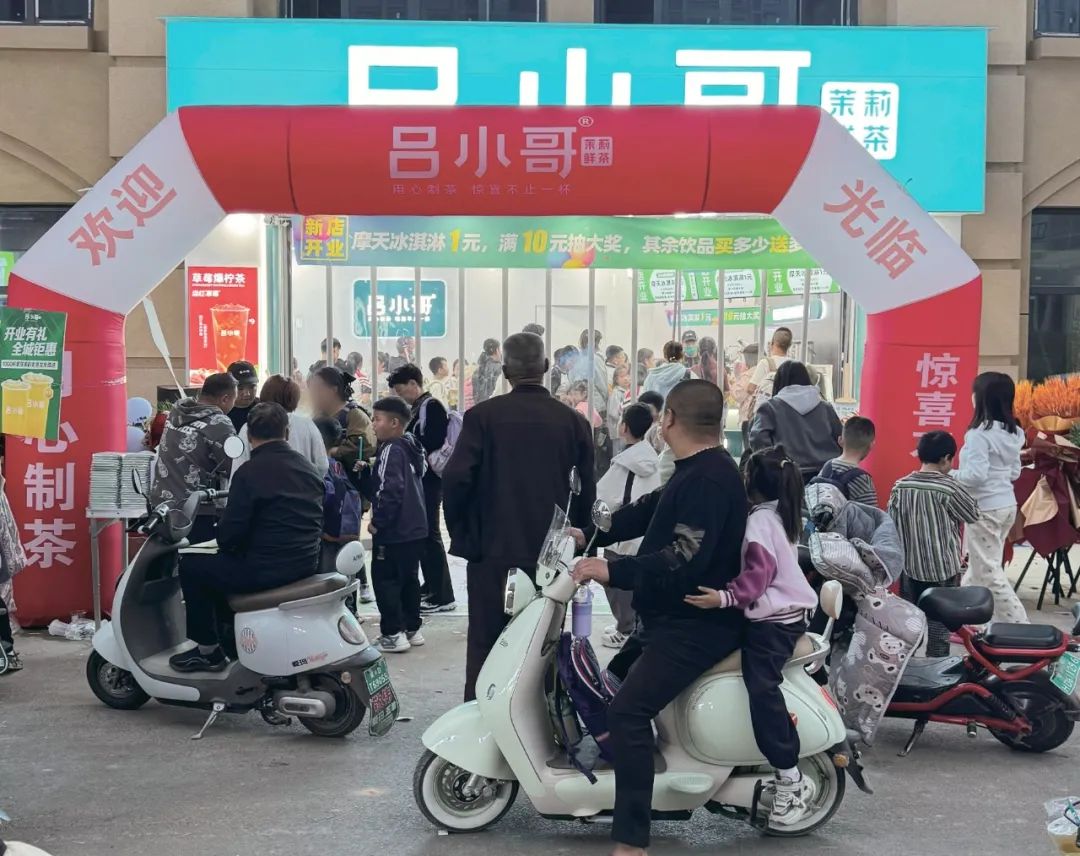
最低3元/杯、和6家蜜雪PK,这家“神店”营收连涨13年
3 6 Ke· 2025-08-12 02:11
Core Insights - The article highlights the success of a local tea shop named "Lv Xiaoge" in a competitive market dominated by major brands like Mixue, showcasing its unique business model and strategies that have led to consistent revenue growth over 13 years [1][3][24] Group 1: Business Model and Performance - Lv Xiaoge operates over 410 stores, with 180 located in Anyang, and 60% of its stores in county towns, achieving an average daily revenue of over 3,000 yuan [3][24] - The shop's average daily revenue exceeds 10,000 yuan, with a peak of 2,000 cups sold in a single day [1][3] - The brand has maintained a 0% closure rate in the Anyang area, indicating strong operational stability [3] Group 2: Product Strategy - The shop offers high-value products at low prices, such as 2 yuan fresh milk ice cream and 3 yuan jasmine tea, appealing to local consumers [1][5] - The product lineup is limited, with only 6-7 new items introduced annually, focusing on quality over quantity [5][11] - The use of high-quality ingredients and unique preparation methods differentiates its products from competitors, such as a distinct lemon tea that emphasizes freshness and flavor [11][13] Group 3: Marketing and Brand Positioning - The brand relies on word-of-mouth marketing rather than traditional advertising, with a focus on building a strong local reputation [17][21] - The founder, Lv Zhiwei, is actively involved in product development and quality control, ensuring that every product meets high standards [18][20] - The brand's strategy emphasizes regional focus, avoiding rapid national expansion and prioritizing sustainable growth in local markets [23][24]