科大讯飞

Search documents
暴涨逾6%!大数据ETF华宝(516700)冲击12连阳
Mei Ri Jing Ji Xin Wen· 2026-01-12 02:39
Group 1 - The AI application sector continues to surge, with the big data ETF Huabao (516700) experiencing a price increase of over 6%, marking a 12-day consecutive rise in daily trading volume [1] - Positive news includes the anticipated release of DeepSeek V4, which may surpass OpenAI GPT in AI programming capabilities, and Alibaba's Qwen 3.5, expected to enhance multimodal understanding and coding abilities [1] - The listing of Zhihui, the first global large model stock, on January 8 in Hong Kong, signifies a growing interest in AI models [1] Group 2 - Data centers are identified as the core infrastructure for AI, with a high demand for computing power driving growth in the IDC industry [2] - The North American and Chinese markets are highlighted as key growth areas, with significant projects still pending in overseas markets, while domestic demand is expected to rebound after a temporary slowdown due to import restrictions on computing cards [2] - The big data ETF Huabao (516700) passively tracks the CSI Big Data Industry Index, focusing on sectors like data centers and cloud computing, with major holdings in leading companies such as Inspur, iFlytek, and China Software [2]
人形机器人T链一级供应商冲刺IPO,机器人ETF(159770)、科创综指ETF天弘(589860)标的指数双双冲高涨近2%!
Sou Hu Cai Jing· 2026-01-12 02:33
Core Insights - The Robot ETF (159770) has shown significant trading activity, with a turnover of 2.08% and a transaction volume of 229 million yuan, while the underlying index, the CSI Robot Index (H30590), increased by 1.60% [1] - The Robot ETF has experienced substantial growth, with an increase of 333 million yuan over the past two weeks and 18.47 billion shares over the last three months [1] - The Tianhong Sci-Tech ETF (589860) also performed well, with a transaction volume of 2.8849 million yuan and the underlying SSE Sci-Tech Innovation Board Composite Index (000680) rising by 1.93% [1] Product Highlights - The Robot ETF (159770) closely tracks the CSI Robot Index, providing investors with an efficient tool to invest in the entire robot industry chain [2] - The Tianhong Sci-Tech ETF (589860) closely follows the Sci-Tech Composite Index, featuring leading technology companies with strong brand advantages and research capabilities [2] Related Products - The Robot ETF (159770) corresponds to the off-market linked funds (A: 014880; C: 014881) [3] - The Tianhong Sci-Tech ETF (589860) corresponds to the off-market linked funds (A: 023721; C: 023722) [3] Industry Events - Tesla's core supplier for the Optimus robot, Xinjian Transmission, has initiated IPO counseling, focusing on components for humanoid robots, which is expected to accelerate the industry chain [3] - According to Omdia, global shipments of humanoid robots are projected to reach 13,000 units by 2025, with Chinese manufacturers dominating the market, holding the top six positions in shipment volume [4] - The leading Chinese brand, Zhiyuan Robotics, accounted for 5,168 units, representing 39% of the global market share, while Yushu Technology followed closely with 4,200 units, together controlling 71% of the market [4] Institutional Views - Recent advancements in consumer robots are moving towards embodied intelligence, with companies showcasing robots with enhanced environmental adaptability at CES 2026 [5] - The push for domestic supply chain development is expected to lower core component costs, further promoting the large-scale deployment of consumer robots [5]


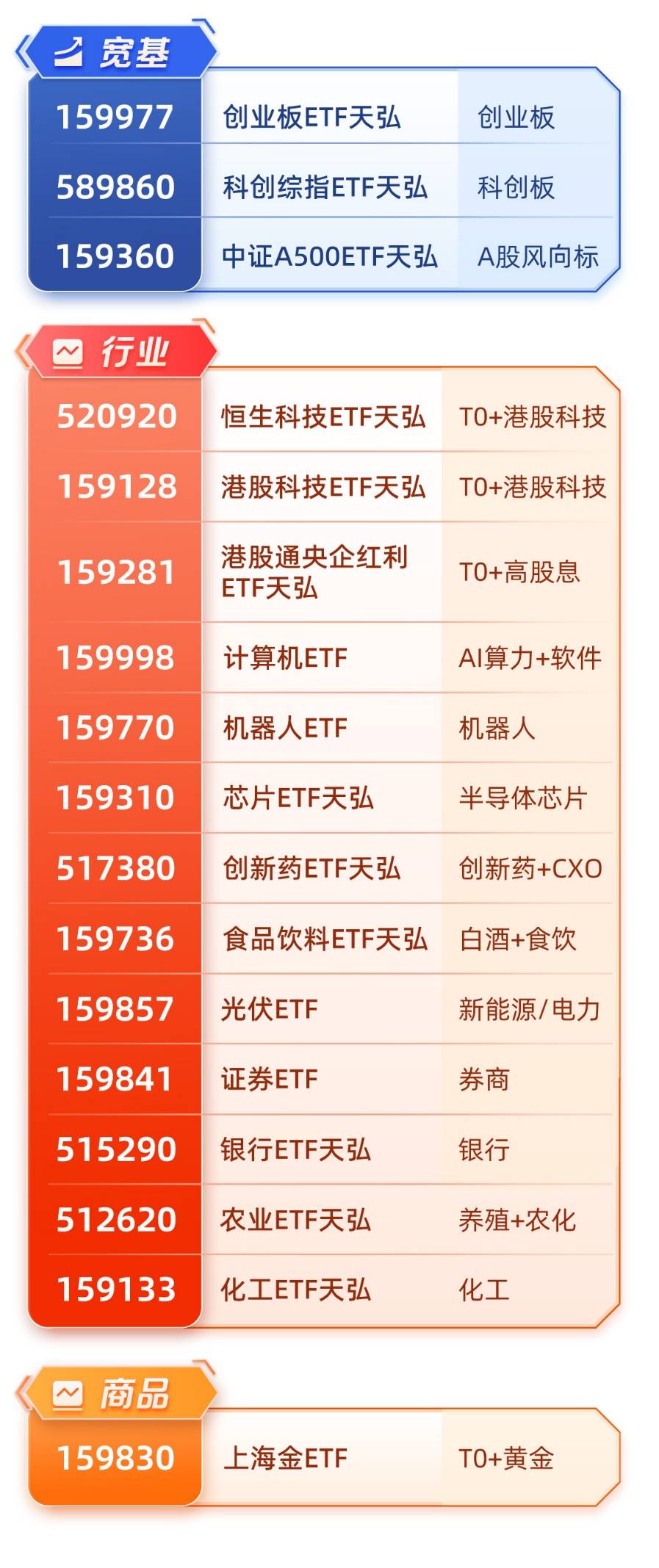
AI应用爆发!软件50ETF(159590)放量大涨超5%,早盘获实时净申购2000万元!GEO登上风口,DeepSeek V4发布期或近,豆包将登陆春晚
Sou Hu Cai Jing· 2026-01-12 02:19
Group 1 - The software sector experienced a significant surge, with the Software 50 ETF (159590) rising over 5% and a substantial trading volume, indicating strong market interest [1] - Major stocks within the Software 50 ETF saw positive performance, including Zhongke Xingtou up over 14%, Tuorisi up nearly 12%, and Keda Xunfei up over 6% [1] - The net subscription amount for the Software 50 ETF exceeded 22 million yuan shortly after the market opened [1] Group 2 - The Software 50 ETF tracks the CSI Software Index, which includes 50 constituent stocks, with approximately 67% weight in application software and over 15% in AI-related fields [6] - The index aims to provide comprehensive exposure to the entire AI software industry chain, making it a strategic investment option [6] Group 3 - The upcoming release of DeepSeek V4 is anticipated to enhance programming capabilities and understanding of data patterns, potentially reshaping the global AI competition landscape [3] - Fire Mountain Engine has become the exclusive AI cloud partner for the Spring Festival Gala, highlighting the growing importance of multi-modal capabilities in AI applications [3] Group 4 - Companies like Zhiyu and MiniMax have recently listed on the Hong Kong stock market, which is expected to accelerate their growth with capital support [4] - The shift from traditional SEO to GEO (Generative Engine Optimization) is seen as a long-term growth opportunity in AI marketing, as it enhances content visibility and brand authority [5]


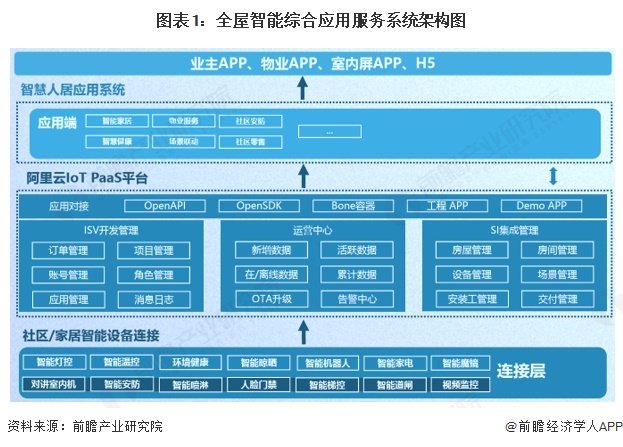
预见2025:《2025年中国全屋智能行业全景图谱》(附市场现状和发展趋势等)
Qian Zhan Wang· 2026-01-12 01:35
Industry Overview - The concept of "whole-house intelligence" refers to an integrated smart home system that combines smart lighting, security, audio-visual, and appliance control into a comprehensive home solution. This system allows for automated operations based on environmental and personal needs, enabling connectivity between individual smart products for a more personalized home experience [1][2] - The whole-house intelligent system relies on cloud platform capabilities and channel resources to create mature smart home applications, smart community applications, and market solutions, forming an IoT ecosystem that includes home device connectivity, automated control, data analysis, health care, community services, and new retail [1] Industry Chain Analysis - The whole-house intelligent field has developed a complete industrial chain, with upstream consisting of component suppliers, middleware suppliers, and software technology providers. The midstream includes whole-house smart home brand manufacturers that sell products directly to consumers and provide solutions to real estate and home decoration companies [2][5] Industry Development Status - The global whole-house intelligent industry is in a rapid development phase, supported by the maturity and integration of IoT, AI, and 5G technologies. This has facilitated easier interconnectivity between devices and enhanced system intelligence and interactivity. Market demand for convenient, healthy, and safe home environments is driving the transition from niche to mass markets [13][15] - In China, the whole-house intelligent industry is experiencing rapid growth driven by both policy and market forces, with a projected market size of approximately 222.4 billion yuan in 2024 [15][25] Competitive Landscape - The competitive landscape of China's whole-house intelligent industry can be categorized into three factions: traditional home appliance companies (e.g., Haier, Midea, Gree), internet companies (e.g., Xiaomi, Huawei), and other specialized firms. Traditional companies leverage supply chain and brand advantages, while internet firms possess strong technological and financial capabilities [17][19] Industry Development Trends - The Chinese whole-house intelligent industry is moving towards standardization in technology, market scenario development, and ecological competition. The combined push from policies, technology, and consumer demand is expected to facilitate a transition from rapid expansion to high-quality development, gradually building a more complete smart living ecosystem [23][25] - The market is expected to see a compound annual growth rate of 9.8%, with the market size projected to reach approximately 390 billion yuan by 2030 [25]
兴业证券:如何看待A股本轮开门红的结构与延续性?
智通财经网· 2026-01-11 10:36
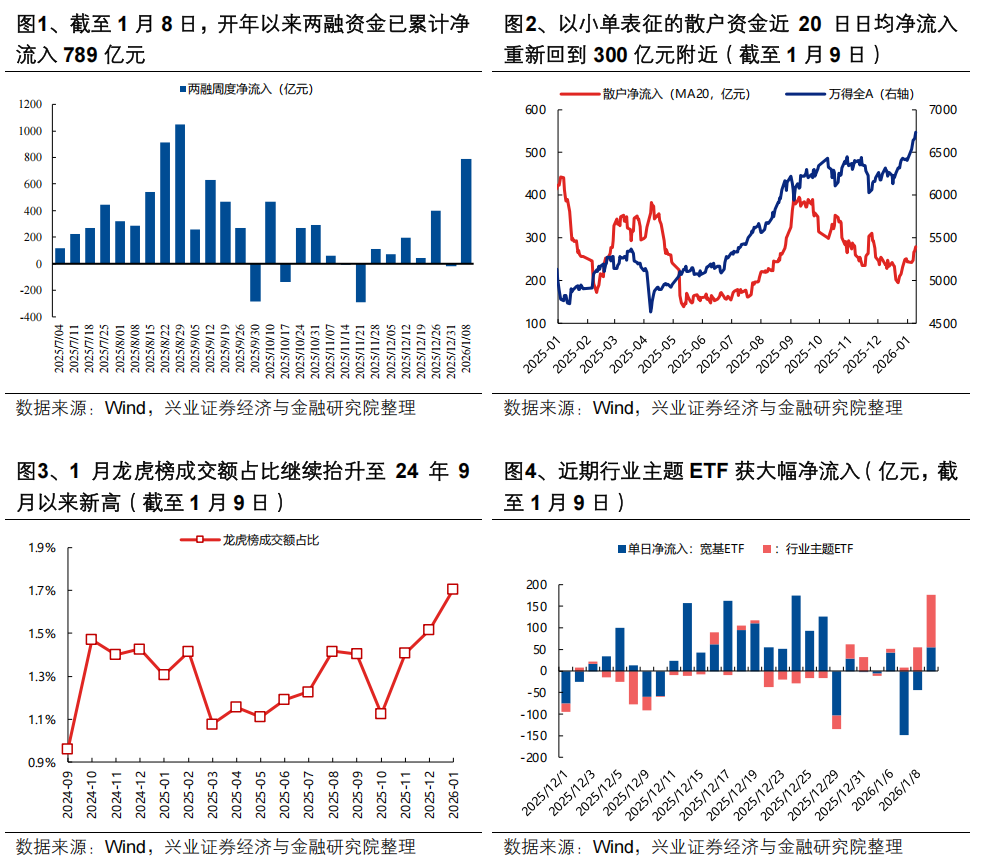
Core Viewpoint - The recent "opening red" in the A-share market reflects a favorable macroeconomic environment and abundant liquidity, which supports market risk appetite and attracts incremental capital inflow, creating a positive feedback loop between capital inflow and market rise [2][18]. Group 1: Market Dynamics - The A-share market has experienced a strong start with the Shanghai Composite Index breaking key levels and achieving a "sixteen consecutive days" rise, exceeding many investors' expectations [1][19]. - Historical data indicates that after a single-day trading volume exceeds 3 trillion yuan, there is typically at least a monthly-level market rally [19]. - Various types of trading funds have shown signs of accelerated entry, including a net inflow of 78.9 billion yuan in margin financing since the beginning of the year and a return of retail investor net inflow to around 30 billion yuan daily [2][5]. Group 2: Structural Characteristics - The inflow structure of different funds shows a strong consensus on key themes, primarily focusing on TMT (storage, AI applications), military industry (commercial aerospace), non-ferrous metals, new energy (controlled nuclear fusion), machinery (robots), and pharmaceuticals (innovative drugs, brain-machine interfaces) [5][36]. - The global stock market has also seen a strong start in 2026, driven by macroeconomic and industrial narratives, with A-shares reflecting similar trends [13][18]. Group 3: Future Directions - As companies begin to disclose annual reports, earnings will become a key factor driving market dynamics, leading to a structural adjustment where previously hot sectors face performance validation, while some low-performing sectors may attract new capital inflows [36]. - Industries with significant upward revisions in profit forecasts since November include technology (consumer electronics, computing), advanced manufacturing (new energy, military), cyclical sectors (building materials, non-ferrous metals), and consumer sectors (food processing, retail) [37][38].

兴证策略:如何看待本轮开门红的结构与延续性?
Xin Lang Cai Jing· 2026-01-11 10:28
Group 1 - The current market rally, referred to as "开门红," is supported by improving macroeconomic data and ample liquidity, which enhances market risk appetite and attracts new capital inflows [1][9][40] - Various types of trading funds have shown accelerated entry into the market, including a net inflow of 78.9 billion yuan in margin financing since the beginning of the year and an average daily net inflow of retail funds returning to around 30 billion yuan [1][9][40] - The structural consensus among different types of funds is strong, focusing on sectors such as TMT (storage, AI applications), military (commercial aerospace), non-ferrous metals, new energy (controlled nuclear fusion), machinery (robots), and pharmaceuticals (innovative drugs, brain-machine interfaces) [2][35][38] Group 2 - The global stock market is experiencing a strong start in 2026, driven by expectations of loose liquidity, geopolitical changes, and emerging industrial trends, with A-shares reflecting this global narrative [5][38] - Key events such as the International Consumer Electronics Show (CES) and geopolitical developments are catalyzing themes in the market, enhancing the strategic value of resource products and driving structural similarities across global markets [5][38] - The market is currently in a favorable position with limited downside risk and significant potential for upward movement, supported by improved PMI and price data, as well as a high percentage of stocks still below their previous highs [11][44] Group 3 - The recent surge in the commercial aerospace sector has raised concerns about its current crowding and sustainability, with trading volume indicating a potential for further upward movement [16][51] - As the earnings forecast disclosure period approaches, the correlation between stock prices and earnings will increase, necessitating a focus on structural adjustments based on performance [21][57] - Industries with significant upward revisions in profit forecasts since November include technology (consumer electronics, computing), advanced manufacturing (new energy, military), and cyclical sectors (building materials, non-ferrous metals) [26][58]
输入法“变笨”了吗?
经济观察报· 2026-01-11 07:29
Core Viewpoint - The article discusses the challenges faced by input method applications in the era of AI, highlighting user frustrations with accuracy and excessive advertisements, despite significant investments from major tech companies in enhancing these tools [2][4][14]. Group 1: User Experience Issues - Users are increasingly dissatisfied with input methods, reporting issues such as inaccurate word predictions and excessive advertisements, which detract from the overall user experience [2][4]. - A specific case is mentioned where a long-time user of Sogou Input Method uninstalled the app due to frequent incorrect suggestions, indicating a decline in basic functionality despite advanced AI features [4]. - Complaints about the voice recognition capabilities of input methods have also surfaced, with users noting that corrections often take longer than typing the text directly [4]. Group 2: AI Integration and Competition - Major input method providers, including Sogou, Baidu, and iFlytek, are engaged in a competitive race to integrate advanced AI capabilities into their products, aiming to enhance user experience and functionality [2][8][9]. - The input method market is characterized by a concentrated structure, with leading companies holding a combined market share of 84.4% as of July 2025, indicating a competitive landscape [8]. - Input methods are evolving from simple typing tools to becoming the primary interface for AI interactions, with companies aiming to position their products as essential gateways to AI capabilities [9][10]. Group 3: Commercialization and Privacy Concerns - Input methods face challenges in monetization, struggling with a "high traffic, low value" dilemma, which complicates their ability to generate revenue despite having a large user base [15][16]. - Privacy concerns are paramount, as input methods have been criticized for collecting unnecessary personal information, leading to regulatory scrutiny and the need for companies to adapt their data collection practices [16]. - Companies are implementing features that allow users to choose between different modes of data collection, balancing functionality with privacy protection [16]. Group 4: Future Directions - The future of input methods is seen as a shift towards becoming intelligent agents that can understand user intent and context, moving beyond basic text input to more complex interactions [12]. - Companies are exploring multi-modal input methods that incorporate voice, text, and images, which require sophisticated algorithms and technology to manage effectively [17].




模型迭代与AI入口竞争共振,AI产业链行情值得期待
Orient Securities· 2026-01-11 03:42
Investment Rating - The report maintains a "Positive" investment rating for the computer industry, indicating an expectation of returns exceeding the market benchmark by over 5% [6]. Core Insights - The AI industry is experiencing significant advancements with the upcoming release of DeepSeek's V4 model, which focuses on enhancing programming capabilities [2]. - Major AI companies in China, such as Zhipu and MiniMax, have recently gone public, with Zhipu's stock rising over 36% and MiniMax's stock increasing over 109% on their debut, leading to a market capitalization exceeding 100 billion HKD [2]. - The report emphasizes that the new model iterations and the accelerated application promotion by major internet companies will create favorable investment opportunities in AI applications and the computing power supply chain [3]. Summary by Sections AI Model Development - The programming capability is highlighted as a key area of improvement for AI models, with significant investments from leading companies like Anthropic and OpenAI to enhance their coding abilities [9]. - DeepSeek's V4 model is reported to surpass existing models in programming tasks, indicating a potential shift in market leadership [9]. - The introduction of innovative architectures, such as mHC by DeepSeek, aims to address stability issues in large model training, supporting future model iterations and application growth [9]. AI Application Market - Major internet companies are intensifying their competition for AI application entry points, with notable product launches aimed at enhancing user engagement and functionality [9]. - The report notes that the recent public listings of major AI model companies will positively impact the overall industry development [9]. Investment Targets - In the AI application sector, recommended investment targets include companies like TaxFriend (603171, Buy) and iFLYTEK (002230, Buy) among others [3]. - In the AI computing power sector, companies such as Haiguang Information (688041, Buy) and Runze Technology (300442, Buy) are highlighted as potential investment opportunities [3].
输入法“变笨”了吗?
Jing Ji Guan Cha Wang· 2026-01-11 03:41
Core Insights - The article discusses the challenges faced by input method applications, particularly focusing on Sogou Input Method, as it approaches its 20th anniversary in 2026. Despite advancements in AI capabilities, user experience has deteriorated, leading to complaints about inefficiency and inaccuracies in word prediction and voice recognition [2][3][5]. User Experience Issues - Users express frustration over the declining accuracy of input methods, with complaints about incorrect word suggestions and excessive advertisements disrupting their experience [3][5][6]. - A long-time user of Sogou Input Method reported issues with common character suggestions, indicating a failure to learn user habits despite repeated corrections [4][5]. AI Integration and Competition - Major input method companies, including Tencent's Sogou, Baidu, and iFlytek, are engaged in a competitive race to integrate advanced AI features into their products, aiming to enhance user experience and functionality [3][9][10]. - The input method market is characterized by a concentrated structure, with leading companies holding a combined market share of 84.4% as of July 2025, indicating a fierce competition for user engagement and AI capabilities [9]. Future Development Goals - Sogou Input Method aims to evolve into a "super entrance" for AI, allowing users to interact with AI agents through the input method, which is seen as a key direction for future development [10][11]. - Baidu Input Method also seeks to position itself as a reliable smart entry point for user expression, leveraging AI to enhance communication and collaboration [11][12]. Commercialization Challenges - Input methods face a "high traffic, low value" monetization dilemma, struggling to effectively convert user engagement into revenue [16][17]. - Privacy concerns have led to increased scrutiny and regulatory challenges, prompting companies to adapt their data collection practices to ensure user safety and compliance [18][19]. Technological Limitations - Despite advancements in AI algorithms, challenges remain in accurately understanding user intent, particularly in word prediction, due to the variability in user language habits and the quality of training data [13][19]. - The complexity of multi-modal interactions, where users input data through various means, requires sophisticated algorithms and technology to ensure seamless processing [19].

【数智周报】商务部回应审查Meta收购Manus;AI驱动的通胀是2026年最被忽视的风险;英伟达发布Vera Rubin AI计算平台
Tai Mei Ti A P P· 2026-01-11 03:09
Group 1: AI Market Trends and Predictions - AMD CEO Lisa Su stated that AI active users have surged from 1 million to 1 billion since the launch of ChatGPT, predicting that by 2030, this number will reach 5 billion, necessitating a 100-fold increase in global computing power in the coming years [2] - Ray Dalio, founder of Bridgewater, warned that the current AI hype is in the early stages of a bubble, predicting that by 2025, the US stock market will significantly lag behind non-US markets and gold assets [2] - Siemens' global executive vice president, Dr.肖松, emphasized that while industrial AI is challenging, it holds immense value, and China is well-positioned to lead in its application due to its manufacturing depth and supportive policies [2] Group 2: AI Innovations and Developments - NVIDIA CEO Jensen Huang announced that the company is accelerating production of the H200 chip for the Chinese market, highlighting the strong demand from China [4] - Lenovo's CEO Yang Yuanqing stated that the AI era will not see a "winner-takes-all" scenario, emphasizing the importance of collaboration among hardware manufacturers, chip companies, and large model enterprises [5] - Zhiyuan's IPO saw a 13.17% increase on its first day, with plans to launch GLM-5, aiming to become a leading large model enterprise by 2026 [5] Group 3: AI Industry Growth and Economic Impact - Shanghai's AI industry is projected to exceed 550 billion yuan in 2025, with a growth rate of over 30%, reflecting a robust expansion and improved profitability [6] - The AI hardware company Looki completed over $20 million in Series A financing, with funds aimed at talent organization, model iteration, and product development [25] - A report from Goldman Sachs indicated that AI will trigger another wave of layoffs in 2026 as companies accelerate automation to reduce costs, particularly affecting repetitive and rule-based jobs [27]